
Matthew 9:1-8 New King James Version
Jesus Forgives and Heals a Paralytic(A)
9 So He got into a boat, crossed over, (B)and came to His own city. 2 (C)Then behold, they brought to Him a paralytic lying on a bed. (D)When Jesus saw their faith, He said to the paralytic, “Son, be of good cheer; your sins are forgiven you.”
3 And at once some of the scribes said within themselves, “This Man blasphemes!”
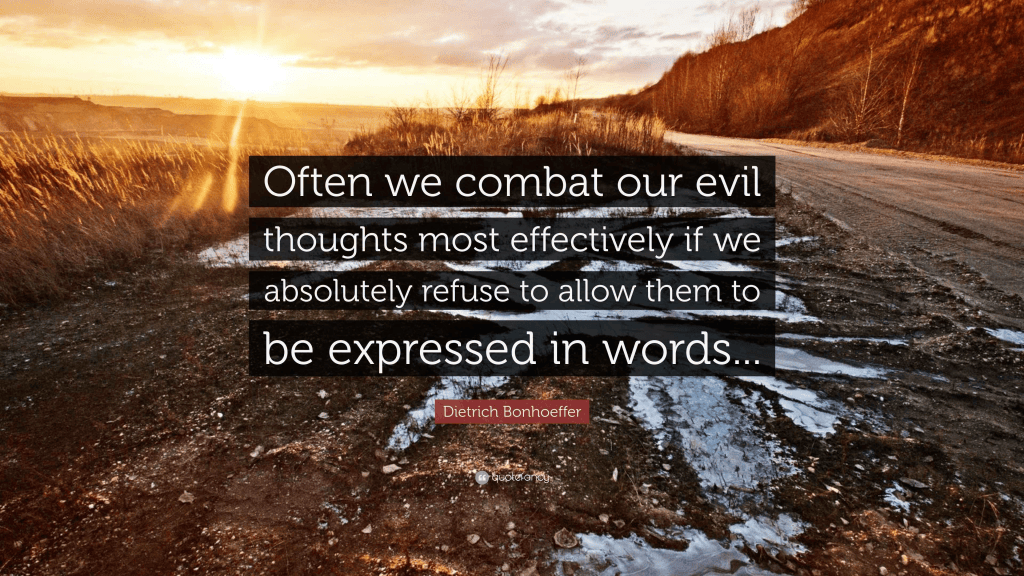
4 But Jesus, (E)knowing their thoughts, said, “Why do you think evil in your hearts? 5 For which is easier, to say, ‘Your sins are forgiven you,’ or to say, ‘Arise and walk’? 6 But that you may know that the Son of Man has power on earth to forgive sins”—then He said to the paralytic, “Arise, take up your bed, and go to your house.” 7 And he arose and departed to his house.
8 Now when the multitudes saw it, they (F)marveled[a] and glorified God, who had given such power to men.
The Word of God for the Children of God
Glory be to the Father,
and to the Son, and to the Holy Ghost;
as it was in the beginning,
is now, and ever shall be,
world without end. Amen, amen.
The Heart of Thoughts: Unmasking Evil Intentions
In Matthew chapter 9, we find Jesus in a crowded house in Capernaum, a town located on the northern shore of the Sea of Galilee.
The house is filled by people eager to hear Jesus teach and witness His miracles.
Among the crowd are the Pharisees, religious leaders well known for their strict adherence to the Jewish law.
The scene is tense as the Pharisees watch closely, skeptical of Jesus’ abilities and questioning His authority to forgive sins.
Jesus, already perceiving their thoughts, responds with a powerful statement which both challenges their beliefs and demonstrates His divine authority.
The paralyzed man, lying on the mat, waits in anticipation for Jesus’ response, unaware of the profound impact this encounter will have on his life.
As we dive into the depths of Matthew 9:4, where it is recorded,
“And Jesus knowing their thoughts said, Wherefore think ye evil in your hearts?”
We are drawn into a profound reflection on the nature of our thoughts and the condition of our hearts.
This verse presents a striking moment when Jesus, with divine insight, recognizes not only the words spoken by the religious leaders but also to discern the hidden unspoken motives and thoughts that lie beneath them.
To understand the weight of this encounter, we must consider the context.
Jesus is challenging the thoughts and intentions of those present in this verse, including the village people whose collective intention is being taught by Jesus
Jesus is highlighting the idea He knows our innermost thoughts and feelings, and ultimately God knows them too.
He deliberately separates the Pharisee’s questions why they are allowing evil thoughts to take root in their hearts, from those whose thoughts were pure and education focused, implying it’s our choice to entertain such negative motives.
Pray about how often negative thoughts and intentions take root in our hearts.
Jesus is calling us to reflect on what we allow to occupy our minds and hearts.
Are we nurturing thoughts of kindness, love, compassion, or unchecked evil thoughts to take root, and ever so slowly to grow, emerge, fester within us?
Jesus is reminding us that our thoughts will ultimately shape our actions and negatively impact, influence our current and future relationships with others.
Ask ourselves when we wake up, several times a day, “how is it with our souls?”
Let’s strive to instead of negative intentions, fill our minds and hearts with positive and Godly intentions, seeking to align our thoughts with His will.
Jesus is emphasizing the importance of guarding our hearts and minds against evil influences and ensuring that our thoughts, motives, align with God’s will.
To emphasize that significant impact, Jesus had just performed a miraculous healing in their sight, demonstrating His authority over both sickness and sin.
But His proclamation to the paralytic – “Son, be of good cheer; thy sins be forgiven thee” – stirred up more disbelief and hostility among the scribes and Pharisees.
Rather than celebrating the healing, they publicly questioned Jesus’ authority and legitimacy to heal and forgive the paralytic man, leading to a subsequent moment where Jesus directly, harshly, addressed their contrarian hearts.
That sudden challenge posed by Jesus, “Wherefore think ye evil in your hearts?” serves as a sudden powerful reminder that our thoughts are not merely fleeting notions; they are open to rapid scrutiny, they’ll reveal the core of who we are.
Matthew 9:4 is about Jesus knowing the thoughts of the Pharisees and revealing his divine authority to forgive sins.
Our thoughts can either align with God’s truth, reflecting love and grace, and forgiveness or can align with the darkness that lingers within, manifesting as envy, jealousy, judgment, pride, and bitterness and worse – acts of violence.
In the eyes of the scribes and Pharisees, Jesus’ actions were perhaps viewed as blasphemous, demeaning, threatening, their established order and authority.
Their hearts were greatly troubled, and instead of seeking understanding or reflection, they allowed for planning hostility and evil thoughts to take root.
Herein lies a pivotal lesson for us as believers: we won’t like it, except we must continually confront the nature of our thoughts and the condition of our hearts.
Are our thoughts and actions aligned with God’s will, or do we such harbor negative hateful, hurtful intentions, that lean toward the dark, destructive?
Jesus’ inquiry invites every single one us to take God’s time to self-examine.
God’s anointed time with prayer and study for self reflection begs the question:
What thoughts, actions, have we been allowing to occupy, live in our minds?
Think first then ask questions later or not at all?
Act then think about what happened later, blind and silent to consequences?
Are we quick to judge others or harbor ill will?
Reflecting on this passage from Matthew compels us to search our hearts for any dark negative inclinations that could fester into something more sinister.
Moreover, this passage is empowering as it reminds us of Jesus’ omniscience.
Despite being aware of our thoughts, He still notices us, He still approaches us in love, asks where we are, extending forgiveness even in our flawed condition.
Such a response of forgiveness where punishment was more deserved, should prayerfully spur us on to a deeper relationship with Him where confession and repentance are not viewed as burdens but pathways to restoration and renewal.
Consider the Apostle Paul’s exhortation in 2 Corinthians 10:3-12, urging us to bring every thought into captivity to the obedience of Christ.
2 Corinthians 10:3-12 Evangelical Heritage Version
3 For even though we walk in the flesh, we do not wage war in the way the sinful flesh does. 4 Certainly, the weapons of our warfare are not those of the flesh, but weapons made powerful by God for tearing down strongholds. We tear down thoughts 5 such as all arrogance that rises up against the knowledge of God, and we make every thought captive so that it is obedient to Christ. 6 And we are ready to punish every disobedience when your obedience is fully restored.
7 You are looking at things only according to the outward appearance. If anyone has convinced himself that he belongs to Christ, let him consider this about himself: We belong to Christ just as much as he does. 8 Indeed, even if I may boast some more about our authority, which the Lord has given for building you up and not for tearing you down, I will not be put to shame. 9 My purpose is not to seem as if I am trying to frighten you by my letters. 10 For some say, “His letters are weighty and strong, but his physical presence is weak, and his speech amounts to nothing.” 11 Let such a person consider this: What we are, by our word through letters when we are away, is just what we will be in our work when we are present.
12 To be sure, we do not dare to classify or compare ourselves with some of those who speak highly of themselves. On the contrary, when they measure themselves only by themselves and compare themselves with themselves, they are not wise.
This call to action operates under the realization that while we cannot always control the thoughts that first enter our minds, we can choose how to respond.
By leaning into the wisdom of the Holy Spirit, we can discern which thoughts align with God’s indelible truth and which need to be dismissed as unworthy.
And as the already divided and division minded Body of Christ moves forward?
Let’s pick up our bibles and ponder over our thoughts and their true origins.
Let us lay bare our hearts before the Lord, allowing His light of forgiveness to illuminate any darkness and deception that may be hidden within within us.
Jesus knows our thoughts; He knows our struggles – He knows everything.
He invites us into a relationship where we can repent of our sins and seek mercy, forgiveness and allow Him to transform the very core of our being.
May we pray over things which are pure, lovely, truthful and of good report and, through this disciplined process, reflect the heart of Christ to a world in need.
In prayer, pray for God to reveal those areas in your heart where you may have permitted negative evil thoughts to take root. Surrender these to Him and seek His strength to guide you towards a heart that mirrors His love and compassion.
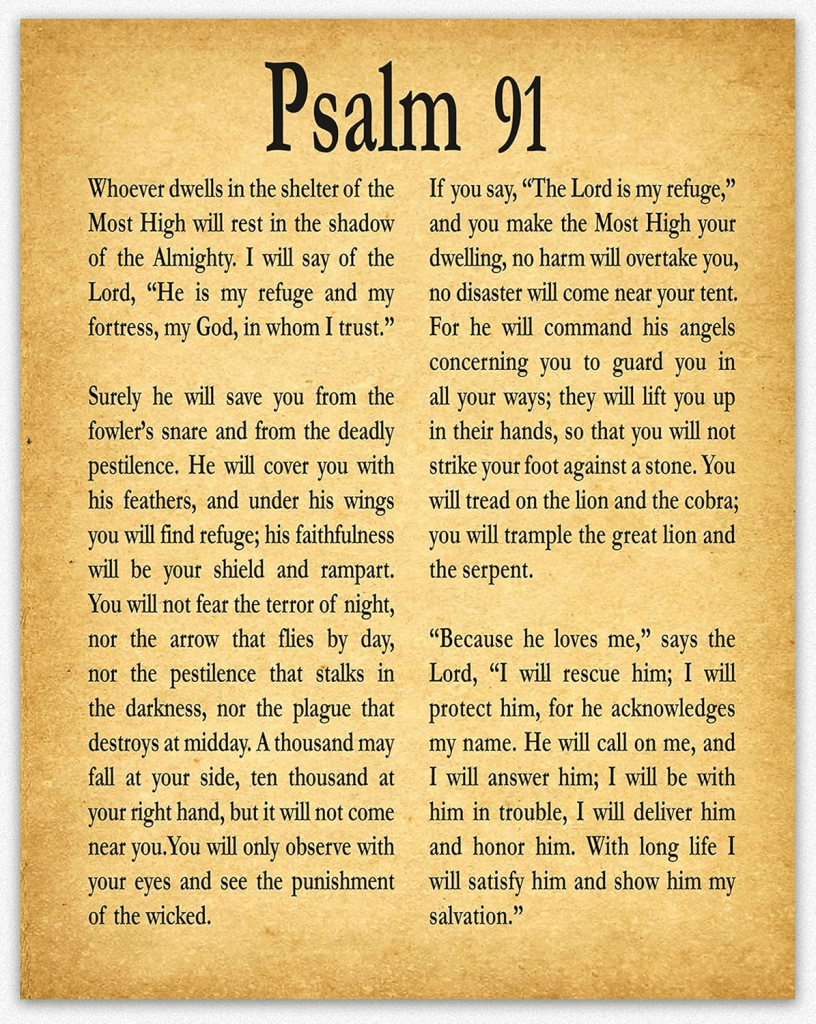
In the name of God, the Father and God the Son and God the Holy Spirit …
Praying …
Psalm 92
A psalm; a song; for the day of worship.
1 It is good to give thanks to Yahweh,
to make music to praise your name, O Elyon.
2 It is good to announce your mercy in the morning
and your faithfulness in the evening
3 on a ten-stringed instrument and a harp
and with a melody on a lyre.
4 You made me find joy in what you have done, O Yahweh.
I will sing joyfully about the works of your hands.
5 How spectacular are your works, O Yahweh!
How very deep are your thoughts!
6 A stupid person cannot know
and a fool cannot understand
7 that wicked people sprout like grass
and all troublemakers blossom like flowers,
only to be destroyed forever.
8 But you, O Yahweh, are highly honored forever.
9 Now look at your enemies, O Yahweh.
Now look at your enemies.
They disappear, and all troublemakers are scattered.
10 But you make me as strong as a wild bull,
and soothing lotion is poured on me.
11 My eyes gloat over those who spy on me.
My ears hear the cries of evildoers attacking me.
12 Righteous people flourish like palm trees
and grow tall like the cedars in Lebanon.
13 They are planted in Yahweh’s house.
They blossom in Elohim’s courtyards.
14 Even when they are old, they still bear fruit.
They are always healthy and fresh.
15 They make it known that Yahweh is decent.
He is my rock.
He is never unfair.
Glory be to the Father,
and to the Son, and to the Holy Ghost;
as it was in the beginning,
is now, and ever shall be,
world without end. Amen, amen.

