Romans 15:4 "For whatever was written in earlier times was written for our instruction, so that through perseverance and the encouragement of the Scriptures we might have hope."
10 “For thus says the Lord, ‘When seventy years [of exile] have been completed for Babylon, I will visit (inspect) you and keep My good promise to you, to bring you back to this place. 11 For I know the plans and thoughts that I have for you,’ says the Lord, ‘plans for peace and well-being and not for disaster, to give you a future and a hope. 12 Then you will call on Me and you will come and pray to Me, and I will hear [your voice] and I will listen to you. 13 Then [with a deep longing] you will seek Me and require Me [as a vital necessity] and [you will] find Me when you search for Me with all your heart. 14 I will be found by you,’ says the Lord, ‘and I will restore your fortunes and I will [free you and] gather you from all the nations and from all the places where I have driven you,’ says the Lord, ‘and I will bring you back to the place from where I sent you into exile.’
The Word of God for the Children of God.
Adeste Fidelis! Venite Adoremus! Dominum.
Gloria! In Excelsis Deo! Alleluia, Alleluia, Alleluia, Amen.
Some years ago the well-known author James Michener wrote a book called The Drifters.
It’s a story about young students traveling aimlessly through Asia and Europe, drifting from one day into the next, without either a plan or even any purpose.
Lots of people today are drifters too.
Even if you have everything life has to offer, you can feel unfulfilled and without purpose, drifting from one day to the next.
Or maybe you feel as if you’ve been cut adrift.
For example, maybe you’ve lost your job and you don’t see much of a future.
Or maybe you’ve lost your spouse through death, separation or divorce, and you feel as if you’ve reached the end of the road.
Perhaps you are in that place in life where you are feeling unfulfilled, at an age where perhaps you are considering a career change but you are unsure what the next career might be or you are struggling with how you are going to finance it.
Or maybe you just retired and you feel as if you’ve been put on a shelf.
Or perhaps you’re permanently disabled and you’re not sure how you can go on.
If you’re feeling adrift for one reason or another, take heart from God’s words to us through His Prophet Jeremiah: “I know the plans I have for you … plans to prosper you and … to give you hope and a future.”
God does not want us to drift through life.
He assuredly, definitely has a purpose and plan for each one of us.
Whoever you are reading this, ask yourself, “What does God have in mind for me? And how does God want to use me today so I can have hope and a future?”
God’s Presence in Our Plans
Jeremiah 29:10-11 The Message
10-11 This is God’s Word on the subject: “As soon as Babylon’s seventy years are up and not a day before, I’ll show up and take care of you as I promised and bring you back home. I know what I’m doing. I have it all planned out—plans to take care of you, not abandon you, plans to give you the future you hope for.
This quote was part of a letter God had Jeremiah write to the Jews whom King Nebuchadnezzar had been forcibly taken captive to Babylon from Jerusalem.
They had been ripped from their homeland, marched, walked, taken to a land where they were aliens and strangers.
I cannot imagine how hopeless they felt. (Psalm 137)
But God had already told them what to do when they arrived there.
What we do not know is how receptive this first generation of exiles were to the message of God, through Jeremiah, of a hope not manifesting itself for 70 years.
Jeremiah 29:4-8 Amplified Bible
4 “So says the Lord of hosts, the God of Israel, to all the captives whom I have sent into exile from Jerusalem to Babylon, 5 ‘Build houses and live in them; plant gardens and eat their fruit. 6 Take wives and have sons and daughters; take wives for your sons and give your daughters in marriage, that they may bear sons and daughters; multiply there and do not decrease [in number]. 7 Seek peace and well-being for the city where I have sent you into exile, and pray to the Lord on its behalf; for in its peace (well-being) you will have peace.’ 8 For thus says the Lord of hosts, the God of Israel, ‘Do not let your [false] prophets who are among you and your diviners deceive you; pay no attention and attach no significance to the dreams which they dream or to yours,
He told them to build houses and live in them, plant gardens and eat their produce.
To get married and have children, then give their children in marriage to have more children, to multiply there, to not decrease in their population numbers.
And incredibly, God told them to seek the peace and well-being of Babylon where ultimately he had sent them into exile.
God even told them to pray for Babylon’s welfare.
For in Babylon’s peace and well-being, the Israelite’s would have their peace.
Then God promised that after 70 years he would bring them back to Jerusalem.
He essentially told them to take heart, a measure of solace, He had plans for them, plans for their good, plans for their future, plans to give them hope.
This is a good reminder for us.
We need to regularly remember that this world is not our home.
As the Apostle Peter would later remind his congregations of readers;
1 Peter 2:9-12 Amplified Bible
9 But you are a chosen race, a royal priesthood, a consecrated nation, a [special] people for God’s own possession, so that you may proclaim the excellencies [the wonderful deeds and virtues and perfections] of Him who called you out of darkness into His marvelous light. 10 Once you were not a people [at all], but now you are God’s people; once you had not received mercy, but now you have received mercy.
11 Beloved, I urge you as aliens and strangers [in this world] to abstain from the sensual urges [those dishonorable desires] that wage war against the soul. 12 Keep your behavior excellent among the [unsaved] Gentiles [conduct yourself honorably, with graciousness and integrity], so that [a]for whatever reason they may slander you as evildoers, yet by observing your good deeds they may [instead come to] glorify God [b]in the day of visitation [when He looks upon them with mercy].
Just as Babylon was not the Jews’ final home, neither is this our final home.
Our home is heaven.
But like the ancient Israelite’s, we are to build our lives here for now.
We’re to seek the good of our nation, our churches, our friends and neighbors.
John 14:1-6 Amplified Bible
Jesus Comforts His Disciples
14 “Do not let your heart be troubled (afraid, cowardly). Believe [confidently] in God and trust in Him, [have faith, hold on to it, rely on it, keep going and] believe also in Me. 2 In My Father’s house are many dwelling places. If it were not so, I would have told you, because I am going there to prepare a place for you. 3 And if I go and prepare a place for you, I will come back again and I will take you to Myself, so that where I am you may be also. 4 And [to the place] where I am going, you know the way.” 5 Thomas said to Him, “Lord, we do not know where You are going; so how can we know the way?” 6 Jesus said to him, “[a]I am the [only] Way [to God] and the [real] Truth and the [real] Life; no one comes to the Father but through Me.
We are to settle in, have generations of family, and build homes – temporarily.
We are to pray for the welfare, the well-being of where God will settle us down.
But we mustn’t forget that after “70 years” – sooner or later – God will come back, His Son, our Savior Jesus will take us unto our ultimate home – heaven.
Those are God’s plans for us.
But he has plans for us now too.
More on this tomorrow ….
In the name of God, the Father and God the Son and God the Holy Spirit,
Let us Pray,
Psalm 8 The Message
8 God, brilliant Lord, yours is a household name.
2 Nursing infants gurgle choruses about you; toddlers shout the songs That drown out enemy talk, and silence atheist babble.
3-4 I look up at your macro-skies, dark and enormous, your handmade sky-jewelry, Moon and stars mounted in their settings. Then I look at my micro-self and wonder, Why do you bother with us? Why take a second look our way?
5-8 Yet we’ve so narrowly missed being gods, bright with Eden’s dawn light. You put us in charge of your handcrafted world, repeated to us your Genesis-charge, Made us stewards of sheep and cattle, even animals out in the wild, Birds flying and fish swimming, whales singing in the ocean deeps.
9 God, brilliant Lord, your name echoes around the world.
Adeste Fidelis! Venite Adoremus! Dominum.
Gloria! In Excelsis Deo! Alleluia! Alleluia! Alleluia! Amen.
23 The [former successive line of] priests, on the one hand, existed in greater numbers because they were each prevented by death from continuing [perpetually in office]; 24 but, on the other hand, Jesus holds His priesthood permanently and without change, because He lives on forever. 25 Therefore He is able also to save forever (completely, perfectly, for eternity) those who come to God through Him, since He always lives to intercede and intervene on their behalf [with God].
The Word of God for the Children of God
Adeste Fidelis. Venite Adoremus. Dominum
Gloria. In Excelsis Deo. Alleluia, Alleluia, Alleluia, Amen.
Jesus’ sacrificial work as our High Priest is a finished work, a once-and-for-all accomplishment with regard to sin.
There is no need for repetition and no possibility of addition.
But why is it, exactly, that He is able to “save to the uttermost those who draw near to God through him”?
Because, first, Christ’s role as our Great High Priest is the solution to our rebellion.
Deep down inside, each of us knows that we have rejected our dependence upon God, instead making a bid for independence.
In trying to live our lives independently, we reveal that our stubborn hearts are curved into themselves.
We pridefully think, “I don’t need an advocate. I don’t need anybody to do anything on my behalf. I can handle this myself.”
But despite the fact that we have rebelled against God, amazingly, He seeks us out and saves us.
Jesus brings about reconciliation by dealing with our alienation from God, which is two-sided: we are alienated on our side by our sin and on God’s side by His wrath.
Jesus has paid the penalty for our sins; He has satisfied God’s wrath by offering Himself as an unblemished sacrifice.
Second, Jesus saves “to the uttermost” because He has destroyed the leverage that the Evil One uses to fill us with fear.
In Hebrews 2, the writer explains, “Since therefore the children share in flesh and blood, he himself likewise partook of the same things, that through death he might destroy the one who has the power of death, that is, the devil, and deliver all those who through fear of death were subject to lifelong slavery”(verses 14-15).
Through His own death, Jesus has set us free from Satan’s grip, liberating us from what ought to be our greatest fear: death itself.
When Satan seeks to accuse us before the Father, Jesus is, as it were, able to point out that his words are empty—that he has nothing to say against us.
And Jesus’ priestly work still continues in His continual intercession on our behalf.
In Jesus we have a Priest who sheds His grace on our lives day by day through His heavenly mediation.
As Jesus enjoys being in His Father’s presence today, right now, He is not offering a sacrifice, but rather speaking as our advocate before the Father.
We may picture Him standing by His Father, saying, That one is mine. I died for him. He is covered by my blood and is clothed in my righteousness.
So, “When Satan tempts me to despair, and tells me of my guilt within / Upward I look and see Him there, who made an end of all my sin.”
Therefore, “I know that while in heaven He stands, no power can bid me thence depart.”
Jesus, your Priest forever, stands in His Father’s presence today, speaking of you and for you.
There is nothing to fear.
The more we learn of God’s Word and come to an understanding of Who God is, what He is doing, all that He has planned for those that love Him, the more we see an unveiling of His glory upon glory and the more we recognise God’s grace upon grace that is daily being showered upon all His blood-bought children.
Our risen, ascended, and glorified Saviour has saved us to the uttermost.
Our Kinsman-Redeemer,
Who has rescued us from our sins and seated us together with Himself in heavenly places as sons of God and joint-heirs with Christ, is currently seated on the right hand of the Majesty on high, interceding for you, praying for me, defending His children from the accusations of the enemy, and protecting the Church, which is His Body, with His never-ending intercessions to the Father.
Christ ever lives,
Christ ever intercedes
– for He has power to save through the merit of His atoning work on the cruel Cross of Calvary and His glorious Resurrection.
All power has been given to Him by the Father and so He can, with absolute authority, declare His ability to save to the uttermost, all that trust in His name.
For Christ has promised to save us from the power of sin, the guilt of sin, the nature of sin, and the punishment of sin, but also to sanctify to the uttermost,
body, soul, and spirit as day by day His Holy Spirit is conforming us into the image and likeness of Christ Jesus our Lord.
His saving grace is not only for the eternal ages to come but will be carried through to its ultimate completion, for He will never abandon any that have trusted in His name as Savior and who have come to Him for pardon and peace.
There is no time nor place where His sacrifice of intercession does not reach us, thus underlining His promise: “I will never leave you nor forsake you.”
The more we learn of God’s Word, the wonderful covenant relationship He has with His Church, the more we discover His showers of blessing and abundant privileges raining down upon our heads and come to an understanding of Who God is, what He is doing, and all that He has planned for those that love Him.
The more we see an unveiling of His glory upon glory, the more we recognise God’s grace upon grace that is daily being showered upon all His blood-bought children.
Surely, and certainly, most abundantly blessed and assuredly, we should each love to the uppermost the Resurrected One Who has saved us to the uttermost.
Christ is our heavenly priest.
Like each of the time limited ancient priests in Israel who interceded for the people with God, so eternal Jesus intercedes with the Father on our behalf.
Jesus is our forever advocate and our everlasting best friend.
He takes our requests to the Father.
I am so thankful that Jesus has my back.
He understands me and knows what I need.
He is my BFF!
In the name of God, the Father and God the Son and God the Holy Spirit,
Let us Pray,
Psalm 100 The Message
100 1-2 On your feet now—applaud God! Bring a gift of laughter, sing yourselves into his presence.
3 Know this: God is God, and God, God. He made us; we didn’t make him. We’re his people, his well-tended sheep.
4 Enter with the password: “Thank you!” Make yourselves at home, talking praise. Thank him. Worship him.
5 For God is sheer beauty, all-generous in love, loyal always and ever.
Heavenly Father, we thank You and we praise and honor and glorify You for the life and ministry of Your Son Jesus Who has saved and sanctified me to the uttermost and is now daily interceding for me. Praise Your wonderful name. In Jesus’ name, AMEN.
23 The [former successive line of] priests, on the one hand, existed in greater numbers because they were each prevented by death from continuing [perpetually in office]; 24 but, on the other hand, Jesus holds His priesthood permanently and without change, because He lives on forever. 25 Therefore He is able also to save forever (completely, perfectly, for eternity) those who come to God through Him, since He always lives to intercede and intervene on their behalf [with God].
The Word of God for the Children of God.
Adeste Fidelis. Venite Adoremus. Dominum.
Gloria. In Excelsis Deo. Alleluia, Alleluia, Alleluia, Amen.
What The Heart Of The Young Man Said To The Psalmist.
Tell me not, in mournful numbers,
Life is but an empty dream!
For the soul is dead that slumbers,
And things are not what they seem.
Life is real! Life is earnest!
And the grave is not its goal;
Dust thou art, to dust returnest,
Was not spoken of the soul.
Not enjoyment, and not sorrow,
Is our destined end or way;
But to act, that each to-morrow
Find us farther than to-day.
Art is long, and Time is fleeting,
And our hearts, though stout and brave,
Still, like muffled drums, are beating
Funeral marches to the grave.
In the world’s broad field of battle,
In the bivouac of Life,
Be not like dumb, driven cattle!
Be a hero in the strife!
Trust no Future, howe’er pleasant!
Let the dead Past bury its dead!
Act,— act in the living Present!
Heart within, and God o’erhead!
Lives of great men all remind us
We can make our lives sublime,
And, departing, leave behind us
Footprints on the sands of time;
Footprints, that perhaps another,
Sailing o’er life’s solemn main,
A forlorn and shipwrecked brother,
Seeing, shall take heart again.
Let us, then, be up and doing,
With a heart for any fate;
Still achieving, still pursuing,
Learn to labor and to wait.
A Highly Offensive Contemporary Psalm for Life.
It’s not all about you.
But, then again, neither is it about me.
Urgently Needed Reminder: God’s Psalm for Life.
I would say that the question most frequently asked by Christians is this: is it possible for me to lose my salvation?
It bothers so many of us.
We know the stakes.
And the possibility of having got it wrong, haunts so many believers.
This message is the first of at least two in a small series that are stand- alone messages but which, I pray will all bear upon the question of eternal security.
Do we believe that the Blood of Christ cleanses us from sin?
Absolutely – no problem there – just read 1 John 1:9.
Do we accept that no-one can snatch us away from God?
Of course we do – the Bible says so.
No one can snatch us out of the Father’s hand – John 10:28-29 makes that one quite clear
But here’s where agreement ends and doubts begin!
We hear so many things that can make us insecure – particularly if we’re really struggling to the live the lives we know we should.
So many doubts.
So many fears and apprehensions.
So many different slants and theories.
When do we get saved?
Is it at a particular point in time?
Or does it develop over a certain measure of time?
Is it possible to stop believing and lose it all?
Can we blow it by persisting in willful sin?
Or does that willful sin show that we’ve already blown it in the first place?
After all – the tree is known by its fruit! [Psalm 1, Matthew 7:15-19, 12:33-35]
So – to extend that principle a little – can we forfeit Eternal Life – not just by sinning – but by being unfruitful and unproductive in our lives?
Carelessly allowing our salvation to slip straight through our very own fingers – as Hebrews 2:1-4 seems to suggest?
Give Heed
2 [a]For this reason [that is, because of God’s final revelation in His Son Jesus and because of Jesus’ superiority to the angels] we must pay much closer attention than ever to the things that we have heard, so that we do not [in any way] drift away from truth. 2 For if the message given [b]through angels [the Law given to Moses] was authentic and unalterable, and every violation and disobedient act received an appropriate penalty, 3 how will we escape [the penalty] if we ignore such a great salvation [the gospel, the new covenant]? For it was spoken at first by the Lord, and it was confirmed to us and proved authentic by those who personally heard [Him speak], 4 [and besides this evidence] God also testifying with them [confirming the message of salvation], both by signs and wonders and by various miracles [carried out by Jesus and the apostles] and by [granting to believers the] gifts of the Holy Spirit according to His own will.
We’re going to examine these fears and see if they have any basis in reality.
What does the Word of God actually teach?
But don’t just take my word for it. Like the Bereans – examine this subject for yourself.
I’m confident that when you understand the principles by which God operates – understand His motivations in relation to your salvation, you’ll put to rest these doubts, fears; you’ll appreciate the yawning gulf that divides human reasoning from Divine wisdom and Infinite Love and Grace.
This first devotion is entitled: ‘It’s not all about you’
We’ll discuss this in a moment – but first let’s address a couple of the concerns we mentioned at the beginning.
Among the various positions adopted on the question of eternal security, what undisputed facts can we all agree on – if we take the Word of God at face value?
What does the Bible clearly teach about eternal life?
Well – the first thing we find is that:
Eternal life is a present possession!
It’s not something we have to wait to receive;
It is not something we grow into;
And not something that develops gradually.
The Bible does talk about aspects of our salvation that still lie in the future – but entering into a relationship with God – and receiving the gift of eternal life – is something that happens at a particular point in our lives!
In John 5:24 Jesus said these words:
“Very truly I tell you, whoever hears my word and believes him who sent me has eternal life and will not be judged but has crossed over from death to life.
Then in Ephesians 2:4-5 we read:
But because of his great love for us, God, who is rich in mercy, made us alive with Christ even when we were dead in transgressions—it is by grace you have been saved.
And finally, Paul says in Romans 5:1-2
Therefore, since we have been justified through faith, we have peace with God through our Lord Jesus Christ, through whom we have gained access by faith into this grace in which we now stand. And we boast in the hope of the glory of God.
So that’s quite clear.
Salvation isn’t something we’re looking forward to – it’s something that occurs in one point of time!
So you and I are either saved right now or we’re not saved at all!
So what’s the next thing we can agree on?
It’s this.
It appears that we can be sure that we have eternal life.
God intends for us to have confidence – to be able to rest quietly in the knowledge and complete assurance of salvation – no shadow of a doubt!
John writes in his first epistle, chapter 5:13:
I write these things to you who believe in the name of the Son of God so that you may know that you have eternal life.
In Romans 8:16 Paul says:
The Spirit himself testifies with our spirit that we are God’s children.
And in2 Timothy 1:12, we hear Paul’s stirring words:
I know whom I have believed, and am convinced that he is able to guard what I have entrusted to him until that day.
Some people would – of course – say that this confidence is conditional upon us showing the fruits of salvation in our lives.
They say, in other words, that we can be sure of our salvation as long as we have it – but that’s no guarantee that we can’t lose it!
So the questions which remain to be answered are this:
Is it possible for us to lies lose our salvation?
Is it possible to cease being a Christian?
Can we be saved one minute – but lost the next?
Ok. If we want to get down to what the Bible actually says, we’ll need to scrap some of this misleading terminology once and for all.
Losing your salvation is not a term used in Scripture at all!
And for very good reason!
Certainly salvation is spoken of as a gift – but not as an object: a thing that can be dropped, given away or lost.
This gift is nothing less than the gift of new life – eternal life!
So can you lose your Salvation?
Well – what happens if you lose your life?
You die, of course!
So the real question should be this:
If a man is reborn (through the process of the new birth) and consequently has eternal life – can he die again?
And that puts an entirely different complexion on things!
Can a life be described as eternal if it can end – and you can die again?
Christ is our life.
Can He die again?
Well – actually He can’t!
Romans 6:8-11 Amplified Bible
8 Now if we have died with Christ, we believe that we will also live [together] with Him, 9 because we know [the self-evident truth] that Christ, having been raised from the dead, will never die again; death no longer has power over Him. 10 For the death that He died, He died to sin [ending its power and paying the sinner’s debt] once and for all; and the life that He lives, He lives to [glorify] God [in unbroken fellowship with Him]. 11 Even so, consider yourselves to be dead to sin [and your relationship to it broken], but alive to God [in unbroken fellowship with Him] in Christ Jesus.
When you think it through – it’s actually nonsense to talk about losing salvation – because of the very meaning of the word.
In certain circumstance I can save myself – but if I’m saved by someone else – by very definition I’m not contributing to the action.
Christ saves me!
If I were to perish for any reason – then in actual fact he wouldn’t have saved me.
But let’s start from the beginning
As we said before: it’s not all about you, neither is it about me!
Salvation is not all about us.
What do I mean by that – and what bearing does it have on our eternal security?
In the Garden of Eden, Satan had effectively stolen God’s creation from him.
We belonged to God – we were created differently from the animals.
Mankind was His special creation – formed in His image so that He could enjoy fellowship with us forever – loving Him and being loved by Him for all eternity.
Now you can’t force a person to love you.
The relationship for which God created us, had to be based on our willingness to have, continue fellowship with Him, to freely offer Him our love and devotion.
So in that sense – maintaining a continuous relationship with God was man’s responsibility.
We were born with a self-determining free-will and this privilege and dignity is something God would never over-ride.
So, ultimately, He had to risk losing us.
He had to take the chance of us turning our backs on Him.
And that’s exactly what happened!
Adam and Eve transferred their allegiance to Satan.
They passed from God’s control to Satan’s authority.
But Satan wasn’t going to win.
God already had a plan – a plan of Salvation – in order to regain what Satan had been allowed to steal from him; a plan to repossess that which He had lost.
Luke 19:10: For the Son of Man came to seek and to save what was lost.
Lost by whom?
Once again we make it all about us.
We were lost – we say – in sin.
But surely a natural reading of what Christ said would be we were lost to God – He had lost us – and that He had come to recover us: to save us – to get us back.
And that’s what redemption is all about!
In the OT the word translated “redeem” is pa^da^h and it means: to ransom, redeem, rescue, or deliver. [Isaiah 50:2 ESV]
In the Roman world, the market place was called the agora.
Exagorazo therefore literally means – to take out of the market place – hence – to purchase.
According to Strongs Concordance, it means: To recover from the power of another, to ransom by paying a price.
Of course, being recovered or ransomed implies that we formerly belonged to someone else – who then paid a price to get us back.
And that’s what our English word redeem conveys.
It comes from two Latin words meaning: to buy again or to buy back.
So – if I redeem something, I recover or ransom something that once belonged to me.
God did that – He once owned us because He created us.
He then lost us when we sinned – so He set out to recover which was lost – to ransom us – to buy us back – to redeem us – the price He paid was staggering:
it was the life of His own beloved Son!
The life blood of Jesus Christ was the currency that was used.
1 Peter 1:18-19 says this:
For you know that it was not with perishable things such as silver or gold that you were redeemed from the empty way of life handed down to you from your ancestors, but with the precious blood of Christ, a lamb without blemish or defect.
We were redeemed from the slave market of sin and are now twice-owned!
You and I are twice owned.
God created us – lost us and bought us back.
We are now his treasured possession – He purchased us.
A transaction has taken place and the highest possible price was paid:
the full asking price demanded by the law to free us from sin – the life blood of Jesus Christ, God’s only Son.
So 1 Corinthians 6:19-20 says.
You are not your own; you were bought at a price.
That’s redemption!
Do we get that?
We no longer belong to ourselves.
God paid the highest possible price to get us back.
We are now His property!
Titus 2:14 says that he:
gave himself for us to redeem us from all wickedness and to purify for himself a people that are his very own, eager to do what is good.
It’s not all about us.
It’s not purely for our benefit!
We are now his inheritance!
Paul says to the Ephesians in chapter 1:18:
I pray that the eyes of your heart may be enlightened in order that you may know the hope to which he has called you, the riches of his glorious inheritance in his holy people….
As Israel was continually referred to as God’s inheritance, we are His spiritual people – His glorious inheritance – His new creation.
2 Corinthians 5:17:
Therefore, if anyone is in Christ, he is a new creation: Old things have gone, new things are here!
We’ve already seen that in the first creation, man was responsible for maintaining fellowship with God and he failed.
But do you believe that God will allow Satan to once again usurp him successfully?
To once again frustrate His purposes and steal away his possession?
One that He paid for with the death of his Son?
And that would happen if just one believer were to lose his Salvation – because effectively Christ would have died again.
Grace wouldn’t be reigning through righteousness – sin would once again be reigning through death (at least in that one life)!
A death, by the way, which has been destroyed by the death and resurrection of the Lord Jesus Christ.
Not a chance!
Things are different now.
In the new creation, the responsibility of maintaining our relationship with God is now His responsibility – not ours.
And why? Because He bought us and we are His possession.
Remember 1 Corinthians 6:19b-20
You are not your own; you were bought at a price.
This involves ownership.
We actually don’t have the right to give ourselves away again – in any way shape or form.
We’re God’s property!
In fact, God made certain that we couldn’t blow it again – either as a new race or as individuals.
Let us now look at how he protected us as individuals – how he has further guaranteed that we’ll never die again.
It’s found in Romans 4:16.
Here the Apostle Paul writes these wonderful words:
Therefore, the promise comes by faith, so that it may be by grace and may be guaranteed to all Abraham’s offspring-not only to those who are of the law but also to those who are of the faith of Abraham. He is the father of us all.
Notice here what God has done.
So that the responsibility for our salvation might be taken out of our hands altogether –
in other words, so that it might be by grace, entirely on the basis of a free gift – with us contributing nothing at all,
he made its acquisition conditional upon upon faith – simply believing – so that we have no active part to play – just to receive what is offered!
Ephesians 2:8-9 therefore says:
For it is by grace you have been saved, through faith-and this not from yourselves, it is the gift of God-not by works, so that no-one can boast.
So God took on the responsibility for the whole thing so that the promise could be guaranteed.
He had to!
Sin had to be paid for – that took the death of Christ.
We had no part in that – except, of course, in the fact He was representing us.
And our new life had to be perfect forever.
To those who say that we can lose our salvation by sin in our lives, I would remind them that it only took one sin to sink the whole human race!
I mean, what estimation do we have of God?
Do we think that He can tolerate a certain level of sinning and then if it gets beyond that, He’ll say: “Ok, that’s enough!”
It took one sin to sink the human race!
You think you can lose your salvation by sinning?
Then fine – but remember this: you lost it with the first sin you committed after you got saved!!
What is good enough for God is absolute and total perfection or nothing at all!!
And He guaranteed that too – by imparting to us the life of Christ by way of the new birth!
As I said, our salvation consisted of God taking back what belonged to him.
And doing so by paying the price for our freedom.
I mean – Consider what happened at the moment of our salvation.
A transaction took place.
A deposit was paid on us.
We were set aside as his property.
That’s pretty much a guarantee of eternal life isn’t it?
14 The Spirit is the [a]guarantee [the first installment, the pledge, a foretaste] of our inheritance until the redemption of God’s own [purchased] possession [His believers], to the praise of His glory.[Ephesians 1:14 Amplified]
In fact, Ephesians 1:14 describes the Holy Spirit as: a deposit guaranteeing our inheritance until the redemption of those who are God’s possession—to the praise of his glory.
There’s the guarantee.
It’s because a deposit has been paid. And this deposit is the Holy Spirit.
It’s a word of Hebrew origin and means: a pledge – that is, part of the purchase money or property given in advance as security for the rest.
It’s the money which, when a purchase takes place, is given as a down-payment – in effect, a pledge that the full amount will subsequently be paid!
When you were saved – did you receive the Holy Spirit??
Of course you did!
And if you did – then God’s already paid a deposit on you.
The Holy Spirit is the down-payment!
The Holy Spirit is also a seal on God’s property!
In ancient times, when property was purchased, it was sealed by the new owner with his own distinctive mark – just like cattle was branded in the old West.
This was to protect the goods and to ensure that nobody else could claim them or interfere with them.
In our case, we were also branded or sealed, just to make sure that we were His – that no-one else could claim us.
The Bible says – in Ephesians 1:13:
When you believed, you were marked in him with a seal, the promised Holy Spirit.
The word for seal is the noun from the Greek verb sphragizō – and it’s used 13 times in the Bible.
It means: to stamp for security or preservation – usually with a signet ring or private mark.
That happened when you believed!
It’s not a hope; it’s not a promise.
It’s a done deal!
It doesn’t say ‘if you continue to believe’
Having believed – the verb here is in what is called the aorist tense.
It’s a one-time process that’s already been completed in your life if you’ve come to Christ!
You and I have been sealed.
The seal signified that the goods belonged to the owner of seal or the mark.
Remember – it’s not all about you.
You’re his property now.
And the seal – the Holy Spirit in our case – is a guarantee that the goods will reach their destination in the same condition that they left!
Nobody can get at you except by breaking the seal!
Is there something out there that is greater than the love of God?
More effective than the blood of Christ?
More powerful than the indwelling Holy Spirit?
Doesn’t the Bible say: greater is He that is in you than He that is in the world.?
The Holy Spirit can’t be overcome.
He can’t be ejected from the believer.
In other words – the seal can’t be broken.
It’s His seal – we are His property!
In fact His seal is an absolute guarantee!!
2 Corinthians 1:21-22:
Now it is God who makes both us and you stand firm in Christ. He anointed us, set his seal of ownership on us, and put his Spirit in our hearts as a deposit, guaranteeing what is to come.
How could our salvation be guaranteed if it was up to us in any way whatsoever?
Adam and Eve were created perfect, in idyllic surroundings and in personal contact and communion with God every day.
Yet they still blew it.
But God has purchased or redeemed us and put his personal seal within us.
Make no mistake about this.
If one sealed soul were to be lost, then the seal will have been broken!
The promise and guarantee of God will have been made void!
And God is very serious about keeping His Word.
It abides forever.
He warns us about making oaths because in doing so, we’re undertaking something that only God Himself is able to do – absolutely guarantee the fulfillment of an oath.
And if one saved soul were to be lost:
Satan would have won again!
The deposit would have been lost!
Good faith in purchase destroyed!
And no power in universe can do that!
God has his own plans for His possession
Nothing and nobody is going to steal us away again.
No power in the universe is going to thwart and frustrate His purposes!
Examine what is known as the Golden chain in Romans 8:30:
And those he predestined, he also called; those he called, he also justified; those he justified, he also glorified.
And so Paul says in Romans 8:38-39:
For I am convinced that neither death nor life, neither angels nor demons, neither the present nor the future, nor any powers, neither height nor depth, nor anything else in all creation, will be able to separate us from the love of God that is in Christ Jesus our Lord.
But sometimes it sounds counter – intuitive, doesn’t it!
As human beings, seeing everything from a humanistic perspective, we’ve been so ingrained with concepts like:
There’s no such thing as a free lunch!
If it sounds too good to be true – it probably is!
You only get out of something what you put in!
And so forth!
So Christians, without realizing it, often rebel against the principle of Grace – the free unconditional love of God, His gift of Grace – Eternal Life in Christ.
They might say – and you’ve all heard these objections:
Sure – nothing can snatch us out of the Father’s hand – but surely we can:
by our own choice.
or our own actions.
lose our salvation.
I mean – there has to be consequences for how we live our lives!
So there’s the question.
Salvation is free, but can we, by free choice, stop being covered by blood of Christ?
Can we ourselves break the seal?
Void the contract?
Undo God’s work in us.
Make ineffective the blood of Christ.
Reverse the effects of the death of Christ in our lives?
See how silly that starts to sound!
Well – Some say that we can and they will give a variety of reasons:
Living a sinful life.
No longer believing.
Not persevering with works of righteousness.
Well, you’ll find each of these objections will resolve itself from the Word of God.
For the moment, just remember one important thing:
Man had a relationship with God.
The maintenance of that relationship was man’s responsibility.
Man failed to live up to the terms of that relationship.
Because of this, he passed from communion with God into the power of Satan.
God, by the death of Christ, went to amazing lengths to buy back or redeem His lost possession.
We now belong to Him – signed, sealed and delivered.
Our safety and maintenance in that relationship is now up to Him – and Him alone!!
May God bless His Word to each one of us! Amen
In the name of God, the Father and God the Son and God the Holy Spirit,
Let us Pray,
Almighty God, you are the source of all light. You divinely separated light from darkness so that we may have the beauty of the light of day. Dear Lord, illuminate this day and enlighten us as we seek to know you through your word. May we be led by your light so our hearts may be opened to your word. We pray that we receive every word you speak to us today. Holy and gracious God, you are the greatest of all. You are full of wonders that no mere human can comprehend. Lord, I seek to understand you and your ways so that I can live according to your commandments. I pray for your divine illumination in my heart and mind. Help me see what you intend for me to see. Help me understand what you intend for me to understand. Open my eyes and my ears, my mouth, to see you and hear, speak your whispers.
Adeste Fidelis. Venite Adoremus. Dominum.
Gloria. In Excelsis Deo. Alleluia, Alleluia, Alleluia, Amen.
23 The [former successive line of] priests, on the one hand, existed in greater numbers because they were each prevented by death from continuing [perpetually in office]; 24 but, on the other hand, Jesus holds His priesthood permanently and without change, because He lives on forever. 25 Therefore He is able also to save forever (completely, perfectly, for eternity) those who come to God through Him, since He always lives to intercede and intervene on their behalf [with God].
The Word of God for the Children of God.
Adeste Fidelis. Venite Adoremus. Dominum
Gloria. In Excelsis Deo. Alleluia, Alleluia, Alleluia, Amen.
Daylight Savings time is here which means Spring is just around the corner.
A time of freshly blooming flowers and the appearance of green leaves on trees.
Which means for those with a taste for something and someplace other than the insides of their homes after a cold winter – a new fresh taste for being outdoors.
During a nature hike, it can be exciting, refreshing and rewarding to follow side trails that veer away from the main trail looking for the signs of the new Spring.
Finding hidden parts of freshly leaved trees and patches of wild flowers, forests or meadows, valley’s, mountains that few have seen before can be exhilarating.
But traveling in unmarked territory can sometimes be dangerous.
Authorities put up boundary signs for good reasons – [Poison Ivy anyone?].
We should obey those signs because they are usually posted to help keep us safe.
Unfortunately, we will sometimes hear about people who were hurt or killed because they ignored warning signs and went into the places of great danger.
Warning signs also exist in our spiritual life.
In particular, Scripture points us to Jesus Christ as “the way and the truth and the life” (John 14:6).
In our reading from Hebrews 7 today we see that through Jesus we have access to God.
He is not any temporary Savior; He continually intercedes for us—that is, He continues to mark a clear and 100% safe trail for us in this life and into the next.
Our pilgrimage as Christians is not simply for a period in this life.
It is a journey that stretches forward into the joys and exciting discoveries God has prepared for us with him in eternity.
Are you walking safely today—that is, with God?
Completely Safe
Hebrews 7:23-25New American Standard Bible
23 [a]The former priests, on the one hand, existed in greater numbers because they were prevented by death from continuing; 24 [b]Jesus, on the other hand, because He continues forever, holds His priesthood permanently. 25 Therefore He is also able to save [c]forever those who come to God through Him, since He always lives to make intercession for them.
One of the most amazing truths in the Bible is Jesus is able to save completely, perfectly, to the uttermost because of His resurrection from the dead.
In fact our entire belief system hinges on this truth.
Without the resurrection we would die in our sin, shame and guilt.
Apostle Paul said in Romans 4, “He was delivered over to death for our sins and was raised to life for our justification” (Romans 4:25),
meaning that His resurrection is the positive proof that we have been restored to a state as if we had never sinned in the first place.
The payment for sin was satisfied once for all when Jesus was delivered over to death to make atonement.
Since it was satisfied and all debts forgiven, death no longer had claim on Jesus and had to release him from the grave.
This has incredible implications for us, because through Jesus, the grave has no claim on us either.
Jesus has been appointed by God as our High Priest on oath that He would remain as such eternally.
Before this time, death had been a problem in the Levitical priesthood because it continually interrupted this office.
The position of High Priest was a lifetime position (Numbers 35:25).
So it was like starting over every time a new High Priest was appointed following the death of the previous High Priest.
However, since death has no claim on Jesus (Romans 6:9), His priesthood cannot be interrupted, therefore He is able to complete the work assigned to Him as High Priest.
The High Priest’s job was to make atonement for the people once a year.
He was mankind’s representative before God in all things.
The problem was that he first had to sacrifice for his own sins, disqualifying him from approaching God to make atonement in the first place.
Jesus on the other hand was sinless so His sacrifice for sin, when offering himself as payment, was more than enough to permanently wipe out the debt that sin created.
In fact the writer of Hebrews has stated over and over that our sins are paid for, forgiven and forgotten(Hebrews 9:12, Hebrews 9:14, Hebrews 9:26, Hebrews 9:28, Hebrews 10:10, Hebrews 10:12, Hebrews 10:14, Hebrews 10:18, Hebrews 10:22).
Which means Jesus’ atonement as High Priest worked the first and only time it was given.
And if it worked, then by no means does it need to be made again (Hebrews 10:10-14).
In fact, Jesus now sits at the right hand of God the Father because His work is finished and complete (Hebrews 1:3, Hebrews 10:12).
Since this work is finished and death has no claim on Jesus, he resides as High Priest forever.
And if He lives forever with this office, He is also able to save for all time and eternity those who come to Him by faith.
In fact, God promised Jesus on oath this would always be the case which is why he promised Him He would provide a High Priest, not after the Levitical line perpetuated by death, but after Melchizedek who had no such record of death.
(Hebrews 7:1-3 NASB)
Melchizedek’s Priesthood like Christ’s
7 For this Melchizedek, king of Salem, priest of the Most High God, who met Abraham as he was returning from the slaughter of the kings and blessed him, 2 to whom also Abraham apportioned a tenth of all the spoils, was first of all, by the translation of his name, king of righteousness, and then also king of Salem, which is king of peace. 3 Without father, without mother, without genealogy, having neither beginning of days nor end of life, but made like the Son of God, he remains a priest perpetually.
This is incredible news and very important to know because it assures our hearts before God.
In fact these things have been written to give us insight and confidence in approaching God by faith (John 20:31, 1 John 5:13).
Knowing we have been saved, forgiven and restored to a state where we are justified and righteous before God should give us boldness in approaching Him without the consciousness of sin and resulting guilt (Hebrews 4:16, 10:22 ).
Then knowing Jesus lives forever to assure this relationship, making petitions and intercession on our behalf, should prayerfully usher each and every single one of us into a state of heart peace and empower us to live a life like no other.
These blessed and unyielding truths have been written for our eternal benefit; so that we may all understand all we have access to is only through Christ Jesus.
In the name of God, the Father and God the Son and God the Holy Spirit,
Let us Pray,
Father in heaven, You made humanity in Your image that we might show forth who You are to the world. Thank You that although we fell into sin and failed in our created calling, You sent Your Son, Jesus, to redeem us as both the once-for-all Sacrifice and the Eternal Priest who offers that great gift. Our lives have been bought with a price – they are Yours, our God – so fill us with Your Holy Spirit that we might live in the fullness of Your power and display the fullness of Your character to the far reaches of this world until the fullness of Your kingdom.
All this we pray, through Jesus Christ your Son our Lord to whom, with You and the Holy Spirit be honor and glory, now and forever. Amen.
12 “Honor (respect, obey, care for) your father and your mother, so that your days may be prolonged in the land the Lord your God gives you.
The Word of God for the Children of God.
Adeste Fidelis. Venite Adoremus. Dominum.
Gloria. In Excelsis Deo. Alleluia, Alleluia, Alleluia, Amen.
The fifth commandment is simultaneously a simple instruction and an indispensable element of the well-being of entire societies.
When the Lord gives the command “Honor your father and mother,” He is laying down the essential blueprint for maintaining the stability of families, communities, the Body of Christ and His churches and hosts of all nations.
What does it mean to honor your parents?
The word for “honor” carries the notion of weight and heaviness; children ought to feel the weight of respect for their parents.
By this fifth commandment, God places the full weight of responsibility for the lifetime of moral and ethical upbringing of the children and their instruction in righteous living, firmly and squarely on the shoulders of the father and mother.
By this “God” weight, this weight of God, Parents are owed such high regard because God has placed upon them in their roles, the stewardship of such a role, accountability to such a role, to raise the next generation of children, is worth many times over, far beyond its utmost maximum possible weight in honor.
While children are in view here, the Bible also has much to say about parenting that honors God (see also Ephesians 6:4; Colossians 3:21). — More on this later.
How does a child display this honor?
In several ways.
For one, a child ought to show practical respect to his or her parents.
This can be as simple as speaking well of our parents, showing them courtesy, looking them in the eye, and addressing them with a due sense of deference.
Second, it involves genuine love; there should be heartfelt expressions of affection between parents and their children.
Third, unless it would involve disobeying God, a child ought to obey what his or her mom and dad say.
This expectation is found all over Proverbs: for example, “Hear, my son, your father’s instruction, and forsake not your mother’s teaching” (Proverbs 1:8).
Fourth, a child should submit to their parents’ discipline and authority.
All good parents discipline their children (though it must not be done in anger nor vindictively or disproportionately), and children should ought to be taught to implicitly trust such discipline is for their long-term good (Hebrews 12:5-11).
In ancient Israel, respect for ones parents was valued so highly that those who disregarded it flagrantly or persistently faced the death penalty (Deuteronomy 21:18-21).
Why such a significant consequence?
Because the home provides the most essential and vital training ground, the success of which affects how the child will relate to authorities of all kinds.
We never outrun authority in our lives.
There are political authorities we are called to obey (Romans 13:1-7).
Spiritual authorities we are to respect (Hebrews 13:17; 1 Thessalonians 5:12).
And those of advanced years we are commanded to honor (Leviticus 19:32).
Most significantly, when children are taught how, when they learn over time to honor their parents, even despite their parents’ many imperfections, they learn what it too means to learn how to honor our ABBA, our perfect heavenly Father.
Reverence for parents is an integral part of reverence for God.
Because parental authority is God-given, for children to learn to honor their parents is to come to that place of spiritual maturity and honor God Himself.
So if you are a parent [age not specific] with children [age?] at home, it is not loving (though it may be easier) to fail to insist that your children honor you.
If you are an adult with parents still living, it is a matter of obedience to God you still show them the honor they are due, not according to how well (or other- wise) you feel they raised you but according to the position the Lord gave them.
As you honor them, you will be pleasing Him and showing those around you that God-given authority, when exercised in a godly way, is a blessing to all.
Honoring Parents …
It may come as a surprise to many of us this commandment is not age-specific.
It’s a commandment not just for the young but for children of all ages.
God asks parents be worthy of honor in the way they relate to their children.
And God commands that children obey and show respect for their parents in line with doing what is right.
This means both are to act appropriately at each stage of their lives together.
This commandment came to a society without the support systems that many of us are used to.
Adult children were totally responsible to look after aging parents.
God reminds us that as long as we have parents, we are to honor them, seeing that their living is respectable and they are well cared for.
It’s not just a matter of doing what our parents tell us to do when we are young.
It’s a matter of showing our utmost respect, life-long honor to the parents who gave us life, sacrificed incredibly all to raise us, launched us upon life’s journey.
The apostle Paul calls this “the first commandment with a promise.”
God indicates when we honor the parents with whom we are in relationship, he will honor us and He will surely and certainly bless us.
Some parents are easier to honor than others.
But respecting to the utmost those whom the Lord has chosen to place over us opens a door to abundant blessings.
By honoring our parents and others whom God places in authority over us, we honor and glory and our utmost worship and praise unto our Father in heaven.
Which is what each and everyone of us were created, shaped by God, to do …
In the name of God, the Father and God the Son and God the Holy Spirit.
Let us Pray,
Heavenly Father, ABBA Father, thank You for my parents and for giving me life. My First ABBA, Thank You for the lessons I have learned and the good times we have shared together. Forgive me for the times when I have not honored my father and mother as I ought – for I am aware that this is dishonoring to You. From this day forward, I pray that I may honour You in all my interactions with my family and my friends, and may my whole life be honoring unto You. This I pray in Jesus’ name.
Adeste Fidelis. Venite Adoremus. Dominum.
Gloria. In Excelsis Deo. Alleluia, Alleluia, Alleluia, Amen.
62 1-2 God, the one and only— I’ll wait as long as he says. Everything I need comes from him, so why not? He’s solid rock under my feet, breathing room for my soul, An impregnable castle: I’m set for life.
3-4 How long will you gang up on me? How long will you run with the bullies? There’s nothing to you, any of you— rotten floorboards, worm-eaten rafters, Anthills plotting to bring down mountains, far gone in make-believe. You talk a good line, but every “blessing” breathes a curse.
5-6 God, the one and only— I’ll wait as long as he says. Everything I hope for comes from him, so why not? He’s solid rock under my feet, breathing room for my soul, An impregnable castle: I’m set for life.
7-8 My help and glory are in God —granite-strength and safe-harbor-God— So trust him absolutely, people; lay your lives on the line for him. God is a safe place to be.
9 Man as such is smoke, woman as such, a mirage. Put them together, they’re nothing; two times nothing is nothing.
10 And a windfall, if it comes— don’t make too much of it.
11 God said this once and for all; how many times Have I heard it repeated? “Strength comes Straight from God.”
12 Love to you, Lord God! You pay a fair wage for a good day’s work!
The Word of God for the Children of God.
Adeste Fidelis. Venite Adoremus. Dominum.
Gloria. In Excelsis Deo. Alleluia, Alleluia, Alleluia, Amen.
Psalm 62 … God and God Alone is Our Only Rest and Salvation
When you wait on God, you find He is your salvation and provider of all you need. Only God can fill the need of your soul.
Your Salvation
If you are like me, my first response when faced with a significant problem is to gather up all my resources and do everything I can to fix it.
The bigger the problem, the more frantic and anxious I become.
King David wrote this psalm during a particularly difficult time in his life.
He was facing constant attacks from his son, who was trying to overthrow his rule as king.
Instead of gathering his army and advisors, the first thing he did was go to the Lord.
David understood that trusting in men was foolish.
It was not about his strength or wisdom but God’s deliverance.
David saw God as his only true source of salvation.
He stopped everything to get with the Lord.
David didn’t come to God with loud cries or pleas for help.
He came to God in silence.
He waited before the Lord without speaking.
When I face a problem, I want to tell God all about it.
Too often, I come before Him filled with fear and anxiety.
David came before God in complete rest.
David had a quiet confidence that God would see him through.
So often, we think prayer is about what we say and how we say it.
If we can just use the right words, God will surely see our needs and answer our prayers.
David understood it was not about his words but his faith.
When you set your mind and soul to wait silently before the Lord, it’s not only an expression of your openness to God but a complete dependence on Him.
Salvation and deliverance are always gifts of grace from God and God alone.
David didn’t trust in his strength or the wisdom of others.
He didn’t panic and try to fix everything.
He went to the source of his salvation and waited silently for Him to provide.
One of the great truths of life—if not perhaps the greatest truth—is that when all else fails, when everything else falls apart, there is one and only one person on whom you and I and everyone else can absolutely rely.
And that person is not yourself: it is God. God and God alone.
That is the theme of this psalm. “For God alone my soul waits in silence”(62:1).
“He alone is my rock and salvation” (62:2).
“For God alone, O my soul, wait in silence” (62:5).
“He alone is my rock and my salvation” (62:6).
“Yes, my soul, find rest in God; my H.O.P.E. comes from him.” Psalm 62:5
As Christians, we are called to hope.
Not wishful thinking, imagining things, or pining for better days.
Hope.
Hope is not a pipe dream or a fairy tale.
It is a strong action instead of a reaction.
Hope is always alive in Christ Jesus, Our Lord and Savior.
When we choose to live in Christ Jesus …
When we choose to live and choose live in our Savior’s complete hope we:
H – Heed His Word. Hang onto encouraging verses in Scripture in times of trouble, stress or doubt. Recall His promises, read, mark and memorize helpful verses, and repeat them often.
O – Obey. Sometimes we have to do things simply because someone in authority says so. If we can trust God and obey, then in hindsight we may look back and see more clearly why He told us.
P – Pray. Instead of fretting, if we can drop to our knees and lay it at the cross we will find an inner peace which, as Paul states, surpasses our understanding. Much better than jogging in a hamster wheel of worry and churning it over and over in our minds. Pray, lay it down, walk away.
E – Expect. The more we rely on God’s promises and His timing, then experience will show us things work out for the best when we “let go and let God” handle it.
So pry your fingers off the situation and relax.
A Prayer for the Sabbath – Your Daily Prayer
Exodus 20:8-11 Amplified Bible
8 “Remember the Sabbath (seventh) day to keep it holy (set apart, dedicated to God). 9 Six days you shall labor and do all your work,10 but the seventh day is a Sabbath [a day of rest dedicated] to the Lord your God; on that day you shall not do any work, you or your son, or your daughter, or your male servant, or your female servant, or your livestock or the temporary resident (foreigner) who stays within your [city] gates. 11 For in six days the Lord made the heavens and the earth, the sea and everything that is in them, and He rested (ceased) on the seventh day. That is why the Lord blessed the Sabbath day and made it holy [that is, set it apart for His purposes].
Rest is so important to God that he put it in the Ten Commandments.
He wants you to take a day off every week.
That’s called the Sabbath, which literally means a day of rest, and God wants us to do it every seventh day.
The day isn’t important.
It doesn’t have to be a certain day, just every seventh day.
It’s so important that even God rested on the seventh day when he created everything — not because He was tired but to give us the ultimate example of how we should be more like God and take that gift of the seventh day to rest.
What do you do on this Sabbath day to actually have it be a day of rest?
1. Rest your body.
God has made us so that we need rest.
If your car engine heat light were showing red, you would stop because you would know it’s going to damage the engine.
God says if you don’t take one day out of seven to rest, if you keep pumping the adrenaline all day, every day, seven days a week, your engine is going to break.
So for your heart to be at its best, your body, mind and soul all requires rest.
You have to take the time to rest.
2. Recharge your emotions.
Just Be Still and Know only God can be, and is God … Psalm 46:10-11
Just be quiet before the Lord!
David’s Prayer
18 Then King David went in and sat [in prayer] before the Lord, and said, “Who am I, O Lord [a]God, and what is my house (family), that You have brought me this far? 19 Yet this was very insignificant in Your eyes, O Lord God, for You have spoken also of Your servant’s house (royal dynasty) in the distant future. And this is the law and custom of man, O Lord God. 20 What more can David say to You? For You know (acknowledge, choose) Your servant, O Lord God. [2 Samuel 7:18-20 AMP]
Like King David, take time for God, just sit still, be quiet before the Lord God.
Maybe you need to reconnect in your relationships.
Maybe there’s some kind of recreation that rejuvenates you.
I’m not talking about competitive recreation.
Some of you are not recharging your emotions out on the golf course.
You are just getting angry at your golf clubs or at the other guys golf clubs!
3. Refocus your spirit.
During your Sabbath, you do not take a day off from God.
You worship!
Worship puts life into perspective.
If you’re too busy for God, you’re just too busy.
To make this happen, you have to schedule it.
Psalm 127:2 “It’s useless to rise early and go to bed late, and work your worried fingers to the bone. Don’t you know he enjoys giving rest to those he loves?” (MSG)
God enjoys giving rest to those he loves.
Be intentional about taking your Sabbath, and make it count!
62 1-2 God, the one and only— I’ll wait as long as he says. Everything I need comes from him, so why not? He’s solid rock under my feet, breathing room for my soul, An impregnable castle: I’m set for life.
5-6 God, the one and only— I’ll wait as long as he says. Everything I hope for comes from him, so why not? He’s solid rock under my feet, breathing room for my soul, An impregnable castle: I’m set for life.
11 God said this once and for all; how many times Have I heard it repeated? “Strength comes Straight from God.”
12 Love to you, Lord God! You pay a fair wage for a good day’s work!
be quiet, sit still, Make these confessions.
My salvation comes only from the Lord.
When I face troubles, I look to the Lord.
It’s not about my words but about God’s grace.
I will sit still in the Presence of God my Savior.
I will wait quietly before the God of my salvation.
I will shut my mouth, close both my eyes and open my ears.
Thanksgiving for the Lord’s Favor.
A Psalm of David.
138 I will give You thanks with all my heart; I sing praises to You before the [pagan] gods. 2 I will bow down [in worship] toward Your holy temple And give thanks to Your name for Your lovingkindness and Your truth; For You have magnified Your word together with Your name. 3 On the day I called, You answered me; And You made me bold and confident with [renewed] strength in my life.
4 All the kings of the land will give thanks and praise You, O Lord, When they have heard of the promises of Your mouth [which were fulfilled]. 5 Yes, they will sing of the ways of the Lord [joyfully celebrating His wonderful acts], For great is the glory and majesty of the Lord. 6 Though the Lord is exalted, He regards the lowly [and invites them into His fellowship]; But the proud and haughty He knows from a distance.
7 Though I walk in the midst of trouble, You will revive me; You will stretch out Your hand against the wrath of my enemies, And Your right hand will save me. 8 The Lord will accomplish that which concerns me; Your [unwavering] lovingkindness, O Lord, endures forever— Do not abandon the works of Your own hands.
Have faith God will see you through it, and claim His promise as your own.
In the name of God the Father and God, the Son and God the Holy Spirit,
Let us Pray,
Father God, let us always choose to hope in You instead of fretting, or getting stressed over things we have no control over. Replace our qualms with quiet, our fears with faith, and our worries with wisdom. Dear Lord, help us make every Sabbath about you alone. Quiet my heart, give rest to my soul, refocus my spirit—for true renewal, true revival, comes only from you. Holy Spirit please help me to be intentional with my time and worship, and encourage me to find rest in you alone. In Jesus’ name.
Adeste Fidelis. Venite Adoremus. Dominum
Gloria. In Excelsis Deo. Alleluia, Alleluia, Alleluia, Amen.
To the Chief Musician. A Psalm of the sons of Korah, set to soprano voices. A Song.
46 God is our refuge and strength [mighty and impenetrable], A very present and well-proved help in trouble. 2 Therefore we will not fear, though the earth should change And though the mountains be shaken and slip into the heart of the seas, 3 Though its waters roar and foam, Though the mountains tremble at its roaring. Selah.
4 There is a river whose streams make glad the city of God, The holy dwelling places of the Most High. 5 God is in the midst of her [His city], she will not be moved; God will help her when the morning dawns. 6 The nations made an uproar, the kingdoms tottered and were moved; He raised His voice, the earth melted. 7 The Lord of hosts is with us; The God of Jacob is our stronghold [our refuge, our high tower]. Selah.
8 Come, behold the works of the Lord, Who has brought desolations and wonders on the earth. 9 He makes wars to cease to the end of the earth; He breaks the bow into pieces and snaps the spear in two; He burns the chariots with fire. 10 “Be still and know (recognize, understand) that I am God. I will be exalted among the nations! I will be exalted in the earth.” 11 The Lord of hosts is with us; The God of Jacob is our stronghold [our refuge, our high tower]. Selah.
The Word of God for the Children of God.
Adeste Fidelis. Venite Adoremus. Dominum.
Gloria. In Excelsis Deo. Alleluia, Alleluia, Alleluia, Amen.
Be Still and Know that I Am God.
We will tend to believe of being “busy” as something positive—something of a measure of our true success in life, maybe even a compliment—especially when we consider the negative implications of its opposites, being “idle” or “lazy.”
But we should not always assume, consider “busyness” as a Christian virtue.
Have you ever thought that busyness might just be a sign of Christian betrayal rather than Christian commitment?
We should definitely be thankful that many believers are busy for the Lord.
Giving, sacrificing our time and ourselves in service to God’s kingdom is an absolutely essential part of the believer’s life and the Christian experience.
But mere busyness does not necessarily equal faithfulness in the Christian life.
In a time of great social economic political upheaval and national crisis, God emphatically urged his people to simply “be still” and know that he was God.
Twice in Psalm 46, God’s people heard the assurance that the Lord Almighty was with them.
He would be their comfort and mighty fortress.
The key to experiencing that assurance, though, would be to approach God with a stilled heart and quiet trust.
When we actually withdraw from our busy lives to spend time with God, we find ourselves discovering, enjoying, experiencing the truest reality of his presence.
While we are not called by God to be either lazy or idle, neither are we called to a life of non-stop activity and service.
God’s gently emphatic invitation, “be still” unlocks for us the opportunity to experience the maximum allowable joy of actually, genuinely, knowing him.
What a blessed comfort this verse has been to multitudes of believers in Christ, down through the ages, who have heeded God’s invitation and rested on these words of the Psalmist and had their hearts stilled in the presence of the Lord.
What refreshment these simple words have bestowed on many little lambs who have listened to the voice of their Good Shepherd – that Great Shepherd of the sheep Who opens His arms wide to embrace all who will truly trust in His name.
But in context, we see another component to these words of reassurance.
We see a genuine plan to glorify His Name and to exult His Person among the nations of the world who rage against the God of heaven and His anointed King.
He is our Defense and our Defender against the enemies of our soul, and all who rest in Him find courage and strength.
He is our impenetrable refuge from the storms of life and our shelter in the midst of oppression, and we are called to be still and to know that He is God – for His purposes will never fail, He will be glorified throughout the whole earth.
It is of the greatest encouragement, both to His people Israel, and to His children of every age, that men who follow their own atheistic ‘will’ and construct their own anti-God plans, will finally be brought to nothing.
For God, and God alone will be exulted among the heathen and His purposes alone will come to fruition – but we who have trusted Him for salvation are to sit serenely in His presence, in quiet assurance, confidence and in godly trust.
Like the people of Israel in times past, Church-age believers are invited, called upon to ponder, remember the mighty deeds that God has done and to recall the myriad beyond myriads of miraculous, wondrous works that He has performed.
We are to rest confidently in the knowledge that He is our faithful God – the supreme Creator of all and Commander of the armies of heaven Who redeems us by faith in the shed blood of Christ, and will never leave us nor forsake us.
We are to:
rest peacefully in the truth of His Word and be still in His holy presence.
We are to know in our heart, by faith with thanksgiving, that He is the Lord our God Who alone pardons all our iniquities, heals all our diseases, Who redeems our life from the pit, and Who crowns us with lovingkindness and compassion.
He alone is our God Who satisfies our years with good things, renews our youth like the eagle.
He performs righteous deeds and judgments for all who are oppressed.
The LORD is compassionate and gracious… slow to anger and abounding in steadfast and immovable lovingkindness.
He is our Redeemer our Saviour and Friend.
He alone is our hope and strength, He will be exalted, for it is He who has made us, not we ourselves, for we are His beloved people, the sheep of His pasture.
Although the nations rage like the billows of the sea and the people imagine a vain thing against the Lord God Almighty, we are invited, called to be still in the presence of the Lord and to know Him in our heart by faith, with thanksgiving.
May we ponder what it means to be still in His presence and cease from all our strivings… and truly be at peace in His company – Whom to know is life eternal.
The Importance of How I View God
In light of the past few weeks’ of worldwide revival events, I have been taking more time to reflect and ponder.
My emotions have created a mixed bag, from skepticism to doubt, disbelief, questions, and indescribable awe.
On one hand, I decisively, definitely praise God if He is using these services to truly speak and to deeply ignite and inspire and move to transform lives.
I have not been to any of the services, but I have watched many of the streams and videos and I have been “stilled” and moved to tears of indescribable joy.
I know that God is powerful and can do anything He chooses, especially when we are not expecting it – but witnessing those students, images of people into the streets of our nation’s cities, into prisons and many international cities?
Such an inexplicably powerful experience to see the people acting on their belief that God, the Father and God the Son and God the Holy Spirit is “on the move.”
On the other, however, I think it’s a good and righteous thing to be cautious and careful with what we quickly interpret as come to believe to be the Spirit of God.
Even the Bereans in Acts 17 do this when Paul presents the gospel message to them.
Though eager to hear Paul’s teachings, they move to test them themselves in the Holy Scriptures, Study, Pray, Ponder, and then decide what is from God.
“As soon as it was night, the believers sent Paul and Silas away to Berea. On arriving there, they went to the Jewish synagogue. Now the Berean Jews were of more noble character than those in Thessalonica, for they received the message with great eagerness and examined the Scriptures every day to see if what Paul said was true. As a result, many of them believed, as did also a number of prominent Greek women and many Greek men” (Acts 17:10-12, NIV).
Paul was known as an excellent teacher and an even better friend.
He truly cared that every person heard and had access to the Bible after his conversion from Saul to Paul.
This is why Paul felt called to attend as many missionary journeys as he did!
But no matter how great the speaker, one’s credibility and ability to represent the gospel should always be prudently studied analyzed in light of the Bible.
People are not the source of light themselves but are the ones pointing to the Light.
For this reason, 1 Thessalonians 5:19-22 further notes,
“Do not quench the Spirit. Do not treat prophecies with contempt but test them all; hold on to what is good, reject every kind of evil” (NIV).
While I am not one to debate or judge if these revival services are real or not, their appearance has caused me to think about how I view God.
And more importantly, if I understand Him.
How Do You View God?
I was born into the Evangelical United Church of the Brethren.
Growing up, I was raised in a traditional EUB Church until 1968 when the churches merged to become the United Methodist Church.
I remember every service, worship session, and layout for an event looked exactly the same.
Over time, I didn’t know why I was doing or saying what I did.
Being so young as I was [7 years old] I didn’t even understand the Apostle’s Creed that I recited by heart every Sunday.
Quickly, God and my relationship with Him became routine, just rehearsed words that needed to be prayed to maintain my perfection status.
By the time I reached high school, my father had remove us from the Methodist Church and we then became members of a local conservative Jewish Synagogue.
My view of a God as my father became fractured was immensely distorted, and I truly started to wonder and ask, where is God, Jesus in the midst of my separation?
Verses that call God our Abba, or Father, have been an enormous challenge for me to understand and accept.
I have wrestled for years with how God can be “One God,” for everyone, angry and loving, forgiving and punishing, reachable, yet above and beyond us all.
But it wasn’t until a recent “live” revival streaming session that I realized I should give my current view of God so much more contemplation – and that led me to todays verse, to ask these questions: “Be Still?” “Do I Understand Him?”
Do I Understand Him?
While I might dare to believe we would all like to say we know and understand God fully, from how He works to why things happen the way they do, I do not think nor do I believe that “understanding God” is even remotely possible.
It is possible to know and have an intimate, close, and personal relationship with Jesus Christ.
This is why Jesus came and died for us, so we could partake in this personal relationship with Him.
That’s the core essence of the gospel message.
However, God never expected us to try and figure out all His ways.
Isaiah 55:8-9 notes, “For my thoughts are not your thoughts, neither are your ways my ways, declares the Lord. For as the heavens are higher than the earth, so are my ways higher than your ways and my thoughts than your thoughts” (Isaiah 55:8-9, ESV).
1 Corinthians 2:15-16 furthers this point when it says:
“The spiritual person judges all things, but is himself to be judged by no one. “For who has understood the mind of the Lord so as to instruct him?” But we have the mind of Christ” (ESV).
While we can obtain a mind like Christ’s, in purity, hope, and love, this does not mean that we will know and understand all that He does.
He is still God, and we are not.
He is still all-powerful, and we are not.
His ways are not our ways, and that is for a reason.
Should We Know It All?
When I was younger, and far more naïve than I am right now, I used to believe that if I knew “everything that would happen to me”, my life would be better.
If I always knew exactly what God wanted me to do, where He wanted me to go, and what He was doing, my life would be easier.
I look back now over the course of the last 43 years and I can only laugh.
As an anxious person, not only would I find all of this information to be rather overwhelming and paralyzing, but I’m confident that if I indeed “knew it all,”
two things would happen:
one, I would not rely on God to get through them,
two, I would try to convince Him, like Moses or Jonah, that I was never ever going to be the right person for whatever task He “dared” called me into.
In Jonah 1, beginning in verse 1, Jonah runs from God because of his fears.
God calls him to a high-caliber task, but Jonah doesn’t feel up for the journey.
Even later, when he runs back to God, he becomes angry at God for His grace, the same grace that was given to him earlier in the chapter.
Countless people in the Bible tried to understand God.
From Abraham, to Moses to Aaron, Job, and David and all the biblical writers.
But if I’ve learned anything from their interactions, it’s that God cannot be entirely understood, and while we can have a close fellowship with Him, He will still be above and beyond anything we could fully comprehend here on earth.
What Have I Learned About How I View God?
So what have I learned about how I view God?
I have learned that while God is a loving Father figure.
He is also so much more than I will ever be able to grasp.
He is unpredictable.
He is unlikely.
He moves in ways we’d think He would and ways we wouldn’t.
He is a quiet, still whisper but also a mighty and powerful storm.
He’s an oxymoron to those who don’t believe in Him and a mystery to those who do.
Today, I am learning that I have many more years of learning to go.
I will not understand Him entirely, but I’m choosing every day to grow closer to Him through prayer, reading the Bible, studying, meditating, and experiencing Him as I live – and something tells me that it’s okay-This is a life-long process.
How I view God is still growing.
I anticipate your view of God is growing as well.
I want to know Him as a Father.
I want you the reader to know Him as a Father.
I’ve known Him as a Friend.
I want you the reader to know Him as a Friend.
And I want to know and view Him for all that He is.
And I want you the reader to know and view Him for all that He is.
Even if it takes the maxed our entirety of a thousand lifetimes to experience:
“Be still and know (recognize, understand) that I am God. I will be exalted among the nations! I will be exalted in the earth.” 11 The Lord of hosts is with us; The God of Jacob is our stronghold [our refuge, our high tower]. Selah.[Psalm 46:10-11 AMP]
The predicted and the unpredicted.
The known and the unknown.
However He is, that’s how I want to know and view Him.
Why ever He is, that is how I want to know and view Him.
Whenever He is, that is how I want to know and view Him.
Where ever He is, that is how I want to know and view Him.
Perhaps, you the reader, from wherever you are, will join in the joy?
In the name of God, the Father and God the Son and God the Holy Spirit,
Let us Pray,
Lord God Almighty, we rejoice that you are with us. Teach us to be still so that increasingly we can experience your presence in our lives through your Holy Spirit within. Father, I praise You that Your Word stands fast for ever and ever and that Your precious promises encourage me to rest in Your love and drink deeply from the Rock of my salvation. Draw near to every member of Christ’s Body and protect Your people Israel against the increasing roar of the nations. I pray for the salvation of the lost and for Your soon return, when Your name be exalted throughout all the earth and the nations will KNOW that You are God. I ask in the name of my Savior Jesus.
12 “Even now,” says the Lord, “Turn and come to Me with all your heart [in genuine repentance], With fasting and weeping and mourning [until every barrier is removed and the broken fellowship is restored]; 13 Rip your heart to pieces [in sorrow and contrition] and not your garments.” Now return [in repentance] to the Lord your God, For He is gracious and compassionate, Slow to anger, abounding in lovingkindness [faithful to His covenant with His people]; And He relents [His sentence of] evil [when His people genuinely repent]. 14 Who knows whether He will relent [and revoke your sentence], And leave a blessing behind Him, Even a grain offering and a drink offering [from the bounty He provides you] For the Lord your God?
The Word of God for the Children of God.
Adeste Fidelis. Venite Adoremus. Dominum.
Gloria. In Excelsis Deo. Alleluia, Alleluia, Alleluia, Amen.
Lent Begins … Does Hope Also Begin For Hurting Hearts?
In a large number of churches today, the ancient words of today’s Scripture reading will be read every year in the traditional Ash Wednesday liturgy.
Ash Wednesday, which falls this year on February 22, is the first day of Lent, a season in the church calendar that invites believers in God and non-believers as well, to maybe start paying special attention to the suffering and death of Jesus.
Why are these instructions about rending hearts and not garments significant?
In the Bible the rending and tearing of clothes is a sign of mourning and is often accompanied by the placing of ashes on one’s head.
Biblically, Jacob tore his clothes when he heard a report that his son, Joseph, had been killed (Genesis 37:34).
And when young King Josiah heard the words of the Book of the Law after it was rediscovered in the temple, he tore his robes as a sign of grief over the nation’s sin (2 Kings 22:11).
The Patriarch Job, when he had suddenly lost everything – including his health, he sat down on the ground and covered himself from head to toe with ashes.
Sometimes, the harsh and harshest realities of life will cause us to sit ourselves own on the ground and desire to “cover ourselves from head to toe with ashes.
Sometimes the reality of sin is enough to break our hearts.
The season of Lent reminds us that no one felt the pain of sin more than Jesus.
Jesus had already given up everything he was at home with His Heavenly Father to come to us and to offer up to His maxed out example of genuine Godly living. [John 3:16-18, Philippians 2:1-11]
John 3:16-18 The Message
16-18 “This is how much God loved the world: He gave his Son, his one and only Son. And this is why: so that no one need be destroyed; by believing in him, anyone can have a whole and lasting life. God didn’t go to all the trouble of sending his Son merely to point an accusing finger, telling the world how bad it was. He came to help, to put the world right again. Anyone who trusts in him is acquitted; anyone who refuses to trust him has long since been under the death sentence without knowing it. And why? Because of that person’s failure to believe in the one-of-a-kind Son of God when introduced to him.
Philippians 2:5-11 The Message
5-8 Think of yourselves the way Christ Jesus thought of himself. He had equal status with God but didn’t think so much of himself that he had to cling to the advantages of that status no matter what. Not at all. When the time came, he set aside the privileges of deity and took on the status of a slave, became human! Having become human, he stayed human. It was an incredibly humbling process. He didn’t claim special privileges. Instead, he lived a selfless, obedient life and then died a selfless, obedient death—and the worst kind of death at that—a crucifixion.
9-11 Because of that obedience, God lifted him high and honored him far beyond anyone or anything, ever, so that all created beings in heaven and on earth—even those long ago dead and buried—will bow in worship before this Jesus Christ, and call out in praise that he is the Master of all, to the glorious honor of God the Father.
When he was arrested, beaten, humiliated, crowned then crucified, Jesus was fully and completely, utterly, publicly stripped of his dignity and his garments.
More than that, his heart broke under the weight of our sin.
Joel’s reading for today is God’s invitation to return to him is answered by our looking to the cross of Christ, asking forgiveness through his sacrifice for us.
God promises to come unto us, wash away our sin and give us new life through the One whose torn garments, broken heart bring 100% healing for the world.
We Must Answer the Question: Will I Give My Heart Any Hope?
Joel 2:12-14 The Message
Change Your Life
12 But there’s also this, it’s not too late— God’s personal Message!— “Come back to me and really mean it! Come fasting and weeping, sorry for your sins!”
13-14 Change your life, not just your clothes. Come back to God, your God. And here’s why: God is kind and merciful. He takes a deep breath, puts up with a lot, This most patient God, extravagant in love, always ready to cancel catastrophe. Who knows? Maybe he’ll do it now, maybe he’ll turn around and show pity. Maybe, when all’s said and done, there’ll be blessings full and robust for your God!
Joel is the prophet who compares the coming Day of the Lord with a succession of locust invasions, which sequentially devour every crop and all vegetation in an unrelenting, visibly shocking, path of progressive destruction.
Both grain and fruit harvests fail due to the devastating onslaught of this four-pronged locust infestation.
The total destruction of Israel’s wheat and barley crops, along with the failure of the entire fruit harvest, causes all the people and priests alike to mourn and lament bitterly at how hopeless everything had become before their very eyes.
Not only were the priests instructed to mourn and call for a sacred assembly, but the entire nation was commanded to fast and to cry out to the Lord their God, in sincere repentance of heart.
Israel failed to heed the past prophetic warnings of earlier prophets.
Joel’s heartfelt appeal for repentance, his warning of coming destruction, is one more demonstration of the nation’s continued rebellion against the God of their forefathers, their refusal to heed His Word and obey the covenant promises they made at Mount Sinai.
What the chewing locusts left was eaten by the swarming locusts.
And what they did not devour, was taken by the crawling locusts and then the consuming ones.
In like manner, the prophesied day of the Lord will be one of the greatest destructions to befall the rebellious nation of Israel.
It will be a time such as the world has never seen, nor would ever see again.
However, it will be a time when Israel calls out to the Lord and He will hear and rescue His people.
The entire passage compares the advance and destruction of this terrible locust invasion with speedy horses.
It likens them to a vast army of marching men of war who steadily advance with unrelenting menace, in a strict formation – but who plunder everything in their path like a well organized band of marauders and thieves.
Israel’s rebellion against the Lord, which included sloth and drunkenness, resulted in the barrage of these devouring locusts.
And the consequences of their continued rebellion, apostasy, and disobedience, would result in judgement – the coming ‘Day of the Lord’.
Joel’s entire prophecy was given to the nation of Israel.
Although it was partially fulfilled on the day of Pentecost when many men of Israel repented of their sins and believed on the Lord Jesus Christ, the full and final fulfilment of Joel’s prophecy, which begins with a day of thick darkness and progresses into the glories of the Millennial Kingdom of Christ,
will take place at the end of Daniel’s 70th week i.e. the Great Tribulation, which is sometimes called the Time of Jacobs Trouble.
The continued grace and mercy of God can be seen in His divine appeal to the people of Judah to repent of their sins and return to the Lord – for we read:
“Even now,” declares the LORD, “return to Me with all your heart, and with fasting, weeping and mourning.”[verse 12]
Both for the nation of Israel and for unsaved Gentiles alike, the precious truth of this passage is that it is never too late for sinners or backsliders to turn away from their sins, to return to the Lord with all their heart, and to believe on the Lord Jesus Christ for forgiveness and salvation.
It is a beautiful demonstration the goodness, grace, and mercy of our long-suffering God, remains fully open to ALL who will simply trust in His Word,
remember His goodness, genuinely return to Him with heart and soul – and believe on the Lord Jesus Christ for the forgiveness of sins and life everlasting.
It shows that fasting, with weeping and morning, is often associated with true repentance of heart.
And although, there is no written covenant, set rules, or legalistic regulations which are required of Church-age believers, it is very important and wise to take note of things that outwardly demonstrate an inward change of heart.
That is why the LORD says, “Turn to me now, while there is time. Give me your hearts. Come with fasting, weeping, and mourning. Don’t tear your clothing in your grief, but tear your hearts instead.” Return to the LORD your God, for he is merciful and compassionate, slow to get angry and filled with unfailing love. He is eager to relent and not punish.— Joel 2:13 NLT
God is far more concerned about hearts genuinely loving Him and longing to be in a relationship with Him than He is about a lot of external religious trappings.
The Hebrew Testament prophets emphasized that God’s people often lost their hearts to what was false and only gave lip service to God in their rituals.
Jesus also emphasized that God wanted us to love Him and serve Him from our hearts and not just by going through religious motions.
For us to make the max best decision possible “hope for our hearts,” We must hear several of Joel’s key phrases passionately speaking God’s invitation to us:
“Give me your hearts…”
“Don’t tear your clothing… tear your hearts instead.”
God pleads for us to return to Him, wholeheartedly:
“Turn to me now, while there is time.”
Why would the Almighty God plead with His lowly creations?
Because YHWH loves us and longs for us to come home to Him, and love Him — heart, soul, mind, and strength.
Our “Abba” Father is full and maxed out of unfailing love[John 3:16-18]
even now yearns to be utterly received, “merciful and compassionate”to us!
The amazing, awe-inspiring truth is as simple and straightforward as it is glorious: The Creator of the universe, with all of its vastness, mystery, and beauty, 100% knows us and longs for us to draw near to Him and know Him.
Let’s come to this God seeking to hug Him, and embrace Him and love Him and know Him and experience Him exactly as we are now loved and known by Him!
In the name of God, the Father and God the Son and God the Holy Spirit,
Let us Pray,
Merciful God, you called us forth from the dust of the earth; you claimed us for Christ in the waters of baptism. Look upon us as with mercy and forgiveness as we enter these next Forty Days bearing the mark of ashes, and torn and rendered hearts and please bless the journey through the desert of Lent to the blessed font of rebirth. As we remember our mortality and seek penitence today, we know you to be a God who is rich in forgiveness and abounding in steadfast love, love that culminates in eternal life with you. Guide our steps this Lent, so that we might find greater fulfillment in your promises and better serve others with a heart that’s reflective of you. Amen.
Adeste Fidelis. Venite Adoremus. Dominum.
Gloria. In Excelsis Deo. Alleluia, Alleluia, Alleluia, Amen.
11 In the Lord I take refuge [and put my trust]; How can you say to me, “Flee like a bird to your mountain; 2 For look, the wicked are bending the bow; They take aim with their arrow on the string To shoot [by stealth] in darkness at the upright in heart. 3 “If the foundations [of a godly society] are destroyed, What can the righteous do?”
4 The Lord is in His holy temple; the Lord’s throne is in heaven. His eyes see, His eyelids test the children of men. 5 The Lord tests the righteous and the wicked, And His soul hates the [malevolent] one who loves violence. 6 Upon the wicked (godless) He will rain coals of fire; Fire and [a]brimstone and a dreadful scorching wind will be the portion of their cup [of doom]. 7 For the Lord is [absolutely] righteous, He loves righteousness (virtue, morality, justice); The upright shall see His face.
The Word of God for the Children of God.
Adeste Fidelis. Venite Adoremus. Dominum.
Gloria. In Excelsis Deo. Alleluia, Alleluia, Alleluia, Amen.
What does it mean to ‘rend the heart,’ and not just the clothing?
Much more than simply giving a whole array of apologies for bad behaviour.
David the Psalmist is urging the people to remember God’s covenant promises.
It’s easy to make outward shows of penitence without reaching inward to the heart.
David calls for the same depth of repentance which Jesus calls for.
To that end, as we once again prepare ourselves for tomorrow, Ash Wednesday for me to reminds each of us that Lent is so very much more than simply a time apologize for our “weaknesses” so just to ‘get my life back on track,’ as it were.
Lent is a time of focusing what ought to be our habit of seeing the heart anyway.
Above all, Lent reminds us of the character of God, which we all too easily lose sight of when we stray from those habits of the heart: forgiving and gracious, merciful and compassionate, slow to anger and abounding in steadfast love.
But, once we commit ourselves to the works of God, the Father, Son and Holy Spirit, once we send our hearts into engaging with the sword of God’s Word,
It is promised by the Lord that changes and transformations will take place.
When those changes and transformations start and God is getting under our skins, into our souls, there is no stopping God from achieving His desired ends.
It is only a matter of choosing our desired response – run to self or run to God.
Build our own Castles, taking safe refuge in our own self defense mechanisms, or as the Prophet Isaiah predicted would one day have to happen to humanity;
Isaiah 2:2-5Amplified Bible
2 Now it will come to pass that In the last days The mountain of the house of the Lord Will be [firmly] established as the [a]highest of the mountains, And will be exalted above the hills; And all the nations will stream to it. 3 And many peoples shall come and say, “Come, let us go up to the mountain of the Lord, To the house (temple) of the God of Jacob; That He may teach us His ways And that we may walk in His paths.” For the law will go out from Zion And the word of the Lord from Jerusalem. 4 And He will judge between the nations, And will mediate [disputes] for many peoples; And they will beat their swords into plowshares and their spears into pruning hooks. Nation will not lift up the sword against nation, And never again will they learn war.
5 O house of Jacob, come, let us walk in the light of the Lord.
In our hearts an in our souls …
The Mountain of the Lord is firmly established as the Highest Mountain.
When the people say … come, let us go up to the Mountain of the Lord,
To the House of the God of Jacob;
That He may teach us His ways …
That we may walk in His paths…”
Then the Revival of our Hearts and our Souls may truly have their re-birth.
O’ House of Jacob …
O’ Body of Christ …
O’ Child of God …
COME …
Choose This Day Where You Should Run For Refuge
11 In the Lord I take refuge [and put my trust]; How can you say to me, “Flee like a bird to your mountain; [Psalm 11:1]
When it comes to degrees and measures of crises in our life, it is not a matter of whether they will come but when and then just how hardcore they will be.
When they do arrive in whatever capacity and catastrophe, our response will be to flee to a safe refuge— a safe haven somewhere or something or someone we implicitly trust will keep us safe and protect us from all the pounding storms.
So the question then will not be whether we will flee but where we will flee to.
Some of us will take the advice of David’s friends in Psalm 11.
These advisors urged him to “flee like a bird to your mountain.”
Difficulty had come for David, seemingly in the form of threats to his life, with wicked people preparing to aim their arrows at him (Psalm 11:2).
The counsel he received was essentially to head for the hills, to get away, to go somewhere that removed him from adversity as fast as he could if not faster.
David did not heed this advice.
But what about you?
But what about me?
While you and I likely will never face armed foes threatening you with violence, and for those whose lives intersected with combat zones, crisis will come to you someday, in one form or another, in some measure and some degree or another.
It could be social pressure, peer pressure, to compromise biblical convictions, an unwanted diagnosis, or intense relational or financial or an personal strife.
Where will you flee?
Where will I flee?
Will we too head for the hills, finding some form of escapism, be it an effort at numbing yourself with endless media consumption or abusing a substance, or throwing yourself into hyperdrive, frenetic activity in another part of your life?
Or will you and I be able to say with David, “In the LORD I take refuge”?
David had seen God deliver him from bears, lions, and a Philistine giant.
The Lord had more than sufficiently proven Himself to be a trustworthy refuge, and David remembered those moments and took that to heart, relying on God.
David knew the Lord was a mighty refuge; that had been borne out again and again in his life – his trust in God was grounded and rooted deep in experience, making it sturdy enough to withstand life’s darkness and the Evil One’s darts.
Have your eyes been opened to God’s trustworthiness?
Have you trusted Him in response?
If you are a Christian, remember that your new life began by taking refuge in the Lord Jesus Christ.
Once, you were facing the wrath of an eternal God, with no hope to be found.
The only hope you had was to cast yourself on God’s mercy and embrace the salvation offered in Christ, and so you fled to Him and found eternal refuge.
God desires for you and me to seek refuge in Him not only at the beginning of the journey but until Christ returns or calls us home, and not only for eternal salvation but in the measures and degrees of storms of this concourse of life.
Trouble will come—and when it does, you can either head for the hills or you can lift up your eyes beyond the hills and to the Lord “who made heaven and earth” (Psalm 121:2), facing the crisis with 100% confidence and, yes, even joy.
100% Trust, Confidence and yes, even Joy … in God, the Father.
100% Trust, Confidence and yes, even Joy … in God, the Son.
100% Trust, Confidence and yes, even Joy … in God, the Holy Spirit.
In the name of God, the Father and God the Son and God the Holy Spirit,
Let us Pray,
Lord God Almighty, shaper and ruler of all creatures, we pray for your great mercy, that you guide us towards you, for we cannot find our way.And guide us to your will, to the need of our soul, for we cannot do it ourselves. And make our mind steadfast in your will and aware of our soul’s need.Pray, Lord, to shield us against our foes, seen and unseen.Teach us to do your will, that we may inwardly love you before all things with a pure mind. For you alone are our maker and our redeemer, our help, our very best friend, comfort, our trust, our hope; praise and glory be to you now and forever.
Adeste Fidelis. Venite Adoremus. Dominum.
Gloria. In Excelsis Deo. Alleluia, Alleluia, Alleluia, Amen.
7 Because of the surpassing greatness and extraordinary nature of the revelations [which I received from God], for this reason, to keep me from thinking of myself as important, a thorn in the flesh was given to me, a messenger of Satan, to torment and harass me—to keep me from exalting myself! 8 Concerning this I pleaded with the Lord three times that it might leave me; 9 but He has said to me, “My grace is sufficient for you [My lovingkindness and My mercy are more than enough—always available—regardless of the situation]; for [My] power is being perfected [and is completed and shows itself most effectively] in [your] weakness.” Therefore, I will all the more gladly boast in my weaknesses, so that the power of Christ [may completely enfold me and] may dwell in me. 10 So I am well pleased with weaknesses, with insults, with distresses, with persecutions, and with difficulties, for the sake of Christ; for when I am weak [in human strength], then I am strong [truly able, truly powerful, truly drawing from God’s strength].
The Word of God for the Children of God.
Adeste Fidelis. Venite Adoremus. Dominum.
Gloria. In Excelsis Deo. Alleluia, Alleluia, Alleluia, Amen.
A Thorn in the Flesh …
The apostle Paul was dedicated to God.
But Paul had a “thorn in the flesh”—possibly a persistently challenging and spiritually demanding circumstance or disease that bothered him quite a lot.
He called it “a messenger of Satan, to torment” him.
We don’t know exactly what it was, but somehow it made Paul physically or spiritually [or both] weaker than he wanted to be.
Thorns prick, scratch, and wound.
However, the point of Paul’s example is that because of his thorn in the flesh, God was able to work through him and his weaknesses ever more powerfully.
Although Paul had pleaded three times with the Lord to take his thorn away, the Lord only responded saying to Paul,
“My grace is sufficient for you, for my power is made perfect in weakness.”
Paul notes that he was given his thorn “in order to keep . . . from becoming conceited.”
This means Paul knew if he did not have this thorn, he could have become self-reliant and proud of his ability to “power through anything by his own will.”
So Paul is teaching us that his thorn in the flesh was actually a good thing.
It was a sign of God’s grace to keep him focused on God, dependent on God, reliant on God and away from his becoming a proud “iron willed” follower.
And we can surely thank God for that.
This does not mean we should ask God to give us a thorn in the flesh.
We can trust that God knows what is best for us.
But if God does allow us to have a particular kind of suffering, we can also trust that he can use it to do good.
As Paul writes in another place,
“We know that in all things God works for the good of those who love him, who have been called according to his purpose” (Romans 8:28).
How Is God’s Power Made Perfect in Weakness?
Although being a Christian doesn’t grant us the power to endure every physical difficulty, it does grant us ready access to the Holy Spirit who abides within us.
His Holy Spirit may not be a superpower, but it’s a genuine supernatural power.
It may not enable us to look like the Hulk when it comes to both spiritual and physical challenges, but Holy Spirit provides us with an otherworldly strength to live into our oncoming circumstances and to conquer the challenges of life.
This is the kind of strength that can only be manifested in our weaknesses.
In 2 Corinthians 12:9, Paul wrote, “But he said to me, ‘My grace is sufficient for you, for my power is made perfect in weakness.’”
So what is this power, and how can we, as believers, come to access it during the up and coming Post-Pandemic Lenten season and strenuous challenges of life?
What Does ‘My Power Is Made Perfect in Weakness’ Mean?
We often try to come across as the I-can-do-it-all Christian—making perfect grades in school or raising well-behaved children while maintaining the ultra squeaky-clean Christian reputation in church.
If we come across a challenge that seems too much for us to handle, we often blame ourselves for not being “strong enough.”
As though we some how an in some way believe that God automatically expects us to do all the things with “ease” and never cave beneath the pressures of life.
But we were simply never created to bear this life through our own strength.
In fact, we don’t even have within ourselves the ability to bear its weight!
So why should we or do we, try so hard to look like Miss or Mr. Independent “Iron” Christian when, really, God frowns upon this type of approach to life?
It is impossible for us to conquer anything apart from God’s sufficient grace.
Writing this, I wonder if God purposely created our bodies to cave beneath pressure—so we could realize we can do nothing apart from Him (see John 15:5).
But rather than allowing this to make us frustrated, get all of our faults and all failures and failings all bunched up inside our heads, perhaps we should instead use these weaknesses to propel us closer to our Savior Jesus Christ, and drawing supernatural strength from the power of the Holy Spirit – to rely more on God?.
God intended us to rely on this Holy Spirit day-by-day, moment-by-moment.
This is why Jesus said this to His disciples before He was crucified:
“But in fact, it is best for you that I go away, because if I don’t, the Advocate won’t come. If I do go away, then I will send him to you.”[John 16:7]
John 16:7Amplified Bible
7 But I tell you the truth, it is to your advantage that I go away; for if I do not go away, the [a]Helper (Comforter, Advocate, Intercessor—Counselor, Strengthener, Standby) will not come to you; but if I go, I will send Him (the Holy Spirit) to you [to be in close fellowship with you].
It is for our benefit that Jesus left the “Advocate,” which is the Holy Spirit.
If we did not have the Spirit abiding within us, then we would not have access to this power.
We would struggle through life, relying only on our own mental an physical muscles to face life’s battles.
But we do have the Holy Spirit.
This means as we abide in Him, we can draw strength from Him rather than ourselves.
We can ask Him to give us what we need to overcome this life.
Confessing ourselves before Him: “No, me, myself, I, simply cannot do it all.”
That’s a good thing!
If we could, then we would never have the opportunity to allow God’s power—which is far stronger than any human strength—to be made apparent within us.
We would continue through life as Miss or Mrs. or Mr. Iron Clad Independent Christian, never having a need to depend on God alone and gain access to His grave-conquering power.
What Is the Context of 2 Corinthians 12:9?
In this chapter, Paul shares about a heavenly vision God gave him that gained him access to spiritual revelations.
He was not permitted to share these insights with anyone and did not want to receive the credit for them.
To keep him humble, he says that God intentionally allowed him to have a “thorn in the flesh” (see verse 7).
Paul goes on to discuss the pain of this suffering, as well as its eventual advantage, in verses 8-10:
“Three times I pleaded with the Lord to take it away from me. But he said to me, ‘My grace is sufficient for you, for my power is made perfect in weakness.’ Therefore I will boast all the more gladly about my weaknesses, so that Christ’s power may rest on me. That is why, for Christ’s sake, I delight in weaknesses, in insults, in hardships, in persecutions, in difficulties. For when I am weak, then I am strong.”
Obviously, the strength he refers to in the final verse is not human strength but a supernatural strength.
And it is only through experiencing the weakness that he was he able to receive this power.
In other words, Paul recognized that it was not through an independent attitude that he could boast, but rather a complete dependency, reliance upon God.
It was this dependency and reliance on God that kept him humble as well.
It is also interesting to take a look at the meaning of the Greek words used in this passage.
The phrase “is sufficient” is arkei, which means to assist, benefit, and to be satisfied.
Christ’s grace benefits us in our weaknesses by allowing us to grow stronger—not in our might, but in His.
Thus, we are more equipped to face the challenges and sufferings of life.
The word “power” here isdynamis, which implies a force and miraculous power.
It is pretty miraculous when His strength becomes manifested in our weaknesses!
“Is perfected” is teleitai, which implies bringing to completion, to accomplish and fulfill.
When we receive His miraculous power to strengthen us, we don’t just receive a portion of it.
We can receive it to the full—and all for the singular purpose of accomplishing His perfect will.
Finally, the phrase “may rest” is episkēnōsē.
This is translated to mean to pitch a tent upon or to dwell and abide within.
How interesting is that?
So, If you like camping out under the stars …
So, if you like staying dry against the rains …
In a strong, dependable, reliable, long lasting, enduring, well staked tent,
Psalm 19Amplified Bible
The Works and the Word of God.
To the Chief Musician. A Psalm of David.
19 The heavens are telling of the glory of God; And the expanse [of heaven] is declaring the work of His hands. 2 Day after day pours forth speech, And night after night reveals knowledge. 3 There is no speech, nor are there [spoken] words [from the stars]; Their voice is not heard. 4 Yet their voice [in quiet evidence] has gone out through all the earth, Their words to the end of the world. In them and in the heavens He has made a tent for the sun, 5 Which is as a bridegroom coming out of his chamber; It rejoices as a strong man to run his course. 6 The sun’s rising is from one end of the heavens, And its circuit to the other end of them; And there is nothing hidden from its heat.
7 The law of the Lord is perfect (flawless), restoring and refreshing the soul; The statutes of the Lord are reliable and trustworthy, making wise the simple. 8 The precepts of the Lord are right, bringing joy to the heart; The commandment of the Lord is pure, enlightening the eyes. 9 The fear of the Lord is clean, enduring forever; The judgments of the Lord are true, they are righteous altogether. 10 They are more desirable than gold, yes, than much fine gold; Sweeter also than honey and the drippings of the honeycomb. 11 Moreover, by them Your servant is warned [reminded, illuminated, and instructed]; In keeping them there is great reward. 12 Who can understand his errors or omissions? Acquit me of hidden (unconscious, unintended) faults. 13 Also keep back Your servant from presumptuous (deliberate, willful) sins; Let them not rule and have control over me. Then I will be blameless (complete), And I shall be acquitted of great transgression. 14 Let the words of my mouth and the meditation of my heart Be acceptable and pleasing in Your sight, O Lord, my [firm, immovable] rock and my Redeemer.
Let that love for camping become one more “JEHOVAH” sized reminder …
Christ’s power can literally descend upon us as we dwell and abide in Him.
This “tent” of Christ can remain our safe place of refuge.
It’s interesting to note, too, how the phrase “may rest” in this passage compares to the phrase “made His dwelling” in John 1:14:
“The Word became flesh and made his dwelling among us.”
The passage “made His dwelling” is translatedeskēnōsen, which means to dwell in a tent, to occupy or to reside.
So, Jesus came to earth so that He could dwell with us—and when He departed, He gave us the Holy Spirit so that He could continue to do the same.
He still dwells with us, and we can dwell in Him.
But we must crucify our desires to work and face this life apart from Christ.
After all, it is only as we abide and dwell in Him that we will display His full power within us, bearing “much fruit,” as mentioned in John 15.
What Does the Bible Have to Say about Weakness?
The word “weakness” in 2 Corinthians 12:9implies suffering, insults, and persecution.
These aren’t exactly physical limitations but rather limitations we face in our everyday lives, such as the temptation to sin, heartache, and distress.
It is evident throughout the Bible that God does not intend to remove these weaknesses from our life.
If He did, then we would never have the pleasure of witnessing His power overcome.
We would never have the privilege of allowing our weaknesses to find their rest and completion in His strength.
Sadly, the idea of depending on someone may look like a weakness itself to our society.
We love to come across as strong, independent, and self-reliant, needing nothing and no one.
It is true humans are strong and intelligent—but this type of “Iron and Steel” independent mentality is frowned upon in God’s eyes.
And our strength is nothing to boast about, because according to 1 Corinthians 1:25,“God’s weakness is stronger than the greatest of human strength.”
So if God’s weakness is even stronger than our greatest strength, then why shouldn’t we willingly want to receive His power?
One of the reasons why God allowed His Son to come to earth was so that He could understand our human condition.
Basically, He wanted to become familiar with our weaknesses.
Hebrews 4:15-16 makes this clear:
“For we do not have a high priest who is unable to sympathize with our weaknesses, but one who in every respect has been tempted as we are, yet without sin. Let us then with confidence draw near to the throne of grace, that we may receive mercy and find grace to help in time of need.”
Jesus understands our sufferings.
Why, then, should we try to stubbornly fix our issues by ourselves when the One who has already conquered this world invites each and every single one of us to completely, utterly, and fully, rely on Him?
It is only when we relent in our own efforts and apply the above Scripture to our lives that we will then fully appreciate and abundantly receive the help we need.
God’s power being made evident in our weaknesses is also illustrated in stories throughout the Old Testament, such as David conquering Goliath, as well as in the following verses:
“He gives power to the weak, And to those who have no might He increases strength”Isaiah 40:29.
“So he said to me, “This is the word of the Lord to Zerubbabel: ‘Not by might nor by power, but by my Spirit,’ says the Lord Almighty” Zechariah 4:6.
Apostle Paul also spoke of God’s strength being made known in his weakness in Philippians 4:11-13:
“Not that I was ever in need, for I have learned how to be content with whatever I have. I know how to live on almost nothing or with everything. I have learned the secret of living in every situation, whether it is with a full stomach or empty, with plenty or little. For I can do everything through Christ, who gives me strength.”
When I read these passages of scripture, enormous joy arises within me because I realize just exactly how empowered I am.
Whatever trials or temptations God allows into my life, I canovercome.
Not in my own strength, of course, but in God’s power being made perfect in my weakness.
Another reference to our fragility finding completion in God’s strength is in 2 Corinthians 4:7, where Paul wrote:
“We now have this light shining in our hearts, but we ourselves are like fragile clay jars containing this great treasure.This makes it clear that our great power is from God, not from ourselves.”
Perhaps this is why God often uses the weak of the world to demonstrate His greatest power and to “shame the wise” (see 1 Corinthians 1:27):
So that more of His glory can be on display.
When we overcome a weakness we would not be able to conquer on our own, then it is obvious, just like the above verse says, the great power came from God and not from ourselves.
And shouldn’t that remain our main goal as Christians?
To spread more of His glory rather than our own?
But the only way we can gain this strength is to give up our independent tendencies and learn how to rely on the Holy Spirit within us.
Ephesians 3:16 says, “I ask that out of the riches of His glory He may strengthen you with power through His Spirit in your inner being.”
I believe God is searching for Christians who can admit their weaknesses and shortcomings, because only in doing that will His purposes be accomplished.
This is why Jesus left behind the Holy Spirit, after all.
So as we dwell in Him, we could be empowered to embrace the uncomfortable, including sufferings and persecution.
All for the sake of extending His Kingdom.
This means that the weaker we are, the more His power can be displayed within us and through us.
Apostle Paul was right—we now have every right to boast in our weaknesses!
This Lenten Season, Let’s choose to Go ‘camping’ with God, Son, Holy Spirit.
In the name of God, the Father and God the Son and God the Holy Spirit,
Let us Pray,
Heavenly Father, thank You that Your grace is sufficient for all my needs. Help me to recognise and rejoice in the knowledge that Your power is made perfect in my own weakness. Help me to boast all the more gladly in my inabilities so that Your great ability may be manifest in my life. By thy Holy Spirit, May everything I do be to Your praise and glory, my Lord and my God. Creating and eternal God, whose grace is sufficient for us and whose power is made perfect in weakness, in our weakness and insufficiency, we offer our lives and the gifts of our living for the work of your mustard seed kingdom; in our Lord, King and Savior Jesus’ name. AMEN.


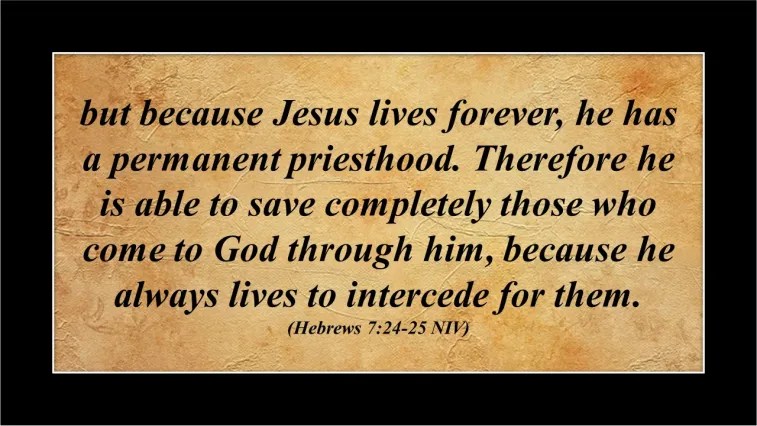



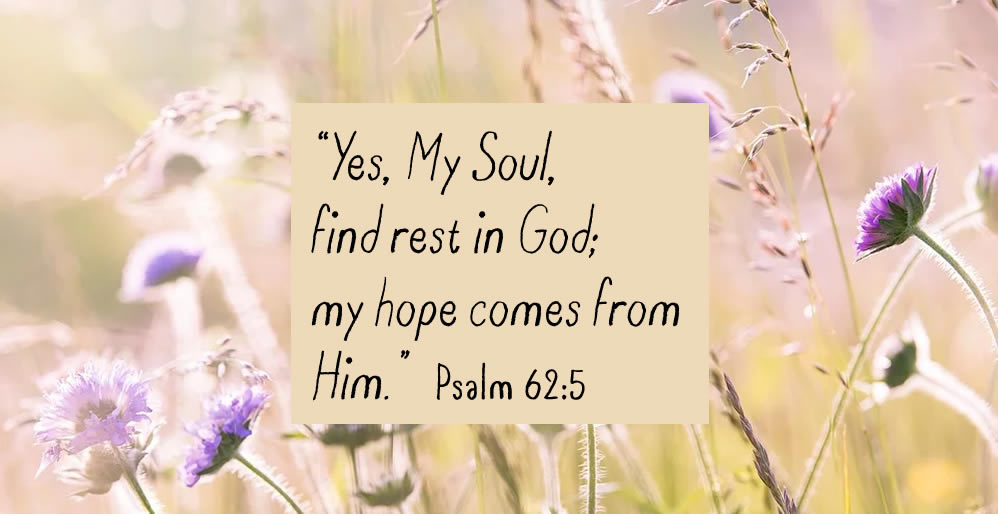
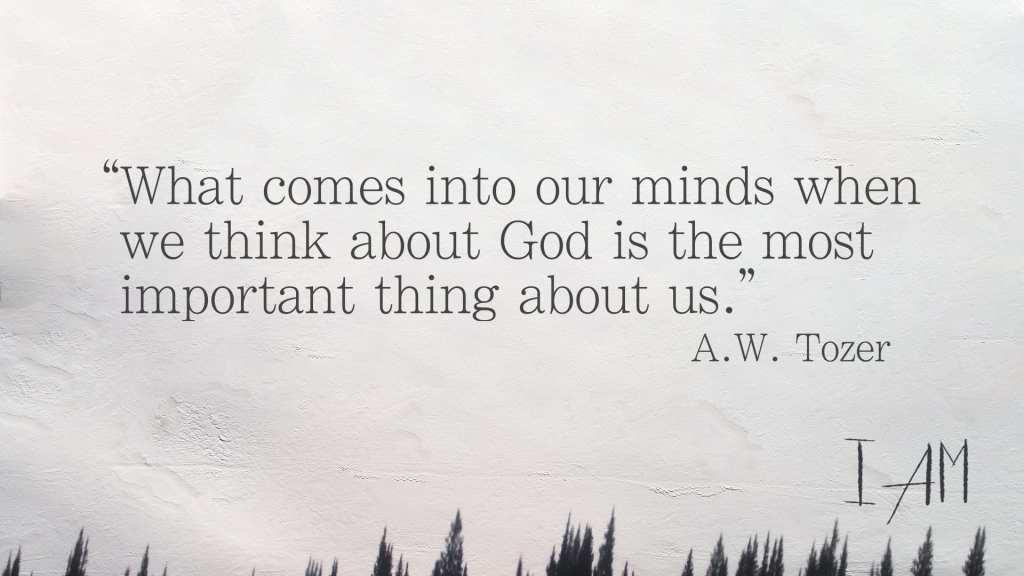

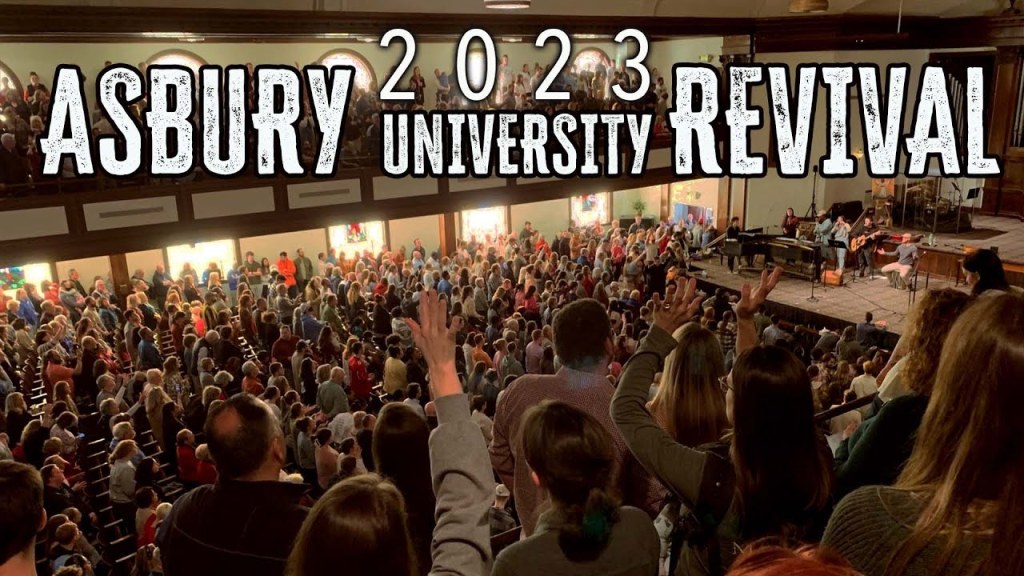
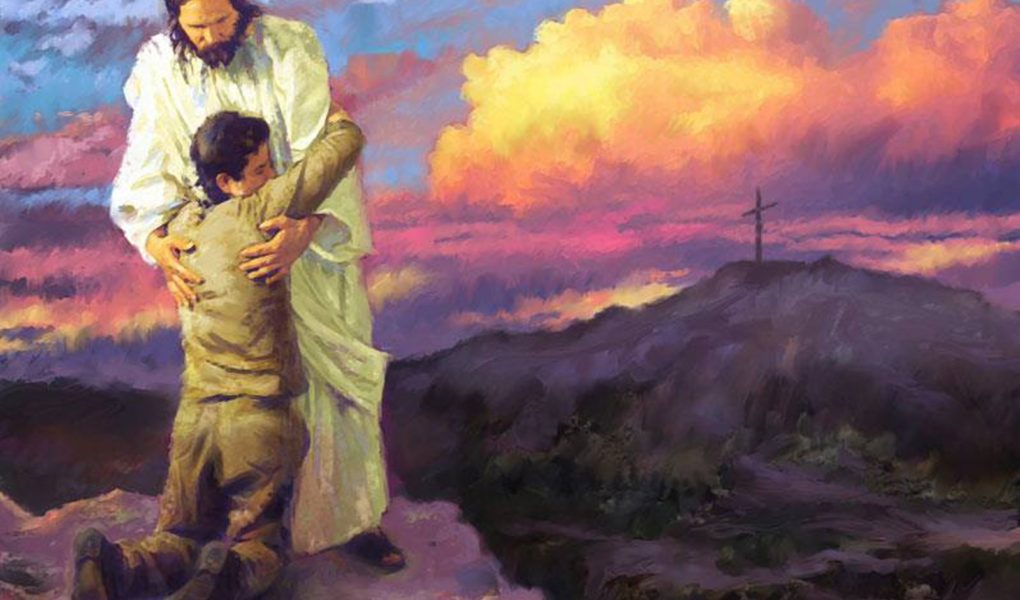






 Loving God, Living God, Loving Hope, Living Hope, Loving Living Life His Way! "Many things are possible for the person who has hope. Even more is possible for the person who has faith. And still more is possible for the person who knows how to love. But everything is possible for the person who practices all three virtues." - Brother Lawrence (1605-1691), Practicing the Presence of God (1692).