Where Can We Find Hope if ‘All Is Vanity’ According to Ecclesiastes? Ecclesiastes 1:1-11

Ecclesiastes 1:1-11 The Message

The Quester

These are the words of the Quester, David’s son and king in Jerusalem:

2-11 Smoke, nothing but smoke. [That’s what the Quester says.]
    There’s nothing to anything—it’s all smoke.
What’s there to show for a lifetime of work,
    a lifetime of working your fingers to the bone?
One generation goes its way, the next one arrives,
    but nothing changes—it’s business as usual for old planet earth.
The sun comes up and the sun goes down,
    then does it again, and again—the same old round.
The wind blows south, the wind blows north.
    Around and around and around it blows,
    blowing this way, then that—the whirling, erratic wind.
All the rivers flow into the sea,
    but the sea never fills up.
The rivers keep flowing to the same old place,
    and then start all over and do it again.
Everything’s boring, utterly boring—
    no one can find any meaning in it.
Boring to the eye,
    boring to the ear.
What was will be again,
    what happened will happen again.
There’s nothing new on this earth.
    Year after year it’s the same old thing.
Does someone call out, “Hey, this is new”?
    Don’t get excited—it’s the same old story.
Nobody remembers what happened yesterday.
    And the things that will happen tomorrow?
Nobody’ll remember them either.
    Don’t count on being remembered.

The Word of God for the Children of God.

Adeste Fideles! Laeti Triumphantes! Venite Adoremus! Dominum.

Gloria! In Excelsis Deo! Alleluia, Alleluia, Alleluia, Amen.

The timelessness of Ecclesiastes is evident in our modern, existential age of excess with every possible pursuit, pleasure, and provision readily available through the click of a mouse or touch screen, and yet, people are still miserable.

Money cannot buy happiness.

The Preacher in Ecclesiastes clearly demonstrates this point by cataloging all his attempts to gain meaning and joy in life, and still concludes, “All is vanity” (Ecclesiastes 1:2).

But what is vanity?

Is vanity just a piece of bathroom furniture with a countertop and mirror for getting ready in the morning? 

My mental image for vanity is the witch in Snow White, seeking affirmation for her beauty and worth with her magic mirror every morning, expecting to be the center of attention to her daily request of “Who is the fairest of them all?”

Does vanity mean that life is empty, worthless, or meaningless?

It is like washing your car in the rain or polishing the brass on the Titanic as it sinks – “What’s the point?”

The first chapter of Ecclesiastes seems to present a hopeless image of life, reporting “I have seen everything that is done under the sun, and behold, all is vanity and striving after the wind” (Ecclesiastes 1:14). 

All Is Vanity

The author explains the cycle of life, noting how each generation will come and go, striving and seeking meaning and purpose, but die all the same, not even leaving behind a lasting memory (Ecclesiastes 1:11).

The author proceeds to detail his vast wealth and pursuits for pleasure and meaning, describing how nothing was outside his access or ability, and yet, he concludes this pursuit of pleasure by saying,

“What has a man from all the toil and striving of heart with which he toils beneath the sun? For all his days are full of sorrow, and his work is a vexation. Even in the night, his heart does not rest. This also is vanity” (Ecclesiastes. 2:22-23).

If all of life is meaningless and we simply strive to suffer and struggle each day, what is the point?

Where is our hope and where is our purpose to be found in life if ultimately life is meaningless?

There seems to be no hope in life.

If this were the meaning of vanity, life would be meaningless, but the Preacher is instead explaining a critical truth that we have yet to grasp these thousands of years later.

Vanity does not refer to absolute meaninglessness, but instead to a cyclical repetitiveness.

Our experience of life is such a small slice across all of human history, the value of our contribution and purpose for living gets utterly lost in this broader scope without an anchor for context to the bigger plan across time. 

Hope is found in the meaning and purpose God provides to connect us to His story as integral players for His purpose and glory.

The theme of Ecclesiastes is that life is short, death is certain, and seeking meaning apart from God is like attempting to grasp the wind or wrangle vapor.

Meaning is not something we can control. Hope is found in the meaning and purpose provided as a free gift in love from God through His Son.

The Genre and Authorship of Ecclesiastes

Ecclesiastes sits at the end of the Wisdom literature in Scripture, preceded by Job and Proverbs, but all three tied together to provide critical lessons about the meaning of life.

Mirroring the virtues of faith, hope, and love, with love as the greatest (1 Corinthians 13:13), Ecclesiastes, Job, and Proverbs provide meaning to these ultimate questions of boredom or empty pursuit with the necessity of faith in God’s provision (Ecclesiastes), suffering is resolved through hope in God’s care (Job), and love as the ultimate meaning of life (Song of Solomon) demonstrated through God’s pursuit of us as His beloved.

Proverbs unites all these themes with a contrast between Wisdom and folly, or pursuit of God versus pursuit of self, proclaiming faith, hope, and love are found in a life lived in pursuit of Wisdom (Proverbs. 3:1-8).

Historically attributed to Solomon because of the opening credential of the author as “the son of David, king in Jerusalem” (Ecclesiastes. 1:1), the writing style, language differ from Proverbs and Song of Solomon, which are directly attributed to Solomon within the texts (Proverbs. 1:1; Song of Solomon 1:1).

While the exact dating and authorship are uncertain, the timelessness of Ecclesiastes is evident in its vivid descriptions of our modern struggle for meaning and purpose.

The book introduces the content of the book as “the words of the Preacher” (1:1), used alternatively throughout the book as Qoheleth (which is the Hebrew word for preacher, convener, or collector), suggesting that an editor or disciple of Qoheleth has compiled his teaching for this book at an uncertain date.

This authorship does not negate the possible influence or content from Solomon, but just that the book is not directly from Solomon but compiled and edited by another to provide a call to elevate faith in God for the people of Israel.

How Does Hope Play a Part in a World of Vanities?

If life is just vapor or breath, like “chasing after the wind” (Ecclesiastes. 1:14), from where does our hope come from?

The Preacher described his ceaseless pursuit for knowledge, self-indulgence, and pleasure, wisdom for wisdom’s sake, and work, concluding that everything comes from the hand of God and attempting to live apart from God is “vanity and a striving after wind” (Ecclesiastes 2:26).

Ecclesiastes 3:9-13 provides the context and answer to this issue.

The Preacher combats the cyclical repetitiveness inherent in vanity by proclaiming there is a fixed and appointed time for everything and it is according to this timeframe, which is outside of our control, that God orchestrates His purpose and plan provided to us as a gift (Ecclesiastes 3:13). 

Life is short with our appearance on the planet like a breath compared to eternity, but this awareness of scope is given to us by God to provide an unsettling or discomfort in this place as a distant reminder of a home we have lost, a motivation to pursue God who controls time, place, purpose (3:14-15).

As C. S. Lewis stated, “If we find ourselves with a desire that nothing in this world can satisfy, the most probable explanation is that we were made for another world” (Mere Christianity).

Eternity in our hearts is the echo of the Garden, the place of perfect relationship with God, self, others, and creation.

We were made in the image of God, designed to be “naked and unashamed” (Genesis 2:25) with the purpose to image God through our creating, ordering, and sustaining His creation (Genesis 1:28).

Hope is the recognition of this glimmer, this reminder of God’s continued connection, continued relationship with all of us, as is realized through the incarnation and provision of new life through Christ’s death and resurrection. 

Ecclesiastes is the echo of the Gospel message that we are more sinful than we ever thought but more loved than we could ever imagine.

In the Fall, we sought independence from God in desiring to define good and evil for ourselves, seeking meaning and purpose apart from our Creator.

God demonstrated mercy and grace by limited our lives in this empty pursuit in blocking continued access to the Tree of Life (Genesis 3:24), providing hope in the promise of a Savior (Genesis 3:15).

The message of the Gospel is the message of an upside kingdom because our values and desires have flipped with the influence of sin. 

Our pursuit of independence and pleasure leaves us isolated and in despair while our dependence on God provides a connection to Him in His love for us and for the world (John 15:9-12).  

Mark 8:35-37 summarizes Ecclesiastes well by noting,

“For whoever would save his life will lose it, but whoever loses his life for my sake and the gospel’s will save it. For what does it profit a man to gain the whole world and forfeit his soul? For what can a man give in return for his soul?”

While our lives feel short and quick, our hope is found in the timing and plan of God, who has ordered our lives and “every matter under heaven” (Ecclesiastes 3:1).

How to Live with Hope in the ‘Already but Not Yet’

Hebrews 11 provides a glorious parade of faithful followers of God designed to bolster the endurance of the author’s audience and reinforce their faith in God’s promises.

The author of Hebrews is speaking to an audience struggling to retain the truth of God’s promises within the overwhelming appearance of reality as enveloped by meaninglessness and vanity.

Suffering and struggles are real and in the midst of these experiences we lose sight of the bigger picture and the “now” feels all-consuming.

The author of Hebrews seeks to encourage his audience by reminding them of God’s bigger plan and purpose while providing concrete examples of those who lived according to this faith and assurance in unseen things.

Hebrews demonstrates scope and context for God’s provision and plan, opening our eyes again to the hope of our calling to something greater (Ephesians 1:18). 

The suffering, struggle, and death of these saints did not consume their vision.

They did not lose sight of the bigger purpose of God even when the breath of their life exhausted without receiving what was promised, their faith remained (Hebrews 11:39) because their hope was on something more permanent, an “anchor within the veil” (Hebrews 6:19).

The faith and hope of these saints looked backward to the promise of the Messiah (Genesis 3:15) with a culmination in their future, fulfilled in Jesus Christ (Mark 8:29).

Our faith and hope also look backward to Christ’s death and resurrection and forward to His return (1 Peter 5:10-11; Revelation 22:20).

We live in the joyful expectancy of the “already but not yet.”

We live in the Saturday of passion week, assured in the provision of redemption through the cross and resurrection while awaiting our own resurrection and glorification to follow Christ (1 Corinthians 15:20-23).

In the same way that the saints of Hebrews 11 endured in their faith, waiting in “the assurance of things hoped for” (Hebrews 11:1), we retain our purpose and meaning in time, awaiting our own resurrection, looking to Jesus as the anchor point to “run with endurance the race that is set before us” (Hebrews 12:1).

Because we only perceive life through this finite experience, it is so easy for anyone and everyone to get caught up inside the vanity of repetitive pursuit, feeding our desire for independence and pleasure.

The Preacher calls us to attention, however, to remind us that because life is short, this reality should spark our motivation to get working and make sure our direction and desires align with God’s purpose and plan for us.

It is easy to become distracted and lose sight of the hope of our calling and the author and perfecter of our faith.

The scope of our task and role is bigger than us and extends beyond us.

Just as we have the hopeful, hope-filled example and encouragement of a great crowd of witnesses who have gone before us (Hebrews 12:1), so too we are all now leading others in the hopeful, hope-filled treads of our footsteps as well.

Maintain your hopeful, hope-filled, faithful faith-filled perspective as meaning it all comes from God and in spite of all the “vapor-ness” of life, motivates us all to significantly fruitful, fruit-filled Kingdom of God action in this short time.

Our hope in God is unaffected by circumstance or situation because God is always in control and we receive what He provides as from His hand, both, whether good or bad or completely catastrophic all is for His glory alone. (Ecclesiastes 7:13-15; Job 2:10; Romans 9:22-24).

Keep your eyes on Jesus.

Look full into His Wonderful Face.

And the Things of This Earth Grow Strangely Dim.

In the Light of His Glory and Strength.

In the name of God the Father and God the Son and God the Holy Spirit,

Let us Pray,

Lord, my teacher, I’m often confused when I need to make important decisions about my life, my family, my work, my relationships, my health, or finances. Show me the way I should go when I don’t know which way to turn. Help me remember to come to you, rather than trying to figure everything out on my own. Guide me along the best pathway, your pathway for my life. Lead me and Advise me and watch over me. Help me to give both of my ears to listen to your guidance and not resist it as much as I have been. I thank you that your unfailing love surrounds those who trust you. Amen.

https://translate.google.com/

Becoming More Like Christ; Comfort and Encourage: God Shows Through Our Experiences. 2 Corinthians 1:3-7

2 Corinthians 1:3-7 Amplified Bible

Blessed [gratefully praised and adored] be the God and Father of our Lord Jesus Christ, the Father of mercies and the God of all comfort, who comforts and encourages us in every trouble so that we will be able to comfort and encourage those who are in any kind of trouble, with the comfort with which we ourselves are comforted by God. For just as Christ’s sufferings are ours in abundance [as they overflow to His followers], so also our comfort [our reassurance, our encouragement, our consolation] is abundant through Christ [it is truly more than enough to endure what we must]. But if we are troubled and distressed, it is for your comfort and salvation; or if we are comforted and encouraged, it is for your comfort, which works [in you] when you patiently endure the same sufferings which we [a]experience. And our [b]hope for you [our confident expectation of good for you] is firmly grounded [assured and unshaken], since we know that just as you share as partners in our sufferings, so also you share as partners in our comfort.

The Word of God for the Children of God.

Adeste Fideles! Laeti Triumphantes! Venite Adoremus! Dominum.

Gloria! In Excelsis Deo! Alleluia, Alleluia, Alleluia, Amen.

Come! Listen! Let Me Tell You What My Savior Has Done For Me.
Psalm 66:16-20 The Message

16-20 All believers, come here and listen,
    let me tell you what God did for me.
I called out to him with my mouth,
    my tongue shaped the sounds of music.
If I had been cozy with evil,
    the Lord would never have listened.
But he most surely did listen,
    he came on the double when he heard my prayer.
Blessed be God: he didn’t turn a deaf ear,
    he stayed with me, loyal in his love.

The writer of Psalm 66  wants to tell us his “GOD story” when he says, “Come and hear, all you who fear God; let me tell you what he has done for me.”

The psalmist does not want to talk about his accomplishments or achievements.

The Psalmist wants to talk about what God has done for him throughout his life.

His life had not been easy.

He had been tested and refined like silver.

He had experienced many burdens.

But through it all God had been with him and by listening to his cries for help,

God had led him, guided him, directed him to “a place of abundance.”

Like the Psalmist, each and every one of us has a strikingly similar story to tell.

All of us can bear great witness to the weight of burdens we have had to carry.

All of us can testify to hardships in our lives—but also to the one irrefutable fact that God, and God alone, has always been there and always acted on our behalf.

We must make sure we tell our story.

We must make sure you tell about God’s presence in our life and about his amazing grace in the midst of our much diverse and various degrees of trials.

We must wake sure we tell, re-tell it to our children and our grandchildren.

Someone once said to me,

“If something were to ever happen to you, I am sure I would not know anything about any legitimate kind of relationship to God or His Son or the Holy Spirit.”

Don’t let that happen to you.

Start contemplating your story.

Start writing or telling your story today!

A story which begins with (Song by Bill & Gloria Gaither and Ladye Love Smith)

Days are filled with sorrow
Days are filled with sorrow and care
Hearts are lonely and drear
Burdens are lifted at Calvary
Jesus is very near

Troubled soul, the Savior can see
Every heartache and tear
Burdens are lifted at Calvary
Jesus is very near

and ends with ….

A repetition of this guided affirmation of faith in our Savior Jesus Christ ….

Burdens are lifted at Calvary
Calvary, Calvary
Burdens are lifted at Calvary
Jesus is very near

Burdens are lifted at Calvary
Calvary, Calvary
Burdens are lifted at Calvary
Jesus is very near

Burdens are lifted at Calvary
Calvary, Calvary
Burdens are lifted at Calvary
Jesus is very near

Let Us Now Lift Up Our Hearts Unto Calvary Because Jesus is Very Near

I want us to imagine that we are each standing at the end of a long hallway.

The hallway represents the entirety of our life so far on earth.

To begin with, look down to your feet, where you are standing is todays date; all the way down at the far distant other end of the hallway is the day of your birth.

Now, just begin walking – please do not run, skip or jog or sprint or fast walk, Neither get on your skateboards, roller blades or roller skates or your bicycles.

Leave your car keys, your truck keys, your mini-van, your hybrid or EV car keys.

You are not driving anywhere – you are only and just walking with Savior Jesus.

Go outside of self and stretch your legs a bit, start working that heart muscle.

As you begin walking down the hallway heading back in your life, I want you to take notice of all of the notice various and diverse sizes of pictures on the wall.

These pictures are all of the “events” from your life; it’s like a photo album of your entire life which someone has taken the time to paint or print and hang.

Some are large framed pictures; they are the most significant experiences you have had so far.

Some are good; some are bad; some are happy; some are sad.

As you steadily walk down this hallway of your life, I want you to take a long and considered look at the content and context of all of these large pictures.

What significant events from your life do you see that stand out?

Is there a wedding?

The successful purchase of your first home?

The Birth of your first child?

Are there family vacations or sporting events pictured on the walls?

Is there an achievement like a high school or college diploma or an award?

Is there a significant milestone depicted – high professional achievements?

Is there a significant milestone depicted – your long awaited retirement?

Are there spiritual experiences like your coming to faith in Christ or a time God miraculously entered into your sub-conscience, especially touched your life?

Are there significantly painful experiences—a divorce, the death of someone you really loved, a failure, a betrayal, abuse, alcoholism, a difficult to care for child which leads to a hardcore challenging, difficult marriage, a significantly threatening health diagnosis, an over abundance of “no money,” an addiction?

Take some time now to walk beyond all of that, walk all the way to the end of this hallway of your, notice “self-portraits” in all these significant experiences in your life… contemplate, take notice of all the ones named “my aloneness.”

[NOW TAKE SOME QUALITY TIME WITH GOD IN SILENT REFLECTION].

As I pray, for you like the Psalmist did, I plead with you to realize that all these experiences have actually shaped who you are today, whether you like it or not.

I pray for you to realize there is no time for self-blame, or blame God, He didn’t cause all of these hard things to happen, but did allow them to happen to you.

What GOD wants to do with us, within us, is to use all of these experiences–Good and Bad–to grow us spiritually and mold us into the likeness of our Lord and Savior Jesus and to shape us for the unique purposes He has for our lives.

His intent is not to cause us any harm (1 John 4:7-12 The Message)

God Is Love

7-10 My beloved friends, let us continue to love each other since love comes from God. Everyone who loves is born of God and experiences a relationship with God. The person who refuses to love doesn’t know the first thing about God, because God is love—so you can’t know him if you don’t love. This is how God showed his love for us: God sent his only Son into the world so we might live through him. This is the kind of love we are talking about—not that we once upon a time loved God, but that he loved us and sent his Son as a sacrifice to clear away our sins and the damage they’ve done to our relationship with God.

11-12 My dear, dear friends, if God loved us like this, we certainly ought to love each other. No one has seen God, ever. But if we love one another, God dwells deeply within us, and his love becomes complete in us—perfect love!

By the unmeasurable enormity of this love He expressed through Calvary,

He does not intend nor want even one of our life experiences to be wasted.

With a very God the Father, Son, and Holy Spirit specific long term intention:

Romans 8:28-30 Amplified Bible

28 And we know [with great confidence] that God [who is deeply concerned about us] causes all things to work together [as a plan] for good for those who love God, to those who are called according to His plan and purpose. 29 For those whom He foreknew [and loved and chose beforehand], He also predestined to be conformed to the image of His Son [and ultimately share in His complete sanctification], so that He would be the firstborn [the most beloved and honored] among many believers.  30 And those whom He predestined, He also called; and those whom He called, He also justified [declared free of the guilt of sin]; and those whom He justified, He also glorified [raising them to a heavenly dignity].

God takes every single one of our life experiences—whether positive or painful, intentional or accidental, known or unknown, avoided or not, caused by you or by someone else, to shape all His Children for His unique calling in their lives.

Romans 8:28-30 may be, for some of us, the most personal verses in the Bible:

We know that in all things God works for the good of those who love Him, who have been called according to His purpose.

Your life experience and my own are one of the most overlooked ways that God uses to mold, shape, and transform us for the way He wants each of us to serve Him and others in this world, to edify, that is, to build up, His Kingdom alone.

The Bible says that God is working in every experience you have—our mistakes, our decisions, our successes and failures, our education or lack thereof, all of our different jobs, relationships, our lack of relationships, our unemployment, our disabilities, our marriages, our health issues, our finances—you name it.

God is working in every single thing in our lives—even in and through our own continued and continuous bent to our sins–to accomplish His purpose for you.

What Is The “God Specific” Purpose For Which God Is Even Now Working In Every Single Thing In Our life?

He is always working for the good in our lives.

Reverend Rick Warren puts it this way:

God can take the mess in our lives and bring a message out of it.

He can take the tests in our lives and create a testimony out of it.

He can take any crisis and show all of our Savior Jesus Christ through them.

GOD does not, never will, waste any experience any one of His Children have.

Moses murdered a man and had to flee into the wilderness between Egypt and Israel to save his life.

Some 40 years later God came to him in the vision of a burning bush and said, Moses, I have chosen you to go back down to Egypt to set my people free from slavery and guide and lead them through the wilderness to the Promised Land.

Moses knew the wilderness; he had lived there, learned its ways for 40 years.

Likewise, as Moses did, that through God, not our wits, God wants to use the wildernesses of our lives to help guide others, to find God’s way for their lives.

Joseph, his father Jacob’s favorite, was conspired against, thrown down a well and eventually sold to merchants into slavery by his hyper jealous brothers.

He ended up a slave and a prisoner in Egypt, but God gifted him and made a way for him to become the Prime Minister of Egypt and second only to the Pharaoh.

When famine threatened the very existence of God’s people, God used Joseph to plant, grow, harvest, store, manage the supply the grain that His people needed.

And when his brothers came to him starving, Joseph said to them: You intended to harm me, but God long intended it for good to accomplish what is now being done, the housing, settling and feeding, ultimately the saving of many lives.

But notice carefully God does not just do this for everybody.

God works His good for those who love Him and follow His plan.

The promise of Romans 8:28 is not for everybody.

God does not work His good in our lives when we don’t love Him or we turn our backs on Him.

It’s not that God turns His back on those who don’t follow His plan for their lives – God loves everybody, but He cannot help and use those who close their hearts, souls, minds, strengths and lives to Him and His plan for their lives.

One of the most common ways God uses our life experiences for good is to help others – to empathize, give comfort and encouragement while God works.

God can and does take each and everyone of our experiences, especially the painful ones, and turns them around, transforming them in a positive way.

Who better to help someone who is struggling than another person who has gone through the same struggle?

2 Corinthians 1:4 says, God, through Christ at Calvary, comforts and encourages us in all of our troubles so we can then, in turn, comfort and encourage others.

From Calvary then, when others are troubled, we will be able to reciprocate, to give them the same comfort and encouragement from Calvary God has given us.

Our troubles can become the very ministry God will use to help other people.

That uniquely painful experience in your life that you keep locked in the inner recesses of your soul could become your singularly unique, greatest ministry.

God has used the failures and hurtful experiences of my own life more than anything else to mold, shape and transform me exclusively for His purposes.

Those bad life experiences of my have helped me grow uniquely, spiritually.

Truthfully, in the good and happy times of my life, I have usually just coasted spiritually, taking God’s grace for granted that He will always, forever be there.

I have to see, from the long shadow extending outward from Calvary, and into eternity, God does not want me to allow my experiences to count for nothing.

I have to become the better person, through Christ, God needs me to become.

Now, it is my relationship with God which continues to keep me looking more forward versus more backwards, instead, a day at a time – Sweet Savior Jesus.

He was my Best Forever friend, much better than a brother I never had.

I was so “at ease, more comforted, more encouraged” with my Sweet Savior Jesus, stark comparison to the “disease of sin” I was struggling to recover from.

He truly brought wholeness to my life, an indescribable joy and immeasurable degrees of comfort that will always and forever be etched deep in my memory.

In His time on earth; Jesus had completed God’s mission for His life; and there is no doubt God touched uncountable many lives through him.

Through Calvary, by my walk to Calvary, My Sweet Savior Jesus helped me to see how life is supposed to be lived—in tune with my GOD and the Holy Spirit.

He helped me to find God and my family, the church to which my wife and I go.

On more than one occasion, the Bible says that God chooses to use weaker vessels to do His work so that He may get the glory.

In 2 Corinthians 12:9, God says: “My grace is sufficient for you, for my power is made perfect in weakness.”

Paul responds: “Therefore I will boast all the more gladly about my weaknesses, so that Christ’s power may rest on me.”

God can help people more through their weakness than we can through our strengths.

That’s why we need each other; it’s why we need the supportive fellowship of the church.

You can learn from others who have gone or who are going through the same struggles you are.

Perfection, if we could achieve it, would help nobody.

What experiences have we had to confront in our own lives which GOD could use to help comfort and encourage others?

“I Thirst” and then “It is Finished”

John 19:28-30 Amplified Bible

28 After this, Jesus, knowing that all was now finished, said in fulfillment of the Scripture, “I am thirsty.” 29 A jar full of [a]sour wine was placed there; so they put a sponge soaked in the sour wine on [a branch of] hyssop and held it to His mouth. 30 When Jesus had received the sour wine, He said, “It is finished!” And He bowed His head and [voluntarily] [b]gave up His spirit.

At Golgotha, the Place of the Skull, At Calvary, the death of the perfect Son of God was the darkest moment in world history, but look back at the portraits in the length and breadth and width of your hallway at how God used Jesus’ death.

Jesus’ death atoned for every single one our sins and everybody else’s sins and made for each of us an unobstructed way back to God, into heaven when we die.

Out of Christ’s crucifixion, God brought to all mankind the ultimate comfort and encouragement – God brought salvation for all who trust and follow Jesus.

This is our hope in Jesus Christ!

On that first Easter Sunday two millennia ago, God brought life out of death.

Jesus Christ died, three days later he arose from the dead and is now a living presence among us right now— forgiving us, delivering us, shaping us, guiding us, loving us, living in and among us and wanting to use us for His purposes.

God can use all your life experiences, good and bad, to shape you for His unique calling in your life—if forego any resistance to any, all change, if we let Him.

Hebrews 3:12-16 Amplified Bible

The Peril of Unbelief

12 Take care, brothers and sisters, that there not be in any one of you a wicked, unbelieving [a]heart [which refuses to trust and rely on the Lord, a heart] that turns away from the living God. 13 But continually encourage one another every day, as long as it is called “Today” [and there is an opportunity], so that none of you will be hardened [into settled rebellion] by the deceitfulness of sin [its cleverness, delusive glamour, and sophistication]. 14 For we [believers] have become partakers of Christ [sharing in all that the Messiah has for us], if only we hold firm our newborn confidence [which originally led us to Him] until the end, 15 while it is said,

“Today [while there is still opportunity] if you hear His voice,
Do not harden your heart, as when they provoked Me [in the rebellion in the desert at Meribah].”

16 For who were they who heard and yet provoked Him [with rebellious acts]? Was it not all those who came out of Egypt led by Moses?

“Today, while there is still opportunity, if we WILL hear His voice …”

“Do not harden your hearts again and again, with further acts of open rebellion …”

God’s Call and Invitation to each and everyone of us through Mount Calvary:

God has 3 callings in the lives of each and everyone of His Children:

(1) He calls you to salvation and a new life in Jesus Christ;

(2) He calls you to be an active part of His church;

(3) He calls you to serve Him and comfort and encourage others in the unique way He has gifted and shaped you.

Encouraging one another is an important part of our daily walk with Christ.

Comforting one another is an important part of our daily walk with Christ.

We live in a world corrupted by unbelief, sin, and, at times, persecution.

How can we stay firm in our faith?

Scripture gives us this recipe:

Comfort, Love, Encourage, and Daily Pray for one another.

In God’s grace, the Holy Spirit uses these acts of mutual and shared comfort, care and encouragement to guide us, see us, through the most trying of times.

When fellow believers are struggling, be quick to extend your helpful, sharing hand.

Be graceful and be generous.

Be gentle and be merciful as unto the Lord.

Be comforting and be encouraging.

Offer words of comfort and prayer, as well as tangible acts of help, encourage people around you, and be surprised by how much you are encouraged yourself!

In the name of God, the Father and God the Son and God the Holy Spirit,

Would you pray this prayer with me?

Almighty God and my Everlasting Father, Lord of my life, I offer back my life to You. Everything I’ve been through, Lord, use it for Your glory. Jesus, I give You my all. In your name I pray and commit myself to Your continuing work in this world. Lead, Guide and Direct my Steps back towards Calvary from whence comes my Savior. That I may be a comfort as I was comforted, I may be an encourager as I was encouraged. For indeed, there is no other name under heaven through which mankind is saved.

Adeste Fideles! Laeti Triumphantes! Venite Adoremus! Dominum.

Gloria! In Excelsis Deo! Alleluia, Alleluia, Alleluia, Amen.

https://translate.google.com/

Let Us All Give Thanks To God For Our Foundation of Hope! Colossians 1:3-8

Colossians 1:3-8 Amplified Bible

We give thanks to God, the Father of our Lord Jesus Christ, as we pray always for you, for we have heard of your faith in Christ Jesus [how you lean on Him with absolute confidence in His power, wisdom, and goodness], and of the [unselfish] [a]love which you have for all the saints (God’s people); because of the [confident] hope [of experiencing that] which is reserved and waiting for you in heaven. You previously heard of this hope in the message of truth, the gospel [regarding salvation] which has come to you. Indeed, just as in the whole world the gospel is constantly bearing fruit and spreading [by God’s power], just as it has been doing among you ever since the day you first heard of it and understood the grace of God in truth [becoming thoroughly and deeply acquainted with it]. You learned it from [our representative] Epaphras, our beloved fellow bond-servant, who is a faithful minister of Christ on our behalf and he also has told us of your love [well-grounded and nurtured] in the [Holy] Spirit.

The Word of God for the Children of God.

Adeste Fidelis! Venite Adoremus! Dominum.

Gloria! In Excelsis Deo! Alleluia, Alleluia, Alleluia, Amen.

The Root Of Our Hope Is Our Savior Jesus

It’s wonderful when someone comes into the kingdom of God.

That person receives God’s gift of grace through faith in Jesus, and they begin a new life of walking with the Holy Spirit.

The new believer realizes that the full measure of their “sacred cow” plans for their old life of selfish pursuits offers them nothing that will ever satisfy them.

By their new hope in Christ Jesus, they have turned their back on the darkness and are enjoying the light of the world, Savior Jesus – Praise God for his love!

Paul is filled with thanks to hear that the people of Colossae have come to faith in Christ Jesus and are showing their love for all God’s people.

He even says, “We always thank God . . . when we pray for you . . .”

They have become wonderful examples of living by faith in Jesus.

They believe and trust, they love, and they hope in what God has already stored up in heaven for them.

Drawing all this together, today we can echo with great assurance with Paul that the new faith of the Colossian believers is decisively rooted in Jesus Christ.

Friends, my prayer is you will have faith in Christ Jesus; my hope for you is that in Jesus’ name you are loving others, giving yourself up for them, and growing in hope in all that God has promised and is storing up for you and me in heaven.

Stay rooted in Christ, stay united in His hope anticipating the reality of our own resurrection, the reality of God’s coming kingdom on earth as it is in heaven.

The Hope of Resurrection Brings Us All Together

What is the basis for Christian unity?

What is the basis for being able to correct another believers doctrine?

What is the foundation of love and faith in the Christian life?

Paul answers these questions in the beginning of his letter to the church at Colossae.

In the beginning of Colossians, Paul teaches that the basis of Christian faith and love is hope.

We can view hope as elemental to the gospel message, proclaimed to all who believe.

This foundation of hope in the gospel unites us with other believers, for all believers share the same foundation of the message of Christ.

From those foundations proceed faith and love, essential to the character of believers.

Faith And Love As Reasons For Giving Our Thanks

Paul thanks God for the faith and love evident in the church at Colossae.

The believers at Colossae were believers in Christ Jesus, found in Him and known by Him.

Their faith set them on the side of light.

For, Christians have been rescued from darkness and transferred to the Kingdom of the Son, Jesus Christ (Colossians 1:13-14).

The Incomparable Christ

13 For He has rescued us and has drawn us to Himself from the dominion of darkness, and has transferred us to the kingdom of His beloved Son, 14 in whom we have redemption [because of His sacrifice, resulting in] the forgiveness of our sins [and the cancellation of sins’ penalty].

Faith is what made these believers dwell in a new understanding about life, truth, what matters on this earth, and what matters for times to come.

And Paul even heard about the faith of the Colossians, so completely notable was their expression of it.

Paul also heard about the love that believers had for the saints.

The believers had love for their fellow believers, and this was an outworking of the eternal truths of the gospel.

Their love is further identified in the letter as being “in the Spirit” (Colossians 1:8), the mark of its veracity.

Paul notes the rich and beautiful Christian love of the Colossian church:

Colossians 2:1-3 Amplified Bible

You Are Built Up in Christ

For I want you to know how great a struggle I have for you and for those [believers] at [a]Laodicea, and for all who [like yourselves] have never seen me face to face.  [For my hope is] that their hearts may be encouraged as they are knit together in [unselfish] [b]love, so that they may have all the riches that come from the full assurance of understanding [the joy of salvation], resulting in a true [and more intimate] knowledge of the [c]mystery of God, that is, Christ, in whom are hidden all the treasures of wisdom and knowledge [regarding the word and purposes of God].

Paul will ultimately write to the church at Colossae about heresy creeping in, and with that in mind, he writes he desires the body of Christ to be encouraged together with hearts unified in love.

This is Paul’s desired way for the church to have reception of truth and correction of error: to write to a church about these matters who is knit together in the love of Christ.

Then, they would be able to further share in the genuine message of Christ, separate truth from error, and have the full experience of Christ leading and guiding in truth amidst His very own body at Colossae.

No wonder Paul thanks God for the love he sees in the saints at Colossae: it gave him genuine confidence about the message of correction he would be sharing.

That love in the context of faith was made possible by the foundation of hope in Christ and Christ alone present in the church.

The Hope of the Gospel in Us

Hope as a Foundation

Paul credits hope as the foundation for the believers’ virtues. Hope is the basis for Christian faith and love.

Hope is the basic element of the faith — that we have a future with Christ through the truth of the gospel.

And hope is the basis for Christian love — that we have a future with One who unites all believers.

Faith springs from the message of hope. Love flows through the message of hope because the message is what unites the church, one to another.

Hope from the Gospel

Hope comes from the gospel, the word of truth.

The hope of the gospel is restored union and communion with Jesus Christ, the God who made us. 

Colossians 1:27 says that Jesus Christ in us is the hope of glory.

Surely this is the center of Paul’s message in the opening words of his letter.

Hope is the basis for faith and love — and the basis for this hope is that we have restored relationship with Jesus Christ.

This relationship means we have a future of even closer communion with Jesus when we are one day with Him in glory.

Hope Passed On

The word of truth is learned through the teaching of another.

The gospel is passed from person to person through teaching.

Hope becomes passed through the fellowship and instruction of other believers.

Not only had Paul and this church not met face-to-face, so it was with many believers spread throughout the world.

The gospel — the hope of Christ — spreading is an encouraging point of union between Paul and the church a Colossae.

Their shared hope is spread by Jesus Christ who would surely build His church (Matthew 16:18).

Hope is the foundation from which virtues spring and is testified to in the gospel of Christ.

The Blessed Unity of Believers’ Shared Foundation of Hope

Because Paul and his fellow believers at Colossae had a strong foundation of hope — with evidence he could hear about — he is solidified in his union with them through Christ.

Paul’s Connection with the Church at Colossae

Paul uses this expression of prayer-filled thanks to establish his unity with the church at Colossae.

He would be writing to warn against heresy creeping into the church.

But at this juncture, He is establishing truths about the faith, love, and hope that are basic to the Christian message.

He heard about this church’s faith through Epaphras, not being a church that he planted.

But he had thanksgiving-filled unity with this church nonetheless because of the message of the gospel.

Paul’s Connection with All Churches

With thanks, Paul indicates that the message of the gospel was spreading throughout the world — and not only through Paul’s ministry.

What joy that these Christians could receive a message of warning through Paul based on Christian gospel unity — and not based upon personal connection.

Many could, and indeed would, be wary to receive correction from someone not personally known, but Paul would deliver this message faithfully and with great hope that it would prayerfully be received well by those he had never even met.

Through the unity of the gospel and on the basis of broad Christian unity through Jesus Christ, Paul would be proceeding with his message of correction.

Suggested Points of Meditation and Application

As we consider Paul’s opening comments of the letter to the Colossians, we can note hope as the central theme, and basis for his commitment and unity with the church members.

This commitment and unity comes from a heart that shares the indwelling of Christ Jesus through the ministry of the Holy Spirit with fellow believers.

As you take these teachings to heart, pray over the following application points:

1. Strengthen your understanding with conviction in the hope that you have

2. Ensure that you are loving others in the church because of the hope that you share from the hope to be found only in resurrection of our Savior Christ Jesus.

3. Know that your hope means your faith is in a different world, for a different life to come. John 17:6-12 Amplified.

“I have manifested Your name [and revealed Your very self, Your real self] to the people whom You have given Me out of the world; they were Yours and You gave them to Me, and they have kept and obeyed Your word. Now [at last] they know [with confident assurance] that all You have given Me is from You [it is really and truly Yours]. For the words which You gave Me I have given them; and they received and accepted them and truly understood [with confident assurance] that I came from You [from Your presence], and they believed [without any doubt] that You sent Me. I pray for them; I do not pray for the world, but for those You have given Me, because they belong to You; 10 and all things that are Mine are Yours, and [all things that are] Yours are Mine; and I am glorified in them. 11 I am no longer in the world; yet they are still in the world, and I am coming to You. Holy Father, keep them in Your name, the name which You have given Me, so that they may be one just as We are. 12 While I was with them, I was keeping them in Your name which You have given Me; and I guarded them and protected them, and not one of them was lost except [a]the son of destruction, so that the Scripture would be fulfilled.

4. Trust a shared foundation of hope with other believers provides a foundation for doctrinal correction—should you ever be placed in the position of giving or receiving such correction

5. Be ever more thankful to God than to humanity for the unity of the gospel being spread throughout the world.

Resurrection of Hope

It’s not the experience of hope but the object of hope that is stored up for us in heaven–and that gives rise to faith and love, says the apostle Paul.

Colossians 1:27, Paul talks about “the hope of glory,” meaning the final unveiling of our salvation, when “righteousness and peace kiss each other” (Psalm 85:10). 

This grand source of hope does not mean we ignore this present life.

Instead, this hope encourages love.

In a sermon on this text, author John Piper says,

“Only one thing satisfies the heart whose treasure is in heaven: doing the works of heaven. And heaven is a world of love.”

He adds, “It’s not the cords of heaven that bind the hands of love. It is the love of money and leisure and comfort that do that, and the power to sever those cords is Christian hope.”

To live in the utter certainty, centrality of the hope of His coming glory, frees us all from greed and bitterness, despair and laziness, from impatience and envy.

Being fully captivated by this future Paul says we’ve heard about in the gospel empowers, inspires, moves us forward against the tsunami’s of culture, to give us grace to live in faith and in love to become examples of God’s new creation.

In the name of God, the Father and God the Son and God the Holy Spirit,

Let us Pray,

In your kingdom, Lord,
there are no favourites,
all are equal,
all carry the image
of the one who made all things,
and all are welcome in your home.
You forgive those who in humility
make the journey to repentance,
even those who now reject you.
Such love,
Such faith, Such hope,
beyond our imagining.
Such love, Such faith, Such hope,
that could die for us.
Such love, Such faith, Such hope,
sown into hearts,
that we might display its beauty
through hopeful lives and hope-filled words.
Thank you Lord!

Adeste Fidelis! Venite Adoremus! Dominum.

Gloria! In Excelsis Deo! Alleluia, Alleluia, Alleluia, Amen.

https://translate.google.com/

Could Jeremiah 29:11 Have A Far, Far Deeper Meaning, Truth for Us Today? Jeremiah 29:8-14

Jeremiah 29:8-14 The Message

8-9 Yes. Believe it or not, this is the Message from God-of-the-Angel-Armies, Israel’s God: “Don’t let all those so-called preachers and know-it-alls who are all over the place there take you in with their lies. Don’t pay any attention to the fantasies they keep coming up with to please you. They’re a bunch of liars preaching lies—and claiming I sent them! I never sent them, believe me.” God’s Decree!

10-11 This is God’s Word on the subject: “As soon as Babylon’s seventy years are up and not a day before, I’ll show up and take care of you as I promised and bring you back home. I know what I’m doing. I have it all planned out—plans to take care of you, not abandon you, plans to give you the future you hope for.

12 “When you call on me, when you come and pray to me, I’ll listen.

13-14 “When you come looking for me, you’ll find me.

“Yes, when you get serious about finding me and want it more than anything else, I’ll make sure you won’t be disappointed.” God’s Decree.

“I’ll turn things around for you. I’ll bring you back from all the countries into which I drove you”—God’s Decree—“bring you home to the place from which I sent you off into exile. You can count on it.

The Word of God for the Children of God.

Adeste Fidelis! Venite Adoremus! Dominum.

Gloria! In Excelsis Deo! Alleluia, Alleluia, Alleluia, Amen.

How rare is the Word of God today?

How rare is the genuine understanding of the Word of God today?

How rare is the genuine truth of the Word of God sought after today?

How rare is the person who seeks after the genuine truth of God’s Word?

How rare is the person who actually, diligently, genuinely, seeks to apply the wisdom and the genuine truth of the Word of God to their lives?

How rare is the person who actually, diligently, genuinely applies the genuine truth of the Word of God to their lives?

How rare is the person who then actually, diligently, genuinely, seeks with all of their heart, souls, minds and strength, to diligently, genuinely teach all others? (Deuteronomy 6:4-9)

Do we genuinely want to know, love, experience God through His Word alone?

Do we really and genuinely want to surprise ourselves by seeking His Kingdom?

The True Deeper Meaning of Jeremiah 29:11 Might Surprise You

Jeremiah 29:11 is one of the most well-known and quoted verses in the Bible.

It’s promise is held dearly by Christians all over the world.

But despite it’s popularity the meaning of Jeremiah 29:11 is often misused and misapplied.

It’s one of the most misquoted verses in the entire Bible. 

While many Christians have this verse memorized and hanging on their walls, the context in which it’s written is often ignored.

The Bible passage of Jeremiah 29:11 is a popular verse that we, as Christians, cling to in times of trials and hardships.

Whenever problems occur in our earthly lives, we always find safe refuge in the Word of God and one of those verses is Jeremiah 29:11.

Because of this,

it is essential to understand the historical as well as the literary context of the verse to give us a deeper understanding as to why Jeremiah wrote it.

When we ignore the context in which the Bible is written we can quite literally make it say anything we want. 

What We Commonly Get Wrong About Jeremiah 29:11 Meaning

Jeremiah 29:11 is everywhere.

From coffee mugs to graduation speeches this verse is plastered everywhere.

Yet despite the popularity the meaning of Jeremiah 29:11 is often misapplied. 

Most commonly the meaning of Jeremiah 29:11 is applied as a personal promise.

That God has a wonderful and perfect plan for ME.

Many take this verse and apply it specifically to them, that God has their life perfectly mapped out, and that they only have to walk in obedience to God. 

Others take this verse a step further claiming this verse is a continuous promise of health and wealth.

Since we are children of the King we would, could, should only hope to expect the best from God.

With this view, anything less than that view, pain and suffering are interpreted as a sign of disobedience, being disciplined by our God for our true lack of faith. 

The main problem with these interpretations of Jeremiah 29:11 is that they are very ME centered.

It’s all about what God can and is going to do for ME.

And that’s not the meaning of Jeremiah 29:11.

Or the Bible for that matter. 

Where do we begin to more deeply, genuinely acknowledge, the grace of God?

When do we acknowledge the genuine authority, sovereignty, power, of God’s exclusive to God truth behind Psalm 46:10-11?

Psalm 46:10-11 The Message

8-10 Attention, all! See the marvels of God!
    He plants flowers and trees all over the earth,
Bans war from pole to pole,
    breaks all the weapons across his knee.
“Step out of the traffic! Take a long,
    loving look at me, your High God,
    above politics, above everything.”

11     Jacob-wrestling God fights for us,
    God-of-Angel-Armies protects us.

See all of the marvels of God and God alone!

The alleged marvels of humanity are not even mentioned by the Psalmist!

The sovereignty of God and God alone is where everything remains the same.

Psalm 46:10-11 Amplified Bible

10 
“Be still and know (recognize, understand) that I am God.
I will be exalted among the nations! I will be exalted in the earth.”
11 
The Lord of hosts is with us;
The God of Jacob is our stronghold [our refuge, our high tower]. Selah.

So, accounting for it being about God alone, what does Jeremiah 29:11 mean?

Let’s dive into the context and find out. 

The Meaning Of Jeremiah 29:11 In Context Historically

Context matters. In fact, I would say context is king.

When we are reading the Bible we cannot ignore the context in which what we are reading is written in. 

That means we should do three things when reading the Bible: 

  1. Look at the surrounding verses
  2. Consider the original audience 
  3. Look at the larger narrative of the Bible

What is the history behind his words and what is the reasoning?

What is its literal meaning and how can we apply it to our daily lives, not just during tribulations, but rather, as followers of Jesus Christ and children of God?

To help us understand the meaning of Jeremiah 29:11 we will focus primarily on the first two in the list above.

Let me just say this, the common ways this passage is interpreted does not fit the Biblical narrative – the Bible teaches selflessness not a ME centered faith. 

When you rewind a little bit from Jeremiah 29:11 what you see is God talking to the nation of Israel through the prophet Jeremiah.

What Does ‘For I Know the Plans I Have for You’ Mean in Jeremiah 29:11 

Based on the historical context of the verse and the major events that happened in the past, we can understand why Jeremiah said the words in Jeremiah 29:11.

His primary goal was to speak to God’s people amidst hardships and suffering.

The people on the long march into Babylonian captivity needed to know there was some kind of hope they could latch themselves onto to face down reality.

The people were ready to grasp onto any smidgen of reality that would reveal for them that somewhere in this national tragedy befalling them, there is hope.

The unfolding breadth, unrelenting scope of trauma in every which direction of recent events of Babylonian siege, and plunder and war, of this disaster abound.

No one was immune from the impossible to measure effects of its devastation.

National identity was being systematically, violently stripped away from them.

Even their beloved Temple, where God was always to be found – was destroyed.

The Temple where God resided, was desecrated beyond repair – God was gone.

No God in residence…the spiritual trauma behind that thought – unfathomable.

Can anyone of us identify with this feeling?

Their lifeline to God and His divine protection – violently, visibly, severed.

Can anyone of us identify with this feeling?

No lifeline to God was equated with having no Hope of seeing Hope ever again.

Can anyone of us identify ourselves with this feeling?

The people of God were asking for an immediate rescue from the suffering that they were experiencing, and the counter-cultural, against the grain, prophet Jeremiah had a huge responsibility to tell them the truth about God’s promise.

He was also tasked to rebuke a very huge and ultra convincing lie that the false prophet Hananiah had widely circulated, which was not a very easy task to do.

This verse was his message, inspired by God’s guidance, to tell the people that God’s response is not an immediate answer, rather, God has a plan to prosper His people amidst hardships, God has a promise for the future of His people.

The needed caveat to these words – being after seventy years of exile is done.

The duration of the exile would continue until God had designed it to be over.

There would be no avoiding it or getting away from its experience or its effects.

The exile was a done deal.

Praying would not end it before its anointed and appointed time.

The exile was going to have to be fully, inescapably, endured. (Psalm 137)

Considering the coming tragedy of that march to Babylon, and what the people already had to endure and bear witness to (Psalm 137:8-9), it was a bitter time!

If we reflect on the words of Jeremiah, we can see the wisdom that God gave him during those trying times.

He starts with a clear, direct message, “‘For I know the plans I have for you,”

These words can be interpreted as a direct message and an assurance that God knows their plans.

And then, the verse continues with a more profound explanation of God’s plan, “‘plans to prosper you and not to harm you, plans to give you hope and a future’” (Jeremiah 29:11).

These words give more detail of His plan — to inspire His people to continue on, to persevere through the very harshest of seasons, times and circumstances.

The Historical Context of ‘For I Know the Plans I Have for You’ in Jeremiah 29:11

In its context, Jeremiah is speaking to his fellow people as they were forced to exile from their home in Jerusalem to Babylon and, now, under enemy rule.

There was too much turmoil in terms of emotional and physical stress among the believers of God during this time.

To add to this, there was also a false prophet named Hananiah who gave false hope to the Jews regarding the prophecy of God.

According to Hananiah, God promises to relieve the Jews of their suffering after two years and would come back to their home.

This was a false prophecy that Jeremiah heard and rebuked. We can read this verse further in Jeremiah 28:15-17;

Jeremiah 28:15-17 Amplified Bible

1Then the prophet Jeremiah said to Hananiah the prophet, “Listen now, Hananiah, the Lord has not sent you, and you have made this people trust in a lie. 16 Therefore thus says the Lord, ‘Behold, I am about to send you away from the face of the earth. This year you will die, because you have spoken  and have counseled rebellion against the Lord.’”

17 So Hananiah the [false] prophet died [two months later], the same year, in the seventh month.

Imagine Jeremiah having to tell the Jews that instead of two years, they would live in Babylon for 70 years and endure it as it is written in Jeremiah 29:4-10,

This is what the Lord Almighty, the God of Israel, says to all those I carried into exile from Jerusalem to Babylon: “Build houses and settle down; plant gardens and eat what they produce. Marry and have sons and daughters; find wives for your sons and give your daughters in marriage, so that they too may have sons and daughters. Increase in number there; do not decrease. Also, seek the peace and prosperity of the city to which I have carried you into exile. Pray to the Lord for it, because if it prospers, you too will prosper.” Yes, this is what the Lord Almighty, the God of Israel, says: “Do not let the prophets and diviners among you deceive you. Do not listen to the dreams you encourage them to have. They are prophesying lies to you in my name. I have not sent them,” declares the Lord.

This is what the Lord says: “When seventy years are completed for Babylon, I will come to you and fulfill my good promise to bring you back to this place.”

Jeremiah was tasked to deliver a message that God’s people would have to live, build houses, marry, pray for peace, and prosper in a city that was not theirs.

It was an arduous, difficult task, and Jeremiah had to give the people an inspirational message and thus the words in Jeremiah 29:11 were written.

What Deeper Meaning Would, What Could, What Should, ‘For I Know the Plans I Have for You’ Genuinely Mean for Us Today?

Indeed, Jeremiah 29:11 is a great reminder amidst the longevity of suffering, God alone has a boundless God sized plan for us to prosper and hope for our future.

We should not give up. We may be experiencing different situations such as the severe health or a financial crisis or a family relationship on the brink of being torn apart, the verse tells us that these things are in passing and God has a plan.

Just as what happened in the past with the Jews in Babylon, we may experience “lets grasp for human straws” hopeful words of false prophets like Hananiah.

The much beloved verse also reminds us not to believe in human things that are too good to be true and instead, trust God alone, His Grace, His processes alone.

For it is only in trusting His process we can all be assured of hope for the future.

Lastly, this much cherished verse also reminds us that if we seek God in our hearts, we will never be weary even if we experience suffering in our lives.

Let God alone transform our mindsets of unrelenting suffering to unrelenting joy in the Lord and the Lord alone who is our strength. (2 Corinthians 12:7-10)

More Bible Verses about Hope

But they who wait for the Lord shall renew their strength; they shall mount up with wings like eagles; they shall run and not be weary; they shall walk and not faint.  ~ Isaiah 40:31

For in this hope we were saved. Now hope that is seen is not hope. For who hopes for what he sees? But if we hope for what we do not see, we wait for it with patience.Romans 8:24-25

Blessed be the God and Father of our Lord Jesus Christ! According to his great mercy, he has caused us to be born again to a living hope through the resurrection of Jesus Christ from the dead ~ 1 Peter 1:3

For whatever was written in former days was written for our instruction, that through endurance and through the encouragement of the Scriptures we might have hope. ~ Romans 15:4

May the God of hope fill you with all joy and peace in believing, so that by the power of the Holy Spirit you may abound in hope. ~ Romans 15:13

Rejoice in hope, be patient in tribulation, be constant in prayer. ~ Romans 12:12

Now faith is the assurance of things hoped for, the conviction of things not seen.Hebrews 11:1

2 Timothy 3:14-17 Amplified Bible

14 But as for you, continue in the things that you have learned and of which you are convinced [holding tightly to the truths], knowing from whom you learned  them,  15 and how from childhood you have known the sacred writings (Hebrew Scriptures) which are able to give you the wisdom that leads to salvation through faith which is in Christ Jesus [surrendering your entire self to Him and having absolute confidence in His wisdom, power and goodness]. 16 All Scripture is God-breathed [given by divine inspiration] and is profitable for instruction, for conviction [of sin], for correction [of error and restoration to obedience], for training in righteousness [learning to live in conformity to God’s will, both publicly and privately—behaving honorably with personal integrity and moral courage]; 17 so that the [a]man of God may be complete  and proficient, outfitted and thoroughly equipped for every good work.

Seek out the deeper meanings, immeasurable truths of the Word of God.

The entirety of our lives is a Tapestry weaved by the Grace of God by God.

In Christ Jesus, our Savior, in Him alone our hope is found (Acts 4:8-12)

Give God 100% of the Glory – saving or hoarding none of it for yourselves.

Give God 100% of the Praise – saving or hoarding none of it for yourselves.

Give God 100% of the Honor – saving or hoarding none of it for yourselves.

In the name of God, the Father and God the Son and God the Holy Spirit,

Let us Pray,

Majesty, worship His majesty
Unto Jesus be all glory, honor and praise,
Majesty, kingdom authority
Flow from His throne, unto His own
His Anthem raise
Majesty, worship His majesty

Unto Jesus be all glory, honor and praise,
Majesty, kingdom authority
Flow from His throne, unto His own
His Anthem raise

So exalt, lift up on high, the name of Jesus
Magnify, come glorify Christ Jesus the King
Majesty, worship His majesty

Jesus who died, now glorified
King of all kings

Copyright: 

1981 New Spring (Admin. by Brentwood-Benson Music Publishing, Inc.)

https://translate.google.com/

Whether We Believe It or Not, God Does Have Incredible Plans for Us! Jeremiah 29:10-14

Jeremiah 29:10-14 Amplified Bible

10 “For thus says the Lord, ‘When seventy years [of exile] have been completed for Babylon, I will visit (inspect) you and keep My good promise to you, to bring you back to this place. 11 For I know the plans and thoughts that I have for you,’ says the Lord, ‘plans for peace and well-being and not for disaster, to give you a future and a hope. 12 Then you will call on Me and you will come and pray to Me, and I will hear [your voice] and I will listen to you. 13 Then [with a deep longing] you will seek Me and require Me [as a vital necessity] and [you will] find Me when you search for Me with all your heart. 14 I will be found by you,’ says the Lord, ‘and I will restore your fortunes and I will [free you and] gather you from all the nations and from all the places where I have driven you,’ says the Lord, ‘and I will bring you back to the place from where I sent you into exile.’

The Word of God for the Children of God.

Adeste Fidelis! Venite Adoremus! Dominum.

Gloria! In Excelsis Deo! Alleluia, Alleluia, Alleluia, Amen.

Some years ago the well-known author James Michener wrote a book called The Drifters.

It’s a story about young students traveling aimlessly through Asia and Europe, drifting from one day into the next, without either a plan or even any purpose.

Lots of people today are drifters too.

Even if you have everything life has to offer, you can feel unfulfilled and without purpose, drifting from one day to the next.

Or maybe you feel as if you’ve been cut adrift.

For example, maybe you’ve lost your job and you don’t see much of a future.

Or maybe you’ve lost your spouse through death, separation or divorce, and you feel as if you’ve reached the end of the road.

Perhaps you are in that place in life where you are feeling unfulfilled, at an age where perhaps you are considering a career change but you are unsure what the next career might be or you are struggling with how you are going to finance it.

Or maybe you just retired and you feel as if you’ve been put on a shelf.

Or perhaps you’re permanently disabled and you’re not sure how you can go on.

If you’re feeling adrift for one reason or another, take heart from God’s words to us through His Prophet Jeremiah: “I know the plans I have for you … plans to prosper you and … to give you hope and a future.”

God does not want us to drift through life.

He assuredly, definitely has a purpose and plan for each one of us.

Whoever you are reading this, ask yourself, “What does God have in mind for me? And how does God want to use me today so I can have hope and a future?”

God’s Presence in Our Plans

Jeremiah 29:10-11 The Message

10-11 This is God’s Word on the subject: “As soon as Babylon’s seventy years are up and not a day before, I’ll show up and take care of you as I promised and bring you back home. I know what I’m doing. I have it all planned out—plans to take care of you, not abandon you, plans to give you the future you hope for.

This quote was part of a letter God had Jeremiah write to the Jews whom King Nebuchadnezzar had been forcibly taken captive to Babylon from Jerusalem.

They had been ripped from their homeland, marched, walked, taken to a land where they were aliens and strangers.

I cannot imagine how hopeless they felt. (Psalm 137)

But God had already told them what to do when they arrived there.

What we do not know is how receptive this first generation of exiles were to the message of God, through Jeremiah, of a hope not manifesting itself for 70 years.

Jeremiah 29:4-8 Amplified Bible

“So says the Lord of hosts, the God of Israel, to all the captives whom I have sent into exile from Jerusalem to Babylon, ‘Build houses and live in them; plant gardens and eat their fruit. Take wives and have sons and daughters; take wives for your sons and give your daughters in marriage, that they may bear sons and daughters; multiply there and do not decrease [in number]. Seek peace and well-being for the city where I have sent you into exile, and pray to the Lord on its behalf; for in its peace (well-being) you will have peace.’ For thus says the Lord of hosts, the God of Israel, ‘Do not let your [false] prophets who are among you and your diviners deceive you; pay no attention and attach no significance to the dreams which they dream or to yours,

He told them to build houses and live in them, plant gardens and eat their produce.

To get married and have children, then give their children in marriage to have more children, to multiply there, to not decrease in their population numbers.

And incredibly, God told them to seek the peace and well-being of Babylon where ultimately he had sent them into exile.

God even told them to pray for Babylon’s welfare.

For in Babylon’s peace and well-being, the Israelite’s would have their peace.

Then God promised that after 70 years he would bring them back to Jerusalem.

He essentially told them to take heart, a measure of solace, He had plans for them, plans for their good, plans for their future, plans to give them hope.

This is a good reminder for us.

We need to regularly remember that this world is not our home.

As the Apostle Peter would later remind his congregations of readers;

1 Peter 2:9-12 Amplified Bible

But you are a chosen race, a royal priesthood, a consecrated nation, a [special] people for God’s own possession, so that you may proclaim the excellencies [the wonderful deeds and virtues and perfections] of Him who called you out of darkness into His marvelous light. 10 Once you were not a people [at all], but now you are  God’s people; once you had not received mercy, but now you have received mercy.

11 Beloved, I urge you as aliens and strangers [in this world] to abstain from the sensual urges [those dishonorable desires] that wage war against the soul.  12  Keep your behavior excellent among the [unsaved] Gentiles [conduct yourself honorably, with graciousness and integrity], so that [a]for whatever reason they may slander you as evildoers, yet by observing your good deeds they may [instead come to] glorify God [b]in the day of visitation [when He looks upon them with mercy].

Just as Babylon was not the Jews’ final home, neither is this our final home.

Our home is heaven.

But like the ancient Israelite’s, we are to build our lives here for now.

We’re to seek the good of our nation, our churches, our friends and neighbors.

John 14:1-6 Amplified Bible

Jesus Comforts His Disciples

14 “Do not let your heart be troubled (afraid, cowardly). Believe [confidently] in God and trust in Him, [have faith, hold on to it, rely on it, keep going and] believe also in Me. In My Father’s house are many dwelling places. If it were not so, I would have told you, because I am going there to prepare a place for you. And if I go and prepare a place for you, I will come back again and I will take you to Myself, so that where I am you may be also. And [to the place]  where I am going, you know the way.” Thomas said to Him, “Lord, we do not know where You are going; so how can we know the way?” Jesus said to him,  “[a]I am the [only] Way [to God] and the [real] Truth and the [real] Life; no one comes to the Father but through Me.

We are to settle in, have generations of family, and build homes – temporarily.

We are to pray for the welfare, the well-being of where God will settle us down.

But we mustn’t forget that after “70 years” – sooner or later – God will come back, His Son, our Savior Jesus will take us unto our ultimate home – heaven.

Those are God’s plans for us.

But he has plans for us now too.

More on this tomorrow ….

In the name of God, the Father and God the Son and God the Holy Spirit,

Let us Pray,

Psalm 8 The Message

God, brilliant Lord,
    yours is a household name.

Nursing infants gurgle choruses about you;
    toddlers shout the songs
That drown out enemy talk,
    and silence atheist babble.

3-4 I look up at your macro-skies, dark and enormous,
    your handmade sky-jewelry,
Moon and stars mounted in their settings.
    Then I look at my micro-self and wonder,
Why do you bother with us?
    Why take a second look our way?

5-8 Yet we’ve so narrowly missed being gods,
    bright with Eden’s dawn light.
You put us in charge of your handcrafted world,
    repeated to us your Genesis-charge,
Made us stewards of sheep and cattle,
    even animals out in the wild,
Birds flying and fish swimming,
    whales singing in the ocean deeps.

God, brilliant Lord,
    your name echoes around the world.

Adeste Fidelis! Venite Adoremus! Dominum.

Gloria! In Excelsis Deo! Alleluia! Alleluia! Alleluia! Amen.

https://translate.google.com/

“I am Praying to God. I am Listening for God’s answer and I can almost hear Him speak it to me. There is so much static. What am I to do now?” Daniel 9

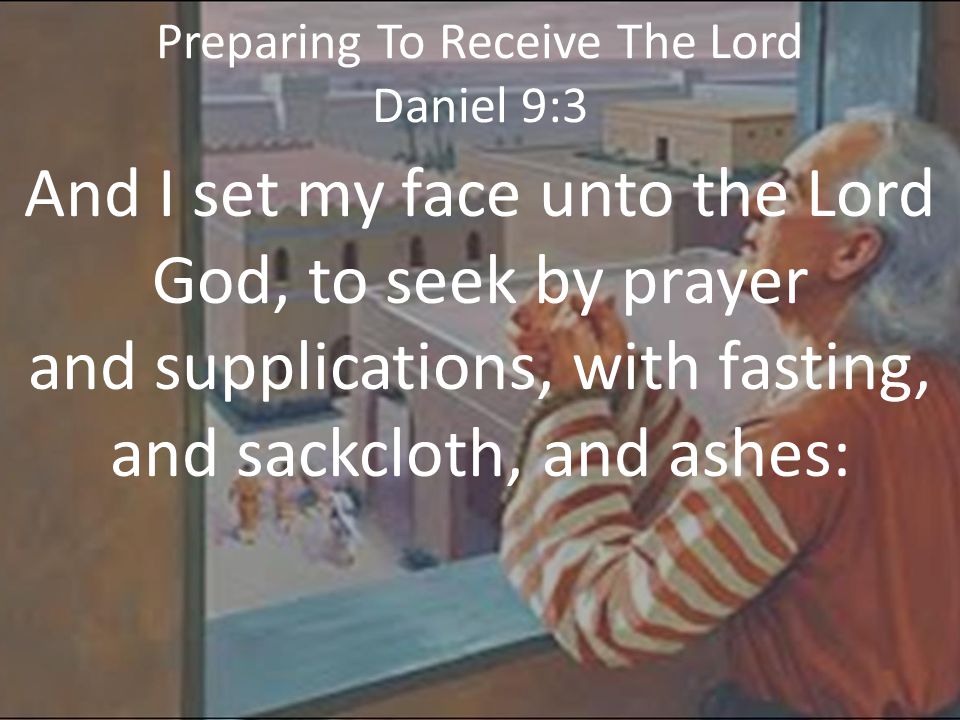
Daniel 9:3. And I set my face unto the Lord God, to seek by prayer and supplications, with fasting, and sackcloth, and ashes:

I don’t know about you but one of the most frustrating things in life is trying to listen to the radio when I am driving and suddenly there is all kinds of static!

This is especially true when I am on the road cruising, and I am tuned into my all-time favorite music stations and life is deemed by me to be so very good.

I am just driving along when there is an important ball game on, and the static arrives, and your ears and nerves start to hurt from it, then you carefully scroll through the channels and all you can find is a station of some other noise that you cannot stand to listen, and it seems to be right between the two numbers.

Everything was great. Cruising the highways. Now the static arrives. You can’t quite seem to dial your place of “ultimate” peace back in. You try to fine tune with all of your might but it isn’t distinct or clear.

Delays, Distractions, Disturbances and Worldly Static interference prevail.

This is never truer then when you are forced to try to turn over to an AM radio station while driving! You begin to question the signal strength of the station.

Static on the radio is one thing but static when you are trying to hear God is even more frustrating. There is an example from the pages of God’s Word of static when it comes to hearing from God that I want to remind us all about.

Daniel 9:1-6 NKJV

Daniel’s Prayer for the People

In the first year of Darius the son of Ahasuerus, of the lineage of the Medes, who was made king over the realm of the Chaldeans— in the first year of his reign I, Daniel, understood by the books the number of the years specified by the word of the Lord through Jeremiah the prophet, that He would accomplish seventy years in the desolations of Jerusalem.

Then I set my face toward the Lord God to make request by prayer and supplications, with fasting, sackcloth, and ashes. And I prayed to the Lord my God, and made confession, and said, “O Lord, great and awesome God, who keeps His covenant and mercy with those who love Him, and with those who keep His commandments, we have sinned and committed iniquity, we have done wickedly and rebelled, even by departing from Your precepts and Your judgments. Neither have we heeded Your servants the prophets, who spoke in Your name to our kings and our princes, to our fathers and all the people of the land.

The Word of God for the Children of God. Gloria! In Excelsis Deo! Alleluia! Amen.

Let’s set the scene.

Daniel and the Children of Israel are in captivity.

Because of their own rebellion, hard heartedness and disobedience, prophecy has been fulfilled and they are slaves to Babylon.

Familiar with Scripture, Daniel knows the foretold length of the bondage is coming to an end and so he begins to call out to God to remember them.

He reminds God of the promise that the captivity will last a certain period of times – 70 years.

Daniel 9:7-17 NKJV

O Lord, righteousness belongs to You, but to us shame of face, as it is this day—to the men of Judah, to the inhabitants of Jerusalem and all Israel, those near and those far off in all the countries to which You have driven them, because of the unfaithfulness which they have committed against You.

“O Lord, to us belongs shame of face, to our kings, our princes, and our fathers, because we have sinned against You. To the Lord our God belong mercy and forgiveness, though we have rebelled against Him. 10 We have not obeyed the voice of the Lord our God, to walk in His laws, which He set before us by His servants the prophets. 11 Yes, all Israel has transgressed Your law, and has departed so as not to obey Your voice; therefore, the curse and the oath written in the Law of Moses the servant of God have been poured out on us, because we have sinned against Him. 12 And He has confirmed His words, which He spoke against us and against our judges who judged us, by bringing upon us a great disaster; for under the whole heaven such has never been done as what has been done to Jerusalem.

13 “As it is written in the Law of Moses, all this disaster has come upon us; yet we have not made our prayer before the Lord our God, that we might turn from our iniquities and understand Your truth. 14 Therefore the Lord has kept the disaster in mind and brought it upon us; for the Lord our God is righteous in all the works which He does, though we have not obeyed His voice. 15 And now, O Lord our God, who brought Your people out of the land of Egypt with a mighty hand, and made Yourself a name, as it is this day—we have sinned, we have done wickedly!

16 “O Lord, according to all Your righteousness, I pray, let Your anger and Your fury be turned away from Your city Jerusalem, Your holy mountain; because for our sins, and for the iniquities of our fathers, Jerusalem and Your people are a reproach to all those around us. 17 Now therefore, our God, hear the prayer of Your servant, and his supplications, and for the Lord’s sake [a]cause Your face to shine on [b]Your sanctuary, which is desolate.

Daniel Fasts. Daniel Prays and Daniel approaches God. He acknowledges their wrongdoing and then he reminds God of an example of God’s ability to rescue.

Some of us would hear God if we would simply acknowledge our own culpability and responsibility for the situation, we are in.

But we also need to learn a key here in getting response from God.

We pray to God. We remind God, even though He hasn’t forgotten, what He has done in the past. In the process, we are reminded that He can do more than we ever dreamed of or expected! It increases our faith to reflect on His faithfulness.

Daniel 9:20-23

“While I was pouring out my heart, baring my sins and the sins of my people Israel, praying my life out before my God, interceding for the holy mountain of my God—while I was absorbed in this praying, the humanlike Gabriel, the one I had seen in an earlier vision, approached me, flying in like a bird about the time of evening worship. “He stood before me and said, ‘Daniel, I have come to make things plain to you. You had no sooner started your prayer when the answer was given. And now I’m here to deliver the answer to you. You are much loved! So, listen carefully to the answer, the plain meaning of what is revealed:

So, he gets immediate response. But watch and listen – here comes the static.

Daniel 10:2-3, 12-14

“During those days, I, Daniel, went into mourning over Jerusalem for three weeks. I ate only plain and simple food, no seasoning or meat or wine. I neither bathed nor shaved until the three weeks were up.

“‘Relax, Daniel,’ he continued, ‘don’t be afraid. From the moment you decided to humble yourself to receive understanding, your prayer was heard, and I set out to come to you. But I was waylaid by the angel-prince of the kingdom of Persia and was delayed for a good three weeks. But then Michael, one of the chief angel-princes, intervened to help me. I left him there with the prince of the kingdom of Persia. And now I’m here to help you understand what will eventually happen to your people. The vision has to do with what’s ahead.’

In this instance Daniel goes from immediate communication to kneeling and fasting and wading and waiting through static.

He prays for 3 solid weeks and there is no response.

Then 24 days later an angel shows up and says the first moment you prayed you were heard but I ran in to static.

The enemy resisted.

Remember our enemy is called the prince and power of the air!

He works in the air ways to convolute and delay deliverance.

His power is best exhibited in the air ways.

Think about that a moment –

the enemy flexes his muscles in our lives by trying his best to control what we hear. That is why we so often see people derailed and detoured by something they hear – or more often than not – they thought they heard.

The truth it what they thought they heard was actually a twisted version of what was actually said. So, in order to be able to defeat this power of the air we need to learn some lessons based on Daniel’s experience that will help us tune in.

1. We need to hear that we are heard.

I want you to notice an incredible truth from this account.

This passage says on two different occasions that from the moment Daniel even thought about or began to pray that he was heard. The rate of response varied but the rate of God hearing Daniel’s request was consistent. Immediate!

Our petitions and requests hit God’s ears not when they cross our lips but when they cross our mind! I believe it is so important to recognize this because I have noticed we tend to think because we struggle to hear that God struggles to hear.

So strong was this on my heart today I just write to assure you today that even when static interference has become the new standard of normal for us as we pray and try hard to listen for and harder still to hear God, even when we, like Daniel, consistently long for response but hear nothing we all need to know:

God absolutely hears us from the very exact moment we begin to think about it.

There may even be occasions when the answer may seem to arrive too late to us, we need to, instead trust, to rest in the knowledge that the answer is on its way.

Isaiah 65:24 – Before they call, I will answer while they are still speaking, I will hear!

Maybe in old song form – Oh yes, the answer is on the way, this I know Jesus said it I believe it to be so. Our Heavenly Father knows the need before we pray, and we can be rest assured the answers on the way!

2. Static reveals resistance and should cause us to rejoice.

I pray that I am about to blow your mind . . . Interference reveals interference!

Why bother even telling you something so elementary?

Because I get genuinely concerned that a lot of us make the mistake of equating silence as a sign or indication of God’s lack of concern or love. I have watched people get mad at God because they fail to realize that if there is static it doesn’t mean God doesn’t care it means the enemy is at work to stop their answer.

In fact, I am going to make an odd statement to you today!

If you are confronted with static, you should rejoice!

The more static you are encountering the more encouraged you should be because that is a sure and certain indication that the enemy knows a response is coming from God and he is doing everything he can to stop you from hearing it.

More Static Interference should strengthen your resolve. Too often we let static stop us in our tracks. The first little taste of any interference and we turn off the radio. Which brings me to the third to be valued lesson we can gain from Daniel.

3. The proper response to static is persistence.

Daniel is doing his very best to hear and instead there is nothing but static and silence. But notice he doesn’t give up. He keeps listening. He keeps tuning in.

No answer after day one he is persistent. No answer after week 1 he is even more persistent. No response 10 days in he yet persists. Nothing after 2 weeks . . . No change leads to no change . . . He continues. Answer released on day one but not received until day 24. Persistence 100% wins wars, persistence 100% prevails.

Some of us are always stopping one day short, one service short, one moment short of reception of miracle. Keep fine tuning.

If resisted, don’t back up, don’t give up, don’t let up instead press in harder.

If the enemy is resisting this hard and is resisting this long the answer must surely and certainly and most absolutely 1000% be worth all of the wait.

We can’t become too soon frustrated with static that we change channels.

Some of us have been praying for months even years and it is like tuning into and hearing and listening to an AM station at night in response – 100% static.

Why such a level of static?

Why does God seem to take long to answer prayers?

Sometimes God waits to answer our prayers because He trusts us to make the right decision.

Other times, God requires us to patiently wait for an answer so we can build our faith and trust in Him.

And on some occasions, God gives us answers, but they may not be what we’d hoped for, instead the answers are exactly what God knows we 100% need.

What we can learn from Daniel about delayed answers to prayer

The Lord promises to respond to our prayers, particularly the prayers we prayed in faith.

While that may be true, there are time when we feel like God’s not responding to us.

We’ve prayed and prayed but the answers just don’t come when we want them to.

These delays frustrate us.

What do we do when the answers to our prayers see, to come late?

How do we respond when God’s responses to our cries and prayers seem slow in coming?

We keep praying in faith.

Relentless faith

Many of us tend to point the blame on God when the answers to our prayers seem late. We tend to ask Him “why” the answers don’t come, “why” they arrived late, or even “why doesn’t He hear us.”

We are always quick to blame God who actually knows what we will pray for before we pray, responds in the fastest time possible

– right at the very exact moment we pray.

Actually, we are the ones who should keep praying when the answers to our prayers seem delayed, not God.

Consider Daniel, who experienced such a delay.

Here are some things we can learn from his experience:

God’s answer is sent immediately

We read in Daniel 10:12 that God sends His reply the moment He hears our prayers.

“Then he said to me, “Do not fear, Daniel, for from the first day that you set your heart to understand, and to humble yourself before your God, your words were heard; and I have come because of your words.””

The enemy, however, seeks to delay or prevent God’s response from arriving to us

We then read in the following verse how the enemy prevented Daniel from receiving God’s reply in the soonest time possible.

“But the prince of the kingdom of Persia withstood me twenty-one days…”

This means there’s a war in the heavenlies for the answers to our prayers.

Are we going to stop praying just because the answer is delayed?

Are we going to quit on God because “He doesn’t seem to respond”?

I absolutely, fervently pray that we don’t.

In fact, I pray that we respond exactly like Daniel did when his prayers remain unanswered:

He fasted and kept praying for a time until he received the answers.

“In those days I, Daniel, was mourning three full weeks. I ate no pleasant food, no meat or wine came into my mouth, nor did I anoint myself at all, till three whole weeks were fulfilled.” (Daniel 10:2-3)

Soon enough, the answers did arrive. They arrived because God made them arrive:

“But the prince of the kingdom of Persia withstood me twenty-one days; and behold, Michael, one of the chief princes, came to help me, for I had been left alone there with the kings of Persia.” (Daniel 10:13)

In closing

Friends, God does answer our prayers, but the devil seeks to discourage us from seeking God.

The more we pray, the more the enemy tries to hinder our prayers from being answered. We should never ever give up on praying for God’s answers to arrive.

Keep praying. Lean in harder. Lean in longer.

Be persistent in Prayer –

1 Thessalonians 5:14-18 NKJV

14 Now we [a]exhort you, brethren, warn those who are [b]unruly, comfort the fainthearted, uphold the weak, be patient with all. 15 See that no one renders evil for evil to anyone, but always pursue what is good both for yourselves and for all.

16 Rejoice always, 17 pray without ceasing, 18 in everything give thanks; for this is the will of God in Christ Jesus for you.

In the meantime, ….

While the static interference seems to go on forever and ever – (lingering amen)

Romans 12:9-13 NKJV

Behave Like a Christian

Let love be without hypocrisy. Abhor what is evil. Cling to what is good. 10 Be kindly affectionate to one another with brotherly love, in honor giving preference to one another; 11 not lagging in diligence, fervent in spirit, serving the Lord; 12 rejoicing in hope, patient[a] in tribulation, continuing steadfastly in prayer; 13 distributing to the needs of the saints, given[b] to hospitality.

In the name of God, the Father and God the Son and God the Holy Spirit,

Let us Pray,

Heavenly Father, what a comfort and joy to me that You know and understand the deepest longings of my heart. Thank You that You know the end before the beginning, and hear and answer my prayers before the request forms in my heart or crosses my lips. Thank You for beautifying my requests and providing the answer that is best for me. Teach me to pray into Your will for my life, and align my heart’s desires to Your perfect will. This I ask in Jesus’ name, AMEN.

https://translate.google.com/

To know God, to believe in God, to Follow Jesus, We Need to Learn to Listen to His Voice. Exodus 3:1-5

When all is said and done, and the whole Truth is being Told, OUR problem when it comes to OUR listening is not God hearing us, it is us hearing God.

Softly and tenderly, Jesus is calling,
calling for you and for me;
see, on the portals he’s waiting and watching,
watching for you and for me.
Refrain:
Come home, come home;
ye who are weary come home;
earnestly, tenderly, Jesus is calling,
calling, O sinner, come home!

Exodus 3:1-5Amplified Bible

The Burning Bush

Now Moses was keeping the flock of Jethro (Reuel) his father-in-law, the priest of Midian; and he led his flock to the west side of the wilderness and came to Horeb (Sinai), the mountain of God. The [a]Angel of the Lord appeared to him in a blazing flame of fire from the midst of a bush; and he looked, and behold, the bush was on fire, yet it was not consumed. So Moses said, “I must turn away [from the flock] and see this great sight—why the bush is not burned up.” When the Lord saw that he turned away [from the flock] to look, God called to him from the midst of the bush and said, “Moses, Moses!” And he said, “Here I am.” Then God said, “Do not come near; take your sandals off your feet [out of respect], because the place on which you are standing is holy ground.”

The Word of God for the Children of God. Gloria! In Excelsis Deo! Alleluia! Amen.

If I were to ask you ladies if you husbands are good listeners, most of you would probably respond with a resounding: “no.”

If I were to ask you gentlemen if your wives are good listeners, most of you would probably respond in much the same way the ladies did.

If I were to ask you parents if your children are good listeners, I believe I would get a lot of “no’s.”

If I turned that around and asked you teenagers if your parents listen to you, I am sure that I would get a loud and resounding “no.”

If I were to ask each Christian man or Christian woman if you were a good listener to the voice of the Lord, I believe the answer is “no” once again even though the Bible says in John 10:27-28 that my sheep hear my voice.

In these days in which we are living in, we must learn to be good listeners if we are going to be followers of God, the Father, His Son Jesus and the Holy Spirit.

Do you know who the best listener is?

It is God.

All the way from the very deepest place in all eternity – God heard!

In the Book of Exodus, the Lord tells us (Exodus 3:7) that the Lord heard the cries of the Israelites under the cruel hand of the Egyptian taskmasters.

Psalm 5:3, the psalmist confirms that the Lord hears my prayers.

Psalm 20, the Lord confirms that He hears my cries in times of trouble.

Make no mistake about it: The Lord listens well to ALL of His Children.

Our problem when it comes to listening is not God hearing us, it is us hearing God.

In the Book of Revelation in the Lord’s messages to the seven churches John writes under inspiration of God these words, “Whoever has ears, let them hear what the Spirit says to the churches.”

And then in the Gospels Jesus used that same expression. Mark 4:23 (NKJV) 23 If anyone has ears to hear, let him hear.”

Those were Jesus’ own words and He recognized that many do not hear him.

So, I have to ask myself the question:

“What is the problem that I don’t hear God?”

And that is what we are going to look at today.

What hinders us from hearing the Lord?

To do that I want to look at the encounter at the burning bush when God spoke to Moses, and he heard clearly what God had to say.

Exodus 3:1-5International Children’s Bible

The Burning Bush

One day Moses was taking care of Jethro’s sheep. Jethro was the priest of Midian and also Moses’ father-in-law. Moses led the sheep to the west side of the desert. He came to Sinai, the mountain of God. There the angel of the Lord appeared to Moses in flames of fire coming out of a bush. Moses saw that the bush was on fire, but it was not burning up. So Moses said, “I will go closer to this strange thing. How can a bush continue burning without burning up?”

The Lord saw Moses was coming to look at the bush. So God called to him from the bush, “Moses, Moses!”

And Moses said, “Here I am.”

Then God said, “Do not come any closer. Take off your sandals. You are standing on holy ground.

Point #1

Hearing God ‘s voice will require effort on my part.

Moses took his sheep to a place where He knew that He could talk with God.

Do I make the effort to go to a place where I can talk with God?

1 Now Moses was tending the flock of Jethro his father-in-law, the priest of Midian. And he led the flock to the back of the desert, and came to Horeb, the mountain of God.

Moses lives in the land of Midian on the backside of the desert tending the sheep of Jethro, his father-in-law.

So, as we come to Exodus 3, Moses is going to take his sheep out to pasture.

But please notice here that Moses is not taking the sheep in the back pasture an acre or two from Jethro’s house. Look at a Map. Moses has set out to take them about twenty-five miles (25) miles to the pastureland around Mt. Horeb.

There were many mountain ranges near Midian, but Moses headed to a specific mountain range- Horeb.

Horeb has two meanings:

Mountain of YHWH and it is also called the Mount of God. You might have heard this Mountain also referred to a Mt. Sinai in some places. It would become the place later where God would then write, give Moses the Ten Commandments.

The fact that Moses would take those sheep that far tells me how badly Moses wanted to hear from God.

What kind of effort do you and I make to hear from God?

Are we “that” willing to get up early to seek the Lord since He gives us a promise in Scripture? 

Proverbs 8:17 (KJV) I love them that love me; and those that seek me early shall find me.

Isaiah went to the house of the Lord to hear from God, and there He meet the Lord High and lighted up.

And it was there that Isaiah carried on a conversation with God.

And Jesus would always go to a secluded place to listen to the Words of His Father.

In all three cases, there was an effort- to get up early, to go to the church house, and or to go some distance away to find a secluded place to talk to God.

What effort do we put in to listening to God?

No effort?

Then we are probably not hearing from God.

And actually, there are times that God must put you in certain places to get you to listen to Him.

I noticed that I am a pretty good listener to God when I am in a hospital bed.

I also notice that I am a good listener when troubles are attacking me at all sides.

But let me tell you what I have found out in my life.

It is so much better for me when I make more than the minimal effort to listen to God rather than just waiting for God to arrange the meeting to listen to Him.

Point# 2

Hearing God’s voice will require vigorously exercising a spiritual curiosity about what God is doing around me that a lot of Christians lack. Do I even look to see God doing things around me, do I bother to ask God “what are You trying to tell me?”

Exodus 3:2-3 (NKJV) 2 And the Angel of the LORD appeared to him in a flame of fire from the midst of a bush. So, he looked, and behold, the bush was burning with fire, but the bush was not consumed. 3 Then Moses said, “I will now turn aside and see this great sight, why the bush does not burn.”

Remember, Moses is working. He is managing a flock of sheep for his father-in-law.

Ladies, do you know how hard it is to have a conversation with your husband when he is at work?

Gentlemen, do you know how hard it is to have a conversation with your wives when they are trying very hard to prepare you your supper when you get home?

Most of you are going to get a one- or two-word answer and then bye.

Guys when they are working are single focused. Ladies are very diligent in their efforts not to undercook or burn the food, to not over or under season the meal.

I am sure there would be a lot of guys who saw the burning bush and said to themselves that is “just simply too weird” and kept on walking by. And after they passed it by, they would give no more second thought of it or about it.

Moses, on the other hand, had a spiritual curiosity, after all he did take his sheep to the Mount of God.

So, ladies, gentlemen, He may have been expecting something from God.

Moses approached near the bush and ultimately had a conversation with God.

With all the upheaval going on around us, any curious Christians should have begun a conversation with God as to why so much negativity is assailing them.

War in the Ukraine, raising prices at the Gas Pumps, Housing Costs, Student Debt, National Debt, Political intrigue, Economic Upheavals on Wall Street and other World Markets, Gun Violence, Hot button controversial topics such as the issue of Immigration, Abortion, Extremism are all making news at a rapid pace.

I would want to know: “God, are we to be preparing us for the end times?”

God are you just giving us a glimpse of what is going to happen in the future?

And that peaked curiosity starts a conversation with God just as that burning bush started a conversation between God and Moses which resulted in change.

Look for things God is doing in your life or in the world, be curious, because that just may be God’s way of reaching out wanting to start a conversation with you.

Point # 3

Hearing God’s voice will require an expectation that I am going to hear God’s voice. If I go into prayer not expecting to hear from God, I am not going to hear from God. Moses took his sheep to Mt. Horeb expecting to hear from God.

4 So when the LORD saw that he turned aside to look, God called to him from the midst of the bush and said, “Moses, Moses!” And he said, “Here I am.”

I told you that Moses came to Mt. Horeb expecting to hear from God.

Let me tell you why I believe that is the case. I have two reasons that I say that:

(1) The way that God addressed Moses by calling out his name twice Moses, Moses. In the Jewish language when two words are repeated back-to-back it is for emphasis. It is like saying Moses I have been waiting for you.

When I was a young boy if my mother hollered “Tom, Tom” meant that she had been waiting on me. God was telling Moses; I have been waiting on you.

(2) Look at Moses’ response. He did not say “Yes, Lord” but rather “here I am”. I finally made it here.

Make no mistake, Moses walked 25 miles out of his way to Mt. Horeb expecting to hear from God. And God waited for Moses to get there.

Conclusion

Verse 5 says “…for the place where you stand is holy ground.” 

Wherever it is you and God are communicating (that is talking to and listening to God) that is Holy Ground.

It could be any church house, your back porch, or 25 miles from “wherever”.

When is the last time you have been on Holy Ground?

Today, Jesus invites you to Holy Ground.

Will you come talk and listen to God as the invitation is offered?

Will we try just that much harder to hear what the Lord is saying to us?

“Speak, Lord, for your Servant is Listening.”

“You have my attention, Lord, I pray my ears are hearing you correctly.”

In the name of God, the Father and God the Son and God the Holy Spirit,

Lord God, my Way-maker, I know you have a destiny for me to achieve in this life. I want to follow the plan that you have laid out. Help me to understand and follow your call. Show me your will for my life and what I need to do right now to get started. Enable me to know who I am in Christ, and the special gifts and abilities you have given me. Give me the spirit of wisdom and revelation as I seek to know you more intimately. Gloria! Alleluia! Alleluia! Alleluia! Amen.

https://translate.google.com/

God Speaks! Are we Hearing Him or Are We Instead Testing Him? Mark 12:28-34

Simplify!

“Simplicity, simplicity, simplicity! I say, let your affairs be as two or three, and not a hundred or a thousand; instead of a million count half a dozen, and keep your accounts on your thumb-nail …Simplify. Simplify.”

Those are the words of Henry David Thoreau, the American writer, who in the early 19th century, for two years, lived alone, isolated by the shore of Walden Pond in the woods of Massachusetts.

Simplify.

Do you have any interest in simplifying your life?

Does that sound appealing to you?

Do you feel like we tend to complicate things, even spiritual things?

In terms of the purpose of your life, what would God have you do?

We need answers, don’t we?

But where will you go to find your answers? Out into the woods like Thoreau?

Well, to discover answers it is helpful to use another quote by Thoreau’s: [he said] we must

“drive life into a corner and reduce it to its lowest terms”. “Simplify. Simplify.”

I believe Henry David Thoreau is right, because this is precisely what Jesus himself does in our passage today.

What is the most important thing you can do? Answer is “Simplify your life!”

What is the most important thing we can do in our relationship with God?

Answer: Simplify it down to its most basic terms: Hear God!

What is the most complicated thing we can do in our relationship with God?

Answer: Test Him! Repeatedly ask “Whom, What, Where When and Why!”

Hear God or Test God?

Hear God or Resort to “turning your hearing aids off” Selective Hearing

Trust and Obey unless you personally believe there is definitely another way.

Take your Bibles and turn with me to Mark chapter 12.

Mark 12:28-34Christian Standard Bible

The Primary Commands

28 One of the scribes approached. When he heard them debating and saw that Jesus answered them well, he asked him, “Which command is the most important of all?”

29 Jesus answered, “The most important[a] is Listen, Israel! The Lord our God, the Lord is one.[b] 30 Love the Lord your God with all your heart, with all your soul, with all your mind, and with all your strength.[c][d] 31 The second is, Love your neighbor as yourself.[e] There is no other command greater than these.”

32 Then the scribe said to him, “You are right, teacher. You have correctly said that he is one, and there is no one else except him. 33 And to love him with all your heart, with all your understanding, [f] and with all your strength, and to love your neighbor as yourself, is far more important than all the burnt offerings and sacrifices.”

34 When Jesus saw that he answered wisely, he said to him, “You are not far from the kingdom of God.” And no one dared to question him any longer.

The Word of God for the Children of God. Gloria! In Excelsis Deo! Alleluia! Amen.

The Sadducees come to Jesus to debate and to test him – their intention is to try and “trip him up” that they might publicly embarrass and humiliate him. They want to “hear” what Jesus has to say about how he prioritizes God and the Law.

Jesus “heard” their words very well. Jesus also heard their hearts beating at the anticipation of taking Jesus down in full view of the gathered and gathering crowds of onlookers who also waited to “hear” how Jesus would respond now.

But notice here Jesus “hears the question” and also hears the murmurs and the curious silence of those who have gathered, he does not hesitate in responding.

For Him the answer is obvious. And it should have been for all of them as well, seeing as how they “heard themselves’ reciting the ‘answer’ twice every day!

You see, the greatest of all the OT commandments came from Deuteronomy chapter 6, from a section recited daily by faithful Jews everywhere, even today; a confession called the Shema. It’s exactly what Jesus quotes in verse 29 and 30.

So, what do we see here? We see a scribe coming to Jesus, listening in as Christ interacts with the Sadducees back in verses 18-27. From what we can tell, the scribe doesn’t seem motivated by jealousy or ill-will. He seems to ask Jesus this question because he simply recognizes there is wisdom in the words of Christ.

Here the Scribe was listening from a short discrete distance to the exchange of words between the Sadducees and Jesus. The Scribe was trying very hard to hear the responses as the conversation took place in real time.

As the Scribe was in the active process of hearing the exchange of words, he was also actively trying to hear the message both were trying to communicate to each other. Hearing these messages, the Scribe knew, would help him respond most efficiently and effectively back to both parties.

The conversation between the Sadducees and Jesus ends. And immediately the Scribe becomes more than just a little bit curious about the exchange, instead also becoming complementary at the words Jesus spoke (Verses 32-33).

Did you also notice the Scribe made no further effort to complicate the moment, add to the debate, by asking Jesus’ dozens more complex theological questions? I believe He heard the correctness and simplicity of Jesus’ few spoken words.

He undoubtedly had more questions he wanted to ask and have answered to suit his own particular nuanced theological interpretations, understandings.

He undoubtedly would’ve enjoyed sitting on a bench in the Temple to debate him. Instead, the Scribe heard the simplicity of Jesus’ words and approached him on the basis of that simplicity and acknowledged with Jesus the simplicity of them.

Simplify! Simplify! Simplify!

Now, I want you to notice something else here.

Do you see how Jesus takes advantage of this opportunity? Jesus is not simply humoring a peripheral question asked by a scribe with misplaced priorities.

This scribe has asked a fantastic question, and Jesus makes the most of the opportunity by giving not just the greatest commandment, but the second most important command as well.

What I’m saying is that this is not just a question that was important to the scribe. It is a question that was and is important to Jesus. Why? Because in it, Jesus has the opportunity to simplify the issue of man’s highest end before God.

And did you notice, the scribe understood the importance of Jesus’ answer.

His response to Jesus in verse 33 simply reveals that this man recognized how obedience to these commands was far more important than obedience to all of the sacrificial laws of the Hebrew Testament.

Such laws were simply worthless if a worshiper’s heart was not aligned with the simplicity of God’s greatest law.

And then something else odd happens. The text takes us in a very interesting direction. A Scribe steps forward and seeing that Jesus had answered well… he simply asks a sincere question of Jesus. “Which commandment is first of all.”

And Jesus again, answers wisely quoting scripture in verse 29. “Hear, O Israel: The Lord our God, the Lord is one; and you shall love the Lord your God with all your heart, and with all your soul, and with all your mind, and with all your strength,” … and to that he adds, “you shall love your neighbor as yourself.”

And then here, the really amazing thing happens.

We have a Scribe, an ‘expert in the law’ who “gets it” without further debate.

Not only does he understand what Jesus is saying… he takes it another step.

You see… one thing you have to understand about the Scribes is that they were very strict about following the rules… the letter of the law.

They made completely sure that they did everything just so. So much so they made everything far too complex, often missing the very simple point of what God was really calling them to do.

And Jesus, in a way of “rebuking them”… pointed them to the heart of their calling. Love God, and love neighbor. It’s as exquisitely simple as exactly that.

And the scribe echoed back to him… in verse 32.

“You are right, Teacher; you have truly said that he is one, and there is no other but he; and to love him with all the heart, with all the understanding, and with all the strength, and to love one’s neighbor as oneself, is much more than all whole burnt offerings and sacrifices.”

And Jesus replied back to him in verse 34… “seeing that he answered wisely, he said to him, “You are not far from the kingdom of God.”

Or we might also re-write that verse this way by adding to it this thought… “Jesus, knowing that the Scribe had heard him … “seeing that he answered wisely, ….” he said to him, “you are not far from the Kingdom of God.”

What made this Scribe so different?

Why, amidst so many examples of Scribes on the wrong side of it all, do we have this one shining example of a Scribe “gone right?”

Thinking about this, I believe there is enough evidence in today’s scripture for us to understand what makes this Scribe stand apart.

First of all… he came with a heart that was all about listening and hearing rather than a heart that was all about testing.

Instead of coming into the conversation with his mind already made up, already thinking his way was the only way… he came seeking to listen, seeking to hear, seeking to know… seeking to understand… perhaps even to actually learn God.

What about us? I think that we too… far too often fail to listen and rather come to the conversation with our minds already made up we are going to test God with a whole host of theological debates, exercises in theological semantics.

Here, in today’s lesson… we have a bunch of the “bad guys” (Sadducees) setting the example for those of us more inclined to incessantly question and debate …

Then we have the Scribe who models and sets the example of “enough debate!” Hear what God in Christ Jesus is saying to His Children through the length and breadth and width and height of His everlasting and ever living Holy Scriptures.

“May we one day acknowledge the difference between the two approaches. May we be willing to hear and listen to those simple truths so that we may hear. May we come with learning hearts seeking rather than with hearts that are testing.”

This “I Will” “first hear the Word of God, listen to the Word of God, listen to Jesus as he “keeps it simple smart” first is exactly what set the Scribe apart.

He was willing to keep the primacy of God first and really listen and pay close attention to that … and as a result he actually heard what Jesus was saying.

And this is my second point… the Scribe heard the message… and the message was this:

Talk with God, Hear God, Listen to God, Love God with all your 1) heart, all your 2) soul, all your 3) mind, and all your 4) strength. Again… the English words are good, but they come far short of what is being said in the original Greek.

https://www.blueletterbible.org/kjv/mar/12/28-34/s_969028

Take the time to go through each individual word of each individual verse.

Learn the Nuances. Listen to and then Hear God speak through the nuances.

For example, begin with the nuanced understanding behind

1) the heart… is so much more than this thing in our chests.

It not only represents the center of all of our physical being… it represents the very center of our spiritual life.

More than that, it represents all of our passion, our desires, our appetites, even our affections… and Jesus calls us to direct all of them rightfully towards God.

Then move on to learning the nuances of the rest – Soul, Mind and Strength.

God, through His Son Christ Jesus, is definitely trying to converse with you.

Insert yourselves into this picture – Become the Scribe, the Crowd, and Jesus.

Hear what God really has to say – what God really wants us to hear and learn.

Without making this section into its own mini sermon…

Just think about all the things in this life we are passionate about, all the things that take priority… more often than not, these things are not God. And yet… this is the example set for us in today’s scripture.

We are covenanted to make God #1.

We are covenanted to listen, hear, and learn from God first!

We are covenanted to be doers of the truth of God first!

In the name of God, the Father and God the Son and God the Holy Spirit,

Let us Pray,

Almighty God, we ask you to clean our minds and hearts of all the things that may prevent us from hearing your word. Empty our hearts of doubt and empty our minds of preconceptions and assumptions. May we know that you are the source of our knowledge. Prepare our hearts to be ready to accept your truth. Help us be capable of hearing your voice speaking to us. Gloria! Alleluia! Amen.

https://translate.google.com/

Distracted from Believing in God or Driven to Holiness? Do We Wear our High-Tech or His Holy Headphones?

Back in those most ancient of days when the telegraph was the fastest method of long-distance communication, a young man had applied for a job as a Morse Code operator. Answering an ad in the newspaper, he went to the office address that was listed. When he arrived, he entered a large, busy office filled with noise and clatter, including the sounds of the telegraphs clicking in the background.

A sign on the receptionist’s counter instructed each job applicants to fill out a form, sit down and wait until they were summoned to enter the inner office.

The young man filled out his form and sat down with the seven other applicants in the waiting area. After but a few brief minutes, the young man stood up, had crossed the room to the door of the inner office, opened it and walked right in.

Naturally the other applicants perked up, wondering what was going on. They muttered among themselves that they had not heard any summons yet. They believed that the brash young man who went into the office made a mistake and because of his presumptiveness would be removed from the office, disqualified.

Within a few minutes, however, the employer escorted the young man out of the office and said to the other applicants, “Gentlemen, thank you very much for your interest and for taking time to come, but the job has just been filled.”

The other applicants began grumbling to each other, and one spoke up saying, “Wait a minute, I don’t understand. He was the last to come in, and we never even got a chance to be interviewed. Yet he got the job. That is so not fair!”

The employer said, “I’m sorry, but all the time you’ve been sitting here, the telegraph has been ticking out the following message in Morse Code: ‘If you understand this message, then do not wait, come right in. The job is yours.’ None of you heard it or understood it. This young man did. The job is his.”

Truth is: We live in a distracted world that is full of busyness and clatter.

Like those other applicants waiting in that office, people are distracted and unable to hear the message from a still, small voice of God as he speaks to them.

What about me? Am I too distracted? Am I tuned into God’s voice?

What about you? Are you too distracted? Are you tuned into God’s voice?

Do you hear him over your ultra-high-tech earphones when he speaks to you?

Are you and I distracted or are you and I listening?

Today, we are pondering this subject of “Ultra-High-Tech Holy Headphones: How to Hear God’s Voice” and the Lord and I want you to see exactly how God speaks to us through distraction so we can hear Him when He speaks to us all.

How many of you all wearing your earbuds have ever heard God speak to you?

1 Samuel 3:1-11 NIV

The Lord Calls Samuel

The boy Samuel ministered before the Lord under Eli. In those days the word of the Lord was rare; there were not many visions.

One-night Eli, whose eyes were becoming so weak that he could barely see, was lying down in his usual place. The lamp of God had not yet gone out, and Samuel was lying down in the house of the Lord, where the ark of God was. Then the Lord called Samuel.

Samuel answered, “Here I am.” And he ran to Eli and said, “Here I am; you called me.”

But Eli said, “I did not call; go back and lie down.” So he went and lay down.

Again the Lord called, “Samuel!” And Samuel got up and went to Eli and said, “Here I am; you called me.”

“My son,” Eli said, “I did not call; go back and lie down.”

Now Samuel did not yet know the Lord: The word of the Lord had not yet been revealed to him.

A third time the Lord called, “Samuel!” And Samuel got up and went to Eli and said, “Here I am; you called me.”

Then Eli realized that the Lord was calling the boy. So Eli told Samuel, “Go and lie down, and if he calls you, say, ‘Speak, Lord, for your servant is listening.’” So, Samuel went and lay down in his place.

10 The Lord came and stood there, calling as at the other times, “Samuel! Samuel!”

Then Samuel said, “Speak, for your servant is listening.”

11 And the Lord said to Samuel: “See, I am about to do something in Israel that will make the ears of everyone who hears about it tingle.

The Word of God for the Children of God. Gloria! In Excelsis Deo! Alleluia! Amen.

I’m certain by the end of this devotion, if you’re one of God’s children, you’ll be more aware of the times when God was speaking, and more aware of when God will be trying to speak to you, and if you are not one of God’s children, then you will be more aware of how you can become one and then start to hear His voice.

The first thing you got to do to hear God’s voice is Tune In. You cannot listen to your favorite music or news program on the radio unless your radio is tuned in to those stations, can you? You can’t listen to Rock if your car radio is tuned to News, can you? Well, you can’t hear God’s voice unless you are tuned in to Him.

“He who belongs to God hears what God says. The reason you do not hear is that you do not belong to God.” John 8:47

Young Samuel is lying down trying to sleep in the temple, the candles were still lit, so it’s about 2 or 3 in the morning and he cannot quite to get fully to sleep.

I believe His mind’s probably racing from everything he learned that day. You see, Samuel was perhaps 8 or 9 years old, and he was living with Eli, the priest. His mother Hannah had dedicated him unto the Lord as a baby, so Samuel as a boy learned the function of a priest under the Chief Priest – Eli.

So here Samuel is trying to get some rest and he hears somebody call his name.

He stands up, runs to Eli’s bedside and says, “Here I am, what did you want?”

And Eli’s like, “I didn’t call you, go back to bed.” So, Sammy goes back to the sack and the same thing happens. He hears somebody call his name, goes to Eli, Eli says, “It wasn’t me,” and he goes back to bed. The same thing happens a third time, and this time Eli catches on that God is the one calling Samuel.

So, Eli gives young Samuel some instruction on hearing from God and he goes back to bed, hears the voice of God, and then listens to what God has to say.

You see, at the beginning, Samuel didn’t quite know what was going on.

He believed Eli was calling him. He wasn’t tuned in to God, the Scripture says,

“the word of the Lord had not yet been revealed to him.”

If he was tuned in to God, he would have known that it was God who was speaking to him, and he would have heard clearly all the instruction that God had for him.

So, what about you?

So, what about us?

Have we tuned in to God?

Can we or can we not tell when God is genuinely speaking to us?

A man and his friend were in downtown New York City, walking near Times Square in Manhattan. It was during the noon lunch hour and the streets were filled with wall-to-wall people walking in every which direction. Cars were honking their horns, taxicabs were all squealing around corners, sirens were wailing, and the sounds of the city were almost deafening.

Suddenly, one of the men said, “I just heard some crickets.”

His friend said, “What? You must be crazy. You couldn’t possibly hear crickets in all of this ridiculous noise!”

“No, I’m sure of it,” the man said. “I definitely heard a bunch of crickets.”

Shaking his head, “That’s way beyond crazy,” said his friend.

The man quietly interrupted his friend listened carefully for a moment, and then walked across the street to a long cement planter where several shrubs were growing. He stopped, looked into the bushes, beneath the branches, and sure enough, he located several crickets. His friend was utterly amazed.

“That’s just incredible,” said his friend. “You must have super-human ears!”

“No,” said the other man. “My ears are no different from yours. You see, it all depends on what you are distracted by what you are hearing and listening for.”

“But that can’t be!” said the friend. “I could never hear crickets in this noise.”

“Yes, it’s true,” came the reply. “It depends on what you’re listening for. Here, let me show you.”

He reached into his pocket, pulled out a several coins, and discreetly dropped them down on the sidewalk. And then, with the noise of the crowded street still blaring in their ears, they noticed every head within twenty feet turn and look to check their pockets to see if the money that tinkled on the pavement was theirs.

“See what I mean?” asked the man.

“It all depends on what you are hearing and what you are listening for.”

If you have ears to hear and are actually using them to listen, you can tune in to God, it doesn’t matter what’s going on around you, you can hear Him speak.

Ok, if you really, truly, genuinely, actually, actively want to tune in to God. Well, what ultra-high-tech earphones do you and God have on right in this moment?

Speak Truth: Are any of us even close to tuning into the same frequency as God?

In the name of God, the Father and God the Son and God the Holy Spirit,

Let us Pray,

Dear Father in heaven, your Son promised that we would see him again if we wait patiently and listen to what the Holy Spirit says to us. Illuminate our hearts and send your Spirit in. All that is yours will be ours through your Spirit. I pray that I learn to quiet my mind so I can hear the Holy Spirit. I pray that I am filled with the understanding to know how to follow its guidance for me. Amen.

https://translate.google.com/