
Dare to Envision the Unimaginable: ‘Our “Trying” to Live for Ourselves, Without a trace of God in our World.’ Psalm 49:13-20

Psalm 49:15-20 The Message

13-15 This is what happens to those who live for the moment,
    who only look out for themselves:
Death herds them like sheep straight to hell;
    they disappear down the gullet of the grave;
They waste away to nothing—
    nothing left but a marker in a cemetery.
But me? God snatches me from the clutch of death,
    he reaches down and grabs me.

16-19 So don’t be impressed with those who get rich
    and pile up fame and fortune.
They can’t take it with them;
    fame and fortune all get left behind.
Just when they think they’ve arrived
    and folks praise them because they’ve made good,
They enter the family burial plot
    where they’ll never see sunshine again.

20     We aren’t immortal. We don’t last long.
    Like our dogs, we age and weaken. And die.

The Word of God for the Children of God.

Glory be to the Father,
and to the Son, and to the Holy Ghost;
as it was in the beginning,
is now, and ever shall be,
world without end. Amen, amen.


For centuries, Western society has benefited from the widespread influence of the Christian faith.

While the history of the West is filled with examples of human depravity, where there has been a consistent Christian presence it has, in many ways and at many times, stayed the hand of evil.

Most of us have not had to grieve and groan through the experience of what a society looks like when it completely abandons and rejects and forgets God.

The Scriptures, however, do give us a grim picture of what happens when people have convinced themselves that there is no God.

It is a picture of a rejection of humility, where “the wicked boasts of the desires of his soul” and rejects God in his pride (Psalm 10:3-4). Humility is where the knowledge of God begins; therefore, those who reject God reject humility too.

Not only do such proud people reject God; they also revile Him, cursing and renouncing Him (Psalm 10:3). Too often prosperity leads people to curse God.

Their lives are going so well that they believe nothing can touch them and they will give no account to their Maker. Their prosperity gives them a false sense of security. They think they can live as they like, that “God has forgotten, he has hidden his face, he will never see it” (v 11), that there will be no repercussions for their behavior.

With no accountability for how people live, there is no need for the powerful to serve or the strong to be gentle: we can treat others however we please, and so the godless man “sits in ambush … he murders the innocent … he lurks that he may seize the poor” (v 8-9).

It is with good reason, then, that the psalmist says, “Man in his pomp yet without understanding is like the beasts that perish.” Psalm 49:20

When we abandon, reject and revile God, we foolishly think we are secure, which inevitably convinces us that it’s acceptable for us to mistreat others.

It is tempting to think that passages like this one only describe other people.

But we should not be too quick to look away from ourselves. Are there ways we have rejected humility, believing ourselves to be sufficient without God?

Have we let our prosperity numb us to our neediness and accountability before God? Has our treatment of those around us been marked by self-interest and arrogance instead of love and service? We may confess to have faith in God, but perhaps there are just a few hidden areas of our lives that require repentance.

The picture of man “in his pomp yet without understanding” is indeed a bleak one—both in this life and at its end. So praise God that this is not the whole picture.

Psalm 16:9-11 The Message

9-10 I’m happy from the inside out,
    and from the outside in, I’m firmly formed.
You canceled my ticket to hell—
    that’s not my destination!

11 Now you’ve got my feet on the life path,
    all radiant from the shining of your face.
Ever since you took my hand,
    I’m on the right way.

Psalm 16:9-11 Amplified Bible


Therefore my heart is glad and my glory [my innermost self] rejoices;
My body too will dwell [confidently] in safety,
10 
For You will not abandon me to Sheol (the nether world, the place of the dead),
Nor will You allow Your Holy One to undergo decay.
11 
You will show me the path of life;
In Your presence is fullness of joy;
In Your right hand there are pleasures forevermore.

If you and I ever dare ourselves to come to understand that we have a Creator to whom we are utterly invaluable and accountable, and that that this Creator has ransomed mine, your, soul and will receive you into eternal life (Psalm 49:15), then the pomp of this world will soon assume its rightful place, and in Jesus Christ you, I, will enjoy purpose, hope, forgiveness, and pleasures forevermore.

In the name of God, the Father and God the Son and God the Holy Spirit,

Let us Pray,

Psalm 15 Amplified Bible

Description of a Citizen of Zion.

A Psalm of David.

15 O Lord, who may lodge [as a guest] in Your tent?
Who may dwell [continually] on Your holy hill?

He who walks with integrity and strength of character, and works righteousness,
And speaks and holds truth in his heart.

He does not slander with his tongue,
Nor does evil to his neighbor,
Nor takes up a reproach against his friend;

In his eyes an evil person is despised,
But he honors those who fear the Lord [and obediently worship Him with awe-inspired reverence and submissive wonder].
He keeps his word even to his own disadvantage and does not change it [for his own benefit];

He does not put out his money at interest [to a fellow Israelite],
And does not take a bribe against the innocent.
He who does these things will never be shaken.

Glory be to the Father,
and to the Son, and to the Holy Ghost;
as it was in the beginning,
is now, and ever shall be,
world without end. Amen, amen.
https://translate.google.com/

Troubled Souls and the Glory of God; Our Praying When It Hurts. Psalm 6:3

Psalm 6 Easy-to-Read Version

To the director: With stringed instruments, on the sheminith. A song of David.

Lord, don’t punish me.
    Don’t correct me when you are so angry.
Lord, be kind to me.
    I am sick and weak.
Heal me, Lord!
    My bones are shaking.
    I am trembling all over.
Lord, how long until you heal me?[a]
Lord, come back and make me strong again.
    Save me because you are so loyal and kind.
If I am dead, I cannot sing about you.
    Those in the grave don’t praise you.

Lord, I am so weak.
    I cried to you all night.
My pillow is soaked;
    my bed is dripping wet from my tears.
My enemies have caused me such sorrow
    that my eyes are worn out from crying.

Go away, you wicked people,
    because the Lord has heard my cries.
The Lord has heard my request for mercy.
The Lord has accepted my prayer.

10 All my enemies will be filled with fear and shame.
    They will be sorry when disgrace suddenly comes upon them.

The Word of God for the Children of God.

Glory be to the Father,
and to the Son, and to the Holy Ghost;
as it was in the beginning,
is now, and ever shall be,
world without end. Amen, amen.
Troubled Souls and the Glory of God

The wailing cry of anguish is the tone of Psalm 6.

The emotional expression in it reaches a fever pitch.

And yet here is the remarkable thing that we’re going to look at about this psalm: the motivating factor for David’s deliverance from the state of his troubled soul is not primarily comfort and reprieve.

What David’s troubled soul longed for the most was the glory of God.

Have you ever been so overwhelmed at the circumstances of your life that all you can do is curl up in the fetal position on your bed and cry?

I know we are trying to be the church and the sun is sometimes shining and then sometimes the dark clouds of an impending Category 5 storm are nearby.

Most of us are pretty strong looking on the outside today, but let’s not pretend or play games here.

For one reason or another, at one time or another – you’ve been there.

Completely in distress – whether it be from the consequences of your own sin, grief over the loss of a loved one, or guilt, or fear, or the utter inability to vent your anger, or debt, or danger.

Anguish in this life is universal.

If I dropped you in a remote part of the world where they spoke another language, you’d not need an interpreter to understand the wailing cry of anguish – it is pretty much a universally recognized, understood sound.

Someone somewhere is in a desperate state of needing immediate assistance.

So, we have David, somewhere in sometime of his life desperately calling out.

Psalm 6 The Message

1-2 Please, God, no more yelling,
    no more trips to the woodshed.
Treat me nice for a change;
    I’m so starved for affection.

2-3 Can’t you see I’m black-and-blue,
    beaten up badly in bones and soul?
God, how long will it take
    for you to let up?

4-5 Break in, God, and break up this fight;
    if you love me at all, get me out of here.
I’m no good to you dead, am I?
    I can’t sing in your choir if I’m buried in some tomb!

6-7 I’m tired of all this—so tired. My bed
    has been floating forty days and nights
On the flood of my tears.
    My mattress is soaked, soggy with tears.
The sockets of my eyes are black holes;
    nearly blind, I squint and grope.

8-9 Get out of here, you Devil’s crew:
    at last God has heard my sobs.
My requests have all been granted,
    my prayers are answered.

10 Cowards, my enemies disappear.
Disgraced, they turn tail and run.

What was causing David this extreme trouble in his body and soul?

Some have wondered if he was ill because of the reference to his bones.

But as one commentator put it: “neither the reference to bones in agony nor the ambivalent word heal necessarily implies some sort of illness.

The agony of “my bones” means the same as “my soul is in anguish.”

The truth is… regardless of his state of health, there are two things that are certainly implied as background to the psalmist’s anguish.

The Primary One is his sin.

In verses 2 and 9 we see that he needs God’s mercy and in verse 1 we see that he fears God’s anger.

So David’s anguish is a compound anguish of his own sinfulness and the sinfulness of others.

A lot of you can testify from experience that both the guilt from our own sin and the ill-intended accusations of others can make us feel physically sick at times.

David had them both going on.

Interestingly – the malice of others appears to be God’s means of discipline for David’s sin.

Here in this psalm David does not cry out to God and ask him to withhold correction and discipline. Instead, because of David’s uneasy conscience he appeals to God’s grace to temper the discipline he knows he deserves.

David knows that his only plea…his only hope… is the mercy of God.

Our Praying When It Hurts

We’ve sung this song by Matt Redman called “Blessed Be Your Name.”

The first verse says,

Blessed Be Your Name, in the land that is plentiful, where Your streams of abundance flow. Blessed be Your name.

The 2nd verse starts out: Blessed be Your name, when the sun’s shining down on me, when the world’s ‘all as it should be.’ Blessed be Your name.

Every blessing You pour out I’ll turn back to praise!

But there are other lines in that song too – lines that deal with real life:

Blessed Be Your name when I’m found in the desert place, though I walk through the wilderness

Blessed be Your name on the road marked with suffering. Though there’s pain in the offering,

Blessed be Your name.

I love the honesty and validity of that song.

When everything in life is as it should be, prayer is easy.

It tends to be vague and general.

It rolls out of our mouths, and it doesn’t even have to come from very deep inside.

You know the prayer – the one you don’t really think about, but you’re supposed to pray out loud so you end up saying something like,

“God, thank You for this day and thank You for everything.” Really? It’s like tossing a hand grenade. It’s so unspecific, you’re bound to hit something!

But then there are prayers like the one where you say,

“God, whatever it takes to change my completely messed up life, just do it!”

There are prayers in the hard times.

There are prayers in the harder times.

There are prayers in the hardest times.

There are prayers in the most catastrophic of times.

Those prayers are all different.

Prayer in the hard times is more like an arrow shot straight for the mark.

We tend to get very specific.

We tend to speak more from our hearts.

Psalm 6 is a prayer that David fired off that’s more like an flaming arrow.

It was obviously written during one of his many hard times in his life:

Psalm 6

O LORD, do not rebuke me in your anger or discipline me in your wrath. Be merciful to me, LORD, for I am faint; O LORD, heal me, for my bones are in agony. My soul is in anguish. How long, O LORD, how long? Turn, O LORD, and deliver me; save me because of your unfailing love. No one remembers you when he is dead. Who praises you from the grave? I am worn out from groaning; all night long I flood my bed with weeping and drench my couch with tears. My eyes grow weak with sorrow; they fail because of all my foes.

At first glance, David may just sound like someone who’s going through a devastating hardship in life.

“Well, forget Psalm 6!

This isn’t a happy Psalm!

Not by a longshot!

I want something a little more upbeat – something that isn’t written in a minor key! Let’s read something David wrote when life was peachy, sunshine, roses!”

But I want us to see there’s something for us to do in regards to praying in the hard times of life – something besides swallowing them, just ignoring them.

In other words, I want each of us to get more skilled at praying when it hurts.

I believe that this Psalm can help us with that.

First, it will help us to…

I. Get In Touch With the Reason for Sorrow

Why does David ask God to turn to him?

(verse 4) Where has God gone?

Why is David’s couch soaked with tears?

Look again at verse 1:

“O LORD, do not rebuke me in your anger or discipline me in your wrath.”

Rebuke…discipline.

David recognized that sizable part of the problem in his life were his own sins.

The fact is much of the sorrow we’re faced with in life is mostly our own doing.

Look at the faces of inmates down a row of prison cells and understand that our own wrong choices can bring us sorrow.

Look at the faces of the homeless aimlessly walking the streets or in a shelter. It grieves me greatly that nearly all of them go to great lengths to hide their face.

It can bring us sorrow because we don’t like the consequences: We don’t like traffic tickets, stitches, or being grounded by our parents when we are wrong.

Those things happen to us, with resolve, we suffer through them, and if we’ll be honest with ourselves, they’ll happen because we chose to do what was wrong.

1 Peter 4:15

“If you suffer, it should not be as a murderer or thief or any other kind of criminal, or even as a meddler.”

1 Peter 4:15-16 The Message

14-16 If you’re abused because of Christ, count yourself fortunate. It’s the Spirit of God and his glory in you that brought you to the notice of others. If they’re on you because you broke the law or disturbed the peace, that’s a different matter. But if it’s because you’re a Christian, don’t give it a second thought. Be proud of the distinguished status reflected in that name!

That’s not the only reason our sin makes us sorry.

There’s a very real form of suffering called guilt that David seems to speak of in this Psalm.

Most of us are familiar with that concept of Guilt.

Have you noticed; dogs have a unique way of looking guilty.

Now, scientists tell us that they don’t really “feel guilty.”

They just put on that face because it has a tendency to stop the yelling when you find out what they did.

We don’t like it, but the feeling of guilt is truthfully a good thing, if you’re a guilty person – and Romans 3:23 admonishes us that we are all guilty of sin.

Romans 3:23-24 Easy-to-Read Version

23 All have sinned and are not good enough to share God’s divine greatness. 24 They are made right with God by his grace. This is a free gift. They are made right with God by being made free from sin through Jesus Christ.

It’s like the light on the car dashboard that comes on when there’s a problem.

Now, that red light on the dashboard may have been annoying – maybe even distressing – but it has a purpose.

It indicates that there’s a problem.

Driving on down the road absent addressing the problem could damage the car.

Guilt is that way.

That stressful feeling that you get when you lie, that nervous feeling you get when you see someone you’ve mistreated, that uneasiness that sweeps over you when you cheat someone – that feeling is guilt, and it’s a warning light that you have a problem, definitely something which needs to be fixed and forgiven too.

The answer isn’t to ignore it or run from it.

You need to get in touch with the reason for your sorrow, deal with the reason.

Guilty feelings shouldn’t be wasted!

They’re supposed to send us to God.

The way we get rid of them is for Him to take away our guilt, so that we don’t have to feel guilty anymore!

I love the passage in II Corinthians 7 where Paul talks about some of the strong words in a previous letter he wrote to them. Make a note Paul did not say God wants you happy. In fact, he says the opposite.

2 Corinthians 7:8-13 Easy-to-Read Version

Even if the letter I wrote you made you sad, I am not sorry I wrote it. I know that letter made you sad, and I was sorry for that. But it made you sad only for a short time. Now I am happy, not because you were made sad, but because your sorrow made you decide to change. That is what God wanted, so you were not hurt by us in any way. 10 The kind of sorrow God wants makes people decide to change their lives. This leads them to salvation, and we cannot be sorry for that. But the kind of sorrow the world has will bring death. 11 You had the kind of sorrow God wanted you to have. Now see what that sorrow has brought you: It has made you very serious. It made you want to prove that you were not wrong. It made you angry and afraid. It made you want to see me. It made you care. It made you want the right thing to be done. You proved that you were not guilty in any part of that problem. 12 The main reason I wrote that letter was not because of the one who did the wrong or the one who was hurt. I wrote so that you would realize, before God, how very much you care for us. 13  And that is what was so encouraging to us.

When you are feeling sorrow, consider if you yourself are the reason for it.

If so, you have some Psalm 51 level of changing to do.

There’s another source of sorrow, though, and we don’t control it. It’s…

2. Other Peoples’ Sin

In verse 7 David says, “My eyes grow weak with sorrow; they fail because of all my foes.”

Life has always had its share of sorrow caused by other people.

Someone steals your money, you suffer because of their theft.

Someone bullies you at school, you suffer because of their meanness.

Someone says something mean to you, you suffer because of their words.

Someone treats you rudely, you suffer because of their selfishness.

There are definitely times when our sorrow is caused by someone else’s sin.

Even diseases and natural disasters and death itself are a part of a creation that has been tainted by Adam and Eve’s sin – just because they beat me to it.

But even in the middle of all that unfair suffering that you didn’t cause, God is doing something with you. 

Hebrews 12:4-11

In your struggle against sin, you have not yet resisted to the point of shedding your blood. And you have forgotten that word of encouragement that addresses you as sons: “My son, do not make light of the Lord’s discipline, and do not lose heart when he rebukes you, because the Lord disciplines those he loves, and he punishes everyone he accepts as a son.”

Endure hardship as discipline; God is treating you as sons…God disciplines us for our good, that we may share in his holiness.

No discipline seems pleasant at the time, but painful.

Later on, however, it produces a harvest of righteousness and peace for those who have been disciplined and trained by it.

Do you realize that when you suffer at the hand of someone else’s sin it’s an opportunity for God to grow you and mature you?

When we get in touch with the reason for sorrow in our life, we are far better equipped to handle it.

David’s Psalm here is an open study of the source of our sorrows.

It’s also a way that we can…

II. Restudy the Reasons We Can Ask for Help

From a very young age, our parents teach us that if we are ever lost or in trouble, and we find a sheriff or a policeman, you can go to him for help.

He will be a safe person, and he’s there to help you.

By the way, parents, I’m glad that’s still a good thing we can teach our children.

We can ask for help when someone is there to help us.

If I go to visit my doctor at her office, and I look at her medical school diploma on the wall, that’s a sign to me she’s someone who can help me with medical issues.

I find 3 reasons in this Psalm that reassure us that we can ask for God’s help in hard times.

The first one has to do with ourselves, and then the next 2 have to do with something that’s true about God.

Do you want to be able to ask God for help?

Then come to Him with…

1. A right heart

When David writes Psalm 6, he’s not only acknowledging that he needs help from God, he’s also acknowledging he needs forgiveness and mercy from God.

Jesus said, “Blessed are those who mourn, for they will be comforted.”

Being sorry for our sin – to the point where it causes us to mourn, is one of the first prerequisites for asking God for His help.

If you’re heart isn’t right in this matter, if you think you can ask God to help you feel better without ever wanting Him to change you, you’ve neglected to pay closest attention to the first reason you can ask God for help.

Psalm 51:10

Create in me a pure heart, O God, and renew a steadfast spirit within me.

If you can’t have genuine heartfelt regret for your sin against God, then you have no place to ask Him to help you with it.

I wonder how often we’ve failed to ask God’s help because, deep inside, we’re unwilling to deal with something in our lives that we know shouldn’t be there.

Satan somehow convinces us to hang onto it, and the result is we forfeit God’s help because we know we can’t ask for it.

Let it go!

Get rid of it.

Bring a heart to God that’s ready to be whatever He wants you to be, and you’ll find that you can ask Him for the help you need. That one is very much up to us.

2. God’s mercy

David was very open with God about his sin and his littleness. He said,

Psalm 51:4

Against you, you only, have I sinned and done what is evil in your sight, so that you are proved right when you speak and justified when you judge.

So often we get frustrated that there isn’t more justice on the earth.

I’m pretty sure I don’t want to plead with God for justice for me.

What we need to appeal to is God’s mercy.

We need to be thanking Him daily He hasn’t dealt with us according to our sins.

I can tell you, there’s a whole lot more peace to be found in appealing to God’s mercy than trying to convince Him He owes me better than what I’m getting!

James 2:13b Mercy triumphs over judgment!

That’s a triumph I’d like to have.

(3. God’s glory)

A 3rd reason we can ask for God’s help is His glory. Actually, the basis for all true requests that we make to God is His glory. That’s the point of v5 “No one remembers you when he is dead. Who praises you from the grave?” In other words, “Lord, if I’m killed off, there will be one less person on earth to bring you glory.” Someone put it this way, “Churchyards are silent places; the vaults of the sepulcher echo not with songs; Damp earth covers dumb mouths.”

Even though he was asking God for help, David realized that the reason he could do that was because he was seeking God’s glory. Think about that the next time you want to ask God for something. James said,

James 4:3

When you ask, you do not receive, because you ask with wrong motives, that you may spend what you get on your pleasures.

Our lives need to be lived to bring glory to God.

You are not your own, you were bought with a price.

The reason for all true prayer is ultimately to bring God glory.

You can ask for help.

If you need some reassurance of that, Psalm 6 is a prayer of David, a man who had frequently, magnificently messed up, asking God for help! Does he get it? …

III. Look at the Difference Prayer Makes

David’s struggling through.

He realizes his own failings.

His enemies are pressing in.

He realizes he’s going to need to throw himself on God’s mercy, that there are some reasons he’s even able to do this at all.

David has been praying honestly before God.

Suddenly, in verse 8, there’s a change:

Psalm 6:8-10

Away from me, all you who do evil, for the LORD has heard my weeping. The LORD has heard my cry for mercy; the LORD accepts my prayer. All my enemies will be ashamed and dismayed; they will turn back in sudden disgrace.

(1. Real repentance)

One of the ways you can tell if someone has truly changed from his former way of life is by the changed attitude he has toward sin.

In fact, that’s the main change in the life of anyone who accepts Jesus – your whole attitude toward sin. Someone who has repented of sin may still stumble, but that person will hate the sins that cost His Savior’s blood.

It will make you want to say, “Away from me, all you who do evil! Get it away from me!” Like Jesus, we have to cleanse the temple!

We have to throw out the money changers!

Look at the difference that prayer makes here in David’s words!

(2. Genuine Tears)

In other cultures, even though the language is quite different from English, there are some things that are universal.

One is the word, “Hey!” Another is a smile.

That’s the same everywhere.

Another one is tears. When you look into the eyes of someone who’s deeply suffering, there’s no need for an interpreter. Tears mean the same in every language. David knew that his tears were something God truly understood.

Psalm 56:8 Record my lament; list my tears on your scroll…

Too often we’re taught to hide our tears – especially if you’re a man.

Tears are an admission. Tears mean weakness. Tears mean dependence.

I want to tell you, the manliest of men ever to live cried real tears. John 11:35

And if we’re engaging in real, effective prayer, it’s going to involve some tears sometimes.

God isn’t turned off by that.

“…the LORD has heard my weeping. The LORD has heard my cry for mercy; the LORD accepts my prayer…”

Genuine tears are a definite part of the picture here. And so is the last part!

In conclusion, Psalm 6:3 is a emotionally poignant expression of the psalmist’s very deepest anguish, loudest pleading with God and longing for deliverance.

This verse, along with the larger context of Psalm 6, offers a powerful reflection on human suffering, trust in God, and the timeless significance of lament. It too serves as a source of encouragement and comfort for believers, reminding them of God’s faithfulness, God’s mercy and compassion in the midst of life’s trials.

In the name of God, the Father and God the Son and God the Holy Spirit,

Let us Pray,

Psalm 16 The Message

16 1-2 Keep me safe, O God,
    I’ve run for dear life to you.
I say to God, “Be my Lord!”
    Without you, nothing makes sense.

And these God-chosen lives all around—
    what splendid friends they make!

Don’t just go shopping for a god.
    Gods are not for sale.
I swear I’ll never treat god-names
    like brand-names.

5-6 My choice is you, God, first and only.
    And now I find I’m your choice!
You set me up with a house and yard.
    And then you made me your heir!

7-8 The wise counsel God gives when I’m awake
    is confirmed by my sleeping heart.
Day and night I’ll stick with God;
    I’ve got a good thing going and I’m not letting go.

9-10 I’m happy from the inside out,
    and from the outside in, I’m firmly formed.
You canceled my ticket to hell—
    that’s not my destination!

11 Now you’ve got my feet on the life path,
    all radiant from the shining of your face.
Ever since you took my hand,
    I’m on the right way.

Glory be to the Father,
and to the Son, and to the Holy Ghost;
as it was in the beginning,
is now, and ever shall be,
world without end. Amen, amen.

https://translate.google.com/

God, make a fresh start in me; put a fresh wind in my sails! I will let loose with your highest praise. Psalm 51:12

Psalm 51:7-15 The Message

7-15 Soak me in your laundry and I’ll come out clean,
    scrub me and I’ll have a snow-white life.
Tune me in to foot-tapping songs,
    set these once-broken bones to dancing.
Don’t look too close for blemishes,
    give me a clean bill of health.
God, make a fresh start in me,
    shape a Genesis week from the chaos of my life.
Don’t throw me out with the trash,
    or fail to breathe holiness in me.
Bring me back from gray exile,
    put a fresh wind in my sails!
Give me a job teaching rebels your ways
    so the lost can find their way home.
Commute my death sentence, God, my salvation God,
    and I’ll sing anthems to your life-giving ways.
Unbutton my lips, dear God;
    I’ll let loose with your praise.

The Word of God for the Children of God.

Glory be to the Father,
and to the Son, and to the Holy Ghost;
as it was in the beginning,
is now, and ever shall be,
world without end. Amen, amen.
A Daily Prayer for Every Christian

Psalm 51:10-13 Complete Jewish Bible

10 (8) Let me hear the sound of joy and gladness,
so that the bones you crushed can rejoice.
11 (9) Turn away your face from my sins,
and blot out all my crimes.

12 (10) Create in me a clean heart, God;
renew in me a resolute spirit.
13 (11) Don’t thrust me away from your presence,
don’t take your Ruach Kodesh away from me.

“It happened to me because I did not think it could happen to me.”

That’s what a homeless man said to me after getting involved in a relationship that almost destroyed his marriage, his children almost being taken from him.

Taking the “reasonably good” life he had made for himself and his family for granted, He never thought anything like that could, would, ever happen to him.

He’s not alone.

It’s easy to think we are immune to sin and temptation. Many of us go to church and try to live right. Sometimes we even shake our heads when others fall into sin, and more than one Christian has said, “That will never happen to me.”

But that’s when we become extremely vulnerable. Paul warns against that when he says, “Watch yourselves, or you also may be tempted” (Galatians 6:1).

We would do well to make David’s prayer in verses 10-11 our daily prayer.

No matter how strong we might think we are or however good our intentions might be, in our own strength we are never going to be a match for Satan.

David was speaking from life long experienced when he prayed, “Create in me a pure heart, O God, and renew a steadfast spirit within me. Do not cast me from your presence or take your Holy Spirit from me.”

Take some time over the next few days to memorize that prayer, or write it out and put it on your refrigerator door or bathroom mirror. Pray it often. Only with God, Jesus Christ and the Holy Spirit do we have the power to resist temptation.

In the face of sin and separation from God, grace is a refreshing stream that restores salvation. But the joy of salvation is found only when we realize and accept the forgiveness, grace, and restoration God has given us — when we drink from the stream of grace. The joy of salvation is sustained in a changed lifestyle, changed mindset, and an ongoing recognition that we walk with God.

Search Me, Investigate Me, Test Me, and Uphold Me

I believe that deep, abiding joy is largely missing in much of the church today.

I have heard Christians say, “We did not do enough when we had the chance, We prayed down a revival in our church, we did not give revival a real chance.”

Yet revival cannot happen by prayer alone. There cannot be any such awakening unless people hunger diligently for God’s Word. And they must wholly commit, sacrifice their lives to being guided and governed by the Scriptures. We cannot obtain heaven’s joy until the pure Word has convicted us of our backslidings.

When David was disobedient, he tried to hide it from everyone, he tried to cover it up and in doing so, all of his bones felt like they were crushed within him, he utterly lost the joy of the Lord, a joy would only be restored by true repentance.

David knew this, so he prayed, “Wash me thoroughly from my iniquity, and cleanse me from my sin. For I acknowledge my transgressions, and my sin is always before me. . . . Purge me” (Psalm 51:2–3, 7). David also prayed to regain what he had lost: “Restore to me the joy of your salvation” (Psalm 51:12).

Ezra told the people rebuilding Jerusalem, in essence, “You have hungered so long for God’s Word and allowed it to work in your hearts. You have repented and mourned, and God is pleased. But now it is time to rejoice! Take out your handkerchiefs and wipe away your tears. It is a time for uncompromising joy!”

The glory of the Lord fell on Israel, and the people spent the next seven days rejoicing: “All the people went their way to eat, and to drink . . . and to make great mirth, because they understood the words that were declared unto them” (Nehemiah 8:12, KJV).

The Hebrew word for “mirth” here means “gladness, happiness.” This isn’t just a good feeling, but a deep, inner exuberance. It is clear to everyone around that this wellspring of uncompromising joy has only come from God in heaven.

When God’s Word is revered, the result is an outpouring of genuine “Jesus joy.”

Test Me, Cleanse Me, Uphold Me With A Willing Spirit

Psalm 51:7-13 Complete Jewish Bible

7 (5) True, I was born guilty,
was a sinner from the moment my mother conceived me.
8 (6) Still, you want truth in the inner person;
so make me know wisdom in my inmost heart.

9 (7) Sprinkle me with hyssop, and I will be clean;
wash me, and I will be whiter than snow.
10 (8) Let me hear the sound of joy and gladness,
so that the bones you crushed can rejoice.
11 (9) Turn away your face from my sins,
and blot out all my crimes.

12 (10) Create in me a clean heart, God;
renew in me a resolute spirit.
13 (11) Don’t thrust me away from your presence,
don’t take your Ruach Kodesh away from me.

David’s request to be sustained (thoroughly supported) with a willing spirit (a heart quick and ready to respond) could be viewed as a culmination of the Lord creating in him a clean heart, giving him an unwavering spirit of obedience, not grieving the Holy Spirit (Ephesians 4:30) and a restoration, renewal of his joy.

The Evidence of Being Sustained by the Lord with a Willing Spirit:

1. Remembering and rejoicing (vv.1-3) that the Lord:

  • Stooped down,
  • Drew the believer out of the pit of despair and destruction,
  • Gave a place to stand and a path that leads to flourishing, and
  • Gave a new song to the Lord of all mercy.

2. Understanding foundational truths:

  • Happy/blessed is the one who trusts in the Lord (whose ultimate confidence is in the Lord). Those who TRUST/DEPEND upon the Lord display trust by not turning to, or seeking counsel from, the self-sufficient proud or those who believe lies.
  • The Lord has multiplied our joys beyond measure and we continuously recount the tender mercies of the Lord (vv.5, 11).
  • The Lord delights in heart-felt obedience. We are to delight to do the will of the Lord with an open ear (receiving the Scripture) and treasuring the Word in our hearts.
  • We are to speak of his tender mercies, proclaiming the goodness/mercy of the Lord (vv. 9a, 9b, 10a, 10b). 

QUESTIONS:

1. How does the reality of verses 5 and 11 lead to an “unspeakable obligation” on the part of those who have received mercy?

2. What lies do we most readily believe in our current culture?

3. How do we speak of the mercies of the Lord (Malachi 3:16)?

4. To whom should you speak within the next two weeks regarding the mercies of Jesus in their life?

In the name of God, the Father and God the Son and God the Holy Spirit,

Let us Pray,

Psalm 32 Complete Jewish Bible

32 (0) By David. A maskil:

(1) How blessed are those whose offense is forgiven,
those whose sin is covered!
How blessed those to whom Adonai imputes no guilt,
in whose spirit is no deceit!

When I kept silent, my bones wasted away
because of my groaning all day long;
day and night your hand was heavy on me;
the sap in me dried up as in a summer drought. (Selah)

When I acknowledged my sin to you,
when I stopped concealing my guilt,
and said, “I will confess my offenses to Adonai”;
then you, you forgave the guilt of my sin. (Selah)

This is what everyone faithful should pray
at a time when you can be found.
Then, when the floodwaters are raging,
they will not reach to him.

You are a hiding-place for me,
you will keep me from distress;
you will surround me
with songs of deliverance. (Selah)

“I will instruct and teach you
in this way that you are to go;
I will give you counsel;
my eyes will be watching you.”

Don’t be like a horse or mule
that has no understanding,
that has to be curbed with bit and bridle,
or else it won’t come near you.

10 Many are the torments of the wicked,
but grace surrounds those who trust in Adonai.
11 Be glad in Adonai; rejoice, you righteous!
Shout for joy, all you upright in heart!

Glory be to the Father,
and to the Son, and to the Holy Ghost;
as it was in the beginning,
is now, and ever shall be,
world without end. Amen, amen.

https://translate.google.com/

Is the Lord With Me, A Stone Worthy of our Acceptance, A Savior Worthy of our Following? Psalm 118:1-9, 22-29 

Psalm 118:1-9 New American Standard Bible 1995

Thanksgiving for the Lord’s Saving Goodness.

118 Give thanks to the Lord, for He is good;
For His lovingkindness is everlasting.
Oh let Israel say,
“His lovingkindness is everlasting.”
Oh let the house of Aaron say,
“His lovingkindness is everlasting.”
Oh let those who [a]fear the Lord say,
“His lovingkindness is everlasting.”

From my distress I called upon [b]the Lord;
[c]The Lord answered me and set me in a large place.
The Lord is for me; I will not fear;
What can man do to me?
The Lord is for me among those who help me;
Therefore I will look with satisfaction on those who hate me.
It is better to take refuge in the Lord
Than to trust in man.
It is better to take refuge in the Lord
Than to trust in princes.

The Word of God for the Children of God.

Glory be to the Father,
and to the Son, and to the Holy Ghost;
as it was in the beginning,
is now, and ever shall be,
world without end. Amen, amen.

“What can mere mortals do to me?”

Pushed to the wall, I called to God;
    from the wide open spaces, he answered.
God’s now at my side and I’m not afraid;
    who would dare lay a hand on me? (Psalm 118:6 – 8 Message)

Lately, I am running into days that I feel; Am I the only one who balks at the question that the psalmist asks here—“What can mere mortals do to me?”

“What can mere mortals do to me that I have not already done to myself twice?”

I think we all know what the psalmist is getting at here, but people can be mean!

They can hurt us verbally, emotionally, psychologically, and physically. And my guess is that we’ve all experienced at least one of those hurts, if not all of them.

I don’t necessarily live in daily fear of their physical harm, but some people do—and that can be devastating. I am learning, relearning the limits of my heart.

However, I do live in an irrational fear of being hurt by other people’s words.

Every time I do stretch the limits of my surgically repaired heart, I find myself subconsciously feeling “watched and assessed and evaluated,” for limitations.

Limitations I want no part of, self assigned, self imposed limitations I struggle mightily against believing even exist, limitations I feel I am too young to have at my age, limitations I may just have to listen to others who’ll say: “accept it.”

That is not the sort, measure, of “acceptance” which I will surrender myself to.

Still, the psalmist knew all of that “acceptance” as well as we do. He was pursued, threatened with bodily and spiritual harm. But even in the midst of threats and dangers, he was able to give thanks to God, confess the Lord was with him, and be certain that mere mortals could not ultimately destroy him.

Even if the mere mortal was himself turning against himself, body, mind, spirit.

While people might be able to hurt our bodies or minds, they can’t hurt our souls. And while people can hurt us in this world, they can’t hurt us forever.

That is the message the psalmist wants us to hear.

We aren’t assured of health and safety on this earth.

But we don’t need to fear what anyone on this earth can do to us. They cannot control our destiny. With God, we can be certain that our destiny is in his hands.

A Stone Worth Accepting? A Savior Worth Following?

Psalm 118:17-29 The Message

17-20 I didn’t die. I lived!
    And now I’m telling the world what God did.
God tested me, he pushed me hard,
    but he didn’t hand me over to Death.
Swing wide the city gates—the righteous gates!
    I’ll walk right through and thank God!
This Temple Gate belongs to God,
    so the victors can enter and praise.

21-25 Thank you for responding to me;
    you’ve truly become my salvation!
The stone the masons discarded as flawed
    is now the capstone!
This is God’s work.
    We rub our eyes—we can hardly believe it!
This is the very day God acted—
    let’s celebrate and be festive!
Salvation now, God. Salvation now!
    Oh yes, God—a free and full life!

26-29 Blessed are you who enter in God’s name—
    from God’s house we bless you!
God is God,
    he has bathed us in light.
Adorn the shrine with garlands,
    hang colored banners above the altar!
You’re my God, and I thank you.
    O my God, I lift high your praise.
Thank God—he’s so good.
    His love never quits!

“I didn’t die. I lived!
    And now I’m telling the world what God did.
God tested me, he pushed me hard,
    but he didn’t hand me over to Death.”

Most of my life, I’ve known the facts of the Christian faith: God made the world, Jesus came into the world, Jesus died for the sins of the world, and Jesus came back to life. If I believe in Him, I get to be with Him forever. But I ignored truth.

But as I got older, I met people who questioned the truth of what I believed, of what truth I ignored at unexpected moments, doubts crept through my mind: 

Is any of it really true?

What have I been ignoring?

What have I not been purposely paying attention to?

Confusingly, some people told me it didn’t matter who or what I believed in.

“As long as you believe in something, that’s what counts,” one told me.
“Believe in yourself because you are the only one you know you can count on.”

“Nothing really matters, all roads either lead to heaven, or to hell.” another said. so it is easier to say You believe what you want, and I’ll believe my way.”

And I wondered more. Would I reach the end of life and find out none of what I believed or purposely ignored about Jesus was true? Was I wrong for thinking or believing there was only one way to reach God? Why would Jesus ever say that no one could come to God except through Him (John 14:6)? That’s allot of Ego!

When others came to me and challenged my beliefs, face to face, challenged my faith, I realized what I longed for was a clear example of why only Jesus saves.

I found my answer in the form of a rock.

Someone then showed me a very large rock, close to being a boulder, which had clearly been stuck in the ground for a very long time – and that someone dared, challenged me, to try and move it even one inch from its present firm position.

That someone taught me, in that moment, that rock was part of an illustration which Jesus Himself gave to show that even the weight and measure of our day to day burdens, our earthly lives contain problems that have only one solution.

According to Matthew 21:38-46, in the last week of His life, Jesus used the fitting image of a cornerstone to describe His unique purpose and identity, quoting a prophecy about Himself in Psalm 118:22: “The stone the builders rejected has become the cornerstone.” Asking those people around them if they had ever seriously bothered to even read and study and share the Scriptures?

In ancient buildings and walls, certain unique stones, different from typical, rectangular building stones, were used at pivotal points in the structure.

For example, a cornerstone could set a foundation or anchor a wall.

Just as a stone different from all the rest is the only one that will fit the need to hold up a wall or establish a firm foundation, only Jesus can restore our world to what God wants it to be.

Jesus may not fit the mold of what people are looking for in a Savior, but as the the only authentic Cornerstone, He has a specific, essential purpose: to save the world from sin, to provide those who accept Him, believe, the gift of eternal life.

When we encounter others who insist that all belief systems are equal, it is hard to stand apart as having a different view.

We may be accused of being insensitive, narrow-minded and unaccepting.

We may suffer socially, spiritually, or even physically, for believing there’s only one way, one truth, one life, to salvation. But I’m so very thankful Jesus lovingly invites all people to accept Him and trust in Him, and teach He has given us an everyday example to clarify how He is, and must be, the only way to get to God.

Lord, thank You for Your patience in showing me, teaching, why Your Son is the essential piece I need to draw near to You. Give me courage to share that beautiful message even with those who’ll challenge my confidence in You. In Jesus’ Name, Amen.

In the name of God, the Father and God the Son and God the Holy Spirit,

Let us Pray,

Psalm 91 The Message

91 1-13 You who sit down in the High God’s presence,
    spend the night in Shaddai’s shadow,
Say this: “God, you’re my refuge.
    I trust in you and I’m safe!”
That’s right—he rescues you from hidden traps,
    shields you from deadly hazards.
His huge outstretched arms protect you—
    under them you’re perfectly safe;
    his arms fend off all harm.
Fear nothing—not wild wolves in the night,
    not flying arrows in the day,
Not disease that prowls through the darkness,
    not disaster that erupts at high noon.
Even though others succumb all around,
    drop like flies right and left,
    no harm will even graze you.
You’ll stand untouched, watch it all from a distance,
    watch the wicked turn into corpses.
Yes, because God’s your refuge,
    the High God your very own home,
Evil can’t get close to you,
    harm can’t get through the door.
He ordered his angels
    to guard you wherever you go.
If you stumble, they’ll catch you;
    their job is to keep you from falling.
You’ll walk unharmed among lions and snakes,
    and kick young lions and serpents from the path.

14-16 “If you’ll hold on to me for dear life,” says God,
    “I’ll get you out of any trouble.
I’ll give you the best of care
    if you’ll only get to know and trust me.
Call me and I’ll answer, be at your side in bad times;
    I’ll rescue you, then throw you a party.
I’ll give you a long life,
    give you a long drink of salvation!”

Glory be to the Father,
and to the Son, and to the Holy Ghost;
as it was in the beginning,
is now, and ever shall be,
world without end. Amen, amen.
https://translate.google.com/

About Being Honest With Ourselves. Knowing true happiness in What and Whose We Are. Psalm 32

Psalm 32 New American Standard Bible 1995

Blessedness of Forgiveness and of Trust in God.

A Psalm of David. A [a]Maskil.

32 How blessed is he whose transgression is forgiven,
Whose sin is covered!
How blessed is the man to whom the Lord does not impute iniquity,
And in whose spirit there is no deceit!

When I kept silent about my sin, my [b]body wasted away
Through my [c]groaning all day long.
For day and night Your hand was heavy upon me;
My [d]vitality was drained away as with the fever heat of summer. [e]Selah.
I acknowledged my sin to You,
And my iniquity I did not hide;
I said, “I will confess my transgressions to the Lord”;
And You forgave the [f]guilt of my sin. Selah.
Therefore, let everyone who is godly pray to You [g]in a time when You may be found;
Surely in a flood of great waters they will not reach him.
You are my hiding place; You preserve me from trouble;
You surround me with [h]songs of deliverance. Selah.

I will instruct you and teach you in the way which you should go;
I will counsel you with My eye upon you.
Do not be as the horse or as the mule which have no understanding,
Whose trappings include bit and bridle to hold them in check,
Otherwise they will not come near to you.
10 Many are the sorrows of the wicked,
But he who trusts in the Lord, lovingkindness shall surround him.
11 Be glad in the Lord and rejoice, you righteous ones;
And shout for joy, all you who are upright in heart.

The Word of God for the Children of God.

Glory be to the Father,
and to the Son, and to the Holy Ghost;
as it was in the beginning,
is now, and ever shall be,
world without end. Amen, amen.
In Fyodor Dostoevsky’s book The Brothers Karamazov, one of the characters gives another this advice: “Above all, do not lie to yourself. A man who lies to himself and listens to his own lie comes to a point where he does not discern any truth either in himself or anywhere around him, and thus falls into disrespect towards himself and others.”[1] 

1 Fyodor Dostoevsky, The Brothers Karamazov: A Novel in Four Parts with Epilogue, trans. Richard Pevear and Larissa Volokhonsky (1990; reprinted Farrar, Straus, and Giroux, 2002), p 44.

Nearly three millennia before, David also described the potential effects of self-deceit about what we are really like.

When I kept silent about my sin, my [b]body wasted away
Through my [c]groaning all day long.
For day and night Your hand was heavy upon me;
My [d]vitality was drained away as with the fever heat of summer. [e]Selah.

Honesty with self is vital to the discovery of happiness. Joyful, contented people do not lie to themselves or to anybody else. We cannot deceive ourselves and enjoy genuine happiness too; deceit and happiness don’t sleep in the same bed.

The Bible calls us to be as honest about ourselves as it is repentance. (Psalm 51)

It directs a great searchlight straight onto our hearts and minds, revealing the hardcore truth of the seriousness our impossibly sinful human predicament.

We are told that we live in iniquity, which results in an internal bias towards wrongdoing and a nature corrupted by sin.

We’re perpetual transgressors, going where we shouldn’t go. We’re sinners, failing to live up to our own standards, let alone the standard God has set.

I believe that the surprise of this verse is that David starts off with the word “blessed” or “happy,” but then immediately introduces such hard realities as our iniquity and our impossible capacity for lying to ourselves and God about it.

But the reason he can do that is because the predicament(s) he faces is more than outmatched by the cure God offers.

32 How blessed is he whose transgression is forgiven,
Whose sin is covered!
How blessed is the man to whom the Lord does not impute iniquity,
And in whose spirit there is no deceit!

Notice that David doesn’t say, Blessed is the individual whose iniquity the Lord does not count.

He says, “Blessed is the man against whom the LORD counts no iniquity.”

Because God is holy, He must count sin—but He counts it against someone else.

He counts it against His Son, our Lord Jesus Christ.

We find in David’s words the amazing doctrine of justification by faith, which we first see in God’s relationship with Abraham, who “believed the LORD, and he counted it to him as righteousness” (Genesis 15:6).

Genesis 15:4-7 New American Standard Bible 1995

Then behold, the word of the Lord came to him, saying, “This man will not be your heir; but one who will come forth from your own [a]body, he shall be your heir.” 5 And He took him outside and said, “Now look toward the heavens, and  count the stars, if you are able to count them.” And He said to him, “So shall your [b] descendants be.” Then he believed in the Lord; and He reckoned it to him as righteousness. And He said to him, “I am the Lord who brought you out of Ur of the Chaldeans, to give you this land to [c]possess it.”

The moment we honestly truly believe that our sins have been counted against our Savior, Psalm 32 says we’ll be blessed; we will be happier than ever before.

So the path to blessing starts with honesty.

We are not good people who make the odd mistake.

We are not wonderful individuals with a few flaws that can be blamed on our upbringing, our environment, or our lack of sleep last night.

We are sinners with impossibly deceitful hearts, who fall far short of God’s glorious standards and by nature stand to inherit only wrath (Jeremiah 17:9; Romans 3:23; Ephesians 2:1-3).

We are trying to be more like our Savior Jesus Christ, better imitators of the life lessons Jesus revealed in, throughout, His Gospel Narratives and we are failing.

Social Media wreaks severest havoc on what is said is truth and is to be the truth according to “fact checkers” who are themselves being fact checked against all that someone else with a secretive financial and politically motivated agenda.

That someone with “authority” declares the lie “The truth is what I say it is!”

Then Social Media flies in every which direction imaginable to “make it so.”

Then it becomes a jumbled mass of every kind of confusion and chaos possible.

Then who is going to be the “believable one” to dig in both heals and sort it out?

That is the significantly complex, deeply conflicted situation in which we each find our hearts and souls in right now and who is going to show us the path out?

Who do we send shipwrecked people to if we ourselves are just as shipwrecked?

Psalm 51 New American Standard Bible 1995

A Contrite Sinner’s Prayer for Pardon.

For the choir director. A Psalm of David, when [a]Nathan the prophet came to him, after he had gone in to Bathsheba.

51 Be gracious to me, O God, according to Your lovingkindness;
According to the greatness of Your compassion blot out my transgressions.
Wash me thoroughly from my iniquity
And cleanse me from my sin.
For [b]I know my transgressions,
And my sin is ever before me.
Against You, You only, I have sinned
And done what is evil in Your sight,
So that You [c]are justified [d]when You speak
And [e]blameless when You judge.

Behold, I was brought forth in iniquity,
And in sin my mother conceived me.
Behold, You desire truth in the [f]innermost being,
And in the hidden part You will make me know wisdom.
7 [g]Purify me with hyssop, and I shall be clean;
[h]Wash me, and I shall be whiter than snow.
8 [i]Make me to hear joy and gladness,
Let the bones which You have broken rejoice.
Hide Your face from my sins
And blot out all my iniquities.

10 Create [j]in me a clean heart, O God,
And renew [k]a steadfast spirit within me.
11 Do not cast me away from Your presence
And do not take Your Holy Spirit from me.
12 Restore to me the joy of Your salvation
And sustain me with a willing spirit.
13 Then I will teach transgressors Your ways,
And sinners will [l]be converted to You.

14 Deliver me from bloodguiltiness, O God, the God of my salvation;
Then my tongue will joyfully sing of Your righteousness.
15 O Lord, [m]open my lips,
That my mouth may declare Your praise.
16 For You do not delight in sacrifice, otherwise I would give it;
You are not pleased with burnt offering.
17 The sacrifices of God are a broken spirit;
A broken and a contrite heart, O God, You will not despise.

18 By Your favor do good to Zion;
[n]Build the walls of Jerusalem.
19 Then You will delight in [o]righteous sacrifices,
In burnt offering and whole burnt offering;
Then [p]young bulls will be offered on Your altar.

Be honest about who you are. Be specific about how you have sinned against the Lord. Then you will be ready to embrace the most joyful news in the world: that each day, though the magnitude of our sins they are much, His mercy is more.

Finding True Honest Happiness in What We Do

Psalm 119:89-112 New American Standard Bible 1995

Lamedh.

89 Forever, O Lord,
Your word [a]is settled in heaven.
90 Your faithfulness continues [b]throughout all generations;
You established the earth, and it stands.
91 They stand this day according to Your ordinances,
For all things are Your servants.
92 If Your law had not been my delight,
Then I would have perished in my affliction.
93 I will never forget Your precepts,
For by them You have [c]revived me.
94 I am Yours, save me;
For I have sought Your precepts.
95 The wicked wait for me to destroy me;
I shall diligently consider Your testimonies.
96 I have seen [d]a limit to all perfection;
Your commandment is exceedingly broad.

Mem.

97 O how I love Your law!
It is my meditation all the day.
98 Your commandments make me wiser than my enemies,
For they are ever [e]mine.
99 I have more insight than all my teachers,
For Your testimonies are my meditation.
100 I understand more than the aged,
Because I have observed Your precepts.
101 I have restrained my feet from every evil way,
That I may keep Your word.
102 I have not turned aside from Your ordinances,
For You Yourself have taught me.
103 How sweet are Your [f]words to my [g]taste!
Yes, sweeter than honey to my mouth!
104 From Your precepts I get understanding;
Therefore I hate every false way.

Nun.

105 Your word is a lamp to my feet
And a light to my path.
106 I have sworn and I will confirm it,
That I will keep Your righteous ordinances.
107 I am exceedingly afflicted;
[h]Revive me, O Lord, according to Your word.
108 O accept the freewill offerings of my mouth, O Lord,
And teach me Your ordinances.
109 My [i]life is continually [j]in my hand,
Yet I do not forget Your law.
110 The wicked have laid a snare for me,
Yet I have not gone astray from Your precepts.
111 I have inherited Your testimonies forever,
For they are the joy of my heart.
112 I have inclined my heart to perform Your statutes
Forever, even to the end.

True, Honest Happiness is not just about avoiding the way of wickedness and folly. And it’s definitely not about staying away from people. The life of the monk, the hermit is not the ideal of the Christian faith, as some early Christians believed. Christianity is distinguished by a lifestyle in tune with the will of God.

How can we know what God’s will is for our lives? 

Psalm 1:1-2 answers, “Blessed is the one . . . whose delight is in the law of the Lord, and who meditates on his law day and night.”

The Word of God is our source of joy and happiness.

We are encouraged to meditate on it daily. We must fill our minds with God’s truth. We must feed our hearts with the promises that come from the Word of God. His Word is infinitely better than all refined gold and sweeter than honey.

Honestly, all of God’s Word restores the soul and gives wisdom to the simple.

2 Timothy 3:10-17 New American Standard Bible 1995

10 Now you followed my teaching, conduct, purpose, faith, patience, love,  [a] perseverance, 11 persecutions, and sufferings, such as happened to me at Antioch, at Iconium and at Lystra; what persecutions I endured, and out of them all the Lord rescued me! 12 Indeed, all who desire to live godly in Christ Jesus will be persecuted.  13 But evil men and impostors will proceed from bad to worse, deceiving and being deceived. 14 You, however, continue in the things you have learned and become convinced of, knowing from whom you have learned them, 15 and that from childhood you have known the sacred writings which are able to give you the wisdom that leads to salvation through faith which is in Christ Jesus. 16 All Scripture is [b]inspired by God and profitable for teaching, for reproof, for correction, for [c] training in righteousness; 17 so that the man of God may be adequate, equipped for every good work.

In this time when so much garbage circulates in local and national news, on the internet and other media, the Word of God is bread that nourishes, water that purifies. Through it we keep our hearts pure, and we triumph over the enemy.

Today, every day, remember to feed honesty with the truth God’s Word and to enjoy the nourishment that sustains us, heart and soul, on the way to full life.

In the name of God, the Father and God the Son and God the Holy Spirit,

Let us Pray,

Luke 8:14-15 New American Standard Bible 1995

14 The seed which fell among the thorns, these are the ones who have heard, and as they go on their way they are choked with worries and riches and pleasures of  this life, and bring no fruit to maturity. 15 But the seed in the good soil, these are the ones who have heard the word in an honest and good heart, and hold it fast, and bear fruit with [a]perseverance.

Psalm 139:23-24 New American Standard Bible 1995

23 Search me, O God, and know my heart;
Try me and know my anxious thoughts;
24 And see if there be any [a]hurtful way in me,
And lead me in the everlasting way.

Glory be to the Father,
and to the Son, and to the Holy Ghost;
as it was in the beginning,
is now, and ever shall be,
world without end. Amen, amen.

https://translate.google.com/

“What’s going on here? Is God out to lunch? Nobody is tending the store?” Psalm 73; Psalm for a Slippery Faith.

Psalm 73 The Message

73 1-5 No doubt about it! God is good—
    good to good people, good to the good-hearted.
But I nearly missed it,
    missed seeing his goodness.
I was looking the other way,
    looking up to the people
At the top,
    envying the wicked who have it made,
Who have nothing to worry about,
    not a care in the whole wide world.

6-10 Pretentious with arrogance,
    they wear the latest fashions in violence,
Pampered and overfed,
    decked out in silk bows of silliness.
They jeer, using words to kill;
    they bully their way with words.
They’re full of hot air,
    loudmouths disturbing the peace.
People actually listen to them—can you believe it?
    Like thirsty puppies, they lap up their words.

11-14 What’s going on here? Is God out to lunch?
    Nobody’s tending the store.
The wicked get by with everything;
    they have it made, piling up riches.
I’ve been stupid to play by the rules;
    what has it gotten me?
A long run of bad luck, that’s what—
    a slap in the face every time I walk out the door.

15-20 If I’d have given in and talked like this,
    I would have betrayed your dear children.
Still, when I tried to figure it out,
    all I got was a splitting headache . . .
Until I entered the sanctuary of God.
    Then I saw the whole picture:
The slippery road you’ve put them on,
    with a final crash in a ditch of delusions.
In the blink of an eye, disaster!
    A blind curve in the dark, and—nightmare!
We wake up and rub our eyes. . . . Nothing.
    There’s nothing to them. And there never was.

21-24 When I was beleaguered and bitter,
    totally consumed by envy,
I was totally ignorant, a dumb ox
    in your very presence.
I’m still in your presence,
    but you’ve taken my hand.
You wisely and tenderly lead me,
    and then you bless me.

25-28 You’re all I want in heaven!
    You’re all I want on earth!
When my skin sags and my bones get brittle,
    God is rock-firm and faithful.
Look! Those who left you are falling apart!
    Deserters, they’ll never be heard from again.
But I’m in the very presence of God—
    oh, how refreshing it is!
I’ve made Lord God my home.
    God, I’m telling the world what you do!

The Word of God for the Children of God.

Glory be to the Father,
and to the Son, and to the Holy Ghost;
as it was in the beginning,
is now, and ever shall be,
world without end. Amen, amen.
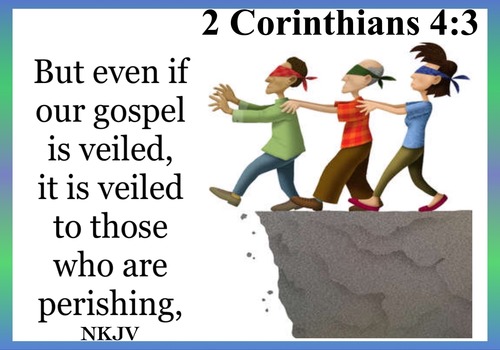
Is God out to Lunch or Taking a Long Vacation?

Psalm 73:10-14 New American Standard Bible 1995

10 Therefore [a]his people return to this place,
And waters of abundance are [b]drunk by them.
11 They say, “How does God know?
And is there knowledge [c]with the Most High?”
12 Behold, these are the wicked;
And always at ease, they have increased in wealth.
13 Surely in vain I have [d]kept my heart pure
And washed my hands in innocence;
14 For I have been stricken all day long
And [e]chastened every morning.

Verse 11 … They say, “How does God know? And is their knowledge with the Most High?” Verse 13 … Surely in vain I have kept my heart pure and washed my hands in innocence; verse 14 For I have been stricken all day long and chastened every morning …”

This is indeed, quite the lament of a heart and soul that is securely padlocked into doubt – One might believe this heart and soul is confined to a solitary cell.

Alone, and deep into its own thoughts by something hardcore, whatever it is.

Something is drawing someone’s faith into a state of doubt, deep questioning.

Someone’s faith journey is taking a whole bunch of body blows to their guts.

Someone’s faith seems to be on a heavily greased descent into someplace it definitely does not want to be. Its descent seems to be growing unstoppable.

Is this somewhere we ourselves find ourselves slipping and sliding into? Is our faith unable to gain any traction of any kind that we might stop its fast descent?

Are we asking ourselves, shouting to ourselves at the very top of our lungs to God for answers to questions which are going through our souls at warp speed?

Except that the slipping and sliding is only getting much faster by the moment?

11-14 What’s going on here? Is God out to lunch?
    Nobody’s tending the store.
The wicked get by with everything;
    they have it made, piling up riches.
I’ve been stupid to play by the rules;
    what has it gotten me?
A long run of bad luck, that’s what—
    a slap in the face every time I walk out the door.

Psalm 73: Psalm for a Slippery, Sliding Faith

Doubt is guaranteed. We will doubt.

Psalm 73 begins by affirming a core teaching: “Surely God is good to Israel.”

Then doubt comes in tidal waves. The psalmist faith is slipping. He’s trying to keep faith, but he’s tottering on a miles deep precipice. He has a bad case of vertigo, that dizziness some people feel when they look down from a high place.

The psalmist thought God was good to Israel, but something he saw made his head start spinning.

We’ve seen things like that too.

The baseball team with the most respectable players doesn’t necessarily win the World Series.

The quarterback with the best moral character doesn’t always start on the college team.

The stock market takes a sudden nose dive taking someone’s education fund.

Someone’s spouse suddenly walks out without any notice, taking the children and the bank accounts are suddenly empty and the spouse in not taking calls.

Upheaval at the 2019/2024 General Conference of the United Methodist Church.

Disarray …. Disarray …. Disarray …. Every measure of it is flung off the charts!

Oddly, seems some arrogant, ungodly people often prosper with the greatest of ease and have no troubles or suffering. But then people who love God and try to serve him seem to get nowhere, slapped, face all kinds of trouble and suffering.

Whole bunch of people are severely questioning: “Is God taking a lunch break?”

Asaph, the writer of this psalm saw this. So do we.

A common reaction to unhappiness is to wonder, “does God even know what’s happening?”

When He doesn’t intervene as we’d prefer, our habit is to question His goodness and His power.

According to the writer Asaph, those who abandon faith (Psalm 73:10) tend to soon follow the prosperous wicked (Psalm 73:1–3) also will tend to rationalize their decision to follow the wicked, question God’s knowledge of the situation.

In one sense, this means questioning whether God is aware of their pain. In another, it’s an expression of arrogance: that God isn’t going to notice their sin.

The truth is … God notices everything …

Psalm 139:1-12 New American Standard Bible 1995

God’s Omnipresence and Omniscience.

For the choir director. A Psalm of David.

139 O Lord, You have searched me and known me.
You know [a]when I sit down and [b]when I rise up;
You understand my thought from afar.
You [c]scrutinize my [d]path and my lying down,
And are intimately acquainted with all my ways.
4 [e]Even before there is a word on my tongue,
Behold, O Lord, You know it all.
You have enclosed me behind and before,
And laid Your hand upon me.
Such knowledge is too wonderful for me;
It is too high, I cannot attain to it.

Where can I go from Your Spirit?
Or where can I flee from Your presence?
If I ascend to heaven, You are there;
If I make my bed in [f]Sheol, behold, You are there.
If I take the wings of the dawn,
If I dwell in the remotest part of the sea,
10 Even there Your hand will lead me,
And Your right hand will lay hold of me.
11 If I say, “Surely the darkness will [g]overwhelm me,
And the light around me will be night,”
12 Even the darkness is not dark [h]to You,
And the night is as bright as the day.
Darkness and light are alike to You.

Even today, those who find themselves undergoing times, seasons of great pains of doubt, may question whether God knows or cares what is happening.

That’s an understandable reaction, but it’s deeply flawed.

This verse Psalm 73:11 is purposefully ironic.

It’s self-defeating to address God as “the Most High” while also questioning His knowledge. God not only knows what happens to His people, He also cares.

James 5:1-12 New American Standard Bible 1995

Misuse of Riches

5 Come now, you rich, weep and howl for your miseries which are coming upon you. Your riches have rotted and your garments have become moth-eaten.  Your gold and your silver have rusted; and their rust will be a witness against you and will consume your flesh like fire. It is in the last days that you have stored up your treasure! Behold, the pay of the laborers who mowed your fields, and which has been withheld by you, cries out against you; and the outcry of those who did the harvesting has reached the ears of the Lord of [a]Sabaoth.  5  You have lived luxuriously on the earth and led a life of wanton pleasure; you have [b]fattened your hearts in a day of slaughter. You have condemned and [c] put to death the righteous man; he does not resist you.

Exhortation

Therefore be patient, brethren, until the coming of the Lord. The farmer waits for the precious produce of the soil, being patient about it, until [d]it gets the early and late rains. You too be patient; strengthen your hearts, for the coming of the Lord is near. Do not [e]complain, brethren, against one another, so that you yourselves may not be judged; behold, the Judge is standing [f]right at the [g]door. 10 As an example, brethren, of suffering and patience, take the prophets who spoke in the name of the Lord. 11 We count those blessed who endured. You have heard of the [h] endurance of Job and have seen the [i]outcome of the Lord’s dealings, that the Lord is full of compassion and is merciful.

12 But above all, my brethren, do not swear, either by heaven or by earth or with any other oath; but [j]your yes is to be yes, and your no, no, so that you may not fall under judgment.

James addressed the rich, wicked farmers who abused their Christian workers; he told them, “the cries of the harvesters have reached the ears of the Lord of hosts” (James 5:4). 

1Peter 5:6-9 urges us to cast all our anxieties on the God because He cares for us.

Therefore humble yourselves under the mighty hand of God, that He may exalt you at the proper time, casting all your anxiety on Him, because He cares for you. Be of sober spirit, be on the alert. Your adversary, the devil, prowls around like a roaring lion, seeking someone to devour. 9 [a]But resist him, firm in your faith, knowing that the same experiences of suffering are being accomplished by your  [b]brethren who are in the world.

The end of the wicked (be very careful about who you call or refer to as being “wicked” Matthew 7:1-3) is ruin.

Matthew 7:1-3 New American Standard Bible 1995

Judging Others

7 “Do not judge so that you will not be judged. For in the way you judge, you will be judged; and [a]by your standard of measure, it will be measured to you. Why do you look at the speck that is in your brother’s eye, but do not notice the log that is in your own eye?

And while God doesn’t promise to make his people wealthier or healthier, he does promise he is always working for the heart and restoration for the soul.

John 5:14-17 New American Standard Bible 1995

14 Afterward Jesus *found him in the temple and said to him, “Behold, you have become well; do not sin anymore, so that nothing worse happens to you.” 15 The man went away, and told the Jews that it was Jesus who had made him well.  16  For this reason the Jews were persecuting Jesus, because He was doing these things on the Sabbath. 17 But He answered them, “My Father is working until now, and I Myself am working.”

In Father, Son, Spirit’s presence and care, we have everything we truly need.

We are under God’s constant continuous observation … Psalm 23, Psalm 121

In the name of God, the Father and God the Son and God the Holy Spirit,

Let us Pray,

Psalm 23 The Message

23 1-3 God, my shepherd!
    I don’t need a thing.
You have bedded me down in lush meadows,
    you find me quiet pools to drink from.
True to your word,
    you let me catch my breath
    and send me in the right direction.

Even when the way goes through
    Death Valley,
I’m not afraid
    when you walk at my side.
Your trusty shepherd’s crook
    makes me feel secure.

You serve me a six-course dinner
    right in front of my enemies.
You revive my drooping head;
    my cup brims with blessing.

Your beauty and love chase after me
    every day of my life.
I’m back home in the house of God
    for the rest of my life.

Psalm 121The Message

121 1-2 I look up to the mountains;
    does my strength come from mountains?
No, my strength comes from God,
    who made heaven, and earth, and mountains.

3-4 He won’t let you stumble,
    your Guardian God won’t fall asleep.
Not on your life! Israel’s
    Guardian will never doze or sleep.

5-6 God’s your Guardian,
    right at your side to protect you—
Shielding you from sunstroke,
    sheltering you from moonstroke.

7-8 God guards you from every evil,
    he guards your very life.
He guards you when you leave and when you return,
    he guards you now, he guards you always.

Glory be to the Father,
and to the Son, and to the Holy Ghost;
as it was in the beginning,
is now, and ever shall be,
world without end. Amen, amen.

https://translate.google.com/

The LORD looks down from heaven … to see if there are any who minimally try to understand, any who seek God. Psalm 14

Psalm 14New King James Version

Folly of the Godless, and God’s Final Triumph

To the Chief Musician. A Psalm of David.

14 The fool has said in his heart,
“There is no God.”
They are corrupt,
They have done abominable works,
There is none who does good.

The Lord looks down from heaven upon the children of men,
To see if there are any who understand, who seek God.
They have all turned aside,
They have together become corrupt;
There is none who does good,
No, not one.

Have all the workers of iniquity no knowledge,
Who eat up my people as they eat bread,
And do not call on the Lord?
There they are in great fear,
For God is with the generation of the righteous.
You shame the counsel of the poor,
But the Lord is his refuge.

Oh,[a] that the salvation of Israel would come out of Zion!
When the Lord brings back [b]the captivity of His people,
Let Jacob rejoice and Israel be glad.

The Word of God for the Children of God.

Glory be to the Father,
and to the Son, and to the Holy Ghost;
as it was in the beginning,
is now, and ever shall be,
world without end. Amen, amen.

High and Low, Is there Not Even One to be found?

So, do we reflect on incentives God gives us for seeking him?

Can we see that the rewards for engaging in such a search are priceless?

Are we even minimally prepared, they are what we all, deep down, really crave?

The problem is that we often look for the right things in the wrong places.

And, worse, as we endeavor to be more like our Savior Jesus Christ, learn from heaven’s point of view, not even one of us is willing to look in the right place?

We are completely stuck on trying to do things our own way, not God’s way?

So when God looks down from heaven (Psalms 27, 139, 2 Chronicles 16:8-9) searching to and fro for even one person searching for him, he finds no one.

Were not the Ethiopians and the Lubim an immense army with very many chariots and horsemen? Yet because you relied on the Lord, He delivered them into your hand. For the eyes of the Lord move to and fro throughout the earth that He may strongly support those whose heart is completely His. You have acted foolishly in this. Indeed, from now on you will surely have wars.”

A Psalm of Fearless Trust in God.

A Psalm of David.

27 The Lord is my light and my salvation;
Whom shall I fear?
The Lord is the [a]defense of my life;
Whom shall I dread?
When evildoers came upon me to devour my flesh,
My adversaries and my enemies, they stumbled and fell.
Though a host encamp against me,
My heart will not fear;
Though war arise against me,
In spite of this I [b]shall be confident.

One thing I have asked from the Lord, that I shall seek:
That I may dwell in the house of the Lord all the days of my life,
To behold the [c]beauty of the Lord
And to [d]meditate in His temple.
For in the day of trouble He will conceal me in His [e]tabernacle;
In the secret place of His tent He will hide me;
He will lift me up on a rock.
And now my head will be lifted up above my enemies around me,
And I will offer in His tent sacrifices [f]with shouts of joy;
I will sing, yes, I will sing praises to the Lord.

Hear, O Lord, when I cry with my voice,
And be gracious to me and answer me.
When You said, “Seek My face,” my heart said to You,
“Your face, O Lord, I shall seek.”
Do not hide Your face from me,
Do not turn Your servant away in anger;
You have been my help;
Do not abandon me nor forsake me,
O God of my salvation!
10 [g]For my father and my mother have forsaken me,
But the Lord will take me up.

11 Teach me Your way, O Lord,
And lead me in a level path
Because of [h]my foes.
12 Do not deliver me over to the [i]desire of my adversaries,
For false witnesses have risen against me,
And such as breathe out violence.
13 [j]I would have despaired unless I had believed that I would see the goodness of the Lord
In the land of the living.
14 Wait for the Lord;
Be strong and let your heart take courage;
Yes, wait for the Lord.

“GOD FINDS NO ONE?!”

That’s beyond astounding, that is so far beyond comprehension, isn’t it?

Or does it come as no surprise to anyone discerning, observant enough?

There is so much spirituality these days—and, in fact, there always has been.

We will rigorously, vigorously, defend the claim we are “incurably religious” “incurably spiritual.”

The world is full of cathedrals, temples, mosques, shrines, churches, and synagogues. Songs, liturgies, dramas, art—all are laced with appeals to God.

But when God looks down on all this “god–seeking religion and spirituality” he announces to all of us he really does not see any true god–seeking in any of it.

What people are looking for is a god to serve them, automatically affirm all of their whims, all of their so called “God seeking” and politicalized agendas.

And, truly, God is a great help to us all. He is our only help and strength.

But God is seeking people who are authentically looking for the God they can trust with their whole life and future, rather than simply a god they can use for their own personal self centered, finite temporary temporal illogical purposes.

Sadly, none of us surrenders on our own.

It takes God’s grace to lower our knees.

God Does Not, Has, Will, Never, Accept Any Bribes

Isaiah 1:13-20 New American Standard Bible 1995

13 “Bring your worthless offerings no longer,
Incense is an abomination to Me.
New moon and sabbath, the calling of assemblies—
I cannot endure iniquity and the solemn assembly.
14 “I hate your new moon festivals and your appointed feasts,
They have become a burden to Me;
I am weary of bearing them.
15 “So when you spread out your hands in prayer,
I will hide My eyes from you;
Yes, even though you multiply prayers,
I will not listen.
Your hands are [a]covered with blood.

16 “Wash yourselves, make yourselves clean;
Remove the evil of your deeds from My sight.
Cease to do evil,
17 Learn to do good;
Seek justice,
Reprove the ruthless,
[b]Defend the orphan,
Plead for the widow.

“Let Us Reason”

18 “Come now, and let us reason together,”
Says the Lord,
“Though your sins are as scarlet,
They will be as white as snow;
Though they are red like crimson,
They will be like wool.
19 “If you consent and obey,
You will eat the best of the land;
20 “But if you refuse and rebel,
You will be devoured by the sword.”
Truly, the mouth of the Lord has spoken.

The sins of Judah were beginning to resemble those of Sodom and Gomorrah.

God’s people didn’t understand the holy will of their God.

Injustice against the weak and vulnerable was becoming rampant.

God’s people thought they could make up for their sinful actions and appease God’s holiness by sacrificing animals, doing other self serving religious rituals.

But they continued in their evil ways of injustice and oppression against weak and vulnerable people.

The society had become dominated by rich powerbrokers who thought nothing of accumulating wealth and gaining more clout over the poor and powerless.

In addition, the judges and religious leaders did not condemn them but instead enjoyed their generous bribes and elaborate parties, manipulated their people.

But those who are being manipulated, trampled under the heel of oppression of the self serving creators of their own “about God” agendas have God on their side. God doesn’t accept bribes, doesn’t run a revolving court open to bribery.

And God expects nothing less of his people in return. Addressing the leaders of Judah, the prophet Isaiah demanded, “Seek justice, encourage the oppressed. Defend the cause of the fatherless, plead the case of the widows and orphans.”

That is our calling still today.

Beyond supporting those who only want to hear their own voices, who’ll only want to hear, listen to and be told how right they always are, no disagreements only unconditional support for their own brand of ideologies and theologies, preach, teach from their own interpretations, representations of God’s truth.

Where opposition is suppressed, underrepresented, cancelled out, minimized.

Where rational, logical reasoning like God expects from us, is shouted down.

Our practice of compassion and justice anticipates the coming day when the Lord himself will come in person to “give decisions for the poor of the earth” (Isaiah 11:4).

Isaiah 11:1-9 New American Standard Bible 1995

Righteous Reign of the Branch

11 Then a shoot will spring from the stem of Jesse,
And a branch from his roots will bear fruit.
The Spirit of the Lord will rest on Him,
The spirit of wisdom and understanding,
The spirit of counsel and strength,
The spirit of knowledge and the fear of the Lord.
And He will delight in the fear of the Lord,
And He will not judge by what His eyes see,
Nor make a decision by what His ears hear;
But with righteousness He will judge the poor,
And decide with fairness for the afflicted of the earth;
And He will strike the earth with the rod of His mouth,
And with the breath of His lips He will slay the wicked.
Also righteousness will be the belt about His loins,
And faithfulness the belt about His waist.

And the wolf will dwell with the lamb,
And the leopard will lie down with the young goat,
And the calf and the young lion [a]and the fatling together;
And a little boy will lead them.
Also the cow and the bear will graze,
Their young will lie down together,
And the lion will eat straw like the ox.
The nursing child will play by the hole of the cobra,
And the weaned child will put his hand on the viper’s den.
They will not hurt or destroy in all My holy mountain,
For the earth will be full of the knowledge of the Lord
As the waters cover the sea.

Kingdom Agenda: A World Where God Is Known

Isaiah 11:6-9New American Standard Bible 1995

And the wolf will dwell with the lamb,
And the leopard will lie down with the young goat,
And the calf and the young lion [a]and the fatling together;
And a little boy will lead them.
Also the cow and the bear will graze,
Their young will lie down together,
And the lion will eat straw like the ox.
The nursing child will play by the hole of the cobra,
And the weaned child will put his hand on the viper’s den.
They will not hurt or destroy in all My holy mountain,
For the earth will be full of the knowledge of the Lord
As the waters cover the sea.

Isaiah likens the Messiah’s kingdom to the sea.

He says peace will be the order of the day because “the earth will be full of the knowledge of the LORD as the waters cover the sea.”

In the righteous kingdom of God, life is at full tide.

Buoyed by currents of the knowledge of the Lord, life will be full and colorful.

In that day, no one will need to “teach his neighbor … saying, ?Know the LORD,’ because they will all know me,” says God (Jeremiah 31:33-34).

33 “But this is the covenant which I will make with the house of Israel after those days,” declares the Lord, “I will put My law within them and on their heart I will write it; and I will be their God, and they shall be My people. 34 They will not teach again, each man his neighbor and each man his brother, saying, ‘Know the Lord,’ for they will all know Me, from the least of them to the greatest of them,” declares the Lord, “for I will forgive their iniquity, and their sin I will remember no more.”

Imagine a world in which everyone knows the riches of God’s wisdom and each person has tasted God’s grace and understands how to give it. (Psalm 34:8-10)

O taste and see that the Lord is good;
How blessed is the man who takes refuge in Him!
O fear the Lord, you His saints;
For to those who fear Him there is no want.
10 The young lions do lack and suffer hunger;
But they who seek the Lord shall not be in want of any good thing.

Isaiah’s imagery also suggests something about our mission in a world that is not yet full of God’s glory. We who have this knowledge must make God known by our words, actions, until the day God’s glorious kingdom vision is realized.

In the name of God, the Father and God the Son and God the Holy Spirit.

Let us Pray,

Psalm 34 New King James Version

The Happiness of Those Who Trust in God

A Psalm of David when he pretended madness before Abimelech, who drove him away, and he departed.

34 I will bless the Lord at all times;
His praise shall continually be in my mouth.
My soul shall make its boast in the Lord;
The humble shall hear of it and be glad.
Oh, magnify the Lord with me,
And let us exalt His name together.

I sought the Lord, and He heard me,
And delivered me from all my fears.
They looked to Him and were radiant,
And their faces were not ashamed.
This poor man cried out, and the Lord heard him,
And saved him out of all his troubles.
The [a]angel of the Lord encamps all around those who fear Him,
And delivers them.

Oh, taste and see that the Lord is good;
Blessed is the man who trusts in Him!
Oh, fear the Lord, you His saints!
There is no [b]want to those who fear Him.
10 The young lions lack and suffer hunger;
But those who seek the Lord shall not lack any good thing.

11 Come, you children, listen to me;
I will teach you the fear of the Lord.
12 Who is the man who desires life,
And loves many days, that he may see good?
13 Keep your tongue from evil,
And your lips from speaking deceit.
14 Depart from evil and do good;
Seek peace and pursue it.

15 The eyes of the Lord are on the righteous,
And His ears are open to their cry.
16 The face of the Lord is against those who do evil,
To [c]cut off the remembrance of them from the earth.

17 The righteous cry out, and the Lord hears,
And delivers them out of all their troubles.
18 The Lord is near to those who have a broken heart,
And saves such as [d]have a contrite spirit.

19 Many are the afflictions of the righteous,
But the Lord delivers him out of them all.
20 He guards all his bones;
Not one of them is broken.
21 Evil shall slay the wicked,
And those who hate the righteous shall be [e]condemned.
22 The Lord redeems the soul of His servants,
And none of those who trust in Him shall be condemned.

Glory be to the Father,
and to the Son, and to the Holy Ghost;
as it was in the beginning,
is now, and ever shall be,
world without end. Amen, amen.

https://translate.google.com/

That God Given Gift of my Frustrated Heart: A Prayer for When God’s Great Things Feel Small for Us All. Psalm 13

Psalm 13 Complete Jewish Bible

13 (0) For the leader. A psalm of David:

2 (1) How long, Adonai?
Will you forget me forever?
How long will you hide your face from me?
3 (2) How long must I keep asking myself what to do,
with sorrow in my heart every day?
How long must my enemy dominate me?

4 (3) Look, and answer me, Adonai my God!
Give light to my eyes, or I will sleep the sleep of death.
5 (4) Then my enemy would say, “I was able to beat him”;
and my adversaries would rejoice at my downfall.

6 (5) But I trust in your grace,
my heart rejoices as you bring me to safety.
(6) I will sing to Adonai, because he gives me
even more than I need.

The Word of God for the Children of God.

Glory be to the Father,
and to the Son, and to the Holy Ghost;
as it was in the beginning,
is now, and ever shall be,
world without end. Amen, amen.

That God Given Gift of my Frustrated Heart

Psalm 13 The Message

13 1-2 Long enough, God—
    you’ve ignored me long enough.
I’ve looked at the back of your head
    long enough. Long enough
I’ve carried this ton of trouble,
    lived with a stomach full of pain.
Long enough my arrogant enemies
    have looked down their noses at me.

3-4 Take a good look at me, God, my God;
    I want to look life in the eye,
So no enemy can get the best of me
    or laugh when I fall on my face.

5-6 I’ve thrown myself headlong into your arms—
    I’m celebrating your rescue.
I’m singing at the top of my lungs,
    I’m so full of answered prayers.

This lament of David is a cry of the heart from someone who feels that he is alone and forsaken.. isolated, forgotten and cut off from the favor of the Lord.

Young Shepherd, Mighty King, Husband, Father, David’s soul is crying out in bitter anguish of mind and inner confusion of the soul because the Lord seems to have forgotten all about him, apparently hidden, His face from His servant.

From deep within himself David’s heart and soul could not understand why the Lord was now delaying that help he desperately needed.. and so his heart was grieving and his soul cried out in bitterness and distress – how long O Lord?

David felt that the enemy , we do not know who, or even when or why, was triumphing over him while the Lord seemed to have distanced Himself far away from His faithful servant.. so he challenged the Lord with multiple questions:

How long O LORD.. will You forget me forever?

How long will you hide your face from me?

How long shall I take counsel in my soul, having sorrow in my heart all the day?

How long will my enemy be exalted over me?

David wanted to know how long the bitter trial and manifold difficulties that were flooding into his life would go on, before the Lord would finally step in.. to reveal His face, reveal His Justice and right the wrong and comfort His servant.

And we look upon these days of disaffiliation, division, and dysfunction, and in this day which the Lord just gifted unto us and or these God given gift days of highest distress and difficulties we too often find ourselves in David’s position..

calling out in desperation to the Lord as we become increasingly submerged by the struggles and sorrows of our day – as we all cry out to an iron-clad heaven and we find ourselves wrestling inwardly with the same rhetorical questions that burdened David’s heart and flowed from his pen, three thousand years ago.

A Heartfelt Prayer for those Moments When God’s Great and Greatest Things Feel Too Small for You

Psalm 118:17-29 The Message

17-20 I didn’t die. I lived!
    And now I’m telling the world what God did.
God tested me, he pushed me hard,
    but he didn’t hand me over to Death.
Swing wide the city gates—the righteous gates!
    I’ll walk right through and thank God!
This Temple Gate belongs to God,
    so the victors can enter and praise.

21-25 Thank you for responding to me;
    you’ve truly become my salvation!
The stone the masons discarded as flawed
    is now the capstone!
This is God’s work.
    We rub our eyes—we can hardly believe it!
This is the very day God acted—
    let’s celebrate and be festive!
Salvation now, God. Salvation now!
    Oh yes, God—a free and full life!

26-29 Blessed are you who enter in God’s name—
    from God’s house we bless you!
God is God,
    he has bathed us in light.
Adorn the shrine with garlands,
    hang colored banners above the altar!
You’re my God, and I thank you.
    O my God, I lift high your praise.
Thank God—he’s so good.
    His love never quits!

How often we too find ourselves feeling that God has forgotten us and that like David we seem to have been vigorously scissored off from the favor of the Lord?

How often we now find ourselves, experience deep depression, discouragement of heart, anguish of soul, bitter taste in our mouth, heartache as the enemies of our soul seem to be attacking us from every side.. and we discover ourselves to be increasingly alone, overwhelmed by all that is coming on the earth today.

But David is a man after God’s own heart.. and although that does not preclude him from having to go through the inevitable trials and tribulations of life- his confidence stands firm in the goodness of the Lord and his bitter pleas for help.. came from a man who trusts in God’s loving-kindness; and rejoices in the joy of his salvation. “For this is the day that the Lord has made and I will rejoice in it!”

However, it was not long before the bitter lament of David in Psalm 13 turned into a hymn of high praise when he remembered the many precious promises of the Lord – for he knew that the sufferings of this present time are not worthy to be compared with the true glory that is to be revealed to us in the days to come.

The same is no less true today.

Indeed those difficulties, dysfunctions and dangers that we face in life today.. should be considered as momentary, light affliction, which are producing for us God’s Gift of an eternal weight of glory far beyond what we could ask or think.

Pondering and Praying those Greatest Gifts of God

James 1:13-18 The Message

13-15 Don’t let anyone under pressure to give in to evil say, “God is trying to trip me up.” God is impervious to evil, and puts evil in no one’s way. The temptation to give in to evil comes from us and only us. We have no one to blame but the leering, seducing flare-up of our own lust. Lust gets pregnant, and has a baby: sin! Sin grows up to adulthood, and becomes a real killer.

16-18 So, my very dear friends, don’t get thrown off course. Every desirable and beneficial gift comes out of heaven. The gifts are rivers of light cascading down from the Father of Light. There is nothing deceitful in God, nothing two-faced, nothing fickle. He brought us to life using the true Word, showing us off as the crown of all his creatures.

And when I think that God, His Son not sparing
Sent Him to die, I scarce can take it in
That on the cross, my burden gladly bearing
He bled and died to take away my sin

Then sings my soul, my Savior God to Thee
How great Thou art, how great Thou art
Then sings my soul, my Savior God to Thee
How great Thou art, how great Thou art.

Words: Stu­art K. Hine (1899–1989).

Music: How Great Thou Art Swed­ish folk me­lo­dy, adap­ted by Stu­art K. Hine.

Have you ever looked at the gifts God has given you or the life God’s given you and wondered, “Is this really it?”

This is a spiritually deep, heart and soul searching question; it’s typically laced with all our worrying about what lies ahead, wondering what you could’ve done differently, and filled with vast wishful thinking of what you thought would be.

I believe it’s safe in the arms of God to assume we’ve all been here, but the truth is we can’t stay in these thoughts for long. It will deliver each of us to a place of questioning who God is, what He’s doing, if He really wants good things for us.

 “Why would God bring me here? Do I really have something meaningful to offer to the Lord, to the Creator of my very life and Author of my Salvation?

David in the Bible was a shepherd boy, the youngest of his brothers, and nothing was set to come of his life in a big, outlandish way.

Imagine how that felt day after day, might after night, imagine the thoughts that constantly went through his mind on guard, at night. I wonder if, while keeping watch over his sheep for long periods of time, he found himself asking My God (in the same way we do), “Is this really all you have planned for me?” 

Little did David know God had many plans for his life.

Plans that David could’ve never imagined for himself.

Plans that could only unfold by the hand of God.

David’s small beginnings and small gifts were just the start of God’s incredible future for His life.

That said, even if the only plan God had for David was to be a shepherd, that would’ve been the perfect life God had penned for his days. But, because of how his life had panned out, we can look unto David’s life to be truly encouraged and know we can trust that no matter what the plans are, they will be for our good.

1 Samuel 16:10-13 New American Standard Bible 1995

10 Thus Jesse made seven of his sons pass before Samuel. But Samuel said to Jesse, “The Lord has not chosen these.” 11 And Samuel said to Jesse, “Are these all the children?” And he said, “There remains yet the youngest, and behold, he is tending the sheep.” Then Samuel said to Jesse, “Send and [a]bring him; for we will not sit down until he comes here.”

David Anointed

12 So he sent and brought him in. Now he was ruddy, with beautiful eyes and a handsome appearance. And the Lord said, “Arise, anoint him; for this is he.” 13 Then Samuel took the horn of oil and anointed him in the midst of his brothers; and the Spirit of the Lord came mightily upon David from that day forward. And Samuel arose and went to Ramah.

Here, we see the plans unfolding.

Wow, I can imagine that after this encounter happened for Jesse and his older sons, they found themselves sitting in complete disbelief, probably asking:

“How could God choose the youngest boy?”

“How could God choose the shepherd boy?”

“How could God choose the one who doesn’t look to have a great life ahead of him?”

This might be how you feel about yourself, asking how God could ever choose you and how God will ever open doors for your gifts to be used.

This goes back to what I shared at the beginning; asking these questions are fine only for a moment – lest we find ourselves digging a ditch for daily rest.

We can’t stay stuck here because God wants to use you right where He has you.

God wants you to see that every single day, He is giving you an opportunity to minister and labor and work, sweat, as his shepherd for the Kingdom of God.

I want to invite you to trust what God is doing in your life and to trust that He will continue to open doors for you to use the gifts He’s given you.

It may look radically different than what you pictured; it may even look smaller than what you were hoping and praying for, but the way God pans out and the “small size” of its unfolding doesn’t discount the faithfulness of God to use you.

He is faithful to use His children’s gifts in big and small ways.

Like David, He makes a way in His perfect timing.

Trust Him with your life and with your story.

Trust Him when you’re sitting at the table feeling like the “lesser” one.

Trust Him when you cannot stop feeling looked over.

Psalm 139:23-24 The Message

23-24 Investigate my life, O God,
    find out everything about me;
Cross-examine and test me,
    get a clear picture of what I’m about;
See for yourself whether I’ve done anything wrong—
    then guide me on the road to eternal life.

Let Him investigate your life.

Let Him find out everything about you.

Let Him cross-examine and test you.

Let Him get a clear picture of what you are all about.

Read His Report Card of His findings … make those adjustments.

Let Him lead, guide, and direct your steps.

Follow Him boldly.

He will be absolutely faithful to use you no matter how you feel now!

In the name of God, the Father and God the Son and God the Holy Spirit,

Let us Pray,

Psalm 23 The Message

23 1-3 God, my shepherd!
    I don’t need a thing.
You have bedded me down in lush meadows,
    you find me quiet pools to drink from.
True to your word,
    you let me catch my breath
    and send me in the right direction.

Even when the way goes through
    Death Valley,
I’m not afraid
    when you walk at my side.
Your trusty shepherd’s crook
    makes me feel secure.

You serve me a six-course dinner
    right in front of my enemies.
You revive my drooping head;
    my cup brims with blessing.

Your beauty and love chase after me
    every day of my life.
I’m back home in the house of God
    for the rest of my life.

Glory be to the Father,
and to the Son, and to the Holy Ghost;
as it was in the beginning,
is now, and ever shall be,
world without end. Amen, amen.

https://translate.google.com/

Glorifying, Honoring and Praising and Worshiping at God’s Footstool. Psalm 99

Psalm 99 New American Standard Bible 1995

Praise to the Lord for His Fidelity to Israel.

99 The Lord reigns, let the peoples tremble;
He [a]is enthroned above the cherubim, let the earth shake!
The Lord [b]is great in Zion,
And He is exalted above all the peoples.
Let them praise Your great and awesome name;
Holy is [c]He.
The [d]strength of the King loves [e]justice;
You have established [f]equity;
You have executed [g]justice and righteousness in Jacob.
5 [h]Exalt the Lord our God
And worship at His footstool;
Holy is He.

Moses and Aaron were among His priests,
And Samuel was among those who called on His name;
They called upon the Lord and He answered them.
He spoke to them in the pillar of cloud;
They kept His testimonies
And the statute that He gave them.
O Lord our God, You answered them;
You were a forgiving God to them,
And yet an avenger of their evil deeds.
Exalt the Lord our God
And worship at His holy hill,
For holy is the Lord our God.

The Word of God for the Children of God.

Glory be to the Father,
and to the Son, and to the Holy Ghost;
as it was in the beginning,
is now, and ever shall be,
world without end. Amen, amen.

BOW BEFORE GOD 

In times of disappointments, distress and heartaches sometimes the only thing to do is to simply place ourselves in humble submission before our great God.

When doubt floods into our minds, there is a comfort to be found.

Looking away from our situation to the vastness and holiness of our Lord, we find comfort in Him.

But what do the words mean, here, “to worship at his footstool?” 

Here is what we find in the Barnes Notes on the Bible commentary:

“the reference here is to the footstool on which the feet of a king rested when he sat on his throne or chair of state.” 

Even as those kings of old would make decisions for justice from their thrones, we can trust that our High King is listening to our stories and tears, and hearing our pleas, and making decisions for holiness and justice from His own throne.

When we bow our hearts before Him, we recognize His king-ship over our lives.

WORSHIP AT HIS FOOTSTOOL

It is not just our approaching our King, there is one more necessary action that this verse speaks of, and that is not to just bow, but to also bring worship there.

Many servants bowed before those kings of old and they brought their petitions.

Yet not many humbled themselves to worship that king.

We have been given the privilege to come into the courts of our most High King.

This is made possible because of the way that His son, Jesus, opened for us. 

Will we come, and bow and worship before the holiness and might of our Lord?

Can we permit ourselves a time of sacred pause today and bring unto Him our highest measure of utter surrender, highest praise before our Holiest of Holies?

Are We Authentic About Worship at God’s Footstool?

Psalm 99 The Message

99 1-3 God rules. On your toes, everybody!
He rules from his angel throne—take notice!
God looms majestic in Zion,
He towers in splendor over all the big names.
Great and terrible your beauty: let everyone praise you!
    Holy. Yes, holy.

4-5 Strong King, lover of justice,
You laid things out fair and square;
You set down the foundations in Jacob,
Foundation stones of just and right ways.
Honor God, our God; worship his rule!
    Holy. Yes, holy.

6-9 Moses and Aaron were his priests,
Samuel among those who prayed to him.
They prayed to God and he answered them;
He spoke from the pillar of cloud.
And they did what he said; they kept the law he gave them.
And then God, our God, answered them
(But you were never soft on their sins).
Lift high God, our God; worship at his holy mountain.
    Holy. Yes, holy is God our God.

When this psalm was written, each nation claimed top honors for its gods.

But Israel knew who the God above all gods truly is—the Lord God Almighty.

But do I, You, we the Church truly know who the God above all gods truly is?

2 Corinthians 4:1-5 New American Standard Bible 1995

Paul’s Apostolic Ministry

4 Therefore, since we have this ministry, as we received mercy, we do not lose heart, but we have renounced the things hidden because of shame, not walking in craftiness or adulterating the word of God, but by the manifestation of truth  commending ourselves to every man’s conscience in the sight of God. And even if our gospel is veiled, it is veiled [a]to those who are perishing, in whose case the god of this [b]world has blinded the minds of the unbelieving [c]so that they might not see the light of the gospel of the glory of Christ, who is the image of God. For we do not preach ourselves but Christ Jesus as Lord, and ourselves as your bond-servants  [d]for Jesus’ sake.

Paul had a glorious ministry that flung wide-open the door of salvation to men.

He opened up the Word of God and taught the glorious gospel of grace to Jew and Gentile alike.

This apostle of God revealed so many of the biblical truths and treasures which we have received as a free gift of grace, by our trusting in Christ Jesus as Savior.

Paul had been a strict Jew – a Pharisee of the Pharisees.

Paul had followed the traditions of men.

But since his being commissioned by God as His apostle unto the Gentiles and renouncing his former ways, he insightfully recognized that the very deceitful handling of God’s Word by the legalistic Pharisees, that combined with Satan’s crafty deceit, caused the shining light of the gospel of God to be hidden to those that were lost, and veiled to those that are perishing.

Satan, the scheming god of this world, has cunningly placed a veil of deception and dark shadows of deceit over the hearts, souls and minds of those unsaved.

Although Paul faithfully taught the truth of God’s Word, the minds of sinners have been blinded to the truth and deceived by Satan, the cruel god of this age.

Paul discovered that God’s grace is sufficient, that His strength is freely supplied and His mercies are new every morning.

Despite his careful teaching, his systematic delivery of the gospel, and his earnest desire to clarify the truth of God’s Word through precept and practice, Paul recognized the gospel remained hidden to those that were perishing – for the god of this world has cast a veil over the Word of God, which has shrouded the truth from those that are lost, misguided, misdirected and dead in their sin.

Yet the magnificent God, who has no human limitations, chose to do something even more revealing and even more magnificent than we could all comprehend.

God took on our humanity to become one of us.

Jesus Christ, who with God the Father and the Holy Spirit is the God above all gods, chose to humble himself so that instead of kneeling at God’s footstool in awe and wonder, we could sit at his feet.

All Men, women, and children were invited to gather around Jesus as he told stories about the kingdom of God, taught people how to live as true worshipers of God, had compassion, healed diseases, bruised hearts, and withered spirits.

What’s more, Jesus’ final act of worship was died and rose again and ascended to heaven, where he again sits on the eternal throne.

Everything is under his feet, even the last and bitterest enemy of all: death (1 Corinthians 15:21-26).

21 For since by a man came death, by a man also came the resurrection of the dead.  22 For as in Adam all die, so also in [a]Christ all will be made alive. 23 But each in his own order: Christ the first fruits, after that those who are Christ’s at His coming,  24 then comes the end, when He hands over the kingdom to the God and Father, when He has abolished all rule and all authority and power. 25 For He must reign until He has put all His enemies under His feet. 26 The last enemy that will be abolished is death.

May we each be ready and willing and able to share the good news of salvation with those whose ears are deaf and eyes are blinded to the truth – so they may hear the good news of the gospel of grace – come to the footstool and be saved.

Hallelujah! Let our 24/7 worship declare that Our God reigns forever and ever!

In the name of God, the Father and God the Son and God the Holy Spirit,

Let us Pray,

Heavenly Father, thank You for the many witnesses to the Word of truth. Thank You that salvation is freely available to all who will open their eyes to the truth of Your Word and unblock their ears to the satanic lies and deceptions that come from the evil one. Look down in pity on those that are in the valley of indecisions and bring many into saving faith this day, through the convicting work of the Holy Spirit.

Psalm 100 New American Standard Bible 1995

All Men Exhorted to Praise God.

A Psalm for [a]Thanksgiving.

100 Shout joyfully to the Lord, all the earth.
Serve the Lord with gladness;
Come before Him with joyful singing.
Know that the Lord [b]Himself is God;
It is He who has made us, and [c]not we ourselves;
We are His people and the sheep of His pasture.

Enter His gates with [d]thanksgiving
And His courts with praise.
Give thanks to Him, bless His name.
For the Lord is good;
His lovingkindness is everlasting
And His faithfulness to all generations.

Glory be to the Father,
and to the Son, and to the Holy Ghost;
as it was in the beginning,
is now, and ever shall be,
world without end. Amen, amen.

https://translate.google.com

When Someone You Love Seems to Walk Away from the Faith? Psalm 42

Psalm 42 New American Standard Bible 1995

BOOK 2

Thirsting for God in Trouble and Exile.

For the choir director. A [a]Maskil of the sons of Korah.

42 As the deer [b]pants for the water brooks,
So my soul [c]pants for You, O God.
My soul thirsts for God, for the living God;
When shall I come and [d]appear before God?
My tears have been my food day and night,
While they say to me all day long, “Where is your God?”
These things I remember and I pour out my soul within me.
For I used to go along with the throng and [e]lead them in procession to the house of God,

With the voice of joy and thanksgiving, a multitude keeping festival.

Why are you [f]in despair, O my soul?
And why have you become disturbed within me?
[g]Hope in God, for I shall [h]again praise [i]Him
For the [j]help of His presence.
O my God, my soul is [k]in despair within me;
Therefore I remember You from the land of the Jordan
And the [l]peaks of Hermon, from Mount Mizar.
Deep calls to deep at the sound of Your waterfalls;
All Your breakers and Your waves have rolled over me.
The Lord will command His lovingkindness in the daytime;
And His song will be with me in the night,
A prayer to the God of my life.

I will say to God my rock, “Why have You forgotten me?
Why do I go mourning [m]because of the oppression of the enemy?”
10 As a shattering of my bones, my adversaries revile me,
While they say to me all day long, “Where is your God?”
11 Why are you [n]in despair, O my soul?
And why have you become disturbed within me?
[o]Hope in God, for I shall yet praise Him,
The [p]help of my countenance and my God.

The Word of God for the Children of God.

Glory be to the Father,
and to the Son, and to the Holy Ghost;
as it was in the beginning,
is now, and ever shall be,
world without end. Amen, amen.

Doesn’t Anybody Hear Me? My Soul Thirsts for God!

My tears have been my food day and night,
While they say to me all day long, “Where is your God?”

Why are you [f]in despair, O my soul?
And why have you become disturbed within me?

I will say to God my rock, “Why have You forgotten me?
Why do I go mourning [m]because of the oppression of the enemy?”

10 As a shattering of my bones, my adversaries revile me,
While they say to me all day long, “Where is your God?”

11 Why are you [n]in despair, O my soul?
And why have you become disturbed within me?

Does anyone get the obvious gest of the Psalmists state of mind?

What is NOT happening in the Psalmists life he would not immediately if not sooner exchange it out or run away as fast as he could in any other direction?

Been there, done that, too many times to try and count?

Right there, right now – world is just a whirling and a swirling and a twirling?

If not you the reader, then someone you know, someone you love a whole lot?

Psalm 42 New King James Version

BOOK TWO

Psalms 42–72

Yearning for God in the Midst of Distresses

To the Chief Musician. A [a]Contemplation of the sons of Korah.

42 As the deer [b]pants for the water brooks,
So pants my soul for You, O God.
My soul thirsts for God, for the living God.
When shall I come and [c]appear before God?
My tears have been my food day and night,
While they continually say to me,
“Where is your God?”

When I remember these things,
I pour out my soul within me.
For I used to go with the multitude;
I went with them to the house of God,
With the voice of joy and praise,
With a multitude that kept a pilgrim feast.

Why are you [d]cast down, O my soul?
And why are you disquieted within me?
Hope in God, for I shall yet praise Him
[e]For the help of His countenance.

6 [f]O my God, my soul is cast down within me;
Therefore I will remember You from the land of the Jordan,
And from the heights of Hermon,
From [g]the Hill Mizar.
Deep calls unto deep at the noise of Your waterfalls;
All Your waves and billows have gone over me.
The Lord will command His lovingkindness in the daytime,
And in the night His song shall be with me—
A prayer to the God of my life.

I will say to God my Rock,
“Why have You forgotten me?
Why do I go mourning because of the oppression of the enemy?”
10 As with a [h]breaking of my bones,
My enemies [i]reproach me,
While they say to me all day long,
“Where is your God?”

11 Why are you cast down, O my soul?
And why are you disquieted within me?
Hope in God;
For I shall yet praise Him,
The [j]help of my countenance and my God.

The author of Psalm 42 is mired in the quicksand’s of deep distress.

He is longing for God, and people around him have been taunting him, saying, “Where is your God?”

People in this world also taunt and judge us sometimes.

But we should not let that bother us, because people judge others by their own standards.

God’s standards are infinitely more important.

Isaiah 55:8-9 New King James Version

“For My thoughts are not your thoughts,
Nor are your ways My ways,” says the Lord.
“For as the heavens are higher than the earth,
So are My ways higher than your ways,
And My thoughts than your thoughts.

The psalmist also didn’t see any sign of help from anyone and could not go to worship God in the sanctuary—and that caused him to feel forgotten by God.

It made the psalmist ache inside.

If we are not able to worship God with his people, we too can feel lonely and hurt inside.

The poet longed to be with God and to meet with God.

“As the deer pants for streams of water, so my soul pants for you, my God.”

This Psalm helps us to see that our faith can be jostled around, so badly shaken, wildly stirred up – our faith’s dizziness scale might never seem to stop raising.

Within this Psalm are many issues and concerns which have been left inside the pressure cooker for too long, might just lead us to disastrous results-giving up!

This psalm also helps us to envision that God is giving us his permission to be optimistic-possibly keep faith despite the stresses of feeling distant from God.

In God’s strength, the psalmist keeps talking to his soul, saying, “Why, my soul, are you downcast? Why so disturbed within me? Put your hope in God, for I will yet praise him, my Savior and my God” (42:5, 10; see also Psalm 43:5).

When Someone Seems to Walk Away from the Faith

Psalm 42 The Message

42 1-3 A white-tailed deer drinks
    from the creek;
I want to drink God,
    deep drafts of God.
I’m thirsty for God-alive.
I wonder, “Will I ever make it—
    arrive and drink in God’s presence?”
I’m on a diet of tears—
    tears for breakfast, tears for supper.
All day long
    people knock at my door,
Pestering,
    “Where is this God of yours?”

These are the things I go over and over,
    emptying out the pockets of my life.
I was always at the head of the worshiping crowd,
    right out in front,
Leading them all,
    eager to arrive and worship,
Shouting praises, singing thanksgiving—
    celebrating, all of us, God’s feast!

Why are you down in the dumps, dear soul?
    Why are you crying the blues?
Fix my eyes on God—
    soon I’ll be praising again.
He puts a smile on my face.
    He’s my God.

6-8 When my soul is in the dumps, I rehearse
    everything I know of you,
From Jordan depths to Hermon heights,
    including Mount Mizar.
Chaos calls to chaos,
    to the tune of whitewater rapids.
Your breaking surf, your thundering breakers
    crash and crush me.
Then God promises to love me all day,
    sing songs all through the night!
    My life is God’s prayer.

9-10 Sometimes I ask God, my rock-solid God,
    “Why did you let me down?
Why am I walking around in tears,
    harassed by enemies?”
They’re out for the kill, these
    tormentors with their obscenities,
Taunting day after day,
    “Where is this God of yours?”

11 Why are you down in the dumps, dear soul?
    Why are you crying the blues?
Fix my eyes on God—
    soon I’ll be praising again.
He puts a smile on my face.
    He’s my God.

From the very beginning, people walked away from the faith.

Even one of Jesus’ closest disciples, Judas, betrayed him for money.

The apostle Paul talks about those who have rejected truth and left the church.

In the end, the Bible tells us many will fall away, what many call the Great Apostasy. 

2 Timothy 4:1-5 New American Standard Bible 1995

“Preach the Word”

4 I solemnly charge you in the presence of God and of Christ Jesus, who is to judge the living and the dead, and by His appearing and His kingdom:  2 preach the word; be ready in season and out of season; reprove, rebuke, exhort, with [a]great patience and instruction. For the time will come when they will not endure sound doctrine; but  wanting to have their ears tickled, they will accumulate for themselves teachers in accordance to their own desires, 4  and will turn away their ears from the truth and will turn aside to myths. But you, be sober in all things, endure hardship, do the work of an evangelist, fulfill your ministry.

Part of living a life of faith is watching others fall away.

People who we felt followed Jesus with all their hearts one day reject their faith, usually after a process of compromise and doubt. 

A young man I discipled in Christ once sat with me at lunch and admitted he was now an atheist.

I appealed to him in love, of course, but he made up his mind. It broke my heart. 

And it should break our hearts.

But what should we do about it? 

1. Ask Questions to Understand

When someone we love appears to be straying from their faith, it’s essential to engage them with compassion and understanding.

Begin by asking questions and seeking to understand their perspective and journey better.

This method not only demonstrates care and empathy but also provides an opportunity for meaningful dialogue and support. 

Proverbs 20:5 states, 

“The purposes of a person’s heart are deep waters, but one who has insight draws them out.” 

We need to prioritize discerning individuals’ underlying motivations and struggles, especially when it comes to matters of faith.

By asking questions with genuine curiosity and openness, we can help uncover the root causes behind their doubts or struggles, paving the way for authentic conversation and connection.

Asking questions allows us to listen actively and attentively to their perspective without judgment or condemnation.

Instead of imposing our own beliefs or attempting to provide quick solutions, we create a safe space for them to express thoughts, feelings, and uncertainties openly.

Generally, someone giving up on their faith has come to the decision with some grief, great struggle, they may feel unsure or awkward sharing with someone of faith.

This approach prayerfully fosters building trust and respect in the relationship, building and edifying a foundation for deeper understanding, mutual support.

Not only does this help us engage with compassion, but the person walking away from God may not fully understand their journey yet.

Asking questions encourages self-reflection and introspection, prompting them to articulate their beliefs and values more clearly. 

2. Keep Conversation Going

After asking questions to understand better, it’s crucial to maintain an ongoing conversation with those who walk away from the faith, with the goal fostering an atmosphere of openness, understanding, and support.

This approach not only demonstrates our genuine care and concern but also provides an opportunity to journey alongside them through their spiritual struggles and uncertainties.

In Galatians 6:1-2, the apostle Paul exhorts believers, 

“Brothers and sisters, if someone is caught in a sin, you who live by the Spirit should restore that person gently. But watch yourselves, or you also may be tempted. Carry each other’s burdens, and in this way, you will fulfill the law of Christ.” 

The principle here can apply to entering into their picture, walking alongside our loved ones in their times of spiritual struggle, offering gentle and careful support as they try to sort out how they can again navigate their faith journey. 

Many who begin to fall away from the faith may fear losing relationships with family or close friends. Being willing to keep that conversation going assures people we aren’t ending associations or relationships. 

Keeping the conversation going involves creating a safe and non-judgmental space for them to express the weight of their doubts, questions, and concerns openly, knowing that they are being heard and they are likewise being valued.

In addition, continuing the conversation allows us to demonstrate our own unconditional love and acceptance, regardless of spiritual beliefs or choices.

This continued conversation provides an opportunity to share our own faith journey and experiences, offering a perspective of hope and encouragement. 

3. As much as possible, Stay Involved in Their Lives

Along with keeping the conversation going, we must continue to be active in their life, attending events and always willing to offer support in major areas.

In Hebrews 10:24-25, believers are urged, 

“And let us consider how we may spur one another on toward love and good deeds, not giving up meeting together, as some are in the habit of doing, but encouraging one another—and all the more as you see the Day approaching.” 

By staying involved, we can continue to spur them on toward love and good deeds, offering encouragement and support along the way.

Staying involved in their lives entails remaining present and attentive to their needs, concerns, and experiences.

It involves actively participating in their day-to-day activities, celebrations, and challenges, demonstrating our commitment to walking alongside them through every season of life.

There may be times and decisions we can’t support or attend, but there will be several other opportunities to show we love them.

By investing time and energy in building and nurturing our relationship, we can work to create a safe and supportive environment for them to open up, to share their doubts, questions, and struggles openly.

Staying involved also provides an opportunity to model Christ-like love and compassion in action.

Through completely random acts of kindness, service, and generosity, we can demonstrate the transformative power of the gospel in our lives, inspiring our loved ones to one day re-think, reconsider their faith and draw closer to God.

4. Continue to Invite Them into Your Life

As we stay involved in their lives, we also need to keep inviting them into ours, demonstrating hospitality and acceptance.

In 1 Peter 4:9, believers are encouraged, 

“Offer hospitality to one another without grumbling.” 

If these are people we genuinely and authentically love, we should demonstrate God’s brand of hospitality and extend God’s brand of kindness and His brand of generosity to them, even if we don’t have even share the same spiritual beliefs.

By inviting them into our lives, we create a welcoming space for them to feel loved, valued, and accepted.

This entails extending invitations to spend time together, share meals, and engage in meaningful conversations.

It involves demonstrating genuine interest and care in their well-being, making them feel included and they are cherished as part of our community and family.

Showing hospitality allows us to cultivate deeper connections and relationships with our loved ones, fostering trust, openness, vulnerability in the relationship.

Furthermore, showing hospitality provides an opportunity to model Christ-like love and compassion in action.

Through random acts of kindness, service, and generosity, we exemplify the transformative power of the gospel in our lives, inspiring our loved ones to re-think and one day reconsider their faith and draw closer to God.

Also, as we keep inviting them to events important to us, our church activities are one of many. 

Remember, we can invite them, but that doesn’t ensure they will respond or attend.

However, others may walk away from the faith; we should show love even if they never come back to God.

This hospitality demonstrates our commitment to Christ-like love, as encouraged in 1 Peter 4:9. 

1 Peter 4:9-11 The Message

7-11 Everything in the world is about to be wrapped up, so take nothing for granted. Stay wide-awake in prayer. Most of all, love each other as if your life depended on it. Love makes up for practically anything. Be quick to give a meal to the hungry, a bed to the homeless—cheerfully. Be generous with the different things God gave you, passing them around so all get in on it: if words, let it be God’s words; if help, let it be God’s hearty help. That way, God’s bright presence will be evident in everything through Jesus, and he’ll get all the credit as the One mighty in everything—encores to the end of time. Oh, yes!

5. Keep Speaking Truth in Love

Through the previous actions—asking questions, keeping the conversation going, and continuing to be involved in various aspects of life—we will have the trust and relational capital to share truth in love.

In Ephesians 4:15, believers are urged to 

“Speak the truth in love.” 

The idea isn’t simply to share a Bible verse but to share truth in love.

Love means desiring the best for a person, even at our own expense.

Because we are spiritual beings with an eternal destiny, the greatest love shares truth for eternal good.

Christ revealed this type of love, sacrificing and humbling himself to share the eternal gospel of the Kingdom of God.

We communicate with honesty, sincerity, and compassion, especially when it comes to matters of faith.

By speaking truth in love, we can offer prayerful gentle correction, guidance, and encouragement to our loved ones, helping them navigate their spiritual journey with wisdom and discernment.

We also don’t randomly share verses.

Since we continue having relationships, our conversations, including faith, will be relevant, relatable, and accessible to our loved ones.

With established open conversation, we encourage addressing doubts, questions and struggles with grace.

Additionally, our conversations allow us to confront misconceptions, misunderstandings, falsehoods that may lead our loved ones astray from faith.

Gently guiding them back to the foundational truths of the Bible, we help them rediscover the hope, peace, and joy that come from a vibrant relationship with Christ.

6. Pray Regularly, Pray Ceaselessly

None of this works without prayer.

We must commit to praying regularly for those who have fallen away from the faith, seeking God’s guidance, comfort, and intervention in their lives.

This demonstrates our dependence on God’s power and sovereignty to do his work and acknowledges our loved one’s need for His divine intervention and transformation.

In James 5:16, believers are encouraged, 

“Therefore confess your sins to each other and pray for each other so that you may be healed. The prayer of a righteous person is powerful and effective.” 

This biblical exhortation emphasizes the significance of prayer in believers’ lives and underscores the transformative impact of intercession on the spiritual well-being of others.

The verse includes a specific type of person whose prayers are effective—a righteous person.

Our actions and lives must reflect faith, this integrity gives our prayers power. 

Praying regularly for our loved ones entails lifting them up before the throne of grace and interceding on their behalf with fervency and perseverance.

It involves an ongoing pouring out of our hearts to God and expressing our concerns, hopes, and our desires for their spiritual restoration and renewal.

Moreover, regular prayer allows us to align our hearts and minds with God’s will, seeking His wisdom, discernment, and guidance in how best to support and encourage our loved ones in their faith journey.

By surrendering our concerns and burdens to God in prayer, we acknowledge he is the one who saves and trusts his perfect timing and plan for their lives.

From the very beginning, people walked away from the faith. Even one of Jesus’ closest disciples, Judas, betrayed him for money. The apostle Paul talks about those who have rejected truth and left the church. In the end, the Bible tells us many will fall away, what many call the Great Apostasy. 

Part of living a life of faith is watching others fall away. People who we felt followed Jesus with all their hearts one day reject their faith, usually after a process of compromise and doubt. 

A young man I discipled in Christ once sat with me at lunch and admitted he was now an atheist. I appealed to him in love, of course, but he had made up his mind. It broke my heart. 

And it should break our hearts. But what should we do about it? 

Here are seven things to do when someone you love seems to walk away from the faith.

Photo Credit: @Pexels/Ankit Sihagmom and daughter having a talk on the couch

1. Ask Questions to Understand

When someone we love appears to be straying from their faith, it’s essential to engage them with compassion and understanding. Begin by asking questions and seeking to understand their perspective and journey better. This method not only demonstrates care and empathy but also provides an opportunity for meaningful dialogue and support. Proverbs 20:5 states, 

“The purposes of a person’s heart are deep waters, but one who has insight draws them out.” 

We need to prioritize discerning individuals’ underlying motivations and struggles, especially when it comes to matters of faith. By asking questions with genuine curiosity and openness, we can help uncover the root causes behind their doubts or struggles, paving the way for authentic conversation and connection.

Asking questions allows us to listen actively and attentively to their perspective without judgment or condemnation. Instead of imposing our own beliefs or attempting to provide quick solutions, we create a safe space for them to express their thoughts, feelings, and uncertainties openly. Generally, someone giving up on their faith has come to the decision with some grief and great struggle, and they may feel unsure or awkward sharing with someone of faith. This approach fosters trust and respect in the relationship, building a foundation for deeper understanding and support.

Not only does this help us engage with compassion, but the person walking away from God may not fully understand their journey yet. Asking questions encourages self-reflection and introspection, prompting them to articulate their beliefs and values more clearly. 

Photo Credit: © Getty Images/fizkes serious multicultural conversation

2. Keep Conversation Going

After asking questions to understand better, it’s crucial to maintain an ongoing conversation with those who walk away from the faith, fostering an atmosphere of openness, understanding, and support. This approach not only demonstrates our genuine care and concern but also provides an opportunity to journey alongside them through their spiritual struggles and uncertainties. In Galatians 6:1-2, the apostle Paul exhorts believers, 

“Brothers and sisters, if someone is caught in a sin, you who live by the Spirit should restore that person gently. But watch yourselves, or you also may be tempted. Carry each other’s burdens, and in this way, you will fulfill the law of Christ.” 

The principle here can apply to walking alongside our loved ones in their times of spiritual struggle, offering gentle and careful support as they navigate their faith journey. 

Many who begin to fall away from the faith may fear losing relationships with family or close friends. Being willing to keep the conversation going assures people we aren’t ending associations or relationships. 

Keeping the conversation going involves creating a safe and non-judgmental space for them to express their doubts, questions, and concerns openly, knowing that they are heard and valued.

In addition, continuing the conversation allows us to demonstrate our unconditional love and acceptance, regardless of their spiritual beliefs or choices. This continued conversation provides an opportunity to share our own faith journey and experiences, offering a perspective of hope and encouragement. 

Photo Credit: ©GettyImages/fizkesMom friends in different stages of motherhood

3. Stay Involved in Their Lives

Along with keeping the conversation going, we must continue to be active in their life, attending events and willing to offer support in major areas. In Hebrews 10:24-25, believers are urged, 

“And let us consider how we may spur one another on toward love and good deeds, not giving up meeting together, as some are in the habit of doing, but encouraging one another—and all the more as you see the Day approaching.” 

By staying involved, we can continue to spur them on toward love and good deeds, offering encouragement and support along the way. Staying involved in their lives entails remaining present and attentive to their needs, concerns, and experiences. It involves actively participating in their day-to-day activities, celebrations, and challenges, demonstrating our commitment to walking alongside them through every season of life. There may be times and decisions we can’t support or attend, but there will be several other opportunities to show we love them. By investing time and energy in building and nurturing our relationship, we create a safe and supportive environment for them to share their doubts, questions, and struggles openly.

Staying involved also provides an opportunity to model Christ-like love and compassion in action. Through acts of kindness, service, and generosity, we can demonstrate the transformative power of the gospel in our lives, inspiring our loved ones to reconsider their faith and draw closer to God.

Photo Credit: ©Getty Images/Stígur Már Karlsson /Heimsmyndir4. Continue to Invite Them into Your Life

4. Continue to Invite Them into Your Life

As we stay involved in their lives, we also need to keep inviting them into ours, demonstrating hospitality and acceptance. In 1 Peter 4:9, believers are encouraged, 

“Offer hospitality to one another without grumbling.” 

If these are people we love, we should demonstrate hospitality and extend kindness and generosity to them, even if we don’t have the same spiritual beliefs. By inviting them into our lives, we create a welcoming space for them to feel loved, valued, and accepted. This entails extending invitations to spend time together, share meals, and engage in meaningful conversations. It involves demonstrating genuine interest and care in their well-being, making them feel included and cherished as part of our community and family.

Showing hospitality allows us to cultivate deeper connections and relationships with our loved ones, fostering trust, openness, and vulnerability in the relationship. Furthermore, showing hospitality provides an opportunity to model Christ-like love and compassion in action. Through acts of kindness, service, and generosity, we exemplify the transformative power of the gospel in our lives, inspiring our loved ones to reconsider their faith and draw closer to God. Also, as we keep inviting them to events important to us, our church activities are one of many. 

Remember, we can invite them, but that doesn’t ensure they will respond or attend. However, others may walk away from the faith; we should show love even if they never come back to God. This hospitality demonstrates our commitment to Christ-like love, as encouraged in 1 Peter 4:9

Photo Credit: ©GettyImages/william87group of men talking outside, go and make disciples

5. Keep Speaking Truth in Love

Through the previous actions—asking questions, keeping the conversation going, and continuing to be involved in various aspects of life—we will have the trust and relational capital to share truth in love. In Ephesians 4:15, believers are urged to 

“Speak the truth in love.” 

The idea isn’t simply to share a Bible verse but to share truth in love. Love means desiring the best for a person, even at our own expense. Because we are spiritual beings with an eternal destiny, the greatest love shares truth for eternal good. Christ revealed this type of love, sacrificing and humbling himself to share the eternal gospel of the Kingdom of God. We communicate with honesty, sincerity, and compassion, especially when it comes to matters of faith. By speaking truth in love, we can offer gentle correction, guidance, and encouragement to our loved ones, helping them navigate their spiritual journey with wisdom and discernment.

We also don’t randomly share verses. Since we continue having relationships, our conversations, including faith, will be relevant, relatable, and accessible to our loved ones. With established open conversation, we encourage addressing doubts, questions and struggles with grace. Additionally, our conversations allow us to confront misconceptions, misunderstandings, and falsehoods that may lead our loved ones astray from faith. Gently guiding them back to the foundational truths of the Bible, we help them rediscover the hope, peace, and joy that come from a vibrant relationship with Christ.

Photo Credit: ©GettyImages/Morsa Imageswoman praying eyes closed, how to start a prayer

6. Pray Regularly

None of this works without prayer. We must commit to praying regularly for those who have fallen away from the faith, seeking God’s guidance, comfort, and intervention in their lives. This demonstrates our dependence on God’s power and sovereignty to do his work and acknowledges our loved one’s need for divine intervention and transformation. In James 5:16, believers are encouraged, 

“Therefore confess your sins to each other and pray for each other so that you may be healed. The prayer of a righteous person is powerful and effective.” 

This biblical exhortation emphasizes the significance of prayer in believers’ lives and underscores the transformative impact of intercession on the spiritual well-being of others. The verse includes a specific type of person whose prayers are effective—a righteous person. Our actions and lives must reflect faith, and this integrity gives our prayers power. 

Praying regularly for our loved ones entails lifting them up before the throne of grace and interceding on their behalf with fervency and perseverance. It involves pouring out our hearts to God and expressing our concerns, hopes, and desires for their spiritual restoration and renewal.

Moreover, regular prayer allows us to align our hearts and minds with God’s will, seeking His wisdom, discernment, and guidance in how best to support and encourage our loved ones in their faith journey. By surrendering our concerns and burdens to God in prayer, we acknowledge he is the one who saves and trusts his perfect timing and plan for their lives.

Photo Credit: ©GettyImages/fizkesAsian man standing outside in a city, looking up, hopeful

7. Don’t Give Up Hope

Paul, when describing the divine love of God, finishes with love, hopes, and believes all things (1 Corinthians 13).

There is still hope in God. 

Romans 15:1-6 New American Standard Bible 1995

Self-denial on Behalf of Others

15 Now we who are strong ought to bear the weaknesses of those without strength and not just please ourselves. Each of us is to please his neighbor [a] for his good, to his edification. For even Christ did not please Himself; but as it is written, “The reproaches of those who reproached You fell on Me.” For whatever was written in earlier times was written for our instruction, so that through perseverance and the encouragement of the Scriptures we might have hope. Now may the God [b]who gives perseverance and encouragement grant you to be of the same mind with one another according to Christ Jesus, so that with one accord you may with one [c] voice glorify the God and Father of our Lord Jesus Christ.

It’s essential not to give up hope on people but instead to persistently extend invitations and offer resources that may help reignite their spiritual journey.

This approach demonstrates our unwavering commitment to their well-being and also acknowledges the transformative power of community and spiritual guidance.

In Hebrews 10:24-25, believers are encouraged, 

“And let us consider how we may spur one another on toward love and good deeds, not giving up meeting together, as some are in the habit of doing, but encouraging one another—and all the more as you see the Day approaching.” 

Through maintaining fellowship and community, especially in times of spiritual struggle, we continue to engage and create opportunities to show and share the love of Christ.

As time goes on, it becomes easy to give up on a person on a destructive path.

However, God doesn’t give up on us, even when we continue in our rebellion.

Remember the story of the Prodigal Son?

The younger son technically wished his father (God) dead and wanted his inheritance now. As final as that seemed, the father in the story was waiting at the window, expectantly, for the son to return. There’s always hope with God. 

Through our relationship with them, we can exhibit this continual hope in God’s work and love. We can only accomplish this through his power and Spirit. 

We have all walked away from the Father at some point or another; each of us rebels against God and is deserving of wrath and rejection.

However, God is love; in that abundant love, he bestowed mercy and grace upon us, reaching out to us and saving us by his power.

Lamentations 3:19-23 New American Standard Bible 1995

Hope of Relief in God’s Mercy

19 Remember my affliction and my [a]wandering, the wormwood and bitterness.
20 Surely my soul remembers
And is bowed down within me.
21 This I recall to my mind,
Therefore I have hope.
22 The Lord’s lovingkindnesses [b]indeed never cease,
For His compassions never fail.
23 They are new every morning;
Great is Your faithfulness.

We couldn’t save ourselves; neither can we save anyone else.

Salvation belongs to God alone.

Repentance and faith are both spoken of as gifts in the Bible (2 Timothy 2:25; Ephesians 2:8-9), granted by the Father. 

Let us pray for those we love, God will grant them the gifts of repentance and faith, and when they return, we will receive them back as sons and daughters once again. 

It may take awhile to feel close to God again, especially if we cannot worship God with his people.

But God is always with us, watching over us. Our souls are in his hands. Our own destiny is safe in his care. Like the psalmist, we can keep reminding ourselves of these good truths in faith. We can praise the Lord, for he is our Savior and God.

In the name of God, the Father and God the Son and God the Holy Spirit,

Let us Pray,

Psalm 23 New American Standard Bible 1995

The Lord, the Psalmist’s Shepherd.

A Psalm of David.

23 The Lord is my shepherd,
[a]shall not want.
He makes me lie down in green pastures;
He leads me beside [b]quiet waters.
He restores my soul;
He guides me in the [c]paths of righteousness
For His name’s sake.

Even though I walk through the [d]valley of the shadow of death,
I fear no [e]evil, for You are with me;
Your rod and Your staff, they comfort me.
You prepare a table before me in the presence of my enemies;
You [f]have anointed my head with oil;
My cup overflows.
6 [g]Surely goodness and lovingkindness will follow me all the days of my life,
And I will [h]dwell in the house of the Lord [i]forever.

Glory be to the Father,
and to the Son, and to the Holy Ghost;
as it was in the beginning,
is now, and ever shall be,
world without end. Amen, amen.

https://translate.google.com