Romans 15:4 "For whatever was written in earlier times was written for our instruction, so that through perseverance and the encouragement of the Scriptures we might have hope."
13-14 “Don’t look for shortcuts to God. The market is flooded with surefire, easygoing formulas for a successful life that can be practiced in your spare time. Don’t fall for that stuff, even though crowds of people do. The way to life—to God!—is vigorous and requires total attention.
The Word of God for the Children of God.
Adeste Fidelis! Venite Adoremus! Dominum
Gloria! In Excelsis Deo! Alleluia! Alleluia! Alleluia! Amen.
When given the chance, I will argue to no end that much of life’s success boils down to one simple maxim: do the real thing and stop doing fake alternatives.
DOING THE “REAL THINGS” NOT THE “FAKE ALTERNATIVES”
Knowing the “differences” always begins by our daring to ask ourselves:
“How would I do this, if doing it well and good were all that mattered?”
“How would I do this, if convenience made all the difference in doing it well?”
“How would I do this, if I had all the time in the world to draft the best plan?”
“How would I do this, if I had a matter of a few hours to draft the best plan?”
“How would I do this, if this situation was life or death and I need a plan now?”
Do I still do the absolute best that I can or do I start looking for “shortcuts”?
Do I throw all caution into the tornadic whirlwinds of inconceivable change?
The Easy Way or The Hard Way?
The High Road or the Low Road?
The Paved Road over the Mountains or the Rained out, Rutted out Dirt Path?
Which will get me to the place I want to be? I need to be? – with the least risk?
How desirous, am I to going all out to get there, risking life, limb and liberty?
Which will get me to the one single place which Jehovah God requires me to be?
My asking each of us these poignant questions this soon in the New Year ….
Now, in answering them, you might object: “You don’t have enough time. You have two jobs, kids and responsibilities – Doing it well sounds too daunting.”
This is okay.
The point of this thought experiment is not to deny that obstacles to living into the Christian life under the all watchful eyes and presence of God do fully exist.
Rather it is an effort to open your eyes, in this moment, to begin thinking about how connected to God or distracted from God, to stop and consider the road you are on, the road you need to be on, the road which Jehovah God requires of you.
Rather, it’s to start with the best plan and make accommodations as needed.
The “Christian life” never remains an easy one.
The “Christian life” is never going to stop happening.
Sometimes, our “Christian life” is absolutely going to spiral out of our control.
Apathy and Complacency become a threat, what results is usually much closer to not the ideal than if you simply start with something that feels easy enough.
The Good News is this:
JEHOVAH GOD IS ALWAYS IN CONTROL!
As we seek out our God, as we meditate daily (do we meditate daily?) about our immersing ourselves in our life journey with Jesus, the Way, I so fervently pray that we find that Rabbi Jesus offers to each of us lots of helpful guidelines for us.
Our Scripture for today from Matthew 7:13-14, comes at the end of his “Sermon on the Mount,” which is like a guidebook for everyday living in God’s kingdom.
Sometimes this style of living is called “the Christian counter-culture.”
That’s because the God-honoring lifestyle of following Jesus often goes against popular opinion – In other words, reality check – we take the road less traveled.
Taking the narrow road doesn’t mean we are narrow-minded or we just prefer to go against what “everyone else is doing.”
It means, simply, we do what we do because God calls us to do what is right.
Jesus indicates that many people want to follow an “anything goes” lifestyle.
But in that kind of world people tend to be selfish, uninhibited, putting their own desires ahead of everything else, and lots of other people will get hurt.
Eventually that kind of life leads to self-destruction, so, in the end, it hurts the selfish individual too.
How many lives, marriages, families, communities, and societies have been harmed, even destroyed because people have insisted on going their own way?
Rabbi Jesus calls us to choose which way we will walk
…..“the seldom taken high risk, straight and narrow gate … that leads to life.”
….”the easiest path with least amount of risk and the least level of resistance” which will inevitably lead us down the pathway to our inevitable destruction.
In John 10:7 he calls himself “the gate.”
He alone opens the way to life—now and for eternity!
“Outside” the Presence of Jehovah God ….
FIRST:
Ask yourself the easy, easier and the easiest questions.
Ask yourself the hard, harder and hardest questions.
THEN ULTIMATELY – IN THE PRESENCE OF JEHOVAH GOD ….
Ask yourself the “easy, easier and the easiest” questions.
Ask yourself the hard, harder and hardest” questions.
Now contemplate ….
Choose this day where your heart and soul genuinely rest ….
Self …. Now you’ve got my feet on the life path, all radiant from the shining of your face. Ever since you took my hand, I’m on the right way.
Jehovah God …. Now you’ve got my feet on the life path, all radiant from the shining of your face. Ever since you took my hand, I’m on the right way.
WALK ON THE PATH THAT SERVES YOU BEST!
In the name of God, the Father and God the Son and God the Holy Spirit,
Let us Pray,
Most Merciful God, You are invisible to us, Your salvation is opaque to us, and Your grace is an enduring mystery. Who is it who can actually plumb the depths of Your wonders? Who has seen Your face and yet lived? Lord, let me comprehend You. Help me to understand the astonishing depths of Your love and grace. Forgive us, Lord, for wanting to go our own “easy, easier, an easiest” way. Have your way with us; mold us and remake us, guiding us to do what is right in all we do. Help me to continue to grow up into this infinite affection, that I may walk upon Your pathway to life, that I may serve you and your neighbors more, and become “more” pleasing to You. Amen.
Adeste Fidelis! Venite Adoremus! Dominum
Gloria! In Excelsis Deo! Alleluia! Alleluia! Alleluia! Amen.
13 “Enter through the narrow gate. For the gate is wide and the road is broad that leads to destruction, and there are many who go through it. 14 How narrow is the gate and difficult the road that leads to life, and only a few find it.
The Word of God for the Children of God.
Adeste Fidelis! Venite Adoremus! Dominum
Gloria! In Excelsis Deo! Alleluia! Alleluia! Alleluia! Amen.
To a newspaper inquiry asking what is wrong with the world, the writer and philosopher and Christian Apologist and Literary Critic, G. K. Chesterton sent back the shortest letter the editor had ever received:
Dear Sir, Regarding your article “What’s wrong with the world?”—I am. Yours truly, G. K. Chesterton
This demonstrates a humility that is lacking in most people.
Frankly, most of us would much rather note to the utmost detail someone else’s shortcomings rather than their own.
However, it is worth a minute or two of our attention to note the first step to transformation is for us to discover our own faults and face up to our sins.
Rather than denying our failures and getting too defensive about the foolish choices we’ve made, we must admit we have wandered from God’s pathway.
The road to God is narrow.
The way of heaven is straight.
I have learned this from reading, studying and praying over and through the Word of God and from personal experience, as well as from divine revelations.
It is literally a straight and narrow path.
It is straighter, narrower, and more difficult than most Christians realize.
Let’s look at what the Scriptures say about this topic.
Straight is Jehovah God’s Divine Order
As it is written in the book of the words of Isaiah the prophet: “A voice of one calling in the wilderness, ‘Prepare the way for the Lord, make straight paths for him. Every valley shall be filled in, every mountain and hill made low. The crooked roads shall become straight, the rough ways smooth.'” (Luke 3:4-5)
“They have left the straight way and wandered off to follow the way of Balaam son of Bezer, who loved the wages of wickedness.” (2 Peter 2:15)
“Who have left the straight paths to walk in dark ways,” (Proverbs 2:13)
“I instruct you in the way of wisdom and lead you along straight paths.” (Proverbs 4:11).
“He led them by a straight way to a city where they could settle.” (Psalm 107:7).
“In all your ways submit to him, and he will make your paths straight.” (Proverbs 3:6).
“Whoever has understanding keeps a straight course.” (Proverbs 15:21b).
“Do not turn to the right or the left; keep your foot from evil.” (Proverbs 4:27; cf., Joshua 1:7).
The apostle Paul said the ways of the Lord are straight (Acts 13:10).
The Scripture says, “Trust in the LORD with all your heart And do not lean on your own understanding. In all your ways acknowledge Him, And He will make your paths straight.” (Proverbs 3:5-6).
Also see the following Scriptures in the NASB version: Deuteronomy 32:5; Psalm 5:8. Psalm 18:26; 125:5; Proverbs. 2:15; 3:5-6; 8:9; 17:20; 21:8; 28:6, 18; Isaiah 40:3, 59:8; Ecclesiastes 7:13, Jeremiah 31:9, Ezekiel 1:9,12; 10:22; 46:9; Philippians 2:15.
Narrow is Jehovah God’s Divine Order
Rabbi Jesus said, “Enter through the narrow gate. For wide is the gate and broad is the road that leads to destruction, and many enter through it. But small is the gate and narrow the road that leads to life, and only a few find it.” (Matthew 7:13-14).
He said this at the end of His sermon on the mount, which summarizes the content of that sermon recorded in Matthew 5-7.
In that sermon, He taught that something you say can put you in danger of the fire of hell (Matthew 5:22).
The sin of adultery can be committed in your heart without even having physical contact with the other person (Matthew 5:28).
He taught the need for radical obedience to God at all costs (Matthew 5:29-30).
Indeed, it is not only our outward actions that must be perfect, but also our thoughts, motives, and words (Matthew 5:48).
As much as possible for any person, self must be denied, the body kept under subjection, corruptions put to death; temptations must be resisted on a daily basis; duties must be carried out that are against our natural tendencies.
We must wrestle, with ourselves, against cultural and worldly ways which morally and ethically distract us from God, we must watch in everything, and walk with care and prudence, wary of that which would endanger our souls.
We must change and transform our attitudes and perceptions of how life works to pass through our many trials and tribulations (John 16:33; 1 Peter 4:12-19).
Radically new attitudes, thoughts and perceptions and new ways of addressing how we approach living life in the presence of God come to the forefront of life.
Fruits of the Holy Spirit
22 For we know that the whole creation has been moaning together as in the pains of childbirth until now. 23 And not only this, but we too, who have the first fruits of the Spirit [a joyful indication of the blessings to come], even we groan inwardly, as we wait eagerly for [the sign of] our adoption as sons—the redemption and transformation of our body [at the resurrection]. 24 For in this hope we were saved [by faith]. But hope [the object of] which is seen is not hope. For who hopes for what he already sees?(Romans 8:22-24Amplified)
16 But I say, walk habitually in the [Holy] Spirit [seek Him and be responsive to His guidance], and then you will certainly not carry out the desire of the [a] sinful nature [which responds impulsively without regard for God and His precepts]. 17 For the sinful nature has its desire which is opposed to the Spirit, and the [desire of the] Spirit opposes the [b]sinful nature; for these [two, the sinful nature and the Spirit] are in direct opposition to each other [continually in conflict], so that you [as believers] do not [always] do whatever [good things] you want to do. 18 But if you are guided and led by the Spirit, you are not subject to the Law. 19 Now the practices of the [c] sinful nature are clearly evident: they are sexual immorality, impurity, sensuality (total irresponsibility, lack of self-control), 20 [d]idolatry, [e]sorcery, hostility, strife, jealousy, fits of anger, disputes, dissensions, factions [that promote heresies], 21 envy, drunkenness, riotous behavior, and other things like these. I warn you beforehand, just as I did previously, that those who practice such things will not inherit the kingdom of God. 22 But the fruit of the Spirit [the result of His presence within us] is love [unselfish concern for others], joy, [inner] peace, patience [not the ability to wait, but how we act while waiting], kindness, goodness, faithfulness, 23 gentleness, self-control. Against such things there is no law. 24 And those who belong to Christ Jesus have crucified the [f]sinful nature together with its passions and appetites. (Galatians 5:16-24 Amplified)
We must go through many hardships to enter the kingdom of God (Acts 14:22).
We must learn and practice and weave God into our life, discipline ourselves to more fully rely upon God, the Father and God the Son and God the Holy Spirit.
This is definitely not the way that the majority of the “self reliant” people go.
Most people go through the wide gate and take the broad road that leads to destruction.
But only a few seek, find, the small gate and the narrow road that leads to life.
All too many are going to their destruction, but only a few are going to heaven.
He also said, “Make every effort to enter through the narrow door, because many, I tell you, will try to enter and will not be able to.” (Lk 13:24).
If many try and are unable to enter through this narrow door, then it must be very narrow.
It’s difficult to find and difficult to get through, so every effort must be made to do so.
It’s hard but not impossible by God’s grace if we strive.
We will not be able to enter if you are complacent or half-hearted, because there are many Sins that will keep you and me from Heaven.
The devil has set many traps for you to try and capture you into hell.
We must avoid all the side roads.
It’s easy to be lured away from the straight path by the ways of seductive materialism, pride, and sensual satisfaction.
To avoid these and more, we have to name sin for what it is and not allow its evil influence to sidetrack us.
A relatively recent hymn based on Psalm 23 offers divine encouragement:
1 The Lord my shepherd rules my life
and gives me all I need;
he leads me by refreshing streams,
in pastures green I feed.
2 The Lord revives my failing strength,
he makes my joy complete;
and in right paths, for his name's sake,
he guides my faltering feet.
How Jehovah God Brings it All Together For Our Sakes
Alive, we are constantly and continuously staring at an upcoming crossroads.
Alive, we are constantly and continuously confronted by “forks” in our paths.
The Scriptures clearly teach that in everything the straight way is God’s way.
Indeed, the way to heaven is both straight and narrow.
In fact, it is more so than even either you and I actually think it is.
But even one second, one minute, hour in heaven will make it all worthwhile.
Therefore, we must study and pray and strive to enter the Kingdom of God on the way of righteousness, holiness, and truth.
It’s long past the divinely allowable time we cease from standing in the broad and crooked path of sinners, and going along with the crowd.
It’s high time we consecrate ourselves to our Savior Jesus, and follow Him with pure and simple devotion (2 Corinthians 11:3).
Continuously Seek Him earnestly (Psalm 63:1), stay close to Him (Psalm 63:8).
Let neither our Hearts nor our Souls be Troubled this day nor any other day;
Cling to God! All you His people, let’s Pray for the Ancient Paths once again.
In the name of God, the Father and God the Son and God the Holy Spirit,
Let us Pray …. (Psalm 40 the Message)
40 1-3 I waited and waited and waited for God. At last he looked; finally he listened. He lifted me out of the ditch, pulled me from deep mud. He stood me up on a solid rock to make sure I wouldn’t slip. He taught me how to sing the latest God-song, a praise-song to our God. More and more people are seeing this: they enter the mystery, abandoning themselves to God.
4-5 Blessed are you who give yourselves over to God, turn your backs on the world’s “sure thing,” ignore what the world worships; The world’s a huge stockpile of God-wonders and God-thoughts. Nothing and no one compares to you! I start talking about you, telling what I know, and quickly run out of words. Neither numbers nor words account for you.
6 Doing something for you, bringing something to you— that’s not what you’re after. Being religious, acting pious— that’s not what you’re asking for. You’ve opened my ears so I can listen.
7-8 So I answered, “I’m coming. I read in your letter what you wrote about me, And I’m coming to the party you’re throwing for me.” That’s when God’s Word entered my life, became part of my very being.
9-10 I’ve preached you to the whole congregation, I’ve kept back nothing, God—you know that. I didn’t keep the news of your ways a secret, didn’t keep it to myself. I told it all, how dependable you are, how thorough. I didn’t hold back pieces of love and truth For myself alone. I told it all, let the congregation know the whole story.
11-12 Now God, don’t hold out on me, don’t hold back your passion. Your love and truth are all that keeps me together. When troubles ganged up on me, a mob of sins past counting, I was so swamped by guilt I couldn’t see my way clear. More guilt in my heart than hair on my head, so heavy the guilt that my heart gave out.
13-15 Soften up, God, and intervene; hurry and get me some help, So those who are trying to kidnap my soul will be embarrassed and lose face, So anyone who gets a kick out of making me miserable will be heckled and disgraced, So those who pray for my ruin will be booed and jeered without mercy.
16-17 But all who are hunting for you— oh, let them sing and be happy. Let those who know what you’re all about tell the world you’re great and not quitting. And me? I’m a mess. I’m nothing and have nothing: make something of me. You can do it; you’ve got what it takes— but God, don’t put it off.
Adeste Fidelis! Venite Adoremus! Dominum
Gloria! In Excelsis Deo! Alleluia! Alleluia! Alleluia! Amen.
7-9 I’ll make a list of God’s gracious dealings, all the things God has done that need praising, All the generous bounties of God, his great goodness to the family of Israel— Compassion lavished, love extravagant. He said, “Without question these are my people, children who would never betray me.” So he became their Savior. In all their troubles, he was troubled, too. He didn’t send someone else to help them. He did it himself, in person. Out of his own love and pity he redeemed them. He rescued them and carried them along for a long, long time.
The Word of God for the Children of God.
Adeste Fidelis! Venite Adoremus! Dominum
Gloria! In Excelsis Deo! Alleluia! Alleluia! Alleluia! Amen.
Celebrating God as God is Celebrating Us!
God’s Prophet Isaiah invites us to look back on a year of God’s grace drawing to a close and to look ahead to another year of God’s grace that is just beginning.
Celebrating What the Lord has Done for Us!
In the ancient calendar used by the Romans, from which our calendar was created, the name of each month had a meaning.
For example the month of February was so named because that was the time of the year for a feast called February.
Lupercalia was a pastoral festival of Ancient Rome observed annually on February 15 to purify the city, promoting health and fertility. Lupercalia was also known as dies Februatus, after the purification instruments called februa, the basis for the month named Februarius.
Some of the months were named for the false gods that the Romans worshiped. March was named after Mars, the god of war.
May was probably derived from the goddess Maia.
June was named after the goddess Juno.
The months July and August were named, respectively, after Julius Caesar and his successor, Caesar Augustus. September, October, November, and December were named for the numbers seven, eight, nine, and ten in the Latin language.
That was the order in which those months fell in the Roman calendar.
One month in the ancient Roman calendar that had an especially descriptive name was January.
The Latin word janua means a door or window from which a person may look both ways, in other words, in and out–forward and back.
Historians say that January is also derived from the name Janus, a common household god among the Romans.
He was often depicted facing in two directions.
Basically, he was looking forward and back.
As we stand at the doorway looking back on 2022, to the first month of January and a new year in 2023, we will naturally look back over the way we have come.
We also naturally look ahead to the new year and where we are going.
As we celebrate, prepare ourselves and our families, friends and neighbors later this New Year’s Eve, we have to look at the year just past, the year lying ahead.
May we through our Love of God, through our Love for Word of God share in the coming of the New Year – Celebrate the coming of tonight’s midnight plus One Minute, be moved with anticipation, with confident expectation, to greet, God!
Celebrating the Grace of God in our Lives!
I. Look back on it in appreciation
II. Look ahead to it with anticipation
Our biblical text comes from the end of Isaiah’s prophecy.
Isaiah had just described the miraculous changes the Messiah—the promised Savior, would bring to God’s people in the chapters previous to our text.
Here Isaiah went on to describe the effect His preaching would have on those in Israel who were faithful to God.
He introduces the final section of his prophecy by recalling all of God’s ancient mercies, the ceaseless acts of loving kindnesses bestowed upon His Children.
Isaiah 63:7-9Amplified Bible
God’s Ancient Mercies Recalled
7 I will tell of the loving kindnesses of the Lord, and the praiseworthy deeds of the Lord, According to all that the Lord has done for us, And His great goodness toward the house of Israel, Which He has shown them according to His compassion And according to the abundance of His loving kindnesses. 8 For He said, “Be assured, they are My people, Sons who will not be faithless.” So He became their Savior [in all their distresses]. 9 In all their distress He was distressed, And the [a]angel of His presence saved them, In His love and in His compassion He redeemed them; And He lifted them up and carried them all the days of old.
To these ancient words, still ever true, we should all say, “Alleluia! Amen.”
It reminds us that throughout all of our days, the Lord has been kind to us.
Tonight, at midnight minus one minute we should all regale each other, tell of the abundance of his kindnesses, deeds, from 2022 which God is to be praised.
Tonight, at midnight plus one minute, we should all proclaim and claim and to hug all of God’s coming mercies and loving kindnesses, His grace in year 2023.
These ancient words from Isaiah’s prophecy reminds us to look back in appreciation of God’s grace in 2022 and to look ahead with anticipation and with confident expectation, for more of God’s miraculous grace in year 2023.
We don’t have to look very far back in the year that is ending to be reminded of God’s undeserved love.
In fact we really only have to look back one week.
A week ago tonight was Christmas Eve.
We were reminded, through the celebration of His Gospel, Christ was born to live the holy life we did not live, to die under the just punishment for our sins.
The clearest and most complete reminder of God’s kindness and love for us.
We rejoice, through the celebration of His Word, that we have had the privilege to once again celebrate his first birthday and speak about his great love for us.
But obviously our spiritual blessings for 2022 weren’t confined to Christmas.
For the last 52 Sundays our God has fed us with his Word when we gathered for praise and prayer and worship.
We followed Jesus to the cross, we shouted, “He is risen!”
We listened to the words and works of our Savior God.
In Bible study, and Sunday school, through the children’s ministries, and too, through our personal time in God’s Word we have found healing and hope.
We have felt God’s presence and been reassured of his love when we sinned.
As we celebrate God’s grace tonight, at midnight minus one minute, we look back in gratitude and appreciation of a whole year of enjoying the Word of God and all of the abundance of Father, Son, Holy Spirit, that it has brought to us.
In 2022 we also often received the pledge that we are forgiven children of God as we received the body and blood of Christ in the Lord’s Supper.
There Jesus invited us to eat and drink the proof that full payment for our sins has been made.
At His Passover table we were reminded that too we will eat and drink with him in the Kingdom of heaven.
Although we have many things to be thankful for this New Year’s Eve we are most thankful for those Means of Grace Jehovah God has given us–His Word and Sacraments.
The person speaking in our text from Isaiah acknowledged that the Lord had done many good things for his people.
The Lord had brought his people out of slavery in Egypt.
He gave them a land flowing with milk and honey.
He repeatedly defeated their enemies.
Through mighty miracles he had protected his people and prospered them.
He blessed their crops and their other sources of income.
He did all these things because of his compassion and love.
They were God’s people and enjoyed all the benefits of being God’s people..
This reminder of what God did for his people of old reminds us of what God does for his people today.
He still does great things for us.
Who of us can’t tell of the kindnesses of the Lord?
Take a moment to look back in appreciation for all that the Lord has done for us this past year.
Who of us can’t tell of the deeds for which God is to be praised?
Our Lord has given us abundant life, shelter, food, and clothing this past year.
We have enjoyed the blessings of family and friends and neighbors.
We have enjoyed God’s creation for another year.
The Lord provided us with blessings beyond belief, way more than we can use.
But someone might legitimately say not everything in 2001 was all that good.
What about the continued presence of covid19?
Someone might say, “I had troubles and problems from day one of 2022.”
“In fact this year was one of the worst I have ever had. I lost my job. I was sick. My wife and children too. I faced financial problems and other troubles. 2022 was not a good year at all, I really don’t see all that much God has done for me.”
Yes, we face the temptation to feel that way and have those kinds of thoughts.
But when Isaiah recorded these words from verses 7-9, he could have said something similar to that.
He and other believers faced persecution.
Their country was under the threat of foreign invasion.
Outwardly speaking, for him, things were very bad and seemed very uncertain.
Yet, Isaiah knew that no matter how bad things looked God was with him and his people, Isaiah knew that he could only see things from a human perspective.
If he could look at things from God’s perspective he would know that God was gravely concerned about him, doing everything possible for his eternal good.
If this Isaiah were to be reading these ancient words in 2022, from his ancient context and perspective, how might he now reflect back upon the grace of God?
Because of God’s grace great clouds of witnesses can look back at this year with real appreciation – no matter what has happened the Lord has been good to us.
We are reminded that even when things looked bad in 2022 God was with us.
Isaiah 63:9Amplified Bible
9 In all their distress He was distressed, And the [a]angel of His presence saved them, In His love and in His compassion He redeemed them; And He lifted them up and carried them all the days of old.
In verse 9 we are told, “In all their distress he too was distressed.”
God was distressed with us in our distress.
Through all the trials and troubles we faced in 2022 God was both empathetic and sympathetic to us.
It should always makes us feel better when someone knows what we are going through, when someone understands, when someone can relate to our stories.
Hebrews 4:14-16Amplified Bible
14 Inasmuch then as we [believers] have a great High Priest who has [already ascended and] passed through the heavens, Jesus the Son of God, let us hold fast our confession [of faith and cling tenaciously to our absolute trust in Him as Savior]. 15 For we do not have a High Priest who is unable to sympathize and understand our weaknesses and temptations, but One who has been tempted [knowing exactly how it feels to be human] in every respect as we are, yet without [committing any] sin. 16 Therefore let us [with privilege] approach the throne of grace [that is, the throne of God’s gracious favor] with confidence and without fear, so that we may receive mercy [for our failures] and find [His amazing] grace to help in time of need [an appropriate blessing, coming just at the right moment].
We have a great High Priest – Immanuel, God With Us, God Within Us – Jesus, who gives us anticipation of grace, everlasting expectation of faith, hope, love.
That is a reason to celebrate God’s grace. Our God felt the pain we felt. When we were shedding our tears of sorrow our God was watching us, caring about us.
Verse 9 of our text continues, “and the angel of his presence saved them.”
We may never know the full measure of all those ‘close calls’ we had last year.
We may never know how many disasters the Lord protected us from.
We may have repeatedly walked through the valley of the shadow of death and not even known it. But we do know the Lord’s presence saved us from disaster.
He sends his angels to protect us and he shelters us under his protecting hand.
Verse 9 concludes, “In his love and mercy he redeemed them; he lifted them up and carried them all the days of old.”
Through everything God was there.
As we celebrate God’s grace this New Year’s Eve we look back with appreciation for God’s protection.
The Lord Jehovah said through Isaiah in 46:3-4,
“I have upheld since you were conceived, and have carried since your birth. Even to your old age and gray hairs I am he, I am he who will sustain you. I have made you and I will carry you; I will sustain you and I will rescue you.”
From our youth to our old age God promises to be with us.
From year to year God will sustain and help us.
Through good times and bad times the Lord carries us.
As we take those few precious moments to look back and reflect at another year of our faithful God’s protection and love, may we look back at it in appreciation.
46 1-3 God is a safe place to hide, ready to help when we need him. We stand fearless at the cliff-edge of doom, courageous in seastorm and earthquake, Before the rush and roar of oceans, the tremors that shift mountains.
Jacob-wrestling God fights for us, God-of-Angel-Armies protects us.
4-6 River fountains splash joy, cooling God’s city, this sacred haunt of the Most High. God lives here, the streets are safe, God at your service from crack of dawn. Godless nations rant and rave, kings and kingdoms threaten, but Earth does anything he says.
7 Jacob-wrestling God fights for us, God-of-Angel-Armies protects us.
8-10 Attention, all! See the marvels of God! He plants flowers and trees all over the earth, Bans war from pole to pole, breaks all the weapons across his knee. “Step out of the traffic! Take a long, loving look at me, your High God, above politics, above everything.”
11 Jacob-wrestling God fights for us, God-of-Angel-Armies protects us. (
With the utmost expectation and confidence, may we celebrate God’s grace!
What reason did God have for allowing troubles into our lives this past year?
He used all these things to draw us into a much closer relationship with Him.
To remind us that the Lord is our strength and our only way out of trouble.
He teaches us where to go for help.
He teaches us how to be strong and face the attacks of the devil and this world.
Our struggles in 2022 have made us stronger Christians.
Have we learned to rely on God more fully?
I fervently pray the answer to that question is an unequivocal Yes!
I fervently pray we can even look back on the bad things of this past year with appreciation for our God has been with us,. God has carried us and protected us.
II.
The other part of our New Year’s celebration is looking ahead.
We make resolutions.
We make plans.
We look forward to another year of God’s grace.
That gives us a great advantage over many who will celebrate New Year’s Eve tonight.
We go forward with God’s grace. We can look ahead to 2023 with anticipation.
What is the one thing we look forward to with anticipation in 2023?
It is God’s mercy and grace.
We know that we will definitely, decisively fail and fall many times.
We know that we will fall short of God’s perfect and holy will.
But we also know that our Lord’s mercy is new every day.
We know that our God will forgive us through the blood of his Son Jesus Christ.
No matter how badly we stumble next year our God will have mercy on us.
We have blown it many times this past year and will blow it again next year, but our God will continue to extend us His grace and will have mercy and forgive us.
Will we look ahead unto 2023 with anticipation of God’s grace and forgiveness?
Will we also confidently, expectantly, eagerly look forward to 2023 with joy, anticipation because of the blessing of God’s Word for another 52 Sundays?
Will we once again find renewed faith, renewed hope and comfort in the Word?
For another year will we be built up in our faith and find guidance for our life?
In 2023 will we see souls enter the kingdom of God through the sacrament of Baptism?
Will we grow in love for one another as we stand together before an altar and receive the body and blood of our Lord and Savior, Jesus Christ?
Will 2023 be a good year no matter what happens or how it happened because we have the one thing we need – the means by which God brings us his grace?
We have his Word and Sacraments.
Reality is, Truth is still that instead of looking ahead to 2023 with anticipation there are many of our neighbors who will look ahead with fear and trepidation.
What will the new year hold?
Will the economy be good or bad?
Will companies lay people off or will many be hiring?
Will taxes go up or down?
Will our investments go up or down?
What about covid19?
What about the ongoing scourge violence and senseless crime in our streets?
How wonderful it is for us to be confident that the no matter what happens God will be with us and care for us.
He promises to provide all that we need.
We may experience setbacks but the Lord will only do what is best for us.
And what about the potential problems we might face in 2023?
What if we lose a loved one or lose our job?
What if we ourselves get acutely sick?
What if our spouse or our children get acutely ill?
What if some physical or natural disaster strikes?
What if economic disaster strikes at our bank accounts?
Perhaps there will be another wave of the pandemic.
Again, I fervently we hear the ancient words of Isaiah from verse 9:
“In all their distress he too was distressed, and the angel of his presence saved them. In his love and mercy he redeemed them; he lifted them up and carried them all the days of old.”
In any distress which might come flowing down our way in 2023, God will be with us – Jehovah will rescue us and carry us through even the worst of times.
So how does our knowledge of God’s grace and goodness for this new year affect our plans for 2023?
How do we look ahead with confident anticipation in a God pleasing way?
We put all our dreams and goals in the Lord’s hands.
We have to be careful how we look forward with anticipation.
We are given this New Year’s advice in James 4:13-15,
“Now listen, you who say, “Today or tomorrow we will go to this or that city, spend a year there, carry on business and make money.” Why, you do not even know what will happen tomorrow. What is your life? You are a mist that appears for a little while and then vanishes. Instead, you ought to say, “If it is the Lord’s will, we will live and do this or that.”
As we look forward to 2023 with anticipation, expectation we recognize it will only be by God’s grace and only according to God’s will that we make our plans.
That experience allows me to ‘stand before you’ this day and ‘preach’ this text from Isaiah 63:7-9 with confident expectation of its contemporary fulfillment.
In the good times and in the bad times God is with us.
As God’s children we tell of all the good things he has done for us.
In 2022 we have enjoyed his love, and grace, and blessing.
We have enjoyed his Word and Sacraments.
He has been with us through everything.
He has felt our pain and sorrow.
We look back in appreciation. We also look forward with anticipation.
We also look forward believing God will be with us again in that New Year.
He will provide us with what we need both physically and spiritually.
He will comfort us and share our pain and sorrow.
Today or tonight as we ring in the new year 2023, celebrate God!
Celebrate God’s grace.
Celebrate Grace that moves us to reflect back on God with appreciation.
Celebrate Grace that allows us to look forward to God with anticipation.
Celebrate Grace that allows us to look forward to God with confidence.
Celebrate Grace that allows us to look forward to God with expectation.
Celebrate God EVERYDAY as God Celebrates Us EVERYDAY! Amen.
In the name of God, the Father and God the Son and God the Holy Spirit,
Let us Pray,
Psalm 19 The Message
19 1-2 God’s glory is on tour in the skies, God-craft on exhibit across the horizon. Madame Day holds classes every morning, Professor Night lectures each evening.
3-4 Their words aren’t heard, their voices aren’t recorded, But their silence fills the earth: unspoken truth is spoken everywhere.
4-5 God makes a huge dome for the sun—a superdome! The morning sun’s a new husband leaping from his honeymoon bed, The daybreaking sun an athlete racing to the tape.
6 That’s how God’s Word vaults across the skies from sunrise to sunset, Melting ice, scorching deserts, warming hearts to faith.
7-9 The revelation of God is whole and pulls our lives together. The signposts of God are clear and point out the right road. The life-maps of God are right, showing the way to joy. The directions of God are plain and easy on the eyes. God’s reputation is twenty-four-carat gold, with a lifetime guarantee. The decisions of God are accurate down to the nth degree.
10 God’s Word is better than a diamond, better than a diamond set between emeralds. You’ll like it better than strawberries in spring, better than red, ripe strawberries.
11-14 There’s more: God’s Word warns us of danger and directs us to hidden treasure. Otherwise how will we find our way? Or know when we play the fool? Clean the slate, God, so we can start the day fresh! Keep me from stupid sins, from thinking I can take over your work; Then I can start this day sun-washed, scrubbed clean of the grime of sin. These are the words in my mouth; these are what I chew on and pray. Accept them when I place them on the morning altar, O God, my Altar-Rock, God, Priest-of-My-Altar.
Adeste Fidelis! Venite Adoremus! Dominum
Gloria! In Excelsis Deo! Alleluia! Alleluia! Alleluia! Amen.
73 Truly God is good to the upright, to those who are pure in heart.[a] 2 But as for me, my feet had almost stumbled, my steps had well nigh slipped. 3 For I was envious of the arrogant, when I saw the prosperity of the wicked.
4 For they have no pangs; their bodies are sound and sleek. 5 They are not in trouble as other men are; they are not stricken like other men. 6 Therefore pride is their necklace; violence covers them as a garment. 7 Their eyes swell out with fatness, their hearts overflow with follies. 8 They scoff and speak with malice; loftily they threaten oppression. 9 They set their mouths against the heavens, and their tongue struts through the earth.
10 Therefore the people turn and praise them;[b] and find no fault in them.[c] 11 And they say, “How can God know? Is there knowledge in the Most High?” 12 Behold, these are the wicked; always at ease, they increase in riches. 13 All in vain have I kept my heart clean and washed my hands in innocence. 14 For all the day long I have been stricken, and chastened every morning.
15 If I had said, “I will speak thus,” I would have been untrue to the generation of thy children. 16 But when I thought how to understand this, it seemed to me a wearisome task, 17 until I went into the sanctuary of God; then I perceived their end. 18 Truly thou dost set them in slippery places; thou dost make them fall to ruin. 19 How they are destroyed in a moment, swept away utterly by terrors! 20 They are[d] like a dream when one awakes, on awaking you despise their phantoms.
21 When my soul was embittered, when I was pricked in heart, 22 I was stupid and ignorant, I was like a beast toward thee. 23 Nevertheless I am continually with thee; thou dost hold my right hand. 24 Thou dost guide me with thy counsel, and afterward thou wilt receive me to glory.[e] 25 Whom have I in heaven but thee? And there is nothing upon earth that I desire besides thee. 26 My flesh and my heart may fail, but God is the strength[f] of my heart and my portion for ever.
27 For lo, those who are far from thee shall perish; thou dost put an end to those who are false to thee. 28 But for me it is good to be near God; I have made the Lord God my refuge, that I may tell of all thy works.
The Word of God for the Children of God. Gloria! In Excelsis Deo! Alleluia! Amen.
If God is good, shouldn’t we receive more of the Abundant things in our life?
If God is so good, shouldn’t God have given Nimrod and his people an equal opportunity to complete the Tower of Babel, become the envy of the world?
Reality is, How high could they have actually built it before the limits of their primitive technology was reached and the Tower would come crashing down?
When it then had inevitably come crashing down around them and at their feet, would they not have then learned on their own of their folly and not tried again?
Cannot mankind be trusted enough to learn these valuable life lessons on their own – making great efforts to succeed, failing and failing quite badly, even to the point of catastrophic failure, then learning from the mistakes on their own?
1 Surely God is good to Israel, to those who are pure in heart.
2 But as for me, my feet had almost slipped; I had nearly lost my foothold.
Psalms 73:1-2
I remember reading several years ago a young man named Jason Brookins, a Green Bay Packer made a huge mistake.
He misinterpreted his teams request for his playbook.
Jason thought the request was their way of telling him he was cut from the team so without saying a word to anyone, he turned in his playbook, he jumped in his car, filled up the car with gas, began the long drive to his home in Missouri. He was so despondent that he turned off his cell phone and no one could reach him.
But, as with many such stories like this one which are all over social media, his perception was wrong.
Eventually reached by the team at his parents home, the team told him they had no such intentions of releasing him. His name was on a short list asking for him to turn in his playbook so that it could be updated in time for the next practice.
It is so easy for anyone to get out of touch with what is real, what is not. When we lose our perspective of reality, we can say and do some pretty crazy things.
Our perception of reality will always affect our response to reality.
Today, I sit and wonder if some of us, during this holiday season may have lost, or have actually our spiritual equilibrium as a result of some faulty perceptions.
One of the ways we can have a faulty perception of reality is by not having all the information and that includes the facts about life, what is fair, what isn’t.
One of the major issues for all people, in all cultures, societies, backgrounds and times is the inequities of life – Life is not very fair therefore God is not very fair.
Today I would like to introduce you to the 73rd Psalm.
It is important enough that I would like you to quite literally open your Bibles to it, then actually read it and its 28 verses out loud to yourself into a mirror today.
See if by reading it into a mirror, looking at yourself, you do not find yourself identifying with the author Asaph – his heart, soul, his feelings, his emotions.
Insert the thought into your head:
“Life is not being very Fair with me, therefore God is not being very Fair with me.”
I would also would like for each of you readers out there somewhere in the world to get out a new pen and to use a notebook to take down some notes.
The 73rd Psalm was written by a man named Asaph.
We don’t know a lot about him but we an say he was a mature, godly man who served as the worship leader in the temple. Asaph wrote 12 different Psalms.
He was a man of God yet here in this psalm we read of a men who was ready to hand in his worship book to the chief priest, turn around and head for home. He almost walked away from life because his perception of reality was “mixed up.”
This psalm is very personal, and filled with gut-wrenching honesty.
In it Asaph asks the question many of us have asked at one time or another:
If God is supposed to be a just God, and bless believers, why do we struggle with health, finances, and relational turmoil while the unbelievers around us seem to enjoy prosperity? Or, we could ask it this way, why are the wicked so successful, while the righteous, good hearted among us seem to disproportionately suffer?
Asaph begins with an introduction, a summary statement, and a theological conclusion all wrapped up in verse 1:
“Surely God is good to Israel, to those who are pure in heart.”
Asaph is stating the universal premise for the believer: God is good.
The word surely literally means “indeed,” “yet” and also has the idea of exclusivity: “No matter what happens, God and God alone is indeed good.”
While we can surely, indeed and yet count on this certainty, its also, at the same time, indeed and yet, at the very crux of Asaph’s understanding of the problem.
“If God is so fair and even more just, should not we at least have that many more blessings in life than those who do not even bother to care about God?”
The Human Perspective
After stating what he knows is ultimately true, Asaph looks around and from a human perspective wonders what is going on in the first half of the psalm.
Asaph was exceptionally bothered by what he had been taught in Scripture because what he had experienced in the course of life was radically different.
In verse 2, he admits that he had almost slipped.
This verse stands in stark contrast to the certainty of verse 1: But as for me, my feet had almost slipped; I had nearly lost my foothold.
God, you might be good, but I almost bailed on you.
Asaph felt like he was trying to walk on moss-covered rocks in a lake.
He came very, very close to losing his confidence in God’s goodness because of four things which he observed and tried very hard to understand around him.
The Prosperity of the Wicked
3 For I envied the arrogant when I saw the prosperity of the wicked.
Psalms 73:3
Verse 3 tells us why Asaph almost went spiritually AWOL:
For I envied the arrogant when I saw the prosperity of the wicked.
The word “arrogant” comes from a root word that means a loud and clear noise.
The idea is that a proud person is one who toots his own horn real loud. It is also used of incessant, ceaseless, nerve fraying, ear – splitting, braying of a donkey.
Notice that Asaph is not upset with the arrogant or the wicked, he is being so jealous of them. He wants what they have. But actually this goes much deeper.
The word “prosperity” does not do justice to the original term: shalom.
This word is pregnant with meaning for the Old Testament believer.
The root of shalom is completion or fulfillment and was often used to describe the deepest peace, wholeness, harmony and physical well-being. The word is used as a greeting today but it is really a blessing asking God for a good life.
It is obvious that Asaph just does not quite perceive this, “feel this,” in the moments when his emotions were so deep and the Psalm was being written.
Why would the wicked have everything which was only promised to God’s covenant people?
For Asaph, it does not seem the least bit fair at all.
He is doing what many of us do when we make judgments based only upon what we believe we see. His perspective is on the present, maybe forgotten the future.
The Peace of the Wicked.
4 They have no struggles; their bodies are healthy and strong
5 They are free from the burdens common to man; they are not plagued by human ills.
Psalms 73:4-5
In verses 4-5 Asaph wonders why life seems so good for those who have nothing to do with God:
They have no struggles; their bodies are healthy and strong.
They are free from the burdens common to man; they are wealthy, they are healthy, immune from any enemies and they are not plagued by human ills.
They perpetually live in the fast lane but they do not seem to crash and burn.
Their life appears painless and easy.
Charles Spurgeon once said,
“Those who so richly deserve the hottest hell often have the warmest nest.”
The Pride of the Wicked
6 Therefore pride is their necklace; they clothe themselves with violence.
7 From their callous hearts comes iniquity; the evil conceits of their minds know no limits.
8 They scoff, and speak with malice; in their arrogance they threaten oppression.
9 Their mouths lay claim to heaven, and their tongues take possession of the earth.
10 Therefore their people turn to them and drink up waters in abundance.
11 They say, �How can God know? Does the Most High have knowledge?�
12 This is what the wicked are like� always carefree, they increase in wealth.
Psalms 73:6-12
As Asaph looks closer, he sees the unbeliever has no need of God in verses 6-12.
The very people who are often the most prosperous and live the most peaceful lives are also those who are the most arrogant.
They do not need any extra jewelry because their pride glitters like an expensive necklace.
They think very highly of themselves and very little of others.
Verse 7 says that they have no limits.
They have all the time, money, and influence to do whatever they want.
These prideful people make fun of believers in verse 8 and even speak against God in verses 9 and 11.
Their pride has taken them so high that they look down on God and on God’s people.
Verse 10 indicates that this boasting and scoffing has a powerful impact on those who are trying to follow God.
Verse 12 gives a summary of what the wicked are like: Always carefree, they increase in wealth.
Let’s admit something today.
Many of us secretly look up to those who are famous and financially secure.
Many more of us look angrily with great disdain on those who are famous and those who are financially secure far beyond what we perceive is reasonable for one or two persons to have in one lifetime – when there is great hunger about.
We are jealous of those who seem to live and thrive without boundaries, of those who can so arrogantly do whatever they want, whenever they want.
Some of you teenagers who I pray are reading this, are angrily wondering right now if following God, the Father, Jesus Christ and Holy Spirit is really worth it.
Asking in their hearts and souls: “Why should I or anyone else live for God, Jesus or Holy Spirit when our friends seem to be doing all right without Him?”
Asking from deep within their own hurting hearts and traumatized souls: “why God?” “why Jesus?” or “why Holy Spirit?” with so much inequality everywhere.
The Self-pity of the Righteous.
13 Surely in vain have I kept my heart pure; in vain have I washed my hands in innocence.
14 All day long I have been plagued; I have been punished every morning.
Psalms 73:13-14
In verse 13, Asaph basically believes that there is no advantage to holy living.
He is starting to tune out spiritually when he writes: “Surely in vain have I kept my heart pure; in vain have I washed my hands in innocence.”
From a human perspective, there seems to be little reward for righteous living.
The Living Bible puts it this way: “Have I been wasting my time? Why take the trouble to be pure?”
In verse 14 Asaph wonders why he is being beat up upon while the prideful are prospering.
He turns to self-pity as he describes the emotional deluge that has come over him: “all day long I have been plagued; I have been punished every morning.”
His afflictions last all day and when he wakes up the next morning, there is a boatload of new problems waiting for him to nag and wear away at his soul.
At the end of verse 14, Asaph is filled with turmoil, confusion and despondency.
What begins as envy in verses 2 and 3 results in agonizing self-doubt.
The Unfairness of it All.
15 If I had said, I will speak thus, I would have betrayed your children.
16 When I tried to understand all this, it was oppressive to me.
Psalms 73:15-16
16 Asaph responds to these feelings in a number of ways that are important to us to remember when we are depressed, tired, weary, and feeling the pressure.
The first thing he does is to remember that he is part of the community of faith and that he must be careful what he verbalizes: If I had said, I will speak thus, I would have betrayed your children.
He could not talk to others about his doubts because it would have done more harm than good.
Asaph is concerned for spiritual infants.
He doesn’t want to do anything to lead them astray so he chooses to keep quiet.
If he had spoken openly about his deep doubts he would have betrayed younger believers by introducing ideas which, deep within his heart and soul, he knew weren’t true because they were incomplete – they were absent the Grace of God.
Proverbs 17:28: Even a fool is thought wise if he keeps silent, and discerning if he holds his tongue.
This is admirable but it does not solve his dilemma.
His second approach is equally futile.
Verse 16 says, “When I tried to understand all this, it was oppressive to me.”
Keeping things inside only made him want to explode.
He was miserable because he could not talk to others and he was overwhelmed because he could not figure it out on his own.
From the Trial of God to the Triumph of God
17 till I entered the sanctuary of God; then I understood their final destiny.
Psalms 73:16-17
As we come to verse 17 we see a noticeable shift in Asaph paradigm as he goes through a reality check.
In the first half of the psalm, he is viewing life from a human outlook.
In the second half, he reframes his understanding of reality by looking at heaven viewpoint.
The first section of the Psalm deals with the trial of faith, and the last part of the Psalm addresses the triumph of faith.
We can delineate the difference this way:
Trial of God (2-16) vs. Triumph of God (17-28)
Focus on self Vs. Focus on God
Locked into present vs. Longing for the future
Slipping away vs. Secure forever
What is it that changes everything for Asaph?
The same thing that will transform our perspective: worship.
Verse 17 is the hinge point of the psalm: “Till I entered the sanctuary of God; then I understood their final destiny.”
I really like how the Message translates this:
Then I understood the whole picture.
When we just look at those around us, and when we judge God according to our own experiences, we can never have the whole picture.
Everything is put into proper perspective when we go into the presence of God.
The prosperity of the wicked had filled up his vision, but from now to the end of the psalm, God Himself, the God of the sanctuary, becomes his #1 focal point.
The word sanctuary is plural and refers to holy places. In the Old Testament, the sanctuary was a set place with certain regulations about how to approach God.
According to the New Testament, God has now taken up residence within believers.
1 Corinthians 6:19-20: Do you not know that your body is a temple of the Holy Spirit, who is in you, whom you have received from God? You are not your own; you were bought at a price. Therefore honor God with your body.”
We do not have to make a pilgrimage to a special spot in order to enter the holy place but it is important to have some places where you can meet with God and gain an regain His perspective again.
If we don’t gaze at God, we will default to our human perspective and end up becoming envious, jealous and bitter.
God’s point of view is understood when we meet with Him in His Sanctuary.
When we are reminded of His attributes, His character, and His power, we see, experience both God’s judgment of sin as well as His solution offered to sinners.
It was only in the sanctuary of God that Asaph could understand the precarious predicament of the wicked and the sweetness of God’s grace and mercy in his own life.
The mysteries of life only make sense in the presence of the Majesty of God.
One of the results of revering God is that instead of focusing on the present, we are transported to eternity.
It is only then we can fully maximize, completely appreciate the gravity of a final eternal destiny apart from God.
When we look at life through the eyes of eternity, we will see four things:
The Ruin of the Wicked.
18 Surely you place them on slippery ground; you cast them down to ruin.
19 How suddenly are they destroyed, completely swept away by terrors!
20 As a dream when one awakes, so when you arise, O Lord, you will despise them as fantasies.
Psalms 73:18-20
In verses 18-20, Asaph’s reality is reframed as he is finally able to see that God has placed the wicked on a very slippery ground. In verse 2, he felt like he was sliding away, but now he recognizes that unbelievers will be cast down to ruin.
Slippery ground originally referred to a piece of polished marble that was very slick.
From heaven’s perspective, lost people will lose their footing and have a quick ride to the bottom.
The word “ruin” was used of a desert or an area decimated by a storm.
When God’s judgment comes, unbelievers will be wiped out.
Verse 19 is the destiny of those who do not know Christ: How suddenly are they destroyed, completely swept away by terrors!
Friends, listen carefully. Instead of jealously longing for the things that lost people have, we should have a holy horror about where their final destiny is.
Verse 20 warns us that they are living a dream, or a fantasy, that will eventually turn into a nightmare.
Judgment is real and we should not try to sugar coat the awful truth of eternal punishment.
It’s important to remember that people often get things majorly turned around.
We think that when a person dies that they leave the land of the living and go to the place where dead people go.
When we come into the sanctuary of God, we see that this is the land of the dying, and when we take our final breath here, we go to the land of the living.
The Repentance of the Righteous
21 When my heart was grieved and my spirit embittered,
22 I was senseless and ignorant; I was a brute beast before you.
Psalms 73:21-22
In verses 21-22, Asaph owns up for his myopic vision:
“When my heart was grieved and my spirit embittered, I was senseless and ignorant; I was a brute beast before you.”
The word “grieved” is used to describe the expanding, bubbling nature of yeast as it works its way through bread.
It is also used of vinegar, which helps to describe his expanding and sour attitude toward God when he looked at life through his human glasses.
His spirit was bitter, which can literally be translated, “my kidneys were sharp with pain.”
When he wanted what the wicked had, he was being eaten up on the inside.
When controlled by bitterness, Asaph behaved like an animal.
He uses a term for a grazing animal that lives with his head hunched down, seeing only the grass, and never looking up to observe the sky.
Like an animal out to pasture, so Asaph was viewing things only from a human perspective.
One of the things that separate us from brute beasts is that animals cannot contemplate the future; they live only in the present.
When Asaph looked only at the here-and-now, he was like an ornery ox that had and quite literally desired no concept of any eternal realities.
The Rewards of the Righteous
23 Yet I am always with you; you hold me by my right hand.
24 You guide me with your counsel, and afterward you will take me into glory.
25 Whom have I in heaven but you? And earth has nothing I desire besides you.
26 My flesh and my heart may fail, but God is the strength of my heart and my portion forever.
Psalms 73:23-26
I love the first word of verse 23: “Yet”
After confessing that he was bitter, senseless, and ignorant, he immediately recognizes that God has not cast him away:
“I am always with you; you hold me by my right hand.”
This verse delineates two rewards:
God’s presence and God’s protection.
God is always with us, no matter what we do, or think. And, He holds on to us.
We are His possession.
Isaiah 41:8-10 RSV:
8 But you, Israel, my servant, Jacob, whom I have chosen, the offspring of Abraham, my friend; 9 you whom I took from the ends of the earth, and called from its farthest corners, saying to you, “You are my servant, I have chosen you and not cast you off”; 10 fear not, for I am with you, be not dismayed, for I am your God; I will strengthen you, I will help you, I will uphold you with my victorious right hand.
Psalm 73 Verse 24 describes two more rewards:
God’s guidance and God’s glory:
“You guide me with your counsel, and afterward you will take me into glory.”
God promises to counsel us and lead us through life. And, then when our time on earth is finished, He will take us into glory. We can forever rest in God grip.
We can 100% rely on His guidance and we can reflect on the glory to come.
In Psalm 73 verse 25, Asaph is finally at the point where God has always wanted him to be:
“Whom have I in heaven but you? And earth has nothing I desire besides you.”
If you an I cannot say this with integrity today, then our perspective is more human than heavenly.
Until you and I can get to the point of saying, “God, you are all I want because you are all I need, then we are going to wonder why life does not seem fair.
Is God all you need and want?
Is God all I need and want?
Is God all the Body of Christ needs and wants?
No matter what happens to you, to me or to the church, or what we each see in others, are we able to declare with Holy Spirit conviction, we’re 100% satisfied in God, with God, in Jesus, with Jesus, and in Holy Spirit, with Holy Spirit?
Asaph knew nothing was more valuable than what he already had in God.
Do you?
Do I?
Does the Body of Christ?
In Psalm 73 verse 26, Asaph can say that no matter what happens to him, God is the strength of my heart and my portion forever.
The word “strength” means, “rock.”
As a Levite, he knew all about a portion because his livelihood was dependent upon the tithes and offerings of God’s people (much like pastors today).
This portion, can also be translated as his “allotment” or “inheritance.”
While his present needs are taken care of through people’s faithful stewardship, his eternal inheritance is rock solid because God Himself is His 1000% portion.
Ultimately, no matter what happens to him, God Almighty is his max allotment.
Can you, I, the Body of Christ say what Habakkuk declared in Habakkuk 3:17-18?
Though the fig tree does not bud and there are no grapes on the vines, though the olive crop fails and the fields produce no food, though there are no sheep in the pen and no cattle in the stalls, yet I will rejoice in the LORD, I will be joyful in God my Savior.
The Heavenly Perspective: The Responsibility of Believers
27 Those who are far from you will perish; you destroy all who are unfaithful to you.
28 But as for me, it is good to be near God. I have made the Sovereign LORD my refuge; I will tell of all your deeds.
Psalms 73:27-28
Asaph concludes by saying he’ll fulfill two key responsibilities of every believer.
First, he will stay near to God.
Look at the first part of verse 28:
But as for me, it is good to be near God. I have made the Sovereign LORD my refuge…
Since genuine happiness, genuine Shalom is only found in a close relationship with God, it only makes complete sense for us to get as close to Him as possible.
His nearness is “good,” which means, sweet and pleasant.
Asaph has learned first-hand that the greater our nearness to God, the less we will be affected by the attractions and distractions around us.
James 4:8: Come near to God and he will come near to you.
Will you draw near to Him right now?
Will I draw near to Him right now?
Will the Body of Christ, the Church, draw near to Him right now?
Our second responsibility is to tell others about God.
We see this in the very last phrase of the psalm: “I will tell of all your deeds.”
Before Asaph worshipped he concluded that it was not worth it to follow God.
He was filled with envy and decided to not tell other believers about his doubts.
Please do not miss this connection.
As long as he was discontented with God he could say nothing at all.
Envy is the enemy of evangelism.
But in the second half of the psalm he reaches a different conclusion.
Once he sees the final destruction of the wicked he no longer craves what they have and now he can speak from a place of genuine and joy – filled – Shalom!
Listen carefully.
Many of us do not or will not tell others about Jesus not because we do not know how but because somewhere deep down in our hearts and deep in our souls, we do not really genuinely believe what we have is better than what others have.
Worldliness is devastating to our witness because we secretly desire to be more like lost people than we desire that they come to an eternal relationship in God.
We want what they have more than we want them to have what is ours – Christ!
One of the best motivators for evangelism is to come into the presence of God and allow Him to shift your paradigm.
Think of the people you go to school with.
Think of your immediate family, relatives, co-workers, neighbors, and friends who do not know, accept, Jesus Christ as their Lord and their Savior.
Are you somehow even .01% attracted to their lifestyle?
Do you wish you could do the same things they do?
Do you wish you could have their toys?
When you, I, the Body of Christ, the Church, look in the mirror, read, pray this long and absorbing text from Psalm 73 through, take a long look at eternity,
Do we ask ourselves this question:
Where will we be when the finality of God’s judgment lands on us with a thud?
Not Home Yet?
Not Home EVER?
Hmm …..
In the name of God, the Father and God the Son and God the Holy Spirit,
Let us Pray,
Truly you are good dear Lord.. your mercies are new this morning.. great is your faithfulness.. I praise you.
Purify my heart Lord.. keep my feet from stumbling and make my steps sure.. cleanse me of envy, arrogance and wickedness.
Help me to see life from your perspective Lord.. open up my eyes to the true riches of life.. give me a humble heart and drive pride far from me.
Forgive me for speaking foolish and hurtful words.. cause my mouth to speak nothing but good things.. guard my speech from foolish words and divisive chatter.. give me the desire to encourage and lift others up.
Infuse the earth with the knowledge of the Most High.. cause the wicked to understand your goodness.. bring them to repentance dear Lord.
You have given meaning to my life Lord.. all else ends in vanity.. nothing else can make my heart clean.. you are the only one Lord.. your blood is sufficient.
I remember that time when my soul was embittered.. when I was troubled in heart.. when I was brutish and ignorant.. when I was like a beast toward you.
Nevertheless you saved me from a dark future.. you have kept me continually with you.. you hold my right hand.. you guide me with your counsel.. and after death you will receive me to be with you forever.
Whom have I in heaven but you? And there is nothing on earth that I desire besides you. My flesh and my heart may fail, but you God are the strength of my heart and my portion forever.
It has been good to be near you Lord.. you have been a blessing of refuge to me.. I will tell of all your sweet works in my life.. there is no one like you.
Glory be to you Lord Jesus! Alleluia! Alleluia! Alleluia! Amen
65 To You belongs silence [the submissive wonder of reverence], and [it bursts into] praise in Zion, O God; And to You the vow shall be performed. 2 O You who hear prayer, To You all mankind comes. 3 Wickedness and guilt prevail against me; Yet as for our transgressions, You forgive them [removing them from Your sight]. 4 Blessed is the one whom You choose and bring near To dwell in Your courts. We will be filled with the goodness of Your house, Your holy temple.
5 By awesome and wondrous things You answer us in righteousness, O God of our salvation, You who are the trust and hope of all the ends of the earth and of the farthest sea; 6 Who creates the mountains by His strength, Being clothed with power, 7 Who stills the roaring of the seas, The roaring of their waves, And the tumult of the peoples, 8 So they who dwell at the ends of the earth stand in awe of Your signs [the evidence of Your presence]. You make the dawn and the sunset shout for joy.
9 You visit the earth and make it overflow [with water]; You greatly enrich it; The stream of God is full of water; You provide their grain, when You have prepared the earth. 10 You water its furrows abundantly, You smooth its ridges; You soften it with showers, You bless its growth. 11 You crown the year with Your bounty, And Your paths overflow. 12 The pastures of the wilderness drip [with dew], And the hills are encircled with joy. 13 The meadows are clothed with flocks And the valleys are covered with grain; They shout for joy and they sing.
The Word of God for the Children of God. Gloria! In Excelsis Deo! Alleluia! Amen.
If you grew up in a Christian home, you may have learned this childhood prayer:
God is Great God is Good Let us thank him for our food By His hands we are fed We thank You for our daily bread. Amen.
While simplistic, that prayer covers one key characteristic of God: his goodness.
This simple, yet powerful prayer, reminds us, each day that as it is quietly said around our family’s dinner table that God is, indeed great, good and that God is providing for us, His beloved children, out of the abundance of His great love.
Although this prayer is the simple prayer of a child, it recounts the living truth of an eternal God who cares for His children. The same God who provided for the Hebrews in the desert, the same God who fed thousands, with but a few loaves of bread, He is the same God who is present with us at the dinner table.
Is it really true that God is good all the time?
Absolutely—but many people don’t live like they believe it. It can be hard to believe in God’s goodness for many reasons, including when we’re in pain.
We forget it when we’re in conflict.
We think it’s for everyone else except us when we’re depressed.
And when we’re worried or stressed out, we can’t seem to find—much less think about—God’s goodness, even when it’s right in front of us.
So how can we trust in God’s goodness when we don’t feel it?
His Word reminds us of his goodness over and over:
“The Lord is always good. He is always loving and kind, and his faithfulness goes on and on to each succeeding generation” (Psalm 100:5 TLB).
Focusing on God’s goodness is so important to your life because it gives you perspective on your darkest days, when you need it the most.
When you forget God’s goodness, it causes all kinds of difficulties.
God wants to give you a life of confidence, even on your most difficult days.
He wants to give you assurance.
He wants to protect you.
He wants to give you a life of influence and abundance.
He wants to give you a life filled with generosity.
Who doesn’t want that? Who doesn’t need that?
When you believe and understand the goodness of God, it will revolutionize, transform your whole life and your relationships. You and I won’t be the same!
There are any number of holy Scriptures through which we may joyfully and continually remind ourselves of the eternal Goodness and Greatness of God.
Our passage in Psalm 65 is a celebration of God’s goodness.
It is a call to count our blessings – number them one by one.
It is God’s gracious reminder to cultivate thanksgiving and give praise to God for all that He has done for us and all that He is doing for us.
“It is good to give thanks to the Lord, And to sing praises to [the Lord] . . .” (Psalm 92:1).
Psalm 65 instructs us in how to do that.
It leads us in a celebration of God’s providential care and provision.
This Psalm of Corporate Worship was probably sung during the fall feasts in celebration of the harvest.
It references the atonement and rejoices in God’s care and provision.
It was particularly appropriate for the Day of Atonement and the Feast of Tabernacles.
Psalm 65 was designed for corporate worship, although any of us can find it useful in our private devotion.
Tehillim 65:1-4 Orthodox Jewish Bible
65 (For the one directing. Mizmor Dovid. Shir). Tehillah (praise) is due Thee, O Elohim, in Tziyon; And unto Thee shall the neder (vow) be performed.
2 (3) O Thou that hearest tefillah (prayer), unto Thee shall kol basar come.
3 (4) Divrei avonot (instances of iniquity) overwhelm me; as for peysha’einu (our transgressions), Thou hast made kapporah for them.
4 (5) Ashrei is the one whom Thou choosest, and causest to come near unto Thee, that he may dwell in Thy khatzerot; we shall be satisfied with the tov of Thy Beis, even of Thy Heikhal Kodesh.
The two Hebrew words in the title “calls it a Shur and Mizmor, a combination of psalm and song. . . [it] may be said or sung. . . .”
Keep in mind, the titles of these Psalms were God inspired along with its words.
We will read the whole Psalm to get a sense of the overall flow.
Then we will make a few observations and applications.
Psalm 65English Standard Version
O God of Our Salvation
To the choirmaster. A Psalm of David. A Song.
65 Praise is due to you,[a] O God, in Zion, and to you shall vows be performed. 2 O you who hear prayer, to you shall all flesh come. 3 When iniquities prevail against me, you atone for our transgressions. 4 Blessed is the one you choose and bring near, to dwell in your courts! We shall be satisfied with the goodness of your house, the holiness of your temple!
5 By awesome deeds you answer us with righteousness, O God of our salvation, the hope of all the ends of the earth and of the farthest seas; 6 the one who by his strength established the mountains, being girded with might; 7 who stills the roaring of the seas, the roaring of their waves, the tumult of the peoples, 8 so that those who dwell at the ends of the earth are in awe at your signs. You make the going out of the morning and the evening to shout for joy.
9 You visit the earth and water it;[b] you greatly enrich it; the river of God is full of water; you provide their grain, for so you have prepared it. 10 You water its furrows abundantly, settling its ridges, softening it with showers, and blessing its growth. 11 You crown the year with your bounty; your wagon tracks overflow with abundance. 12 The pastures of the wilderness overflow, the hills gird themselves with joy, 13 the meadows clothe themselves with flocks, the valleys deck themselves with grain, they shout and sing together for joy.
This Psalm opens with a RESPONSE of praise:
“Praise is awaiting you, O God, in Zion.”
Zion is representative of the gathering of God’s people.
When we gather for worship, we are gathering unto God and we are joined by angels of God.
We are a part of “the general assembly and church.” It is an awesome event, even for two or three to gather in the name of Jesus (Matthew 18:20).
We must begin with an understanding of the significance of corporate worship.
The world is impressed with huge crowds and lots of confetti.
But it is the invisible presence of God that makes our gathering awesome.
The angels want to participate in the event.
If we do not know the significance of gathering and worshipping in the name of Jesus, we will not show the maximum reverence, maximum respect it warrants.
We may not appreciate the privilege being enjoyed.
Israel’s communion with Yahweh was limited.
It was genuine and ordained by God.
But the level of intimacy we enjoy is far superior.
Demons tremble when God’s people gather in true worship.
But more importantly, the Father’s heart rejoices (John 4:23).
God inhabits the praises of His people (Psalm 22:3).
God absolutely delights in His thankful children.
We should begin our corporate worship with an appreciation of the privilege afforded us by God.
Praise that pleases God flows from the heart.
A parrot can mimic words, but it is infinitely inferior to praising God with a heart of understanding alone versus one coupled to a heart of experiences.
How do we prepare ourselves to praise God from the heart?
We begin by pondering His goodness.
We consider His works done in our behalf.
We meditate on His love and care for us.
When these subjects have filled our hearts, then praise flows with passion.
Jesus condemned empty, superficial worship in Matthew 15:8-9.
Quoting God’s Prophet Isaiah He said,
“These people draw near to Me with their mouth, And honor Me with their lips, But their heart is far from Me. 9 And in vain they worship Me. . . .”
God forbid that He would ever say that about our worship.
I have been in Praise and Worship services that felt like people were just mouthing the words. Their hearts were somewhere else. They were going through the external mechanics of worship, but their hearts were not in it.
David would not allow himself to worship God that way.
Listen to the command he made to his own soul in Psalm 103:1: “Bless the Lord, O my soul; And all that is within me, bless His holy name!”
With ALL that is within me, I will continually bless His holy name.” Our God is worthy of more than mere lip service. We will bless Him with all our hearts!
It’s impossible to do that when our thoughts are not aligned with our words.
In this Psalm David gives good rationale for praising God. He fills the Psalm with specific works of God that promote gratitude in our hearts and minds.
This Psalm is a wonderful reminder of our Savior God’s great and gracious goodness to our lives.
And that is such an undeniably good and great and gracious preparation for our genuinely praising Him with every word and thought emanating from our lips.
The first verse of our text says, “Praise is awaiting You, O God, in Zion. We have addressed the phrase “in Zion.” It sets the context of the praise: “in Zion.” We gather in corporate worship to praise the Lord our Maker. But there is a revelation here that is easily missed in the English translation.
The Hebrew word translated “awaiting” is duwmiyah.
It carries the connotation of silence or stillness.
The imagery I get from that is a crowd of people quietly awaiting the entrance of a dignitary. That entrance is so important to them that it has captured their attention, they are not visiting with one another, they are not on their iPhone.
Each and everyone is sitting still, at attention waiting for the dignitary to enter.
The moment this dignitary into the room, they all stand and clap in celebration of his presence.
Psalm 100English Standard Version
His Steadfast Love Endures Forever
A Psalm for giving thanks.
100 Make a joyful noise to the Lord, all the earth! 2 Serve the Lord with gladness! Come into his presence with singing!
3 Know that the Lord, he is God! It is he who made us, and we are his;[a] we are his people, and the sheep of his pasture.
4 Enter his gates with thanksgiving, and his courts with praise! Give thanks to him; bless his name!
5 For the Lord is good; his steadfast love endures forever, and his faithfulness to all generations.
“Praise is awaiting You, O God.”
During times of revival, I have seen people arrive early to the meeting just to prepare their hearts for the worship.
Most of the time spent in worship services today is consumed just getting our minds on the Lord, setting aside all the preoccupation with other things.
By the end of the worship service, we are prepared to praise God aright.
Think upon the difference if we all entered with our hearts and minds already fully filled, occupied with the goodness of God before we walk into the church sanctuary!
Imagine if you and I can of our witnessing a worship service which begins with every heart and soul already abundantly overflowing with gratitude towards God!
I understand why we often come short of that.
I too come short in this regard.
But we should at least understand the ideal.
We should at least know the difference between what is common in our churches and what could be.
A key principle for effective worship is the fear of the Lord. By that I mean such a reverent respect for who God is we are in awe of His majesty and goodness.
Another key to effective worship is stated in the second half of verse 1: “And to You the vow shall be performed.”
We will live up to our covenant commitments to the Lord.
In the context of Psalm 65 people often vowed to give a freewill offering to God—a grain offering or a lamb or something like that.
The point of the text is they followed through with the covenant commitment.
It was a “natural and instinctive” part of their worship of God their Savior.
The praise was accompanied by instinctive faithfulness to the vows made.
When you got saved you made a vow to the Lord.
You dedicated your life to Christ and vowed to follow Him.
Your water baptism was a public affirmation of that vow.
It is impossible to separate our worship from our lifestyle. When worship flows out of a lifestyle of obedience, God receives it as sweet incense pleasing to Him.
We typically make a vow to God in one of two scenarios.
When we get into trouble, we say something like this to the Lord:
“If you will get me out of this mess, I will serve You or I will never mess with that evil again.”
Out a state of desperation we make a fresh commitment to serve the Lord.
It can be appropriate to make a vow like that, but we must do it with sincerity and dependence on the Lord.
Ecclesiastes 5:5 says it’s better to not make a vow than to make it and not fulfill it. Don’t make it flippantly.
Hannah made a vow to God that she kept.
She lived in deep sorrow because of her infertility.
In that culture it was a severe reproach to be childless.
In her desperation she cried out to God for a son and made a vow to the Lord.
1 Samuel 1:10-11 records her vow:
“And she was in bitterness of soul, and prayed to the Lord and wept in anguish. 11 Then she made a vow and said, ‘O Lord of hosts, if You will indeed look on the affliction of Your maidservant and remember me, and not forget Your maidservant, but will give Your maidservant a male child, then I will give him to the Lord all the days of his life, and no razor shall come upon his head.’”
God answered that prayer and gave her a son: Samuel. She kept her vow and dedicated him to the Lord. And Samuel became a mighty prophet of God.
The other occasion when we are prone to make a vow is during a time of great gratitude toward God—times when our hearts are filled with love for God.
In my very early experiences with God, I had several occasions when I was so filled with His grace, His love and His mercy that I consecrated myself deeply—I committed to go wherever He told me to go and to do what He told me to do.
Sensing His call on my life, I vowed obedience to that call.
One night, I fell on a patch of black ice. I was trapped on the cold ground, I was unable to move, unable to speak above a whisper without the greatest of pain.
Then I quietly uttered this prayer – “O my God, not this, I am going to die!”
God heard that quiet prayer shouted over the silence of my voice, the stillness of my broken helpless body against the mounds of piled snow and hidden by a car.
I was a 41 year old “anti-all things of God” man recovering from a surgically repaired, severely broken left hip when I said that; later I obsessed with the thought, prayer, I could never just walk away from it and do something else.
Thankfully God was faithful to His vow of hearing all of our Prayers.
By His great goodness and abundant mercy He lifted me up, introduced me to, brought me into agreement with all of His great prophetic words of Psalm 65:1 > “And unto You the vow shall be performed.”
So the theme of praise is established in the first sentence of this Psalm.
It is a praise that flows out of a heart that is grateful for God’s goodness.
It is a praise that is accompanied with faithfulness to vows made.
First we have this response of praise set forth.
Then we find in Psalm 65 many REASONS for the praise.
(1) God answers prayer.
Verse 2 addresses God this way: “O You who hear prayer, To You all flesh will come.” David essentially ascribes this title to God: “You who hear prayer.”
Psalm 34:17 lets us know that it is the kind of hearting that is followed up with an answer.
“The righteous cry out, and the Lord hears, And delivers them out of all their troubles.”
When you need help, He will help you.
When you pray, He hears you.
And when He hears you He acts in your behalf.
(2) Another reason to praise God is that He forgives our sins.
Where would we be if that were not the case?
A leopard cannot change his spots, and we cannot cleanse ourselves from sin (Isaiah 13:23).
In Psalm 65:3 David confessed, “Iniquities prevail against me; As for our transgressions, You will provide atonement for them.”
Those Old Testament saints exercised faith in the cross by offering the blood sacrifices commanded by the Law.
We exercise faith by looking back at the cross and receiving the forgiveness of sin Jesus provided for us.
For all of us, the atonement is found only in the cross of Jesus Christ.
We must all confess that our “Iniquities prevail against [us].”
We cannot defeat them on our own.
We need a Savior just as surely as David did.
And Jesus is the perfect Savior.
Is this not a sufficient enough reason for us all praising God today? “
“as for our transgressions, You will provide atonement for them.”
David could only say, “You WILL provide atonement for them.”
But with even more confidence we can say,
“You HAVE eternally provided “permanent atonement for them.”
If God never did another thing for us, we could praise Him forever for that atonement.
Those who value the cross of Christ are people of praise.
Praise is a natural fruit of that revelation.
Consider where you would be without it! You would be without hope.
You would have no chance of deliverance from sin.
You would have no destiny other than hell. (Luke 16:19-31)
But in the cross and in the person of Christ our destiny in heaven is secure.
No wonder Apostle Paul wrote, “But God forbid that I should glory, save in the cross of our Lord Jesus Christ. . . .”
May all our boasting be found in what Christ did on the cross.
God alone is Good!
God alone is Great!
God alone deserves every last ounce of glory.
(3) Furthermore, the Psalmist rejoices in God’s call on his life.
Psalm 65:4: “Blessed is the man You choose, And cause to approach You, That he may dwell in Your courts.”
Are you and I such a person?
If you and I know Jesus Christ as Savior, you and I are!
For Jesus himself said,
“No one can come to Me unless the Father who sent Me draws him . . . (John 6:44).
John 15:13-16 English Standard Version
13 Greater love has no one than this, that someone lay down his life for his friends. 14 You are my friends if you do what I command you. 15 No longer do I call you servants,[a] for the servant does not know what his master is doing; but I have called you friends, for all that I have heard from my Father I have made known to you. 16 You did not choose me, but I chose you and appointed you that you should go and bear fruit and that your fruit should abide, so that whatever you ask the Father in my name, he may give it to you.
You didn’t find the Lord; He found you. He sought you out because He loves you.
He caused you to approach Him.
Ephesians 1:3-6 declares that work of God in your life.
“Blessed be the God and Father of our Lord Jesus Christ, who has blessed us with every spiritual blessing in the heavenly places in Christ, 4 just as He chose us in Him before the foundation of the world, that we should be holy and without blame before Him in love, 5 having predestined us to adoption as sons by Jesus Christ to Himself, according to the good pleasure of His will, 6 to the praise of the glory of His grace, by which He made us accepted in the Beloved.”
A genuine realization of all that should cause praise to well up in our hearts.
Is your name written in heaven? If so, rejoice in that today (Luke 10:20).
You could have never made that happen.
But your God loved you and me before you and me ever even minimally knew Him. He absolutely made it all happen for us. Rejoice and again I say rejoice.
But God does not just let us approach Him. He invites us to dwell in His courts. He welcomes us into His family as His own dear children.
Look at our text again in verse 4. “Blessed is the man You choose, And cause to approach You, That he may dwell in Your courts.”
To dwell in the courts of God is the highest of privilege.
To be numbered with the redeemed of the Lord is favor beyond imagination.
“Behold what manner of love the Father has bestowed on us, that we should be called children of God!” (1 John 3:1).
If God only allowed us into heaven as the lowest of servants, we would still have every reason to forever praise Him for His mercy, for He has made us His own.
He has clothed you and me with the righteousness of Christ.
He has crowned you and me with His goodness and made you and me joint heirs with Christ (Romans 8:17).
How could we not praise Him?
Such a praise! Will we not also allow the rocks to declare His glory in our place (Luke 19:40). Will we long hold our peace when God has done so much for us?
(4) David makes this additional statement in Psalm 65:4: “We shall be satisfied with the goodness of Your house, Of Your holy temple.”
While declaring the works of God toward people,
Psalm 107 pauses to make this reflection in verses 8-9:
“Oh, that men would give thanks to the Lord for His goodness, And for His wonderful works to the children of men! 9 For He satisfies the longing soul, And fills the hungry soul with goodness.”
If God does that for humanity in general, how much more for His own children who dwell in His house.
He has provided for us “all things that pertain to life and godliness” (2 Peter 1:3).
“No good thing will He withhold From those who walk uprightly” (Psalm 84:11).
There are many good things (both natural and spiritual) to our Father’s house.
The heavenly refrigerator is always and abundantly full.
The heavenly cupboards are always and abundantly overflowing.
There are always and forever abundant fruit bowls full of tasty fruit.
There is always an abundance of good, great things in our Father’s house.
For all these we give thanks.
We praise Him because He satisfies us with His goodness and greatness.
(5) The remaining verses are filed with additional reasons for praising God.
We only have space to mention these additional blessings.
David talks about the way God waters the earth and crowns the year with harvest.
It is a beautiful reminder of all the natural blessings we enjoy—blessings so plenteous that we can easily take them for granted.
And there are spiritual applications we can make to these natural provisions.
God refreshes and waters the earth with the former and latter rains.
Psalm 65:9 says, “The river of God is full of water.”
But John saw “a pure river of water of life, clear as crystal, proceeding from the throne of God and of the Lamb” (Revelation 22:1).
There are times of refreshing in nature when the rains water the earth.
But God also gives “times of refreshing” when the Holy Spirit renews our strength with His presence (Acts 3:19).
During your private time, meditate upon the providential care in this Psalm.
Meditate on some of these reasons for praise.
The specifics in this Psalm will fill your mouth with endless songs of highest praise and greatest thanksgiving.
It will undoubtedly, undeniably, produce indescribable worship from the heart.
“Oh, bless our God, you peoples! And make the voice of His praise to be heard.”
This great holiday season – of Thanksgiving, of Advent and of Christmas ….
Pray! Devote the preponderance of your thoughts unto God’s Great Goodness.
In the name of God, the Father and God the Son and God the Holy Spirit,
Let us Pray,
What mighty praise belongs to You, O God,
for Your great acts of love and faithfulness toward us!
In Your mercy You hear our prayers,
You forgive our sins,
You provide for our needs.
From one end of the earth to the other,
You inspire worship and praise!
Even nature celebrates Your goodness.
We, too, would offer our praise and thanksgiving
for Your mercy and Your faithful love toward us.
Receive our adoration,
our confession,
our thanksgiving.
Through the power of Your Holy Spirit
make Your presence known among us
that we may hear Your Word and know Your will.
In the name of Jesus Christ, our Lord and Intercessor, we pray. Amen.

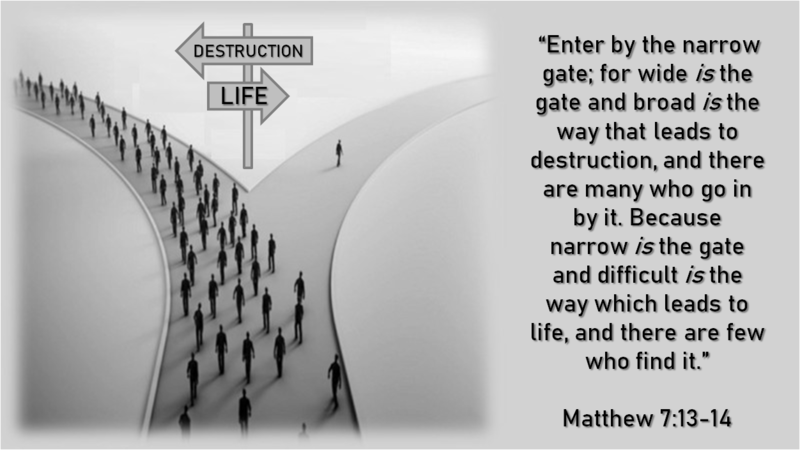
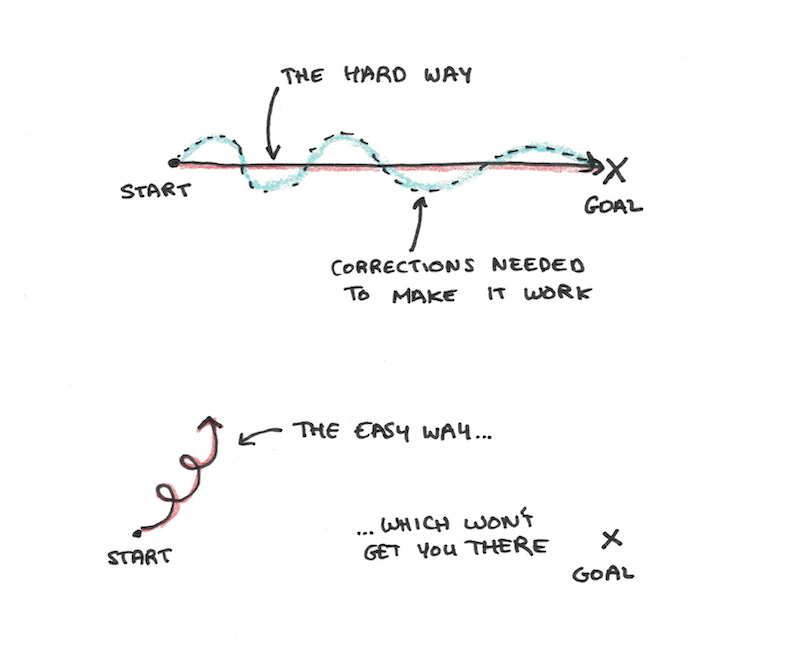




 Loving God, Living God, Loving Hope, Living Hope, Loving Living Life His Way! "Many things are possible for the person who has hope. Even more is possible for the person who has faith. And still more is possible for the person who knows how to love. But everything is possible for the person who practices all three virtues." - Brother Lawrence (1605-1691), Practicing the Presence of God (1692).