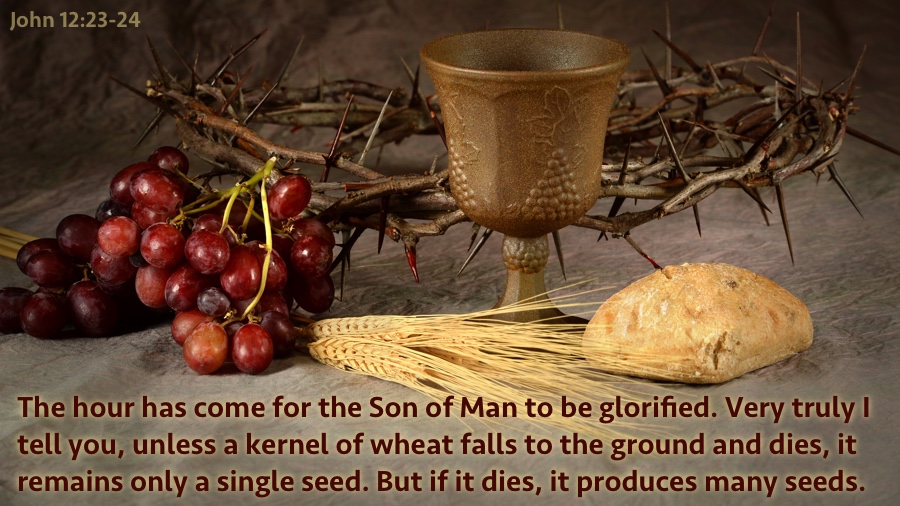
Romans 15:4 "For whatever was written in earlier times was written for our instruction, so that through perseverance and the encouragement of the Scriptures we might have hope."
5 Trust in Adonai with all your heart; do not rely on your own understanding. 6 In all your ways acknowledge him; then he will level your paths.
7 Don’t be conceited about your own wisdom; but fear Adonai, and turn from evil. 8 This will bring health to your body and give strength to your bones.
The Word of God for the Children of God.
Glory be to the Father, and to the Son, and to the Holy Ghost; as it was in the beginning, is now, and ever shall be, world without end. Amen, amen.
By these timeless words of Scripture, God invites each of us to implicitly trust in him, to be still, surrender our worries, doubts, and fears into his capable hands.
On our parts, this involves our sacrifice, our conscious choice to rely on God’s wisdom and guidance rather than leaning on our own limited understanding.
In a world filled to overflowing with uncertainty, we will wander around, we stumble everywhere, can we find solace in the unchanging character of God?
Based on the measure and degrees of his own personal experience, intrigue, Solomon’s response is ultimately clear: the Lord is faithful, steadfast, and true.
Our being more aware of his presence, He will fulfill every promise he has made.
From within that raised awareness of his presence, when we place our trust in the Lord, we will be tapping into the wellspring of his grace, strength, peace.
Trusting God doesn’t mean that we will never face challenges or hardships.
But it does mean that we can confidently face hard times, knowing that God is with us, working all things together for our good. We can rest in the blessed assurance that Almighty God is in control and that his plans for us are perfect.
Trusting God requires humility—a recognition his ways are higher than ours.
It involves sacrificing, surrendering our understanding of our wisdom, our need for self control, reshaping our thoughts, embracing HIS divine wisdom, timing.
Day to day, as we submit the fullness of our lives unto the Lord, he directs our paths, leading, guiding, directing us, on a journey of purpose and fulfillment.
Let’s trust God with all our heart. In every circumstance, may we lean on his understanding and submit to his will. As we do trust God, we experience his faithfulness, and our lives become that testimony to his goodness and grace.
In the name of God the Father and God the Son and God the Holy Spirit,
Let us Pray,
Psalm 23 Complete Jewish Bible
23 (0) A psalm of David:
(1) Adonai is my shepherd; I lack nothing. 2 He has me lie down in grassy pastures, he leads me by quiet water, 3 he restores my inner person. He guides me in right paths for the sake of his own name. 4 Even if I pass through death-dark ravines, I will fear no disaster; for you are with me; your rod and staff reassure me.
5 You prepare a table for me, even as my enemies watch; you anoint my head with oil from an overflowing cup.
6 Goodness and grace will pursue me every day of my life; and I will live in the house of Adonai for years and years to come.
Glory be to the Father, and to the Son, and to the Holy Ghost; as it was in the beginning, is now, and ever shall be, world without end. Amen, amen.
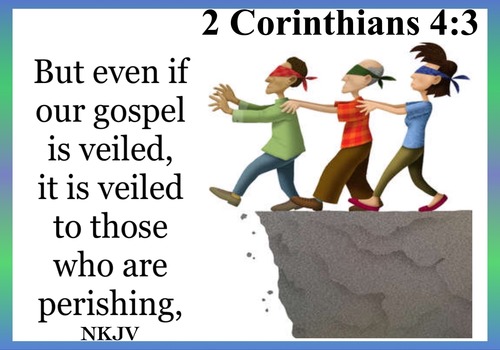
22 Immediately He [a]made the disciples get into the boat and go ahead of Him to the other side, while He sent the crowds away. 23 After He had sent the crowds away, He went up on the mountain by Himself to pray; and when it was evening, He was there alone. 24 But the boat was already [b]a long distance from the land, [c]battered by the waves; for the wind was [d]contrary. 25 And in the [e] fourth watch of the night He came to them, walking on the sea. 26 When the disciples saw Him walking on the sea, they were terrified, and said, “It is a ghost!” And they cried out [f]in fear. 27 But immediately Jesus spoke to them, saying, “Take courage, it is I; do not be afraid.”
28 Peter said to Him, “Lord, if it is You, command me to come to You on the water.” 29 And He said, “Come!” And Peter got out of the boat, and walked on the water and came toward Jesus. 30 But seeing the wind, he became frightened, and beginning to sink, he cried out, “Lord, save me!” 31 Immediately Jesus stretched out His hand and took hold of him, and *said to him, “You of little faith, why did you doubt?” 32 When they got into the boat, the wind stopped. 33 And those who were in the boat worshiped Him, saying, “You are certainly God’s Son!”
The Word of God for the Children of God.
Glory be to the Father, and to the Son, and to the Holy Ghost; as it was in the beginning, is now, and ever shall be, world without end. Amen, amen.

He Saw the Wind, He Saw the Waves, and He Sank
The story of Peter’s attempt to walk on water is definitely one of my favorites.
Along with all the other disciples, Peter first fears the ghostly figure looming in the night, through the rain storm and walking on the waves toward their boat.
When Jesus reassures them that he is the one walking out there, courageously, quite impulsively Peter wants to be first to get in on a piece of the action too.
“Lord, tell me to come to you on the water,” he says. “Come,” invites Jesus.
Like a child taking his first tottering steps toward his parents, Peter gets out of the boat, against all the winds and the waves, walks toward Jesus on the water.
But when for but the briefest of moments, he gets distracted, he takes his eyes off Jesus and sees the wind and waves, the unsure Peter suddenly begins to sink.
So Jesus reaches out and catches him.
Then Jesus looks directly into his eyes and asks Peter, “Why did you doubt?”
I like this story so much because I know the same feeling of taking my eyes off Jesus and “seeing the wind,” feeling the weight of the crashing waves instead.
In the crushing weight of my doubts, when my thoughts are clearly elsewhere, I get distracted from faith so easily by my frustrations, insecurities, temptations.
In such burdened moments I can read this passage over and over again and I can relate to Peter, and thank God this story has been preserved in Scripture.
I also love how it turns out.
Jesus challenges Peter’s lack of faith, but then he lifts, helps him into the boat.
Peter gets a second chance, and he will also need more. I thank God for too the many second chances he has given me. My weakness is covered by his strength.
Leaning on His Everlasting Arms: Dealing With Doubt
Psalm 56 Complete Jewish Bible
56 (0) For the leader. Set to “The Silent Dove in the Distance.” By David; a mikhtam, when the P’lishtim captured him in Gat:
2 (1) Show me favor, God; for people are trampling me down — all day they fight and press on me. 3 (2) Those who are lying in wait for me would trample on me all day. For those fighting against me are many.
Most High, 4 (3) when I am afraid, I put my trust in you. 5 (4) In God — I praise his word — in God I trust; I have no fear; what can human power do to me? 6 (5) All day long they twist my words; their only thought is to harm me. 7 (6) They gather together and hide themselves, spying on my movements, hoping to kill me. 8 (7) Because of their crime, they cannot escape; in anger, God, strike down the peoples. 9 (8) You have kept count of my wanderings; store my tears in your water-skin — aren’t they already recorded in your book? 10 (9) Then my enemies will turn back on the day when I call; this I know: that God is for me.
11 (10) In God — I praise his word — in Adonai — I praise his word — 12 (11) in God I trust; I have no fear; what can mere humans do to me?
13 (12) God, I have made vows to you; I will fulfill them with thank offerings to you. 14 (13) For you rescued me from death, you kept my feet from stumbling, so that I can walk in God’s presence, in the light of life.
Doubt can cast a shadow on our faith, causing us to question God’s faithfulness and promises.
But in the midst of bludgeoning doubt we can find assurance by anchoring ourselves in the unwavering truth of God’s Word.
Hebrews 6:17-20 New American Standard Bible 1995
17 [a]In the same way God, desiring even more to show to the heirs of the promise the unchangeableness of His purpose, [b]interposed with an oath, 18 so that by two unchangeable things in which it is impossible for God to lie, we who have [c]taken refuge would have strong encouragement to take hold of the hope set before us. 19 [d]This hope we have as an anchor of the soul, a hope both sure and steadfast and one which enters [e]within the veil, 20 where Jesus has entered as a forerunner for us, having become a high priest forever according to the order of Melchizedek.
When doubt arises, we turn to God in prayer, pouring out our hearts honestly.
As we read in the Psalms, We express our fears, uncertainties, and questions, knowing that the Lord welcomes our honesty.
In his presence we find reassurance, comfort, and the strength to persevere.
It’s very important to for each of us to remember that doubt is not a sign of weakness but an invitation for growth and maturity in the Lord our God alone.
It presents an opportunity to seek a deeper understanding of God’s character and of his plans for our lives.
We can lift our bibles up and find a host of encouragement in the testimonies of others who have experienced God’s faithfulness in the midst of all their doubts.
As we experience doubt, we hold fast to the promises of God.
We remind ourselves of his past faithfulness and lean on his unfailing love.
We ought to be inviting God as the praying Psalmist did to reveal himself to us, to increase our faith, dispel those shadows of doubt with the light of his truth.
In the name of God, the Father and God the Son and God the Holy Spirit,
Let us Pray,
Jesus, my eyes get distracted by the wind and waves instead of seeing you. Please, Lord, help me stay focused on you alone. I need your strength always.Faithful God, when I am in doubt, guide me to trust your unwavering faithfulness. Help me to bring all my doubts to you, seeking comfort. Increase my faith. Reveal yourself in profound ways. Grant me the strength to overcome my doubts and to walk in truth.
Psalm 23 Complete Jewish Bible
23 (0) A psalm of David:
(1) Adonai is my shepherd; I lack nothing. 2 He has me lie down in grassy pastures, he leads me by quiet water, 3 he restores my inner person. He guides me in right paths for the sake of his own name. 4 Even if I pass through death-dark ravines, I will fear no disaster; for you are with me; your rod and staff reassure me.
5 You prepare a table for me, even as my enemies watch; you anoint my head with oil from an overflowing cup.
6 Goodness and grace will pursue me every day of my life; and I will live in the house of Adonai for years and years to come.
Glory be to the Father, and to the Son, and to the Holy Ghost; as it was in the beginning, is now, and ever shall be, world without end. Amen, amen.

For the choir director. A [a]Maskil of the sons of Korah.
42 As the deer [b]pants for the water brooks, So my soul [c]pants for You, O God. 2 My soul thirsts for God, for the living God; When shall I come and [d]appear before God? 3 My tears have been my food day and night, While they say to me all day long, “Where is your God?” 4 These things I remember and I pour out my soul within me. For I used to go along with the throng and [e]lead them in procession to the house of God, With the voice of joy and thanksgiving, a multitude keeping festival.
5 Why are you [f]in despair, O my soul? And why have you become disturbed within me? [g]Hope in God, for I shall [h]again praise [i]Him For the [j]help of His presence. 6 O my God, my soul is [k]in despair within me; Therefore I remember You from the land of the Jordan And the [l]peaks of Hermon, from Mount Mizar. 7 Deep calls to deep at the sound of Your waterfalls; All Your breakers and Your waves have rolled over me. 8 The Lord will command His lovingkindness in the daytime; And His song will be with me in the night, A prayer to the God of my life.
9 I will say to God my rock, “Why have You forgotten me? Why do I go mourning [m]because of the oppression of the enemy?” 10 As a shattering of my bones, my adversaries revile me, While they say to me all day long, “Where is your God?” 11 Why are you [n]in despair, O my soul? And why have you become disturbed within me? [o]Hope in God, for I shall yet praise Him, The [p]help of my countenance and my God.
The Word of God for the Children of God.
Glory be to the Father, and to the Son, and to the Holy Ghost; as it was in the beginning, is now, and ever shall be, world without end. Amen, amen.

Doesn’t Anybody Hear Me? My Soul Thirsts for God!
3 My tears have been my food day and night, While they say to me all day long, “Where is your God?”
5 Why are you [f]in despair, O my soul? And why have you become disturbed within me?
9 I will say to God my rock, “Why have You forgotten me? Why do I go mourning [m]because of the oppression of the enemy?”
10 As a shattering of my bones, my adversaries revile me, While they say to me all day long, “Where is your God?”
11 Why are you [n]in despair, O my soul? And why have you become disturbed within me?
Does anyone get the obvious gest of the Psalmists state of mind?
What is NOT happening in the Psalmists life he would not immediately if not sooner exchange it out or run away as fast as he could in any other direction?
Been there, done that, too many times to try and count?
Right there, right now – world is just a whirling and a swirling and a twirling?
If not you the reader, then someone you know, someone you love a whole lot?
Psalm 42 New King James Version
BOOK TWO
Psalms 42–72
Yearning for God in the Midst of Distresses
To the Chief Musician. A [a]Contemplation of the sons of Korah.
42 As the deer [b]pants for the water brooks, So pants my soul for You, O God. 2 My soul thirsts for God, for the living God. When shall I come and [c]appear before God? 3 My tears have been my food day and night, While they continually say to me, “Where is your God?”
4 When I remember these things, I pour out my soul within me. For I used to go with the multitude; I went with them to the house of God, With the voice of joy and praise, With a multitude that kept a pilgrim feast.
5 Why are you [d]cast down, O my soul? And why are you disquieted within me? Hope in God, for I shall yet praise Him [e]For the help of His countenance.
6 [f]O my God, my soul is cast down within me; Therefore I will remember You from the land of the Jordan, And from the heights of Hermon, From [g]the Hill Mizar. 7 Deep calls unto deep at the noise of Your waterfalls; All Your waves and billows have gone over me. 8 The Lord will command His lovingkindness in the daytime, And in the night His song shall be with me— A prayer to the God of my life.
9 I will say to God my Rock, “Why have You forgotten me? Why do I go mourning because of the oppression of the enemy?” 10 As with a [h]breaking of my bones, My enemies [i]reproach me, While they say to me all day long, “Where is your God?”
11 Why are you cast down, O my soul? And why are you disquieted within me? Hope in God; For I shall yet praise Him, The [j]help of my countenance and my God.
The author of Psalm 42 is mired in the quicksand’s of deep distress.
He is longing for God, and people around him have been taunting him, saying, “Where is your God?”
People in this world also taunt and judge us sometimes.
But we should not let that bother us, because people judge others by their own standards.
God’s standards are infinitely more important.
Isaiah 55:8-9 New King James Version
8 “For My thoughts are not your thoughts, Nor are your ways My ways,” says the Lord. 9 “For as the heavens are higher than the earth, So are My ways higher than your ways, And My thoughts than your thoughts.
The psalmist also didn’t see any sign of help from anyone and could not go to worship God in the sanctuary—and that caused him to feel forgotten by God.
It made the psalmist ache inside.
If we are not able to worship God with his people, we too can feel lonely and hurt inside.
The poet longed to be with God and to meet with God.
“As the deer pants for streams of water, so my soul pants for you, my God.”
This Psalm helps us to see that our faith can be jostled around, so badly shaken, wildly stirred up – our faith’s dizziness scale might never seem to stop raising.
Within this Psalm are many issues and concerns which have been left inside the pressure cooker for too long, might just lead us to disastrous results-giving up!
This psalm also helps us to envision that God is giving us his permission to be optimistic-possibly keep faith despite the stresses of feeling distant from God.
In God’s strength, the psalmist keeps talking to his soul, saying, “Why, my soul, are you downcast? Why so disturbed within me? Put your hope in God, for I will yet praise him, my Savior and my God” (42:5, 10; see also Psalm 43:5).
When Someone Seems to Walk Away from the Faith
Psalm 42 The Message
42 1-3 A white-tailed deer drinks from the creek; I want to drink God, deep drafts of God. I’m thirsty for God-alive. I wonder, “Will I ever make it— arrive and drink in God’s presence?” I’m on a diet of tears— tears for breakfast, tears for supper. All day long people knock at my door, Pestering, “Where is this God of yours?”
4 These are the things I go over and over, emptying out the pockets of my life. I was always at the head of the worshiping crowd, right out in front, Leading them all, eager to arrive and worship, Shouting praises, singing thanksgiving— celebrating, all of us, God’s feast!
5 Why are you down in the dumps, dear soul? Why are you crying the blues? Fix my eyes on God— soon I’ll be praising again. He puts a smile on my face. He’s my God.
6-8 When my soul is in the dumps, I rehearse everything I know of you, From Jordan depths to Hermon heights, including Mount Mizar. Chaos calls to chaos, to the tune of whitewater rapids. Your breaking surf, your thundering breakers crash and crush me. Then God promises to love me all day, sing songs all through the night! My life is God’s prayer.
9-10 Sometimes I ask God, my rock-solid God, “Why did you let me down? Why am I walking around in tears, harassed by enemies?” They’re out for the kill, these tormentors with their obscenities, Taunting day after day, “Where is this God of yours?”
11 Why are you down in the dumps, dear soul? Why are you crying the blues? Fix my eyes on God— soon I’ll be praising again. He puts a smile on my face. He’s my God.
From the very beginning, people walked away from the faith.
Even one of Jesus’ closest disciples, Judas, betrayed him for money.
The apostle Paul talks about those who have rejected truth and left the church.
In the end, the Bible tells us many will fall away, what many call the Great Apostasy.
2 Timothy 4:1-5 New American Standard Bible 1995
“Preach the Word”
4 I solemnly charge you in the presence of God and of Christ Jesus, who is to judge the living and the dead, and by His appearing and His kingdom: 2 preach the word; be ready in season and out of season; reprove, rebuke, exhort, with [a]great patience and instruction. 3 For the time will come when they will not endure sound doctrine; but wanting to have their ears tickled, they will accumulate for themselves teachers in accordance to their own desires, 4 and will turn away their ears from the truth and will turn aside to myths. 5 But you, be sober in all things, endure hardship, do the work of an evangelist, fulfill your ministry.
Part of living a life of faith is watching others fall away.
People who we felt followed Jesus with all their hearts one day reject their faith, usually after a process of compromise and doubt.
A young man I discipled in Christ once sat with me at lunch and admitted he was now an atheist.
I appealed to him in love, of course, but he made up his mind. It broke my heart.
And it should break our hearts.
But what should we do about it?
1. Ask Questions to Understand
When someone we love appears to be straying from their faith, it’s essential to engage them with compassion and understanding.
Begin by asking questions and seeking to understand their perspective and journey better.
This method not only demonstrates care and empathy but also provides an opportunity for meaningful dialogue and support.
Proverbs 20:5 states,
“The purposes of a person’s heart are deep waters, but one who has insight draws them out.”
We need to prioritize discerning individuals’ underlying motivations and struggles, especially when it comes to matters of faith.
By asking questions with genuine curiosity and openness, we can help uncover the root causes behind their doubts or struggles, paving the way for authentic conversation and connection.
Asking questions allows us to listen actively and attentively to their perspective without judgment or condemnation.
Instead of imposing our own beliefs or attempting to provide quick solutions, we create a safe space for them to express thoughts, feelings, and uncertainties openly.
Generally, someone giving up on their faith has come to the decision with some grief, great struggle, they may feel unsure or awkward sharing with someone of faith.
This approach prayerfully fosters building trust and respect in the relationship, building and edifying a foundation for deeper understanding, mutual support.
Not only does this help us engage with compassion, but the person walking away from God may not fully understand their journey yet.
Asking questions encourages self-reflection and introspection, prompting them to articulate their beliefs and values more clearly.
2. Keep Conversation Going
After asking questions to understand better, it’s crucial to maintain an ongoing conversation with those who walk away from the faith, with the goal fostering an atmosphere of openness, understanding, and support.
This approach not only demonstrates our genuine care and concern but also provides an opportunity to journey alongside them through their spiritual struggles and uncertainties.
In Galatians 6:1-2, the apostle Paul exhorts believers,
“Brothers and sisters, if someone is caught in a sin, you who live by the Spirit should restore that person gently. But watch yourselves, or you also may be tempted. Carry each other’s burdens, and in this way, you will fulfill the law of Christ.”
The principle here can apply to entering into their picture, walking alongside our loved ones in their times of spiritual struggle, offering gentle and careful support as they try to sort out how they can again navigate their faith journey.
Many who begin to fall away from the faith may fear losing relationships with family or close friends. Being willing to keep that conversation going assures people we aren’t ending associations or relationships.
Keeping the conversation going involves creating a safe and non-judgmental space for them to express the weight of their doubts, questions, and concerns openly, knowing that they are being heard and they are likewise being valued.
In addition, continuing the conversation allows us to demonstrate our own unconditional love and acceptance, regardless of spiritual beliefs or choices.
This continued conversation provides an opportunity to share our own faith journey and experiences, offering a perspective of hope and encouragement.
3. As much as possible, Stay Involved in Their Lives
Along with keeping the conversation going, we must continue to be active in their life, attending events and always willing to offer support in major areas.
In Hebrews 10:24-25, believers are urged,
“And let us consider how we may spur one another on toward love and good deeds, not giving up meeting together, as some are in the habit of doing, but encouraging one another—and all the more as you see the Day approaching.”
By staying involved, we can continue to spur them on toward love and good deeds, offering encouragement and support along the way.
Staying involved in their lives entails remaining present and attentive to their needs, concerns, and experiences.
It involves actively participating in their day-to-day activities, celebrations, and challenges, demonstrating our commitment to walking alongside them through every season of life.
There may be times and decisions we can’t support or attend, but there will be several other opportunities to show we love them.
By investing time and energy in building and nurturing our relationship, we can work to create a safe and supportive environment for them to open up, to share their doubts, questions, and struggles openly.
Staying involved also provides an opportunity to model Christ-like love and compassion in action.
Through completely random acts of kindness, service, and generosity, we can demonstrate the transformative power of the gospel in our lives, inspiring our loved ones to one day re-think, reconsider their faith and draw closer to God.
4. Continue to Invite Them into Your Life
As we stay involved in their lives, we also need to keep inviting them into ours, demonstrating hospitality and acceptance.
In 1 Peter 4:9, believers are encouraged,
“Offer hospitality to one another without grumbling.”
If these are people we genuinely and authentically love, we should demonstrate God’s brand of hospitality and extend God’s brand of kindness and His brand of generosity to them, even if we don’t have even share the same spiritual beliefs.
By inviting them into our lives, we create a welcoming space for them to feel loved, valued, and accepted.
This entails extending invitations to spend time together, share meals, and engage in meaningful conversations.
It involves demonstrating genuine interest and care in their well-being, making them feel included and they are cherished as part of our community and family.
Showing hospitality allows us to cultivate deeper connections and relationships with our loved ones, fostering trust, openness, vulnerability in the relationship.
Furthermore, showing hospitality provides an opportunity to model Christ-like love and compassion in action.
Through random acts of kindness, service, and generosity, we exemplify the transformative power of the gospel in our lives, inspiring our loved ones to re-think and one day reconsider their faith and draw closer to God.
Also, as we keep inviting them to events important to us, our church activities are one of many.
Remember, we can invite them, but that doesn’t ensure they will respond or attend.
However, others may walk away from the faith; we should show love even if they never come back to God.
This hospitality demonstrates our commitment to Christ-like love, as encouraged in 1 Peter 4:9.
1 Peter 4:9-11 The Message
7-11 Everything in the world is about to be wrapped up, so take nothing for granted. Stay wide-awake in prayer. Most of all, love each other as if your life depended on it. Love makes up for practically anything. Be quick to give a meal to the hungry, a bed to the homeless—cheerfully. Be generous with the different things God gave you, passing them around so all get in on it: if words, let it be God’s words; if help, let it be God’s hearty help. That way, God’s bright presence will be evident in everything through Jesus, and he’ll get all the credit as the One mighty in everything—encores to the end of time. Oh, yes!
5. Keep Speaking Truth in Love
Through the previous actions—asking questions, keeping the conversation going, and continuing to be involved in various aspects of life—we will have the trust and relational capital to share truth in love.
In Ephesians 4:15, believers are urged to
“Speak the truth in love.”
The idea isn’t simply to share a Bible verse but to share truth in love.
Love means desiring the best for a person, even at our own expense.
Because we are spiritual beings with an eternal destiny, the greatest love shares truth for eternal good.
Christ revealed this type of love, sacrificing and humbling himself to share the eternal gospel of the Kingdom of God.
We communicate with honesty, sincerity, and compassion, especially when it comes to matters of faith.
By speaking truth in love, we can offer prayerful gentle correction, guidance, and encouragement to our loved ones, helping them navigate their spiritual journey with wisdom and discernment.
We also don’t randomly share verses.
Since we continue having relationships, our conversations, including faith, will be relevant, relatable, and accessible to our loved ones.
With established open conversation, we encourage addressing doubts, questions and struggles with grace.
Additionally, our conversations allow us to confront misconceptions, misunderstandings, falsehoods that may lead our loved ones astray from faith.
Gently guiding them back to the foundational truths of the Bible, we help them rediscover the hope, peace, and joy that come from a vibrant relationship with Christ.
6. Pray Regularly, Pray Ceaselessly
None of this works without prayer.
We must commit to praying regularly for those who have fallen away from the faith, seeking God’s guidance, comfort, and intervention in their lives.
This demonstrates our dependence on God’s power and sovereignty to do his work and acknowledges our loved one’s need for His divine intervention and transformation.
In James 5:16, believers are encouraged,
“Therefore confess your sins to each other and pray for each other so that you may be healed. The prayer of a righteous person is powerful and effective.”
This biblical exhortation emphasizes the significance of prayer in believers’ lives and underscores the transformative impact of intercession on the spiritual well-being of others.
The verse includes a specific type of person whose prayers are effective—a righteous person.
Our actions and lives must reflect faith, this integrity gives our prayers power.
Praying regularly for our loved ones entails lifting them up before the throne of grace and interceding on their behalf with fervency and perseverance.
It involves an ongoing pouring out of our hearts to God and expressing our concerns, hopes, and our desires for their spiritual restoration and renewal.
Moreover, regular prayer allows us to align our hearts and minds with God’s will, seeking His wisdom, discernment, and guidance in how best to support and encourage our loved ones in their faith journey.
By surrendering our concerns and burdens to God in prayer, we acknowledge he is the one who saves and trusts his perfect timing and plan for their lives.
From the very beginning, people walked away from the faith. Even one of Jesus’ closest disciples, Judas, betrayed him for money. The apostle Paul talks about those who have rejected truth and left the church. In the end, the Bible tells us many will fall away, what many call the Great Apostasy.
Part of living a life of faith is watching others fall away. People who we felt followed Jesus with all their hearts one day reject their faith, usually after a process of compromise and doubt.
A young man I discipled in Christ once sat with me at lunch and admitted he was now an atheist. I appealed to him in love, of course, but he had made up his mind. It broke my heart.
And it should break our hearts. But what should we do about it?
Here are seven things to do when someone you love seems to walk away from the faith.
Photo Credit: @Pexels/Ankit Sihag
1. Ask Questions to Understand
When someone we love appears to be straying from their faith, it’s essential to engage them with compassion and understanding. Begin by asking questions and seeking to understand their perspective and journey better. This method not only demonstrates care and empathy but also provides an opportunity for meaningful dialogue and support. Proverbs 20:5 states,
“The purposes of a person’s heart are deep waters, but one who has insight draws them out.”
We need to prioritize discerning individuals’ underlying motivations and struggles, especially when it comes to matters of faith. By asking questions with genuine curiosity and openness, we can help uncover the root causes behind their doubts or struggles, paving the way for authentic conversation and connection.
Asking questions allows us to listen actively and attentively to their perspective without judgment or condemnation. Instead of imposing our own beliefs or attempting to provide quick solutions, we create a safe space for them to express their thoughts, feelings, and uncertainties openly. Generally, someone giving up on their faith has come to the decision with some grief and great struggle, and they may feel unsure or awkward sharing with someone of faith. This approach fosters trust and respect in the relationship, building a foundation for deeper understanding and support.
Not only does this help us engage with compassion, but the person walking away from God may not fully understand their journey yet. Asking questions encourages self-reflection and introspection, prompting them to articulate their beliefs and values more clearly.
After asking questions to understand better, it’s crucial to maintain an ongoing conversation with those who walk away from the faith, fostering an atmosphere of openness, understanding, and support. This approach not only demonstrates our genuine care and concern but also provides an opportunity to journey alongside them through their spiritual struggles and uncertainties. In Galatians 6:1-2, the apostle Paul exhorts believers,
“Brothers and sisters, if someone is caught in a sin, you who live by the Spirit should restore that person gently. But watch yourselves, or you also may be tempted. Carry each other’s burdens, and in this way, you will fulfill the law of Christ.”
The principle here can apply to walking alongside our loved ones in their times of spiritual struggle, offering gentle and careful support as they navigate their faith journey.
Many who begin to fall away from the faith may fear losing relationships with family or close friends. Being willing to keep the conversation going assures people we aren’t ending associations or relationships.
Keeping the conversation going involves creating a safe and non-judgmental space for them to express their doubts, questions, and concerns openly, knowing that they are heard and valued.
In addition, continuing the conversation allows us to demonstrate our unconditional love and acceptance, regardless of their spiritual beliefs or choices. This continued conversation provides an opportunity to share our own faith journey and experiences, offering a perspective of hope and encouragement.
Along with keeping the conversation going, we must continue to be active in their life, attending events and willing to offer support in major areas. In Hebrews 10:24-25, believers are urged,
“And let us consider how we may spur one another on toward love and good deeds, not giving up meeting together, as some are in the habit of doing, but encouraging one another—and all the more as you see the Day approaching.”
By staying involved, we can continue to spur them on toward love and good deeds, offering encouragement and support along the way. Staying involved in their lives entails remaining present and attentive to their needs, concerns, and experiences. It involves actively participating in their day-to-day activities, celebrations, and challenges, demonstrating our commitment to walking alongside them through every season of life. There may be times and decisions we can’t support or attend, but there will be several other opportunities to show we love them. By investing time and energy in building and nurturing our relationship, we create a safe and supportive environment for them to share their doubts, questions, and struggles openly.
Staying involved also provides an opportunity to model Christ-like love and compassion in action. Through acts of kindness, service, and generosity, we can demonstrate the transformative power of the gospel in our lives, inspiring our loved ones to reconsider their faith and draw closer to God.
As we stay involved in their lives, we also need to keep inviting them into ours, demonstrating hospitality and acceptance. In 1 Peter 4:9, believers are encouraged,
“Offer hospitality to one another without grumbling.”
If these are people we love, we should demonstrate hospitality and extend kindness and generosity to them, even if we don’t have the same spiritual beliefs. By inviting them into our lives, we create a welcoming space for them to feel loved, valued, and accepted. This entails extending invitations to spend time together, share meals, and engage in meaningful conversations. It involves demonstrating genuine interest and care in their well-being, making them feel included and cherished as part of our community and family.
Showing hospitality allows us to cultivate deeper connections and relationships with our loved ones, fostering trust, openness, and vulnerability in the relationship. Furthermore, showing hospitality provides an opportunity to model Christ-like love and compassion in action. Through acts of kindness, service, and generosity, we exemplify the transformative power of the gospel in our lives, inspiring our loved ones to reconsider their faith and draw closer to God. Also, as we keep inviting them to events important to us, our church activities are one of many.
Remember, we can invite them, but that doesn’t ensure they will respond or attend. However, others may walk away from the faith; we should show love even if they never come back to God. This hospitality demonstrates our commitment to Christ-like love, as encouraged in 1 Peter 4:9.
Through the previous actions—asking questions, keeping the conversation going, and continuing to be involved in various aspects of life—we will have the trust and relational capital to share truth in love. In Ephesians 4:15, believers are urged to
“Speak the truth in love.”
The idea isn’t simply to share a Bible verse but to share truth in love. Love means desiring the best for a person, even at our own expense. Because we are spiritual beings with an eternal destiny, the greatest love shares truth for eternal good. Christ revealed this type of love, sacrificing and humbling himself to share the eternal gospel of the Kingdom of God. We communicate with honesty, sincerity, and compassion, especially when it comes to matters of faith. By speaking truth in love, we can offer gentle correction, guidance, and encouragement to our loved ones, helping them navigate their spiritual journey with wisdom and discernment.
We also don’t randomly share verses. Since we continue having relationships, our conversations, including faith, will be relevant, relatable, and accessible to our loved ones. With established open conversation, we encourage addressing doubts, questions and struggles with grace. Additionally, our conversations allow us to confront misconceptions, misunderstandings, and falsehoods that may lead our loved ones astray from faith. Gently guiding them back to the foundational truths of the Bible, we help them rediscover the hope, peace, and joy that come from a vibrant relationship with Christ.
None of this works without prayer. We must commit to praying regularly for those who have fallen away from the faith, seeking God’s guidance, comfort, and intervention in their lives. This demonstrates our dependence on God’s power and sovereignty to do his work and acknowledges our loved one’s need for divine intervention and transformation. In James 5:16, believers are encouraged,
“Therefore confess your sins to each other and pray for each other so that you may be healed. The prayer of a righteous person is powerful and effective.”
This biblical exhortation emphasizes the significance of prayer in believers’ lives and underscores the transformative impact of intercession on the spiritual well-being of others. The verse includes a specific type of person whose prayers are effective—a righteous person. Our actions and lives must reflect faith, and this integrity gives our prayers power.
Praying regularly for our loved ones entails lifting them up before the throne of grace and interceding on their behalf with fervency and perseverance. It involves pouring out our hearts to God and expressing our concerns, hopes, and desires for their spiritual restoration and renewal.
Moreover, regular prayer allows us to align our hearts and minds with God’s will, seeking His wisdom, discernment, and guidance in how best to support and encourage our loved ones in their faith journey. By surrendering our concerns and burdens to God in prayer, we acknowledge he is the one who saves and trusts his perfect timing and plan for their lives.
Paul, when describing the divine love of God, finishes with love, hopes, and believes all things (1 Corinthians 13).
There is still hope in God.
Romans 15:1-6 New American Standard Bible 1995
Self-denial on Behalf of Others
15 Now we who are strong ought to bear the weaknesses of those without strength and not just please ourselves. 2 Each of us is to please his neighbor [a] for his good, to his edification. 3 For even Christ did not please Himself; but as it is written, “The reproaches of those who reproached You fell on Me.” 4 For whatever was written in earlier times was written for our instruction, so that through perseverance and the encouragement of the Scriptures we might have hope. 5 Now may the God [b]who gives perseverance and encouragement grant you to be of the same mind with one another according to Christ Jesus, 6 so that with one accord you may with one [c] voice glorify the God and Father of our Lord Jesus Christ.
It’s essential not to give up hope on people but instead to persistently extend invitations and offer resources that may help reignite their spiritual journey.
This approach demonstrates our unwavering commitment to their well-being and also acknowledges the transformative power of community and spiritual guidance.
In Hebrews 10:24-25, believers are encouraged,
“And let us consider how we may spur one another on toward love and good deeds, not giving up meeting together, as some are in the habit of doing, but encouraging one another—and all the more as you see the Day approaching.”
Through maintaining fellowship and community, especially in times of spiritual struggle, we continue to engage and create opportunities to show and share the love of Christ.
As time goes on, it becomes easy to give up on a person on a destructive path.
However, God doesn’t give up on us, even when we continue in our rebellion.
Remember the story of the Prodigal Son?
The younger son technically wished his father (God) dead and wanted his inheritance now. As final as that seemed, the father in the story was waiting at the window, expectantly, for the son to return. There’s always hope with God.
Through our relationship with them, we can exhibit this continual hope in God’s work and love. We can only accomplish this through his power and Spirit.
We have all walked away from the Father at some point or another; each of us rebels against God and is deserving of wrath and rejection.
However, God is love; in that abundant love, he bestowed mercy and grace upon us, reaching out to us and saving us by his power.
Lamentations 3:19-23 New American Standard Bible 1995
Hope of Relief in God’s Mercy
19 Remember my affliction and my [a]wandering, the wormwood and bitterness. 20 Surely my soul remembers And is bowed down within me. 21 This I recall to my mind, Therefore I have hope. 22 The Lord’s lovingkindnesses [b]indeed never cease, For His compassions never fail. 23 They are new every morning; Great is Your faithfulness.
We couldn’t save ourselves; neither can we save anyone else.
Salvation belongs to God alone.
Repentance and faith are both spoken of as gifts in the Bible (2 Timothy 2:25; Ephesians 2:8-9), granted by the Father.
Let us pray for those we love, God will grant them the gifts of repentance and faith, and when they return, we will receive them back as sons and daughters once again.
It may take awhile to feel close to God again, especially if we cannot worship God with his people.
But God is always with us, watching over us. Our souls are in his hands. Our own destiny is safe in his care. Like the psalmist, we can keep reminding ourselves of these good truths in faith. We can praise the Lord, for he is our Savior and God.
In the name of God, the Father and God the Son and God the Holy Spirit,
Let us Pray,
Psalm 23 New American Standard Bible 1995
The Lord, the Psalmist’s Shepherd.
A Psalm of David.
23 The Lord is my shepherd, I [a]shall not want. 2 He makes me lie down in green pastures; He leads me beside [b]quiet waters. 3 He restores my soul; He guides me in the [c]paths of righteousness For His name’s sake.
4 Even though I walk through the [d]valley of the shadow of death, I fear no [e]evil, for You are with me; Your rod and Your staff, they comfort me. 5 You prepare a table before me in the presence of my enemies; You [f]have anointed my head with oil; My cup overflows. 6 [g]Surely goodness and lovingkindness will follow me all the days of my life, And I will [h]dwell in the house of the Lord [i]forever.
Glory be to the Father, and to the Son, and to the Holy Ghost; as it was in the beginning, is now, and ever shall be, world without end. Amen, amen.

1 Timothy 6:11-16 New American Standard Bible 1995
11 But flee from these things, you man of God, and pursue righteousness, godliness, faith, love, [a]perseverance and gentleness. 12 Fight the good fight of faith; take hold of the eternal life to which you were called, and you made the good confession in the presence of many witnesses. 13 I charge you in the presence of God, who [b]gives life to all things, and of Christ Jesus, who testified the good confession before Pontius Pilate, 14 that you keep the commandment without stain or reproach until the appearing of our Lord Jesus Christ, 15 which He will [c]bring about at the proper time—He who is the blessed and only Sovereign, the King of [d]kings and Lord of [e]lords, 16 who alone possesses immortality and dwells in unapproachable light, whom no man has seen or can see. To Him be honor and eternal dominion! Amen.
The Word of God for the Children of God.
Glory be to the Father, and to the Son, and to the Holy Ghost; as it was in the beginning, is now, and ever shall be, world without end. Amen, amen.
When God made the world He created humanity, and first created a man He named Adam.
Then He made a woman that Adam named Eve.
God intended for men and women to be different, and to play different roles in the world.
After the fall, men and women both became capable of sin, and both had to strive to be more righteous, as God intended before sin entered the world.
A man who pursues that righteousness, and strives to live for the Lord, is sometimes called a man of God.
It can be difficult to define what that kind of man looks like, but the Bible provides insights into how a man can conform to the image of God, and help others identify them.
Some of the traits of a man of God include faith, a consistent relationship with God, patience, and temperance, among other things. (Galatians 5:19-23)
19 Now the deeds of the flesh are evident, which are: [a]immorality, impurity, sensuality, 20 idolatry, sorcery, enmities, strife, jealousy, outbursts of anger, disputes, dissensions, [b]factions, 21 envying, drunkenness, carousing, and things like these, of which I forewarn you, just as I have forewarned you, that those who practice such things will not inherit the kingdom of God. 22 But the fruit of the Spirit is love, joy, peace, patience, kindness, goodness, faithfulness, 23 gentleness, self-control; against such things there is no law.
What Is a “Man of God”?
A man of God is not one stereotype of a man.
It is not a scholar who has memorized all the Scriptures.
It is not a man who can lift very heavy objects and fight back any enemy at the gate-more powerful than a locomotive, with no effort able to leap tall buildings.
Instead, it is a consistent public and private display of his character which the Bible highlights, attempting to avoid the above mentioned temptation and sin.
A man of God values the things of Heaven over the things of the flesh.
He will not be perfect until he is with the Lord in heaven above, but he makes his personal relationship with the Savior the very first priority in his life.
He loves justice, wisdom, and discretion.
He is also not a hypocrite like the Pharisees who, “clean the outside of the cup and the plate, but inside they are full of greed and self-indulgence” (Matthew 23:27b). He does not just exhibit good behavior, surrenders himself before God and pursues a clean conscience, pursuing a real relationship with Jesus Christ.
Psalm 139:23-24 New American Standard Bible 1995
23 Search me, O God, and know my heart; Try me and know my anxious thoughts; 24 And see if there be any [a]hurtful way in me, And lead me in the everlasting way.
In many ways, a man of God is someone who strives to live by the following verses from Proverbs 3:5-8,
5 Trust in the Lord with all your heart And do not lean on your own understanding. 6 In all your ways acknowledge Him, And He will make your paths straight. 7 Do not be wise in your own eyes; Fear the Lord and turn away from evil. 8 It will be healing to your [a]body And refreshment to your bones.
Bible Verses about Being a Man of God
There are many verses that outline the character traits that God wants both men and women – as well as just men – to possess or strive to exhibit.
These verses include:
1 Timothy 6:11 “But as for you, O man of God, flee these things. Pursue righteousness, godliness, faith, love, steadfastness, gentleness.”
1 Corinthians 16:13 “Be watchful, stand firm in the faith, act like men, be strong.”
Romans 12:2“Do not be conformed to this world, but be transformed by the renewal of your mind, that by testing you may discern what is the will of God, what is good and acceptable and perfect.”
Proverbs 1:7“The fear of the Lord is the beginning of knowledge; fools despise wisdom and instruction.”
Micah 6:8“He has told you, O man, what is good; and what does the Lord require of you but to do justice, and to love kindness, and to walk humbly with your God?”
Psalm 2:2-4“‘I am about to go the way of all the earth. Be strong, and show yourself a man, and keep the charge of the Lord your God, walking in his ways and keeping his statutes, his commandments, his rules, and his testimonies, as it is written in the Law of Moses, that you may prosper in all that you do and wherever you turn, that the Lord may establish his word that he spoke concerning me, saying, ‘If your sons pay close attention to their way, to walk before me in faithfulness with all their heart and with all their soul, you shall not lack a man on the throne of Israel.’”
Ephesians 5:25-28“Husbands, love your wives, as Christ loved the church and gave himself up for her, that he might sanctify her, having cleansed her by the washing of water with the word, so that he might present the church to himself in splendor, without spot or wrinkle or any such thing, that she might be holy and without blemish. In the same way husbands should love their wives as their own bodies. He who loves his wife loves himself.”
Who Were Some Men of God in the Bible?
It becomes clear through a diligent study of the Bible that an important part of what it means to be a man of God is pursuing righteousness, being familiar with God’s Word, being kind to others, knowing when, how to exert one’s strength, and being willing to worship God and sacrifice the same way the Lord Jesus did.
There are many examples of godly men in the Scriptures.
Men identified as men of God include:
King David: Literally called a man after God’s own heart.
He trusted the Lord as a shepherd, as a man fleeing a king’s wrath, and as a king himself. He was not close to perfect, and succumbed to lust with Bathsheba, but repented (Psalm 51). He loved God, wrote many Psalms about that relationship.
Abraham: The father of the Jewish nation, his faith in God was so great he was willing to obey God’s command to sacrifice his son, believing that God could bring Isaac back from the dead. He followed God from his homeland to another.
There were points in his life where his faith definitely lapsed and he acted out of fear, but he always tried to put his relationship with God above all else. He also advocated for his relatives with God, and humbly asked God to spare Sodom and Gomorrah for the sake of just a few righteous, willing to see mercy extended.
Nehemiah: A Hebrew in exile who had high authority in Babylon, and he trusted God to leave the comfort of his post and go back to Jerusalem to rebuild the wall.
He rebuilt the walls, defended the borders of his city while maintaining a godly character that served to testify to God’s truest glory to the people around him.
He demonstrated leadership, sacrifice, wisdom, tactical skills, and wisdom.
Boaz: Certain men played roles in God’s plan that foreshadowed the role Christ would play for all of humanity.
Boaz served as a kinsman redeemer for Ruth, redeeming her and her deceased husband’s family from poverty.
Despite having a Gentile mother, he was known as a godly man who deeply loved the Lord. He was sacrificial, kind to people who were of lesser status than him in society, loved one woman, and displayed great generosity.
Noah – the only righteous man – steadfast and immovable, obedient to God,
Moses – the great leader, intercessor, law giver,
Joshua (Joshua 1:1-9, 24:15)
Job – Prayed for his children everyday. Refused to Curse God even when his whole world quite literally, quite suddenly, unexpected, collapsed around him.
Jesus: Called the Last Adam, Jesus lived the life intended for Adam, but without sin. The Lord came in the body of a man, clothing His divine nature in flesh.
He obeyed his earthly parents, worked hard as a carpenter, learned the Scriptures, and perfectly sacrificed, submitted self to the will of the Father.
In many ways, He is a model for manhood.
He displayed perfect righteousness, something every man should strive for, even if they fail.
How Can I Grow into More of a Man of God?
Becoming more of a man of God involves becoming Christ-like in character.
It is not something that can happen by force of will, but by the influence of the Holy Spirit.
Prayer is the first step to growing into the person God intended.
Studying the Gospels and modelling Christ is also important.
Learning from the men of God in the Bible, from their successes and failures, is also a part of that journey.
Another way men grow in their character and their faith is through fellowship, being discipled and discipling one another.
Studying verses about good character and asking God to help grow those is another way.
The fruits of the Spirit are foundational to building a character like the Lord has;
“But the fruit of the Spirit is love, joy, peace, patience, kindness, goodness, faithfulness, gentleness, self-control; against such things there is no law” (Galatians 5:22-23).
Ultimately, it will require a daily walk with the Lord and getting to know Him personally to experience the lifetime journey toward becoming a Man of God.
1 Timothy 6:11-12 New American Standard Bible 1995
11 But flee from these things, you man of God, and pursue righteousness, godliness, faith, love, [a]perseverance and gentleness. 12 Fight the good fight of faith; take hold of the eternal life to which you were called, and you made the good confession in the presence of many witnesses.
Paul is giving this encouragement to Timothy about what he should pursue.
Six things: Righteousness, godliness, faith, love, endurance, and gentleness.
That’s a lot to think about.
In fact, these in themselves can truly keep one busy. But I can’t help but think that is the purpose.
To keep ourselves focused on Him.
Then verse 12 seems to stick out even more.
He said, “Fight the good fight of faith.” “Take hold of the eternal life.”
We’ve all heard people say “This is the life.” when referencing something they are truly enjoying. Meaning, they are truly taking hold of that moment.
The true question is, are we doing that with the eternal life He has given us?
Take some time today and reflect on your everyday life.
Are you pursuing these things given to us?
Are you fighting the good fight?
Are you taking hold of the life He has given us?
Let this be a focus in your time of meditation throughout the day.
Until next time, Shalom.
In the name of God, the Father and God the Son and God the Holy Spirit,
Let us Pray,
Holy Father,
Thank you for the life you have given me. As the Bible says, “you formed me in my mother’s womb,” making me the man I am today. Thank you for loving me enough to die for me on the cross, and that I will share in Your resurrection. I pray that you will take my life and use it for Your glory, for the expansion of Your Kingdom, and as the man You created me to be. Lord, take my life and guide it. Help me to pursue You sincerely and fully. You gave me life and salvation, so help me use that life to make a difference for eternity. Whether that is as a husband or a single man, as a father or a mentor, however You want to use me, I pray that my life will only glorify Your name.
Psalm 16 New American Standard Bible 1995
The Lord the Psalmist’s Portion in Life and Deliverer in Death.
16 Preserve me, O God, for I take refuge in You. 2 [b]I said to the Lord, “You are [c]my Lord; I have no good besides You.” 3 As for the [d]saints who are in the earth, [e]They are the majestic ones in whom is all my delight. 4 The [f]sorrows of those who have [g]bartered for another god will be multiplied; I shall not pour out their drink offerings of blood, Nor will I take their names upon my lips.
5 The Lord is the portion of my inheritance and my cup; You support my lot. 6 The lines have fallen to me in pleasant places; Indeed, my heritage is beautiful to me.
7 I will bless the Lord who has counseled me; Indeed, my [h]mind instructs me in the night. 8 I have set the Lord continually before me; Because He is at my right hand, I will not be shaken. 9 Therefore my heart is glad and my glory rejoices; My flesh also will dwell securely. 10 For You will not abandon my soul to [i]Sheol; Nor will You [j]allow Your [k]Holy One to [l]undergo decay. 11 You will make known to me the path of life; In Your presence is fullness of joy; In Your right hand there are pleasures forever.
Glory be to the Father, and to the Son, and to the Holy Ghost; as it was in the beginning, is now, and ever shall be, world without end. Amen, amen.
1 Chronicles 16:8-11 New American Standard Bible 1995
Psalm of Thanksgiving
8 Oh give thanks to the Lord, call upon His name; Make known His deeds among the peoples. 9 Sing to Him, sing praises to Him; [a]Speak of all His [b]wonders. 10 [c]Glory in His holy name; Let the heart of those who seek the Lord be glad. 11 Seek the Lord and His strength; Seek His face continually.
The Word of God for the Children of God.
Glory be to the Father, and to the Son, and to the Holy Ghost; as it was in the beginning, is now, and ever shall be, world without end. Amen, amen.
Continual Revelation
Seeking God is not meant to be a one-time event.
We’re not meant to run off the fuel of an occasional encounter with our Father’s love. Rather, seeking, finding, God’s heart is to be the foundation of all we do.
It’s to be intertwined in our thoughts, actions, and emotions.
He longs to reveal himself to us whether we’re at home, working, watching movies, in a church service, or out with friends.
Life with God is meant to be about continual revelation of his heart.
In Jeremiah 29:13-14 God says, “You will seek me and find me, when you seek me with all your heart. I will be found by you, declares the Lord.”
God longs to be found by us.
He longs for us to seek out a revelation of his invisible nature, unconditional love, and abounding grace.
He longs for us to taste and see that he is good (Psalm 34:8).
Psalm 34:8-14 New American Standard Bible 1995
8 O taste and see that the Lord is good; How blessed is the man who takes refuge in Him! 9 O fear the Lord, you His saints; For to those who fear Him there is no want. 10 The young lions do lack and suffer hunger; But they who seek the Lord shall not be in want of any good thing. 11 Come, you children, listen to me; I will teach you the fear of the Lord. 12 Who is the man who desires life And loves length of days that he may see good? 13 Keep your tongue from evil And your lips from speaking deceit. 14 Depart from evil and do good; Seek peace and pursue it.
When you seek out God you won’t be met with nothingness.
When you seek to know the will, attributes, feelings, and reality of your heavenly Father, you will find what you seek. His presence is his promise.
We go through too much of our days apart from a revelation of God’s heart.
We suffer through insecurities, disappointments, fear, doubt, and worry as if we are continually on our own.
We take too much of our own lives into our own hands and work to feel valued, continually fight for what we feel is owed to us, we feel like quitting when we fail, and wallow in our inabilities to live life perfectly, when all the while our heavenly Father waits, beckoning us with his grace to simply ask for his heart.
All the while he longs to root and ground me in his love that isn’t based on what we do, but based on his unwavering, unchanging character.
The best news we have today is that God is continually available to us.
He’s continually ready and continually willing to pour out a love so rich, so real, and so continually powerful that everything continually changes.
He’s continually knocking on the door of our hearts, continually hoping that we will simply and continually take the time to continually open up and let him in.
Please take an extended period of time today as we will now enter into guided pray to seek a fresh revelation of God’s heart.
Begin a lifestyle of continually seeking God by giving God all you have right now: yourself.
May you be continually empowered and set free today to live in continual communion with your loving heavenly Father.
Guided Prayer:
1. Reflect on the importance of continually seeking God that he might be continually found.
“You will seek me and find me, when you seek me with all your heart. I will be found by you, declares the Lord.”Jeremiah 29:13-14
“Seek the Lord and his strength; seek his presence continually!”1 Chronicles 16:11
2. Ask God for a fresh revelation of his heart today.
Take an extended time to quiet yourself and open your heart to receive.
3. Spend some time in solitude simply being with God.
Rather than asking him questions, journal what you are discovering about God.
Write down how you feel, aspects of his character you are noticing, and what he seems to be speaking to you.
“Be still, and know that I am God.” Psalm 46:10
Sometimes simply being with God teaches us more than a thousand questions he could answer.
In being still and knowing he is God we learn the reality of his presence and the communion we have with him.
We discover his personality and learn to trust in his quiet, calm assurance.
There’s nothing as comforting as sitting with him and simply knowing that he has us. May you find continual peace and comfort in the nearness of God today.
In the name of God, the Father and God the Son and God the Holy Spirit,
Let us Pray,
Psalm 34 New American Standard Bible 1995
The Lord, a Provider and Deliverer.
A Psalm of David when he [a]feigned madness before [b]Abimelech, who drove him away and he departed.
34 I will bless the Lord at all times; His praise shall continually be in my mouth. 2 My soul will make its boast in the Lord; The humble will hear it and rejoice. 3 O magnify the Lord with me, And let us exalt His name together.
4 I sought the Lord, and He answered me, And delivered me from all my fears. 5 They looked to Him and were radiant, And their faces will never be ashamed. 6 This [c]poor man cried, and the Lord heard him And saved him out of all his troubles. 7 The angel of the Lord encamps around those who fear Him, And rescues them.
8 O taste and see that the Lord is good; How blessed is the man who takes refuge in Him! 9 O fear the Lord, you His saints; For to those who fear Him there is no want. 10 The young lions do lack and suffer hunger; But they who seek the Lord shall not be in want of any good thing. 11 Come, you children, listen to me; I will teach you the fear of the Lord. 12 Who is the man who desires life And loves length of days that he may see good? 13 Keep your tongue from evil And your lips from speaking deceit. 14 Depart from evil and do good; Seek peace and pursue it.
15 The eyes of the Lord are toward the righteous And His ears are open to their cry. 16 The face of the Lord is against evildoers, To cut off the memory of them from the earth. 17 The righteous cry, and the Lord hears And delivers them out of all their troubles. 18 The Lord is near to the brokenhearted And saves those who are [d]crushed in spirit.
19 Many are the afflictions of the righteous, But the Lord delivers him out of them all. 20 He keeps all his bones, Not one of them is broken. 21 Evil shall slay the wicked, And those who hate the righteous will be [e]condemned. 22 The Lord redeems the soul of His servants, And none of those who take refuge in Him will be [f]condemned.
Glory be to the Father, and to the Son, and to the Holy Ghost; as it was in the beginning, is now, and ever shall be, world without end. Amen, amen.

27 “Woe to you, scribes and Pharisees, hypocrites! For you are like whitewashed tombs which on the outside appear beautiful, but inside they are full of dead men’s bones and all uncleanness. 28 So you, too, outwardly appear righteous to men, but inwardly you are full of hypocrisy and lawlessness.
29 “Woe to you, scribes and Pharisees, hypocrites! For you build the tombs of the prophets and adorn the monuments of the righteous, 30 and say, ‘If we had been living in the days of our fathers, we would not have been partners with them in shedding the blood of the prophets.’ 31 So you testify against yourselves, that you are [a]sons of those who murdered the prophets.
The Word of God for the Children of God.
Glory be to the Father, and to the Son, and to the Holy Ghost; as it was in the beginning, is now, and ever shall be, world without end. Amen, amen.
Façade … a false, superficial, or artificial appearance or effect. (verse 28)
Façade … any face of a building given special architectural treatment. (verse 27)
The earliest meaning of the word Façade in English was in reference to the front portion of a building, its “face,” so to speak (and face itself is sometimes used to describe this part of a structure as well).
Somewhere along the highways of history the word façade took on a figurative sense, referring to a way of behaving or appearing that gives other people a false idea of your true feelings or situation.
This is similar to the figurative use of veneer, which originally had the simple meaning of a thin layer of wood that was used to cover something, and now may also refer to a sort of deceptive behavior that masks one’s actual feelings (as in, “he had a thin veneer of politeness”).
Honesty is more than the words we say. It’s a posture of the heart.
We weren’t made to try and be something we’re not. God never asks us to keep up appearances. He longs for us to have the real courage to be vulnerable. He longs for us to be so founded in his unconditional love that we will live honestly.
Matthew 23:24-32 The Message
23-24 “You’re hopeless, you religion scholars and Pharisees! Frauds! You keep meticulous account books, tithing on every nickel and dime you get, but on the meat of God’s Law, things like fairness and compassion and commitment—the absolute basics!—you carelessly take it or leave it. Careful bookkeeping is commendable, but the basics are required. Do you have any idea how silly you look, writing a life story that’s wrong from start to finish, nitpicking over commas and semicolons?
25-26 “You’re hopeless, you religion scholars and Pharisees! Frauds! You buff the surface of your cups and bowls so they sparkle in the sun, while the insides are maggoty with your greed and gluttony. Stupid Pharisee! Scour the insides, and then the gleaming surface will mean something.
27-28 “You’re hopeless, you religion scholars and Pharisees! Frauds! You’re like manicured grave plots, grass clipped and the flowers bright, but six feet down it’s all rotting bones and worm-eaten flesh. People look at you and think you’re saints, but beneath the skin you’re total frauds.
29-32 “You’re hopeless, you religion scholars and Pharisees! Frauds! You build granite tombs for your prophets and marble monuments for your saints. And you say that if you had lived in the days of your ancestors, no blood would have been on your hands. You protest too much! You’re cut from the same cloth as those murderers, and daily add to the death count.
The greatest testimony you and I could possibly give to honor God, to give to the Kingdom of God and our neighbor is to have the audacity to live honestly.
It takes enormous courage to be yourself.
It takes genuine security in the unconditional love of your heavenly Father to acknowledge not just your strengths and successes, but also your weaknesses and failures.
But in doing so your life will proclaim the powerful, beautiful work of God.
And in doing so you will experience the peace and joy only freedom from building a façade can produce.
A façade is “an outward appearance that is maintained to conceal a less pleasant or creditable reality.”
So often, to cover up what we know to be imperfect we devote ourselves to creating a false picture for others.
We even devote so much energy to building a façade that we try and deceive ourselves.
We muster up our pride and look only at what we’ve done well, all the while ignoring what we need help with.
As a result, we will spend all our time living a life apart from reality.
And to live apart from the reality of God, Jesus Christ and the Holy Spirit is to live far apart from the grace and love of our ever-present, wholly real Father.
Matthew 23:27-28, Jesus passionately rebukes those who try and build facades:
27 “Woe to you, [self-righteous] scribes and Pharisees, hypocrites! For you are like whitewashed tombs which look beautiful on the outside, but inside are full of dead men’s bones and everything unclean. 28 So you, also, outwardly seem to be just and upright to men, but inwardly you are full of hypocrisy and lawlessness.
God solely cares about the heart.
1 Samuel 16:6-11 New American Standard Bible 1995
6 When they entered, he looked at Eliab and thought, “Surely the Lord’s anointed is before Him.” 7 But the Lord said to Samuel, “Do not look at his appearance or at the height of his stature, because I have rejected him; for [a] God sees not as man sees, for man looks at the outward appearance, but the Lord looks at the heart.”8 Then Jesse called Abinadab and made him pass before Samuel. And he said, “The Lord has not chosen this one either.” 9 Next Jesse made [b]Shammah pass by. And he said, “The Lord has not chosen this one either.” 10 Thus Jesse made seven of his sons pass before Samuel. But Samuel said to Jesse, “The Lord has not chosen these.” 11 And Samuel said to Jesse, “Are these all the children?” And he said, “There remains yet the youngest, and behold, he is tending the sheep.” Then Samuel said to Jesse, “Send and [c]bring him; for we will not sit down until he comes here.”
He’s not worried about our perception.
He’s not worried about status or societal acceptance.
He cares about what is authentic.
He cares about what is genuine.
He cares about what is real.
He knows that any energy spent devoted to building a façade is energy you can’t devote to receiving help, healing, and grace for what’s real and important.
He knows that all your efforts to be accepted pf men aren’t of value because the opinions of others are nothing in comparison to his unconditional love for you.
And he knows that ultimately all facades will inevitably be torn down, and we will be publicly exposed, seen and known by him for who we really, truly are.
What does it mean to be whitewashed tombs?
To be whitewashed means to be cleaned so well that there is not a speck of dirt to diminish the shining brilliance of the tombs. In His example, the outside of the sepulcher tombs appears beautiful as it catches and reflects pure light. But inside they are full of rotting corpses—dead men’s bones and all uncleanness.
God longs for you, me, the church to live fully alive, fully known and fully loved.
He longs for us to live in and to live outward from a revelation of his love and grace rather than striving for affection and acceptance by building up facades.
Take time to experience his love and grace today.
Assess your heart and tear down your walls. May freedom burst forth in your life today as you proclaim the glory of God’s grace by being who you really are.
Guided Prayer:
1. Reflect on the importance of living in reality.
Allow Jesus’ words to stir up your desire to tear down any façade you’ve built up.
“Woe to you, scribes and Pharisees, hypocrites! For you are like whitewashed tombs, which outwardly appear beautiful, but within are full of dead people’s bones and all uncleanness.” Matthew 23:27
2. Where are you striving for acceptance or affection by building up facades?
Where are you portraying yourself to be something you aren’t?
Why are you doing it?
3. Ask the Holy Spirit for the courage to be yourself today.
James 5:14-18 New American Standard Bible 1995
14 Is anyone among you sick? Then he must call for the elders of the church and they are to pray over him, [a]anointing him with oil in the name of the Lord; 15 and the prayer [b]offered in faith will [c]restore the one who is sick, and the Lord will raise him up, and if he has committed sins, [d]they will be forgiven him. 16 Therefore, confess your sins to one another, and pray for one another so that you may be healed. The effective [e]prayer of a righteous man can accomplish much. 17 Elijah was a man with a nature like ours, and he prayed [f]earnestly that it would not rain, and it did not rain on the earth for three years and six months. 18 Then he prayed again, and the [g]sky [h]poured rain and the earth produced its fruit.
Psalm 103:1-5 New American Standard Bible 1995
Praise for the Lord’s Mercies.
A Psalm of David.
103 Bless the Lord, O my soul, And all that is within me, bless His holy name. 2 Bless the Lord, O my soul, And forget none of His benefits; 3 Who pardons all your iniquities, Who heals all your diseases; 4 Who redeems your life from the pit, Who crowns you with lovingkindness and compassion; 5 Who satisfies your [a]years with good things, So that your youth is renewed like the eagle.In the
Tell others of your weaknesses today.
Don’t be afraid to be yourself with all your strengths, successes, weaknesses, and failures.
May God’s grace and love empower you today as you live honestly.
May you stop devoting your energy to falsely manufactured appearances and give yourself and to God to what’s real. And in doing so may you genuinely encounter the unconditional acceptance and affection of your loving Father.
In the name of God, the Father and God the Son and God the Holy Spirit,
Let us Pray,
Psalm 8 New American Standard Bible 1995
The Lord’s Glory and Man’s Dignity.
For the choir director; on the Gittith. A Psalm of David.
8 O Lord, our Lord, How majestic is Your name in all the earth, Who have [a]displayed Your splendor above the heavens! 2 From the mouth of infants and nursing babes You have established [b]strength Because of Your adversaries, To make the enemy and the revengeful cease.
3 When I [c]consider Your heavens, the work of Your fingers, The moon and the stars, which You have [d]ordained; 4 What is man that You [e]take thought of him, And the son of man that You care for him? 5 Yet You have made him a little lower than [f]God, And You crown him with glory and majesty! 6 You make him to rule over the works of Your hands; You have put all things under his feet, 7 All sheep and oxen, And also the [g]beasts of the field, 8 The birds of the heavens and the fish of the sea, Whatever passes through the paths of the seas.
9 O Lord, our Lord, How majestic is Your name in all the earth!
Glory be to the Father, and to the Son, and to the Holy Ghost; as it was in the beginning, is now, and ever shall be, world without end. Amen, amen.

19 Pilate then took Jesus and [a]scourged Him. 2 And the soldiers twisted together a crown of thorns and put it on His head, and put a purple robe on Him; 3 and they began to come up to Him and say, “Hail, King of the Jews!” and to give Him slaps in the face. 4 Pilate came out again and *said to them, “Behold, I am bringing Him out to you so that you may know that I find no guilt in Him.” 5 Jesus then came out, wearing the crown of thorns and the purple robe. Pilate *said to them, “Behold, the Man!” 6 So when the chief priests and the officers saw Him, they cried out saying, “Crucify, crucify!” Pilate *said to them, “Take Him yourselves and crucify Him, for I find no guilt in Him.” 7 The Jews answered him, “We have a law, and by that law He ought to die because He made Himself out to be the Son of God.”
8 Therefore when Pilate heard this statement, he was even more afraid; 9 and he entered into the [b]Praetorium again and *said to Jesus, “Where are You from?” But Jesus gave him no answer. 10 So Pilate *said to Him, “You do not speak to me? Do You not know that I have authority to release You, and I have authority to crucify You?” 11 Jesus answered, “You would have no authority [c]over Me, unless it had been given you from above; for this reason he who delivered Me to you has the greater sin.” 12 As a result of this Pilate [d]made efforts to release Him, but the Jews cried out saying, “If you release this Man, you are no friend of Caesar; everyone who makes himself out to be a king [e] opposes Caesar.”
13 Therefore when Pilate heard these words, he brought Jesus out, and sat down on the judgment seat at a place called [f]The Pavement, but in [g]Hebrew, Gabbatha. 14 Now it was the day of preparation for the Passover; it was about the [h]sixth hour. And he *said to the Jews, “Behold, your King!” 15 So they cried out, “Away with Him, away with Him, crucify Him!” Pilate *said to them, “Shall I crucify your King?” The chief priests answered, “We have no king but Caesar.”
The Word of God for the Children of God.
Glory be to the Father, and to the Son, and to the Holy Ghost; as it was in the beginning, is now, and ever shall be, world without end. Amen, amen.
Whose praise will you live for?
When Christ was put on trial before Pilate, the Roman governor repeatedly declared His innocence—and yet he paired his declarations with dreadful acts against Him.
Pilate said, “I find no guilt in him”—and then handed Jesus over to be brutally flogged, a beating so intense that it sometimes caused gashes and lacerations where veins, arteries, and internal organs would be exposed.
Pilate said, “I find no guilt in him”—and then let the soldiers humiliate Jesus with a mock coronation, placing a crown of thorns upon His head, dressing Him up, and scornfully “worshiping” Him.
Pilate said, “I find no guilt in him”—but did he release Jesus?
No, he surrendered Jesus to a vicious execution squad to be killed.
There was never a more tormented individual that met Christ than Pilate.
Here was a man who possesses great authority, everyone around him is afraid, a man of great power who utterly lacked the courage to stand by his convictions.
Here was a man with great political influence, with the power of life and death in his words, of great success but who also ultimately compromised all of his authority, showing himself under the trappings of his position to be a coward.
Here was a governor who was governed on the outside by his office, his uniform and an Emperors appointment, edict, but in the inside by his own weaknesses.
We cannot be neutral nor passive or indecisive regarding who Christ is to us.
We cannot be neutral nor passive or indecisive regarding who the world is and what the world represents to us and to what the world would prefer to do to us.
Is He the Savior or is He no one?
To abstain from a decision about this, to not be accountable, to not be even minimally responsible as Pilate sought to do and be, in the presence of those crowds who wrongfully brought Christ, is to abstain from Christ altogether.
Pilate stands as a great challenge to each of us.
Matthew 16:24-27 Amplified Bible
Discipleship Is Costly
24 Then Jesus said to His disciples, “If anyone wishes to follow Me [as My disciple], he must deny himself [set aside selfish interests], and take up his cross [expressing a willingness to endure whatever may come] and follow Me [believing in Me, conforming to My example in living and, if need be, suffering or perhaps dying because of faith in Me]. 25 For whoever wishes to save his life [in this world] will [eventually] lose it [through death], but whoever loses his life [in this world] for My sake will find it [that is, life with Me for all eternity]. 26 For what will it profit a man if he gains the whole world [wealth, fame, success], but forfeits his soul? Or what will a man give in exchange for his soul? 27 For the Son of Man is going to come in the glory and majesty of His Father with His angels, and then He will repay each one in accordance with what he has done.
Mark 8:34-38 Amplified Bible
34 Jesus called the crowd together with His disciples, and said to them, “If anyone wishes to follow Me [as My disciple], he must deny himself [set aside selfish interests], and [a]take up his cross [expressing a willingness to endure whatever may come] and follow Me [believing in Me, conforming to My example in living and, if need be, suffering or perhaps dying because of faith in Me]. 35 For whoever wishes to save his life [in this world] will [eventually] lose it [through death], but whoever loses his life [in this world] for My sake and the gospel’s will save it [from the consequences of sin and separation from God]. 36 For what does it benefit a man to gain the whole world [with all its pleasures], and forfeit his soul? 37 For what will a man give in exchange for his soul and eternal life [in God’s kingdom]? 38 For whoever is ashamed [here and now] of Me and My words in this adulterous and sinful generation, the Son of Man will also be ashamed of him when He comes in the glory of His Father with the holy angels.”
Luke 9:18-26 Amplified Bible
18 Now it happened that as Jesus was praying privately, the disciples were with Him, and He asked them, “Who do the crowds say that I am?” 19 They answered, “John the Baptist, and some say, Elijah; but others, that one of the ancient prophets has come back to life.” 20 And He said to them, “But who do you say that I am?” Peter replied, “The Christ (the Messiah, the Anointed) of God!” 21 But He strictly warned and admonished them not to tell this to anyone, 22 saying, “The Son of Man must suffer many things and be rejected [as the Messiah] by the elders and chief priests and scribes (Sanhedrin, Jewish High Court), and be put to death, and on the third day be raised up [from death to life].”
23 And He was saying to them all, “If anyone wishes to follow Me [as My disciple], he must deny himself [set aside selfish interests], and take up his cross daily [expressing a willingness to endure whatever may come] and follow Me [believing in Me, conforming to My example in living and, if need be, suffering or perhaps dying because of faith in Me]. 24 For whoever wishes to save his life [in this world] will [eventually] lose it [through death], but whoever loses his life [in this world] for My sake, he is the one who will save it [from the consequences of sin and separation from God]. 25 For what does it profit a man if he gains the whole world [wealth, fame, success], and loses or forfeits himself? 26 For whoever is ashamed [here and now] of Me and My words, the Son of Man will be ashamed of him when He comes in His glory and the glory of the [heavenly] Father and of the holy angels.
Pilate’s conduct compels us to ask ourselves some very serious questions:
In what situations do I, do we, like Pilate, know the right thing to do in some way and yet fear what other people will say if I do it?
In what situations do we, the church, like Pilate, know the right thing to do in some way and yet fear more what the world will do to us, crucify us publicly for?
Are there ways in which my words or conduct or convictions are governed more by the expectations and reaction of great clouds of others, or by considerations of wealth, position, or promotion, than by God’s uncompromising commands?
Let’s not compromise on our position regarding Christ.
If we let the opinions of our colleagues, our neighbors, or our families concern us too much, we may find ourselves giving up forgiveness, peace, heaven, and Christ Himself in exchange for an easier life now. Instead, let’s be courageous.
Joshua 1:1-9 New American Standard Bible 1995
God’s Charge to Joshua
1 Now it came about after the death of Moses the servant of the Lord, that the Lord spoke to Joshua the son of Nun, Moses’ [a]servant, saying, 2 “Moses My servant is dead; now therefore arise, cross this Jordan, you and all this people, to the land which I am giving to them, to the sons of Israel. 3 Every place on which the sole of your foot treads, I have given it to you, just as I spoke to Moses. 4 From the wilderness and this Lebanon, even as far as the great river, the river Euphrates, all the land of the Hittites, and as far as the Great Sea toward the setting of the sun will be your territory. 5 No man will be able to stand before you all the days of your life. Just as I have been with Moses, I will be with you; I will not fail you or forsake you. 6 Be strong and courageous, for you shall give this people possession of the land which I swore to their fathers to give them. 7 Only be strong and very courageous; [b]be careful to do according to all the law which Moses My servant commanded you; do not turn from it to the right or to the left, so that you may [c]have success wherever you go. 8 This book of the law shall not depart from your mouth, but you shall meditate on it day and night, so that you may [d]be careful to do according to all that is written in it; for then you will make your way prosperous, and then you will [e]have success. 9 Have I not commanded you? Be strong and courageous! Do not tremble or be dismayed, for the Lord your God is with you wherever you go.”
Look again at Christ: flogged, mocked, and killed out of love for you.
Then look at those who, perhaps vociferously or perhaps politely, scoff at His truth. Who would you rather offend? Whose “well done” would you rather hear?
“the Emperor is the ONLY King that matters to us!” “crucify! crucify! crucify!
Do we even want to hear or listen to the words of Pilate: “Not guilty!”
“Not Guilty!” “I Can Find No Guilt in Him!”
That’s the true verdict on Jesus.
However, he assumed our guilt and sin on the cross so that we can be freed from them.
He lived, loved, died as a sacrifice for our sins and the sins of the whole world so that everyone who truly comes to him can be declared “not guilty” before God.
Praise God for his incredible grace, and praise Jesus for his incredible sacrifice!
Christ is continuously beckoning us to Him so we all might go out, live for Him.
1. “Are ye able,” said the Master, “to be crucified with me?” “Yea,” the sturdy dreamers answered, “to the death we follow thee.” Refrain: Lord, we are able. Our spirits are thine. Remold them, make us, like thee, divine. Thy guiding radiance above us shall be a beacon to God, to love, and loyalty.Text: Earl Marlatt, 1892-
Will you come?
and will you go?
or will you do exactly nothing?
Or will you turn your back, join the crowds, run with the cultural masses?
How long do you need to think about what actions you are going to take?
Whose love and attention do you crave more?
God, the Father God the Son God the Holy Spirit …. or something someone else?
In the name of God, the Father and God the Son and God the Holy Spirit,
Let us Pray,
Psalm 16 New American Standard Bible 1995
The Lord the Psalmist’s Portion in Life and Deliverer in Death.
16 Preserve me, O God, for I take refuge in You. 2 [b]I said to the Lord, “You are [c]my Lord; I have no good besides You.” 3 As for the [d]saints who are in the earth, [e]They are the majestic ones in whom is all my delight. 4 The [f]sorrows of those who have [g]bartered for another god will be multiplied; I shall not pour out their drink offerings of blood, Nor will I take their names upon my lips.
5 The Lord is the portion of my inheritance and my cup; You support my lot. 6 The lines have fallen to me in pleasant places; Indeed, my heritage is beautiful to me.
7 I will bless the Lord who has counseled me; Indeed, my [h]mind instructs me in the night. 8 I have set the Lord continually before me; Because He is at my right hand, I will not be shaken. 9 Therefore my heart is glad and my glory rejoices; My flesh also will dwell securely. 10 For You will not abandon my soul to [i]Sheol; Nor will You [j]allow Your [k]Holy One to [l]undergo decay. 11 You will make known to me the path of life; In Your presence is fullness of joy; In Your right hand there are pleasures forever.
Father, I praise you and your Son for the incredible gift of forgiveness and freedom from sin that are mine through Jesus bearing my sins on the cross. May my life show that I appreciate this incredible gift and that I take sin very seriously and commit to learning more of Your truth and staying away from it. In Jesus’ name, I pray. Amen.
Glory be to the Father, and to the Son, and to the Holy Ghost; as it was in the beginning, is now, and ever shall be, world without end. Amen, amen.
36 Jesus answered, “My kingdom [a]is not of this world. If My kingdom were of this world, then My servants would be fighting so that I would not be handed over to the Jews; but as it is, My kingdom is not [b]of this realm.” 37 Therefore Pilate said to Him, “So You are a king?” Jesus answered, “You say correctly that I am a king. For this I have been born, and for this I have come into the world, to testify to the truth. Everyone who is of the truth hears My voice.”
The Word of God for the Children of God.
Glory be to the Father, and to the Son, and to the Holy Ghost; as it was in the beginning, is now, and ever shall be, world without end. Amen, amen.
Jesus is standing in Pilate’s hall— Friendless, forsaken, betrayed by all: Hearken! what meaneth the sudden call? What will you do with Jesus?
What will you do with Jesus? Neutral you cannot be; Some day your heart will be asking, “What will He do with me?”
2
Jesus is standing on trial still, You can be false to Him if you will, You can be faithful through good or ill: What will you do with Jesus?
3
Will you evade Him as Pilate tried? Or will you choose Him, whate’er betide? Vainly you struggle from Him to hide: What will you do with Jesus?
4
Will you, like Peter, your Lord deny? Or will you scorn from His foes to fly, Daring for Jesus to live or die? What will you do with Jesus?
5
“Jesus, I give Thee my heart today! Jesus, I’ll follow Thee all the way, Gladly obeying Thee!” will you say: “This will I do with Jesus!”
What will you, would you do with Jesus?
What will I, would I do with Jesus?
What will the church, would the church do with Jesus?
Who is the King of Truth …
On the morning of what is today known as the first Good Friday, the Jewish religious authorities took Jesus to continue His trial before Pontius Pilate, the Roman governor.
We can see in the details of the Gospel accounts how God sovereignly orchestrated all of these events.
The Jews’ determination to secure Christ’s death by crucifixion would actually fulfill God’s plan from eternity.
God had also planned Christ’s interaction with Pilate.
As they stood before one another, Pilate asked significant questions about Jesus’ identity and authority.
These questions formed an examination with eternal ramifications—an examination we all must make. Consider how the hymn writer puts it:
Jesus is standing in Pilate’s hall— Friendless, forsaken, betrayed by all; Hearken! What meaneth the sudden call? What will you do with Jesus?
Pilate from his position of high authority, as representative of the Emperor, believed he was holding an examination on a purely intellectual, natural level.
But anyone answering the question “Who is this Jesus standing as prisoner before all these decision makers, those with the power to decide life and decide death?” is always going to be confronted by a spiritual, supernatural matter.
Jesus wasn’t any political king, as Pilate believed, but he was the heavenly King.
He essentially told Pilate,
My kingdom doesn’t find its origin in this world. The concern of My kingdom is the spiritual transformation that is brought about in the hearts of My people. The very reason why I was sent by my Father, born as a King, was to testify to God’s truth.
But Pilate, blind in his unbelief, did not grasp that, had already made up his mind – after all, he had the positions of authority, he was conquering Roman and therefore, in that exact moment he was all the truth that ever mattered.
Jaded and disdainful, he sought to avoid the fundamental question we all must ask: “What will I do with Jesus?”
But in trying not to answer, he nevertheless gave his answer: I shall reject His claim on me and His authority, rule over me, and therefore His offer to rescue me.
What will you do with Jesus? Neutral you cannot be; Someday your heart will be asking, “What will He do with me?” [1]
1 Albert B. Simpson, “What Will You Do with Jesus?” (1905).
Neutral you cannot ever dare to be!
Neutral I cannot ever dare to be!
Neutral the church cannot ever dare to be!
You and I and the church will either live under Jesus’ rule or we will not.
So do not close your Bible in the morning and then live out your day as though this world and its changing concerns and kings are all that is or all that matters.
Do not proceed as though Jesus has no place or interest in your life in this world.
The King of Truth stood friendless and forsaken before the Temple Authorities, Pilate, so that we all might be welcomed as His friend into His eternal kingdom.
There is no option of neutrality—but why would we want there to be?
What Jesus Did had nothing to do with being Neutral!
John 18:36-37 Amplified Bible
36 Jesus replied, “My kingdom is not of this world [nor does it have its origin in this world]. If My kingdom were of this world, My servants would be fighting [hard] to keep Me from being handed over to the Jews; but as it is, My kingdom is not of this world.” 37 So Pilate said to Him, “Then You are a King?” Jesus answered, “You say [correctly] that I am a King. This is why I was born, and for this I have come into the world, to testify to the truth. Everyone who is of the truth [who is a friend of the truth and belongs to the truth] hears and listens carefully to My voice.”
Jesus came as King.
He did not come as a king in robes of royalty or with a fine palace and a royal court.
Instead, Jesus came as the King of Truth in simplicity and with a band of everyday folks called apostles.
His mission was not to conquer the political landscape, but for God’s truth to win the hearts of the people — all people, not just the Jewish people.
Truth, however, is extraordinarily dangerous for some people to hear, listen to.
Every pretender to a powerful position and those who misuse the power that they have are threatened by one who is genuinely qualified and powerful in ways that they don’t understand.
Pretenders fear the truth.
So the true King was murdered so that they could feel secure in the power that they had.
The only problem was that once the truth was out there, no political pretender and no earthly power could keep truth from triumphing.
Where is Pilate’s power today?
Where would Pilate’s power be today?
What’s left of Herod’s thirst for royal recognition?
And Caesar’s rule?
And the Roman Empire?
All are gone, even those who actually had royal and powerful positions.
Hebrews 13:5-9 Amplified Bible
5 Let your character [your moral essence, your inner nature] be free from the love of money [shun greed—be financially ethical], being content with what you have; for He has said, “I will never [under any circumstances] desert you [nor give you up nor leave you without support, nor will I in any degree leave you helpless], nor will I forsake or let you down or relax My hold on you [assuredly not]!” 6 So we take comfort and are encouraged and confidently say,
“The Lord is my Helper [in time of need], I will not be afraid. What will man do to me?”
7 Remember your leaders [for it was they] who brought you the word of God; and consider the result of their conduct [the outcome of their godly lives], and imitate their faith [their conviction that God exists and is the Creator and Ruler of all things, the Provider of eternal salvation through Christ, and imitate their reliance on God with absolute trust and confidence in His power, wisdom, and goodness]. 8 Jesus Christ is [eternally changeless, always] the same yesterday and today and forever. 9 Do not be carried away by diverse and strange teachings; for it is good for the heart to be established and strengthened by grace and not by foods [rules of diet and ritualistic meals], which bring no benefit or spiritual growth to those who observe them.
On the other hand, one TRUTH always remains inviolable: one King still reigns over the hearts of all men and women of all races — Jesus, the King of Truth!
In the name of God, the Father and God the Son and God the Holy Spirit,
Let us Pray,
Father, thank you for the blessing of an everlasting Kingdom and a triumphant King — your Son and my Savior, Jesus. May his inviolable truth and his Kingdom come to complete triumph in my life and the life of Your church in these ever changing days.
Psalm 24 New American Standard Bible 1995
The King of Glory Entering Zion.
A Psalm of David.
24 The earth is the Lord’s, and [a]all it contains, The world, and those who dwell in it. 2 For He has founded it upon the seas And established it upon the rivers. 3 Who may ascend into the hill of the Lord? And who may stand in His holy place? 4 He who has clean hands and a pure heart, Who has not lifted up his soul [b]to falsehood And has not sworn deceitfully. 5 He shall receive a blessing from the Lord And [c]righteousness from the God of his salvation. 6 [d]This is the generation of those who seek Him, Who seek Your face—even Jacob. [e]Selah.
7 Lift up your heads, O gates, And be lifted up, O [f]ancient doors, That the King of glory may come in! 8 Who is the King of glory? The Lord strong and mighty, The Lord mighty in battle. 9 Lift up your heads, O gates, And lift them up, O [g]ancient doors, That the King of glory may come in! 10 Who is this King of glory? The Lord of hosts, He is the King of glory. Selah.
Glory be to the Father, and to the Son, and to the Holy Ghost; as it was in the beginning, is now, and ever shall be, world without end. Amen, amen.
41 Hearing this, the ten began to feel indignant with [a]James and John. 42 Calling them to Himself, Jesus *said to them, “You know that those who are recognized as rulers of the Gentiles lord it over them; and their great men exercise authority over them. 43 But it is not this way among you, but whoever wishes to become great among you shall be your servant; 44 and whoever wishes to be first among you shall be slave of all. 45 For even the Son of Man did not come to be served, but to serve, and to give His [b]life a ransom for many.”
The Word of God for the Children of God.
Glory be to the Father, and to the Son, and to the Holy Ghost; as it was in the beginning, is now, and ever shall be, world without end. Amen, amen.
While walking with the Lord of glory on His sacrificial journey towards the Cross and the glorious Resurrection, and having been forewarned by Jesus of the future suffering and tribulation both He and all His followers were to face, we discover the disciples overly preoccupied, squabbling about who was be the most important person in Christ’s coming kingdom!
They were automatically expecting the Lord to set up His kingdom on earth at that time, and the deep bewilderment they must have felt when He announced that He was to suffer and die, only adds to the depths of this pitiful scenario.
And so, another important lesson to all of us began to be taught, that the world may seek after pride of place, power, and prestige, but in Christ’s economy: it’s all about “Whoever wants to become great among you must be your servant.”
We sometimes look at the foolish actions and attitudes of the disciples and the many selfish comments they made, and, with an air of automatic superiority, we will quickly think to ourselves: “I would never say such unspiritual remarks or engage in such carnal actions and attitudes.”
But every lesson that the disciples were taught in their brief but untense three-year sojourn with the Lord, is an equally important lesson that we too must be about the daily business of learning and applying in our journey through life.
Mark 10:41-45 Amplified Bible
41 Hearing this, the [other] ten became indignant with James and John. 42 Calling them to Himself, Jesus said to them, “You know that those who are recognized as rulers of the Gentiles lord it over them; and their powerful men exercise authority over them [tyrannizing them]. 43 But this is not how it is among you; instead, whoever wishes to become great among you must be your servant, 44 and whoever wishes to be first and most important among you must be slave of all. 45 For even the Son of Man did not come to be served, but to serve, and to give His life as a [a] ransom for many.”
Let us take to heart the truth we’re in the world but we’re not to be of the world.
The world may relish the achievement, important positions and seek to exercise authority over others: “But it should not be this way among you, for whoever wishes to become great among you is to be servant of all.”
Leadership is not about exerting power and control but about serving others with humility and love. Jesus, our ultimate example of leadership, taught us that true greatness lies in our sacrificial servanthood and selfless influence.
In a world that often values ambition and self-promotion, leadership that is rooted in humility and compassion stands out.
A servant leader seeks the well-being and the spiritual development of the people they lead, empowering them to reach their full potential. A servant leader is available, listens, supports, and guides with empathy and grace.
True leadership is not defined by titles or positions but by the impact we have on others. Every interaction, decision, and action provides an opportunity to lead with honesty, integrity, authenticity, and a genuine concern for others.
As leaders, we are called to follow Jesus’ example.
We are called to lead with love, inspiring and empowering the people around us to grow and flourish. Our influence should reflect the character of Jesus Christ, nurturing an environment of truth, trust, collaboration, and mutual respect.
May we embrace the call to leadership with humility and grace.
May we put the needs of others ahead of our own, seeking to serve rather than be served.
As we lead with His compassion and His integrity and His truth, let’s not dare hesitate to point others to the truth of our ultimate servant leader, Jesus Christ.
In the name of God, the Father and God the Son and God the Holy Spirit,
Let us Pray,
Psalm 143 New American Standard Bible 1995
Prayer for Deliverance and Guidance.
A Psalm of David.
143 Hear my prayer, O Lord, Give ear to my supplications! Answer me in Your faithfulness, in Your righteousness! 2 And do not enter into judgment with Your servant, For in Your sight no man living is righteous. 3 For the enemy has persecuted my soul; He has crushed my life to the ground; He has made me dwell in dark places, like those who have long been dead. 4 Therefore my spirit [a]is overwhelmed within me; My heart is [b]appalled within me.
5 I remember the days of old; I meditate on all Your doings; I muse on the work of Your hands. 6 I stretch out my hands to You; My soul longs for You, as a [c]parched land. [d]Selah.
7 Answer me quickly, O Lord, my spirit fails; Do not hide Your face from me, Or I will become like those who go down to the pit. 8 Let me hear Your lovingkindness in the morning; For I trust in You; Teach me the way in which I should walk; For to You I lift up my soul. 9 Deliver me, O Lord, from my enemies; [e]I take refuge in You.
10 Teach me to do Your will, For You are my God; Let Your good Spirit lead me on level [f]ground. 11 For the sake of Your name, O Lord, revive me. In Your righteousness bring my soul out of trouble. 12 And in Your lovingkindness, [g]cut off my enemies And destroy all those who afflict my soul, For I am Your servant.
Glory be to the Father, and to the Son, and to the Holy Ghost; as it was in the beginning, is now, and ever shall be, world without end. Amen, amen.
8 However at that time, when you did not know God, you were slaves to those which by nature are no gods. 9 But now that you have come to know God, or rather to be known by God, how is it that you turn back again to the weak and worthless [a] elemental things, to which you desire to be enslaved all over again? 10 You observe days and months and seasons and years. 11 I fear for you, that perhaps I have labored [b]over you in vain.
The Word of God for the Children of God.
Glory be to the Father, and to the Son, and to the Holy Ghost; as it was in the beginning, is now, and ever shall be, world without end. Amen, amen.
This section speaks of the Galatians turning their backs to God.
Paul is feeling like he wasted his time and effort with them since they have reverted to how they were before they knew God.
Paul seems to not be able to understand how they could so easily go back.
When he was with them to bring them the gospel the first time, they were a blessing to him, but now, not so much as they are causing him great distress.
Paul even goes as far as to compare it to the pains of childbirth as he is waiting for Christ to be formed in them again.
As someone who went through it a few times last year with my heart surgery, my sarcastic side thinks “Really, Paul? What do you truly know about that?”
But my somewhat more logical side can recognize that he is using that language to convey the seriousness of his concern – both in how much he cares for them as if they were his own children, and also how very hurt he is by the turning of their backs on what he taught them.
I imagine that the Galatians were not intentionally turning away from God.
But by not being intentionally focused on God, that was the result.
I know I am guilty of this.
It takes incredible work to keep your mind and life exclusively set on God.
You may not be actively doing things that would displease Him, but by not actively doing things that do please Him, you are still going to be drifting further and further from Him.
Paul’s Concern for the Galatians
Galatians 4:8-9 New International Version
Paul’s Concern for the Galatians
8 Formerly, when you did not know God, you were slaves to those who by nature are not gods. 9 But now that you know God—or rather are known by God—how is it that you are turning back to those weak and miserable forces[a]? Do you wish to be enslaved by them all over again?
While slavery still exists in parts of the world, for the most part slavery has been done away with. It is looked upon as a bad thing.
No one wants to be a slave to anyone for any reason.
Regardless of what the national rules and regulations are, the majority of people in this world are enslaved to sin.
They are bound up in sin that will keep them sinning more and more.
Selfish desires overcome them and causes them to sin.
This is a conscious choice of most people to live that way.
They see it as freedom of choice.
Every believer is taken out of that type of lifestyle.
They are removed from the bondage and slavery of sin when Jesus had died and rose from the dead.
He placed the powers of this world under His feet.
They are no longer a slave to those forces.
Yet, there are many believers who turn back to those weak and miserable forces and allow themselves to be enslaved again.
This is done when a believer turns back to an old way of living or begins to live like the world again.
He allows sin back into his life by choice on a regular basis.
He refuses to turn away from sin. Lying, stealing, cheating, cursing, hating, porn, violence, hatred all become a part of his life again, a way of living.
This is allowing the dark powers of this world to rule again in his life.
If you have accepted Jesus into your life and what He has done for you, you are known by God and also know God. He has set you free from the power of sin. He has pulled you out of that enslaved life of sin. Do not allow yourself to go back.
Take a look at your life on a regular basis and see you or what is enslaving you.
Who or what has control over your life?
God should be the only one who has control over your life. Do not allow the things and sin of this world to enslave you again and have control over you.
Turn away from the sin of this world and back to God.
“But if anyone loves God, he is known by God.”
1 Corinthians 8:1-3 The Message
Freedom with Responsibility
8 1-3 The question keeps coming up regarding meat that has been offered up to an idol: Should you attend meals where such meat is served, or not? We sometimes tend to think we know all we need to know to answer these kinds of questions—but sometimes our humble hearts can help us more than our proud minds. We never really know enough until we recognize that God alone knows it all.
While we absolutely serve an all-knowing, omnipotent, omnipresent God, there is a truly stark difference between God’s knowledge of everything and allowing ourselves to be known by him.
To be known by God is a two-way street.
It’s a conscious decision to open our hearts to this all-knowing God that we might experience him in even the deepest, most secret places of our lives.
Galatians 4:8-11 says,
Galatians 4:8-11 The Message
8-11 Earlier, before you knew God personally, you were enslaved to so-called gods that had nothing of the divine about them. But now that you know the real God—or rather since God knows you—how can you possibly subject yourselves again to those tin gods? For that is exactly what you do when you are intimidated into scrupulously observing all the traditions, taboos, and superstitions associated with special days and seasons and years. I am afraid that all my hard work among you has gone up in a puff of smoke!
Being known by God is the birthplace of freedom.
When we allow our Creator and Savior to truly know us he brings with him all his power, love, and deliverance.
Only when we allow him to know the wounds of our past do we truly position ourselves to receive his healing.
Only when we discover that he cries, mourns, laughs, and celebrates with us will our hearts be finally founded on the reality of true relationship with him.
Your God doesn’t just want to teach you, lead you, empower you, or use you—he wants to know you.
You don’t have to go through this life on your own.
You don’t have to process decisions, pains, relationships, doubts on your own.
You can be known by your Creator and know Him.
Unhindered relationship with your perfect, loving Father can be your source.
Psalm 139:23-24 The Message
23-24 Investigate my life, O God, find out everything about me; Cross-examine and test me, get a clear picture of what I’m about; See for yourself whether I’ve done anything wrong— then guide me on the road to eternal life.
It is entirely possible to go through this life as a believer without letting God fully know you.
As tragic as it may be, many Christians do it every day.
We live as if God is distant from us.
We live as if we don’t have full access to his heart, will, love, and presence in the Holy Spirit.
We live as if all Christ came to do was give us a “get out of Hell free card” rather than restore us to right relationship with the Father.
And when you fully live fully known by God you will experience a love more sure, more real, and more transcendent than any love you’ve experienced.
Dear Reader; I pray today you will know what Jesus has done for you; that you will know the freedom you have in Jesus; that you will give to God full control of your life; and that you will fully choose to turn from sin to God every time.
In the name of God, the Father and God the Son and God the Holy Spirit,
Take time as you enter into guided prayer to truly let God know you.
Open up the secret places of your heart.
Tell him about your insecurities, fears, doubts, and wounds. May you find a deeper level of intimacy with your loving Father than you thought possible.
Guided Prayer:
1. Meditate on the importance of being known by God.
“Formerly, when you did not know God, you were enslaved to those that by nature are not gods. But now that you have come to know God, or rather to be known by God, how can you turn back again to the weak and worthless elementary principles of the world, whose slaves you want to be once more?” Galatians 4:8-9
“But if anyone loves God, he is known by God.” 1 Corinthians 8:3
2. Are you living your life known?
Or are you hiding pieces of your life from your heavenly Father?
3. Tell God about anything in your life that’s stayed in the dark.
Bring it to the light with him. Allow him to fully know you. And experience powerful freedom as he reveals the depths of his love for you.
“The spirit of man is the lamp of the Lord, searching all his innermost parts.” Proverbs 20:27
Ephesians 5:8 says, “For at one time you were darkness, but now you are light in the Lord. Walk as children of light.”
You can live with confidence and joy today.
When you are fully known by God and still fully accepted and loved, your heart is unshakable.
God will not reject you.
He has loved you at your worst.
Trust in him today and experience life in the light of his presence.
Psalm 139 The Message
139 1-6 God, investigate my life; get all the facts firsthand. I’m an open book to you; even from a distance, you know what I’m thinking. You know when I leave and when I get back; I’m never out of your sight. You know everything I’m going to say before I start the first sentence. I look behind me and you’re there, then up ahead and you’re there, too— your reassuring presence, coming and going. This is too much, too wonderful— I can’t take it all in!
7-12 Is there anyplace I can go to avoid your Spirit? to be out of your sight? If I climb to the sky, you’re there! If I go underground, you’re there! If I flew on morning’s wings to the far western horizon, You’d find me in a minute— you’re already there waiting! Then I said to myself, “Oh, he even sees me in the dark! At night I’m immersed in the light!” It’s a fact: darkness isn’t dark to you; night and day, darkness and light, they’re all the same to you.
13-16 Oh yes, you shaped me first inside, then out; you formed me in my mother’s womb. I thank you, High God—you’re breathtaking! Body and soul, I am marvelously made! I worship in adoration—what a creation! You know me inside and out, you know every bone in my body; You know exactly how I was made, bit by bit, how I was sculpted from nothing into something. Like an open book, you watched me grow from conception to birth; all the stages of my life were spread out before you, The days of my life all prepared before I’d even lived one day.
17-22 Your thoughts—how rare, how beautiful! God, I’ll never comprehend them! I couldn’t even begin to count them— any more than I could count the sand of the sea. Oh, let me rise in the morning and live always with you! And please, God, do away with wickedness for good! And you murderers—out of here!— all the men and women who belittle you, God, infatuated with cheap god-imitations. See how I hate those who hate you, God, see how I loathe all this godless arrogance; I hate it with pure, unadulterated hatred. Your enemies are my enemies!
23-24 Investigate my life, O God, find out everything about me; Cross-examine and test me, get a clear picture of what I’m about; See for yourself whether I’ve done anything wrong— then guide me on the road to eternal life.
Glory be to the Father, and to the Son, and to the Holy Ghost; as it was in the beginning, is now, and ever shall be, world without end. Amen, amen.