Romans 15:4 "For whatever was written in earlier times was written for our instruction, so that through perseverance and the encouragement of the Scriptures we might have hope."
20 But [we are different, because] our citizenship is in heaven. And from there we eagerly await [the coming of] the Savior, the Lord Jesus Christ; 21 who, by exerting that power which enables Him even to subject everything to Himself, will [not only] transform [but completely refashion] our earthly bodies so that they will be like His glorious resurrected body.
Word of God for the Children of God
Glory be to the Father, and to the Son, and to the Holy Ghost; as it was in the beginning, is now, and ever shall be, world without end. Amen, amen.
C.S. Lewis observed that if you aim to be successful only on earth, you may never get to heaven even as the things of earth slip away.
But if you aim for the things of heaven, not only will the Lord graciously bring you there; he will also make your life on earth something wonderful.
So if you aim only for earth, you get nothing.
But if you aim for heaven, you get everything—life to the full.
This is Paul’s point too as he rounds out Philippians 3.
We all are citizens of one country or another here on earth.
But believers in Christ have a far more important status as citizens of heaven.
All of our other identities fall in line under our heavenly citizenship.
Paul pointed this out because then, and now, there are all kinds of influences distracting us, drawing us, from giving God’s kingdom first place in our lives.
We are inundated with messages like this every day: live for the moment, go for the gusto, do whatever feels right, no pain no gain and look out for number one.
All this, Paul claims, makes people enemies of the cross.
It all amounts to self-centered living and reflects none of Christ’s selflessness.
Living in the world and moving forward in the world as Christ’s people, then one day we will be made like Jesus, arrayed in all the glory of God’s kingdom!
John 17:13-19 Amplified Bible
The Disciples in the World
13 But now I am coming to You; and I say these things [while I am still] in the world so that they may experience My joy made full and complete and perfect within them [filling their hearts with My delight]. 14 I have given to them Your word [the message You gave Me]; and the world has hated them because they are not of the world and do not belong to the world, just as I am not of the world and do not belong to it. 15 I do not ask You to take them out of the world, but that You keep them and protect them from the evil one. 16 They are not of the world, just as I am not of the world. 17 Sanctify them in the truth [set them apart for Your purposes, make them holy]; Your word is truth. 18 Just as You commissioned and sent Me into the world, I also have commissioned and sent them (believers) into the world. 19 For their sake [a]I sanctify Myself [to do Your will], so that they also may be sanctified [set apart, dedicated, made holy] in [Your] truth.
About fifteen years ago, there was a popular Christian apparel company called “Not of This World.”
I used to own a few of their t-shirts and would often spot their NOTW logos on several cars in our church’s parking lots, where the merchandise was found.
The company’s name came from the phrase found in John 18:36, where Jesus says that His kingdom is “not of this world.”
John 18:35-36 Amplified Bible
35 Pilate answered, “I am not a Jew, am I? Your own people and their chief priests have handed You over to me. What have You done [that is worthy of death]?” 36 Jesus replied, “My kingdom is not of this world [nor does it have its origin in this world]. If My kingdom were of this world, My servants would be fighting [hard] to keep Me from being handed over to the Jews; but as it is, My kingdom is not of this world.”
The NOTW logo on my t-shirt was a tiny reminder although I live in this world, I am not of this world as a child of God, so my eyes need to be fixed heavenward.
As a daughter of the King, I am a part of His Kingdom and ultimately, a citizen of heaven.
Although I experience various trials and pain in this life, my eternal hope in Christ means that heaven is my only true home where all suffering will cease.
‘Our Father, who is in heaven, [b]Hallowed be Your name. 10 ‘[c]Your kingdom come, Your [d]will be done On earth as it is in heaven.
It’s vitally important no matter what is going on around me, I try hard to pray to remember where my journey began and will stop here on this earth leads to.
The Apostle Paul reminds the church at Philippi about this eternal perspective:
“But our citizenship is in heaven, and from it we await a Savior, the Lord Jesus Christ,who will transform our lowly body to be like his glorious body, by the power that enables him even to subject all things to himself”(Philippians 3:20-21, ESV).
As believers, our faith in Jesus Christ, our names are written in the Lamb’s book of life- the paperwork needed for entrance into our awaited home in heaven.
This heavenly citizenship means we are to be set apart from the world as believers.
Does your language, dress, entertainment, reflect your heavenly citizenship?
What area of your life may look more like the world?
If Christ has saved you, He has given you the privilege of knowing Him and anticipating His full fellowship.
The more time we behold our King, the more we become like Him and long to reflect Him to a lost and dying world.
The world needs the hope of Christ, and we are to be carriers of that message that sets the captives free and gives them life eternal in Christ alone.
We are to be eagerly fixated on the return of King Jesus, but all too often, temporal, worldly desires have our gaze.
We cannot allow the temptations of this world and our weak flesh to entangle us in bondage Christ gave His life to set us free from.
We must pray and ask God to strengthen us so that we do not give in to these temptations and worldly desires.
He always provides a way of escape from these temptations, and we must trust He will never lead us astray recalling His ways are so much better than ours!
While living here on earth, we can enjoy a small taste of glory as we become conformed to the image of Christ, by God’s grace and the power of the Spirit.
The Christian life is the process of growing in Christ-likeness- transformed through sanctification.
The path of transformation leads to an eternity of transformation.
Our bodies will be transformed from our humble state into conformity with the body of His glory.
As believers, we joyfully submit to Christ’s Lordship in all things in our lives.
In the end, Jesus Christ reconciles all things to their right place; He sets all things right by the authority and might of His power.
When the world gets dark, let’s remember to fix our gaze on our heavenly home that awaits us!
In the name of God, the Father, and of the Son, and of the Holy Spirit ….
Let’s Pray:
Heavenly Father,
Thank You for the gift of eternal life in Christ. Your word says that Jesus is preparing a place for me where I will get to be with You forever. Although I live here on earth, help me to have a heavenly perspective.
As Jonathan Edwards said, “Stamp eternity on my eyeballs.” Please strengthen me so that worldly temptations and distractions do not entangle me or keep me from my kingdom assignment to share the gospel and make disciples.
I trust that when I am tempted, You always provide a way of escape so that I can continue to walk in obedience. When I fail, help me to repent quickly and rest in Your grace. I long to look more like Jesus, continue to sanctify me in Your truth. When the world gets dark, help me to always fix my eyes on my heavenly home.
Glory be to the Father, and to the Son, and to the Holy Ghost; as it was in the beginning, is now, and ever shall be, world without end. Amen, amen.
18 At that time the disciples came to Jesus and asked, “Who is greatest in the kingdom of heaven?” 2 He called a little child and set him before them, 3 and said, “I assure you and most solemnly say to you, unless you repent [that is, change your inner self—your old way of thinking, live changed lives] and become like children [trusting, humble, and forgiving], you will never enter the kingdom of heaven. 4 Therefore, whoever [a]humbles himself like this child is greatest in the kingdom of heaven. 5 Whoever receives and welcomes one [b] child like this in My name receives Me; 6 but whoever causes one of these little ones who believe in Me to stumble and sin [by leading him away from My teaching], it would be better for him to have a heavy millstone [as large as one turned by a donkey] hung around his neck and to be drowned in the depth of the sea.
Word of God for the Children of God
Glory be to the Father, and to the Son, and to the Holy Ghost; as it was in the beginning, is now, and ever shall be, world without end. Amen, amen.
What does Jesus mean by saying we need to “change and become like little children”?
One clue we have here is that Jesus is responding to the question “Who is the greatest in the kingdom of heaven?”
And he replies, “Whoever takes the lowly position of this child is the greatest in the kingdom of heaven.”
In the books about Jesus and his disciples (Matthew, Mark, Luke, and John), we find the disciples often argued over which of them w,as greatest.
They seem to have been a competitive group.
And they were thinking of greatness in terms of leadership, knowledge, power, influence, and other things.
So Jesus is telling his disciples they need to repent, stop staring at their image in the mirror, put that mirror away and change their attitudes about greatness and surrender their worldly ambitions become lowly and humble like little children.
Jesus’ followers need to set aside any claims to their selfish ambitions and to realize that, just as little children depend on parents and caregivers, we are all totally dependent on God for all our current needs and all of our future living.
Here’s another thought.
(sermon illustration) A man in his sixties said,
“Last week my four-year-old grandson said he wanted to be a firefighter when he grew up.
I replied, ‘And when I grow up, I want to be a four-year-old boy again.’
My grandson stared at me with wide, wondering eyes.”
Have you looked around at God’s world with “wide, wondering eyes” lately?
That’s something I long for when I hear the word repentance, that summons us to change and become like a little child.
A Prayer to Experience Childlike Wonder …
Matthew 18:1-3 English Standard Version
Who Is the Greatest?
18 At that time the disciples came to Jesus, saying, “Who is the greatest in the kingdom of heaven?” 2 And calling to him a child, he put him in the midst of them 3 and said, “Truly, I say to you, unless you turn and become like children, you will never enter the kingdom of heaven.
Have you ever noticed how often children are excited about something simple?
They can splash in a puddle, sing a song, or laugh at a silly joke over and over without getting bored.
They often feel amazed, as well, by lots of experiences – such as playing with a pet, watching a sunset, and eating their favorite foods.
But somewhere along the way, when those children grow up, they can lose their sense of wonder.
As adults, they often focus too much on responsibilities and routines, missing out on the wonder happening around them. Their lives shrink down to the level of their to-do lists, even though God wants them to enjoy much bigger lives.
Have you lost your sense of wonder, too?
If so, Jesus’ words in Matthew 18:3 invite you to reclaim a life lived in childlike wonder, the key unlocking the kingdom experience he wants us all to enjoy.
You can start bychoosing to live a life of humility.
Doing so can help you learn much more about God’s wondrous love and power.
When you’re humble, our perspective expands, allowing us to see how God is infinitely big, is also close to you, because you’re one of His beloved children.
Standing in awe of God expands your ability to trust him, so you can rely more on God’s strength working through your life.
Just like children have faith that what a trusted person tells them is reliable, Jesus wants you to trust and rely on his promises to you.
You don’t need to try to go through any complicated analysis that leads you to doubt or worry about what Jesus tells you.
When you have childlike wonder, you can just look forward to Jesus keeping his promises. You can expect the best from God in any, all, circumstances you face.
When you stop and wonder at the magnitude of how God has saved your soul for eternity, it becomes far easy to trust him with your life right now.
1 Corinthians 15:55-58 Amplified Bible
55 O death, where is your victory? O death, where is your sting?” 56 The sting of death is sin, and the power of sin [by which it brings death] is the law; 57 but thanks be to God, who gives us the victory [as conquerors] through our Lord Jesus Christ.
58 Therefore, my beloved brothers and sisters, be steadfast, immovable, always excelling in the work of the Lord [always doing your best and doing more than is needed], being continually aware that your labor [even to the point of exhaustion] in the Lord is not futile nor wasted [it is never without purpose].
God conquered death, can’t he conquer any situation where you need his help?
Wonder changes your focus away from your challenges and toward God’s immeasurable power.
It gets you excited about what amazing way God will show up for you next!
Childlike wonder leads to joy.
Children find joy in the extraordinary wrapped up in the ordinary – and you can do so too, at any age.
Consider the Christmas season.
As an adult, it can be stressful because of pressures with time, money, and family issues.
But remember the pure joy you felt during the Christmas season as a child.
Jesus invites you to focus on the simple yet profound wonder of the Gospel: He loves you so much that he made the ultimate sacrifice to save you!
When you truly wonder at what this good news means, that can give you lasting joy that nothing can take away.
So, letwonder become part of your worship.
Become like a little child again by letting go of trying to be the adult in charge of everything and putting your trust in your amazing Father, God.
Let’s Pray:
Dear God, I confess that I’ve let my life shrink down to the level of my to-do list. I’ve focused so much on my routine and responsibilities I’ve lost the simple joy and open-hearted trust that comes from living in wonder of you.
Please change my heart. Reawaken the spirit of the child within me so I can fully enter into your wonderful kingdom here on earth.
I pray that wonder will lead me to humility. Help me to stand in awe of your unlimited love and power, so I can see how much I can really depend on you to help me with whatever I need.
I choose to depend on you completely.
Let me reflect on the miracle of Jesus saving my soul and everything you’ve already done in my life, and let that inspire me to expect the best from what you will do next. Let me stop over-analyzing and simply believe your promises.
I pray that wonder will restore my joy. Please help me strip away distractions and fully appreciate the simple truth of your love.
Let me feel the excitement of being your child,discovering the wonder of your work in my life every day.
I want to live a life full of wonder and gratitude as I experience your amazing presence! Amen
Glory be to the Father, and to the Son, and to the Holy Ghost; as it was in the beginning, is now, and ever shall be, world without end. Amen, amen.
3 Now the serpent was the most cunning of all the wild animals that the Lord God had made. He said to the woman, “Did God really say, ‘You can’t eat from any tree in the garden’?”
2 The woman said to the serpent, “We may eat the fruit from the trees in the garden. 3 But about the fruit of the tree in the middle of the garden, God said, ‘You must not eat it or touch it, or you will die.’”
4 “No! You will certainly not die,” the serpent said to the woman. 5 “In fact, God knows that when[a] you eat it your eyes will be opened and you will be like God, knowing good and evil.” 6 The woman saw that the tree was good for food and delightful to look at, and that it was desirable for obtaining wisdom. So she took some of its fruit and ate it; she also gave some to her husband, who was with her, and he ate it. 7 Then the eyes of both of them were opened, and they knew they were naked; so they sewed fig leaves together and made coverings for themselves.
Word of God for the Children of God
Glory be to the Father, and to the Son, and to the Holy Ghost; as it was in the beginning, is now, and ever shall be, world without end. Amen, amen.
The passage is the well-known narrative of the Fall of Man, which has deep theological and symbolic significance.
It illustrates the entrance of sin into the world and its consequences for humanity.
The passage begins with the introduction of the character of the serpent, described as “more subtil than any beast of the field.”
In Christian theology, the serpent is often identified as Satan or the devil, who seeks to tempt and deceive humanity.
The serpent engages Eve in a conversation, questioning the commandment of God and subtly sowing doubt in her mind.
This sets the stage for the temptation and subsequent fall of Adam and Eve.
The serpent’s tactic of casting doubt on God’s commandment is a theme that has been repeated throughout history.
The passage serves as a warning about the dangers of our succumbing to temptation and the consequences of disobedience to God’s will.
The dialogue between the serpent and Eve highlights the themes of deception and disobedience. The serpent’s cunning words lead Eve to question the commandment of God, and ultimately, to disobey it. This emphasizes the importance of obedience and the consequences of straying from God’s will.
Notice that Eve’s response to the serpent reveals her understanding of God’s commandment, but also her vulnerability to temptation.
Despite knowing they should not eat from the tree, the serpent’s persuasive twisting of God’s words lead her to doubt and ultimately disobey God.
The passage also deals with the theme of the knowledge of good and evil.
The serpent suggests to Eve that by eating the forbidden fruit, she and Adam will become like gods, knowing good and evil.
This is a temptation to attain a level of knowledge and wisdom not meant for them, signifies the desire for autonomy and self-determination apart from God.
The act of eating the forbidden fruit represents the disobedience and rebellion of Adam and Eve against God’s command.
The consequences of their actions are immediate and profound.
Their eyes are opened, they become aware of their nakedness and vulnerability.
This newfound awareness leads them to sew fig leaves together to cover their naked selves, symbolizing awareness of their shame and guilt.
The narrative of the Fall of Man in Genesis 3:1-7 is rich in symbolism and theological implications.
It serves as a cautionary tale about the dangers of disobedience and the consequences of succumbing to temptation.
It also explores themes of deception, disobedience, the desire for autonomy apart from God.
Ultimately, the passage sets the stage for the need for redemption and the hope of restoration through the promised Messiah.
The serpent only asked a provocative question which led both Adam and Eve into temptation:
“Did God really say, ‘You must not eat from any tree in the garden’?”
Eve replied, “He said we could eat from all the trees except for the one in the center, and if we did, we would die!”
Then the serpent contradicted God:
“You will not die! Instead, you will be like God!”
That’s how “that ancient serpent [who is] called the devil, or Satan” led “the whole world astray” (Revelation 12:9).
Eve ate some of the fruit, and she gave some to Adam, and he ate it.
In one way Satan was right: after eating the fruit, they did not choke to death immediately.
But their souls were fatally poisoned.
And we are all caught in the same trap.
Can you relate to Adam and Eve?
Satan still whispers seductively, “Did God really say [your temptation] is bad or wrong?”
This warning still applies: “Your enemy the devil prowls around like a roaring lion looking for someone to devour” (1 Peter 5:8).
If we are not careful, we will find ourselves lost, naked, and ashamed in our personal wilderness, vainly trying to escape God’s all-seeing gaze.
Thankfully, his great love for us in Christ wins the day.
God’s hope-filled question from Eden reaches us today:
“Where are you?”
When Satan whispers, listen not to him but the Father, look to the Savior, and trust the Spirit to overcome.
A prayer to recognize deception before it leads to destruction
Genesis chapter 3, discussing questions that arise when unpacking the text.
Where was Adam when the Serpent was talking to Eve?
Was the Serpent an actual snake or something like a snake?
How long was the conversation before Eve ate the apple?
Piqued with questions reading and studying the first few chapters of God’s Word, it is natural to ask questions which we can only speculate for answers.
While there has been an onslaught of proposed theories to answer questions we have no answers to, one thing is abundantly clear: how easy it is to slip into sin.
When examining the interaction between the Serpent and Eve (Genesis 3:1-6), here’s what we do know.
The serpent is Satan, who Scripture describes as crafty, which means he was more intelligent, more cunning, trickier than any of the creatures God made.
If you’re like me, when you read texts like this, the questions start coming at you rapidly.
Instead of making a statement, he tactfully posed a question, and then added for effect an additional layer of uncertainty.
“Did God really say?” With that, for the first time in Scripture, we see humanity doubting God’s words, and ultimately, God’s authority He introduced to Eve.
The interaction between the serpent and Eve continues,
“The woman said to the serpent, ‘We may eat fruit from the trees in the garden, but God did say, ‘You must not eat fruit from the tree that is in the middle of the garden, and you must not touch it, or you will die.”
“You will not certainly die,” the serpent said to the woman. “For God knows that when you eat from it, your eyes will be opened, and you will be like God, knowing good and evil, (Genesis 3:5).”
Why does Eve respond to a snake in the garden and question God instead of running away?
I don’t know, but it’s the reason why, centuries later, our natural response to temptation is not to flee but to lean in.
Another thing we see through Eve’s interaction with the serpent is his ability, through the power of suggestion, to alter what God really said, which affects Eve’s remembrance of what God actually said.
Looking back in Scripture, God did not say they couldn’t touch the tree; He just said they couldn’t eat from it.
With Eve’s inaccurate account of God’s command, the serpent exploits God’s truth by offering a half-truth.
Eve is deceived by the father of lies (John 8:44), and it leads to her (and the rest of humanity’s) destruction.
Lest we think we too would have been able to resist the devil’s seduction, we are just as prone to deception.
We, too, convince ourselves “it’s okay to look,” then go one step further, “it won’t hurt to touch,” and before we know it, we have eaten the forbidden fruit,
leaving us to experience the consequences of sin.
Genesis 3:16 Revised Standard Version
16 To the woman he said, “I will greatly multiply your pain in childbearing; in pain you shall bring forth children, yet your desire shall be for your husband, and he shall rule over you.”
Genesis 3:17-19 Revised Standard Version
17 And to Adam he said, “Because you have listened to the voice of your wife, and have eaten of the tree of which I commanded you, ‘You shall not eat of it,’ cursed is the ground because of you; in toil you shall eat of it all the days of your life; 18 thorns and thistles it shall bring forth to you; and you shall eat the plants of the field. 19 In the sweat of your face you shall eat bread till you return to the ground, for out of it you were taken; you are dust, and to dust you shall return.”
The Tricks And Deceptions Of The Devil.
Let us not be deceived or distracted or divisive or divided, our enemy wants to confuse, divide, steal, and destroy, and lead God’s Children into destruction.
Perhaps our first parents did not know the history of the fall of Lucifer, the day star in Isaiah 14:12-21 and Ezekiel 28:11-19.
But it did not take long for the cunning serpent to draw them into his pernicious scheme to undermine the LORD who made us.
How susceptible are we to the devil’s suggestions?
The serpent began his enticement of the primeval couple by casting a shadow over the gracious and wonderful provision of God.
The question posed is structured in such a way as to extract a negative answer.
What the LORD had told the man was that he may eat of all except one tree (cf. Genesis 2:16-17).
The tempter turned this into the negative, “Has God said, You shall not eat of every tree of the garden?” (GENESIS 3:1).
A subtle twist, but please be aware that it is part of Satan’s armory to question the Word of God.
When we are enticed by the devil, we suddenly find ourselves leaping to defend the word of God.
But the minute we begin to add to what God has said, we are on dangerous ground. Like Eve, we begin to lose sight of our covenant relationship with the LORD, speaking of Him as a “God” who is always remote from our experience.
The woman refuted the devil’s accusation against God, but added words of her own: “and neither shall you touch it” (GENESIS 3:3).
Then the serpent began to question the certainty of death, and accused God of holding back something necessary for our human existence.
It is not wrong to want to better ourselves, but it is never the case that the end justifies the means!
Adam and Eve desired knowledge.
But rather than steadily growing into it in the God-appointed way they chose rather to listen first to Satan’s lies about there being a far simpler short cut.
Not only this, the tree with which they were being tempted was good for food.
Despite having all the fruit of all the other trees to choose from, why should we not eat the forbidden fruit?
And the tree was, after all, part of the beautiful ‘all very good’ creation of God.
The devil’s lie concerning the certainty or uncertainty of death was taking root in their mind.
Let us beware of ‘the lust of the flesh, the lust of the eyes, and the pride of life’ (cf. 1 John 2:16) –
“when the woman saw the tree was good for food, and that it was pleasant to the eyes, and a tree to be desired to make one wise, she took of the fruit thereof, and did eat, and gave also unto her husband with her; and he did eat” (GENESIS 3:6).
Adam was the representative head of the human race, and when he partook of the forbidden fruit he brought disaster and death upon all of his descendants.
Spiritual death, separation from God, was immediate.
Suddenly man and his wife realized that they were naked!
Physical death became an unavoidable prospect for mankind.
Without the intervention of the LORD, there was nothing between man and hell.
A Sad Song With a Ray of Hope?
Genesis 3:17-19 Complete Jewish Bible
17 To Adam he said, “Because you listened to what your wife said and ate from the tree about which I gave you the order, ‘You are not to eat from it,’ the ground is cursed on your account; you will work hard to eat from it as long as you live. 18 It will produce thorns and thistles for you, and you will eat field plants. 19 You will eat bread by the sweat of your forehead till you return to the ground — for you were taken out of it: you are dust, and you will return to dust.”
How radically the song about creation in Genesis has changed—from “very good” to “cursed.” What has happened?
Genesis 2 retells the creation story with a special emphasis on man and woman as the pinnacle of God’s creation.
But trouble entered Paradise. Satan, who once belonged to the angelic beings who worshiped the Creator, had foolishly, pridefully, tried to take God’s place.
From that moment on the war between good and evil was on, and God ousted Satan from his presence (see Revelation 12).
Satan tempted Adam and Eve to disobey God, and by their disobedience they brought destruction and death to God’s amazing creation.
This sad song of curses sums up the drastic results of human disobedience.
Yet all was not lost—not then and not now.
God’s frightening song shines a ray of hope.
Eve’s offspring would one day crush the head of the serpent.
A day came!
Jesus, conceived of the Holy Spirit, born of the virgin Mary, triumphed over Satan, paid the ultimate price to redeem us from the curse of sin and death.
Through his death on a cross for us and by his resurrection, Jesus brought us final victory over sin, death, and Satan.
Today we can still say, “It is good.”
We can sing a song of redemption, because God is good.
Thank the Lord the story does not end here, that Jesus came to save us. Amen.
In the name of the Father, and of the Son, and of the Holy Spirit ...
Praying ….
Psalm 91 Complete Jewish Bible
91 You who live in the shelter of ‘Elyon, who spend your nights in the shadow of Shaddai, 2 who say to Adonai, “My refuge! My fortress! My God, in whom I trust!” — 3 he will rescue you from the trap of the hunter and from the plague of calamities; 4 he will cover you with his pinions, and under his wings you will find refuge; his truth is a shield and protection.
5 You will not fear the terrors of night or the arrow that flies by day, 6 or the plague that roams in the dark, or the scourge that wreaks havoc at noon. 7 A thousand may fall at your side, ten thousand at your right hand; but it won’t come near you. 8 Only keep your eyes open, and you will see how the wicked are punished.
9 For you have made Adonai, the Most High, who is my refuge, your dwelling-place. 10 No disaster will happen to you, no calamity will come near your tent; 11 for he will order his angels to care for you and guard you wherever you go. 12 They will carry you in their hands, so that you won’t trip on a stone. 13 You will tread down lions and snakes, young lions and serpents you will trample underfoot. 14 “Because he loves me, I will rescue him; because he knows my name, I will protect him. 15 He will call on me, and I will answer him. I will be with him when he is in trouble. I will extricate him and bring him honor. 16 I will satisfy him with long life and show him my salvation.”
Glory be to the Father, and to the Son, and to the Holy Ghost; as it was in the beginning, is now, and ever shall be, world without end. Amen, amen.
3 Blessed be the God and Father of our Lord Jesus Christ! According to his great mercy, he has caused us to be born again to a living hope through the resurrection of Jesus Christ from the dead, 4 to an inheritance that is imperishable, undefiled, and unfading, kept in heaven for you, 5 who by God’s power are being guarded through faith for a salvation ready to be revealed in the last time. 6 In this you rejoice, though now for a little while, if necessary, you have been grieved by various trials, 7 so that the tested genuineness of your faith—more precious than gold that perishes though it is tested by fire—may be found to result in praise and glory and honor at the revelation of Jesus Christ.
Word of God for the Children of God
Glory be to the Father, and to the Son, and to the Holy Ghost; as it was in the beginning, is now, and ever shall be, world without end. Amen, amen.
The person who truly believes on Savior Jesus begins eternal life here on earth. (John 17:1-4)
He leaves the old sinful life of serving self and enters a new life of freedom from the bondage of sin.
He is free to serve the Lord.
As he walks with God and is faithful, he has the promise that this new life will continue right into heaven.
With the spiritual resurrection, there comes a new power, new interests, new joys, and a new and living hope.
God does not intend for this new life to grow old.
It cannot, for it is of Him.
The Christian is to walk (continue) in newness of life by abiding in Christ.
“By whom also we have access by faith into this grace wherein we stand, and rejoice in hope of the glory of God”(Rom. 5:2).
The spiritual birth is marked by a new nature.
This is a divine nature (1 Pet. 1:4).
A few of the characteristics of this new nature are a soft and tender spirit, a humble evaluation of one’s worth, heartfelt knowledge of one’s helplessness and need of the Lord.
Such a humble and contrite spirit is precious in God’s sight (Ps. 51:17).
When Saul was anointed king of Israel, he had this spirit.
Sad to say, Saul later lost that state of being little.
Samuel asked him, “When thou was little in thine own sight, wast thou not made the head of the tribes of Israel…?” (1 Sam. 15:17).
The challenge of every Christian is to maintain the new, fresh spirit that he received at his conversion.
Transformation-empowerment
1 Peter 1:3-4 New Living Translation
The Hope of Eternal Life
3 All praise to God, the Father of our Lord Jesus Christ. It is by his great mercy that we have been born again, because God raised Jesus Christ from the dead. Now we live with great expectation, 4 and we have a priceless inheritance—an inheritance that is kept in heaven for you, pure and undefiled, beyond the reach of change and decay.
How does transformation occur in our lives?
Any approach to transformation that puts self at the center is doomed to failure.
Self-improvement and self-enlightenment cannot produce any lasting personal transformation.
Divine empowerment is the only sure method to change.
That’s why the apostle Peter begins his letter by stating,
“[God] has given us new birth into a living hope through the resurrection of Jesus Christ from the dead.”
We are empowered from the inside out as God gives us spiritual birth and causes us to grow in stature and grace.
A huge man stepped on the scale, not knowing it was defective.
A tiny boy watched closely to see how much this person weighed.
The needle rose quickly, but to the boy’s astonishment it stopped at 50 pounds, close to what the boy himself weighed.
The boy looked at the man, then at the scale, then at the man again, and said to his mother, “Mom, that guy must be hollow inside.”
A lot of us are hollow inside.
Without the power of Christ’s resurrection, we too are empty.
But if we are empowered by the Holy Spirit, we have received imperishable treasure.
A treasure freely given by grace.
It is our brand new life of Jesus Christ, constantly, continuously, guiding, living, moving, shaping, reshaping, transforming us through His great love, within us.
The Newness of Eternal Life
John 3:16-21 English Standard Version
For God So Loved the World
16 “For God so loved the world,[a] that he gave his only Son, that whoever believes in him should not perish but have eternal life. 17 For God did not send his Son into the world to condemn the world, but in order that the world might be saved through him. 18 Whoever believes in him is not condemned, but whoever does not believe is condemned already, because he has not believed in the name of the only Son of God. 19 And this is the judgment: the light has come into the world, and people loved the darkness rather than the light because their works were evil. 20 For everyone who does wicked things hates the light and does not come to the light, lest his works should be exposed. 21 But whoever does what is true comes to the light, so that it may be clearly seen that his works have been carried out in God.”
The newness we celebrate at the start of each day pales in comparison to the ultimate newness we receive through Christ.
Eternal life isn’t just about a future promise; it’s about a present reality that transforms how we live today.
When we embrace the newness of eternal life, accept we are part of something far far greater than ourselves—an unshakable kingdom that will never fade.
I remember when I first understood this truth fully.
It wasn’t until a hard season in my life that I truly grasped what it meant to have eternal life through Jesus.
I realized that no matter what happened in the world or in my circumstances, the gift of eternal life could not be taken away.
This profound shift in spiritual perspective gave me the peace that surpasses understanding. I knew I had a forever hope beyond what this world could offer.
Eternal life changes everything.
It shifts our values, our priorities, and even the way we see hardship.
Each day becomes a step closer to the fulfillment of God’s promises.
So when the trials of life come, we can face them with the assurance, confidence that we are forever secure in the incomparable love of God, which never ends.
As we contemplate this resurrection journey, let’s remember the newness we experience now is just but a foretaste of the eternal life we have in knowing our Savior Jesus Christ that will never fade, never separated from, but last forever!
In the name of the Father, and of the Son, and of the Holy Spirit …
Praying,
Praise the Name of the Lord
148 Praise the Lord! Praise the Lord from the heavens; praise him in the heights! 2 Praise him, all his angels; praise him, all his hosts!
3 Praise him, sun and moon, praise him, all you shining stars! 4 Praise him, you highest heavens, and you waters above the heavens!
5 Let them praise the name of the Lord! For he commanded and they were created. 6 And he established them forever and ever; he gave a decree, and it shall not pass away.[a]
7 Praise the Lord from the earth, you great sea creatures and all deeps, 8 fire and hail, snow and mist, stormy wind fulfilling his word!
9 Mountains and all hills, fruit trees and all cedars! 10 Beasts and all livestock, creeping things and flying birds!
11 Kings of the earth and all peoples, princes and all rulers of the earth! 12 Young men and maidens together, old men and children!
13 Let them praise the name of the Lord, for his name alone is exalted; his majesty is above earth and heaven. 14 He has raised up a horn for his people, praise for all his saints, for the people of Israel who are near to him. Praise the Lord!
Glory be to the Father, and to the Son, and to the Holy Ghost; as it was in the beginning, is now, and ever shall be, world without end. Amen, amen.
14 For if you forgive [a]others their trespasses [their reckless and willful sins], your heavenly Father will also forgive you. 15 But if you do not forgive others [nurturing your hurt and anger with the result that it interferes with your relationship with God], then your Father will not forgive your trespasses.
Word of God for the Children of God
Glory be to the Father, and to the Son, and to the Holy Ghost; as it was in the beginning, is now, and ever shall be, world without end. Amen, amen.
A New Teaching?
Why have I titled this post as a new teaching?
It’s because back in verse 12, Jesus took the Jewish prayer to a higher level than had been traditional.
Most devout Jews prayed daily, asking God to forgive them their debts.
Now, adds Jesus, you need to pray God will forgive you just as you forgive others. The new teaching is that forgiveness from God depends upon our willingness to offer forgiveness to those who sin against us.
We do not forgive easily, especially if the hurt is deep and ongoing.
To pray daily that God forgives us as we forgive others is to remind ourselves of our need to forgive; it is to acknowledge our fallen, frail human nature.
Jesus makes a promise here.
If you forgive others, the Father will forgive you.
Of course, we understand that there must also be repentance, faith, and also renewed obedience.
When our hearts are soft to forgive others, then God can see that our hearts are soft toward Him as well.
Think about it.
Hold anger and resentment in your heart, purposely and with malice, and see what it does to your relationship with the offender, and with God.
Jesus also makes a rather threatening statement:
But if you forgive not. . . .
If we knowingly, purposefully withhold forgiveness, then we do not meet the qualifications to receive forgiveness from God.
Do you desire mercy and grace from God?
Then show mercy and grace to those around you, even when they have offended you.
There is no escaping the clear message of these two verses.
Withhold forgiveness from others, you will not receive forgiveness from God.
I lift the following words out of Matthew Henry’s Commentary in One Volume:
“Christ came into the world as the great Peace-Maker, not only to reconcile us to God, but one to another. It is great presumption and of dangerous consequence, for any to make a light matter of that which Christ here lays such a stress upon. Men’s passions shall not frustrate God’s Word.“
Faith—Forgiving As Forgiven
Jesus taught his followers this prayer, and it is often called “The Lord’s Prayer.”
But it is a prayer that Jesus didn’t need to pray.
He had no debts or sins for which he needed forgiveness. His disciples did, though, so he taught them this prayer.
We also need this prayer, don’t we?
Acknowledging that we need forgiveness is not easy. But look at the last part of this request: “. . . as we also have forgiven our debtors.” I sometimes wonder,
“If God were to forgive us as we forgive others, how forgiven would we be?”
Contagious Forgiveness?
Jesus’ teaching here at the end of the Lord’s Prayer might be confusing.
It almost sounds as if we have to earn God’s forgiveness by forgiving others.
But we also know that through faith in Jesus, we are already forgiven by God (Acts 2:38; Romans 3-8).
So we need a different kind of thinking here.
Think of an old kitchen sponge that hasn’t been used for a long time.
When you put it under the tap, the water runs right over the sponge.
But if you set the sponge in a bucket of water for a few minutes, it softens and becomes usable again.
Our hearts can be like that too.
When we hold onto our resentments and bitterness, nursing our anger, we can become as hard as a rock, God’s grace will be like water running over a rock.
It doesn’t soak in.
But when we are open to forgiving others, we become soft like a moistened sponge.
The Lord’s grace soaks in and saturates our hearts, and we become available to share his grace.
Just as a wet sponge moistens other things when it touches them, we can share grace, helping to wipe others’ dirt away as we forgive others.
As Colossians 3:13 puts it, “Forgive as the Lord forgave you.”
Dying to our accumulated resentment, anger, and bitterness softens our hearts to receive God’s indelible truth, amazing grace and share it freely with others.
In the name of the Father, and of the Son, and of the Holy Spirit
130 Out of the [b]depths [of distress] I have cried to You, O Lord. 2 Lord, hear my voice! Let Your ears be attentive To the voice of my supplications. 3 If You, Lord, should keep an account of our sins and treat us accordingly, O Lord, who could stand [before you in judgment and claim innocence]? 4 But there is forgiveness with You, That You may be feared and worshiped [with submissive wonder].
5 I wait [patiently] for the Lord, my soul [expectantly] waits, And in His word do I hope. 6 My soul waits for the Lord More than the watchmen for the morning; More than the watchmen for the morning. 7 O Israel, hope in the Lord; For with the Lord there is lovingkindness, And with Him is abundant redemption. 8 And He will redeem Israel From all his sins.
Glory be to the Father, and to the Son, and to the Holy Ghost; as it was in the beginning, is now, and ever shall be, world without end. Amen, amen.
9 Let love be genuine; hate what is evil, hold fast to what is good; 10 love one another with brotherly affection; outdo one another in showing honor. 11 Never flag in zeal, be aglow with the Spirit, serve the Lord. 12 Rejoice in your hope, be patient in tribulation, be constant in prayer. 13 Contribute to the needs of the saints, practice hospitality.
14 Bless those who persecute you; bless and do not curse them. 15 Rejoice with those who rejoice, weep with those who weep. 16 Live in harmony with one another; do not be haughty, but associate with the lowly;[a] never be conceited. 17 Repay no one evil for evil, but take thought for what is noble in the sight of all. 18 If possible, so far as it depends upon you, live peaceably with all. 19 Beloved, never avenge yourselves, but leave it[b] to the wrath of God; for it is written, “Vengeance is mine, I will repay, says the Lord.”
Word of God for the Children of God
Glory be to the Father, and to the Son, and to the Holy Ghost; as it was in the beginning, is now, and ever shall be, world without end. Amen, amen.
What does Fake it till you make it mean?
“Fake it till you make it” (or “Fake it until you make it”) is an aphorism that suggests;
by imitating confidence, competence, and an optimistic mindset, a person can realize those qualities in their real life and achieve the results they seek.
What’s another way of saying Fake it till you make it?
Face it until you ace it.
All it takes is swapping just one letter — the “k” for the “c” — to get face and we have a similar concept revamped to include integrity.
Instead of faking your way through a challenging situation until you eventually figure it out, if you figure it out. Instead face it head-on with truth and honesty.
Relationships are hard.
As humans, we are sometimes embroiled in some sort of conflict.
It may be difficult to navigate relationships, but Scripture offers a powerful way to handle conflict.
15-17 “If a fellow believer hurts you, go and tell him—work it out between the two of you. If he listens, you’ve made a friend. If he won’t listen, take one or two others along so that the presence of witnesses will keep things honest, and try again. If he still won’t listen, tell the church. If he won’t listen to the church, you’ll have to start over from scratch, confront him with the need for repentance, and offer again God’s forgiving love.
18-20 “Take this most seriously: A yes on earth is yes in heaven; a no on earth is no in heaven. What you say to one another is eternal. I mean this. When two of you get together on anything at all on earth and make a prayer of it, my Father in heaven goes into action. And when two or three of you are together because of me, you can be sure that I’ll be there.”
Romans 12:18 reads: “If it is possible, as far as it depends on you, live at peace with everyone.”
If you are stuck in a relationship marked by conflict and do not know what to do, Romans 12:18 is an excellent way not only to resolve that conflict but also to be a peacemaker in a world rife with conflict.
Because we live in a media-advanced age, people scroll through their social media feeds and feel free to comment on whatever is on their minds.
This easily breeds dissension and strife as people get into heated debates over cultural topics plaguing us today.
But there are ways to live out Romans 12:18 in our lives.
By taking practical steps to resolve conflict, you can live out Romans 12:18.
This will help us to not only for resolving conflict when necessary but also be peacemakers where appropriate.
The most important thing you can do when resolving conflict and striving to be a peacemaker is to search your own heart.
Discover how you may be at fault.
Even if you are 50% right in this situation, you may not have delivered that information with the gentleness and respect that is owed to the other person.
For this alone, you need to apologize.
If you are in a strained relationship, be the person who reaches out to someone and takes responsibility for your part.
Even if you feel you are owed an apology, apologize for the way he delivered the information.
Let them know that your intention was not to hurt them, but to communicate your feelings in that situation.
It takes two to be in conflict.
What part do you have to own in this situation?
The quickest way to continue the conflict, even damage several relationships is to shift the blame to the other person and pretend it’s 100% their fault alone. Do what you can to take ownership and start the conversation with an apology.
Use I Statements
Even if the person in conflict doesn’t receive your information well, it is appropriate to use I statements.
Every person in the relationship should be allowed to express themselves clearly and consistently.
This means identifying emotions that may be associated with the conflict.
For example, if the person has said something harsh to you, identify the anger, fear, or sadness surrounding your feelings regarding the issue.
Don’t finger-point and say, “You made me feel…” or “You made me do this.”
That type of language only accelerates emotions and exacerbates an already difficult situation.
Instead, tell them, “I felt ____________ when you said__________.”
This allows you both to pinpoint the issue directly, identify your own emotions, and let the other person know where they may be at fault.
Sometimes people don’t always know where they are at fault.
It takes a strong person like yourself to recognize that for them, so they can continue the relationship healthily.
Work on a Solution
Many people talk things out, but they never reach a real solution—effective conflict resolution yields action steps for each party to take moving forward.
For example, if a person irritates you by engaging in a particular behavior, develop some action steps to address it.
If you want them to do chores regularly, work out a schedule so they do their part while you do yours.
Designate times or days for these chores to be completed.
This way, it honors both parties and their schedules.
If, for some reason, the person can’t complete their tasks on time as you both agreed to do, come back and resolve the situation.
Identify the parts that are not working and rework them together to achieve a workable alternative solution.
Just because you found one solution does not mean you can’t renegotiate later.
Sometimes, variables like a change in schedule or additional responsibilities leave you without time to complete your housework.
The best situation for a peacemaker is not to ignore it, but to sit down and have another talk.
Reiterate that the importance of housework must be done, but it’s clear that the schedule that has been established is not working. Rework the situation until you can determine the best way to achieve the desired outcome for both parties.
When you choose to include people in these situations, they can not only feel heard and seen but also valued.
Additionally, by working out a solution that works best for them, you are not only getting what you want, but they are also not making any excuses which would hinder them from completing the work as assigned.
Talk Privately
Take Time to Be HolyWilliam D. Longstaff, 1822-1894
1. Take time to be holy, speak oft with thy Lord; abide in him always, and feed on his word. Make friends of God’s children, help those who are weak, forgetting in nothing his blessing to seek.
2. Take time to be holy, the world rushes on; spend much time in secret with Jesus alone. By looking to Jesus, like him thou shalt be; thy friends in thy conduct his likeness shall see.
3. Take time to be holy, let him be thy guide, and run not before him, whatever betide. In joy or in sorrow, still follow the Lord, and, looking to Jesus, still trust in his word.
4. Take time to be holy, be calm in thy soul, each thought and each motive beneath his control. Thus led by his spirit to fountains of love, thou soon shalt be fitted for service above.
1 Peter 1:13-16 Amplified Bible
13 So prepare your minds for action, be completely sober [in spirit—steadfast, self-disciplined, spiritually and morally alert], fix your hope completely on the grace [of God] that is coming to you when Jesus Christ is revealed. 14 [Live] as obedient children [of God]; do not be conformed to the evil desires which governed you in your ignorance [before you knew the requirements and transforming power of the good news regarding salvation]. 15 But like the Holy One who called you, be holy yourselves in all your conduct [be set apart from the world by your godly character and moral courage]; 16 because it is written, “You shall be holy (set apart), for I am holy.”
It is essential that if you have a grudge or issue with someone, you don’t take the easy way out and triangulate others into your situation.
The most common thing people do is talk about someone rather than to someone.
They often go to their friends and vent about the problem and how they feel hurt, betrayed, etc.
They never talk to the person they have a grudge with directly, and the situation is never sufficiently resolved.
This robs both parties of having a peaceful, healthy relationship.
Gossip and slander never get you your desired outcome.
Avoid gossiping to others.
Even if it may feel good in the short term, it harms relationships in the long term.
Matthew 18 is clear: if someone has offended you, go to them directly and express it.
You must confront them privately the first time.
This not only allows them to hear from you about the problem but also spares them any shame or guilt associated with the behavior.
By loving someone, it is essential not to bring two people with you unless the person is clearly in abject denial about their problem in this situation.
If, however, the person wont listen, take two other people who know about the situation and are not biased against that person through their behavior.
Allow one of those people to act as a mediator between the two parties.
Allow each person to speak frankly and honestly about the situation.
Then, allow the other person to speak.
Both people should listen to each other without interruption or explanation of the problem.
At the end, allow someone to mediate a reasonable solution between the two parties.
This is a great way to make peace between the two people while allowing each person to be heard, work out solutions which guides them to desired outcome.
Everywhere we turn, chaos abounds.
From the moment we turn on the news to the moment we shut off our social media feeds, we are bombarded with conflict, strife, and chaos.
God, who is a peacemaker, asked us to be peacemakers.
By utilizing the peace-making statement outlined in Romans 12:18, both parties can be peacemakers in a tumultuous world.
“Let love be genuine. Abhor what is evil; hold fast to what is good.”(Romans 12:9)
It’s a short verse that cuts deep.
In a world where “love” is far too often reduced to empty words and fleeting emotions, “love” can mean both everything and nothing at the same time.
But the kind of love Paul calls Christians to isn’t shallow or self-serving.
It’s genuine, costly, and rooted in truth.
1 Corinthians 13:4-8 Amplified Bible
4 Love endures with patience and serenity, love is kind and thoughtful, and is not jealous or envious; love does not brag and is not proud or arrogant. 5 It is not rude; it is not self-seeking, it is not provoked [nor overly sensitive and easily angered]; it does not take into account a wrong endured. 6 It does not rejoice at injustice, but rejoices with the truth [when right and truth prevail]. 7 Love bears all things [regardless of what comes], believes all things [looking for the best in each one], hopes all things [remaining steadfast during difficult times], endures all things [without weakening].8 Love never fails [it never fades nor ends].
Love That’s More Than Words
Paul’s first command is clear: “Let love be genuine.” The word genuine (ἀνυπόκριτος) means “without hypocrisy.” In other words, real love doesn’t wear a mask. It’s not fake or performative, like an actor reading lines; appearing to be polite but different when the mask is off.
Jesus showed us what genuine love looks like. He didn’t just tell people He loved them—He fed the hungry, wept with the grieving, touched the untouchable, and ultimately laid down His life for sinners. Jesus’ love wasn’t theoretical–it was real, tangible, and sacrificial.
This is the love we are called to. A love that moves beyond convenience, forgiving when it would be easier to hold a grudge; and serving when we’d rather sit back. A love that keeps showing up, even when we’re tired.
Love That Clings to Good
In the second half of the verse, Paul adds: “Abhor what is evil; hold fast to what is good.” That may seem like an abrupt shift, but it’s not. Real love isn’t blind. It doesn’t pretend that sin doesn’t matter, affirming that “everything is ok.”
True, Christlike love means we hate what destroys people. If we love our brothers and sisters, we don’t turn a blind eye when they’re walking into danger. We don’t celebrate what God calls sin. Instead, we cling to what is good. We hold on to truth, anchoring ourselves in God’s Word.
And that is certainly not easy. Some think that love and truth are at odds, but in Christ, they go hand in hand. To love more and more, we must love with both compassion and conviction.
11 When I was a child, I talked like a child, I thought like a child, I reasoned like a child; when I became a man, I did away with childish things. 12 For now [in this time of imperfection] we see in a mirror dimly [a blurred reflection, a riddle, an enigma], but then [when the time of perfection comes we will see reality] face to face. Now I know in part [just in fragments], but then I will know fully, just as I have been fully known [by God]. 13 And now there remain: faith [abiding trust in God and His promises], hope [confident expectation of eternal salvation], love [unselfish love for others growing out of God’s love for me], these three [the choicest graces]; but the greatest of these is love.1 Corinthians 13:11-13 Amplified Bible
How Can I Love More?
So here’s the challenge this and coming future generations of Christians …
How can we love more?
More sincerely?
More selflessly?
More like Jesus?
Loving more and more isn’t about doing more and trying harder.
It’s about abiding in Christ
—letting His love fill us, transform us, and flow through us.
Psalm 139:23-24 Amplified Bible
23 Search me [thoroughly], O God, and know my heart; Test me and know my anxious thoughts; 24 And see if there is any wicked or hurtful way in me, And lead me in the everlasting way.
It’s about surrendering our pride, confessing our selfishness, and praying the Holy Spirit, whether we like it or not, to soften our hearts and open our hands.
The mark of the Christian is love.
Let’s commit to being a church that bears this mark by real, Christlike love.
A love that is indelibly authentic, refusing to compromise on truth.
Love which keeps growing outward, until the world sees, the living Jesus in us.
In the Name of the Father, Son, and Holy Spirit ….
Praying ….
Psalm 16 Amplified Bible
The Lord, the Psalmist’s Portion in Life and Deliverer in Death.
A [a]Mikhtam of David [probably intended to record memorable thoughts].
16 Keep and protect me, O God, for in You I have placed my trust and found refuge. 2 I said to the Lord, “You are my Lord; I have no good besides You.” 3 As for the saints (godly people) who are in the land, They are the majestic and the noble and the excellent ones in whom is all my delight. 4 The sorrows [pain and suffering] of those who have chosen another god will be multiplied [because of their idolatry]; I will not pour out their drink offerings of blood, Nor will I take their names upon my lips.
5 The Lord is the portion of my inheritance, my cup [He is all I need]; You support my lot. 6 The [boundary] lines [of the land] have fallen for me in pleasant places; Indeed, my heritage is beautiful to me.
7 I will bless the Lord who has counseled me; Indeed, my heart (mind) instructs me in the night. 8 I have set the Lord continually before me; Because He is at my right hand, I will not be shaken. 9 Therefore my heart is glad and my glory [my innermost self] rejoices; My body too will dwell [confidently] in safety, 10 For You will not abandon me to Sheol (the nether world, the place of the dead), Nor will You allow Your Holy One to undergo decay. 11 You will show me the path of life; In Your presence is fullness of joy; In Your right hand there are pleasures forevermore.
Glory be to the Father, and to the Son, and to the Holy Ghost; as it was in the beginning, is now, and ever shall be, world without end. Amen, amen.
65 Praise is awaiting You, O God, in Zion; And to You the [a]vow shall be performed. 2 O You who hear prayer, To You all flesh will come. 3 Iniquities prevail against me; As for our transgressions, You will provide atonement for them.
4 Blessed is the man You choose, And cause to approach You, That he may dwell in Your courts. We shall be satisfied with the goodness of Your house, Of Your holy temple.
5 By awesome deeds in righteousness You will answer us, O God of our salvation, You who are the confidence of all the ends of the earth, And of the far-off seas; 6 Who established the mountains by His strength, Being clothed with power; 7 You who still the noise of the seas, The noise of their waves, And the tumult of the peoples. 8 They also who dwell in the farthest parts are afraid of Your signs; You make the outgoings of the morning and evening [b]rejoice.
9 You [c]visit the earth and water it, You greatly enrich it; The river of God is full of water; You provide their grain, For so You have prepared it. 10 You water its ridges abundantly, You settle its furrows; You make it soft with showers, You bless its growth.
11 You crown the year with Your goodness, And Your paths drip with abundance. 12 They drop on the pastures of the wilderness, And the little hills rejoice on every side. 13 The pastures are clothed with flocks; The valleys also are covered with grain; They shout for joy, they also sing.
Word of God for the Children of God
Glory be to the Father, and to the Son, and to the Holy Ghost; as it was in the beginning, is now, and ever shall be, world without end. Amen, amen.
Whether it’s reading and meditating upon the psalms, writing my own blog musings, or perusing a variety of published collections cover-to-cover — I just love poetry. I’m drawn to its sincerity, depths of vulnerability and imagery.
To me, it’s a medium where humankind is free to reveal unique stories, open windows of wonder, and connect with other souls.
Poets often speak with tenderness and conviction about the astounding beauty of nature. Our heart beats openly in awe and wonderment of all those tiny and towering blessings that grace our daily lives.
As a lyrical poet, King David was also in a deep state of appreciation for God’s provisions from sunrise to sunset.
While creating Psalm 65, he stood in awe of the nourishment that nature freely gives. It is a song of immeasurable gratitude, and several biblical commentaries suggest it was intended to be sung at a special worship and public observance.
It’s likely that a large gathering sang this psalm of praise to God, in celebration of deliverance, abundance, and the beauty of nature.
Whether we sing about it, write it down, or just soak it in, we are all blessed by nature with a symphony of colors (and yes, white as snow is a color) and then soon after with the change of seasons, behold sustenance from seed to harvest.
We can hear the voice of God — in the wind and rain, in a bevy of birdsong… and so much more.
Apostle Paul reminds us in Romans 1:20 God’s eternal power is seen in creation.
Romans 1:20 Amplified Bible
20 For ever since the creation of the world His invisible attributes, His eternal power and divine nature, have been clearly seen, being understood through His workmanship [all His creation, the wonderful things that He has made], so that they [who fail to believe and trust in Him] are without excuse and without defense.
In this verse, Paul encourages readers to know God by seeking proof of him in the creatures, landscapes, and skies.
There are many examples of God’s spectacular creativity in the Bible.
We continue to see it reflected in the great works of famous photographers, musicians, and artists of all kinds.
And although I try to write poetry sometimes, I’m often distracted by must-dos, social media must-haves, and deadlines just like you.
However, scripture reminds me of the value of seeking God in the smallest feather or faintest whisper.
Simply taking a walk outdoors can rekindle your sense of awe.
It can give you a firsthand taste of God’s love.
When you spend time in nature, you collect a kaleidoscope of natural wonders with your senses or just study a single clover.
The opportunities to be inspired and amazed are endless, every single day.
Nature is always painting, ministering from, worshiping, the living tapestry of God’s wondrous handiwork.
Why bother? Why praise God at all, somebody may ask ?
Christians too often take it for granted that everyone understands that God is worthy of praise.
But non-Christians frequently think that for God to demand praise, worship, of his creatures suggests he is insecure if not egocentric.
Perhaps Christians, too, from time to time, also wonder the same—if not less loudly and less publicly. Why should we praise God?
David here gives us three reasons why “praise is due” to God (65:1).
First, it is because of his gracious salvation.
“When iniquities prevail against me, you atone for our transgressions” (65:3).
What a great reason and motivation for us to praise God!
Yes, we are sinners.
Yes, our sins “prevail against” us; they enslave us, trouble us, and—unforgiven—ultimately damn us.
But God has found a way to “atone” for our transgressions!
Surely this means we should praise God.
Surely the one who in the end found a way to bring us back to himself washed, cleansed, and righteous deserves the praise of those he saved.
Surely that this salvation was in the end wrought at such a great cost—the cost of the sacrifice of the Son of God—means that God deserves our praise.
Praise God, first, because of his gracious salvation!
Second, praise God because he answers the prayers of his people.
“By awesome deeds you answer us with righteousness, O God of our salvation” (65:5).
What a great reason and motivation to praise God!
Our God is a prayer-hearing God!
He answers our requests and moves in response to our pleas.
He is the “hope of all the ends of the earth and of the farthest seas.”
God is able and willing to respond with what is best to those who ask, seek, and knock persistently in prayer!
Therefore, praise God!
Remember the times that he has answered your prayers in the past and praise God for answered prayer!
Write in your journal in the future the times that he answers your prayers as a testimony to the goodness of God.
So praise God, second, because he answers the prayers of his people!
Third, praise God because of his constant creation care.
“You visit the earth and water it, you greatly enrich it” (65:9).
The Christian doctrine of creation is not that God made the world in the beginning—and then left it to its own devices.
The Christian doctrine of creation is that God is constantly upholding all of the universe by the continual exercise of the power of his word.
Every good and perfect thing we see—every sunset and sunrise, every moment of beauty and mountain of grandeur—is a testimony to the greatness of God!
So praise God because of his constant creation care!
Would you then this morning spend time praising God?
It is easy to begin our days with a shopping list of prayer requests.
Would you instead begin to day with a joyful expanse of singing and praise!
So, today — if you’re feeling a tiny bit stuck, underwhelmed, or overworked — I urge you to plan a pause in nature.
Psalm 46:10-11 Amplified Bible
10 “Be still and know (recognize, understand) that I am God. I will be exalted among the nations! I will be exalted in the earth.” 11 The Lord of hosts is with us; The God of Jacob is our stronghold [our refuge, our high tower]. Selah.
Let yourself slowly consider the beauty of a snowy landscape, the intricacy of a single snowflake, the sturdiness of a stone or a forest of tall majestic trees, the architecture of an ocean shell, or the simple dances of a butterfly.
Find a moment to savor the impeccable detail and devotion of our Lord, in a leaf, a creek, or a picturesque view.
Then stop striving so hard and permit a sense of awe to cleanse your spirit.
Making space to be awestruck will remind you that God weaves the most fragile of miracles, and a masterpiece of infinite stars that can take your breath away.
In the name of the Father and of the Son and of the Holy Spirit ….
Praying ….
Psalm 19 Amplified Bible
The Works and the Word of God.
To the Chief Musician. A Psalm of David.
19 The heavens are telling of the glory of God; And the expanse [of heaven] is declaring the work of His hands. 2 Day after day pours forth speech, And night after night reveals knowledge. 3 There is no speech, nor are there [spoken] words [from the stars]; Their voice is not heard. 4 Yet their voice [in quiet evidence] has gone out through all the earth, Their words to the end of the world. In them and in the heavens He has made a tent for the sun, 5 Which is as a bridegroom coming out of his chamber; It rejoices as a strong man to run his course. 6 The sun’s rising is from one end of the heavens, And its circuit to the other end of them; And there is nothing hidden from its heat.
7 The law of the Lord is perfect (flawless), restoring and refreshing the soul; The statutes of the Lord are reliable and trustworthy, making wise the simple. 8 The precepts of the Lord are right, bringing joy to the heart; The commandment of the Lord is pure, enlightening the eyes. 9 The fear of the Lord is clean, enduring forever; The judgments of the Lord are true, they are righteous altogether. 10 They are more desirable than gold, yes, than much fine gold; Sweeter also than honey and the drippings of the honeycomb. 11 Moreover, by them Your servant is warned [reminded, illuminated, and instructed]; In keeping them there is great reward. 12 Who can understand his errors or omissions? Acquit me of hidden (unconscious, unintended) faults. 13 Also keep back Your servant from presumptuous (deliberate, willful) sins; Let them not rule and have control over me. Then I will be blameless (complete), And I shall be acquitted of great transgression. 14 Let the words of my mouth and the meditation of my heart Be acceptable and pleasing in Your sight, O Lord, my [firm, immovable] rock and my Redeemer.
Glory be to the Father, and to the Son, and to the Holy Ghost; as it was in the beginning, is now, and ever shall be, world without end. Amen, amen.
3 1-2 So if you’re serious about living this new resurrection life with Christ, act like it. Pursue the things over which Christ presides. Don’t shuffle along, eyes to the ground, absorbed with the things right in front of you. Look up, and be alert to what is going on around Christ—that’s where the action is. See things from his perspective.
3-4 Your old life is dead. Your new life, which is your real life—even though invisible to spectators—is with Christ in God. He is your life. When Christ (your real life, remember) shows up again on this earth, you’ll show up, too—the real you, the glorious you. Meanwhile, be content with obscurity, like Christ.
5-8 And that means killing off everything connected with that way of death: sexual promiscuity, impurity, lust, doing whatever you feel like whenever you feel like it, and grabbing whatever attracts your fancy. That’s a life shaped by things and feelings instead of by God. It’s because of this kind of thing that God is about to explode in anger. It wasn’t long ago that you were doing all that stuff and not knowing any better. But you know better now, so make sure it’s all gone for good: bad temper, irritability, meanness, profanity, dirty talk.
9-11 Don’t lie to one another. You’re done with that old life. It’s like a filthy set of ill-fitting clothes you’ve stripped off and put in the fire. Now you’re dressed in a new wardrobe. Every item of your new way of life is custom-made by the Creator, with his label on it. All the old fashions are now obsolete. Words like Jewish and non-Jewish, religious and irreligious, insider and outsider, uncivilized and uncouth, slave and free, mean nothing. From now on everyone is defined by Christ, everyone is included in Christ.
Word of God for the Children of God
Glory be to the Father, and to the Son, and to the Holy Ghost; as it was in the beginning, is now, and ever shall be, world without end. Amen, amen.
In the hustle and bustle of life, it’s easy to become consumed by the distractions and stresses of the world.
Our focus often shifts from eternal perspectives to temporary, earthly matters.
We become fixated on problems, failures, and the pressure to perform, but all of that can limit our vision and steal our peace.
The apostle Paul encourages us to set our hearts and minds “on things above, not on earthly things.”
When we do, we gain a new perspective.
We are reminded that our identity is in Christ and that our hope is in the Lord, who rules over all things in heaven and on earth.
The troubles of today become smaller when we shift our gaze upward, realizing that we are citizens of a kingdom that is unshakable.
Set Your Minds Above
Let’s take a closer look at one of my favorite places in the Bible.
Colossians 3:1–4. Paul writes,
Put On the New Self
3 Therefore if you have been raised with Christ [to a new life, sharing in His resurrection from the dead], keep seeking the things that are above, where Christ is, seated at the right hand of God. 2 Set your mind and keep focused habitually on the things above [the heavenly things], not on things that are on the earth [which have only temporal value]. 3 For you died [to this world], and your [new, real] life is hidden with Christ in God. 4 When Christ, who is our life, [a]appears, then you also will appear with Him in glory.
A couple of basics right up front.
One, there’s a command Paul gives right at the center of this section of verses.
He says to “set your minds on things that are above.”
This is basic Christianity: a discipline of focus, of perspective, of cultivating a vision for the world to come that’s been promised as the ultimate future for all of God’s people.
Paul’s calling us to a kind of spiritual discipline that meditates on the promises that God has given to us that we have not seen yet and something we have not experienced yet but which is ultimately crucial for our new identity in Christ.
The second thing to notice here is that this command is rooted in who Jesus is to us: “Set your mind on things above, not on things that are on earth.”
Why? “Because you have died and your life is hidden with Christ in God.”
Our life before—the old self, the life that died—wanted everything it could get out of this world right here, right now.
It’s all about kingdom building here.
All about squeezing as much goodness, as much status, as much power, as much wealth as we could.
That life is dead now.
Through Jesus we recognize that that life was dead already.
It had no hope, no future, nothing lasting.
And in Christ, we found something far greater.
So, now our life is hidden with him, and he is where we are headed.
The world to come is an experience that we have not had yet, but it involves a person we do know and experience and relate to right now.
We can long for it because we long for and love him so much.
Verse 4: “when Christ, who is your life, appears, then you also will appear with him in glory.”
That’s the horizon, and Paul’s putting it right at the center of the Christian life.
Probably our other notable observations about this passage is not in these verses but in the verses that come next.
Sometimes there’s a knock on this heavenly-mindedness Paul’s calling for, as if it’s a kind of betrayal of the earth, minimizing how important things are here and now, a distraction from our calling here and now to serve God in this world and this life.
And I’m sure people have been guilty of that in the past, from indifference or inaction with real opportunities and real needs around them.
But Paul just won’t settle for that kind of dichotomy.
Yes, he says set your mind on things above, not on things that are on earth, but he doesn’t mean set your mind on heaven and pay no attention at all to the life you and I are living now.
That is not what he means.
Set your mind on what’s coming, not on what you were living for.
That’s what he means—not what this earthly life offers to you as a reward or any source of hope.
Set your mind, he says, on things above precisely so that you live in this world right here, right now in a way that honors God and all that he’s done for you.
Verse 5 through the end of this chapter, it’s one of his most comprehensive, most beautiful, most detailed descriptions of what it means to live right now as a Christian.
All of that flows from a mind that’s set on things above.
He talks about sex, marriage, parenting, and work.
He talks about envy, lying, slander, and gossip.
He talks about forgiveness, patience, humility, and meekness.
All of it flows out of a mind that’s set on things above.
There’s nothing more practical to your life as a Christian and to your growth and holiness than cultivating a heavenly mindedness that helps us to see the things of earth in light of where all this is headed.
One of the most important applications to draw from this text is learning to recognize where in Colossians 3 we are wanting to grow, something you are wanting to put off, as he says to do in verses 5–11, or put on as he says to do in verses 12–17.
And then see how that area connects back to what’s coming in your future because of Jesus.
Maybe you are dealing with revenge, envy, or wrath, or anger management has been an impossible problem to overcome for you.
John 16:29-33 English Standard Version
29 His disciples said, “Ah, now you are speaking plainly and not using figurative speech! 30 Now we know that you know all things and do not need anyone to question you; this is why we believe that you came from God.” 31 Jesus answered them, “Do you now believe? 32 Behold, the hour is coming, indeed it has come, when you will be scattered, each to his own home, and will leave me alone. Yet I am not alone, for the Father is with me. 33 I have said these things to you, that in me you may have peace. In the world you will have tribulation. But take heart; I have overcome the world.”
Have you thought about how your anger might be connected to not focusing enough on things above and on things to come?
Have you thought about if what you want is to grow in your patience or your meekness towards your children as a parent?
Have you seriously thought about the fact that seeing your future as defined by heaven is directly relevant to your growing in patience right here, right now?
Paul is saying that it is.
Have you seriously thought about how?
I hold what Paul’s given us here is a wonderful tool to start using.
The answers you are going to find are going to depend on your prayers and of careful reading and studying Scripture, diligent observations of earthly events, praying to God asking “is this how God is revealing his answer back to you.”
Proverbs 29:18 The Message
18 If people can’t see what God is doing, they stumble all over themselves; But when they attend to what he reveals, they are most blessed.
Discover God’s Chazown For Your Life
Chazown is the Hebrew word for prophetic vision, and it’s what God had in mind for you when you were created.
Discovering your Chazown starts with examining your core values, spiritual gifts, and past experiences.
These three areas will help you identify common themes, bring clarity to your unique passions, lead guide direct move you to the purpose God has just for you.
The best part is you can start planning your next steps toward pursuing God’s vision—His Chazown—for your life today!
The question worth asking is:
“How does my thinking more clearly about where all this is headed, give me more insight, more vison, as I strive for holiness right here and right now?”
Pray to focus on God’s promises and his eternal plan, putting your worries into God’s perspective.
Life becomes less about immediate outcomes and more about fulfilling God’s higher purposes. It is a powerful shift, giving his peace in the midst of chaos.
In the name of the Father, and of the Son, and of the Holy Spirit ….
Praying …
Psalm 139:1-18 Complete Jewish Bible
139 (0) For the leader. A psalm of David:
(1) Adonai, you have probed me, and you know me. 2 You know when I sit and when I stand up, you discern my inclinations from afar, 3 you scrutinize my daily activities. You are so familiar with all my ways 4 that before I speak even a word, Adonai, you know all about it already. 5 You have hemmed me in both behind and in front and laid your hand on me. 6 Such wonderful knowledge is beyond me, far too high for me to reach.
7 Where can I go to escape your Spirit? Where can I flee from your presence? 8 If I climb up to heaven, you are there; if I lie down in Sh’ol, you are there. 9 If I fly away with the wings of the dawn and land beyond the sea, 10 even there your hand would lead me, your right hand would hold me fast. 11 If I say, “Let darkness surround me, let the light around me be night,” 12 even darkness like this is not too dark for you; rather, night is as clear as day, darkness and light are the same.
13 For you fashioned my inmost being, you knit me together in my mother’s womb. 14 I thank you because I am awesomely made, wonderfully; your works are wonders — I know this very well. 15 My bones were not hidden from you when I was being made in secret, intricately woven in the depths of the earth. 16 Your eyes could see me as an embryo, but in your book all my days were already written; my days had been shaped before any of them existed. 17 God, how I prize your thoughts! How many of them there are! 18 If I count them, there are more than grains of sand; if I finish the count, I am still with you.
23 Examine me, God, and know my heart; test me, and know my thoughts. 24 See if there is in me any hurtful way, and lead me along the eternal way.
Glory be to the Father, and to the Son, and to the Holy Ghost; as it was in the beginning, is now, and ever shall be, world without end. Amen, amen.
11 Like apples of gold in settings of silver is a word appropriately spoken. 12 Like a gold earring, like a fine gold necklace is a wise reprover to a receptive ear. 13 Like the coldness of snow in the heat of the harvest is a faithful messenger to the one who sends him; he refreshes his master’s spirit. 14 Like clouds and wind that bring no rain is he who boasts of gifts he never gives.
Word of God for the Children of God
Glory be to the Father, and to the Son, and to the Holy Ghost; as it was in the beginning, is now, and ever shall be, world without end. Amen, amen.
What is a Christian view of mentorship?
Mentoring is deeply rooted in the Bible, where it is seen as an essential practice for spiritual growth and discipleship.
In both the Old and New Testaments, God calls believers to guide others in their faith, with examples like Moses and Elijah mentoring Joshua and Elisha, and Paul disciplining and instructing Timothy and Titus in their leadership roles.
The Christian view of mentorship is centered on pointing others toward Christ, not as perfect individuals but as people who humbly strive to imitate only Him.
Mentors are called to lead with eagerness in their faith, humility, and a willingness to help others grow in their relationship with God.
Ultimately, mentoring is a responsibility for all believers, encouraging spiritual maturity and about living in a humble, honest community with one another as we grow in Christ-likeness and live with His purpose for the kingdom of God.
From the old testament
As God’s laws were given to the nation of Israel, God told the people to not only follow them personally but to also teach them to their children, mentoring them in the ways God wanted the people to follow (Deuteronomy 6:4-9).
Parents should teach their children the way of faith when they are young so that they may follow it for a lifetime (Proverbs 22:6).
Believers should sharpen each other, just as iron sharpens iron (Proverbs 27:17).
The prophet Elijah mentored the younger prophet Elisha, the older teaching the younger to take up the mantra of leadership, to follow God’s ways and to lead the nation of Israel well as a prophet (2 Kings 2:1-15).
From the new testament
The Great Commission, Jesus’ last instructions to His disciples, instructs us to go into the world and create more disciples, teaching them to obey His commands, thus mentoring them in the faith (Matthew 28:18-20).
Those who mentor us should be imitating Christ, and we, as mentors ourselves, should be imitating Christ. Christ is the highest example of how we live our lives (1 Corinthians 11:1, Ephesians 5:1-2).
Those who mentor are not perfect and will never attain perfection in this life and should not be viewed as perfect people who make no mistakes. Mentors should be honest about confronting their sin and striving toward Christ (Philippians 3:12-14).
Older men in the faith are to mentor and teach younger men and likewise, with women mentoring women. All the things taught by those older to the younger are done so as a way to glorify God and make the teaching about Him more attractive to others (Titus 2:1-10).
Christian mentors should guide those learning from them with eagerness and willingness, sacrifice, avoid burdening those in their charge, but being good examples of following Christ (1 Peter 5:2-3).
Implications for today
Mentoring, as described in the Bible, is an essential aspect of the Christian life, meant to help believers grow closer in their connectional relationship to Christ.
It’s not just about imparting knowledge or giving people a set of rules to follow.
Rather, it is about living alongside others, sharing life experiences, and walking with them as they grow in their faith.
Mentoring relationships point us toward Christ-likeness with humility and in community. Mentors should not be seen as flawless but as people who are, like everyone else, are growing in grace and seeking to follow Christ more closely.
Mentoring is a sacred covenant responsibility of every believer—not just by church leaders or older Christians.
It can take many forms, from formal one-on-one discipleship to informal relationships within the body of Christ.
The focus should always be on pointing others away from sin, towards Christ encouraging them to reflect His character in all areas of life.
As we guide others, we not only strengthen their faith but deepen our own, becoming more like the very Christ we seek to emulate.
Mentoring requires humility as we recognize and admit that we are not yet fully sanctified, and yet we continue to press on toward becoming more disciplined and more motivated to become Christ-like, encourage others to do the same.
Each of us, regardless of age or maturity level, has the opportunity to be both mentored and mentor, creating a culture of growth and mutual encouragement within the body of Christ.
Understand
Believers are called to mentor other believers toward closer relationships with Christ.
Mentors should point people to Jesus.
Mentors should not be viewed as perfect; rather mentors and those being mentored should strive together to imitate Christ, the One we follow.
Reflect
How have you been mentored in your own faith, and how have those relationships helped you grow closer to Christ?
Why is mentoring, regardless of your age or experience, important in the body of Christ?
Are there areas in your life where you are reluctant to be vulnerable or humble as a mentor? How can you overcome those barriers to better guide others?
engagement
What are important qualities in a Christian mentor, based on Scripture?
How does viewing mentorship as a two-way relationship—where both the mentor and the mentee are growing together—shape our approach to discipleship?
What are some practical ways we can help create a culture of mentorship for believers, especially when it comes to encouraging younger or newer believers?
All of us need a little wisdom now and then, and the most trusted source of wisdom is God’s Word.
The beauty of Biblical mentorship is that it points people to the truth of the Scriptures, helping them wisely discern the enemy’s lies and receive spiritual breakthrough.
Here are even more powerful benefits of Biblical mentorship.
It Draws Us Together in Jesus’ Name
“For where two or three gather in my name, there am I with them.” (Matthew 18:20)
Whenever I meet with someone, by chance, online or in person, I begin our time by assuring them that as we gather in Jesus,’ name, He is with us.
Every issue, every struggle, and every topic is committed to the Lord, knowing He sees and hears.
As Jesus said in John 14:13-14, “And whatever you ask in My name, that I will do, that the Father may be glorified in the Son. If you ask anything in My name, I will do it.” (NKJV)
This kind of assurance is key to helping people trust God in all things.
Solid mentorship programs draw people together, fulfilling God’s desire that we seek Him in oneness of heart and mind.
Psalm 133:1 says, “How good and pleasant it is when God’s people live together in unity!”
As we seek His will and way, and truth the Holy Spirit draws us into greater peace by reminding us of everything Jesus taught. (John 14:26)
Life’s issues become more manageable when brother s and sisters help carry each other’s burdens.
This is the beauty of Biblical mentorship, in Jesus’ holy name.
It Fulfills God’s Order of Things
“As iron sharpens iron, so one person sharpens another.” (Proverbs 27:17)
Although it’s tempting to live independently from others, we were never created to do life alone.
Biblical mentorship provides the opportunity to fulfill our God-given calling, sharpening each other’s faith and offering encouragement along the way.
The passage she’s referring to in Titus says, “Older women…are to be reverent in their behavior…teaching what is right and good, so that they may encourage the young women to love their husbands and their children tenderly.”
No matter how old (or young) you are, you have a purpose in the Body of Christ.
Biblical mentorship is one of many ways to fulfill God’s call on your life, walking alongside others in a supportive way.
As 1 Timothy 4:12 says, “Don’t let anyone look down on you because you are young, but set an example for the believers in speech, in conduct, in love, in faith and in purity.”
Paul’s encouragement to Timothy is a good reminder that God places young and old together for a definite reason. Both have something to offer the other, and this is a beautiful representation of what Biblical mentorship is all about.
It Gives Us Clarity
“For the word of God is living and active, sharper than any two-edged sword, piercing to the division of soul and of spirit, of joints and of marrow, and discerning the thoughts and intentions of the heart.” (Hebrews 4:12 ESV)
Anytime believers open the Word of God, they can expect to find the answers they seek.
The Bible is not just an ordinary book of information, but a living book of transformation.
Biblical mentorship is grounded in God’s Word, making the Scriptures central to everything that takes place.
The advice of a trustworthy mentor will always align with the Bible and point to God’s will above their own.
The person who is seeking wise counsel will also be attuned to what is true, as Proverbs 18:15 says, “The heart of the discerning acquires knowledge, for the ears of the wise seek it out.”
Ultimately, the beauty of Biblical mentorship is the truest clarity brought to challenging situations. What might have seemed impossible to the one in need of mentorship becomes possible as God provides wisdom and insight.
As the Psalmist said,
“Teach me, Lord, the way of your decrees, that I may follow it to the end. Give me understanding, so that I may keep your law and obey it with all my heart. Direct me in the path of your commands, for there I find delight. Turn my heart toward your statutes and not toward selfish gain.” (Psalm 119:33-36)
If you’ve been considering Biblical mentorship, here are a few things to maybe consider:
• A good mentor will listen well, allowing space to share what is on your heart without interruption.
• They will always point to God and His Word, aligning everything with the Scriptures.
• They won’t claim to have all the answers, but instead, offer sincere prayers, Biblical wisdom, and continued guidance as the Holy Spirit leads.
I highly encourage anyone who needs wisdom for the journey to seek Biblical mentorship.
Many churches offer free programs to help people navigate challenging issues, and I pray you’ll consider this as your next step.
May God bless you as you gather in Jesus’ name, gain clarity for the days ahead, and receive the blessing of Biblical mentorship as God intended from the start.
In the Name of the Father, Son, and Holy Spirit
Praying …
Psalm 61
Security in God
For the choir director: on stringed instruments. Of David.
1 God, hear my cry; pay attention to my prayer. 2 I call to you from the ends of the earth when my heart is without strength. Lead me to a rock that is high above me, 3 for you have been a refuge for me, a strong tower in the face of the enemy. 4 I will dwell in your tent forever and take refuge under the shelter of your wings. Selah
Glory be to the Father, and to the Son, and to the Holy Ghost; as it was in the beginning, is now, and ever shall be, world without end. Amen, amen.
13 “If, because of the Sabbath, you restrain your foot From doing as you wish on My holy day, And call the Sabbath a pleasure, and the holy day of the Lord honorable, And honor it, desisting from your own ways, From seeking your own pleasure And speaking your own word, 14 Then you will take delight in the Lord, And I will make you ride on the heights of the earth; And I will feed you with the heritage of Jacob your father, For the mouth of the Lord has spoken.”
Word of God for the Children of God
Glory be to the Father, and to the Son, and to the Holy Ghost; as it was in the beginning, is now, and ever shall be, world without end. Amen, amen.
Take some time to read the entirety of Isaiah 58 again.
Stop and pray after you read each verse and ask the Lord to reveal any ways your public worship is being negated by behavior in your private life.
Confess your sin to the Lord.
Consider asking a trusted friend to hold you accountable as you seek God’s change in your life.
What is one action you will change to reflect your commitment to worship God in your daily life?
LIFE-GIVING ENCOURAGEMENT
Hebrews 10:19–25 is such a favorite passage of mine..
Not only does it instruct us about the power of encouragement, but far more importantly, invites us to experience intimacy with Jesus through repentance.
When you are tempted to give up on life and your relationship with the Lord, make this a go-to scripture where you discover not only an invitation to run to Jesus but practical steps for personal and private worship in our everyday lives:
Hebrews 10:19-25 Amplified Bible
A New and Living Way
19 Therefore, [a]believers, since we have confidence and full freedom to enter the Holy Place [the place where God dwells] by [means of] the blood of Jesus, 20 by this new and living way which He initiated and opened for us through the veil [as in the Holy of Holies], that is, through His flesh, 21 since we have a great and wonderful Priest [Who rules] over the house of God, 22 let us approach [God] with a true and sincere heart in unqualified assurance of faith, having had our hearts sprinkled clean from an evil conscience and our bodies washed with pure water. 23 Let us seize and hold tightly the confession of our hope without wavering, for He who promised is reliable and trustworthy and faithful [to His word]; 24 let us consider [thoughtfully] how we may encourage one another to love and to do good deeds, 25 not forsaking our meeting together [as believers for worship and instruction], as is the habit of some, but encouraging one another; and all the more [faithfully] as you see the day [of Christ’s return] approaching.
In case you have not heard this before, truth is We All Need Space To Exhale.
Isaiah 58:13-14 Complete Jewish Bible
13 “If you hold back your foot on Shabbat from pursuing your own interests on my holy day; if you call Shabbat a delight, Adonai’s holy day, worth honoring; then honor it by not doing your usual things or pursuing your interests or speaking about them. 14 If you do, you will find delight in Adonai — I will make you ride on the heights of the land and feed you with the heritage of your ancestor Ya‘akov, for the mouth of Adonai has spoken.”
Rest.
That sounds so good, but it’s really difficult for a soul like mine.
Even when my physical body is at rest, my mind rarely is.
I feel like I’m always juggling bowling balls in my brain.
Other people’s needs.
Home demands.
Work projects.
The to-do lists never stop growing.
Can you relate?
Yet the Bible makes it very clear we are to honor the Sabbath and pursue rest.
Proverbs 4:23-27 Complete Jewish Bible
23 Above everything else, guard your heart; for it is the source of life’s consequences. 24 Keep crooked speech out of your mouth, banish deceit from your lips. 25 Let your eyes look straight ahead, fix your gaze on what lies in front of you. 26 Level the path for your feet, let all your ways be properly prepared; 27 then deviate neither right nor left; and keep your foot far from evil.
God commands us to hit the pause button on life once a week.
Guard our need to rest.
Guard it fiercely.
Guard it intentionally.
Guard it even if your schedules beg us to do otherwise.
But why?
There are personal reasons we need to observe the Sabbath that are unique for each person.
There are private conversations we need to have with God.
We all need to pause, sit with God, and ask Him to reveal some things to us.
But when I consider today’s key verses, something else also occurs to me.
Sabbath is not just a day for me to give to God.
It’s a day God established for me.
He wants to give me something, if only I’ll slow down enough to receive it:
“If you keep your feet from breaking the Sabbath and from doing as you please on my holy day, if you call the Sabbath a delight and the LORD’s holy day honorable, and if you honor it by not going your own way and not doing as you please or speaking idle words, then you will find your joy in the LORD …” (Isaiah 58:13-14).
The Sabbath isn’t merely a time to be observed; it’s a time to be preserved.
It’s a time to rediscover our joy in the Lord.
I need this.
I want to be a preserver of the Sabbath — one who is determined to protect this day and experience the delight of God.
The observer remembers to rest.
The preserver rests to remember that it’s all about God.
The observer pauses on the Sabbath day in order to follow a rule.
The preserver does more than follow a rule.
They follow God’s desire and embraces His purpose in the rest.
They spend one day a week letting the fresh wind of God’s rest blow through, clearing out what’s been taken in during the week, with a purifying soul exhale.
Psalm 139:23-24 Complete Jewish Bible
23 Examine me, God, and know my heart; test me, and know my thoughts. 24 See if there is in me any hurtful way, and lead me along the eternal way.
It’s all about pausing and connecting with God without the distracting chaos of our everyday routines so we can align with His rhythm.
God’s rhythm preserves a space in us to hear His voice, reveals the places where we’re off track, and clears unnecessary clutter.
Quiet rest allows us to see where we are going our own way, the areas where we are more self-pleasing than God-pleasing, idle words that need to be reined in.
During our downtime, we can deal with our mental clutter and focus solely on the ways of God.
The Sabbath makes this possible.
Taking one day for rest gives my soul the freedom it so desperately needs.
Space to breathe.
Inhaling and exhaling in a gentle rhythm set by God.
Sabbath is a holy and sacred gift from God, a time set apart for rest, worship, and reflection.
It reminds us of God’s creative power and his desire for us to experience his peace. In a culture that values productivity and constant activity, observing Sabbath requires our intentional commitment and trust in God’s provision.
When we honor the Sabbath, we accept our dependence on God’s faithfulness.
We cease from our usual work to delight in God’s presence and to prioritize relationships with him and others.
Sabbath rest allows us to recharge physically, emotionally, and spiritually to serve God and others throughout the week. Each Sabbath day is an invitation to enjoy the brevity of God’s rest, to align our hearts with his rhythms of grace.
If you long for spiritual refreshment and deeper intimacy with God, consider embracing the gift of Sabbath rest.
Set aside time to worship, pray, and reflect on God’s goodness. May each Sabbath remind you of God’s peace and too his desire for us to rest in him.
In the name of the Father and of the Son and of the Holy Spirit. Amen
Praying …..
Psalm 84 Complete Jewish Bible
84 (0) For the leader. On the gittit. A psalm of the sons of Korach:
2 (1) How deeply loved are your dwelling-places, Adonai-Tzva’ot! 3 (2) My soul yearns, yes, faints with longing for the courtyards of Adonai; my heart and body cry for joy to the living God.
4 (3) As the sparrow finds herself a home and the swallow her nest, where she lays her young, [so my resting-place is] by your altars, Adonai-Tzva’ot, my king and my God.
5 (4) How happy are those who live in your house; they never cease to praise you! (Selah) 6 (5) How happy the man whose strength is in you, in whose heart are [pilgrim] highways.
7 (6) Passing through the [dry] Baka Valley, they make it a place of springs, and the early rain clothes it with blessings. 8 (7) They go from strength to strength and appear before God in Tziyon.
9 (8) Adonai, God of armies, hear my prayer; listen, God of Ya‘akov. (Selah) 10 (9) God, see our shield [the king]; look at the face of your anointed. 11 (10) Better a day in your courtyards than a thousand [days elsewhere]. Better just standing at the door of my God’s house than living in the tents of the wicked.
12 (11) For Adonai, God, is a sun and a shield; Adonai bestows favor and honor; he will not withhold anything good from those whose lives are pure.
13 (12) Adonai-Tzva’ot, how happy is anyone who trusts in you!
Glory be to the Father, and to the Son, and to the Holy Ghost; as it was in the beginning, is now, and ever shall be, world without end. Amen, amen.



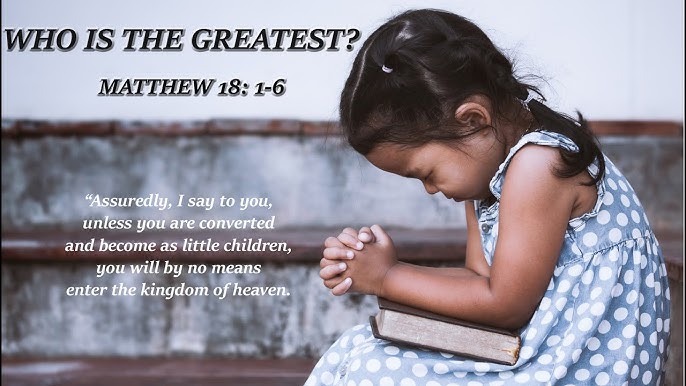

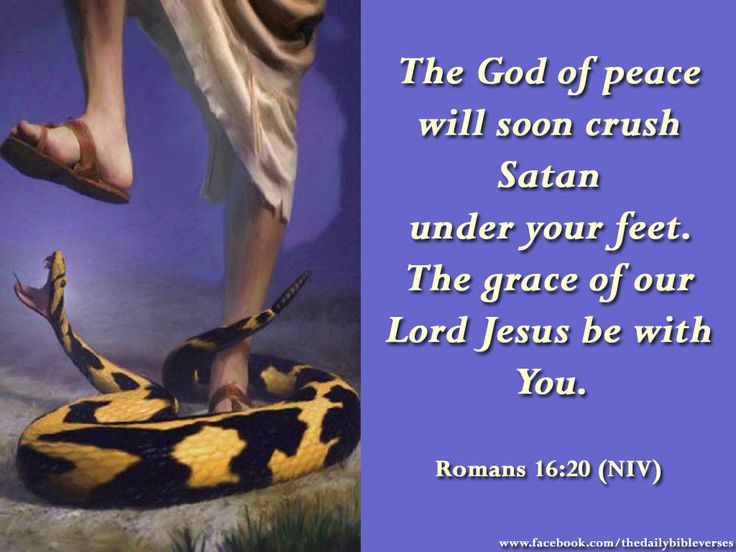











 Loving God, Living God, Loving Hope, Living Hope, Loving Living Life His Way! "Many things are possible for the person who has hope. Even more is possible for the person who has faith. And still more is possible for the person who knows how to love. But everything is possible for the person who practices all three virtues." - Brother Lawrence (1605-1691), Practicing the Presence of God (1692).