An Expression of my Inexpressible “All Thanks be to God for Answered Prayers; He is leading my heart to the Rock which is always higher than I!” Psalm 61

Psalm 61 English Standard Version

Lead Me to the Rock

To the choirmaster: with stringed instruments. Of David.

61 Hear my cry, O God,
    listen to my prayer;
from the end of the earth I call to you
    when my heart is faint.
Lead me to the rock
    that is higher than I,
for you have been my refuge,
    a strong tower against the enemy.

Let me dwell in your tent forever!
    Let me take refuge under the shelter of your wings! Selah
For you, O God, have heard my vows;
    you have given me the heritage of those who fear your name.

Prolong the life of the king;
    may his years endure to all generations!
May he be enthroned forever before God;
    appoint steadfast love and faithfulness to watch over him!

So will I ever sing praises to your name,
    as I perform my vows day after day.

The Word of God for the Children of God.

Glory be to the Father,
and to the Son, and to the Holy Ghost;
as it was in the beginning,
is now, and ever shall be,
world without end. Amen, amen.

Psalm 61 expresses the desperate prayer of one who senses a great need for God.

David prays “from the ends of the earth” (61:2).

Although this could mean that he was far away from home, the sense of this phrase is more than literal. It speaks of neediness, when we are far away from what is comfortable, familiar, and safe. It may also point to times when we feel more than far away from God, it seems as if he is not near to hear our prayers.

In such times, our hearts can become overwhelmed. The Hebrew term ataf, translated here as “overwhelmed,” can also mean “faint” or “weak.” There are times when our circumstances batter us, when our inner reserves are drying up.

We can feel as if life is just too much for us, and that we’re not going to survive.

In such times, like David, we cry out to God for mercy.

Even though God might feel far away, or we are stuck at the very bottom of the Grand Canyon and looking up at the sheer cliffs we have no skill set nor any equipment nor any inclination, to climb out, even though we are emotionally spent, we nevertheless call out to God to lead us to a place of safety and security.

The “towering rock of safety” is a place where the floods cannot engulf us or our enemies can get to us and crush our spirits. The rock that is literally “higher than” we are, signifies unassailable heights of God’s protection and presence.

Perhaps you’re in a place like David today, feeling beyond far away from God, overwhelmed by the challenges before you, overwhelmed by the challenges that keep coming. If so, cry out to the God who will lead you to his rock of safety. If you’re not in such a place today—thanks be to God!—I’m sure you know people who are. Their hearts might even be too faint to pray, but you can do it for them.

We know the words, we preach, teach, model “TRUST GOD, do not be afraid. “

Yet the circumstances remain, more keeps coming, too many things feel out of control … there never seems to be enough time to “schedule our daily prayers!”

Your routines are not running smoothly.

You tend to feel more secure when your life is predictable.

Let GOD lead you to the rock that is higher than you and your circumstances.

Take refuge in the shelter of GOD’S wings, where you are absolutely secure.

When you are shaken out of your comfortable routines, grip The LORD’s hand tightly and look for growth opportunities.

Instead of bemoaning the loss of your comfort, courageously accept the challenge of something new.

The LORD leads you on from glory to glory, making you fit for HIS kingdom.

Say yes to the ways GOD works in your life. Trust GOD, and don’t be afraid.”

“Surely God is my salvation; I will trust and not be afraid. The LORD, the LORD, is my strength and my song; he has become my salvation.” ISAIAH 12 : 2

From the ends of the earth I call to you, I call as my heart grows faint; lead me to the rock that is higher than I. For you have been my refuge, a strong tower against the foe. I long to dwell in your tent forever and take refuge in the shelter of your wings. PSALM 61 : 2 – 4

But we all, with unveiled face, beholding as in a mirror the glory of the Lord, are being transformed into the same image from glory to glory, just as by the Spirit of the Lord. 2 CORINTHIANS 3 : 18 (NKJV)

QUESTIONS FOR REFLECTION: 

When have you felt like David, far from God and completely overwhelmed?

How did you pray?

Did you pray?

How did you experience God’s deliverance?

What, for you, is the “towering rock of safety”?

In the name of God, the Father and God the Son and God the Holy Spirit,

Let us Pray,

PRAYER: O Lord, there are times when you feel so very far away, when it seems as if you aren’t even there to hear my prayers. And there are times when I am so haggard in soul that I can barely pray. Thank you my God and my King for the inspiring example of David, whose desperation reminds me that I am not alone.

Lord help when things feel unpredictable and uncomfortable, help me to look up to You, stand tall in the shadow of your Son’s cross, for growth opportunities and stepping forward, accept the challenge of something new. You are leading me, molding me to look more and more like Jesus. I trust you. In Jesus’ name.

Thank you also for his quiet confidence in you. Help me to know that you will lead me to the towering rock of safety when I am feeling lost and exhausted.

Psalm 121 English Standard Version

My Help Comes from the Lord

A Song of Ascents.

121 I lift up my eyes to the hills.
    From where does my help come?
My help comes from the Lord,
    who made heaven and earth.

He will not let your foot be moved;
    he who keeps you will not slumber.
Behold, he who keeps Israel
    will neither slumber nor sleep.

The Lord is your keeper;
    the Lord is your shade on your right hand.
The sun shall not strike you by day,
    nor the moon by night.

The Lord will keep you from all evil;
    he will keep your life.
The Lord will keep
    your going out and your coming in
    from this time forth and forevermore.

Glory be to the Father,
and to the Son, and to the Holy Ghost;
as it was in the beginning,
is now, and ever shall be,
world without end. Amen, amen.

https://translate.google.com/

Deal with your servant in accordance with your grace, and teach me your laws. I am your servant; pray, give me understanding, give me discernment so that I can know your instruction. Psalm 119: 121-128

Psalm 119:121-128 New American Standard Bible

Ayin

121 I have done justice and righteousness;
Do not leave me to my oppressors.
122 Be a guarantor for Your servant for good;
Do not let the arrogant oppress me.
123 My eyes fail with longing for Your salvation,
And for Your righteous [a]word.
124 Deal with Your servant according to Your graciousness,
And teach me Your statutes.
125 I am Your servant; give me understanding,
So that I may know Your testimonies.
126 It is time for the Lord to act,
For they have broken Your Law.
127 Therefore I love Your commandments
Above gold, yes, above pure gold.
128 Therefore I carefully follow all Your precepts concerning everything,
I hate every false way.

The Word of God for the Children of God.

Glory be to the Father,
and to the Son, and to the Holy Ghost;
as it was in the beginning,
is now, and ever shall be,
world without end. Amen, amen.
In this section of Psalm 119 we find some of the most memorable words in the entire psalm, as the writer declares that he loves God’s Word “more than gold, more than pure gold.”

But if we lift this Psalmist’s beautiful confession out of its context, we miss a more subtle truth in these verses: the psalmist’s plea to understand God’s Word.

In declaring how he deeply treasures all of God’s Word, the psalmist is not merely offering a beautiful senti­ment. He offers this like evidence in a court of law, as if he is testifying like a plaintiff. Because he loves God’s words above all else and seeks to follow them all, God should rescue him from his oppressors.

Knowing that we sinfully tend to see only our own point of view and that we often fall short, most of us would hesitate to put God on trial in a way like this.

Nevertheless, we can learn so very much from the psalmist’s wise request. He acknowledges his 100% need for help in understanding God’s precious Word.

Though we may not all dare to call God to account in pleading for his help, we all 100% need guidance in discerning the authentic truth of God’s Word. We hear God’s voice most clearly when we wholeheartedly ask him to remove our distractions and as far as the east is from west, reveal himself and his will to us.

And when God does speak to us through his Word—as he certainly will—we must then strive to wholeheartedly apply God’s teaching unto our daily lives.

Hiding God’s Word In Our Hearts

The first half of this stanza showed one reason that the psalmist was certain that God would deliver him. The rest of this passage gives two more reasons.

 Take a look at this passage in Psalm 119:125-128:

God is a loving God. Of course, that goes hand in hand with his holiness and the need for righteousness in our lives. As the psalmist has discovered and revealed in this stanza of Psalm 119, God will deliver his people because of his love; and, in fact, God will deliver the psalmist because of that love.

The psalmist definitely has enemies, and his enemies are the enemies of God.

When we consider the whole of this Psalm, this is perhaps the lowest point in the entirety of Psalm 119, and we see the writer cry out for deliverance. His first reason for requesting that deliverance is because of God’s love, in verse 124.

The second reason the psalmist gives here is because he is God’s servant. The writer is basically declaring, “I belong to you, God! Help me because of that!”

And like any good earthly master, who cares deeply for that which belongs to him, should God do any less than completely care for those who belong to him?

The psalmist also seems to understand that God’s deliverance can be seen in the Word. He asks for deliverance, and he asks for it in the form of discernment to understand God’s statutes completely. You can see this clearly in verse 125.

Finally, the third reason the psalmist gives, in verse 126, is simply because it is time for God to act.

This has nothing to do with the writer’s timeline, or because time is somehow running out before the psalmist will be overwhelmed by those who are against him. No, here, the writer is more concerned with God’s reputation than his own temporary needs. His cry is that God should act because his law is being broken.

This is a quality that is rare in our world.

We tend to place our own needs and values ahead of all else.

But the writer here has shown in what order the priorities should be.

Our desire should be for God, and for his Word, above our own needs.

In the closing verses of this stanza, the writer gives a contrasting statement, one that depicts a deep hatred of what is wrong against a love for what is right.

In our age of relativism, this is a hard statement for many to accept.

We would rather believe that what is right for you may not necessarily be right for me.

We would rather not have a definitive right and wrong, a moral, ethical absolute because it brings with them guilt and conviction.

But that is what the writer gives us here. He states that there is a definite right path and a definite wrong one. There is the whole truth and there is the whole lie. There are things that God detests, that we should detest as well. And there are definitely things that God deeply loves that we should seek after to love also.

There is an absolute truth, and we must hold to it firmly. We must avoid every wrong path and cling to the one thing that is true above all else. We must hate what God hates, or we will never learn to love God fully. And the best way to know what God hates and what God values can be found by reading his Word.

I strongly encourage you the reader to 100% take the time daily to invest in the pursuit of God’s heart. I strongly urge you to spend quality time in his Word on a daily basis. It’s the only way that we can discover the truth and grow in it fully.

In the name of God, the Father and God the Son and God the Holy Spirit,

Let us Pray,

Psalm 19 New American Standard Bible

The Works and the Word of God.

For the music director. A Psalm of David.

19 The heavens tell of the glory of God;
And their expanse declares the work of His hands.
Day to day pours forth speech,
And night to night reveals knowledge.
There is no speech, nor are there words;
Their voice is not heard.
Their [a]line has gone out into all the earth,
And their words to the end of the world.
In them He has placed a tent for the sun,
Which is like a groom coming out of his chamber;
It rejoices like a strong person to run his course.
Its rising is from [b]one end of the heavens,
And its circuit to the [c]other end of them;
And there is nothing hidden from its heat.

The Law of the Lord is [d]perfect, restoring the soul;
The testimony of the Lord is sure, making wise the simple.
The precepts of the Lord are right, rejoicing the heart;
The commandment of the Lord is pure, enlightening the eyes.
The fear of the Lord is clean, enduring forever;
The judgments of the Lord are true; they are righteous altogether.
10 They are more desirable than gold, yes, than much pure gold;
Sweeter also than honey and drippings of the honeycomb.
11 Moreover, Your servant is warned by them;
In keeping them there is great reward.
12 Who can discern his errors? Acquit me of hidden faults.
13 Also keep Your servant back from presumptuous sins;
Let them not rule over me;
Then I will be innocent,
And I will be blameless of great wrongdoing.
14 May the words of my mouth and the meditation of my heart
Be acceptable in Your sight,
Lord, my rock and my Redeemer.

Glory be to the Father,
and to the Son, and to the Holy Ghost;
as it was in the beginning,
is now, and ever shall be,
world without end. Amen, amen.

https://translate.google.com/

Are we understanding: “Some trust in chariots and some in horses, but we praise the name of  Adonai our God. They will crumple and fall, but we will arise and we’ll stand erect?” Psalm 20

Psalm 20 Complete Jewish Bible

20 (0) For the leader. A psalm of David:

2 (1) May Adonai answer you in times of distress,
may the name of the God of Ya‘akov protect you.
3 (2) May he send you help from the sanctuary
and give you support from Tziyon.
4 (3) May he be reminded by all your grain offerings
and accept the fat of your burnt offerings. (Selah)
5 (4) May he grant you your heart’s desire
and bring all your plans to success.

6 (5) Then we will shout for joy at your victory
and fly our flags in the name of our God.
May Adonai fulfill all your requests.

7 (6) Now I know that Adonai
gives victory to his anointed one —
he will answer him from his holy heaven
with mighty victories by his right hand.

8 (7) Some trust in chariots and some in horses,
but we praise the name of Adonai our God.
9 (8) They will crumple and fall,
but we will arise and stand erect.

10 (9) Give victory, Adonai!
Let the King answer us the day we call.

The Word of God for the Children of God.

Glory be to the Father,
and to the Son, and to the Holy Ghost;
as it was in the beginning,
is now, and ever shall be,
world without end. Amen, amen.

Misplaced Trust?

What is a misplaced trust in the Bible?

The Bible places much emphasis on TRUST; however, many people will put their trust in that which is not true or honest. This is the result of deception, an oft used malicious tool of the enemy, both physical and spiritual. Thus there is misplaced trust; trusting in that which is discovered to be unreliable or false.

Misplaced loyalty (or mistaken loyalty, misguided loyalty or misplaced trust) is loyalty placed in other persons or organizations, things, where that loyalty is not acknowledged, is not respected, is betrayed, or is taken advantage of.

Deceptive Trust?

Deceptive behavior uses trust and mistrust as tools (or weapons, depending on your perspective). The goal of deception is to either convince someone of a greater degree of trust than is warranted, or to leverage risk aversion through mistrust. The risk of deception rises when the stakes are high, and when the system encourages deceptive behavior.

Deception is usually associated with selfish competitive behavior, it can be used for the benefit of someone else, and can sometimes be both a virtue and a vice.

For example, Odysseus was a cunning hero for the Greeks in the Odyssey, but a deceptive malicious villain for the Romans in the Aeneid. Regardless for why deception is used, once someone recognizes the deception then serious, severe doubt is cast upon that deceiver’s future behavior.

Whether To Trust or Not to Trust? God vs. Chariots

Psalm 20:7 English Standard Version

Some trust in chariots and some in horses,
    but we trust in the name of the Lord our God.

Where we place our trust says a lot about us, about who we are, and about our character.

This verse from Psalm 20 says, “Some trust in chariots and some in horses, but we trust in the name of the Lord our God.”

I want to add an exclamation mark at the end when I read it!

Chariots and horses were weapons used in war in the Bronze and Iron Ages.

As time progressed chariots became more and more sophisticated, having spikes on their wheels and other features making them even more intimidating.

The chariot was like the equivalent to our modern day main battle tanks.

They communicated strength and intimidation.

The Chariots and horses could outrun the infantry and the charioteers would shoot arrows, hurl sharp spears that could penetrate the armor of the enemy.

Chariots coming towards you would invoke a fear for one’s life, most certainly! King Solomon had 1400 chariots and 12,000 horses in his army (1 Kings 10:26)!

One probably felt pretty secure going into battle with 1400 chariots! Wow!

It’s pretty easy to trust in my car to safely carry me from place to place.

There’s many safety features in today’s vehicles.

I can trust in a home alarm system, a surveillance camera and the spyware on my laptop.

Trust in these things can fail me in various ways.

I’m not suggesting we do away with these things.

I am saying that placing our greatest level of trust in these human things will eventually disappoint.

However, trusting in the name of the Lord Almighty is another story.

The Bible is full of stories from the lives of those who have come before us that prove when we trust in the Lord we never come up short.

We need not fear. Daniel in the lion’s den, David and Goliath, and many other biblical stories show us how nothing can defeat us if our trust is in the Lord.

The verse that follows this one, 20 verse eight says, “They collapse and fall, but we rise and stand up straight.”

I can still stand up straight when all has collapsed around me.

This trust can give me a superpower!

I can be like David! I can be like Daniel! I too can put my trust in the Lord!

What a word for us today!

What a word for the person who trusts in their personal weapons alone!

What a word for those who have lost everything to war!

What a word for those of us who have experienced injustice!

We are invited to trust in the Lord.

God has not failed us and will not fail us. He is Who He says He is!

How do we trust?

We believe.

We live out in obedience what the Lord has laid out before us.

We choose a lifestyle that pleases God.

It is then that I am handed my armor!

It’s when I trust that I have my chariot and horse!

I am ready for battle and I pray I please my Savior Jesus in the battle of this life.

What are you trusting in?

Is it as strong as the mountain?

Who are you trusting in?

Do they have the faith which can move that mountain even 1 millimeter?

Can you let go of safety and security in earthly things and trust in the Lord.

The safest place to be is where God calls us to be.

I can rest in this and know I am I am covered.

I am safe. I am loved. I am God’s.

In the name of God, the Father and God the Son and God the Holy Spirit,

Let us Pray,

Psalm 13 English Standard Version

How Long, O Lord?

To the choirmaster. A Psalm of David.

13 How long, O Lord? Will you forget me forever?
    How long will you hide your face from me?
How long must I take counsel in my soul
    and have sorrow in my heart all the day?
How long shall my enemy be exalted over me?

Consider and answer me, O Lord my God;
    light up my eyes, lest I sleep the sleep of death,
lest my enemy say, “I have prevailed over him,”
    lest my foes rejoice because I am shaken.

But I have trusted in your steadfast love;
    my heart shall rejoice in your salvation.
I will sing to the Lord,
    because he has dealt bountifully with me.

Glory be to the Father,
and to the Son, and to the Holy Ghost;
as it was in the beginning,
is now, and ever shall be,
world without end. Amen, amen.

https://translate.google.com/

The sorrows of those who dare to run after another god will truly multiply. Challenging situations where folks must be running to God. Psalm 16:4

Psalm 16:1-5 English Standard Version

You Will Not Abandon My Soul

A Miktam[a] of David.

16 Preserve me, O God, for in you I take refuge.
I say to the Lord, “You are my Lord;
    I have no good apart from you.”

As for the saints in the land, they are the excellent ones,
    in whom is all my delight.[b]

The sorrows of those who run after[c] another god shall multiply;
    their drink offerings of blood I will not pour out
    or take their names on my lips.

The Lord is my chosen portion and my cup;
    you hold my lot.

The Word of God for the Children of God.

Glory be to the Father,
and to the Son, and to the Holy Ghost;
as it was in the beginning,
is now, and ever shall be,
world without end. Amen, amen.

People make all kinds of choices – great, neutral, simple, easy, safe, complex, life and death, tasty (Psalm 34:8) distasteful but necessary, 100% catastrophic.  

David says, in the midst of his words about choosing to follow and come under the protection, care, benevolence of God, that many people will inexplicably  choose otherwise.  They worship, take another god or gods: little gods, or idols.  

David observes how they singe mindedly pursue idolatry and how that lifestyle never seems to take long before it reaps a multiplication of big sorrows in lives.

Sorrow is defined as:

A feeling of deep distress caused by loss, disappointment, or other misfortune suffered by oneself or others.

synonyms: sadness, unhappiness, misery, despondency, regret, depression,despair, desolation, dejection, wretchedness, gloom, dolefulness,melancholy, woe, heartache, and grief.

In the midst of ten other uplifting verses, verse 4 of Psalm 16 is the one sad one.

It does not seem to be a specific rebuke or a call to repentance for the people of God who’ll one day go or they have already gone wayward and become spiritual adulteresses, but a “just saying”, matter-of-fact, or it-is-what-it-is, truthful assessment of the sinful human race that the people of God are surrounded by.

I have not wanted to write on this verse, because it is ugly.  It is not good news.

The fact that people “choose otherwise” and “wed themselves” to another god, is greatly distasteful and repulsive to me.  It is discouraging and mind-blowing.

But, I get it, that we all need salvation and deliverance.  I was not born saved. I was 41 years old and had to be broken (left hip) down and saved and so set free.

I was deceived by my own thoughts and beliefs and my own hatred of God and in bondage to all those lustful things which draw a young man into true misery. 

Jesus saved and delivered me.  The thought of not serving him is distasteful, but I understand and have compassion for those who are deceived and in bondage.

Humans were designed for relationship with God, the one and only true God.

That relationship involves bowing and kneeling down to and coming under the reign and sovereignty of God, and receiving 24 hours a day 7 day care from God. 

From the beginning, we were created in the Image of God to worship, serve God.

We obey God and live our lives before God with one another.  

God is good and God is love, by the way.

God does not force people to come into relationship with him.  

He relentlessly loves people who have not chosen him and is kind to them.  

Yet, many people will still choose to wed themselves otherwise.  We are designed to be worshipers and serve God and to be 100% cared for by God.

The idea is we have, of our own free will chosen to be in a covenant relationship with God where we are giving fidelity to God, and we are taken care of by God.

Folks who say, “thanks but no thanks”, to God, then and now, are choosing to make themselves vulnerable to idolatry.  By choosing not to follow God, they are open to following someone else.  And who, whom you follow is your “god”.

David had to have observed the pagan religions of his geographic area, who did “drink offerings of blood”, and “spoke the names”.  

This was the popular pagan idolatry that surrounded Israel.

David, in line with the OT commands, says, “I will not do that”.

Remember the first of the 10 commandments is, “No other gods”, and the second is, “No graven images (carved idol or representation of a god used in worship)”.

Something we observe, is that if a person does not choose God, that they often choose “gods”.

It is easy to see this with people in other religions, especially ones that involve prayer and/or have statues (idols).

Sometimes, people who say they have ‘no religion’ are also choosing another god or gods.

That god or those gods are things like their self, humanism, or libertine-ism, for example.  Narcissism is a very popular religion today.  Money also gets a lot of worship time.  And money is not the root of all evil, but the love of money is.

What David is saying in this side-note in Psalm 16, verse 4; is that these other paths that people choose, are paths of deep sorrow, sadness, and grief.  

There is no happiness outside of the God of the Bible, the One God, The Creator, and His Son Jesus Christ and the Holy Spirit.

Those outside, who have chosen others, can really only distract themselves, get “mood altered”, be in more of a distracted state of mind, and be more and more deceived, then living and becoming deceivers to others who have yet to choose.

Death, destruction, and massive heartache seems to be their only assured and chosen inheritance.

Challenging Situations Where Christians Must Run to God.

Psalm 16:4-6 The Message

Don’t just go shopping for a god.
    Gods are not for sale.
I swear I’ll never treat god-names
    like brand-names.

5-6 My choice is you, God, first and only.
    And now I find I’m your choice!
You set me up with a house and yard.
    And then you made me your heir!

In our greatest needs and facing our most difficult obstacles, we desperately need God. It’s urgent we run to Him and not the failing philosophies of man.

Every need we have is answered in who God is.

Here are some (far from all) of the times we need to run to our Father God.

1. Run to God When You Need Wisdom

We aren’t God, and His thoughts and ways are way beyond us (Isaiah 55:8-9).

But that does not mean we shouldn’t run to Him when we get confused, or when we desperately need His perspective for decisions or to deal with tough circumstances. 

The writer of Proverbs (3:5-8) we should not lean on our own understanding — our own wisdom — but rather we submit to God and allow Him to direct us.

The wisest place to begin that submission is in the living Scriptures, which offer every manner of guidance for many areas of Christian living (2 Timothy 3:16).

God spoke through the prophet Jeremiah, “Call to me and I will answer you and tell you great and unsearchable things you do not know” (Jeremiah 33:3 ).

Paul said we should come to God with all our requests (Philippians 4:6).

That certainly would include a plea for wisdom. James specifically encouraged believers to pray for wisdom or discernment concerning their trials (James 1:5). 

James 1:5-8 The Message

5-8 If you don’t know what you’re doing, pray to the Father. He loves to help. You’ll get his help, and won’t be condescended to when you ask for it. Ask boldly, believingly, without a second thought. People who “worry their prayers” are like wind-whipped waves. Don’t think you’re going to get anything from the Master that way, adrift at sea, keeping all your options open.

When nothing makes sense, or when you struggle to understand, turn to the matchless wisdom of God.

2. Run to God When Fears Assault You

Rather than run in fear or pull inward, Christians are encouraged to press forward with God who reaches out His hand and says, “Do not fear; I will help you” (Isaiah 41:13).

When fears assault, we need courage that comes from His presence.

When afraid, we can run to and trust in Him (Psalm 56:3-4).

God is our refuge, our strength, and our hiding place until the storms of life pass by (Psalm 27:1; 46:1-3; 57:1)

The Son of God advised His disciples concerning fear.

He told them He would supply His own supernatural peace, and then He urged, “do not be afraid” (John 14:27, 16:33).

Even when we must face horrendous circumstances, threaten to swamp us or drown, it is God’s presence and peace that carries us through. (Mark 4:35-41) 

When fears mount up and threaten to overcome you, remember the Overcomer, Jesus, who came to bring you salvation and peace.

3. Run to God When Life Seems to Fall Apart (Psalm 42)

How truthful or fake do you believe this statement is:

It’s easier (harder) to accept God’s providence — His caring provision for us based in His sovereign control — when we’re unchallenged by struggles or loss. But when so many things seem to fall apart at the seams and we instantly, innately, fail to see something positive happen, it’s too close to impossible to see any flicker of light.”

Joni Eareckson Tada has suffered greatly as a quadriplegic and with cancer.

In Is God Really in Control? she wrote about the times we wonder what God is up to when life seems to fall apart.

“Real satisfaction comes not in understanding God’s motives,” but in our own efforts at understanding His character, in trusting His promises, and in leaning on Him and resting in Him for everything as the Sovereign who reigns over us, who always knows exactly what He is doing and always does all things well.”

When we experience pain in life that, from a human standpoint, makes us feel everything is falling apart, it’s wise to turn to, lean on, and rest in Father God.

Nothing takes God by surprise, and nothing is outside the span of His control.

All the details of our story — even those things we cannot understand this side of Heaven — are designed with His holy purposes for us and His glory in mind.

He is sovereign, loving, and good. If you are a follower of Christ, one of the Father’s purposes is to make you more like Jesus (Romans 8:28-29), and He can use anything to accomplish that, even things that confuse us or bring us pain.  

Keeping always in the forefront of our minds that God alone is in complete control will help us face your greatest troubles.

When life seems to crumble, put on sneakers, run to and take comfort in Him.

God, Our first and best choice for our closest friend

Proverbs 17:17 The Message

One Who Knows Much Says Little

17 Friends love through all kinds of weather,
    and families stick together in all kinds of trouble.

One of God’s greatest gifts to humanity is relationships. We are created for relationships; we are all designed by God to be in community with others.

We will meet many people over our lifetime.

With some, we will have no more than brief interactions in passing by, and with others we will have friendly acquaintances.

Still others will become friends, even close friends, and others will become best friends forever companions for life.

With some friends our relationships can feel as close as family, like a brother or sister, and we may love them just like family members.

These are friends who will be there in both good times and bad, triumphs and tragedies, times of joy and times of sorrow.

Did you know that, in Jesus, God is actually our closest friend?

He isn’t a passerby who merely sizes us up, or an acquaintance who enters our life from time to time. Jesus is our brother, our closest friend, who gave up his own life so that we can become the adopted children of God, members of God’s everlasting family, and coheirs in his eternal inheritance (see Romans 8:14-17).

https://hymnary.org/text/what_a_friend_we_have_in_jesus_all_our_s

In the name of God, the Father and God the Son and God the Holy Spirit,

Let us Pray,

Psalm 42 The Message

42 1-3 A white-tailed deer drinks
    from the creek;
I want to drink God,
    deep drafts of God.
I’m thirsty for God-alive.
I wonder, “Will I ever make it—
    arrive and drink in God’s presence?”
I’m on a diet of tears—
    tears for breakfast, tears for supper.
All day long
    people knock at my door,
Pestering,
    “Where is this God of yours?”

These are the things I go over and over,
    emptying out the pockets of my life.
I was always at the head of the worshiping crowd,
    right out in front,
Leading them all,
    eager to arrive and worship,
Shouting praises, singing thanksgiving—
    celebrating, all of us, God’s feast!

Why are you down in the dumps, dear soul?
    Why are you crying the blues?
Fix my eyes on God—
    soon I’ll be praising again.
He puts a smile on my face.
    He’s my God.

6-8 When my soul is in the dumps, I rehearse
    everything I know of you,
From Jordan depths to Hermon heights,
    including Mount Mizar.
Chaos calls to chaos,
    to the tune of whitewater rapids.
Your breaking surf, your thundering breakers
    crash and crush me.
Then God promises to love me all day,
    sing songs all through the night!
    My life is God’s prayer.

9-10 Sometimes I ask God, my rock-solid God,
    “Why did you let me down?
Why am I walking around in tears,
    harassed by enemies?”
They’re out for the kill, these
    tormentors with their obscenities,
Taunting day after day,
    “Where is this God of yours?”

11 Why are you down in the dumps, dear soul?
    Why are you crying the blues?
Fix my eyes on God—
    soon I’ll be praising again.
He puts a smile on my face.
    He’s my God.

Glory be to the Father,
and to the Son, and to the Holy Ghost;
as it was in the beginning,
is now, and ever shall be,
world without end. Amen, amen.
https://translate.google.com/

“God is looking for people through whom He can achieve the impossible. What a pity we plan only the things we can do all by ourselves.” Reverend Dr. A.W. Tozer. Psalm 18:31-36 

Psalm 18:31-36 English Standard Version

31 For who is God, but the Lord?
    And who is a rock, except our God?—
32 the God who equipped me with strength
    and made my way blameless.
33 He made my feet like the feet of a deer
    and set me secure on the heights.
34 He trains my hands for war,
    so that my arms can bend a bow of bronze.
35 You have given me the shield of your salvation,
    and your right hand supported me,
    and your gentleness made me great.
36 You gave a wide place for my steps under me,
    and my feet did not slip.

The Word of God for the Children of God.

Glory be to the Father,
and to the Son, and to the Holy Ghost;
as it was in the beginning,
is now, and ever shall be,
world without end. Amen, amen.
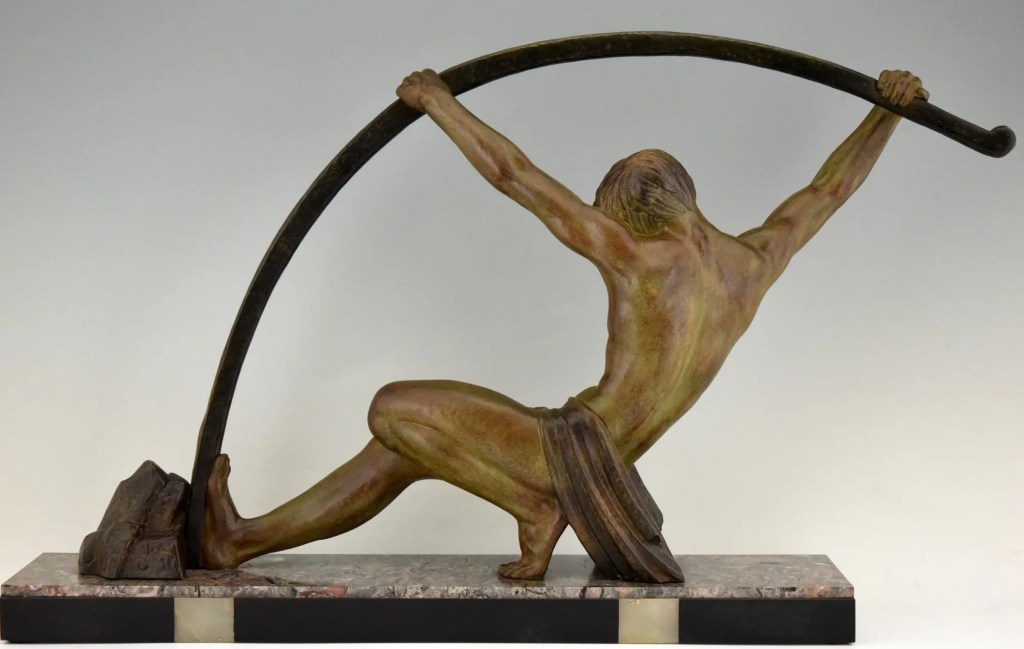
Tozer’s powerful line quoted in sermons & books, ‘What comes into our minds when we think about God is the most important thing about us. ‘ It’s a simple but sharp wake-up call for us to examine the connection between our ‘theology’ (conscious or unconscious), and too everything else about our “Christian” lives.

With that being said, it will always be true that the Word of God encourages all believers to fully rely on God’s strength and His guidance in facing life’s battles, towards enlightening understanding the enemy’s tactics, and achieving victory.

Psalm 18:34-35

34 He teaches my hands to war, so that my arms bend a bow of bronze.
35 You have also given me the shield of your salvation.
Your right hand sustains me. Your gentleness has made me great.

The Bible says that we are to fight the good fight of faith and to put on the full armor of God so that we can stand strong and uptight and faithful against the enemy. It also says that the kingdom of God suffers violence and the war-like take it by force. There is no question that there is a raging battle going  on in the earthly, spiritual realms and we are called to take our stand, to resist the enemy.

In Psalm 18’s Davidic promise, King David paints an intimate picture of how God Himself intercedes in the affairs of mankind and trains David for battle.

I am seriously encouraged by the NIV Bible translation of Psalm 18:34-35

34 He trains my hands for battle; my arms can bend a bow of bronze.35 You give me your shield of victory, and your right hand sustains me; you stoop down to make me great. (NIV)

What a picture of strength intimacy!

God gets intimately, personally involved, up close, face to face and eye to eye.

Even in the midst of preparations for battle, David speaks of a God that gently trains him and sustains him and even stoops down from heaven to make him great. No matter what battle we are facing today, be comforted in knowing that it is God Himself that will put His face to ours, put His Hands on us, equip us to fight the good fight, for every battle belongs to the Lord. He will stoop down beside us, give us His shield of victory and His gentleness will make you great!

On all those battlefields, in hand to hand, eye to eye, combat, on the high seas, and in more contemporary times, in the air – jet plane to jet plane, computers to computers, in the invisible face of terrorism which can explode on the scene at anytime anywhere, to ordinary service men and women who signed their name on the dotted line to serve their country, even during peace time when there are no declared wars – God is always close to those He prepares for war.

In this verse, David reflects on how God equips and empowers him for battle.

He fully acknowledges that it is God and God alone who teaches him the skills of warfare, gives him the strength to persevere, a profound recognition that all of his physical and spiritual capabilities and victories stem from divine assistance.

What does it mean – David: “so that my arms can bend a bow of bronze” mean?

The image comes from Psalm 18, “He trains my hands for war, so that my arms can bend a bow of bronze.”

First logical question to ask ourselves is “Does bronze bend or break?”

Please realize that Bronze is a very sturdy and strong material that does not bend very easily. Its high corrosion resistance also makes it very durable.

Since it’s nearly impossible for someone, anyone, to bend a rod of bronze, I now believe that the bending of the bow symbolizes for the reader the supernatural strength, God alone grants which enables people to do what seems impossible.

Psalm 18:32-34 New American Standard Bible 1995

32 The God who girds me with strength
And [a]makes my way [b]blameless?
33 He makes my feet like hinds’ feet,
And sets me upon my high places.
34 He trains my hands for battle,
So that my arms can bend a bow of bronze.

What is the meaning of Psalms 18:32-34?

This means that whatever battles you and I have in our lives, bear in mind that God and God alone has trained our hands to war, and makes our arms to bend a bow of bronze and fire… any issues that we might have: sickness, challenges, poverty, (you name it) and beside all this, God will always keeps our way secure!

In the name of God, the Father and God the Son and God the Holy Spirit,

Let us Pray,

Psalm 29 New American Standard Bible 1995

The Voice of the Lord in the Storm.

A Psalm of David.

29 Ascribe to the Lord, O [a]sons of the mighty,
Ascribe to the Lord glory and strength.
Ascribe to the Lord the glory [b]due to His name;
Worship the Lord in [c]holy array.

The voice of the Lord is upon the waters;
The God of glory thunders,
The Lord is over [d]many waters.
The voice of the Lord is powerful,
The voice of the Lord is majestic.
The voice of the Lord breaks the cedars;
Yes, the Lord breaks in pieces the cedars of Lebanon.
He makes Lebanon skip like a calf,
And Sirion like a young wild ox.
The voice of the Lord hews out [e]flames of fire.
The voice of the Lord [f]shakes the wilderness;
The Lord shakes the wilderness of Kadesh.
The voice of the Lord makes the deer to calve
And strips the forests bare;
And in His temple everything says, “Glory!”

10 The Lord sat as King at the flood;
Yes, the Lord sits as King forever.
11 [g]The Lord will give strength to His people;
[h]The Lord will bless His people with peace.

Glory be to the Father,
and to the Son, and to the Holy Ghost;
as it was in the beginning,
is now, and ever shall be,
world without end. Amen, amen.
https://translate.google.com/

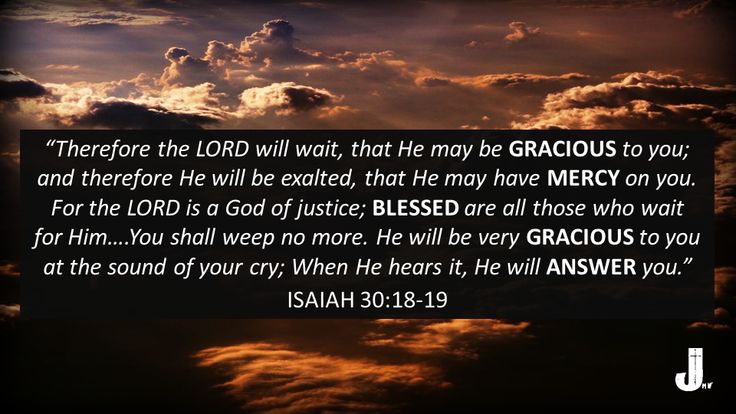
Will we ever allow ourselves to .01% believe the Lord is always close to the brokenhearted and saves those who are crushed in spirit? Psalm 34:17-18

Psalm 34:17-20 Revised Standard Version

17 When the righteous cry for help, the Lord hears,
    and delivers them out of all their troubles.
18 The Lord is near to the brokenhearted,
    and saves the crushed in spirit.

19 Many are the afflictions of the righteous;
    but the Lord delivers him out of them all.
20 He keeps all his bones;
    not one of them is broken.

The Word of God for the Children of God.

Glory be to the Father,
and to the Son, and to the Holy Ghost;
as it was in the beginning,
is now, and ever shall be,
world without end. Amen, amen.
On the radio the other day I heard a familiar song about how heartbreak feels.

There are probably hundreds, if not thousands, if not more of songs written throughout history about broken hearts and lost loves. Have you ever wondered why musicians and music producers keep writing about that same thing?

Songs like Psalm 13.

Songs like Psalm 137.

Which are the psalms of lament in the Word of God?

Individual psalms of Lament include: 3, 4, 5, 7, 9-10, 13, 14, 17, 22, 25, 26, 27, 28, 31, 36, 39, 40:12-17, 41, 42-43, 52, 53, 54, 55, 56, 57, 59, 61, 64, 70, 71, 77, 86, 89, 120, 139, 141, 142. Corporate psalms of Lament include: 12, 44, 58, 60, 74, 79, 80, 83, 85, 89, 90, 94, 123, 126, 129, 137.

Maybe people of whatever time frame -ancient or contemporary, do not tire of those types of songs because everyone can relate to them in some way. Nearly everyone has experienced those hard feelings of emptiness after a breakup, or they have asked themselves “What went so wrong?” after losing their love.

Thankfully God’s Word provides some guidelines to help us hard answer our questions and give us peace of mind when heartache and heartbreak happen.

Psalms of Lament

The psalms of lament are songs and poems in which the psalmist cries out to God in times of deep distress and despair.

In Psalms of lament, the psalmist asks God for intervention to deliver him from suffering, sorrow, great loss, failures, and enemies.

These petitions often give way to the Psalmists expressions of trust in God to act in the psalmist’s favor, leading to hope and joy, faith and peace and love.

There are more psalms of lament than any other type of Psalm.

These Psalms fall into the broad categories of individual or communal (or sometimes both).

Their basic structure includes:

  1. Address to God
  2. Description of complaint
  3. Request for God’s help
  4. Expression of trust in God

Psalm 13

For the choir director. A Psalm of David.

1 How long, O Lord? Will You forget me forever?
How long will You hide Your face from me?

2 How long shall I take counsel in my soul,
Having sorrow in my heart all the day?
How long will my enemy be exalted over me?

3 Consider and answer me, O Lord my God;
Enlighten my eyes, or I will sleep the sleep of death,

4 And my enemy will say, “I have overcome him,”
And my adversaries will rejoice when I am shaken.

5 But I have trusted in Your lovingkindness;
My heart shall rejoice in Your salvation.

6 I will sing to the Lord,
Because He has dealt bountifully with me.

When we hurt, Scripture can provide comfort.

It also gives us a way to express how we feel, especially when we don’t know what to say or how to say it.

Much of that language can be found in the Psalms, and many psalms were written by people who shared their feelings candidly and honestly.

https://www.christianity.com/wiki/bible/psalms-of-lament-to-remind-us-we-are-not-alone.html

David, the writer of Psalm 34, didn’t have to search long for peace, and neither do we. God is near to those who hurt, and we can trust today that the One who gave the sun its ability to shine, who told the waters how far they could go, and who constantly watches over the universe is also near to you—and he’s saying,

“I’ve got this, and I’ve got you.”

Why You Can Be Sure ‘the Lord Is Close to the Brokenhearted’ (Psalm 34:18)

When emotions are strong, I find comfort when reading Psalms.

The heart of a Psalmist is familiar with suffering and consistent in hope.

This pattern emerges time and time again.

The writer expresses an honest struggle, makes a request, and ends with a choice to trust in God.

Some Psalms focus on lament, which means to grieve the loss of something or someone.

Some focus on praise.

But many combine the two, even when several verses reveal the pain of suffering.

One of my favorites is Psalm 34.

The New Living Translation says, “The LORD is close to the brokenhearted; he rescues those whose spirits are crushed.”

Eugene Peterson interprets this verse the Message as, “If your heart is broken, you’ll find God right there; if you’re kicked in the gut, he’ll help you catch your breath.”

What Does Psalm 34:18 Mean for the Brokenhearted?

A brokenhearted person can literally feel the pain of brokenness.

We have physiological responses to loss, grief, and hurtful situations.

Emotional pain can be felt in a very real way, in the body, the mind, and the heart.

Our bodies are actually wired in such a way that emotional pain affects us physically. This is one reason it’s so vital to get honest with our emotions and pursue healing because it impacts all of who we are and how we live.

Brokenheartedness can feel so intense because we do not have what we once did, or what we thought we should have. We have lost something or someone. Also, we may feel all alone. Our body reacts to grief, anger, sadness, and fear.

When we are in this place, our need for something beyond ourselves becomes more evident.

Our enemy would love to keep us from knowing God’s love deeply and receiving the courage we need to move forward when life is hard.

God loves to help us know Him and know His presence with us, especially when life is hard.

Psalm 34:18 reminds us God is not only present with us, but near.

Near to the pain we feel.

Near to the loss we can’t fill.

Near to the needs we have and can’t yet express.

For the brokenhearted, God gives nearness.

God is not removed from knowing about the pain, or from our experience of pain. He is always available and close to those who suffer.

Not only is He near, but he stays with us and will help us get through.

He is not surprised or deterred, no matter how deep the brokenness feels.

God gives us the courage we need to breathe again.

Emotional pain sometimes leaves us speechless.

This Psalm provides words to remind our hearts and talk to God when we cannot find the words ourselves.

God’s presence with us in our messy moments is of great comfort.

What Does Psalm 34:18 Mean for the Crushed in Spirit?

I love the way Eugene Peterson describes how God saves, or rescues, us when our spirits are crushed.

When we feel kicked in the gut, He helps us catch our breath.

When everything has been knocked out of us, and we are depleted, He has what we need to take that first step of getting up again.

God sees and knows the impact of a soul that’s weary and worn.

Consider the following verses:

Proverbs 18:14 “The human spirit can endure in sickness, but a crushed spirit who can bear?”

Proverbs 17:22 “A cheerful heart is good medicine, but a crushed spirit dries up the bones.”

Proverbs 15:13 “A happy heart makes the face cheerful, but heartache crushes the spirit.”

These verses help me feel seen by God because He gets what it feels like to be crushed in spirit.

He’s been there, all alone at the Garden of Gethsemane preparing to suffer and die for us.

He knows it is painful.

It can feel like you’re emptied out, dried up because there’s nothing left to give.

It’s time to receive.

God rescues, or liberates, us from great pain and a weakened spirit, through His great love for each of us.

He sees the distraught places in our hearts and offers to fill them up again.

When we breakthrough to God, receive His love and the gift of His presence, our hearts are calmed, our hearts are sated, which frees us to finally move forward.

What Else Can We Glean from Psalm 34?

Encouragement and praise permeate Psalm 34, especially for the worn-down individual.

Verse 2, “I will glory in the Lord; let the afflicted hear and rejoice.”

Verses 6-7, “This poor man called, and the Lord heard him; he saved him out of all his troubles. The angel of the Lord encamps around those who fear him, and he delivers them.”

Verse 15, “The eyes of the Lord are on the righteous, and his ears are attentive to their cry;”

Verse 17, “The righteous cry out, and the Lord hears them; he delivers them from all their troubles.”

David also invites us to “taste and see that the Lord is good” (verse 8).

Because when we seek refreshment for weariness, we find goodness in God that renews us, restores us, refreshes us. And it’s available as often as we all need it.

God listens. God hears. God acts decisively.

And He is near – as close as the next breath you take.

In the name of God, the Father and God the Son and God the Holy Spirit,

Let us Pray,

Psalm 23 Revised Standard Version

The Divine Shepherd

A Psalm of David.

23 The Lord is my shepherd, I shall not want;
    he makes me lie down in green pastures.
He leads me beside still waters;[a]
    he restores my soul.[b]
He leads me in paths of righteousness[c]
    for his name’s sake.

Even though I walk through the valley of the shadow of death,[d]
    I fear no evil;
for thou art with me;
    thy rod and thy staff,
    they comfort me.

Thou preparest a table before me
    in the presence of my enemies;
thou anointest my head with oil,
    my cup overflows.
Surely[e] goodness and mercy[f] shall follow me
    all the days of my life;
and I shall dwell in the house of the Lord
    for ever.[g]

Glory be to the Father,
and to the Son, and to the Holy Ghost;
as it was in the beginning,
is now, and ever shall be,
world without end. Amen, amen.

https://translate.google.com/

But God’s not finished. He’s waiting around to be gracious to you. He is gathering strength to show mercy to you. God always takes the time to do literally everything right. Those who will wait for him are the lucky ones. Isaiah 30:18-21

Isaiah 30:18-21 Easy-to-Read Version

God Will Help His People

18 So the Lord is waiting to show his mercy to you. He wants to rise and comfort you. The Lord is the God who does the right thing, so he will bless everyone who waits for his help.

19 You people who live in Jerusalem on Mount Zion will not continue crying. The Lord will hear your crying, and he will comfort you. When he hears you, he will help you.

20 The Lord might give you sorrow and pain like the bread and water you eat every day. But God is your teacher, and he will not continue to hide from you. You will see your teacher with your own eyes. 21 If you wander from the right path, either to the right or to the left, you will hear a voice behind you saying, “You should go this way. Here is the right way.”

The Word of God for the Children of God.

Glory be to the Father,
and to the Son, and to the Holy Ghost;
as it was in the beginning,
is now, and ever shall be,
world without end. Amen, amen.

Good morning, church family! Today, we’re going to dive into a passage from the book of Isaiah, one that speaks to the very heart of our walk with Jesus.

It’s about God’s favor in times of trouble, His promise of comfort and restoration, and His blessing of divine guidance. These are themes that resonate deeply, especially in these uncertain and challenging times.

Reverend Charles Spurgeon once said, “God is too good to be unkind and He is too wise to be mistaken. And when we cannot trace His hand, we must trust His heart.”

I have to ask, Isn’t that a powerful reminder of God’s unfailing love, wisdom?

God’s Favour in Times of Trouble

In the midst of our trials and tribulations, it is often difficult to perceive God’s favor. Yet, the scripture passage from Isaiah 30:18-21 assures us that God’s favor is not absent in times of trouble, but rather, it is most profoundly present.

The first verse, “Therefore the Lord waits to be gracious to you, and therefore he exalts himself to show mercy to you,” is a powerful testament to God’s enduring love and favor towards us, even in our darkest hours.

Favor definition: The Hebrew word for favor, ‘hen’, connotes grace, kindness, and acceptance. It is a divine attribute that God bestows upon His people, not because we have earned it, but because of His utterly boundless love and mercy.

This favor is not a guarantee of a trouble-free life, but rather, it is the assurance of God’s living presence, guidance, and sustenance in the midst of our troubles.

Not a passive concept: It is not a mere comforting thought to hold onto when we are in distress. Rather, it is an active, dynamic force that propels us forward, enabling us to navigate through our trials with courage, resilience, and hope.

It is God’s favor that gives us the strength to endure, the wisdom to understand, the wisdom to stop, be still, sit still stay still and the faith to trust in His divine plan, even when the sum of our circumstances seem bleak and insurmountable.

God’s favor in times of trouble and uncertainty manifests itself in various ways:

For some, it may be the sudden provision of resources in times of need. For others, it may be the unexpected help from a stranger, the comforting words from a friend, or the inner peace that surpasses all understanding. (John 14:27)

Yet, for all, God’s sure and trustworthy promise of favor is the assurance of His utterly unfailing love, His unwavering presence, and His unchanging promises.

A transformative force:

It not only sustains us in our trials but also shapes us through them.

It molds our character, refines our faith, and deepens our dependence on God.

Through the fires of the very hottest of furnaces of affliction, we are so slowly, inexorably, transformed into vessels of honour, newly fit for the Master’s use.

Proverbs 27:17 Easy-to-Read Version

17 As one piece of iron sharpens another, so friends keep each other sharp.

A testament to His divine justice:

As the scripture says, “For the Lord is a God of justice; blessed are all those who wait for him.” God’s justice is not merely punitive; but it is also restorative.

He brings good out of evil, hope out of despair, strength from weakness, and life out of death.

His favor is His divine response to our human predicament, a testament to His commitment to restore, redeem, and renew all things in His time, in His way.

Not a magic wand that instantly removes our troubles;

Rather, it is the divine assurance that in the midst of our troubles, we are not alone, we are not forgotten, and we are not defeated. It is the divine promise that though we may walk through the valley of the shadow of death, we need fear no evil, for God is with us, His rod and His staff, they always comfort us.

The Promise of Comfort and Restoration

2 Corinthians 13:5-10 Amplified Bible

Test and evaluate yourselves to see whether you are in the faith and living your lives as [committed] believers. Examine yourselves [not me]! Or do you not recognize this about yourselves [by an ongoing experience] that Jesus Christ is in you—unless indeed you fail the test and are rejected as counterfeit? But I hope you will acknowledge that we do not fail the test nor are we to be rejected. But I pray to God that you may do nothing wrong. Not so that we [and our teaching] may appear to be approved, but that you may continue doing what is right, even though we [by comparison] may seem to have failed. For we can do nothing against the truth, but only for the truth [and the gospel—the good news of salvation]. We are glad when we are weak [since God’s power comes freely through us], but you [by comparison] are strong. We also pray for this, that you be made complete [fully restored, growing and maturing in godly character and spirit—pleasing your heavenly Father by the lives you live]. 10 For this reason I am writing these things while absent from you, so that when I come, I will not need to deal so severely [with you], in my use of the authority which the Lord has given me [to be used] for building you up and not for tearing you down.

The promises of comfort and restoration are not just a soothing balm for our present pain, but those promises of comfort and restoration also carries with them the solemn assurance of a future restoration that God has planned for us.

God, our Single, Only Greatest Best Friend Forever

Psalm 25:12-18 English Standard Version

12 Who is the man who fears the Lord?
    Him will he instruct in the way that he should choose.
13 His soul shall abide in well-being,
    and his offspring shall inherit the land.
14 The friendship[a] of the Lord is for those who fear him,
    and he makes known to them his covenant.
15 My eyes are ever toward the Lord,
    for he will pluck my feet out of the net.

16 Turn to me and be gracious to me,
    for I am lonely and afflicted.
17 The troubles of my heart are enlarged;
    bring me out of my distresses.
18 Consider my affliction and my trouble,
    and forgive all my sins.

I will often picture God sitting on an ornate throne made of rare metals, adorned with priceless jewels, and upholstered in the finest fabric.

Some Bible passages portray God in a similar way.

But, what if, for a moment, we close our eyes, quiet our souls, and imagine God differently? What if God—still in all his glory and splendor—isn’t sitting in lavishness associated with royalty but instead is sitting at the corner booth in a local coffee shop, or on the couch in your family room, eagerly waiting for you?

What if God, who is so excited to see you, suddenly, upon seeing you, leaps from his seated position and embraces you, hugs, like a friend who longs to hear how you are doing and what you have been up to? Would you run away or stay still?

While you are sharing a meal, what if God, in both his divine and human nature, gives you his undivided attention as you sit in a corner booth in Burger King and invites you to share with him your life, your story, your joys, your concerns too?

What if . . . ?

How do you see God today?

Or, maybe a better question: How do you need to see God today?

The beauty of God is that he is not only the King of all creation but also the single most patient most attentive of best friends who will always be near.

In the name of God, the Father and God the Son and God the Holy Spirit,

Let us Pray,

Psalm 8 Complete Jewish Bible

(0) For the leader. On the gittit. A psalm of David:

2 (1) Adonai! Our Lord! How glorious
is your name throughout the earth!
The fame of your majesty
spreads even above the heavens!

3 (2) From the mouths of babies and infants at the breast
you established strength because of your foes,
in order that you might silence
the enemy and the avenger.

4 (3) When I look at your heavens, the work of your fingers,
the moon and stars that you set in place —
5 (4) what are mere mortals, that you concern yourself with them;
humans, that you watch over them with such care?

6 (5) You made him but little lower than the angels,
you crowned him with glory and honor,
7 (6) you had him rule what your hands made,
you put everything under his feet —
8 (7) sheep and oxen, all of them,
also the animals in the wilds,
9 (8) the birds in the air, the fish in the sea,
whatever passes through the paths of the seas.

10 (9) Adonai! Our Lord! How glorious
is your name throughout the earth!

Glory be to the Father,
and to the Son, and to the Holy Ghost;
as it was in the beginning,
is now, and ever shall be,
world without end. Amen, amen.

https://translate.google.com/

“C’mon, all you dry throated, sleepy heads, wake up – we all get to go and worship the Lord today! As His Water is forever better than life.” Psalm 63

Psalm 63 Complete Jewish Bible

63 (0) A psalm of David, when he was in the desert of Y’hudah:

2 (1) O God, you are my God;
I will seek you eagerly.
My heart thirsts for you,
my body longs for you
in a land parched and exhausted,
where no water can be found.
3 (2) I used to contemplate you in the sanctuary,
seeing your power and glory;
4 (3) for your grace is better than life.
My lips will worship you.
5 (4) Yes, I will bless you as long as I live;
in your name I will lift up my hands.
6 (5) I am as satisfied as with rich food;
my mouth praises you with joy on my lips
7 (6) when I remember you on my bed
and meditate on you in the night watches.

8 (7) For you have been my help;
in the shadow of your wings I rejoice;
9 (8) my heart clings to you;
your right hand supports me.

10 (9) But those who seek to destroy my life —
may they go to the lowest parts of the earth.
11 (10) May they be given over to the power of the sword;
may they become prey for jackals.

12 (11) But the king will rejoice in God.
Everyone who swears by him will exult,
for the mouths of liars will be silenced.

The Word of God for the Children of God.

Glory be to the Father,
and to the Son, and to the Holy Ghost;
as it was in the beginning,
is now, and ever shall be,
world without end. Amen, amen.

Parched Throat and All: I am Longing for God

(1) O God, you are my God;
I will seek you eagerly.
My heart thirsts for you,
my body longs for you
in a land parched and exhausted,
where no water can be found.

“Earnestly I seek you.”

“Eagerly I seek you.”

Those dried cracked parched barely audible pleas struggling for expression from the body of someone too long wandering a desert, a heart of Psalm 63.

Though we might not use such poetic language, we can understand what the psalmist is saying here. he is wandering in sun baked sands with no water.

It strikes me that in these words the psalmist is exposing his heart.

He is not asking God for health for himself or his kids; he’s not asking for extra income or a happier marriage.

The psalmist is focusing on his relationship with God.

He longs to see the power of God in worship, take His refreshment of water, reflects on God in the dark of the night, and sings all about God’s protection.

Personally I do not wander around in deserts.

However, there are substantial populations across the globe who do and I can envision them looking at the great expanses of sun dried and wind baked sands.

Where is their next canteen to be filled with life giving water?

In every desert their is water – but one has to be educated on how to find it.

Where is the life giving drinkable water to fill their canteens to sate their thirst?

Search me, O’ God and know my utterly dried out, parched and cracked heart.

Test me, investigate me, and my barely audible, barely able to be spoken heart.

O’ God, see if there is even one tiny drop of any wicked waters remaining in me.

Is there even 1 cold drop of water remaining anywhere to moisten my tongue?

These desperate Psalmist words seeking any kind of expressible refreshment.

I wonder whether we show this kind of desire for God as clearly as the psalmist?

It probably depends on our measure of thirst, how close is it to being a grave threat to our staying alive, level of faith, where we are in our spiritual journey.

I know I am far less “thirsty” for God when I am physically well, when my work, and family are doing fine, when things in our homes are moving right along.

Yet I don’t want my “growing thirst” to even 1% depend on my circumstances.

If desiring God is a good thing, then I have to nurture that desire. My heart really needs to understand the “dry and weary land” in which I live. When I know the arid turf that I call home, I am prepared to pursue the things of real refreshment. As my soul thirsts for God, I will then also drink at the right place.

That is something I earnestly and most eagerly pray for.

A Psalm of David, when he was in the wilderness of Judah – King David had probably wrote this psalm when he was on the run from his son, Absalom. The lesson here is that the situation should not determine whether you call on God or not. Wherever whenever, why ever you are, no matter the situation, good or bad, you should most earnestly desire to communicate with God all the time.  

O God, thou art my God – You are a child of God by grace through Jesus Christ. There are assurances, blessings, promises available through Christ. Embrace Christ and you have access to the father. Be bold, enjoy the benefits of sonship.

early will I seek thee – Seeking God early shows eagerness on the part of the one who prays. A good example to follow is Jesus Christ who many times rose up early, went to a secluded place to pray. All His prayers were answered as we found out. Yes you are to pray without ceasing but eagerly learning to commit your day into the hands of your God can only be refreshment, beneficial to you.

my soul thirsteth for thee, my flesh longeth for thee in a dry and thirsty land, where no water is – Your most earnest and eager quest for God is meant to be all consuming because God is the all in all. There is no situation that He can’t change, cannot give refreshment to. The presence of God or the hand of God on any particular matter is all that is needed. When your lasered focus is solely on God without giving allowance for backup, God knows and always comes good.

He is in charge of the showers of blessing from heaven which will cause every desert situation to be Category 5 flooded in Jesus name. He is waiting for you.

In the name of God, the Father and God the Son and God the Holy Spirit,

Let us Pray,

Psalm 23 Authorized (King James) Version

Psalm 23

A Psalm of David.

The Lord is my shepherd; I shall not want.
He maketh me to lie down in green pastures:
he leadeth me beside the still waters.
He restoreth my soul:
he leadeth me in the paths of righteousness for his name’s sake.
Yea, though I walk through the valley of the shadow of death,
I will fear no evil: for thou art with me;
thy rod and thy staff they comfort me.
Thou preparest a table before me in the presence of mine enemies:
thou anointest my head with oil; my cup runneth over.
Surely goodness and mercy shall follow me all the days of my life:
and I will dwell in the house of the Lord for ever.

Glory be to the Father,
and to the Son, and to the Holy Ghost;
as it was in the beginning,
is now, and ever shall be,
world without end. Amen, amen.

https://translate.google.com/

But who would dare to discern their own errors? Forgive hidden faults? Who can discern unintentional sins, can satisfy their own Debts? Psalm 19

Psalm 19 Names of God Bible

Psalm 19

For the choir director; a psalm by David.

The heavens declare the glory of El,
    and the sky displays what his hands have made.
One day tells a story to the next.
    One night shares knowledge with the next
without talking,
    without words,
    without their voices being heard.
Yet, their sound has gone out into the entire world,
    their message to the ends of the earth.
    He has set up a tent in the heavens for the sun,
which comes out of its chamber like a bridegroom.
    Like a champion, it is eager to run its course.
        It rises from one end of the heavens.
            It circles around to the other.
                Nothing is hidden from its heat.

The teachings of Yahweh are perfect.
    They renew the soul.
    The testimony of Yahweh is dependable.
    It makes gullible people wise.
The instructions of Yahweh are correct.
    They make the heart rejoice.
    The command of Yahweh is radiant.
    It makes the eyes shine.
The fear of Yahweh is pure.
    It endures forever.
    The decisions of Yahweh are true.
    They are completely fair.
10 They are more desirable than gold, even the finest gold.
    They are sweeter than honey, even the drippings from a honeycomb.
11 As your servant I am warned by them.
    There is a great reward in following them.

12 Who can notice every mistake?
    Forgive my hidden faults.
13 Keep me from sinning.
    Do not let anyone gain control over me.
        Then I will be blameless,
            and I will be free from any great offense.

14 May the words from my mouth and the thoughts from my heart
    be acceptable to you, O Yahweh, my rock and my Go’el.

The Word of God for the Children of God.

Glory be to the Father,
and to the Son, and to the Holy Ghost;
as it was in the beginning,
is now, and ever shall be,
world without end. Amen, amen.

Psalm 19:7-14 Easy-to-Read Version

The Lord’s teachings are perfect.
    They give strength to his people.
The Lord’s rules can be trusted.
    They help even the foolish become wise.
The Lord’s laws are right.
    They make people happy.
The Lord’s commands are good.
    They show people the right way to live.

Learning respect for the Lord is good.
    It will last forever.
The Lord’s judgments are right.
    They are completely fair.
10 His teachings are worth more than pure gold.
    They are sweeter than the best honey dripping from the honeycomb.
11 His teachings warn his servants,
    and good things come to those who obey them.

12 People cannot see their own mistakes,
    so don’t let me commit secret sins.
13 Don’t let me do what I know is wrong.
    Don’t let sin control me.
If you help me, I can be pure
    and free from sin.
14 May my words and thoughts please you.
    Lord, you are my Rock—the one who rescues me.

David, summing up all that he said about the Word of God, declares that the only thing which can interfere with the Word having its full effect is us.

We are the problem.

If we cannot benefit from the Word, it is not because there is anything wrong with it. It is us who are the problem. Who can discern their own errors? 

We are all victims of hidden failure in our lives.

Psalm 139:23-24 Easy-to-Read Version

23 God, examine me and know my mind.
    Test me and know all my worries.
24 Make sure that I am not going the wrong way.[a]
    Lead me on the path that has always been right.[b]

Contemplate for a time if these ancient words of scripture excluded “God”

23 ME, examine me and know my mind.
    ME Test me and know all my worries.
24  ME Make sure that I am not going the wrong way.[a]
    ME Lead me on the path that has always been right.[b]

If we are the only one’s who are examining ourselves …

If we are the only one’s who are trying to know our own minds …

If we are the only one’s testing ourselves to get at the core of our worries?

If we are the only one’s who are investigating our own “wicked ways?”

Then making sure we where smart enough, wise enough, brutally honest enough, tough enough on ourselves, to hardcore “tough love” ourselves, to accept, heartfelt confess, the .0000001% chance we are going the wrong way?

“Knowing” exactly how much a PhD we are in knowing ourselves, caring for ourselves, instantly perfectly completely correcting, and directing ourselves?

What gets accomplished?

Who accomplishes what?

Who makes sure they get all of the credit for what was accomplished?

If we examine ourselves, we usually look fine – in our view of our facts, we are perfectly fine – no worries – no anxieties – as we set off to swim all the oceans?

Everybody, including themselves, thinks what he does is right. We cannot see, refuse to see, our own errors, we won’t acknowledge these errors, yet these hidden errors are constantly affecting us so we cannot see truth the way it is.

How big a 100% fool can we make of ourselves in the privacy of our homes?

Strutting around in public like some fluorescent tie dyed Peacock in full bloom, How big a 100% fool can we put on the world’s biggest most vivid movie screen?

If we aren’t ourselves becoming even .0000001% self conscious of these errors?

Therefore, we desperately need to be delivered from hidden errors by someone eternally, infinitely, more wise, more honest, more sacrificing of self than we are capable of being or would even entertain one thought we would want to be.

That is what severely hinders our desire for the Word — these hidden errors.

The Psalmist faces the fact that something is wrong with us, so he concludes this Psalm with a wonderful prayer: Forgive my hidden faults (Psalms 19:12b).

Are you so fully and completely contrite of heart to confess with all of your soul and all of your so called strength all of your alleged might that is your prayer?

We know what will happen to ourselves, by ourselves, by our indomitable self wills, dare ourselves to pray for that forgiveness, wait on ourselves to answer.

NOTHING OF ANY AUTHENTIC VALUE OR ANYTHING OF ETERNAL WORTH!

Do you know what will happen when you pray that way AND also include God?

One might allow themselves to fantasize that God will take a sponge and wipe around inside you so that you will not even know what those hidden faults were.

But God does not do that.

Isaiah 55:8-11 Easy-to-Read Version

People Cannot Understand God

The Lord says, “My thoughts are not like yours.
    Your ways are not like mine.
Just as the heavens are higher than the earth,
    so my ways are higher than your ways,
    and my thoughts are higher than your thoughts.

10 “Rain and snow fall from the sky
    and don’t return until they have watered the ground.
Then the ground causes the plants to sprout and grow,
    and they produce seeds for the farmer and food for people to eat.
11 In the same way, my words leave my mouth,
    and they don’t come back without results.
My words make the things happen that I want to happen.
    They succeed in doing what I send them to do.

His way of dealing with hidden faults is either to send somebody to point them out to you – someone like Nathan who entered David’s throne unannounced.

To bring them out, shake them out through some circumstance in which they are suddenly confronted with what they have done or said, and suddenly realize that it is 1000% ugly and they have been caught not by man, but by God himself.

2 Samuel 12:1-14 Easy-to-Read Version

Nathan Speaks to David

12 The Lord sent Nathan to David. Nathan went to him and said, “There were two men in a city. One man was rich, but the other man was poor. The rich man had lots of sheep and cattle. But the poor man had nothing except one little female lamb that he bought. The poor man fed the lamb, and the lamb grew up with this poor man and his children. She ate from the poor man’s food and drank from his cup. The lamb slept on the poor man’s chest. The lamb was like a daughter to the poor man.

“Then a traveler stopped to visit the rich man. The rich man wanted to give food to the traveler, but he did not want to take any of his own sheep or cattle to feed the traveler. No, the rich man took the lamb from the poor man and cooked it for his visitor.”

David became very angry with the rich man. He said to Nathan, “As the Lord lives, the man who did this should die! He must pay four times the price of the lamb because he did this terrible thing and because he had no mercy.”

Nathan Tells David About His Sin

Then Nathan said to David, “You are that rich man! This is what the Lord, the God of Israel, says: ‘I chose[a] you to be the king of Israel. I saved you from Saul. I let you take his family and his wives, and I made you king of Israel and Judah. As if that had not been enough, I would have given you more and more. 9  So why did you ignore my command? Why did you do what I say is wrong? You let the Ammonites kill Uriah the Hittite, and you took his wife. It is as if you yourself killed Uriah in war. 10 So your family will never have peace! When you took Uriah’s wife, you showed that you did not respect me.’

11 “This is what the Lord says: ‘I am bringing trouble against you. This trouble will come from your own family. I will take your wives from you and give them to someone who is very close to you. He will have sexual relations with your wives, and everyone will know it![b] 12 You had sexual relations with Bathsheba in secret, but I will punish you so that all the people of Israel can see it.’”[c]

13 Then David said to Nathan, “I have sinned against the Lord.”

Nathan said to David, “The Lord will forgive you, even for this sin. You will not die. 14 But you did things that made the Lord’s enemies lose their respect for him, so your new baby son will die.”

That is the way God cleanses us from hidden faults.

He hardcore pries open the secret places.

Usually he does it through other people, because we cannot see ourselves but other people can see us.

These faults are hidden to us but not to others.

They see them very plainly.

And we can see their hidden faults better than they can.

You say, I don’t see how they can be so blind. 

Well, someone is thinking that very same way about you.

We do not see ourselves.

That is why it is always proper to say, Lord, forgive my hidden faults.

Help me to see myself through the eyes of a friend who loves me enough to tell me the truth.

David closes this psalm with these often quoted words which are so wonderfully penetrating that we should pray them often: 

May these words of my mouth and this meditation of my heart be pleasing in your sight, Lord, my Rock and my Redeemer (Psalms 19:14).

That is a wonderful prayer, is it not?

This is the attitude that will open the Word of God to us.

When you pray that kind of prayer before you read the Word, you will find that God will (gently in God’s way, hardcore our way) talk to us in a marvelous way.

Deliver Me From Evil

Psalm 19:12 Amplified Bible

12 
Who can understand his errors or omissions? Acquit me of hidden (unconscious, unintended) faults.

When I was in grade school, there were many times that I thought a teacher or a parent had eyes in the back of their head.

I could not get away with anything I was not supposed to be doing.

Sometimes my hidden thoughts were identified by those who were not even looking at me. And to prevent me from even trying something out of line, they loudly whispered for all to hear, “Just remember, God sees everything you do.”

Having someone watching our every move can help to keep our secret actions in check, but what about our thoughts and the things we are tempted to say?

When we allow the bright light of God’s law to shine into our inner self, it truly illuminates our hidden faults and lights up a warning.

Without God’s law we are blind to what separates us from God.

The psalmist knows that he cannot see his faults by looking into a mirror.

He looks instead into God’s law and asks God to forgive not only his visible sins but also his hidden faults.

And the God of the Bible does forgive.

Knowing the fact of God’s forgiveness assures the psalmist that he will be blameless in God’s sight. Not completely perfect yet, but blameless now.

In the name of God, the Father and God the Son and God the Holy Spirit,

Let us Pray,

Psalm 40 Amplified Bible

God Sustains His Servant.

To the Chief Musician. A Psalm of David.

40 I waited patiently and expectantly for the Lord;
And He inclined to me and heard my cry.

He brought me up out of a horrible pit [of tumult and of destruction], out of the miry clay,
And He set my feet upon a rock, steadying my footsteps and establishing my path.

He put a new song in my mouth, a song of praise to our God;
Many will see and fear [with great reverence]
And will trust confidently in the Lord.


Blessed [fortunate, prosperous, and favored by God] is the man who makes the Lord his trust,
And does not regard the proud nor those who lapse into lies.

Many, O Lord my God, are the wonderful works which You have done,
And Your thoughts toward us;
There is none to compare with You.
If I would declare and speak of your wonders,
They would be too many to count.


Sacrifice and meal offering You do not desire, nor do You delight in them;
You have opened my ears and given me the capacity to hear [and obey Your word];
Burnt offerings and sin offerings You do not require.

Then I said, “Behold, I come [to the throne];
In the scroll of the book it is written of me.

“I delight to do Your will, O my God;
Your law is within my heart.”


I have proclaimed good news of righteousness [and the joy that comes from obedience to You] in the great assembly;
Behold, I will not restrain my lips [from proclaiming Your righteousness],
As You know, O Lord.
10 
I have not concealed Your righteousness within my heart;
I have proclaimed Your faithfulness and Your salvation.
I have not concealed Your lovingkindness and Your truth from the great assembly.

11 
Do not withhold Your compassion and tender mercy from me, O Lord;
Your lovingkindness and Your truth will continually preserve me.
12 
For innumerable evils have encompassed me;
My sins have overtaken me, so that I am not able to see.
They are more numerous than the hairs of my head,
And my heart has failed me.

13 
Be pleased, O Lord, to save me;
O Lord, make haste to help me.
14 
Let those be ashamed and humiliated together
Who seek my life to destroy it;
Let those be turned back [in defeat] and dishonored
Who delight in my hurt.
15 
Let those be appalled and desolate because of their shame
Who say to me, “Aha, aha [rejoicing in my misfortune]!”
16 
Let all who seek You rejoice and be glad in You;
Let those who love Your salvation say continually,
“The Lord be magnified!”
17 
Even though I am afflicted and needy,
Still the Lord takes thought and is mindful of me.
You are my help and my rescuer.
O my God, do not delay.

Glory be to the Father,
and to the Son, and to the Holy Ghost;
as it was in the beginning,
is now, and ever shall be,
world without end. Amen, amen.

https://translate.google.com/

I Once Was Lost, I Wandered Around Aimlessly, I Searched, Walked to Who Knows Where or Why. Where is God When we badly Need God’s Direction? Psalm 139:1-6

Psalm 139:1-6 Complete Jewish Bible

139 (0) For the leader. A psalm of David:

(1) Adonai, you have probed me, and you know me.
You know when I sit and when I stand up,
you discern my inclinations from afar,
you scrutinize my daily activities.
You are so familiar with all my ways
that before I speak even a word, Adonai,
you know all about it already.
You have hemmed me in both behind and in front
and laid your hand on me.
Such wonderful knowledge is beyond me,
far too high for me to reach.

The Word of God for the Children of God.

Glory be to the Father,
and to the Son, and to the Holy Ghost;
as it was in the beginning,
is now, and ever shall be,
world without end. Amen, amen.

Sometimes it may seem like we can’t see the path just ahead of us, and we’re afraid to take the next step which for us may just become the first step into the right direction to God. Rest assured and be encouraged knowing that God knows your path, He knows your lying down, and He is acquainted with all your ways.

The ancient words of the Psalmist from Psalm 119:105 tells us that God’s Word is “a lamp for my feet, a light on my path.” If we’ve ever held a candle-lit lamp, along a dark rainy path at midnight, we understand it doesn’t provide a whole lot of light. Rather, provides just enough light for the steep steps in front of us.

That’s the beauty of having a relationship with God. We don’t need to see all the steepest steps waiting for us ahead in the dark; we can trust God’s in complete control, will provide the level of light we require. Just like we’re told in Psalm 139:3-4, God knows all our paths, He knows all our ways. We can rest in that.

“You comprehend my path and my lying down, and are acquainted with all my ways. For there is not a word on my tongue, but behold, O LORD, You know it altogether.” Psalm 139:3-4

139 Such wonderful knowledge is beyond me, far too high for me to reach.

Psalm 139:3 in the King James Version reads, “Thou compassest my path and my lying down, and art acquainted with all my ways.”

This verse comes from a larger passage known as “A Psalm of David,” in which David exuberantly sings, praises, the omniscience and omnipresence of God.

In this particular verse, David expresses awe and gratitude for God’s intimate knowledge, watchfulness and understanding of every single aspect of his life.

The theme of God’s omniscience is central to this verse.

To “compassest my path and my lying down, and art acquainted with all my ways” suggests God is intimately familiar with every moment and aspect of one’s life.

The image of God “compassing” or surrounding one’s path and lying down indicates a continuous presence, encompassing every part of our existence.

This portrayal of God as all-knowing and ever-present is a #1 source of comfort and reassurance for believers, as it demonstrates God’s unceasing attentiveness and limitless resources for caring for His creation – 24 hours a day, everyday.

The context of this verse is also significant.

David, the author of this Psalm, was a man who experienced both triumph and tribulation throughout his life.

He was well acquainted with the lightning quick challenges and uncertainties of life, as well as the great faithfulness and great provision of God.

In this Psalm, David reflects on God’s unwavering presence and guidance, even in the midst of adversity. This verse serves as a reminder for us even today that no single aspect of our lives ever escapes God’s attention, and He is intimately involved in all details, whether in times of joy or sorrow or in deep background.

Additionally, the symbolism used in this verse emphasizes the depth of God’s knowledge and understanding of His people.

The imagery of God always being intimately acquainted with “all my ways” illustrates His profound familiarity with our thoughts, actions, and intentions.

This symbolizes not only God’s omniscience but also His deeply personal investment in the lives of His children.

This depiction of God as intimately involved in the intricacies of our lives underscores the intimacy of the relationship between God and His people.

In contemporary times, the message of Psalm 139:3 continues to offer us all encouragement and reassurance to believers. In a world filled with uncertainty and challenges, the knowledge that God is intimately acquainted with every aspect of our lives provides comfort and strength. It serves as a reminder that we are never alone, and God’s presence encompasses every step we take.

In conclusion, Psalm 139:3 in the King James Version encapsulates the profound truth of God’s never-failing presence and knowledge of His people.

This verse highlights the theme of God’s omniscience, the context of David’s exuberant reflections on God’s unrelenting faithfulness, and the symbolism of God’s intimate understanding of His people – from our conception unto death.

It continues to resonate with believers today, serving as a reminder of God’s unwavering care and 10000% involvement in the lives of all of His children.

God knows our ways, our condition, and our conduct. The Hebrew verb zarah, translated as “search out,” or “scrutinize,” is used of a farmer winnowing his crops to separate the wheat from the chaff. In other words, God examines our ways, 100% investigates our ways so thoroughly that he doesn’t miss a thing.

Thou compassest my path and my lying down

His walk in the daytime, and every step he took, and his lying down at night. It denotes his perfect knowledge of all his actions, day and night; surrounds every single path of man, wide and narrow that they can’t ever escape his knowledge.

https://biblehub.com/questions/psalms/139.htm

Bible Study Questions – Psalm 139

1. What emotions or thoughts does God’s omniscience stir in you?

2. How does the omnipresence of God provide comfort in times of loneliness or hardship?

3. How do you respond to the concept of God knowing every detail of your life?

4. How does knowing you are “fearfully and wonderfully made” impact your sense of self-worth?

5. In what ways have you experienced God’s presence in your own life?

6. How does understanding God’s intimate knowledge of you influence your decisions and actions?

7. If God knows our every thought, why do you think prayer is important?

8. David invites God to search and test him. How comfortable are you with this idea and why?

9. What does it mean to be led in the ‘everlasting way’? How does this apply to your life?

10. How can you apply the self-examination David exhibits in your own spiritual journey?

11. David speaks of darkness not being dark to God. How does this alter your perspective of ‘dark’ times in your life?

12. How can you better recognize and appreciate God’s presence in all places and circumstances of your life?

13. How does acknowledging that God knew your unformed substance impact your view on the sanctity of life?

14. How does this Psalm encourage you to respond to those who are hostile towards God or His people?

15. How does understanding God’s omniscience influence your understanding of sin and forgiveness?

16. What can you learn from David’s attitude towards God in this Psalm? How can you adopt a similar mindset?

17. What steps can you take to ensure your words and thoughts are pleasing to God, knowing He is always aware of them?

18. How does the truth of God’s constant presence influence your actions when you’re alone or think no one is watching?

19. How can we apply the concept of being ‘fearfully and wonderfully made’ in our interactions with others?

20. In what ways does the truth of Psalm 139 shape your approach to life’s challenges and opportunities?

In the name of God, the Father and God the Son and God the Holy Spirit,

Let us Pray,

Psalm 121 Complete Jewish Bible

121 (0) A song of ascents:

(1) If I raise my eyes to the hills,
from where will my help come?
My help comes from Adonai,
the maker of heaven and earth.
He will not let your foot slip —
your guardian is not asleep.
No, the guardian of Isra’el
never slumbers or sleeps.

Adonai is your guardian; at your right hand
Adonai provides you with shade —
the sun can’t strike you during the day
or even the moon at night.

Adonai will guard you against all harm;
he will guard your life.
Adonai will guard your coming and going
from now on and forever.

Glory be to the Father,
and to the Son, and to the Holy Ghost;
as it was in the beginning,
is now, and ever shall be,
world without end. Amen, amen.

https://translate.google.com/