Romans 15:4 "For whatever was written in earlier times was written for our instruction, so that through perseverance and the encouragement of the Scriptures we might have hope."
15-17 Don’t love the world’s ways. Don’t love the world’s goods. Love of the world squeezes out love for the Father. Practically everything that goes on in the world—wanting your own way, wanting everything for yourself, wanting to appear important—has nothing to do with the Father. It just isolates you from him. The world and all its wanting, wanting, wanting is on the way out—but whoever does what God wants is set for eternity.
The Word of God for the Children of God.
Glory be to the Father, and to the Son, and to the Holy Ghost; as it was in the beginning, is now, and ever shall be, world without end. Amen, amen.
What the World Says
Some people belittle the Christian faith by dumbing it down to a list of dos and don’ts. They find religion to be too rule based, restrictive and punitive. Funny how the world launches such a criticism of the faith when the world itself has a significantly longer, significantly more comprehensive list of dos and don’ts.
Do be diverse, equitable, body-positive, and sex-positive. Don’t be against abortion, homosexuality, and transgenderism. Be Politically not Biblically correct. The Bible was never meant to make an impact beyond its own times.
If you aren’t steadfast, strong in your convictions, then being name-called or challenged by the world in any way will more than likely be too intimidating. You’ll be left with a fear of cancellation, being ostracized, or something worse
The truth is, much like our flesh is at war with the spirit, the Word of GOD, our faith is constantly being scorned and mocked, ridiculed, at war with the world.
That’s why in the length and breadth of Scripture, we see time and time again how there is a contrast between God’s people and the surrounding cultures.
God has called us to live in a certain way, and the world feels enmity toward that ideal. That’s always been true. And as always, the temptation we face as staunch believers is neglecting what God wants, instead opting to fit in with the world.
That’s normal.
We’re sinful by nature and likewise, we each desire to be a part of a community.
Sometimes, fellowship with the world just looks more appealing, prosperous, significantly less stressful, much simpler to manipulate and shape in our image.
However, we can’t call ourselves Christian and still live like those around us.
We can’t choose to follow God only when convenient, in those moments when the world isn’t watching because God is continually watching, investigating us.
Not if we’re a believer, because being a Christian means something specific.
But how exactly do we ensure that we ascribe to God and not unto the world?
Psalm 29 Complete Jewish Bible
29 (0) A psalm of David:
(1) Give Adonai his due, you who are godly; give Adonai his due of glory and strength; 2 give Adonai the glory due his name; worship Adonai in holy splendor.
3 The voice of Adonai is over the waters; the God of glory thunders, Adonai over rushing waters, 4 the voice of Adonai in power, the voice of Adonai in splendor.
5 The voice of Adonai cracks the cedars; Adonai splinters the cedars of the L’vanon 6 and makes the L’vanon skip like a calf, Siryon like a young wild ox.
7 The voice of Adonai flashes fiery flames; 8 the voice of Adonai rocks the desert, Adonai convulses the Kadesh Desert. 9 The voice of Adonai causes deer to give birth and strips the forests bare — while in his temple, all cry, “Glory!” 10 Adonai sits enthroned above the flood! Adonai sits enthroned as king forever! 11 May Adonai give strength to his people! May Adonai bless his people with shalom!
How can we be in the world, but not of the world?
To answer that, we turn to Scripture.
Intersecting Faith and Life:
Within Scripture, we find a multitude of ways to separate ourselves from the surrounding culture, but here are three we can implement in our lives today.
Find the Right People
The Bible talks about being unequally yoked, a principle which we often apply to marriage, but one that relates to all of our relationships.
When we decide to follow Christ, we are explicitly agreeing to become like Him.
That applies to the way we talk, dress, act, and think. Certain people will not appreciate this growth and will want us to be more like them, less like Christ.
This isn’t the right kind of company to keep.
Ultimately, believers should not try to fit in with the culture, not if it calls for us to forfeit our values. Instead, choose to find a godly community that will not ask you to give up what’s good, but rather the things holding you back from God.
Focus on Heaven
With all the chaos, division, bills, relationships, and commitments here on Earth, we can naturally find ourselves distracted from what matters most.
When that happens, we may find ourselves preoccupied with the world and forgetful of God.
The solution is not to fill our heads with worldly things but instead, focus on the things above.
Know Your Worth
Another reason we find ourselves gravitating towards the world’s approval is that we falsely believe our worth comes from people.
We tell ourselves that if we get married, then we’re worthy; if we have a ton of friends and money, then we’re worthy, and on and on.
Biblically, None of that is true.
Our worth comes from God, and our worth has existed since He first created us.
All of the relationships we have on this Earth will one day end, whether through conflict, separation or death. The things we do for people and what they do for us will one day cease. What never ends is God’s authentic love for His children.
1 Corinthians 15:57-58 Amplified Bible
57 but thanks be to God, who gives us the victory [as conquerors] through our Lord Jesus Christ.
58 Therefore, my beloved brothers and sisters, be steadfast, immovable, always excelling in the work of the Lord [always doing your best and doing more than is needed], being continually aware that your labor [even to the point of exhaustion] in the Lord is not futile nor wasted [it is never without purpose].
Recall that the next time you believe the world has your best interest at heart.
In the name of God, the Father and God the Son and God the Holy Spirit,
Let us Pray.
Psalm 15 Complete Jewish Bible
15 (0) A psalm of David:
(1) Adonai, who can rest in your tent? Who can live on your holy mountain?
2 Those who live a blameless life, who behave uprightly, who speak truth from their hearts 3 and keep their tongues from slander; who never do harm to others or seek to discredit neighbors; 4 who look with scorn on the vile, but honor those who fear Adonai; who hold to an oath, no matter the cost; 5 who refuse usury when they lend money and refuse a bribe to damage the innocent.
Those who do these things never will be moved.
Glory be to the Father, and to the Son, and to the Holy Ghost; as it was in the beginning, is now, and ever shall be, world without end. Amen, amen.
(1) Adonai, who can rest in your tent? Who can live on your holy mountain?
2 Those who live a blameless life, who behave uprightly, who speak truth from their hearts 3 and keep their tongues from slander; who never do harm to others or seek to discredit neighbors; 4 who look with scorn on the vile, but honor those who fear Adonai; who hold to an oath, no matter the cost; 5 who refuse usury when they lend money and refuse a bribe to damage the innocent.
Those who do these things never will be moved.
The Word of God for the Children of God.
Glory be to the Father, and to the Son, and to the Holy Ghost; as it was in the beginning, is now, and ever shall be, world without end. Amen, amen.
“Who shall dwell on your holy hill?”
Though these questions were inspired by God, running deep through the very heart and soul of David, asked, spoken and recorded 3000 years ago, were not edited out of the canon centuries later by scholars and scribes, the questions which David poses in the first verse of this psalm are of utmost importance.
They may strike us as questions that are tied only to times of worship in ancient Israel, but as they have survived and inspired for thousands of years, in His own truth they take us to the very doorstep of heaven asking, Who will enter these gates?Who will enter the Tabernacle of the Lord, Who will rest upon His mountain?
While the answer is explained in the rest of Psalm 15, the general point is one we find throughout New Testament Scripture.
Matthew 5:1-12 Complete Jewish Bible
5 Seeing the crowds, Yeshua walked up the hill. After he sat down, his talmidim came to him, 2 and he began to speak. This is what he taught them:
3 “How blessed are the poor in spirit! for the Kingdom of Heaven is theirs.
4 “How blessed are those who mourn! for they will be comforted.
5 “How blessed are the meek! for they will inherit the Land![a]
6 “How blessed are those who hunger and thirst for righteousness! for they will be filled. 7 “How blessed are those who show mercy! for they will be shown mercy.
8 “How blessed are the pure in heart! for they will see God.
9 “How blessed are those who make peace! for they will be called sons of God.
10 “How blessed are those who are persecuted because they pursue righteousness! for the Kingdom of Heaven is theirs.
11 “How blessed you are when people insult you and persecute you and tell all kinds of vicious lies about you because you follow me! 12 Rejoice, be glad, because your reward in heaven is great — they persecuted the prophets before you in the same way.
Matthew 11:27-30 Complete Jewish Bible
27 “My Father has handed over everything to me. Indeed, no one fully knows the Son except the Father, and no one fully knows the Father except the Son and those to whom the Son wishes to reveal him.
28 “Come to me, all of you who are struggling and burdened, and I will give you rest. 29 Take my yoke upon you and learn from me, because I am gentle and humble in heart, and you will find rest for your souls.[a]30 For my yoke is easy, and my burden is light.”
Mark 2:13-17 English Standard Version
Jesus Calls Levi
13 He went out again beside the sea, and all the crowd was coming to him, and he was teaching them. 14 And as he passed by, he saw Levi the son of Alphaeus sitting at the tax booth, and he said to him, “Follow me.” And he rose and followed him.
15 And as he reclined at table in his house, many tax collectors and sinners were reclining with Jesus and his disciples, for there were many who followed him. 16 And the scribes of[a] the Pharisees, when they saw that he was eating with sinners and tax collectors, said to his disciples, “Why does he eat[b] with tax collectors and sinners?” 17 And when Jesus heard it, he said to them, “Those who are well have no need of a physician, but those who are sick. I came not to call the righteous, but sinners.”
John 17:22-26 Complete Jewish Bible
22 The glory which you have given to me, I have given to them; so that they may be one, just as we are one — 23 I united with them and you with me, so that they may be completely one, and the world thus realize that you sent me, and that you have loved them just as you have loved me.
24 “Father, I want those you have given me to be with me where I am; so that they may see my glory, which you have given me because you loved me before the creation of the world. 25 Righteous Father, the world has not known you, but I have known you, and these people have known that you sent me. 26 I made your name known to them, and I will continue to make it known; so that the love with which you have loved me may be in them, and I myself may be united with them.”
In addition, The anonymous writer of Hebrews advised his readers to “strive for … the holiness without which no one will see the Lord” (Hebrews 12:14).
The Lord Jesus similarly instructed that “the gate is narrow and the way is hard that leads to life, and those who find it are few” (Matthew 7:14).
Those who stand on the holy hill of the Lord, enjoy His presence for eternity, then, are those who arrive there by the narrow way, striving after holiness.
Philippians 3:12-21 New American Standard Bible
12 Not that I have already [a]grasped it all or have already become perfect, but I press on if I may also take hold of that [b]for which I was even taken hold of by Christ Jesus. 13 Brothers and sisters, I do not regard myself as having taken hold of it yet; but one thing I do: forgetting what lies behind and reaching forward to what lies ahead, 14 I press on toward the goal for the prize of the upward call of God in Christ Jesus. 15 Therefore, all who are [c]mature, let’s have this attitude; and if in anything you have a different attitude, God will reveal that to you as well; 16 however, let’s keep [d]living by that same standard to which we have attained.
17 Brothers and sisters, join in following my example, and observe those who walk according to the pattern you have in us. 18 For many walk, of whom I often told you, and now tell you even as I weep, that they are the enemies of the cross of Christ, 19 whose end is destruction, whose god is their [e]appetite, and whose glory is in their shame, who have their minds on earthly things. 20 For our [f]citizenship is in heaven, from which we also eagerly wait for a Savior, the Lord Jesus Christ; 21 who will transform the body of our lowly condition into conformity with [g]His glorious body, by the exertion of the power that He has even to subject all things to Himself.
The sad truth is that too many assume they will dwell on God’s holy hill because they once said a prayer, tithed, walked down an aisle, are a member of a church.
It is a grave mistake to think that those acts on their own will merit eternal life if they are accompanied with living a way of life which gives no evidence of our knowing Christ as Lord.
Matthew 6:1-4 Amplified Bible
Giving to the Poor and Prayer
6 “Be [very] careful not to do your [a]good deeds publicly, to be seen by men; otherwise you will have no reward [prepared and awaiting you] with your Father who is in heaven.
2 “So whenever you give to the poor and do acts of kindness, do not blow a trumpet before you [to advertise it], as the hypocrites do [like actors acting out a role] in the synagogues and in the streets, so that they may be honored and recognized and praised by men. I assure you and most solemnly say to you, they [already] have their reward in full. 3 But when you give to the poor and do acts of kindness, do not let your left hand know what your right hand is doing [give in complete secrecy], 4 so that your charitable acts will be done in secret; and your Father who sees [what is done] in secret will reward you.
Reverend Charles Haddon Spurgeon once preached,
“If the man does not live differently from what he did before … his repentance needs to be repented of, and his conversion is a fiction.”[1]
1“What Is It to Win a Soul?,” The Sword and the Trowel (December 1879), p 561.
So, who will ascend the hill of the Lord?
It is the one who “walks blamelessly,” in a way which cannot be confused with that of an unbeliever, whose life manifests the reality God has saved him or her.
It is the one whose talk is not marked by slander but who “speaks truth in his heart.”
This is someone who doesn’t merely say what is correct but says what is true, with no gap between what is said and what is lived.
The combination of reading Psalm 15 and looking honestly at ourselves will very likely be discouraging.
Only the Lord Jesus embodies the psalm’s portrayal of holiness to perfection; only He deserves to dwell on His Father’s holy hill, and only because He chose to die for His people’s sins and clothe them with His perfection are we invited, here and now, in this precise moment, in these seasons to live with Him there.
But it is good and right to let the light of God’s Word shine on our hearts and expose what is there, for it’ll move us to repentance, to gratitude to our Savior.
And those who know they will stand there because of Him will seek to be like Him. Consider your walk and your words, and pray that you would be ever more conformed to the image of Christ until you dwell with Him on God’s Holy Hill.
Dwelling in God’s Sanctuary
What is God’s sanctuary?
Probably too many of us think of it only as a church building.
In its widest, richest sense, God’s sanctuary is wherever we experience God.
It is the place where our heart is.
On Sunday, on whatever day meets to read, study, pray over God’s Word, a church building becomes a sanctuary as God’s people gather and make up the building blocks of God’s spiritual temple (2 Corinthians 6:16; 1 Peter 2:5).
There we are inspired, empowered, refreshed, strengthened for another week of work, another week of serving God—out in the sanctuary of God’s vast world.
Psalm 15 reminds us that what pleases God is not rituals but a life that seeks to live God’s way.
When we walk with God on a daily basis, we will do what is right, speak the truth, refuse to slander others, and not harm our neighbors in any way.
What’s more, we won’t be impressed by people who delight in doing wrong or act immorally, mocking God, and we will honor those who faithfully serve God.
We will keep our promises, even when it hurts. And we will help the poor and protect the innocent, taking no part in bribery, fraud, or other corruption.
When we live as the psalmist describes, we experience God’s presence.
This happens not only in church gatherings but also in our everyday activities.
Those who live God’s way are building a life that cannot be shaken—regardless of the way uninvited trials can try to shake up, shift the ground under our feet!
In the name of God, the Father and God the Son and God the Holy Spirit,
Let us Pray,
Psalm 16 Complete Jewish Bible
16 (0) Mikhtam. By David:
(1) Protect me, God, for you are my refuge. 2 I said to Adonai, “You are my Lord; I have nothing good outside of you.” 3 The holy people in the land are the ones who are worthy of honor; all my pleasure is in them.
4 Those who run after another god multiply their sorrows; To such gods I will not offer drink offerings of blood or take their names on my lips.
5 Adonai, my assigned portion, my cup: you safeguard my share. 6 Pleasant places were measured out for me; I am content with my heritage.
7 I bless Adonai, my counselor; at night my inmost being instructs me. 8 I always set Adonai before me; with him at my right hand, I can never be moved; 9 so my heart is glad, my glory rejoices, and my body too rests in safety; 10 for you will not abandon me to Sh’ol, you will not let your faithful one see the Abyss. 11 You make me know the path of life; in your presence is unbounded joy, in your right hand eternal delight.
Glory be to the Father, and to the Son, and to the Holy Ghost; as it was in the beginning, is now, and ever shall be, world without end. Amen, amen.
(1) Adonai, you have probed me, and you know me. 2 You know when I sit and when I stand up, you discern my inclinations from afar, 3 you scrutinize my daily activities. You are so familiar with all my ways 4 that before I speak even a word, Adonai, you know all about it already. 5 You have hemmed me in both behind and in front and laid your hand on me. 6 Such wonderful knowledge is beyond me, far too high for me to reach.
The Word of God for the Children of God.
Glory be to the Father, and to the Son, and to the Holy Ghost; as it was in the beginning, is now, and ever shall be, world without end. Amen, amen.
Sometimes it may seem like we can’t see the path just ahead of us, and we’re afraid to take the next step which for us may just become the first step into the right direction to God. Rest assured and be encouraged knowing that God knows your path, He knows your lying down, and He is acquainted with all your ways.
The ancient words of the Psalmist from Psalm 119:105 tells us that God’s Word is “a lamp for my feet, a light on my path.” If we’ve ever held a candle-lit lamp, along a dark rainy path at midnight, we understand it doesn’t provide a whole lot of light. Rather, provides just enough light for the steep steps in front of us.
That’s the beauty of having a relationship with God. We don’t need to see all the steepest steps waiting for us ahead in the dark; we can trust God’s in complete control, will provide the level of light we require. Just like we’re told in Psalm 139:3-4, God knows all our paths, He knows all our ways. We can rest in that.
“You comprehend my path and my lying down, and are acquainted with all my ways. For there is not a word on my tongue, but behold, O LORD, You know it altogether.” Psalm 139:3-4
139 6 Such wonderful knowledge is beyond me, far too high for me to reach.
Psalm 139:3 in the King James Version reads, “Thou compassest my path and my lying down, and art acquainted with all my ways.”
This verse comes from a larger passage known as “A Psalm of David,” in which David exuberantly sings, praises, the omniscience and omnipresence of God.
In this particular verse, David expresses awe and gratitude for God’s intimate knowledge, watchfulness and understanding of every single aspect of his life.
The theme of God’s omniscience is central to this verse.
To “compassest my path and my lying down, and art acquainted with all my ways” suggests God is intimately familiar with every moment and aspect of one’s life.
The image of God “compassing” or surrounding one’s path and lying down indicates a continuous presence, encompassing every part of our existence.
This portrayal of God as all-knowing and ever-present is a #1 source of comfort and reassurance for believers, as it demonstrates God’s unceasing attentiveness and limitless resources for caring for His creation – 24 hours a day, everyday.
The context of this verse is also significant.
David, the author of this Psalm, was a man who experienced both triumph and tribulation throughout his life.
He was well acquainted with the lightning quick challenges and uncertainties of life, as well as the great faithfulness and great provision of God.
In this Psalm, David reflects on God’s unwavering presence and guidance, even in the midst of adversity. This verse serves as a reminder for us even today that no single aspect of our lives ever escapes God’s attention, and He is intimately involved in all details, whether in times of joy or sorrow or in deep background.
Additionally, the symbolism used in this verse emphasizes the depth of God’s knowledge and understanding of His people.
The imagery of God always being intimately acquainted with “all my ways” illustrates His profound familiarity with our thoughts, actions, and intentions.
This symbolizes not only God’s omniscience but also His deeply personal investment in the lives of His children.
This depiction of God as intimately involved in the intricacies of our lives underscores the intimacy of the relationship between God and His people.
In contemporary times, the message of Psalm 139:3 continues to offer us all encouragement and reassurance to believers. In a world filled with uncertainty and challenges, the knowledge that God is intimately acquainted with every aspect of our lives provides comfort and strength. It serves as a reminder that we are never alone, and God’s presence encompasses every step we take.
In conclusion, Psalm 139:3 in the King James Version encapsulates the profound truth of God’s never-failing presence and knowledge of His people.
This verse highlights the theme of God’s omniscience, the context of David’s exuberant reflections on God’s unrelenting faithfulness, and the symbolism of God’s intimate understanding of His people – from our conception unto death.
It continues to resonate with believers today, serving as a reminder of God’s unwavering care and 10000% involvement in the lives of all of His children.
God knows our ways, our condition, and our conduct. The Hebrew verb zarah, translated as “search out,” or “scrutinize,” is used of a farmer winnowing his crops to separate the wheat from the chaff. In other words, God examines our ways, 100% investigates our ways so thoroughly that he doesn’t miss a thing.
Thou compassest my path and my lying down
His walk in the daytime, and every step he took, and his lying down at night. It denotes his perfect knowledge of all his actions, day and night; surrounds every single path of man, wide and narrow that they can’t ever escape his knowledge.
1. What emotions or thoughts does God’s omniscience stir in you?
2. How does the omnipresence of God provide comfort in times of loneliness or hardship?
3. How do you respond to the concept of God knowing every detail of your life?
4. How does knowing you are “fearfully and wonderfully made” impact your sense of self-worth?
5. In what ways have you experienced God’s presence in your own life?
6. How does understanding God’s intimate knowledge of you influence your decisions and actions?
7. If God knows our every thought, why do you think prayer is important?
8. David invites God to search and test him. How comfortable are you with this idea and why?
9. What does it mean to be led in the ‘everlasting way’? How does this apply to your life?
10. How can you apply the self-examination David exhibits in your own spiritual journey?
11. David speaks of darkness not being dark to God. How does this alter your perspective of ‘dark’ times in your life?
12. How can you better recognize and appreciate God’s presence in all places and circumstances of your life?
13. How does acknowledging that God knew your unformed substance impact your view on the sanctity of life?
14. How does this Psalm encourage you to respond to those who are hostile towards God or His people?
15. How does understanding God’s omniscience influence your understanding of sin and forgiveness?
16. What can you learn from David’s attitude towards God in this Psalm? How can you adopt a similar mindset?
17. What steps can you take to ensure your words and thoughts are pleasing to God, knowing He is always aware of them?
18. How does the truth of God’s constant presence influence your actions when you’re alone or think no one is watching?
19. How can we apply the concept of being ‘fearfully and wonderfully made’ in our interactions with others?
20. In what ways does the truth of Psalm 139 shape your approach to life’s challenges and opportunities?
In the name of God, the Father and God the Son and God the Holy Spirit,
Let us Pray,
Psalm 121 Complete Jewish Bible
121 (0) A song of ascents:
(1) If I raise my eyes to the hills, from where will my help come? 2 My help comes from Adonai, the maker of heaven and earth. 3 He will not let your foot slip — your guardian is not asleep. 4 No, the guardian of Isra’el never slumbers or sleeps.
5 Adonai is your guardian; at your right hand Adonai provides you with shade — 6 the sun can’t strike you during the day or even the moon at night.
7 Adonai will guard you against all harm; he will guard your life. 8 Adonai will guard your coming and going from now on and forever.
Glory be to the Father, and to the Son, and to the Holy Ghost; as it was in the beginning, is now, and ever shall be, world without end. Amen, amen.
28 “And the Lord heard your words, when you spoke to me. And the Lord said to me, ‘I have heard the words of this people, which they have spoken to you. They are right in all that they have spoken. 29 Oh that they had such a heart as this always, to fear me and to keep all my commandments, that it might go well with them and with their descendants[a] forever! 30 Go and say to them, “Return to your tents.” 31 But you, stand here by me, and I will tell you the whole commandment and the statutes and the rules that you shall teach them, that they may do them in the land that I am giving them to possess.’32 You shall be careful therefore to do as the Lord your God has commanded you. You shall not turn aside to the right hand or to the left. 33 You shall walk in all the way that the Lord your God has commanded you, that you may live, and that it may go well with you, and that you may live long in the land that you shall possess.
The Word of God for the Children of God.
Glory be to the Father, and to the Son, and to the Holy Ghost; as it was in the beginning, is now, and ever shall be, world without end. Amen, amen.
Where does Deuteronomy 5:32-33 Lead Us?
Deuteronomy 5:32-33 in the King James Version of the Bible says:
“Ye shall observe to do therefore as the Lord your God hath commanded you: ye shall not turn aside to the right hand or to the left. Ye shall walk in all the ways which the Lord your God hath commanded you, that ye may live, and that it may be well with you, and that ye may prolong your days in the land which ye shall possess.”
This passage comes from the book of Deuteronomy, which is the fifth book of the Bible and is attributed to Moses. Deuteronomy is a book of laws and guidance for the Israelites as they prepare to enter the Promised Land.
In this specific passage, Moses is reiterating the importance of explicitly following the commands and instructions of the Lord in order to live a prosperous and fulfilling life.
The themes present in this passage are obedience, guidance, and the promise of blessings. The overarching theme is the sheer importance of obedience to God’s commands in order to walk, to experience, a blessed, good and prosperous life.
The passage emphasizes the idea that following God’s instructions will lead to blessings and a fulfilling life.
The context of this passage is important to understand its significance.
The Israelites had been wandering in the wilderness for forty years, and they were about to enter the Promised Land.
Moses, their leader for the last 40 years, knew that they needed to be reminded of the importance of following God’s commands in order to succeed in their new land. The book of Deuteronomy is essentially Moses’ final speeches to the Israelites, and he is impressing upon them the importance of obedience to God’s laws as they enter the land that God had promised to their ancestors.
The symbolism in this passage lies in the instructions to “not turn aside to the right hand or to the left” and to “walk in all the ways which the Lord your God hath commanded you.”
This symbolism represents the critical idea of our staying on the path that God has set for us, not straying nor walking neither to the left or to the right from it.
It also symbolizes the idea of being disciplined, devoted, focused and 10000% committed to following God’s commands in order to experience the blessings and prosperity that he has promised.
The ancient passage can also be interpreted on a much deeper, spiritual level.
It can be seen as a metaphor for the Christian journey, with the “land we are promised” representing the spiritual promised land that believers are striving towards.
In this context, the passage emphasizes the over abundance of importance of following God’s commands, neither straying nor walking to the right or left in order to experience the fullness of life and His blessings in the spiritual realm.
Overall, this ancient biblical text from Deuteronomy 5:32-33 is a powerful reminder of the importance of straight line obedience to God’s commands.
It serves as a travel guide for living a fulfilling and prosperous life, both in the physical and spiritual realms. The passage carries a message of deep hope and a sure and true promise, reminding all believers by following God’s instructions, they will experience abundant blessings and a spiritually rich, meaningful life.
In the name of God, the Father and God the Son and God the Holy Spirit,
Let us Pray,
Psalm 1
The Two Ways
1 How happy is the one who does not walk in the advice of the wicked or stand in the pathway with sinners or sit in the company of mockers! 2 Instead, his delight is in the Lord’s instruction, and he meditates on it day and night. 3 He is like a tree planted beside flowing streams[a] that bears its fruit in its season, and its leaf does not wither. Whatever he does prospers.
4 The wicked are not like this; instead, they are like chaff that the wind blows away. 5 Therefore the wicked will not stand up in the judgment, nor sinners in the assembly of the righteous.
6 For the Lord watches over the way of the righteous, but the way of the wicked leads to ruin.
Glory be to the Father, and to the Son, and to the Holy Ghost; as it was in the beginning, is now, and ever shall be, world without end. Amen, amen.
12 Watch out, brothers, so that there will not be in any one of you an evil heart lacking trust, which could lead you to apostatize from the living God! 13 Instead, keep exhorting each other every day, as long as it is called Today, so that none of you will become hardened by the deceit of sin. 14 For we have become sharers in the Messiah, provided, however, that we hold firmly to the conviction we began with, right through until the goal is reached.
15 Now where it says,
“Today, if you hear God’s voice, don’t harden your hearts, as you did in the Bitter Quarrel,”[a]
16 who were the people who, after they heard, quarreled so bitterly? All those whom Moshe brought out of Egypt. 17 And with whom was God disgusted for forty years? Those who sinned — yes, they fell dead in the Wilderness! 18 And to whom was it that he swore that they would not enter his rest? Those who were disobedient. 19 So we see that they were unable to enter because of lack of trust.
The Word of God for the Children of God.
Glory be to the Father, and to the Son, and to the Holy Ghost; as it was in the beginning, is now, and ever shall be, world without end. Amen, amen.
Faith and belief unlocks the storehouse of God but doubt, unbelief locks it tight.
Are we hardcore stuck in doubt and unbelief – not walking in the land of Canaan and promise, where the Spirit of God, in all His blessing, falls and ignites?
We have a great number of churches in a great many wildernesses. We have a great many wilderness Christians in our churches – walking and stumbling and arguing and bickering and back biting and back stabbing humanities pettiness.
The wilderness is a place of death; a place of unrest; a place of aimlessness; and a place of dissatisfaction. They have never entered into Gods promises because they must enter by faith not by the sights and sounds of hardcore bitter debate.
Are we aimlessly wandering unbelieving churches, pews filled with aimlessly wandering, “don’t you dare think or pray over helping my unbelief” believers?
This devotion addresses the enemy of faith – doubt and unbelief, Hard, Harder, Hardcore, Hardened, Hardest Hearts of Stone immune to the best relief efforts.
Faith and Belief Comes by Hearing God’s Voice …
Romans 10:16-21 Disciples’ Literal New Testament
16 But[a] they did not all obey the good-news, for Isaiah says [in Isa 53:1], “Lord, who put-faith-in our report?” 17 So[b] the faith[c] comes from a report-hearing[d], and the report-hearing through a word[e] about[f] Christ.
But It Is Not As Though Israel Did Not Hear
18 But I say[g]— it is not that they did not hear[h], is it ? On the contrary: “Their voice went-out into all the earth, and their words to the ends of the world” [Ps 19:4].
And It Is Not As Though Israel Did Not Know
19 But I say— it is not that Israel did not know[i], is it ? First, Moses says [in Deut. 32:21] “I will provoke you to jealousy over what is not a nation. I will provoke you to anger over a nation without-understanding[j]”. 20 And Isaiah is very-bold and says [in Isa 65:1] “I was found by the ones not seeking Me. I became visible[k] to the ones not asking-for Me”. 21 But with-regard-to Israel He says [in Isa 65:2], “I held-out[l] My hands the whole day toward a disobeying[m] and contradicting[n] people”.
The Book of Hebrews was written to believers who were in a faith crisis – it was written to sternly warn them of the coming dangers of unbelief and doubt and to encourage them in their faith.
In our passage from Hebrews 3, we see God speaking – faith comes by hearing – but not just hearing – BUT 1hearing what God has to say and according to the scripture God is speaking!
The Father, Son and Holy Spirit Speaks
As the Holy Spirit says –– this passage draws attention to its Author the Holy Spirit – it links up with –
Hebrews 1:1 God, who at various times and in various ways spoke in time past to the fathers by the prophets, and Hebrews 2:3 how shall we escape if we neglect so great a salvation, which at the first began to be spoken by the Lord – In the former it is God, the Father, who “spoke.”
In Hebrews 2:3, it is the Son – here in Hebrews 3:7 the Speaker is the Spirit; thus, by linking together these three passages we hear all the Persons of the Godhead.
How does God speak? – through various means – reading the word – hearing the word – the inner voice – the prophetic word – the word of circumstances and situations – but all is based on the inspired written word of God the Bible.
As the Holy Spirit says – the tense of the verb used here; it is not “the Holy Spirit said,” but “says:” it is an ever-present, continuing living message to God’s people in each succeeding generation.
“Whatever was given by inspiration from the Holy Ghost, and is recorded in the Scripture is for the use of the Church today” “he that has an ear to hear, let him hear what the Spirit says unto the churches” Revelation chapters 2 and 3
When does God speak?
Today – “Today” signifies the present time, and it includes a continuance of it.
It is not to be limited to twenty-four hours; instead, this term covers a present interval which consists of many days or years.
Hebrews 3:13 says exhort one another daily, while it is called Today.
In Hebrews 13:8 it says Jesus Christ the same yesterday, and today, and for ever.
What does God speak?
His voice – The “voice” of God is the declaration of His will, which demands our obedience.
His will is made known in His Word, which is a living Word, by which the voice of God is now uttered. Psalm 19 and Psalm 29and Psalm 119 and Psalm 139.
The Response to His Voice
Psalm 95:6-11 Complete Jewish Bible
6 Come, let’s bow down and worship; let’s kneel before Adonai who made us. 7 For he is our God, and we are the people in his pasture, the sheep in his care.
If only today you would listen to his voice: 8 “Don’t harden your hearts, as you did at M’rivah, as you did on that day at Massah in the desert, 9 when your fathers put me to the test; they challenged me, even though they saw my work. 10 For forty years I loathed that generation; I said, ‘This is a people whose hearts go astray, they don’t understand how I do things.’ 11 Therefore I swore in my anger that they would not enter my rest.”
If you will hear, will listen To “hear” God’s voice signifies,
to diligently ponder, to readily receive, and to heed or obey it. Hearing then implies an action that follows the hearing.
Notice where they strayed – In their minds?
No, in their hearts – God’s Word is addressed to the heart the center of our being out of which are the issues of life.
23 Above everything else, guard your heart; for it is the source of life’s consequences.
There may be conviction of the conscience, the assent of the intellect, the deep admiration of understanding, the realization of wisdom greater than our own is informing us, teaching us, but unless the heart is moved there is no response.
Here hardcore hardening of the heart is attributed to the person it is due to – neglect in not taking notice of the ways and means where God calls us to faith and obedience – forgetfulness and rejection of Gods Word and God’s works – a harder hardcore holding onto worldly pleasures preferring them to obedience
An unbelieving heart is an untrusting heart –
Proverbs 4:23
Keep your heart with all diligence, for out of it spring the issues of life –
Deuteronomy 8:1-3
8 “All the mitzvot I am giving you today you are to take care to obey, so that you will live, increase your numbers, enter and take possession of the land Adonai swore about to your ancestors. 2 You are to remember everything of the way in which Adonai led you these forty years in the desert, humbling and testing you in order to know what was in your heart — whether you would obey his mitzvot or not. 3 He humbled you, allowing you to become hungry, and then fed you with man, which neither you nor your ancestors had ever known, to make you understand that a person does not live on food alone but on everything that comes from the mouth of Adonai.
Ten times Israel tested God as a result of unbelief –
When the Egyptians were marching after them – Exodus 14:11
At the bitter waters of Marah – Exodus 15:24
In wilderness of Sin when they complained about their lack of good food – Exodus 16:2
At Rephidim (Meribah, Massah) when they were thirsty- Exodus 17:2, 3
When they made a calf – Exodus 32:1
When they became like those who complain of adversity – Numbers 11:1
When they had “greedy desires” at Taberah – Numbers 11:4
When they complained about Moses after he married the Cushite woman – Numbers 12:1
After the spies brought back their report – Numbers 14:2
When they were thirsty and Moses failed to regard the Lord as holy – Numbers 20:1-13
Ten in biblical numerology refers to testing and tribulation
– notice that in these contexts it was man testing God not God testing man –
this is a sin of rebellion
“Do not harden your hearts as in the rebellion, in the day of trial in the wilderness, where your fathers tested Me, tried Me,” – the reference here is to what is recorded in the early verses of Exodus 17 – the congregation of Israel journeyed to Rephidim, where there was “no water for the people to drink.”
Instead of them counting on Jehovah to supply their need, as He had at Marah (Exodus 15:25) and in the wilderness of Sin – they murmured against Moses, and said, Wherefore is this that thou hast brought us up out of Egypt, to kill us and our children and our cattle with thirst?”
Though Moses cried unto the Lord, and the Lord graciously responded by bringing water out of the rock for them, yet God was greatly displeased.
In verse 7 we are told, “And he called the name of the place Massah (Temptation) and Meribah (Strife), because of the children of Israel and because they tempted the Lord, saying, Is the Lord among us, or not”.
Difficulties and trials of the way test us, this testing reveals the state of our hearts a crisis neither makes nor mars a person but it does manifest their real selves – while all is smooth sailing we appear to be getting along nicely – When the storm breaks, it is not so much that we fail under it, as that our habitual lack of leaning upon God, of daily walking in dependency upon Him, is made evident. Circumstances do not change us, but they do expose us as vulnerable.
The reason Israel murmured at Meribah was because there was no water; they were occupied with their circumstances, they were walking by sight. The crisis they then faced only served to make manifest the state of their hearts, namely, an “evil heart of unbelief.”
Had their trust been in Jehovah, they would at once have turned to Him, spread their need before Him, counted on Him to supply it. “What doth it profit, my brethren, though a man say he hath faith, and have not works?” (James 2:14).
“When your fathers tempted Me, proved Me and saw My works forty years”
God showed them wonder signs: did they trust and follow in faith?
And if Israel was not faithful to Moses, and their unbelief brought ruin upon them, how much more guilty shall we be, and how much greater our danger?
If we are not faithful to the Lord Jesus –
Israel’s sins in the wilderness are here pictured under two terms: they are “tempted” and “proved” God – to tempt one is to try or prove whether he be such as he is declared to be, or whether he can or will do such and such a thing.
By tempting God Israel found out by experience that He was indeed the God He had made Himself known to be.
In this passage the tempting of God is set down as a sin which provoked Him, and so is to be taken in its worst sense scenario.
Instead of believing His declaration Israel acted in unbelief.
“And saw My works forty years”
This is the inexcusableness of Israel’s sin.
It was not that God was a Stranger to them; again and again He had shown Himself strong on their behalf.
“Works” of God mentioned here are the many and great wonders which He did from the time that He first took them up in Egypt until the end of the wilderness journey.
Some of them were works of mercy – in delivering them from enemies and dangers, and in providing for them – others were works of judgment – the plagues upon the Egyptians, their destruction at the Red Sea – others were manifestations of Himself, by the Cloud which led them by day and by night, the awesome proofs of His presence on Sinai, and the Shekinah glory which filled the tabernacle.
These were not “works” done in bygone ages, or in far-distant places, of which they had only heard of; but were actually performed before them, upon them, which they “saw.”
What clearer evidence could they have of God’s providence and power?
Yet they tempted Him!
The clearest evidences God grants to us have no effect upon unbelieving and obdurate hearts.
The generation that came out of Egypt doubted God, and because of their doubt they never entered the land of Canaan – they sang the song of Moses
Exodus 15:1 “I will sing unto the LORD, for he hath triumphed gloriously: the horse and his rider hath he thrown into the sea!”-“God has delivered us how great He is!”
They believed Him to come out of Egypt but they didn’t believe Him enough to enter into Canaan – after Sinai, an eleven-day journey could have brought them into the Promised Land. But they had to send spies in to search out the land. God had said He would take care of them, but they didn’t believe God.
God yielded to their wishes and let them send in spies. Although the spies did see the wonderful land, they were most impressed by the giants, and they saw themselves as grasshoppers.
They didn’t see God. Except Caleb and Joshua who insisted that God could handle the giants if they trusted Him.
They spent forty years on a journey that should have taken a few days.
What was the reason?
Unbelief!
In Numbers 13 we learn lessons that are applicable to us today – representatives from each of the twelve tribes of Israel were selected to spy out the land of the twelve who went out…10 came back with a majority report – 2 came back with a minority report – there is a lesson here it is that the majority is not always right.
– from this incident we find out –
Doubt looks through mans eyes – Doubt always sees the obstacles – Doubt speaks a bad report – Faith sees with the eyes of God – Faith always sees the victory – Faith speaks a good report – Doubt leads to discontentment, rebellion and fear – Faith produces a positive attitude and peace – Faith glimpses the future – Why did the spies fall prey to the “grasshopper complex? – Negative thinking – exaggerating the situation – ergo, their desire to return to Egypt
Rest in Scripture “They shall not enter into my rest”
The rest of salvation – Matthew 11:28 when He said in effect, “Come unto me, all ye that labor and are heavy laden, and I will give you rest” –
that is, I’ll lift the burden of sin from you.”
you don’t have to do anything so that God will forgive you; Christ has already done it when He died for you. All you have to do is believe and receive Christ.
The rest of redemption – no longer slaves in Egypt – they came out by blood – they came out by power God delivered them.
The rest of obedience – Matt. 11:29“Take my yoke upon you, and learn of me; for I am meek and lowly in heart: and ye shall find rest unto your souls”
We are now joined to a living Christ, and that is the only way we will enjoy Canaan – Canaan is not heaven it is the rest that believers are to have as they live on earth the only way to enter is to study and believe the Word of God.
Romans 6:4 Therefore we are buried with him by baptism into death: that like as Christ was raised up from the dead by the glory of the Father, even so we also should walk in newness of life.
The Result of Unbelief and Doubt
The generation of Israel who came out of Egypt were cited to the Hebrew believers as a warning not to repeat their sin.
They could not enter in because of unbelief – we do not recognize and I am sure they did not recognize that doubting God’s Word is a serious sin – because it leads to other sins.
For these Israelites in the wilderness it led to calf worship; it led to fornication, and it led to an absolute denial and rejection of God, as they turned their backs upon Him and even wanted to go back to Egypt
Matthew 13:58 Now He did not do many mighty works there because of their unbelief.
The Antidote for Unbelief and Doubt
Exhort one another daily, while it is called – Today –
Exhort means to call near, i.e. invite, invoke by imploration, beseech, call for, pray – we have a responsibility to spur one another on in the faith – just as Caleb and Joshua attempted to do with the Israelites –we must obey Today because we will find that:
Immediate obedience is easier – Another opportunity may never come –
The desire to obey may fade – Time spent in sin is a waste
– Problems may arise to make obedience difficult if not impossible.
Procrastination will settle into the tillable earth …
Enough time passes, Procrastination will become the mighty Oak Tree …
Too many great and mighty Oak Trees eventually becomes a greater forest …
Then we spend too much time admiring the Greater Procrastination Forest.
Completely losing heart sight of the original call to obedience, belief and faith.
Then God, the Father and Son and Holy Spirit become hidden beneath the great canopy of Oak from the 11th world wonder Great Procrastination National Park.
In the name of God, the Father and God the Son and God the Holy Spirit,
Let us Pray,
Ecclesiastes 3:1-14 Complete Jewish Bible
3 For everything there is a season, a right time for every intention under heaven — 2 a time to be born and a time to die, a time to plant and a time to uproot, 3 a time to kill and a time to heal, a time to tear down and a time to build, 4 a time to weep and a time to laugh, a time to mourn and a time to dance, 5 a time to throw stones and a time to gather stones, a time to embrace and a time to refrain, 6 a time to search and a time to give up, a time to keep and a time to discard, 7 a time to tear and a time to sew, a time to keep silent and a time to speak, 8 a time to love and a time to hate, a time for war and a time for peace.
9 What does the worker gain from his efforts? 10 I have seen the task God has given humanity to keep us occupied. 11 He has made everything suited to its time; also, he has given human beings an awareness of eternity; but in such a way that they can’t fully comprehend, from beginning to end, the things God does. 12 I know that there is nothing better for them to do than to be happy and enjoy themselves as long as they live. 13 Still, the fact that everyone can eat and drink and enjoy the good that results from all his work, is a gift of God. 14 I know that
whatever God does will last forever; there is nothing to add or subtract from it; and God has done it so that people will fear him.
Glory be to the Father, and to the Son, and to the Holy Ghost; as it was in the beginning, is now, and ever shall be, world without end. Amen, amen.
14 But as for you, continue in the things that you have learned and of which you are convinced [holding tightly to the truths], knowing from whom you learned them, 15 and how from childhood you have known the sacred writings (Hebrew Scriptures) which are able to give you the wisdom that leads to salvation through faith which is in Christ Jesus [surrendering your entire self to Him and having absolute confidence in His wisdom, power and goodness]. 16 All Scripture is God-breathed [given by divine inspiration] and is profitable for instruction, for conviction [of sin], for correction [of error and restoration to obedience], for training in righteousness [learning to live in conformity to God’s will, both publicly and privately—behaving honorably with personal integrity and moral courage]; 17 so that the [a]man of God may be complete and proficient, outfitted and thoroughly equipped for every good work.
The Word of God for the Children of God.
Glory be to the Father, and to the Son, and to the Holy Ghost; as it was in the beginning, is now, and ever shall be, world without end. Amen, amen.
The authority, sufficiency, infallibility, and inerrancy of Scripture are doctrines that are absolutely foundational to the ongoing work of God and His church.
We well can we authentically engage a slowly disintegrating, lost and hurting world with the gospel truth unless we are 100% convinced of its divine origin.
As Bishop J.C. Ryle (1816-1900) wrote, without the Bible as a “divine book to turn to as the basis of their doctrine and practice,” Christians “have no solid ground for present peace or hope, and has no right to claim the attention of mankind.”[1]
1Bible Inspiration: Its Reality and Nature(William Hunt, 1877), p 6.
Apostle Paul towards the end of his life, addressed this very issue when he sternly reminded Timothy that “all Scripture is breathed out by God.”
In other words, the Bible is not a human product infused with divinity; it’s a divine gift produced through human instrumentality. Its every book, chapter, sentence, word and syllable was originally given by God’s inspiration.
The doctrine of Scripture, like many other Christian doctrines, can be hugely challenging to grapple with.
But the fact that something is difficult to understand does not undermine its depths of authentic hardcore truthfulness.
Furthermore, when it comes to the doctrine of Scripture, there are matters that we can consider objectively.
For example, it’s easy to see that the Bible is a completely harmonious work.
While it was written by more than thirty authors over a period of about fifteen hundred years, all the writers tell the same story, giving the same account of this world, the character of its Creator, and the problem of the human heart, and broken spirit all pointing to the same wonderful way of salvation through the sacrifice of the Lamb of God—all the way from Genesis through Revelation!
The Bible also transcends time, culture, gender, wealth, power and intellect.
Some books may fit a certain person, a certain era, or a certain place, but there is no other book that perfectly stands up to the challenges of every day and of every age and to the myriad and myriad of questions that confronts life itself.
The brightest minds, the greatest thinkers, charismatic of speakers, cannot exhaust the riches of God’s word, and yet, at the same time, even young girls and boys can read their Bibles and discover its truth transforming their lives.
Try to plumb for yourselves the utter depths of Genesis 1:1 Amplified Bible
The Creation
1 In the beginning God ([a]Elohim) [b]created [by forming from nothing] the heavens and the earth.
Your efforts may be so vast, so comprehensive, so mind boggling, so fully enriching, so empowering, overwhelming, you may never get to verse 2.
2 The earth was [a]formless and void or a waste and emptiness, and darkness was upon the face of the deep [primeval ocean that covered the unformed earth]. The Spirit of God was moving (hovering, brooding) over the face of the waters.
Once you look up at a clear star filled night sky or through a telescope, at the pictures from the Hubble and James Webb Space telescopes, try to calculate what it means to go from one end of the universe to the other or trying to find the exact center of an ever expanding universe then hearing that it would take you tens of trillions of light years (look that up) if not more to accomplish it.
Who else but God, the Father and God the Son and God the Holy Spirit can ever hope to speak of it in such a way that the finite intellect and wisdom of mankind can grasp even .01% what our own finite eyes can observe and thoughts grasp?
Psalm 19 Amplified Bible
The Works and the Word of God.
To the Chief Musician. A Psalm of David.
19 The heavens are telling of the glory of God; And the expanse [of heaven] is declaring the work of His hands. 2 Day after day pours forth speech, And night after night reveals knowledge. 3 There is no speech, nor are there [spoken] words [from the stars]; Their voice is not heard. 4 Yet their voice [in quiet evidence] has gone out through all the earth, Their words to the end of the world. In them and in the heavens He has made a tent for the sun, 5 Which is as a bridegroom coming out of his chamber; It rejoices as a strong man to run his course. 6 The sun’s rising is from one end of the heavens, And its circuit to the other end of them; And there is nothing hidden from its heat.
7 The law of the Lord is perfect (flawless), restoring and refreshing the soul; The statutes of the Lord are reliable and trustworthy, making wise the simple. 8 The precepts of the Lord are right, bringing joy to the heart; The commandment of the Lord is pure, enlightening the eyes. 9 The fear of the Lord is clean, enduring forever; The judgments of the Lord are true, they are righteous altogether. 10 They are more desirable than gold, yes, than much fine gold; Sweeter also than honey and the drippings of the honeycomb. 11 Moreover, by them Your servant is warned [reminded, illuminated, and instructed]; In keeping them there is great reward. 12 Who can understand his errors or omissions? Acquit me of hidden (unconscious, unintended) faults. 13 Also keep back Your servant from presumptuous (deliberate, willful) sins; Let them not rule and have control over me. Then I will be blameless (complete), And I shall be acquitted of great transgression. 14 Let the words of my mouth and the meditation of my heart Be acceptable and pleasing in Your sight, O Lord, my [firm, immovable] rock and my Redeemer.
The authority, sufficiency, infallibility, and inerrancy of Scripture are the grounds on which we must stand; and we have divine help in order to do so.
The same Spirit that inspired the word of God illumines the word of God and illuminates our sin darkened wisdom, convinces us that it is 100% the word of God, given to us so that we may believe in Him who is the Word made flesh.
It is as the Spirit does this work in you that your belief in the divine authorship of Scripture is undergirded and moves from only being an intellectual assent to becoming a doctrine raising to becoming an active starvation level hunger for more of the word—and more of the one who is both its author and its subject.
The Power of the Word of God, the Word of Truth
Acts 6:5-8 Amplified Bible
5 The suggestion pleased the whole congregation; and they selected [a]Stephen, a man full of faith [in Christ Jesus], and [filled with and led by] the Holy Spirit, and Philip, Prochorus, Nicanor, Timon, Parmenas, and Nicolas (Nikolaos), a proselyte (Gentile convert) from Antioch. 6 They brought these men before the apostles; and after praying, they laid their hands on them [to dedicate and commission them for this service].
7 And the message of God kept on growing and spreading, and the number of disciples continued to increase greatly in Jerusalem; and a large number of the priests were becoming obedient to the faith [accepting Jesus as Messiah and acknowledging Him as the Source of eternal salvation].
8 Now Stephen, full of grace (divine blessing, favor) and power, was doing great wonders and signs (attesting miracles) among the people.
It is tucked away almost like a fleeting footnote within the biblical story of the rapid growth of the church of Christ in the first months after Jesus’ death, resurrection, and ascension to heaven.
And yet, recalling the rejection and betrayal Jesus experienced from his very own people, these so few words in today’s verse come as a surprise: “a large number of priests became obedient to the faith.”
Perhaps for a while these priests had gone along with the efforts of their leaders, thinking that if they could force people to stop talking about Jesus, the whole matter would just go away.
Perhaps for a while they had tried to go along with covering up the evidence of Jesus’ resurrection.
It was probably very difficult for some of these priests to change; after all, they had spent their whole lives serving in the temple worship, bringing sacrifices and doing many other rituals on behalf of the people. But now they were called to fulfill new previously unknown roles as believers in Jesus, whom they had opposed but who was also acknowledged the Messiah they had been waiting for.
This little footnote note reminds us how the penetrating virus of self-deception can be overwhelmed and healed by the medicine of simply admitting the truth.
As Jesus himself promised, “The truth will set you free” (John 8:32).
Are you ready acknowledge Jesus as God’s Messiah?
Are we ready to acknowledge the Word of God as being 100% authentic?
In the name of God, the Father and God the Son and God the Holy Spirit,
Let us Pray,
Psalm 29
A psalm by David.
1 Give to Yahweh, you heavenly beings. Give to Yahweh glory and power. 2 Give to Yahweh the glory his name deserves. Worship Yahweh in his holy splendor.
3 The voice of Yahweh rolls over the water. The El of glory thunders. Yahweh shouts over raging water. 4 The voice of Yahweh is powerful. The voice of Yahweh is majestic. 5 The voice of Yahweh breaks the cedars. Yahweh splinters the cedars of Lebanon. 6 He makes Lebanon skip along like a calf and Mount Sirion like a wild ox. 7 The voice of Yahweh strikes with flashes of lightning. 8 The voice of Yahweh makes the wilderness tremble. Yahweh makes the wilderness of Kadesh tremble. 9 The voice of Yahweh splits the oaks[a] and strips the trees of the forests bare. Everyone in his temple is saying, “Glory!”
10 Yahweh sat enthroned over the flood. Yahweh sits enthroned as Melek forever. 11 Yahweh will give power to his people. Yahweh will bless his people with peace.
Glory be to the Father, and to the Son, and to the Holy Ghost; as it was in the beginning, is now, and ever shall be, world without end. Amen, amen.
1 The proverbs of Shlomo the son of David, king of Isra’el, 2 are for learning about wisdom and discipline; for understanding words expressing deep insight; 3 for gaining an intelligently disciplined life, doing what is right, just and fair; 4 for endowing with caution those who don’t think and the young person with knowledge and discretion. 5 Someone who is already wise will hear and learn still more; someone who already understands will gain the ability to counsel well; 6 he will understand proverbs, obscure expressions, the sayings and riddles of the wise.
7 The fear of Adonai is the beginning of knowledge, but fools despise wisdom and discipline.
The Word of God for the Children of God.
Glory be to the Father, and to the Son, and to the Holy Ghost; as it was in the beginning, is now, and ever shall be, world without end. Amen, amen.
Two things my parents always tried to teach me growing up: what we need are ‘wisdom’ and ‘discipline’. ‘Wisdom’ is living from God’s perspective on life and ‘discipline’ is having the character to consistently do what you know is right.
We must have a “starvation level” of hunger for God’s wisdom and pursue it. Reverent Fear of God is the first step in the quest for a meaningful existence.
Acquiring wisdom is not a particularly hard thing to do.
Who we hang around with, who we call our friends, who we call our enemies, who we choose to ignore or to scorn altogether for some arbitrary reason has a huge influence on who you become. God says Choose your relationships wisely.
Good and blessed things tend to flow from wise and disciplined behavior both exhibited in public or in private ways (but not in a magical or guaranteed way).
Lady Wisdom yearns to set people free from their foolish ways and to impart a spirit of wisdom to them so that they will become more disciplined and wise.
Wisdom proactively shouts and cries out to the simple-minded, urging them to change.
How often she has called out to us.
How often we have neglected her advice – to our own detriment.
If we reject the call of wisdom over and over again, we move beyond the reach of her help. We may then search for her but it may will be far too late. We will have eaten too much, stomached too much of the bitter fruit of living our own way.
Our own complacency will have destroyed us.
What’s the point?
Listen to wisdom!
Accept her advice and pay attention to her correction.
If you do, you will live in peace and safety, unafraid of harm.
Do we hear the shriek of urgency of Wisdom’s appeal!
Her appeal is made to all.
To be complacent is as bad as outright rejection.
Lady Wisdom wants the fool, the inexperienced, immature (simple), and the mocker to know and see for themselves the horrible consequences of their not obeying her, so they will turn back to God respond positively to her right away.
Great advice for wise living.
While I do not want to be thought of as an “all wise know-it-all,” I definitely don’t want to be a fool.
The word “fool” is used more than 80 times in the Bible. None of those men-tions me by name, but I don’t want the descriptions there to fit me either. I especially don’t want to be listed as a fool in some record that God might keep.
Thankfully, Proverbs is a book that God gives to help us, to inform us, to see and hear just what a fool is so that we can fight against becoming one. From the beginning it pits wisdom against foolishness. Sometimes the invitation is to embrace what is wise; other times the challenge is to fist fight what is foolish.
Proverbs is a collection of wisdom sayings that tell us the way things are.
In this world there is wisdom, and there is folly. Wisdom comes from reading and studying to learn disciplined living God’s way, and folly comes from going our own way. God gives us Proverbs to help us see that our heart and character must 100% be shaped by him, so we can live wisely in all kinds of situations.
Ultimately, disciplined living, morally, ethically, wisely, is 100% about being more Christlike than flesh like: having the mind of Christ, who is perfectly wise.
The Bible calls Jesus “the wisdom of God.” And a wisdom-shaped heart, and a wisdom crafted wisdom shape soul and spirit is essentially one that has Christ at the exact center of it. In that way, I want to be that “Christ-Like wise guy.”
If any of us, are fool enough to believe we are all wise
Shalom!
2 Regard it all as joy, my brothers, when you face various kinds of temptations; 3 for you know that the testing of your trust produces perseverance. 4 But let perseverance do its complete work; so that you may be complete and whole, lacking in nothing. 5 Now if any of you lacks wisdom, let him ask God, who gives to all generously and without reproach; and it will be given to him. 6 But let him ask in trust, doubting nothing; for the doubter is like a wave in the sea being tossed and driven by the wind. 7 Indeed that person should not think that he will receive anything from the Lord, 8 because he is double-minded, unstable in all his ways. (James 1:2-5 CJB)
It takes a lot of wisdom to run a business.
It takes a lot of wisdom to be a good husband and a good wife
It takes a lot of wisdom to raise children.
It takes a lot of wisdom to be a family to reverently fear, honor, worship God.
It takes a lot of wisdom to be a teacher or a leader in the community.
It takes a lot of wisdom to be a faithful, conscientious worker and to live well, especially as a Christian in these days of foolish rampant divisive immorality.
Think of all the issues we face every day.
Where shall I draw the line between what is right and what is wrong?
How shall I determine what is moral and what is immoral?
How shall I determine what is ethical and what is unethical?
How can I make decisions that are God directed, disciplined, and wise?
The entire book of Proverbs in the Old Testament is written to help believers draw the line in the sand between what is Godly wisdom and human folly.
When Solomon came to the throne to fill the shoes of his father, David, the first thing he asked God for was a wise and discerning heart. (1 Kings 3:4 – 14)
This request pleased God greatly.
Here in the New Covenant book of James, God repeats how pleased he is when his children ask for wisdom.
God is so pleased that he will never turn them down.
What an invitation!
We learn wisdom through disciplined study of God’s Word.
We gain wisdom through the experiences of living.
We develop wisdom by watching and learning from others.
We also receive wisdom when we ask God for it.
According to James, we all ought to be praying for wisdom daily.
James 5:14-20 Disciples’ Literal New Testament
Pray For One Another So That You May Be Healed
14 Is anyone among you sick? Let him summon the elders of the church, and let them pray over him, having anointed[a] him with oil in the name of the Lord. 15 And the prayer of [b] faith will restore[c] the one being ill, and the Lord will raise him. And if he has committed[d] sins, it will be forgiven him. 16 Therefore be confessing-out[e] your sins to one another, and be praying for one another so that you may be healed. A prayer[f] of a righteous person can-do much while working[g]. 17 Elijah was a person of-like-nature to us, and he prayed with prayer[h] that it not rain. And it did not rain upon the land for three years and six months. 18 And he prayed again and the heaven gave rain, and the earth produced its fruit.
Try To Turn Back Those Who Stray From The Truth
19 My brothers, if anyone among you errs[i] from the truth and someone turns him back, 20 let him know that the one having turned-back a sinner from the error of his way will save his[j] soul[k] from death, and will cover a multitude of sins.
And “God, who 100% gives generously to all without finding fault,” will give it.
In the name of God, the Father and God the Son and God the Holy Spirit,
Let us Pray,
Psalm 14 Complete Jewish Bible
14 (0) For the leader. By David:
(1) Fools say in their hearts, “There is no God.” They deal corruptly, their deeds are vile, not one does what is right.
2 From heaven Adonai observes humankind to see if anyone has understanding, if anyone seeks God. 3 But all turn aside, all alike are corrupt; no one does what is right, not a single one. 4 Don’t they ever learn, all those evildoers, who eat up my people as if eating bread and never call on Adonai? 5 There they are, utterly terrified; for God is with those who are righteous. 6 You may mock the plans of the poor, but their refuge is Adonai.
7 How I wish Isra’el’s salvation would come out of Tziyon! When Adonai restores his people’s fortunes, Ya‘akov will rejoice, Isra’el will be glad!
Glory be to the Father, and to the Son, and to the Holy Ghost; as it was in the beginning, is now, and ever shall be, world without end. Amen, amen.
2 My son, if you will receive my words and store my commands inside you, 2 paying attention to wisdom inclining your mind toward understanding — 3 yes, if you will call for insight and raise your voice for discernment, 4 if you seek it as you would silver and search for it as for hidden treasure — 5 then you will understand the fear of Adonai and find knowledge of God.
The Word of God for the Children of God.
Glory be to the Father, and to the Son, and to the Holy Ghost; as it was in the beginning, is now, and ever shall be, world without end. Amen, amen.
There is a Whole Lot of “If’s” Going on Here …
If you will call out for insight …
If you will cry aloud for understanding …
If you will look for it as for silver …
and if you will search for it as for hidden treasure …
and if then you will understand the fear of the Lord …
and if then you authentically desire to find the knowledge of God …
“if We will devote ourselves to prayer and to the ministry of the Word…”
if We can never discover the depths of Scripture’s insights into life without first accepting it as true and authoritative, why then did God speak it to us?
If we do not, will not, accept the Word of God as true and as authoritative …
And if several hundred years later the Lord God continues to admonish us with these words of Apostle Paul to his protégé’ Timothy …
1 Timothy 4:11-14 The Message
11-14 Get the word out. Teach all these things. And don’t let anyone put you down because you’re young. Teach believers with your life: by word, by demeanor, by love, by faith, by integrity. Stay at your post reading Scripture, giving counsel, and teaching. And that special gift of ministry you were given when the leaders of the church laid hands on you and prayed—keep that dusted off and in use.
Ask yourself, pray to the Holy Spirit … Is my soul being strangely ignited? Can my Soul be strangely ignited? Will my soul be ever become strangely ignited?
So, Let the Truth be Told … So, Let God be Revealed
We can never discover the depths of Scripture’s insights into life without first accepting it as true and authoritative.
We must first believe Scripture before we can understand it.
As long as we keep asking, Should this passage be here? Is it genuine? Is it a legend? Is it nothing but a fairy tale? If this is our constant approach, then we can never get around to asking, What does this say to me? What does it mean to me? Where is the wisdom hidden in this that I need so desperately in my life?
Those students and pseudo-scholars who feel they are a final authority on what ought to be here and what ought not to be here, never seem to be able to get around to understanding what is written. They never seem able to say anything or teach anything about the wondrous depths of the Scriptures, for they exclude themselves from minimal understanding by their attitude of judgment over it.
You cannot understand nuclear physics unless you first believe the underlying axioms that have to do with this realm of human knowledge. You cannot hope to understand chemistry unless you are willing to accept certain of the chemical formulas that have been proposed. You cannot believe anything until you accept it as genuine and put it to the test of experience, and this is true of God’s Word.
I remember Reverend Dr. Billy Graham saying that as a young man there came into his life a time and a season of doubt as to the authority of the Scriptures.
There came questions as to whether the text as we have it could be trusted, whether this was the Word of God or merely the ideas of men about Jesus.
He was troubled by the questions that occur all too frequently in these days.
He went away by himself up into the mountains, taking his Bible with him, and there began to read it, and read it, and read it.
He eventually came at last to the place where he said to God, I have seen enough of the transforming ability of this Word to know that you alone are behind it. I know, Lord, there are too many questions, many areas that I do not understand about this book, and I will take it by faith that it is your Word and believe it and preach it as your Word and trust that you will make clear to me what it means.
It was from this time that Billy Graham’s worldwide ministry of evangelism began. You well know that his favorite expression is, The Bible says. He does not debate it with anyone; he does not question it; he simply, diligently, declares it.
Devoted Ourselves to Prayer and the Word of God
Acts 6:1-6 The Message
The Word of God Prospered
6 1-4 During this time, as the disciples were increasing in numbers by leaps and bounds, hard feelings developed among the Greek-speaking believers—“Hellenists”—toward the Hebrew-speaking believers because their widows were being discriminated against in the daily food lines. So the Twelve called a meeting of the disciples. They said, “It wouldn’t be right for us to abandon our responsibilities for preaching and teaching the Word of God to help with the care of the poor. So, friends, choose seven men from among you whom everyone trusts, men full of the Holy Spirit and good sense, and we’ll assign them this task. Meanwhile, we’ll stick to our assigned tasks of prayer and speaking God’s Word.”
5-6 The congregation thought this was a great idea. They went ahead and chose—
Stephen, a man full of faith and the Holy Spirit,
Philip,
Procorus,
Nicanor,
Timon,
Parmenas,
Nicolas, a convert from Antioch.
Then they presented them to the apostles. Praying, the apostles laid on hands and commissioned them for their task.
While the Spirit-filled events of Pentecost and the resulting ministry were extraordinary, the apostles, their followers did not begin saying afterward, Well, now the Spirit of God teaches me; therefore, I don’t need to listen to anybody else.
Instead, when filled with the Holy Spirit, they were all ears for the authoritative preaching and teaching of God’s word.
This teaches us an important lesson: the Spirit of God always leads the people of God to devote themselves to the word of God.
This is why the book of Acts is full of the centrality of preaching.
The apostles ultimately recognized that God’s supreme instrument for the renewing His people in the image of His Son was and is through His word and their diligent reading and diligent study of it, as His Spirit works through it.
Here in Acts 6 we see an example of the priority and protection the apostles gave to those called and equipped to teach.
The apostles recognized the sobering importance of being entrusted as devoted servants of God as Ezra, bring before the people the very Words of God Himself.
Nehemiah 8:1-12 New King James Version
Ezra Reads and Explains the Law
8 Now all the people gathered together as one man in the open square that was in front of the Water Gate; and they told Ezra the scribe to bring the Book of the Law of Moses, which the Lord had commanded Israel. 2 So Ezra the priest brought the Law before the assembly of men and women and all who could hear with understanding on the first day of the seventh month. 3 Then he read from it in the open square that was in front of the Water Gate [a]from morning until midday, before the men and women and those who could understand; and the ears of all the people were attentive to the Book of the Law.
4 So Ezra the scribe stood on a platform of wood which they had made for the purpose; and beside him, at his right hand, stood Mattithiah, Shema, Anaiah, Urijah, Hilkiah, and Maaseiah; and at his left hand Pedaiah, Mishael, Malchijah, Hashum, Hashbadana, Zechariah, and Meshullam. 5 And Ezra opened the book in the sight of all the people, for he was standing above all the people; and when he opened it, all the people stood up. 6 And Ezra blessed the Lord, the great God.
Then all the people answered, “Amen, Amen!” while lifting up their hands. And they bowed their heads and worshiped the Lord with their faces to the ground.
7 Also Jeshua, Bani, Sherebiah, Jamin, Akkub, Shabbethai, Hodijah, Maaseiah, Kelita, Azariah, Jozabad, Hanan, Pelaiah, and the Levites, helped the people to understand the Law; and the people stood in their place. 8 So they read distinctly from the book, in the Law of God; and they gave the sense, and helped them to understand the reading.
9 And Nehemiah, who was the [b]governor, Ezra the priest and scribe, and the Levites who taught the people said to all the people, “This day is holy to the Lord your God; do not mourn nor weep.” For all the people wept, when they heard the words of the Law.
10 Then he said to them, “Go your way, eat the fat, drink the sweet, and send portions to those for whom nothing is prepared; for this day is holy to our Lord. Do not sorrow, for the joy of the Lord is your strength.”
11 So the Levites quieted all the people, saying, “Be still, for the day is holy; do not be grieved.” 12 And all the people went their way to eat and drink, to send portions and rejoice greatly, because they understood the words that were declared to them.
The Old Testament books refer to the “oracles” of the prophets; this word can also be translated as “burden” (see, for instance, Isaiah 13:1-3, NKJV).
13 The burden of Babylon, which Isaiah the son of Amoz did see.
2 Lift ye up a banner upon the high mountain, exalt the voice unto them, shake the hand, that they may go into the gates of the nobles. 3 I have commanded my sanctified ones, I have also called my mighty ones for mine anger, even them that rejoice in my highness.
It describes a millstone weight upon the heart and mind that comes about because of the awesome responsibility of speaking God’s truth to people.
Back in the nineteenth century Reverend Charles H. Spurgeon acknowledged the magnitude of this burden by declaring his pulpit to be more influential than the very throne of the king of England, for Spurgeon brought a message from the throne of God to that pulpit and delivered the truth of Christian doctrine.
We must pray for and protect those called to teach the truths of Scripture, whether to a congregation, or to little children, or in any other context.
It is no small thing to stand up regularly between a holy God and His people, declaring His word. It is a high heavy burden as well as a wonderful privilege.
In addition to praying for our teachers and preachers, we must also be humble and eager to sit and learn under the authoritative teaching of God’s word.
Such an example of devotion was set by the early church in their dedication to the apostles’ teaching (Acts 2:42).
Contemporary devotion ought to look the same; we must each be committed to teaching that is based on the New Testament truths revealed to the apostles and built upon the foundations of Old Testament doctrine.
We must not be spending all our time snacking on the fast food of box sets that soak up our time, TV networks that confirm what we already think, and books or video games, vastness of social media that offer escape from the real world.
John 4:31-38 Disciples’ Literal New Testament
Jesus Explains: I Came To Do God’s Will. The Harvest Is Ripe
31 In the meantime the disciples were asking Him, saying, “Rabbi, eat”. 32 But the One said to them, “I have food to eat that you do not know about”. 33 So the disciples were saying to one another, “Someone did not bring Him something to eat, did he?” 34 Jesus says to them, “My food is that I may do the will of the One having sent Me, and accomplish His work. 35 Do you not say that ‘There are still[a] four months, and the harvest comes’? Behold, I say to you— lift-up your eyes and look-at the fields, that[b] they are white for harvest[c]. Already 36 the one reaping is receiving wages, and is gathering fruit for life eternal, so that the one sowing and the one reaping may rejoice together. 37 For in this case the saying is true, that ‘One is the one sowing and another[d] is the one reaping. 38 I sent you out to be reaping what you have not[e] labored-for. Others have labored, and you have entered into their labor”.
Instead, we need ask God to set our meal tables to feast on the word of God.
Like Jesus taught his disciples; Let that be your spiritual food and you will find each day that the Spirit of God leads you deeper into the truths, the joys within.
In the name of God, the Father and God the Son and God the Holy Spirit,
Let us Pray,
Psalm 119:1-16 Complete Jewish Bible
א (Alef)
119 How happy are those whose way of life is blameless, who live by the Torah of Adonai! 2 How happy are those who observe his instruction, who seek him wholeheartedly! 3 They do nothing wrong but live by his ways. 4 You laid down your precepts for us to observe with care. 5 May my ways be steady in observing your laws. 6 Then I will not be put to shame, since I will have fixed my sight on all your mitzvot. 7 I thank you with a sincere heart as I learn your righteous rulings. 8 I will observe your laws; don’t completely abandon me!
ב (Bet)
9 How can a young man keep his way pure? By guarding it according to your word. 10 I seek you with all my heart; don’t let me stray from your mitzvot. 11 I treasure your word in my heart, so that I won’t sin against you. 12 Blessed are you, Adonai! Teach me your laws. 13 I proclaim with my mouth all the rulings you have spoken. 14 I rejoice in the way of your instruction more than in any kind of wealth. 15 I will meditate on your precepts and keep my eyes on your ways. 16 I will find my delight in your regulations. I will not forget your word.
Glory be to the Father, and to the Son, and to the Holy Ghost; as it was in the beginning, is now, and ever shall be, world without end. Amen, amen.
15-16 Don’t interfere with good people’s lives; don’t try to get the best of them. No matter how many times you trip them up, God-loyal people don’t stay down long; Soon they’re up on their feet, while the wicked end up flat on their faces.
The Word of God for the Children of God.
Glory be to the Father, and to the Son, and to the Holy Ghost; as it was in the beginning, is now, and ever shall be, world without end. Amen, amen.
Good men have resilient souls!
Will Lucy of the Peanuts comic strips ever stop enjoying pulling the football away from Charlie Brown when he tries to kick it? Will Charlie Brown ever learn to just stop the insanity and the hurt and the humiliation of falling on his back and instead, just walk away, go somewhere else, far away from Lucy’s antics?
As a young entertainer, Will Rogers’ stage specialty used to be rope tricks. One day, on stage, in the middle of his act, he became tangled in his lariat. But instead of becoming frustrated, Rogers laughed and spoke up in his Oklahoma drawl, “A rope ain’t so bad to get tangled up in if ain’t around your neck!”
The audience just roared at his impromptu response. Encouraged by his warm reception, Rogers began adding commentary and satire to all his performances.
It was his commentary, not his rope tricks, that eventually made him famous.
Had Will Rogers not become tangled in his rope that day, he might never have discovered his ability to wow crowds with his charm, wit and witticisms. That’s because, very often, our mistakes open doors to new possibilities that we never would have ever imagined had things gone the way we had originally intended.
Understanding this can give us a new perspective on our mistakes. When we begin to see our mishaps as opportunities to learn new things and gain new experiences, it completely transforms our outlook on our lives and ourselves.
Don’t let your mistakes discourage you. Instead, look for what God is teaching you through them and swiftly go in new directions. Be willing to turn around, learn blessings from your shortcomings and your mistakes will mature you!
Prayer Challenge
Pray that God would help you to learn blessings instead of curses, positive life lessons from your mistakes that would timely spur you on to spiritual maturity.
Questions for Thought
2 Timothy 3:14-17 The Message
14-17 But don’t let it faze you. Stick with what you learned and believed, sure of the integrity of your teachers—why, you took in the sacred Scriptures with your mother’s milk! There’s nothing like the written Word of God for showing you the way to salvation through faith in Christ Jesus. Every part of Scripture is God-breathed and useful one way or another—showing us truth, exposing our rebellion, correcting our mistakes, training us to live God’s way. Through the Word we are put together and shaped up for the tasks God has for us.
Think of a mistake you’ve made in the past that has actually helped you. What would have happened if things had gone the way you had originally planned?
How can we re-interpret our worldview, seeing our mistakes as true growth opportunities change the way you respond when things don’t go your way?
Did you remember to turn your attention to the Word of God for His Wisdom?
In the name of God, the Father and God the Son and God the Holy Spirit,
Let us Pray,
Psalm 15 The Message
15 God, who gets invited to dinner at your place? How do we get on your guest list?
2 “Walk straight, act right, tell the truth.
3-4 “Don’t hurt your friend, don’t blame your neighbor; despise the despicable.
5 “Keep your word even when it costs you, make an honest living, never take a bribe.
“You’ll never get blacklisted if you live like this.”
Glory be to the Father, and to the Son, and to the Holy Ghost; as it was in the beginning, is now, and ever shall be, world without end. Amen, amen.
1 O Yahweh, out of the depths I call to you. 2 O Adonay, hear my voice. Let your ears be open to my pleas for mercy. 3 O Yahweh, who would be able to stand if you kept a record of sins? 4 But with you there is forgiveness so that you can be feared. 5 I wait for Yahweh, my soul waits, and with hope I wait for his word. 6 My soul waits for Adonay more than those who watch for the morning, more than those who watch for the morning. 7 O Israel, put your hope in Yahweh, because with Yahweh there is mercy and with him there is unlimited forgiveness. 8 He will rescue Israel from all its sins.
The Word of God for the Children of God.
Glory be to the Father, and to the Son, and to the Holy Ghost; as it was in the beginning, is now, and ever shall be, world without end. Amen, amen.
Many of the Psalms in the Psalter are penitential hymns, where the people of God cry out to Him for confession and forgiveness or plead for His mercy and blessing. Like us, ancient writers knew that the Lord God is faithful to hear our needy prayer and by God’s standard, quick to answer our pitiful cries for help.
From the moment that Adam and Eve fell, the individual sins we all commit and the inherited sin nature we received from our forefathers, inevitably renders us all as 100% guilty sinners before the Lord.
Our transgressions condemn us and separate us from a holy God.
Without any exceptions, We have all sinned and fallen short of the glory of God, and if God were to mark our iniquities not one of us could remain standing. On that hard truth alone, everyman who has been fathered by man is lost in their trespasses and sins and, without any exceptions, be found guilty before God.
The ancient words of the Psalmist are, still today, indeed a chilling reality of what we justly deserve as a member of a rebellious, sinful race of men, for if the Lord should mark our iniquities as we justly deserve, which of us could stand?
But God in His boundless, ceaseless, unlimited mercy, grace, justice, and love sent His Son to us to pay the penalty of every last sin committed by everyman.
Romans 6:23 Names of God Bible
23 The payment for sin is death, but the gift that God freely gives is everlasting life found in Christ Yeshua our Lord.
Romans 6:23 The wages of sin is death but the gift of God is eternal life in Christ Jesus, for as we read: “If the Lord should mark our iniquities, who could stand?”
But there is true forgiveness; eternal forgiveness with our Father, through Jesus Christ the Son, that the Lord may be worshipped and glorified for ever and ever.
Coming to Faith: Trust His Love Has Redeemed Us
The eternal redemption afforded to us by the powerful sacrifice of Jesus is a wonderful, life-giving demonstration of God’s unconditional, unchanging love.
I’ve gone through much of my life being bullied, scorned. feeling condemned.
My mindset was to look at my thoughts, actions, reactions, and failures and apply my condemning perspective to my perception of my heavenly Father.
But, in reality, over time, he has so faithfully demonstrated his overwhelming love to me through the securing of my redemption. In reality, he truly loves me just as I am even with all my countless failures, failings, mistakes and faults.
Colossians 1:19-22 Names of God Bible
19 God was pleased to have all of himself live in Christ. 20 God was also pleased to bring everything on earth and in heaven back to himself through Christ. He did this by making peace through Christ’s blood sacrificed on the cross.
21 Once you were separated from God. The evil things you did showed your hostile attitude. 22 But now Christ has brought you back to God by dying in his physical body. He did this so that you could come into God’s presence without sin, fault, or blame.
God sees you and me as “holy and blameless.”
Through his love we have been totally redeemed: set right before the God whose perspectives and beliefs are true above all else. When he says we are redeemed, that truth is now meant to be at the foundation of all we think, believe, and do.
Psalm 130:7 says, “O Israel, hope in the Lord! For with the Lord there is steadfast love, and with him is plentiful redemption.”
You and I are redeemed apart from anything we do. We are made holy apart from any inherent ability or worthiness we possess. God’s passionate desire for restored relationship with us caused him to secure what you and I could never attain on our own: the eternal redemption of all who believe in Jesus Christ.
So what does it mean for you to be redeemed?
What effect does redemption have on your day today?
1 Peter 1:14-15“As obedient children, do not be conformed to the passions of your former ignorance, but as he who called you is holy, you also be holy in all your conduct.”
Live your life today in greater light of the redemption secured for you by Jesus.
Allow the Holy Spirit to do a mighty work and help you live differently today than you did yesterday. Your past failures and weaknesses do not define you.
Your present misconceptions and sins can be forgiven, healed, and transformed this instant.
Jesus made a clear path for you to live a life worthy of the calling you have received (Ephesians 4:1-6).
Ephesians 4:1-6 Names of God Bible
Christ’s Gifts to the Church
4 I, a prisoner in the Lord, encourage you to live the kind of life which proves that God has called you. 2 Be humble and gentle in every way. Be patient with each other and lovingly accept each other. 3 Through the peace that ties you together, do your best to maintain the unity that the Spirit gives. 4 There is one body and one Spirit. In the same way you were called to share one hope. 5 There is one Lord, one faith, one baptism, 6 one God and Father of all, who is over everything, through everything, and in everything.
All that is required of you, me, we, is to confess with all our heart, believe, trust, open your heart to God, and live today in the constant communion God desires with you. May your day today be filled with all of the life-giving transformation and freedom that comes from living in the light of your present redemption.
Guided Prayer:
1. Meditate on the redemption secured for you by the powerful sacrifice of Jesus.
“In him we have redemption through his blood, the forgiveness of our trespasses, according to the riches of his grace.” Ephesians 1:7
“O Israel, hope in the Lord! For with the Lord there is steadfast love, and with him is plentiful redemption.” Psalm 130:7
“He entered once for all into the holy places, not by means of the blood of goats and calves but by means of his own blood, thus securing an eternal redemption.” Hebrews 9:12
2. Where have sins, lies, past failures, or wounds been causing you to live apart from your redemption?
Where has your life looked more like the world and less like heaven? Confess those sins and your need of God’s forgiveness, transformation, and presence.
“Repent therefore, and turn back, that your sins may be blotted out, that times of refreshing may come from the presence of the Lord.” Acts 3:19-20
“If we confess our sins, he is faithful and just to forgive us our sins and to cleanse us from all unrighteousness.” 1 John 1:9
3. Receive God’s forgiveness. Spend time opening, surrendering, bit by bit, piece by piece, and chunk by chunk, your heart and receiving his presence.
“If you, O Lord, should mark iniquities, O Lord, who could stand? But with you there is forgiveness, that you may be feared.” Psalm 130:3-4
“My presence will go with you, and I will give you rest.” Exodus 33:14
Our heavenly Father is wholly patient with us as we learn to live out this incredible gift of redemption.
He is perfectly kind and forgiving when we come to him and confess our sin.
And God has a perfect plan every day for our transformation, healing, and freedom if we will but simply make .0001% more space in our lives to spend time with Him, His Son and the Holy Spirit and will receive all he has to give.
Through the diligent study of His Living Word, May we as the body of Christ truly learn what it is to live in light of the glorious inheritance of redemption, and freedom, and abundant life secured for us by the precious blood of Jesus.
In the name of God, the Father and God the Son and God the Holy Spirit,
Let us Pray,
Psalm 15 Names of God Bible
Psalm 15
A psalm by David.
1 O Yahweh, who may stay in your tent? Who may live on your holy mountain?
2 The one who walks with integrity, does what is righteous, and speaks the truth within his heart.
3 The one who does not slander with his tongue, do evil to a friend, or bring disgrace on his neighbor.
4 The one who despises those rejected by Yahweh but honors those who fear Yahweh.
The one who makes a promise and does not break it, even though he is hurt by it.
5 The one who does not collect interest on a loan or take a bribe against an innocent person.
Whoever does these things will never be shaken.
Glory be to the Father, and to the Son, and to the Holy Ghost; as it was in the beginning, is now, and ever shall be, world without end. Amen, amen.

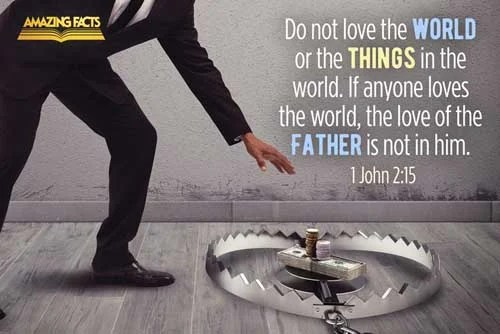


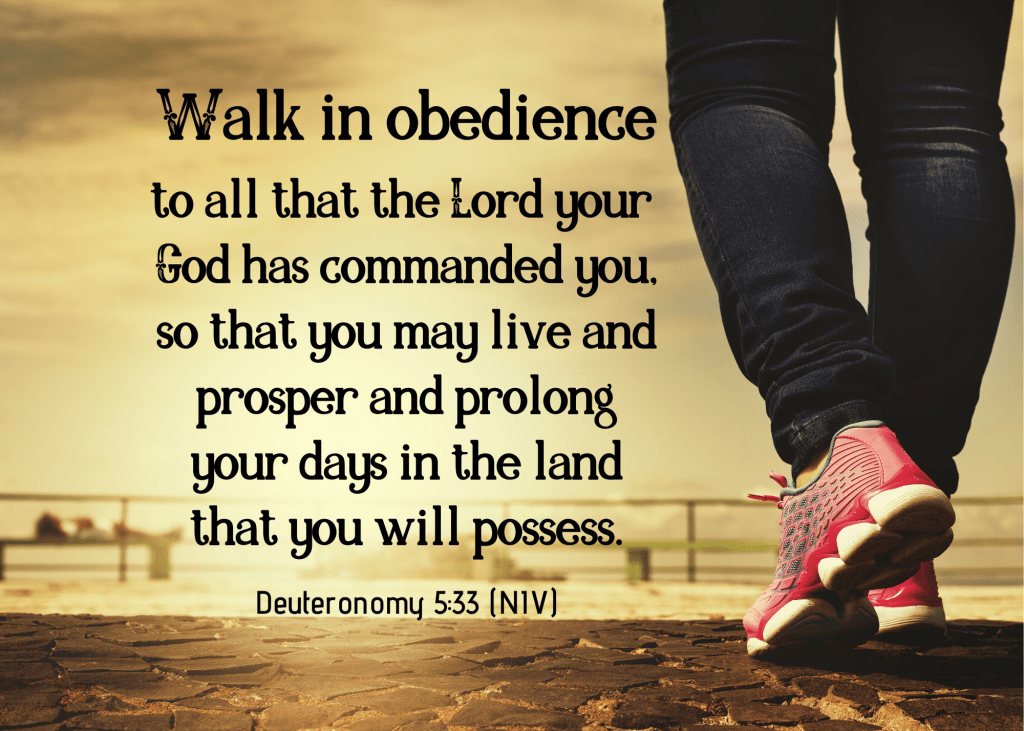

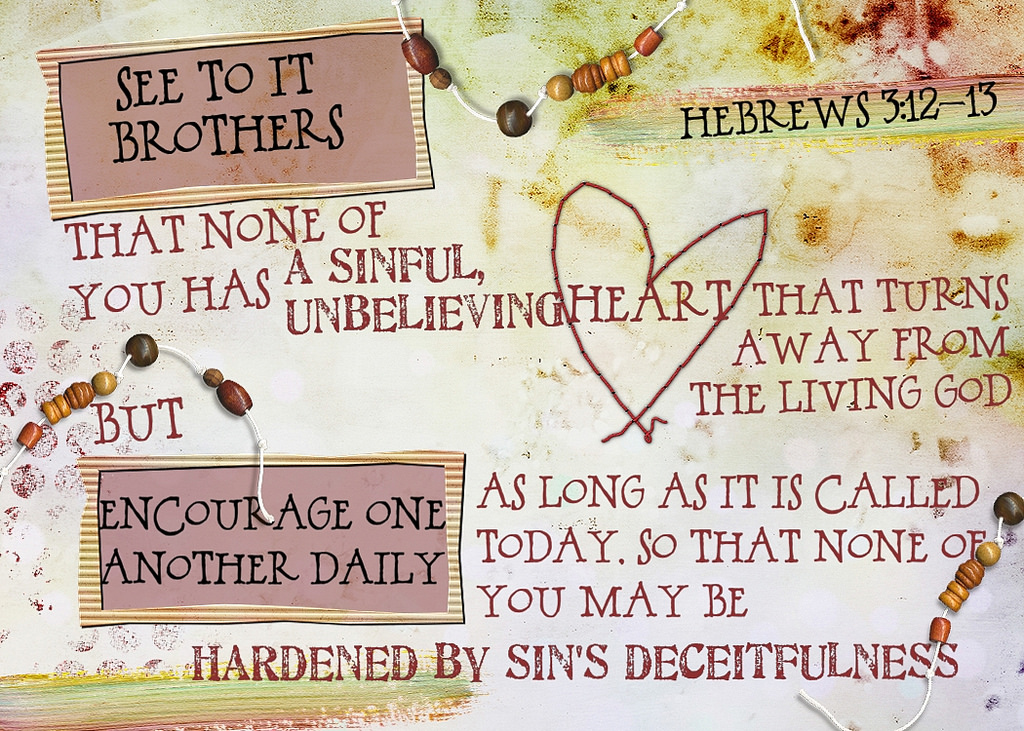


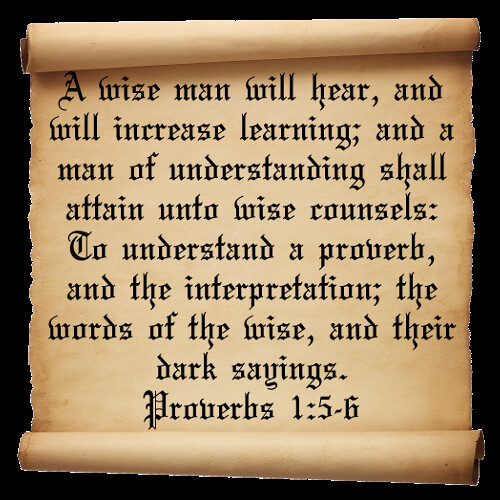
 Loving God, Living God, Loving Hope, Living Hope, Loving Living Life His Way! "Many things are possible for the person who has hope. Even more is possible for the person who has faith. And still more is possible for the person who knows how to love. But everything is possible for the person who practices all three virtues." - Brother Lawrence (1605-1691), Practicing the Presence of God (1692).