
Scratching our heads on the Emmaus Road: Walking in Ignorance. Ponder that plight of the Blinded Lost Sheep. Luke 24:14-18

Luke 24:14-18 Amplified Bible

14 And they were talking with each other about all these things which had taken place. 15 While they were talking and discussing it, Jesus Himself came up and began walking with them. 16 But their eyes were [miraculously] prevented from recognizing Him. 17 Then Jesus asked them, “What are you discussing with one another as you walk along?” And they stood still, looking brokenhearted. 18 One of them, named Cleopas, answered Him, “Are you the only stranger visiting Jerusalem who is unaware of the things which have happened here in these [recent] days?”

Word of God for the Children of God

Glory be to the Father,
and to the Son, and to the Holy Ghost;
as it was in the beginning,
is now, and ever shall be,
world without end. Amen, amen.
Does it seem unfair that these disciples were kept from seeing Jesus?

I have heard people say that it seems Jesus was being mysterious, tricky here.

While Jesus walks along with them, the disciples think he is an out-of-touch stranger who has no idea what happened recently in Jerusalem.

But let’s look at this from a different angle.

From a teaching and learning perspective, Jesus makes a brilliant move.

The disciples do not know Jesus is right there with him, so they can express their misunderstanding and frustration without being distracted.

They have no need to try to act as they would if they knew he was there.

They have room to hear God’s story all over again and to begin learning anew.

We learn that they also asked each other later, “Were not our hearts burning within us as he talked with us . . . ?”

Somewhere deep inside they sensed that their fellow traveler had remarkable understanding and authority as he spoke about the Scriptures, but first they needed to be in a space where they could be redirected.

Jesus their shepherd had more than one agenda to attend to in order for them to grow as disciples who would be invited to share in his mission.

While not being able to recognize him, they could begin to develop spiritual eyes of faith by which all new disciples would begin to see him.

How well has the good shepherd gotten your attention lately?

What is he trying to teach you?

Going Down the Emmaus Road: Walking in Ignorance?

How could the disciples on the Emmaus road not recognize Jesus?

They were returning from Jerusalem, where Jesus had been arrested, tried, tortured, crucified, and buried.

Now his body was gone, amid rumors flying that he had risen from the grave.

Just a week earlier they probably had walked with Jesus as he rode a colt into Jerusalem. They had hoped he would declare himself king and take up the ancient throne of David. But instead he was arrested, sentenced, and then crucified. And now they heard tell of an empty tomb and a missing body!

As they wandered home to Emmaus, they wondered about what might have been.

We know Jesus rose from the grave, yet we too can still live in the dark about his presence, or even ignore him. At this point those two disciples were in the dark since Jesus hadn’t revealed himself to them. They must have wondered who this person was who didn’t seem to know what had happened in Jerusalem.

So they filled him in.

Walking the resurrection road is still enormously challenging today.

Living consciously and intentionally in Jesus’ presence is a daily challenge.

We so readily miss the reality of Christ with us.

Yet this is our hope: Christ is with us whether we recognize him or not.

Don’t intentionally ignore him.

Look for him.

Immanuel, “God with us,”

“God walks with us.”

“God talks with us.”

In the name of God, the Father and God the Son and God the Holy Spirit …

Praying …

God Sustains His Servant.

To the Chief Musician. A Psalm of David.

40 I waited patiently and expectantly for the Lord;
And He inclined to me and heard my cry.

He brought me up out of a horrible pit [of tumult and of destruction], out of the miry clay,
And He set my feet upon a rock, steadying my footsteps and establishing my path.

He put a new song in my mouth, a song of praise to our God;
Many will see and fear [with great reverence]
And will trust confidently in the Lord.


Blessed [fortunate, prosperous, and favored by God] is the man who makes the Lord his trust,
And does not regard the proud nor those who lapse into lies.

Many, O Lord my God, are the wonderful works which You have done,
And Your thoughts toward us;
There is none to compare with You.
If I would declare and speak of your wonders,
They would be too many to count.


Sacrifice and meal offering You do not desire, nor do You delight in them;
You have opened my ears and given me the capacity to hear [and obey Your word];
Burnt offerings and sin offerings You do not require.

Then I said, “Behold, I come [to the throne];
In the scroll of the book it is written of me.

“I delight to do Your will, O my God;
Your law is within my heart.”


I have proclaimed good news of righteousness [and the joy that comes from obedience to You] in the great assembly;
Behold, I will not restrain my lips [from proclaiming Your righteousness],
As You know, O Lord.
10 
I have not concealed Your righteousness within my heart;
I have proclaimed Your faithfulness and Your salvation.
I have not concealed Your lovingkindness and Your truth from the great assembly.

11 
Do not withhold Your compassion and tender mercy from me, O Lord;
Your lovingkindness and Your truth will continually preserve me.
12 
For innumerable evils have encompassed me;
My sins have overtaken me, so that I am not able to see.
They are more numerous than the hairs of my head,
And my heart has failed me.

13 
Be pleased, O Lord, to save me;
O Lord, make haste to help me.
14 
Let those be ashamed and humiliated together
Who seek my life to destroy it;
Let those be turned back [in defeat] and dishonored
Who delight in my hurt.
15 
Let those be appalled and desolate because of their shame
Who say to me, “Aha, aha [rejoicing in my misfortune]!”
16 
Let all who seek You rejoice and be glad in You;
Let those who love Your salvation say continually,
“The Lord be magnified!”
17 
Even though I am afflicted and needy,
Still the Lord takes thought and is mindful of me.
You are my help and my rescuer.
O my God, do not delay.

Glory be to the Father,
and to the Son, and to the Holy Ghost;
as it was in the beginning,
is now, and ever shall be,
world without end. Amen, amen.
https://translate.google.com/

Retrieving His Lost Sheep, Retrieving His Lost Sheep, Walking on the Road to Emmaus, retrieving His lost sheep. Luke 24:13-35

Luke 24:13-35 Lexham English Bible

Jesus Encountered on the Road to Emmaus

13 And behold, on that same day, two of them were traveling to a village named[a]  Emmaus that was sixty stadia[b] distant from Jerusalem, 14 and they were conversing with one another about all these things that had happened. 15 And it happened that while they were conversing, and discussing, Jesus himself also approached and[c] began to go along with[d] them, 16 but their eyes were prevented from recognizing him. 17 And he said to them, “What are these matters that you are discussing with one another as you[e] are walking along?” And they stood still, looking sad. 18 And one of them, named[f] Cleopas, answered and[g] said to him, “Are you the only one living near Jerusalem and not knowing the things that have happened in it in these days?” 19 And he said to them, “What things?” So they said to him, “The things concerning Jesus the Nazarene, a man who was a prophet, powerful in deed and word before God and all the people, 20 and how our chief priests and rulers handed him over to a sentence of death, and crucified him. 21 But we were hoping that he was the one who was going to redeem Israel. But in addition to all these things, this is the third day since[h] these things took place. 22 But also some women from among us astonished us, who were at the tomb early in the morning, 23 and when they[i] did not find his body, they came back saying they had seen even a vision of angels, who said that he was alive! 24 And some of those with us went out to the tomb and found it[j] like this, just as the women had also said, but him they did not see.” 25 And he said to them, “O foolish and slow in heart to believe in all that the prophets have spoken! 26 Was it not necessary that the Christ suffer these things and enter into his glory?” 27 And beginning from Moses and from all the prophets, he interpreted to them the things concerning himself in all the scriptures. 28 And they drew near to the village where they were going, and he acted as though he was going farther. 29 And they urged him strongly, saying, “Stay with us, because it is getting toward evening, and by this time the day is far spent.” And he went in to stay with them. 30 And it happened that when he reclined at the table with them, he took the bread and[k] gave thanks, and after[l] breaking it,[m] he gave it[n] to them. 31 And their eyes were opened, and they recognized him, and he became invisible to them. 32 And they said to one another, “Were not our hearts burning within us while he was speaking with us on the road, while he was explaining the scriptures to us?” 33 And they got up that same hour and[o] returned to Jerusalem and found the eleven and those with them assembled, 34 saying, “The Lord has really been raised, and has appeared to Simon!” 35 And they began describing[p] what happened[q] on the road, and how he was recognized by them in the breaking of the bread.

Word of God for the Children of God

Glory be to the Father,
and to the Son, and to the Holy Ghost;
as it was in the beginning,
is now, and ever shall be,
world without end. Amen, amen.
That very day, the first day of the week, two of Jesus’ disciples were going to a village seven miles from Jerusalem called Emmaus, and they were conversing about all the things that had occurred. And it happened that while they were conversing and debating, Jesus himself drew near and walked with them, but their eyes were prevented from recognizing him.  Luke 24:13–16

One of the more poignant places where Jesus shows up as the good shepherd is when he goes after two despondent, lost sheep on the road to Emmaus.

Jesus meets these two followers in their grief, invites them to tell their story, processing their disappointment.

Jesus’ very presence with them reminds them that they still belong to him and are 100% a valued part of his sheepfold, in spite of their doubts and confusion.

He literally walks alongside them in the valley of the shadow of his own death.

The good shepherd is a pursuer.

These sheep are on their own, vulnerable, lost, and in need of their shepherd’s care. They are not abandoned to their misconceptions of current events.

Jesus seeks them out and tends to them as only he can.

This story serves as a comforting reminder to any of us who may be, are facing, growing doubts or disappointment with God. Maybe we have had to adjust our understanding of how God is working in our lives, or maybe we feel unworthy of the shepherd’s care because we have somehow continuously wandered away.

This picture of Jesus underscores the immensity of the love He for us and our incalculable value and worth to him as his beloved sheep.

This appearance of Jesus to two of His disciples is intriguing and fascinating.

They were quite distraught, and didn’t seem to know what to think about Jesus’ death.  They had hoped that He was the true Messiah but then He was killed. 

And then there were some who claimed His tomb was empty. 

What should they make of all this?

What should we make of all this?

As the story goes on, Jesus “interpreted to them what referred to him in all the Scriptures.”  Disciples realized this man with whom they were speaking had incredible wisdom and understanding, so they invited Him to stay with them.

Jesus stayed and sat down with them in their home. 

While there, Scripture says

“he took bread, said the blessing, broke it, and gave it to them. With that their eyes were opened and they recognized him, but he vanished from their sight.”

Again, this is intriguing and fascinating. 

Why did Jesus appear to them, conceal who He was, sit down and break bread with them, allow them to suddenly recognize Him and then simply vanish into thin air?  Well, He did it for a reason and we should be very attentive to this.

Jesus wanted those disciples, as well as all of us, to know that He who rose from the dead was very much alive and that we would recognize Him in the breaking of the bread.  We would recognize Him in the celebration of the Holy Eucharist!

This appearance of the resurrection Jesus to these disciples was, in fact, an appearance to teach all of us the simple truth of His presence in the Eucharist. 

It was at that moment, as they “took bread, said the blessing, broke it,” that Jesus was suddenly made manifest to their minds and souls. 

Jesus is alive in the Eucharist! 

But it also tells us that He is veiled in the Eucharist. 

This combination of being veiled and truly present gives us wonderful guidance in our faith.

Jesus is here, right now, in our presence, but we most likely do not see Him. 

But He is truly here! 

These disciples were in the presence of Jesus and they did not realize it. 

The same is true for us. 

We are constantly in His presence do not realize it.  This is especially true when we are worshipping but it is also true in countless other ways throughout our day.  We must commit ourselves to seeing Him, to recognizing Him and to adoring Him.  We must discover the resurrected presence of Jesus all around us.

Too often we think our Lord is present only in extraordinary ways.  But that is not true!  He is constantly present to us in very ordinary ways. He is here with us right now, loving us, speaking to us, and calling us to love Him. 

Do you see Him? 

Do you recognize His presence?

Reflect, today, upon the experience of these disciples. 

If you were them, you’d be blessed to be in the presence of the Savior of the world.  What an honor!  The truth is that God is with you now and always. 

He is constantly with you and is constantly speaking with you.  Look for Him and listen to His voice.  You may be surprised at how so very near He really is.

I arise today 
Through a mighty strength, the invocation of the Trinity,
Through belief in the Threeness,
Through confession of the Oneness
of the Creator of creation.

I arise today
Through the strength of Christ’s birth with His baptism,
Through the strength of His crucifixion with His burial,
Through the strength of His resurrection with His ascension,
Through the strength of His descent for the judgment of doom.

I arise today
Through the strength of the love of cherubim,
In the obedience of angels,
In the service of archangels,
In the hope of resurrection to meet with reward,
In the prayers of patriarchs,
In the predictions of prophets,
In the preaching of apostles,
In the faith of confessors,
In the innocence of holy virgins,
In the deeds of righteous men.

I arise today, through
The strength of heaven,
The light of the sun,
The radiance of the moon,
The splendor of fire,
The speed of lightning,
The swiftness of wind,
The depth of the sea,
The stability of the earth,
The firmness of rock.

I arise today, through
God’s strength to pilot me,
God’s might to uphold me,
God’s wisdom to guide me,
God’s eye to look before me,
God’s ear to hear me,
God’s word to speak for me,
God’s hand to guard me,
God’s shield to protect me,
God’s host to save me
From snares of devils,
From temptation of vices,
From everyone who shall wish me ill,
afar and near.

I summon today
All these powers between me and those evils,
Against every cruel and merciless power
that may oppose my body and soul,
Against incantations of false prophets,
Against black laws of pagandom,
Against false laws of heretics,
Against craft of idolatry,
Against spells of witches and smiths and wizards,
Against every knowledge that corrupts man’s body and soul;
Christ to shield me today
Against poison, against burning,
Against drowning, against wounding,
So that there may come to me an abundance of reward.

Christ with me,
Christ before me,
Christ behind me,
Christ in me,
Christ beneath me,
Christ above me,
Christ on my right,
Christ on my left,
Christ when I lie down,
Christ when I sit down,
Christ when I arise,
Christ in the heart of every man who thinks of me,
Christ in the mouth of everyone who speaks of me,
Christ in every eye that sees me,
Christ in every ear that hears me.

[Note that people sometimes pray a shorter version of this prayer just with these 15 lines about Christ above. The conclusion follows below.]

I arise today
Through a mighty strength, the invocation of the Trinity,
Through belief in the Threeness,
Through confession of the Oneness
of the Creator of creation.

Glory be to the Father,
and to the Son, and to the Holy Ghost;
as it was in the beginning,
is now, and ever shall be,
world without end. Amen, amen.
https://translate.google.com/

Too earthly focused and no heavenly good. Too heavenly focused and not even one grain of sand earthly good. Philippians 3:12-21

Philippians 3:12-21 The Message

Focused on the Goal

12-14 I’m not saying that I have this all together, that I have it made. But I am well on my way, reaching out for Christ, who has so wondrously reached out for me. Friends, don’t get me wrong: By no means do I count myself an expert in all of this, but I’ve got my eye on the goal, where God is beckoning us onward—to Jesus. I’m off and running, and I’m not turning back.

15-16 So let’s keep focused on that goal, those of us who want everything God has for us. If any of you have something else in mind, something less than total commitment God will clear your blurred vision—you’ll see it yet! Now that we’re on the right track, let’s stay on it.

17-19 Stick with me, friends. Keep track of those you see running this same course, headed for this same goal. There are many out there taking other paths, choosing other goals, and trying to get you to go along with them. I’ve warned you of them many times; sadly, I’m having to do it again. All they want is easy street. They hate Christ’s Cross. But easy street is a dead-end street. Those who live there make their bellies their gods; belches are their praise; all they can think of is their appetites.

20-21 But there’s far more to life for us. We’re citizens of high heaven! We’re waiting the arrival of the Savior, the Master, Jesus Christ, who will transform our earthy bodies into glorious bodies like his own. He’ll make us beautiful and whole with the same powerful skill by which he is putting everything as it should be, under and around him.

Word of God for the Children of God

Glory be to the Father,
and to the Son, and to the Holy Ghost;
as it was in the beginning,
is now, and ever shall be,
world without end. Amen, amen.

In the World…
  • Can a Christian be more effective by paying attention to world events?
  • Should we ignore what is going on in the world and just focus on God?

Simplistic questions as these will never get helpful responses, but I thought they may again capture our attention to what really matters.

At the time of writing this, there are catastrophic losses of life and property from flash flooding in several states, wildfires, riots, civil and social unrest, going on in the United States and two wars going on in the Middle East.

This devotion is not intended to address these issues, but it may very well give us exactly what we need.

Too Heavenly Minded?

I don’t know if you have heard the phrase, “too heavenly minded for earthly good.” The intent of this phrase is that the person’s head is in the clouds and ignoring the real-world problems. It suggests that this person has nothing to offer to help move the issues to resolution.

For the most part, this is true of Christians.

In an attempt to be non-biased and impartial, we pull ourselves out of the conversation.

Is this what God has called us into when He sent us out to disciple nations (Matthew 28:16-20)?

A peacemaker is not standing passively on any sidelines watching everything unfold, but instead actively engages the conversation to bring the impactful, transformational love of God into every relationship.

Where to Start?

As Christians, we are given specific instructions.

First and foremost, in every situation, we are to set our minds on things above, not on earthly things (Colossians 3:2).

Paul exhorts us that the foolishness of God is wiser than human wisdom (1 Corinthians 1:25). Therefore, we are to allow God to transform our minds and interpret every situation we face.

Too often we get our thoughts from the media or other influencers.

They may have an accurate view of what’s going on, and again they may not.

But those informing our views are getting us into a panic, worried about what may happen.

This fear may help them gain viewers or increase their profit lines, but it’s not anywhere close (how far is the east from the west) view God has on the world.

Think on Such Things

We are commissioned to think on whatever is true, noble, right, pure, lovely, admirable, excellent, or praiseworthy (Philippians 4:8).

God is not distraught in the affairs of the world; He always has hope.

Weeping may stay for the night, but rejoicing comes in the morning (Psalm 30:5).

If we are filled with sorrows, worry, anger, fear, or belittling from others over situations, we are not getting God’s perspective.

Don’t let the sun go down on your anger… and then give the devil a foothold (Ephesians 4:26-27). And over all these virtues, put on love (Colossians 3:14).

With everything that we see, we need to choose to maintain God’s perspective.

How we feel thinking about the world events, reveal whether or not we have God’s perspective.

Should We Have an Opinion?

Do I have an opinion on what is going on the world’s stage? Absolutely.

Would communicating those views add clarity to these situations? Maybe.

However, I believe that God has called me specifically to encourage people to connect with God for themselves.

Not only does God have perfect knowledge and understanding, He loves you perfectly and completely. He can address your fears and strengthen your heart.

A connection with Him will proved much more healing to the overall situation.

Should this be every Christians view? Absolutely not. God has called some of you to speak out. For now, my calling is to encourage you to seek God and help you to know you don’t have His perspective if it is not leading you to hope and love.

Focus on God and what He says is true.

If it doesn’t match your experience, still focus on what He says is true.

For we walk by faith, not by sight (2 Corinthians 5:7).

This will lead to your greatest joy – communion with Him.

Are We Anywhere near Ready to Let Go – Let God?

Philippians 3:13-14 New American Standard Bible

13 Brothers and sisters, I do not regard myself as having taken hold of it yet; but one thing I do: forgetting what lies behind and reaching forward to what lies ahead, 14 I press on toward the goal for the prize of the upward call of God in Christ Jesus.

Max Lucado tells a story about the late champion boxer Muhammad Ali taking someone to his barn where he stored his trophies and awards.

Standing in the doorway, he pointed to his many trophies and said, “It ain’t nothing.”

He had come to the conclusion that at the end of all things when all is said and done, at his very last breath, all of his vast accomplishments meant very little.

Centuries earlier, the apostle Paul looked back on his life and on all the things he had been proud of, and he said,

“Whatever was to my profit I now consider loss. I consider them rubbish.”

Paul said this not because he had a debilitating disease like Muhammad Ali but because he had met the Lord Jesus.

He was ready to let go of whatever was behind him so that he could serve the Lord and live by the power of the risen Savior.

As we are about to enter into another “who knows what” are we ready to let go of things that keep us from experiencing the power of Christ’s resurrection?

Are we ready to let go of all the things that at one time seemed all-important?

Are we ready to let go to ask the Lord today for the grace to toss out everything that stands, that accumulates dust in our closets, find ways of serving him?

In the name of God, the Father and God the Son and God the Holy Spirit …

Praying …

Psalm 91 New American Standard Bible

Security of One Who Trusts in the Lord.

91 One who dwells in the shelter of the Most High
Will lodge in the shadow of the Almighty.
I will say to the Lord, “My refuge and my fortress,
My God, in whom I trust!”
For it is He who rescues you from the net of the trapper
And from the deadly plague.
He will cover you with His pinions,
And under His wings you may take refuge;
His faithfulness is a shield and wall.

You will not be afraid of the terror by night,
Or of the arrow that flies by day;
Of the plague that [a]stalks in darkness,
Or of the destruction that devastates at noon.
A thousand may fall at your side
And ten thousand at your right hand,
But it shall not approach you.
You will only look on with your eyes
And see the retaliation against the wicked.
9 [b]For you have made the Lord, my refuge,
The Most High, your dwelling place.
10 No evil will happen to you,
Nor will any plague come near your [c]tent.

11 For He will give His angels orders concerning you,
To protect you in all your ways.
12 On their hands they will lift you up,
So that you do not strike your foot against a stone.
13 You will walk upon the lion and cobra,
You will trample the young lion and the [d]serpent.

14 “Because he has loved Me, I will save him;
I will set him securely on high, because he has known My name.
15 He will call upon Me, and I will answer him;
I will be with him in [e]trouble;
I will rescue him and honor him.
16 I will satisfy him with [f]a long life,
And [g]show him My salvation.”

Glory be to the Father,
and to the Son, and to the Holy Ghost;
as it was in the beginning,
is now, and ever shall be,
world without end. Amen, amen.

https://translate.google.com/

Devoting Ourselves unto, or Drifting away from, so Great a Salvation. Dare we to risk sloth, neglecting this latest message, this magnificent salvation? Hebrews 2:1-4

Hebrews 2:1-4 Christian Standard Bible

Warning against Neglect

For this reason, we must pay attention all the more to what we have heard, so that we will not drift away. For if the message spoken through angels was legally binding[a] and every transgression and disobedience received a just punishment, how will we escape if we neglect such a great salvation? This salvation had its beginning when it was spoken of by the Lord, and it was confirmed to us by those who heard him. At the same time, God also testified by signs and wonders, various miracles, and distributions of gifts from the Holy Spirit according to his will.

Word of God for the Children of God

Glory be to the Father,
and to the Son, and to the Holy Ghost;
as it was in the beginning,
is now, and ever shall be,
world without end. Amen, amen.
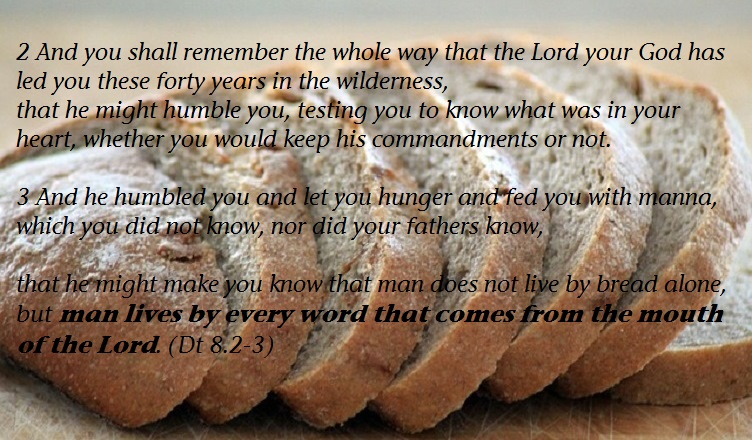
Hebrews 2:1 New Living Translation

A Warning against Drifting Away

2 So we must listen very carefully to the truth we have heard, or we may drift away from it.

What is Spiritual Drift

Everyone grows out of, or slowly moves away from, interests, habits, and hobbies in their lives over time.

An eight-year-old who loves playing with building blocks, Lego’s or dolls will eventually trade in their stuffed giraffes for make-up or a game console by the time they are twelve.

The star high-school athlete will eventually trade their sports ambitions in for a business endeavor.

People will always change, their interests change, they will always drift in and out of various likes, dislikes, and pastimes.

What once was, may no longer be in three of four years.

Is this a bad quality?

In relation to pastimes and trivial matters, I would say no.

But in relation to the Gospel and the Christian faith, I would say absolutely.

In fact, I would argue that every Christian has or will experience spiritual drift at some point in their Christian lives.

Interestingly, the believers to whom the letter of Hebrews is addressed were apparently were at risk of the very same danger!

In Hebrews 2:1 the author of Hebrews warns his audience against drifting away from the Gospel.

For them, this message was not only timely but necessary to protect them from a terrible fate.

You see, the audience of this letter was under immense persecution from the Roman government, as the letter was likely written during the reign of Nero.

Due to this persecution, these believers were tempted, threated, not only to drift away from the Gospel and all they had been taught, but were tempted to abandon the faith and apostatize!

Consequently, the author of Hebrews, under the inspiration of the Holy Spirit, writes these storm-tossed believers a timely warning against spiritual drifting.

Unintentional Drifting

Look with me at verse one of chapter two.

Perhaps the most interesting feature of this verse is its use of nautical terms.

The idea given here is that of a neglected boat that has slowly drifted out to sea.

A boat that someone failed to tie to the dock, and consequently has been pulled out to sea by the undercurrent or the tide.

Imagine if you would, a young couple or family on a beach vacation.

The wife perhaps decides she wants to catch some rays and a nap, while her husband is lounging on a yellow inner tube a few yards from the shore.

They both quickly and comfortably fall asleep under the suns warm light.

An hour later the wife wakes up and drowsily looks about for her husband and is unable to find him.

She becomes frantic and begins to search harder, and eventually notices a yellow speck on the horizon.

Her unconscious husband has drifted out to sea as a result of his negligence.

This is perhaps what is most startling about drifting.

It is often unintentional.

Few believers deliberately untie themselves from the heavenly harbor of the Gospel, rather they unintentionally and slowly drift away from it as a result of spiritual apathy and negligence.

This is a very real danger that you and I face every day.

It comes in the form of being too busy for Bible study, prayer, or poor Church attendance.

Missing these important aspects of the Christian life are usually not deliberate acts, rather they are simply the result of negligence, that results in a slow yet steady drift away from the Gospel and the things of God.

The Antidote to Drifting

For the believers addressed in the book of Hebrews, it was likely their hardships and persecutions that led to them neglecting the Gospel.

This is ironic as the Gospel and the teaching they had heard was the very cure they needed in their situation!

Not in the sense that the Gospel would remove the persecution, but in that the Gospel was the anchor they needed to weather the storm they were in.

Likewise, we may too drift away when storms, trials, and persecutions assail us.

Even though the very thing we are drifting away from is what we most desperately need in life’s hardest situations!

This is precisely why the author of Hebrews exhorts his listeners to pay attention to what they have heard!

And what is it that these believers have heard? 

The Gospel! 

The antidote to drifting and negligence in the Christian Life is Gospel alertness and intentionality. When troubles come, and they will, the answer is not to lift our eyes off the Gospel. Instead, we are to place our gaze directly on the cross!

To further the nautical picture painted by this verse, when storms assail, we must tie ourselves to the Gospel like a boat to a dock so we do not drift away.

By doing so we can avoid spiritual drift no matter what we face in the stormy seas of life.

Take heart friends, pay carful attention to the Gospel, and tie yourself to it.

In the name of God, the Father and God the Son and God the Holy Spirit,

Praying …

Psalm 119:1-16 The Message

119 1-8 You’re blessed when you stay on course,
    walking steadily on the road revealed by God.
You’re blessed when you follow his directions,
    doing your best to find him.
That’s right—you don’t go off on your own;
    you walk straight along the road he set.
You, God, prescribed the right way to live;
    now you expect us to live it.
Oh, that my steps might be steady,
    keeping to the course you set;
Then I’d never have any regrets
    in comparing my life with your counsel.
I thank you for speaking straight from your heart;
    I learn the pattern of your righteous ways.
I’m going to do what you tell me to do;
    don’t ever walk off and leave me.

* * *

9-16 How can a young person live a clean life?
    By carefully reading the map of your Word.
I’m single-minded in pursuit of you;
    don’t let me miss the road signs you’ve posted.
I’ve banked your promises in the vault of my heart
    so I won’t sin myself bankrupt.
Be blessed, God;
    train me in your ways of wise living.
I’ll transfer to my lips
    all the counsel that comes from your mouth;
I delight far more in what you tell me about living
    than in gathering a pile of riches.
I ponder every morsel of wisdom from you,
    I attentively watch how you’ve done it.
I relish everything you’ve told me of life,
    I won’t forget a word of it.

Glory be to the Father,
and to the Son, and to the Holy Ghost;
as it was in the beginning,
is now, and ever shall be,
world without end. Amen, amen.
https://translate.google.com/

Are we in danger of forgetting God, forgetting all of which we have seen Him do for us? Deuteronomy 4:9-14

Deuteronomy 4:9-14 Names of God Bible

However, be careful, and watch yourselves closely so that you don’t forget the things which you have seen with your own eyes. Don’t let them fade from your memory as long as you live. Teach them to your children and grandchildren. 10  Never forget the day you stood in front of Yahweh your Elohim at Mount Horeb. Yahweh had said to me, “Assemble the people in front of me, and I will let them hear my words. Then they will learn to fear me as long as they live on earth, and they will teach their children the same thing.”

11 So you came and stood at the foot of the mountain, which was on fire with flames shooting into the sky. It was dark, cloudy, and gloomy. 12 Yahweh spoke to you from the fire. You heard a voice speaking but saw no one. There was only a voice. 13 Yahweh told you about the terms of his promise, the ten commandments, which he commanded you to do. Then he wrote them on two stone tablets. 14 Yahweh also commanded me to teach you the laws and rules you must obey after you cross the Jordan River and take possession of the land.

Word of God for the Children of God

Glory be to the Father,
and to the Son, and to the Holy Ghost;
as it was in the beginning,
is now, and ever shall be,
world without end. Amen, amen.

It’s tough to get someone who has faith in God to consider the possibility they might also be godless. 

It seems like a contradiction by definition.

It might help to know we are not talking about a total renunciation of the existence of God.

We are talking about the moments we think, act, respond and make decisions as if God were not real and present in our lives.

Moments where our own thoughts or our own focus on God are replaced by people, circumstances, outcomes, or personal desires.  

Godlessness is a challenge against how easily I can seek the approval of men over God, or want to be more important in the eyes of men rather than God.

Many times I’ve made decisions driven primarily by the desire to be liked by people or my peers over pleasing God.

Unfortunately, these challenges also have consequences.

Seeking the approval of men produces hiddenness and deceit.

The irresistible desire to be more important, attain more status, leads to fear and insecurity, while the highest desires to be liked can lead to compromise.

These are common challenges for me, and perhaps you too, that meet the definition of godlessness we are addressing here.

Don’t forget it was the religious leaders Jesus was talking about when he said:

These people honor me with their lips, but their hearts are far from me. They worship me in vain; their teachings are merely human rules. Matthew 15:8-9 NIV

Though these leaders believed in God, their actions were consistent with someone who did not believe in God.

They worshiped God in vain, meaning it was futile or ineffectual with no real value and to no end.

We all can believe in God and still forget God.

When we do forget God, who do we put our trust in?

When we forget God, what do we replace him with?

Forgetting God: When trusting self overcomes our trust in God

When the LORD your God brings you into the land he swore to your fathers, to Abraham, Isaac and Jacob, to give you—a land with large, flourishing cities you did not build, houses filled with all kinds of good things you did not provide, wells you did not dig, and vineyards and olive groves you did not plant—then when you eat and are satisfied, [12] be careful that you do not forget the LORD, who brought you out of Egypt, out of the land of slavery. Deuteronomy 6:10-12 NIV

From where we sit, it is hard to imagine how the Israelites would somehow forget God after 40 years of seeing miracle after miracle (Exodus 7-17).

Yet God was compelled to caution them about forgetting.

In the desert, the Israelites had been dependent on God for their existence, including food and protection from the elements and their enemies.

There was a daily awareness of their need for God.

In Deuteronomy 6, God is about to fulfill his promise to bring them into a land where many of their needs will already be provided for.

This a blessing from God, a fulfillment of a promise that carried with it the risk they would no longer see a daily need for God and would forget him.

It is certainly possible to believe in God yet also to so easily forget about him. 

Consider the times during the day God is absent from our hearts and minds.

Other times, amid difficulty, we give in to fear, distrust, and unbelief as if God were neither willing nor able to help us, leaving us with no option but to trust ourselves.

These are godless moments. 

One need only look at the daily news cycle to understand that the disturbing, unsettling, disunifying, chaotic, and unjust world we live in is godless.

The world is often subject to life-altering events we cannot control.

The daily battle against godlessness is waged in the choices we make for who is in control of our life – God or self. 

The minute I forget God has a plan for my life and is in control, I want to toss God utterly out of the picture and fight desperately to take control to avoid pain, uncertainty, stress, and anxiety.   

“He will appear as your righteousness, as sure as the dawning of a new day. He will manifest as your justice, as sure and strong as the noonday sun. [7] Quiet your heart in his presence and pray; keep hope alive as you long for God to come through for you.

And don’t think for a moment that the wicked in their prosperity are better off than you. [8] Stay away from anger and revenge. Keep envy far from you, for it only leads you into lies. [9] For one day the wicked will be destroyed, but those who trust in the Lord will live safe and sound with blessings overflowing.” Psalm 37:6-9 TPT

We need to recognize when our godlessness drives us to take back control of our life. 

Where do you go when life begins to feel out of control? 

  1. “I turn inward by coming up with a plan or a strategy to avoid the flow of information or emotions that are creating stress or anxiety.”
  2. “I turn outward to control my schedule, conversations, relationships, information, and responsibilities to avoid stress or anxiety.”
  3. “I ignore, deny or harden to whatever is causing stress, uncertainty, pain, or anxiety. It’s better to be able to function even if I have to do it with a hard heart or numb emotions.”
  4. “I talk to God, talk to friends, share my thoughts/feelings/emotions, seek input, and read scriptures for guidance on how to think and feel.”
Do not forget about recalling all those memories of God’s goodness

Deuteronomy 4:9-10 The Message

Just make sure you stay alert. Keep close watch over yourselves. Don’t forget anything of what you’ve seen. Don’t let your heart wander off. Stay vigilant as long as you live. Teach what you’ve seen and heard to your children and grandchildren.

10 That day when you stood before God, your God, at Horeb, God said to me, “Assemble the people in my presence to listen to my words so that they will learn to fear me in holy fear for as long as they live on the land, and then they will teach these same words to their children.”

Many of us have those beautiful memories and stories of our parents, siblings, pastors, teachers, or neighbors showing their love and care for us, and we will never forget what they have done for us.

Many of us will also share, celebrate, these stories with our children, friends, coworkers, and others. These stories will always be part of our personal history.

Similarly, as believers in God, we remember stories of God’s deliverance, grace, protection, and greatness shown to us. Memories of our spiritual formation and personal blessings give us encouragement and inspiration and more strength.

We would not be who we are without God and what he has done in our lives.

And when we remember and tell our stories, God receives the glory.

Our faith is strengthened and renewed. When we tell others, especially the next generations, we share with them our love for and dependence upon the Lord.

We can find many ways to remember.

Some of us may use daily or weekly journaling, daily times of reflection with prayer, pictures, artwork, and music that remind us of significant times and places where we have encountered God in our lives. Some families and churches also designate times to tell stories about the Holy Spirit’s works in their lives.

What are some ways you remember God’s goodness?

In the name of God, the Father and God the Son and God the Holy Spirit,

Praying …

103 1-2 O my soul, bless God.
    From head to toe, I’ll bless his holy name!
O my soul, bless God,
    don’t forget a single blessing!

3-5     He forgives your sins—every one.
    He heals your diseases—every one.
    He redeems you from hell—saves your life!
    He crowns you with love and mercy—a paradise crown.
    He wraps you in goodness—beauty eternal.
    He renews your youth—you’re always young in his presence.

6-18 God makes everything come out right;
    he puts victims back on their feet.
He showed Moses how he went about his work,
    opened up his plans to all Israel.
God is sheer mercy and grace;
    not easily angered, he’s rich in love.
He doesn’t endlessly nag and scold,
    nor hold grudges forever.
He doesn’t treat us as our sins deserve,
    nor pay us back in full for our wrongs.
As high as heaven is over the earth,
    so strong is his love to those who fear him.
And as far as sunrise is from sunset,
    he has separated us from our sins.
As parents feel for their children,
    God feels for those who fear him.
He knows us inside and out,
    keeps in mind that we’re made of mud.
Men and women don’t live very long;
    like wildflowers they spring up and blossom,
But a storm snuffs them out just as quickly,
    leaving nothing to show they were here.
God’s love, though, is ever and always,
    eternally present to all who fear him,
Making everything right for them and their children
    as they follow his Covenant ways
    and remember to do whatever he said.

19-22 God has set his throne in heaven;
    he rules over us all. He’s the King!
So bless God, you angels,
    ready and able to fly at his bidding,
    quick to hear and do what he says.
Bless God, all you armies of angels,
    alert to respond to whatever he wills.
Bless God, all creatures, wherever you are—
    everything and everyone made by God.

And you, O my soul, bless God!

Glory be to the Father,
and to the Son, and to the Holy Ghost;
as it was in the beginning,
is now, and ever shall be,
world without end. Amen, amen.

https://translate.google.com/

“Put Me in Coach!” Peter said to him, “Lord, I am ready to go with you both to prison and to death.” Luke 22:33

Luke 22:31-34 New American Standard Bible 1995

31 “Simon, Simon, behold, Satan has [a]demanded permission to sift you like wheat; 32 but I have prayed for you, that your faith may not fail; and you, when once you have turned again, strengthen your brothers.” 33 But he said to Him, “Lord, with You I am ready to go both to prison and to death!” 34 And He said, “I say to you, Peter, the rooster will not crow today until you have denied three times that you know Me.”

Word of God for the Children of God

Glory be to the Father,
and to the Son, and to the Holy Ghost;
as it was in the beginning,
is now, and ever shall be,
world without end. Amen, amen.

One of our foremost weaknesses as mere mortals is to overstate our courage.

So often, we fail to realize the power of fear – why else would the Bible contain so many commands not to be afraid?

Peter’s intentions were upright and genuine, but, underneath all his bravado. the power of discouragement, despair, disillusionment, and fear was greater.

What commitments have you made to the Lord that you did not keep?

Even though Peter had denied his Lord three times, the Lord worked in Peter’s life so that he would not be destroyed.

He can do the same for you in your times of failure and loss.

If our faith journeys had mantras, mine would be, “Put me in, Coach!” 

I have always been chomping at the bit for God to put me in the game. If the world was a soccer match, I’d be the player on the sideline, jumping up and down with my hand raised screaming, “I’ve got this! Pick me! Pick me!”

Sure, my footwork could use some precision and my endurance could stand a boost, but what I lack in raw talent I am certain I can make up for in spirit. 

This is how I imagine Simon Peter, too. Peter was the disciple who boldly named Jesus the Messiah (Matthew 16:16), who jumped out of his boat to walk on water towards Jesus (Matthew 14:28-30), and then who leapt out of his boat again to reach Jesus on the shore after his resurrection (John 21:7).

He is impulsive, zealous, and earnest, seemed to be eager to be used by God. 

But on the night of his betrayal, Jesus turned to Peter and told him that Satan had demanded to “sift him like wheat,” and that he had prayed that Peter’s faith wouldn’t fail (Luke 22:31-32).

Indignant, Peter said, “Lord, I am ready to go with you both to prison and to death” (Luke 22:33).

It’s clear he believes his faith is immovable, solid as the rock he’s been named for; that in this moment, he cannot conceive the possibility that it will falter. 

This moment is important because it shows that our own understanding of our own capacities, abilities, and firmness of faith is not always in alignment with reality. Peter seemed to truly believe that he would go to prison or even death alongside Jesus, but when the moment of testing came, he was just not able.

Yet Jesus always knows the state of our hearts and content of our character more clearly than we see it ourselves. He indicates this in the conversation with Peter when he predicts he will, in fact, deny him three times before morning. (Luke 22:34).

But here’s something else Jesus sees which we ourselves can not see: our innate capacity to bounce back stronger, more mature—to where we will be, someday. 

Jesus doesn’t turn to Peter and say,

“You may or may not make it through this trial. Your faith may or may not crumble. Who knows how things will turn out for you?” He says, “And when you have turned again, strengthen your brothers” (Luke 22:32, emphasis mine).

He is certain Peter will not only return with a renewed faith, but that he will also have grown in such a way that enables him to strengthen his brothers, too. 

Intersecting Faith & Life:

Like Peter, we often think we’re ready for things when we are not.

We say things like, “Lord, I’m ready to lead,” or “Lord, I’m ready for [insert new opportunity or challenge here].”

We are so certain in our own capacities—and resolute in our spirits—that we become frustrated when he makes us wait. Doesn’t he see us jumping up on the sideline, saying, “Put me in, Coach?” Doesn’t he see that we are willing and able?

We can see only what we think we want, what we think we should be able to do. 

But the fact is, Jesus understands our hearts and abilities better than anyone.

And not only that, he sees the beginning and ending trajectory of our lives, and the version of the person he’s helping us to become. In just a blip, he can survey the situation in its totality, seeing the synergy of our past, present, and future. 

When he asks us to wait, it might be he’s still working on something within us. He recognizes our zeal and spirit—good and wonderful things!—but he’s not just in it for a soccer match. He’s playing the long game. (He’s in it for eternity.) 

Today, if you’re feeling ready for a new challenge or opportunity and can’t understand why God hasn’t “put you in yet,”

try asking him these simple questions: 

Psalm 139:23-24 New American Standard Bible 1995

23 Search me, O God, and know my heart;
Try me and know my anxious thoughts;
24 And see if there be any [a]hurtful way in me,
And lead me in the everlasting way.

God, what are you doing in my life that I can’t see?

Would you give me a sense of what you’re working on while I wait? 

You will be surprised to find he not only understands the longings of our heart, but he also might even teach you something you didn’t know about yourself. 

Proverbs 3:5-8 New American Standard Bible 1995

Trust in the Lord with all your heart
And do not lean on your own understanding.
In all your ways acknowledge Him,
And He will make your paths straight.
Do not be wise in your own eyes;
Fear the Lord and turn away from evil.
It will be healing to your [a]body
And refreshment to your bones.

Proverbs 16:1-9 New American Standard Bible 1995

Contrast the Upright and the Wicked

16 The plans of the heart belong to man,
But the answer of the tongue is from the Lord.
All the ways of a man are clean in his own sight,
But the Lord weighs the [a]motives.
3 [b]Commit your works to the Lord
And your plans will be established.
The Lord has made everything for [c]its own purpose,
Even the wicked for the day of evil.
Everyone who is proud in heart is an abomination to the Lord;
Assuredly, he will not be unpunished.
By lovingkindness and truth iniquity is atoned for,
And by the [d]fear of the Lord one keeps away from evil.
When a man’s ways are pleasing to the Lord,
He makes even his enemies to be at peace with him.
Better is a little with righteousness
Than great income with injustice.
The mind of man plans his way,
But the Lord directs his steps.

However, we should take the warning given to Peter as our own. When we feel most secure in our strength and courage, we are too often most vulnerable. Our own strength must come from the Lord and not our feelings of invincible faith.

In the name of God, the Father and God the Son and God the Holy Spirit,

Praying …

Psalm 28 New American Standard Bible 1995

A Prayer for Help, and Praise for Its Answer.

A Psalm of David.

28 To You, O Lord, I call;
My rock, do not be deaf to me,
For if You are silent to me,
I will become like those who go down to the pit.
Hear the voice of my supplications when I cry to You for help,
When I lift up my hands toward [a]Your holy sanctuary.
Do not drag me away with the wicked
And with those who work iniquity,
Who speak peace with their neighbors,
While evil is in their hearts.
Requite them according to their work and according to the evil of their practices;
Requite them according to the deeds of their hands;
Repay them their [b]recompense.
Because they do not regard the works of the Lord
Nor the deeds of His hands,
He will tear them down and not build them up.

Blessed be the Lord,
Because He has heard the voice of my supplication.
The Lord is my strength and my shield;
My heart trusts in Him, and I am helped;
Therefore my heart exults,
And with my song I shall thank Him.
The Lord is [c]their strength,
And He is a [d]saving defense to His anointed.
Save Your people and bless Your inheritance;
Be their shepherd also, and carry them forever.

Glory be to the Father,
and to the Son, and to the Holy Ghost;
as it was in the beginning,
is now, and ever shall be,
world without end. Amen, amen.

https://translate.google.com/

Peace When You are Dealing with the weight and burden of Family Drama. Romans 12:14-19

Romans 12:14-19 Lexham English Bible

14 Bless those who persecute,[a] bless and do not curse them. 15 Rejoice with those who rejoice; weep with those who weep. 16 Think the same thing toward one another; do not think arrogantly[b], but associate with the lowly. Do not be wise in your own sight[c]17 Pay back no one evil for evil. Take thought for what is good in the sight of all people. 18 If it is possible on your part, be at peace with all people. 19 Do not take revenge yourselves, dear friends, but give place to God’s wrath, for it is so written, “Vengeance is mine, I will repay,”[d] says the Lord.

Word of God for the Children of God

Glory be to the Father,
and to the Son, and to the Holy Ghost;
as it was in the beginning,
is now, and ever shall be,
world without end. Amen, amen.
It goes without saying that conflict is 100% an inevitable part of our lives, but as followers of Christ we are called to pursue peace and reconciliation.

In the midst of conflict, the Holy Scriptures do not hesitate to admonish us; we will always and forever posses the opportunity to be the first to set that conflict aside and so demonstrate God’s love and bring healing to broken relationships.

Psalm 139:23-24 Authorized (King James) Version

2Search me, O God, and know my heart:
try me, and know my thoughts:
24 and see if there be any wicked way in me,
and lead me in the way everlasting.

When facing conflict, we should always begin by praying to God; examining our own hearts, weeding out our mess, seeking humility. We strive to understand the perspectives of others, to respond with kindness, empathy, and forgiveness. Our goal is not to win arguments but to build bridges and restore relationships.

The process of reconciliation requires patience, grace, and bring an authentic willingness to listen. We invite God to work in us and through us, enabling us to extend forgiveness and to seek restoration. As we yield to the Lord’s guidance, he empowers us to respond with love and wisdom.

In dealing with conflict, we must rely on the Holy Spirit to guide our words and actions. We pray for the courage and the strength to lay down our pride, extend forgiveness, and pursue peace. Through our peacemaking efforts, we reflect the character of Christ and become agents of his reconciliation in a broken world.

As Romans 12:18 writes, whenever and wherever possible we’re called by God to live at peace with everyone. This includes those you get along with and like, and with those you don’t. Does it mean that we endure abuse or abusive situations?

Absolutely not. But it does mean that we, first and foremost go unto the Lord in prayer and pursue professional help for these issues when they arise. You can still love your family from a distance and will still honor the Lord in doing so. 

John 16:25-33 New Revised Standard Version Updated Edition

Peace for the Disciples

25 “I have said these things to you in figures of speech. The hour is coming when I will no longer speak to you in figures but will tell you plainly of the Father. 26 On that day you will ask in my name. I do not say to you that I will ask the Father on your behalf, 27 for the Father himself loves you because you have loved me and have believed that I came from God.[a] 28 I came from the Father and have come into the world; again, I am leaving the world and am going to the Father.”

29 His disciples said, “Yes, now you are speaking plainly, not in any figure of speech! 30 Now we know that you know all things and do not need to have anyone question you; by this we believe that you came from God.” 31 Jesus answered them, “Do you now believe? 32 The hour is coming, indeed it has come, when you will be scattered, each one to his home, and you will leave me alone. Yet I am not alone because the Father is with me. 33 I have said this to you so that in me you may have peace. In the world you face persecution, but take courage: I have conquered the world!”

There is nothing to be ashamed of for acknowledging what you’re experiencing and seeking help. In fact, it’s exactly what the Lord would want us to do! And it’s a wonderful demonstration of the peace of God He asks us all to develop. 

In the name of God, the Father and God the Son and God the Holy Spirit,

Praying …

Psalm 42 The Message

42 1-3 A white-tailed deer drinks
    from the creek;
I want to drink God,
    deep drafts of God.
I’m thirsty for God-alive.
I wonder, “Will I ever make it—
    arrive and drink in God’s presence?”
I’m on a diet of tears—
    tears for breakfast, tears for supper.
All day long
    people knock at my door,
Pestering,
    “Where is this God of yours?”

These are the things I go over and over,
    emptying out the pockets of my life.
I was always at the head of the worshiping crowd,
    right out in front,
Leading them all,
    eager to arrive and worship,
Shouting praises, singing thanksgiving—
    celebrating, all of us, God’s feast!

Why are you down in the dumps, dear soul?
    Why are you crying the blues?
Fix my eyes on God—
    soon I’ll be praising again.
He puts a smile on my face.
    He’s my God.

6-8 When my soul is in the dumps, I rehearse
    everything I know of you,
From Jordan depths to Hermon heights,
    including Mount Mizar.
Chaos calls to chaos,
    to the tune of whitewater rapids.
Your breaking surf, your thundering breakers
    crash and crush me.
Then God promises to love me all day,
    sing songs all through the night!
    My life is God’s prayer.

9-10 Sometimes I ask God, my rock-solid God,
    “Why did you let me down?
Why am I walking around in tears,
    harassed by enemies?”
They’re out for the kill, these
    tormentors with their obscenities,
Taunting day after day,
    “Where is this God of yours?”

11 Why are you down in the dumps, dear soul?
    Why are you crying the blues?
Fix my eyes on God—
    soon I’ll be praising again.
He puts a smile on my face.
    He’s my God.

Glory be to the Father,
and to the Son, and to the Holy Ghost;
as it was in the beginning,
is now, and ever shall be,
world without end. Amen, amen.

https://translate.google.com/

So, the believers pray for a Continued Bold Witness. Our Prayer for far more Boldness to Stand for Biblical Values. Acts 4:23-31

Acts 4:23-31 Lexham English Bible

The Believers Pray for Continued Bold Witness

23 And when they[a] were released, they went to their own people and reported all that the chief priests and the elders had said to them. 24 And when they[b] heard it, [c] they lifted their voices with one mind to God and said, “Master, you are the one who made the heaven and the earth and the sea and all the things in them, 25 the one who said by the Holy Spirit through the mouth of our father David, your servant,

‘Why do the nations[d] rage,
    and the peoples conspire in vain?
26 The kings of the earth stood opposed,
    and the rulers assembled together at the same place,
against the Lord and against his Christ.’[e]

27 For in truth both Herod and Pontius Pilate, together with the Gentiles and the peoples of Israel, assembled together in this city against your holy servant Jesus whom you anointed, 28 to do all that your hand and plan[f] had predestined to take place. 29 And now, Lord, concern yourself with their threats and grant your slaves to speak your message with all boldness, 30 as you extend your hand to heal and signs and wonders are performed through the name of your holy servant Jesus.” 31 And when[g] they had prayed, the place in which they were gathered was shaken, and they were all filled with the Holy Spirit and began to speak[h] the word[i] of God with boldness.

Word of God for the Children of God.

Glory be to the Father,
and to the Son, and to the Holy Ghost;
as it was in the beginning,
is now, and ever shall be,
world without end. Amen, amen.

Danger and threats come against people in many different ways. It can be from other people threatening someone or it can be just natural disasters occurring.

When a person’s life, a person’s life of faith and service is being threatened, people run to others scared; and race into hiding out of fear (1 Kings 19:1-8.)

Having the boldness to face (fight or flight) the mounting gravity of the danger is something that many people do not have.

Fear of dying or going against something larger and stronger, and experienced, than them overcomes their ability to face it.

Luke records in Acts 4:23-31 that when the church was being threatened with persecution, the people prayed to God to address the threats being presented and to give His people more boldness to be able to continue to speak His Word.

With the many threats of the religious rulers lingering over them, Peter and John return to their church family and report what has just happened. And in response to these threats, the community of believers prays together to God.

I am always struck by what they did not pray.

They did not ask God to bring destruction on the religious leaders.

They did not ask God to take them out of their time of trouble.

Instead, they prayed that God would consider the threats against them and enable them to speak with much more boldness. That prayer was specifically answered as the Holy Spirit filled them and the place they were in was shaken.

How could the believers come to pray such a prayer?

The prayer itself gives us the insight that they looked not just to the moment but also surveyed the history of God’s people.

They knew the promises and prophecies of God.

They placed their current situation within the setting of Scripture.

For us, that would be like having the Bible’s teachings in mind as we sift through the daily news.

What’s more, at the beginning of their prayer, the believers put all of their troubles and threats in perspective under the umbrella of God’s sovereignty.

They knew that God was still in control.

What they prayed was they would be able to keep being inspired, empowered, witnesses to the Sovereign Lord, who was still at work in the world he so loved.

The world hates God and anyone who has anything to do with Him. As a result, the world will do what it can to persecute believers in any way possible.

They want to stop all believers from spreading the truth about Jesus.

Inside the church, many people are praying and seeking God for many things.

Most common things being sought for are healing and provision in different ways for self and others.

Some will also pray for God to remove those who are evil and persecuting believers.

While all these types of prayers are good, very seldom do believers pray for boldness in the face of evil.

God has a plan for every believer to be His witness to this fallen world. No one can come to the Lord if no one is willing to speak the truth with boldness.

During times of trouble and hardship, the first thing believers should seek is for God to give them boldness to be His witness.

As one testifies for God, He will be able to do mighty miracles and touch the hearts of the lost.

Trouble is guaranteed to come your way, sometimes as a threat, other times just as difficulties. Facing all of those troubles can be scary and intimidating.

In a world where truth is often vigorously challenged and compromise feels easier, standing for hardcore true and iron clad biblical values requires courage, clarity, and deep reliance on the Holy Spirit.

Just like the early church, we are called to speak His truth—not arrogantly, but boldly and graciously (2 Timothy 2:14-19, 2 Timothy 3:10-17, Hebrews 4:12).

This devotional offers a prayer for those who want to be faithful in word and witness—unafraid to represent Christ in their homes, communities, culture.

Lord God, Thank You for the truth of Your Word that never changes. In a time when biblical truth is often opposed or misunderstood, I ask for boldness to stand for biblical values with both conviction and compassion. Help me not to be silent when I should speak. Let my words reflect Your wisdom and my actions reflect Your grace. When fear rises, remind me that I am not alone—

Your Spirit empowers and goes before me. Teach me to speak the truth in love. To hold fast to righteousness without becoming self-righteous. To represent You well in how I live, love, and lead.

Let me be like those in Acts 4:29 who prayed for boldness—not comfort—when faced with resistance. May my life point others directly to Jesus and stand firm in the foundation of Scripture. In Your mighty name, Amen.

Seek God’s boldness to stand up to those troubles and speak His Word. Jesus has already overcome the world and you have His strength to do the same. You have something the world will never have, the promise of salvation and eternal life.

In the name of God, the Father and God the Son and God the Holy Spirit …

Praying …

Psalm 84 Lexham English Bible

The Joy of Worshiping in the Temple
For the music director; on the Gittith.
Of the sons of Korah. A psalm.[a]

84 How lovely are your dwelling places,
O Yahweh of hosts!
My soul longs and even fails
for the courtyards of Yahweh.
My heart and flesh sing for joy
to the living God.
Even a bird finds a home, and a swallow a nest for herself,
where she may lay her young,
near your altars, O Yahweh of hosts,
my king and my God.
Blessed are those who dwell in your house;[b]
they can ever praise you. Selah
Blessed is the man whose strength is in you;
in their heart are the highways to Zion.
Passing through the Valley of Baca,[c]
they make it a spring.
The early rain covers it with blessings[d] as well.
They go from strength to strength,
until each appears before God in Zion.[e]
O Yahweh, God of hosts, hear my prayer;
give ear, O God of Jacob. Selah
Look at our shield, O God,
and have regard for the face of your anointed one.
10 Because better is a day in your courtyards
than a thousand elsewhere.
I would rather be at the threshold of the house[f] of my God
than to dwell in the tents of wickedness.
11 Because Yahweh God is a sun and a shield;
Yahweh gives grace and honor.
He does not withhold good from those who walk blamelessly.
12 O Yahweh of hosts,
blessed is the man who trusts you.

Glory be to the Father,
and to the Son, and to the Holy Ghost;
as it was in the beginning,
is now, and ever shall be,
world without end. Amen, amen.

https://translate.google.com/

Do remember your Creator in your youth; before the Silver (Spinal) Cord is snapped; dust returns to the earth as it first was, and the Spirit returns to God who gave it. Ecclesiastes 12:1-8

Ecclesiastes 12:1-8 New American Standard Bible

Remember God in Your Youth

12 Remember also your Creator in the days of your youth, before the evil days come and the years approach when you will say, “I have no pleasure in them”; before the sun and the light, the moon and the stars are darkened, and clouds return after the rain; on the day that the watchmen of the house tremble, and strong men are bent over, the grinders stop working because they are few, and those who look through [a]windows grow [b]dim; and the doors on the street are shut as the sound of the grinding mill is low, and one will arise at the sound of the bird, and all the daughters of song will [c]sing softly. Furthermore,  people are afraid of a high place and of terrors on the road; the almond tree blossoms, the grasshopper drags itself along, and the caper berry is ineffective. For man goes to his eternal home while the mourners move around in the street. Remember your Creator before the silver cord is [d]broken and the golden bowl is crushed, the pitcher by the spring is shattered and the wheel at the cistern is crushed; then the dust will return to the earth as it was, and the [e]spirit will return to God who gave it. “Futility of futilities,” says the Preacher, “all is futility!”

Word of God for the Children of God

Glory be to the Father,
and to the Son, and to the Holy Ghost;
as it was in the beginning,
is now, and ever shall be,
world without end. Amen, amen.
Have you heard the term “silver cord” before?

Do you know where it comes from? It’s an interesting term to me because it’s unique. The phrase comes from one single place in history: Ecclesiastes 12:6-7: Amplified Bible

Earnestly remember your Creator before the silver cord [of life] is broken, or the golden bowl is crushed, or the pitcher at the fountain is shattered and the wheel at the cistern is crushed; then the dust [out of which God made man’s body] will return to the earth as it was, and the spirit will return to God who gave it.

It doesn’t show up anywhere else in the Bible, and yet it’s the term used to describe many metaphysical studies today: the link between the body and the spirit. What does it mean? We can tell from the verses themselves that it’s being used poetically to describe the process of death. But why a silver cord?

https://www.studylight.org/commentaries/eng/bul.html

E.W. Bullinger’s Companion Bible describes each of these elements via comparing them to actual body parts:

the silver cord: i.e. the spinal cord.

the golden bowl: i.e. the head, or skull.

pitcher: the failure of the heart.

Commentaries typically make similar assertions and leave it at that.

However, I think that this is too much of a scholarly explanation, and lacks the powerful, deeply poetic nuanced message of the divine Christ. There is much more to the silver cord due to the simple fact that it’s different from the rest.

Consider the following:

  1. When a wheel is broken at a well, it is useless and everything stops. No water can come up, and everything falls down
  2. When a pitcher shatters at the spring, the water falls down
  3. When a golden bowl is broken, whatever it was holding falls down
  4. When a silver cord is severed, one side stays up, and the other side falls down

Solomon said that the dust returns to the ground it came from, and the spirit returns to God who gave it.

The silver cord is the only item in the list that has two sides: it binds and it looses, one side goes away and the other side remains.

So we know that it is specifically focused on the connection between the body and the spirit.

But why is it silver?

Shouldn’t the spirit be more valuable than our bodies?

Why would a golden bowl be used to describe our body, when our spirit is eternal?

Since this term was invented by the culture of the time of Solomon, lets engage with his language and his culture.

Silver & the Appointed Time

The word “silver” used by Solomon in Hebrew is kesef (כֶּסֶף). This word is derived from the Assyrian word kaspu (ܟ݁ܶܣܦ݁ܳܐ), which means “pale metal.”

What makes this special is that there is another word in the Bible that shares this same root word. This word is keseh (כֶּסֶא), which means “full moon,” “pale moonlight,” or “appointed time.” Keseh is very unique, as it is a word that only occurs once in the entire Bible.

Where does it occur?

Proverbs 7:19-21 Lexham English Bible

19 For there is no man[a] in his home;
    he has gone on a long journey.[b]
20 The bag of money he took in his hand,
    for on the day of the full moon he will come home.”
21 She persuades him with the greatness of her teachings;
    with her smooth lips she compels him.

https://www.blueletterbible.org/kjv/pro/7/20/t_conc_635020

https://www.blueletterbible.org/lexicon/h3677/kjv/wlc/0-1/

Depending on the translation you read, the highlighted words will say full moon, or appointed time.

This will depend on how a given translation treats literal word-for-word translation versus original author intent.

What if the woman’s husband came home early?

His appointed time would certainly have turned into an hour of reckoning.

We understand the literal word for “full moon” here to mean that it is the appointed time, or the hour of reckoning.

Passover, for example, always begins on the 15th day of the Hebrew month of Nisan, which lines up with the lunar cycle and guarantees that a full moon will be present every time.

Passover is a time to remember the hour of reckoning for Egypt, the appointed time when God would deliver his people from out of slavery. A full moon is highly significant in Jewish culture, and many other traditions surround it.

So, what does the connection between silver and the “appointed time” mean?

It helps us understand why the silver cord is not made out of gold.

Silver, a pale metal as the Assyrians would have described it, is a much smaller denomination of currency than gold.

Gold is something the average person at that time would have never touched.

Gold was used to fund wars, vast building projects, and to pay kings.

A debt of gold is especially burdensome, and Jesus compares the debt of sin owed unto God to ten thousand bags of gold:

Matthew 18:23-28 New International Version

23 “Therefore, the kingdom of heaven is like a king who wanted to settle accounts with his servants. 24 As he began the settlement, a man who owed him ten thousand bags of gold[a] was brought to him. 25 Since he was not able to pay, the master ordered that he and his wife and his children and all that he had be sold to repay the debt.

26 “At this the servant fell on his knees before him. ‘Be patient with me,’ he begged, ‘and I will pay back everything.’ 27 The servant’s master took pity on him, canceled the debt and let him go.

28 “But when that servant went out, he found one of his fellow servants who owed him a hundred silver coins.[b] He grabbed him and began to choke him. ‘Pay back what you owe me!’ he demanded.

Silver, on the other hand, is an order of magnitude lower in value than gold. See how the servant has other people owing him merely silver?

The difference is our debt of sin to God compared to our earthly debts with our neighbors.

Silver is of mortal concern, debts we make with one another on earth.

Silver is used to buy or rent smaller things, temporary things that come and go, like a field: Genesis 23:16

Or information: Matthew 26:15

Or people: Genesis 37:28

Silver is used to signify our fleeting life, a pale metal, a memorial for something greater. God used silver trumpets to call the Israelites during any possible time, even times when the moon wasn’t present: Numbers 10:1-2, Numbers 10:10

We see these silver trumpets foreshadowing the final return of Jesus, the day of highest reckoning, when the spirits of Christians are returned to God, and the silver cord is severed: Matthew 24:30-31

Concluding Thoughts …

Throughout scripture we see a pattern of silver being used to signify things that are borrowed, things that are temporarily in our possession.

While we live, our bodies and spirits are connected through the silver cord.

But we must remember God.

God gave the Israelites silver trumpets to be used as a memorial of all he has done for them, and to call them out of the wilderness. One day, Christians will be called with the same silver trumpets to return to God what is owned by God: our spirits. Our spirits belong to him, and will return to him when we die.

When the silver cord is severed, everything we owe to God will be reckoned.

Our bodies belong to the dust, and our spirits belong to God.

Remember that your life is borrowed from God.

We owe him an unsurmountable debt due to our sinful lives.

And yet, Jesus paid the same debt in the parable, ten thousand bags of gold, with his very life so that we could be free.

The silver cord serves as a reminder of who we as Christians belong to, how fleeting and how pale our lives and possessions are, and how we should be desperately, diligently forgiving those who are just as deeply indebted to us: Matthew 18:32-35

If you’re not sure where to begin with forgiving other people, Jesus gives us a simple answer: we should pray.

Pray and remember God before the silver cord is severed.

Matthew 6:9-15 New King James Version

In this manner, therefore, pray:

Our Father in heaven,
Hallowed be Your name.
10 Your kingdom come.
Your will be done
On earth as it is in heaven.
11 Give us this day our daily bread.
12 And forgive us our debts,
As we forgive our debtors.
13 And do not lead us into temptation,
But deliver us from the evil one.
[a]For Yours is the kingdom and the power and the glory forever. Amen.

14 “For if you forgive men their trespasses, your heavenly Father will also forgive you. 15 But if you do not forgive men their trespasses, neither will your Father forgive your trespasses.

Life is extremely fragile—the poetry written here by the author of Ecclesiastes is intended to demonstrate just how fragile it is.

It’s like a hanging lamp that is shattered as a result of just one little piece of the cord breaking.

Ecclesiastes 3:2 New King James Version

A time [a]to be born,
And a time to die;
A time to plant,
And a time to pluck what is planted;

Our lives here are held by a very, very slender sliver thread.

God created, God Owns, God is, holding the knife blade … ready to sever at our appointed time established by God Himself.

Children of God get ready …

In the name of God, the Father and God the Son and God the Holy Spirit,

Praying …

Psalm 90 Lexham English Bible

God’s Eternity and Human Frailty
A prayer of Moses, the man of God.[a]

90 O Lord, you have been our help[b] in all generations.[c]
Before the mountains were born
and you brought forth the earth and the world,
even from everlasting to everlasting, you are God.
You return man to the dust,
saying,[d] “Return, O sons of man.”
For a thousand years in your eyes
are like yesterday when it passes,
or like a watch in the night.
You sweep them away like a flood.
They fall asleep.[e]
In the morning they are like grass that sprouts anew.
In the morning it blossoms and sprouts anew;
by evening it withers and dries up.
For we are brought to an end by your anger,
and we hasten off[f] by your wrath.
You have put our iniquities before you,
our hidden sins into the light of your countenance.
For all of our days dwindle away in your rage;
we complete our years like a sigh.
10 As for the days of our years, within them are seventy years
or if by strength eighty years, and their pride[g] is trouble and disaster,
for it passes quickly and we fly away.
11 Who knows the strength of your anger,
and your rage consistent with[h] the fear due you?
12 So teach us to number our days
that we may gain a heart of wisdom.
13 Return,[i] O Yahweh. How long?
And have compassion on[j] your servants.
14 Satisfy us in the morning with your loyal love,
that we may sing for joy and be glad all our days.
15 Make us glad for as many days as you have afflicted us,
for as many years as we have seen calamity.
16 Let your work be visible to your servants,
and your majesty to their children.
17 And let the beauty of the Lord our God be upon us,
and establish for us the work of our hands,
yes, the work of our hands, establish it.

Glory be to the Father,
and to the Son, and to the Holy Ghost;
as it was in the beginning,
is now, and ever shall be,
world without end. Amen, amen.
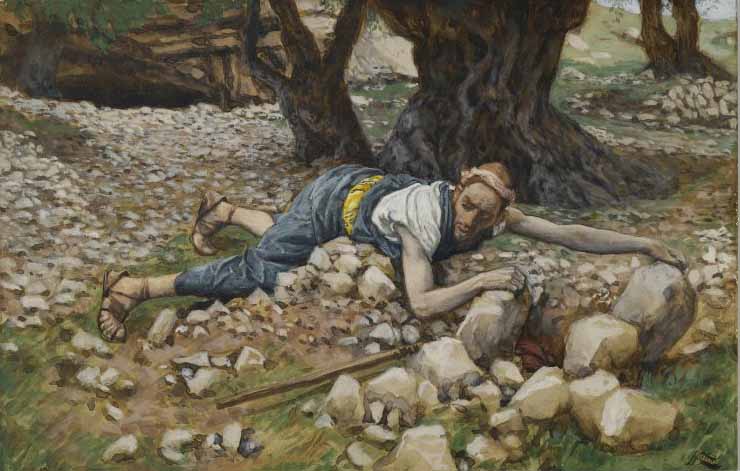
https://translate.google.com/

Called to be Saints: Through Him we received both the generous gift of His life and the urgent task of passing it on to others who receive it by their entering into obedient trust in Jesus. Romans 1:1-7

Romans 1:1-7 Lexham English Bible

Greeting

Paul, a slave of Christ Jesus, called to be an apostle, set apart for the gospel of God, which he promised previously through his prophets in the holy scriptures,  concerning his Son, who was born a descendant[a] of David according to the flesh, who was declared Son of God in power according to the Holy Spirit[b] by the resurrection from the dead of Jesus Christ our Lord, through whom we have received grace and apostleship for the obedience of faith among all the Gentiles[c] on behalf of his name, 6among whom you also are the called of Jesus Christ. To all those in Rome who are loved by God, called to be saints. Grace to you and peace from God our Father and the Lord Jesus Christ.

Word of God for the Children of God

Glory be to the Father,
and to the Son, and to the Holy Ghost;
as it was in the beginning,
is now, and ever shall be,
world without end. Amen, amen.
We can become too familiar with some phrases in the Bible, like this one: “a servant of Christ.” When that happens, it’s easy not to pay much attention.

Eugene Petersen, in The Message, his contemporary language version of the Bible, treats those words this way: “I, Paul, am a devoted slave of Jesus Christ on assignment. . . .” That phrasing should definitely catch hold of our ­attention.

Calling himself a servant says something about Paul. He knew better than we do what servants were and how they fit into the culture of his time. But hearing Paul introduce himself as “a devoted slave on assignment” gives me pause too.

Paul wasn’t just a member in some new movement. He wasn’t just a theologian trying to make sense of new ideas he had come across. He wasn’t just a preacher or a teacher looking for any audience. Paul was a devoted slave of Someone who was not just anyone but the Lord of heaven and earth itself.

For a Roman citizen—which Paul was—to begin a letter to people in Rome that way, rightly demands all our attention. Paul is unabashedly connected to Jesus— even enslaved to Him by the message of the Gospel. His opening iden­tification highlights his intimate covenant relationship with Christ as Lord.

I now meditate, ponder upon; does that makes us ask, “How do I identify with Jesus?”—because that’s what the Christian faith is all about, first and foremost.

Truthfully, many factors contribute to the formation of our worldview. Our family background. The teaching we received. The community we experienced.

Our education. Our culture. Our media, our obsessive Social media usage and music. The people we admire. The experiences we survived. Each plays a role.

Ultimately, the book of Romans is about worldview.

It is a richly doctrinal letter to the Christians in Rome (mostly Gentiles), but also to us.

Throughout the letter, Paul explains what it means to be justified by faith and the transforming power of the gospel.

When carefully studied and prayerfully received, Romans can rightly anchor our worldview in the most important truths.

In today’s passage, Paul introduces himself by explaining his position and his purpose. Paul was a servant of Christ Jesus, “called to be an apostle” (v. 1).

The word called here is kletos, derived from kaleo.

https://www.blueletterbible.org/lexicon/g2822/kjv/tr/0-1/

God placed a special calling on Paul’s life when He appeared to him in a blinding light on the Damascus Road (Acts 9). As an apostle, Paul’s purpose would be to proclaim the gospel of God, the good news of redemption found only in Jesus.

In verses 2–4, Paul elaborates on the gospel message, which is rooted in the Old Testament prophets (v. 2). This good news is dependent on the identity of Jesus—who was both fully human (v. 3) and the divine, resurrected Son of God (v. 4).

Paul’s apostolic calling was not just for his own benefit (vv. 5–6).

Rather, he received this grace in order to directly call (kletos) the Gentiles to a relationship with Christ—

a life of obedience that grows out of faith (v. 5), a position of belonging (v. 6), a relationship of love, and the designation of “holy people” or “saints” (v. 7)—with all of the privileges and promises that God bestows upon His people.

Dare We To Go Deeper Yet?

Verses 5–7 help us understand the general call that Jesus extends to all who believe. If we are a devote Christ-follower, He calls us to that life of obedience, that position of belonging, that relationship of love, and designation of “saint.”

In the name of God, the Father and God the Son and God the Holy Spirit …

Praying …

Psalm 27 Lexham English Bible

A Declaration of Trust
Of David.[a]

27 Yahweh is my light and my salvation;
whom shall I fear?
Yahweh is the refuge of my life;
of whom shall I be afraid?
When evildoers drew near against me to eat my flesh—
my adversaries and my enemies who drew near to me—
they themselves stumbled and fell.
Though an army encamp against me,
my heart will not fear.
Though war arise against me,
even in this I will remain confident.
One thing I have asked from Yahweh;
it I will seek:
that I may dwell in the house[b] of Yahweh all the days of my life,
to behold the beauty of Yahweh,
and to consider[c] his temple.
Because he will hide me in his shelter in the day of trouble.
He will conceal me in the hiding place of his tent.
He will set me high upon a rock.
And now my head will be high over my enemies round about me.
And I will offer in his tent sacrifices with shouts of joy.
I will sing, yes, I will sing praises to Yahweh.
Hear, O Yahweh, my voice when I call,
and be gracious to me and answer me.
On your behalf my heart says, “Seek my face.”
Your face, O Yahweh, I do seek.
Do not hide your face from me;
do not turn your servant away in anger.
You have been my help; do not abandon nor forsake me,
O God of my salvation.
10 If my father or my mother forsake me,
then Yahweh will receive me.
11 Teach me, O Yahweh, your way,
and lead me on a level path because of my enemies.
12 Do not give me over to the desire of my enemies,
because false witnesses have arisen against me,
and each breathing out violence.[d]
13 Surely[e] I believe that I will see the goodness of Yahweh
in the land of the living.
14 Wait for Yahweh.
Be strong and let your heart show strength,
and wait for Yahweh.

Glory be to the Father,
and to the Son, and to the Holy Ghost;
as it was in the beginning,
is now, and ever shall be,
world without end. Amen, amen.

https://translate.google.com/