Romans 15:4 "For whatever was written in earlier times was written for our instruction, so that through perseverance and the encouragement of the Scriptures we might have hope."
1 How well God must like you— you don’t walk in the ruts of those blind-as-bats, you don’t stand with the good-for-nothings, you don’t take your seat among the know-it-alls.
2-3 Instead you thrill to God’s Word, you chew on Scripture day and night. You’re a tree replanted in Eden, bearing fresh fruit every month, Never dropping a leaf, always in blossom.
4-5 You’re not at all like the wicked, who are mere windblown dust— Without defense in court, unfit company for innocent people.
6 God charts the road you take. The road they take leads to nowhere.
Word of God for the Children of God
Glory be to the Father, and to the Son, and to the Holy Ghost; as it was in the beginning, is now, and ever shall be, world without end. Amen, amen.
Finding, embracing our Happiness in What We Avoid
Psalm 1
The Two Ways
1 How happy is the one who does not walk in the advice of the wicked or stand in the pathway with sinners or sit in the company of mockers! 2 Instead, his delight is in the Lord’s instruction, and he meditates on it day and night. 3 He is like a tree planted beside flowing streams[a] that bears its fruit in its season, and its leaf does not wither. Whatever he does prospers.
4 The wicked are not like this; instead, they are like chaff that the wind blows away. 5 Therefore the wicked will not stand up in the judgment, nor sinners in the assembly of the righteous.
6 For the Lord watches over the way of the righteous, but the way of the wicked leads to ruin.
Happiness includes having the courage to avoid destructive situations. We can draw the line in uncertain friendships. We can walk away from compromising situations. We can say no to opportunities that could lead to wrongdoing.
This is how God describes his followers who seek to honor him and to live by his Word. When we are supplied with wisdom from God, we can avoid misfortunes, regrets, and many troubles by learning to exactly how say no before it’s too late.
Rather than walking in step with the wicked, “those who belong to Christ Jesus” can “keep in step with the Spirit” (Galatians 5:24-25).
In Christ, we are given new life and “called to be free” (5:13).
It doesn’t mean we are free to follow our old sinful nature. Rather, we are called to “serve one another humbly in love” (5:13), following the whole law of God.
If we walk in the way of the wicked, stand proudly with sinners, or sit dutifully among mockers, we will be just like them, and we will not enjoy the happiness of life that God wants for us.
We will be blown away like dust in the wind, for “the way of the wicked leads to destruction.”
Psalm 1 is often described as teaching about the two ways: the way of godly wisdom, and the way of foolish wickedness. “Blessed [or happy] is the one who . . .” avoids the way of wickedness but delights in the way of the Lord.
God’s truth will always outweigh and outlive all its detractors.
As the prophet Isaiah proclaims, “The grass withers, the flower fades, but the word of our God will stand forever” (Isaiah 40:8).
As the Psalter opens, we find that the blessed person—the truly happy one—delights in the enduring truth of God’s word.
The very words of the Lord are precious to them; each word tastes sweeter than honey (Psalm 19:10).
Yet such a person doesn’t only delight in the law of the Lord; they also meditateupon it.
Meditation is akin to the process of digestion.
It is possible, in physical terms, just to stick food in your mouth and do nothing with it, but that will add nothing of nutritional value to your body.
We risk the same with God’s word if we come to it Sunday by Sunday and turn to it day by day without intentional meditation.
Often we feel as if our lives are racing by at 100 miles an hour.
Daily time in God’s word becomes a chore to complete, just to say we’ve done it.
Instead, we need to continually find ways to store up God’s word in our hearts (Psalm 119:11).
We need consciously to take time to chew it over, to ask throughout the day, “What does this verse really mean? How should it shape my thoughts and actions in this situation? What is it showing me about the glory of God? How might God use it to conform me to the image of Christ?”
We are not called to snack on the Scriptures but to feast on them.
There is no end to God’s excellencies, there is no end to the riches of His word.
What will it mean for you to meditate on it?
By prayer, seek the help of the Spirit of God to harness your heart and mind to the text.
Carefully consider what the Bible has to say.
Ponder it.
Probe it.
Chew on it
throughout the day to release as many soul-nourishing nutrients as you can.
Psalm 139:23-24 Christian Standard Bible
23 Search me, God, and know my heart; test me and know my concerns. 24 See if there is any offensive[a] way in me; lead me in the everlasting way.
What does Psalm 1:2 teach us?
It explains that in which true blessedness –deep, rich, real, God-bestowed, God-centered happiness– consists. And it does so in the very first sentence.
Psalm 1:1-2 “Blessed is the man” . . . [whose] “delight is in the law of the Lord.”
Notice there is no opposition of blessing and obedience, or of delight and duty.
What is the simple explanation of Psalm 1?
Psalm 1 is called a wisdom psalm because we learn that happiness results from our choice to follow God’s direction of life.
In this psalm the writer sets forth two ways or two directions in life.
One is the right way that leads to happiness, and the other is the wrong way that leads to misery.
What is the moral of Psalms 1?
Psalm 1 proclaims truths echoed in the book of Proverbs: that
following the wisdom of God is the best and wisest way to live.
Like Proverbs, this psalm declares that those who obey God’s teachings can avoid serious consequences arising from committing to sin and disobedience.
What is the warning in Psalm 1?
This Psalm has a warning and a promise.
The warning describes the downward journey of a person who would rather listen to the chorus of this world rather than the word of God.
While the great promise of His happiness is for the righteous only.
And as you meditate on the law of your Lord, ask God not just to increase your knowledge of Him but o change you from the inside out to be more like His Son.
As you see His word go to work in your heart and mind and life, you will come more and more to experience continuous delight in reading it and living by it.
In the name of God, the Father the Son and the Holy Spirit
Praying ….
Psalm 32
The Joy of Forgiveness
Of David. A Maskil.
1 How joyful is the one whose transgression is forgiven, whose sin is covered! 2 How joyful is a person whom the Lord does not charge with iniquity and in whose spirit is no deceit!
3 When I kept silent, my bones became brittle from my groaning all day long. 4 For day and night your hand was heavy on me; my strength was drained[a] as in the summer’s heat.Selah 5 Then I acknowledged my sin to you and did not conceal my iniquity. I said, “I will confess my transgressions to the Lord,” and you forgave the guilt of my sin. Selah
6 Therefore let everyone who is faithful pray to you immediately.[b] When great floodwaters come, they will not reach him. 7 You are my hiding place; you protect me from trouble. You surround me with joyful shouts of deliverance. Selah
8 I will instruct you and show you the way to go; with my eye on you, I will give counsel. 9 Do not be like a horse or mule, without understanding, that must be controlled with bit and bridle or else it will not come near you.
10 Many pains come to the wicked, but the one who trusts in the Lord will have faithful love surrounding him. 11 Be glad in the Lord and rejoice, you righteous ones; shout for joy, all you upright in heart.
Glory be to the Father, and to the Son, and to the Holy Ghost; as it was in the beginning, is now, and ever shall be, world without end. Amen, amen.
15 When one of those who reclined at the table with him heard these things, he said to him, “Blessed is the one who will eat bread in the kingdom of God!”
16 Then he told him, “A man was giving a large banquet and invited many. 17 At the time of the banquet, he sent his servant to tell those who were invited, ‘Come, because everything is now ready.’
18 “But without exception[a] they all began to make excuses. The first one said to him, ‘I have bought a field, and I must go out and see it. I ask you to excuse me.’
19 “Another said, ‘I have bought five yoke of oxen, and I’m going to try them out. I ask you to excuse me.’
20 “And another said, ‘I just got married, and therefore I’m unable to come.’
21 “So the servant came back and reported these things to his master. Then in anger, the master of the house told his servant, ‘Go out quickly into the streets and alleys of the city, and bring in here the poor, maimed, blind, and lame.’
22 “‘Master,’ the servant said, ‘what you ordered has been done, and there’s still room.’
23 “Then the master told the servant, ‘Go out into the highways and hedges and make them come in, so that my house may be filled. 24 For I tell you, not one of those people who were invited will enjoy my banquet.’”
Word of God for the Children of God
Glory be to the Father, and to the Son, and to the Holy Ghost; as it was in the beginning, is now, and ever shall be, world without end. Amen, amen.
Praying, thinking, pondering, meditating about the synoptic gospels reminds us that at the very heart of the Christian faith is a life- changing message of joy.
That’s why I like this parable so much.
Jesus uses a powerful metaphor to describe life with Him in the kingdom of God: a great banquet.
In Jesus’ day, banquets often celebrated important events in the community.
In fact, Jesus’ first miracle took place at a wedding banquet.
To spare this family from social embarrassment when their wine had run out early, Jesus turned several 50 gallon jugs of water into wine (John 2:1-11).
In Luke 14, Jesus tells a story about a wealthy man who is hosting an enormous banquet for his friends.
They all accept the initial invitation, the day of the banquet comes and they are told the food is ready, they make ridiculous excuses, flat rejecting the host’s generosity. The angry frustrated host opens his table to whoever wants to come.
This becomes a picture of the kingdom we are invited to enjoy.
Sometimes this parable is summed up in a way like this:
“God is throwing a party. Are you coming?”
I love that!
This sounds like good news to me!
except, am I even .000001% willing to see that life in Jesus is better and more delightful than anything this world offers?
Am I ready to unbuckle myself from everything worldly and run to the feast?
How the Parable of the Banquet Should Mess With Our Imagination
Studying the Parable(s) of the Banquet, there’s a fairly obvious question we can ask – why is the Kingdom of God described as a banquet in the first place?
It’s a good biblical theme, with roots in Isaiah 25, and a banquet is a picture of fellowship and acceptance, which speaks of God’s grace.
However, all that said, I wonder if we need to embrace the picture in order to give us a more powerful vision of what God’s Kingdom is.
It’s been said people find it easier to envision hell than heaven, and that’s a shame, because surely it’s better to focus our imaginations on the Kingdom of Heaven, the Kingdom of God, both in the future and right here and right now.
So why not take some quality time to envision, picture, how, why God’s image of a indescribably sumptuous banquet should easily capture our imaginations.
Because God’s great banquet isn’t quiet.
God’s great banquet isn’t serious and dull.
There’ll be laughing and singing and dancing.
There’ll undeniably be joy and hope and tears of gratitude.
For those who have been hungry there will be food to eat, and not just rationed portions but an all-you-can-eat perfectly prepared buffet you smell as soon as you walk through the door, cuisine from France and Italy, Japan and China and India and Pakistan, the very best English fish and chips you’ll have ever eaten.
For those of us who are heart-broken, there’s the chance to sit with someone in the kitchen and talk it through, but when we’re ready there’ll be music we can dance to without any guilt.
Those who’ve been down on their luck are still invited in, even if they’re wearing an old pair of trainers and jeans from Oxfam, and the angels on the door may even dig out a tuxedo or a Ralph Lauren evening dress for you.
And for those who are ashamed, who feel like they don’t deserve to be there, who feel like their sins and their past are too shameful for them to even step over the threshold, Jesus himself heads straight for them, he takes their coat and pours their drink because they need to know that the King of Kings who hosts this party wrote their name on the welcome list himself.
Simply because he loves them and wants them to be there, he wants them all to be there so much that he willingly went to the cross to make 100% sure the door to this great banquet could be thrown open to all who want to come.
Eating together, sharing a meal together, is how the Bible shows acceptance and fellowship, and that’s why the central ritual in Christianity isn’t a hymn or sermon, it’s a a simple meal of bread and wine that ultimately reminds us of what Savior Christ did for us that day, and of God’s great love for his people.
The realization of that can change lives: Zacchaeus is a tax collector hated by all, but one meal with Jesus and he’s giving away a fortune to make amends; a woman gatecrashes a party just to anoint Jesus’s feet, and he ends up telling her that she’ll be fondly remembered forever for the truly beautiful thing she did.
Parties with Jesus aren’t about a table of vol au vents and a few glasses of wine, they are all an opportunity for grace, and when you end up partying with Jesus…
Psalm 23:5-6Authorized (King James) Version
5 Thou preparest a table before me in the presence of mine enemies: thou anointest my head with oil; my cup runneth over. 6 Surely goodness and mercy shall follow me all the days of my life: and I will dwell in the house of the Lord for ever.
Psalm 34:8 Authorized (King James) Version
8 O taste and see that the Lord is good: blessed is the man that trusteth in him.
…Life is going to change forever.
In the name of God, the Father the Son and the Holy Spirit
16 Preserve me, O God, for in you I take refuge. 2 I say to the Lord, “You are my Lord; I have no good apart from you.”
3 As for the saints in the land, they are the excellent ones, in whom is all my delight.[b]
4 The sorrows of those who run after[c] another god shall multiply; their drink offerings of blood I will not pour out or take their names on my lips.
5 The Lord is my chosen portion and my cup; you hold my lot. 6 The lines have fallen for me in pleasant places; indeed, I have a beautiful inheritance.
7 I bless the Lord who gives me counsel; in the night also my heart instructs me.[d] 8 I have set the Lord always before me; because he is at my right hand, I shall not be shaken.
9 Therefore my heart is glad, and my whole being[e] rejoices; my flesh also dwells secure. 10 For you will not abandon my soul to Sheol, or let your holy one see corruption.[f]
11 You make known to me the path of life; in your presence there is fullness of joy; at your right hand are pleasures forevermore.
Glory be to the Father, and to the Son, and to the Holy Ghost; as it was in the beginning, is now, and ever shall be, world without end. Amen, amen.
2 Thus the heavens and the earth were finished, along with everything in them. 2 On the seventh day God was finished with his work which he had made, so he rested on the seventh day from all his work which he had made. 3 God blessed the seventh day and separated it as holy; because on that day God rested from all his work which he had created, so that it itself could produce.
Word of God for the Children of God
Glory be to the Father, and to the Son, and to the Holy Ghost; as it was in the beginning, is now, and ever shall be, world without end. Amen, amen.
How often have you uttered any of these statements in the last few moments minutes, hours, days, weeks or months?
“I’m tired.”
“I need a break.”
“I could really use some time off.”
“I wish I had just one more hour of sleep.”
Or even,
“I am so ready for a vacation.”
For some, like my wife, it might be, “I could use a long vacation right now.”
These statements are indicators you need rest.
The challenge is we live in a world that often runs at an exhausting pace, and the last thing we want to do is rest because we feel there is so much more to do.
While you might think there is something more noble in that, the truth tells us something different. God, in his infinitely greater wisdom, commands us to rest, and the benefits of rest are not just a luxury, they are really a necessity.
Exodus 20:10-11 Complete Jewish Bible
10 but the seventh day is a Shabbat for Adonai your God. On it, you are not to do any kind of work — not you, your son or your daughter, not your male or female slave, not your livestock, and not the foreigner staying with you inside the gates to your property. 11 For in six days, Adonai made heaven and earth, the sea and everything in them; but on the seventh day he rested. This is why Adonai had blessed the day, Shabbat, and separated it for himself.
As we consider this weighty topic, I want to be both spiritual and practical because, for as you will see, lack of rest is clearly not in your best interest.
What are the effects of lack of rest?
Sleep deficiency is linked to many chronic health problems, including heart disease, kidney disease, high blood pressure, diabetes, stroke, obesity, and depression. Sleep deficiency is also linked to a higher chance of injury in adults, teens, and children.
What happens to the body if it doesn’t rest?
Higher stress levels
It all comes back to cortisol, the stress hormone: Sleep deprivation may raise cortisol levels, which can contribute to weight gain, heart disease, anxiety, signs of aging and so much more.
Can you get sick from lack of rest?
Yes.
Lack of sleep can affect your immune system.
Studies show that people who don’t get quality sleep or enough sleep are more likely to get sick after being exposed to a virus, such as a common cold virus.
Lack of sleep also can affect how fast you get better if you do get sick.
What happens to your brain when you don’t rest?
Studies indicate that lack of sleep leads to neurological damage in the hippocampus, a part of the brain involved in learning and memory.
God Established the Principle of Rest
Before God ever established the law, he established a principle of rest.
Unlike us, God did not need to rest, because he does not get tired.
He rested because he was setting a standard for us to follow.
Later on, when God gave the law, he further solidified this principle.
Exodus 23:10-12 Complete Jewish Bible
10 “For six years, you are to sow your land with seed and gather in its harvest. 11 But the seventh year, you are to let it rest and lie fallow, so that the poor among your people can eat; and what they leave, the wild animals in the countryside can eat. Do the same with your vineyard and olive grove.
12 “For six days, you are to work. But on the seventh day, you are to rest, so that your ox and donkey can rest, and your slave-girl’s son and the foreigner be renewed.
The Physical Implications of a Lack of Rest
Find yourself tired or exhausted?
It could be you are violating the principle of rest.
It is a lot easier to do that now.
If you go back in time, most businesses used to be closed on Sundays.
Not anymore.
Beyond that, studies have shown we are sleeping less and working more.
Even when we take time off from work, we don’t even know how to enjoy that properly.
59% of people struggle to switch off from work while on vacation.
63% of people feel anxious if they don’t check their work-related messages while on vacation.
86% of people receive relaxation-disrupting calls and messages from colleagues while on vacation.
54% feel guilty if they work while on vacation.
47% feel guilty if they don’t work while on vacation.
One in four admitted that their boss demands them to work on vacations.
34% of people choose to work while on vacation because they love their job. However, 29% do so out of fear of losing it.
This lack of rest ultimately can have physical, emotional, and mental health implications. Within that same article, they mentioned two alarming statistics.
70% of people have experienced mental health issues due to overworking, with 43% suffering from anxiety and one in eight turning to harmful substances.
Two-thirds of workers have experienced alarming physical health issues, such as chronic pain and a weakened immune system, caused by overworking.
Further medical research has connected a lack of rest to several serious issues, including obesity, depression, heart failure, and even dementia.
Employees that don’t get enough rest are far more likely to be unfocused, miss days of work or get injured on the job.
With all these potential consequences from a lack of rest, clearly God knew what he was doing when he commanded us to rest.
He was looking out for our overall well-being.
Lack of Rest Has Spiritual Implications
Matthew 11:28-30 New American Standard Bible 1995
28 “Come to Me, all [a]who are weary and heavy-laden, and I will give you rest. 29 Take My yoke upon you and learn from Me, for I am gentle and humble in heart, and you will find rest for your souls. 30 For My yoke is [b]easy and My burden is light.”
Lack of rest goes beyond just affecting job performance or health.
There are also some serious spiritual consequences that can result from a lack of rest.
Sometimes as Christians, we treat busy and tired as a badge of honor.
If you are extremely busy and exhausted, you must be doing something right.
While it could be true, have you considered it might do more harm than good?
Here is a simple truth I want you to consider.
A tired Christian is a vulnerable Christian.
If you ever watch sports, pay attention to what happens to athletes when they get tired.
They may have lots of energy, fight, and enthusiasm when the game starts.
However, when the game lingers on and fatigue sets in, you may notice their energy levels drop.
The strength and passion they had at the beginning diminishes.
When this happens, they can be a little less focused and pay less attention to details.
They may also lose the will to win.
When you are tired, you are more likely to give up, give in, or give out.
This same principle applies spiritually.
When you are tired, you become more prone to temptation, you may lose patience with other people, which can easily badly damage relationships, and spending time in prayer and in the word becomes less of a priority.
You just may not have the energy to do it.
That’s why you become vulnerable and why rest is so important.
There is a saying that I heard that says fatigue makes cowards of us all.
By ignoring your need for rest and pushing yourself beyond that, you are setting yourself up for failure.
Lack of rest is not a badge of honor but a recipe for disaster.
When you violate God’s principle of rest, as you can see, it comes with some potentially severe, even lethal consequences.
Jesus Spoke and Reiterated the Need for Us to Rest
When Jesus walked the earth, he was cognizant of the need for us to rest.
Going to work, whether secular or sacred, can drain us and we need to recharge.
You cannot pour from an empty cup.
Jesus even recognized this with his disciples.
In Mark’s gospel, Jesus commissions his disciples and sends them out to work.
“Then He went about the villages in a circuit, teaching. And He called the twelve to Himself, and began to send them out two by two, and gave them power over unclean spirits” (Mark 6:6-7).
“So they went out and preached that people should repent. And they cast out many demons, and anointed with oil many who were sick, and healed them” (Mark 6:12-13).
The disciples went out and did this ministry work.
When they returned, look at what Jesus tells his disciples.
“Then the apostles gathered to Jesus and told Him all things, both what they had done and what they had taught. And He said to them, ‘Come aside by yourselves to a deserted place and rest a while.’ For there were many coming and going, and they did not even have time to eat. So they departed to a deserted place in the boat by themselves” (Mark 6:30-32).
The disciples worked so hard they did not even have time to rest or eat.
Jesus told them to stop, get away from the people around you, rest, and eat.
The disciples followed his instructions, got in a boat, and went on a cruise to a deserted place.
How many times have you worked through lunch, skipped a meal, or given up sleep because there was a sudden onslaught of work you needed to finish?
That might be okay for a brief period, but Jesus recognized that is not a good long-term strategy. He clearly defines there is a time to work and a time to rest.
My friends, you do not differ from the disciples.
You need times where you get away from the busyness of life and rest for a while. Take your cue from Jesus and do what the disciples did. Go on a retreat.
Final Thought
As long as you live, there will always be a time to work and a time to rest.
This is the principle and cycle that God established for us from the beginning, and if you violate that principle, eventually you will most assuredly give out.
You will have no strength left, nothing left to offer, cup is empty, you can’t pour anything from an empty cup, so stop believing you can “fake it till you make it.”
Acknowledge that it is okay and wise to rest.
Proverbs 3:5-8 Complete Jewish Bible
5 Trust in Adonai with all your heart; do not rely on your own understanding. 6 In all your ways acknowledge him; then he will level your paths.
7 Don’t be conceited about your own wisdom; but fear Adonai, and turn from evil. 8 This will bring health to your body and give strength to your bones.
God established rest as a principle and then a command. Jesus reinforced that idea. Now you need to incorporate rest into your life. There will always be more to do, but if you don’t get proper rest, then you might not be around to do it.
19 Go, therefore, and make disciples of[a] all nations, baptizing them in the name of the Father and of the Son and of the Holy Spirit, 20 teaching them to observe everything I have commanded you. And remember,[b] I am with you always,[c] to the end of the age.”
Praying …
The Lord Is My Shepherd
A Psalm of David.
23 The Lord is my shepherd; I shall not want. 2 He makes me lie down in green pastures. He leads me beside still waters.[a] 3 He restores my soul. He leads me in paths of righteousness[b] for his name’s sake.
4 Even though I walk through the valley of the shadow of death,[c] I will fear no evil, for you are with me; your rod and your staff, they comfort me.
5 You prepare a table before me in the presence of my enemies; you anoint my head with oil; my cup overflows. 6 Surely[d] goodness and mercy[e] shall follow me all the days of my life, and I shall dwell[f] in the house of the Lord forever.[g]
Glory be to the Father, and to the Son, and to the Holy Ghost; as it was in the beginning, is now, and ever shall be, world without end. Amen, amen.
6 Therefore as you have received Christ Jesus the Lord, walk in [union with] Him [reflecting His character in all the things you do and say—living lives that lead others away from sin], 7 having been deeply rooted [in Him] and now being continually built up in Him and [becoming increasingly more] established [a]in your faith, just as you were taught, and overflowing in it with gratitude.
Word of God for the Children of God
Glory be to the Father, and to the Son, and to the Holy Ghost; as it was in the beginning, is now, and ever shall be, world without end. Amen, amen.
Christ-like or Christ-less?
What does it mean to fake it till you make it?
Fake it till you make it refers to the idea of
projecting a level of self-confidence in order to convince yourself that you can attain a goal that you feel as though you do not yet have the skills to achieve.
In behavioral psychology, the idea of “act as if” and “fake it till you make it”can be a pivotal therapeutic intervention.
This is simply because it is much easier to act ourselves into feeling better than to think ourselves into feeling better, be talked by someone into feeling better.
What causes fake life?
Being dishonest with yourself creates a fake life.
If you are not being honest and lying to yourself about the state of health, or the state of your peace, or happiness, you are living a fake life. The repertoire of lies that we say to others do not harm us as much as the lies we say unto ourselves.
It’s very likely you have heard the famous Las Vegas advertising tagline: “What happens in Vegas, stays in Vegas.”
Think for a moment about what this actually implies.
Hey, you want to cheat on your spouse in Vegas? No problem, it all stays there.
Want to gamble away all your savings? Vegas will never tell.
Want to party until you puke? Fine. The smell will never make it to your home.
The implication of this approach is that it’s okay, even desirable, to live one way in complete secrecy in Las Vegas, then another “normal” way at home.
I fear that for Christians, too many live out their faith in a similar way.
“What happens away from church, stays away from church.”
This reveals a weak, shallow, empty faith that attracts an enormous weight of guilt and frankly, is a lousy way to live.
It’s a compartmentalized faith – a pick-and-choose lifestyle in which a person basically wanders and weaves at will in around and between a Christlike life and a Christ-less life.
Typically, such a person chooses to live God’s way when the church lights are on, sermons are preached, prayers are prayed and Christian friends are looking, but behind closed car and house doors, when no eye can see him, all bets are off.
Here’s my own personal experience following my open heart surgery: when I’m spiritually empty, I will naturally gravitate toward a compartmentalized faith.
I hate to admit it, but when I’m not feeling close to God, the actions of the world are attractive and even seductive to me. Thankfully, as I have matured in my faith, I have also learned how to recognize the signs of my spiritual emptiness.
Now I can usually catch myself before I experience the negative consequences of my actions.
I talk to a lot of Christians who believe living for God means not blowing it in big areas of life: committing adultery, stealing money, murder—kind of thing.
Wrong!
A non-compartmentalized, fully integrated faith means obedience in the small areas too.
Obedience to a managed thoughtful life, speaking kind words and the call to follow God’s way.
It’s what we think at night when no one is around.
It’s that extra jab we do (or don’t) when we have an argument with a friend or spouse. It’s the degree to which we keep (or lose) our cool while fighting traffic.
What’s the solution?
Obedience is much easier when we’re living topped off and spiritually refueled.
When we are consistent in connecting with God, our hearts are full and we’ll desire to live a consistent (non-compartmentalized) faith.
Today, Psalm 46:10-11 it, take time to refuel, by stopping, by being quiet and by making a connection with God.
This can take seconds or hours and it can take place anywhere and at any time.
GOING DEEPER:
In what areas of your life do you find yourself most likely to compartmentalize your faith?
Write out three reasons why you need to be spiritually refueled and focus on the one that gives you the biggest challenge.
In the name of God, the Father and the Son and the Holy Spirit…
Praying …
Psalm 12 Easy-to-Read Version
To the director: With the sheminith. A song of David.
12 Save me, Lord! We can no longer trust anyone! All the good, loyal people are gone. 2 People lie to their neighbors. They say whatever they think people want to hear. 3 The Lord should cut off their lying lips and cut out their bragging tongues. 4 Those people think they can win any argument. They say, “We are so good with words, no one will be our master.”
5 They took advantage of the poor and stole what little they had. But the Lord knows what they did, and he says, “I will rescue those who are poor and helpless, and I will punish those who hurt them.”[a]
6 The Lord’s words are true and pure, like silver purified by fire, like silver melted seven times to make it perfectly pure.
7 Lord, take care of the helpless. Protect them forever from the wicked people in this world. 8 The wicked are all around us, and everyone thinks evil is something to be praised!
Glory be to the Father, and to the Son, and to the Holy Ghost; as it was in the beginning, is now, and ever shall be, world without end. Amen, amen.
4 Jesus[a] knew the Pharisees had heard that he was baptizing and making more disciples than John 2 (though Jesus himself didn’t baptize them—his disciples did). 3 So he left Judea and returned to Galilee.
4 He had to go through Samaria on the way. 5 Eventually he came to the Samaritan village of Sychar, near the field that Jacob gave to his son Joseph. 6 Jacob’s well was there; and Jesus, tired from the long walk, then sat wearily beside the well aboutnoontime.
Word of God for the Children of God
Glory be to the Father, and to the Son, and to the Holy Ghost; as it was in the beginning, is now, and ever shall be, world without end. Amen, amen.
Jesus took the “shortcut” between Judea in the south and Galilee in the north.
He went through no-mans land Samaria. He was tired from his journey.
He rested by the historic site of Jacob’s well.
So much history and promise come together in this moment.
We expect something grand to happen.
Jesus has come to the well dug by Father Israel. (Jacob’s name was changed to Israel. [1]) [1] Genesis 32:22-28.
What great word do we hear from Jesus? None.
What triumphant deed does he do? None.
At least, not at first.
Jesus’ primary initial action was simply to sit down.
He was a weary Savior.
He was tired.
Sounds almost bizarre as our hearts exalt and hold Jesus in the highest of places.
At the same time, something wondrous is once again revealed to us: Jesus became flesh.
Human flesh.
Mortal flesh.
Wearying flesh.
He knows us not only because he is God, but also because he was one of us whose body got weary from a long journey, whose feet got dirty, whose legs grew weak and sore and tired, whose stomach growled when it was empty.
Jesus is a Savior who knows us; not just because he is God, but also because he has lived among us, in our world, sharing our burdens, feeling our weariness.
All of us will have times when we will have to care for our loved ones.
Maybe this is due to a parent going to a nursing home or a sibling getting sick.
I remember whenever my sisters got sick when I was a kid my mother made sure to separate us (in case it was contagious) and then she would have us help each other in various ways (cooking soup) while still keeping proper distance.
This could also be coloring a picture for the person who was sick or to bring them fresh soup while they were resting and recovering their strength.
However, as we get older, caring for our loved ones can get harder still because most of the time, it is something more than a cold or a flu.
It could be a chronic medical condition, cancer diagnosis or an incurable illness flare-up. Other times, it might be that unexpected diagnosis of Alzheimer’s or dementia. Any one of these things can be hard and they can all lead to burn out.
This is why we need to know how to care for our loved ones in Christ-like ways without burning out.
If we burn out, we will not be a good support system for anyone.
We will only become short tempered and more prone to get aggravated by any little inconvenience.
Rather than giving in to anger, frustration, or tiredness, we need ways to extend Christ-like love to others while also establishing our boundaries for self-care, to maintaining our own emotional, mental, physical, and spiritual well-being.
1. Serving Your Loved Ones
“Just as the Son of Man did not come to be served, but to serve, and to give his life as a ransom for many” (Matthew 20:28).
Jesus tells us that He came to this earth to serve others, not to serve Himself.
In the same way, we need to serve others.
If we are going to extend Christ-like actions to our loved ones, we are going to have to serve them as Jesus did.
Jesus never saw a task as being too inferior to Him, but rather, He healed the sick, the blind, and the crippled (Matthew 4:23-25; Luke 4:38-41).
Because of His love, He was always going far out of His way to serve us.
Your loved one might be living with a chronic debilitating illness where they cannot get around anymore.
Whenever you start to grow frustrated, remember what the Lord says in Matthew 20:28.
Also, try to put yourself in your loved one’s shoes and see things from their perspective.
It is really hard to live with a chronic debilitating illness and that might make a person hard to be around sometimes.
Try to reflect upon all these things and carry your cross (Matthew 16:24-26).
2 Corinthians 12:8-10 Amplified Bible
8 Concerning this I pleaded with the Lord three times that it might leave me; 9 but He has said to me, “My grace is sufficient for you [My lovingkindness and My mercy are more than enough—always available—regardless of the situation]; for [My] power is being perfected [and is completed and shows itself most effectively] in [your] weakness.” Therefore, I will all the more gladly boast in my weaknesses, so that the power of Christ [may completely enfold me and] may dwell in me. 10 So I am well pleased with weaknesses, with insults, with distresses, with persecutions, and with difficulties, for the sake of Christ; for when I am weak [in human strength], then I am strong [truly able, truly powerful, truly drawing from God’s strength].
PRAY! PRAY! PRAY!
James 5:13-18 Amplified Bible
13 Is anyone among you suffering? He must pray. Is anyone joyful? He is to sing praises [to God]. 14 Is anyone among you sick? He must call for the elders (spiritual leaders) of the church and they are to pray over him, anointing him with [a]oil in the name of the Lord; 15 and the prayer of faith will restore the one who is sick, and the Lord will raise him up; and if he has committed sins, he will be forgiven. 16 Therefore, confess your sins to one another [your false steps, your offenses], and pray for one another, that you may be healed and restored. The heartfelt and persistent prayer of a righteous man (believer) can accomplish much [when put into action and made effective by God—it is dynamic and can have tremendous power]. 17 Elijah was a man with a nature like ours [with the same physical, mental, and spiritual limitations and shortcomings], and he prayed [b]intensely for it not to rain, and it did not rain on the earth for three years and six months. 18 Then he prayed again, and the sky gave rain and the land produced its crops [as usual].
1 Thessalonians 5:14-19 Amplified Bible
be very patient with everyone [always controlling your temper]. 15 See that no one repays another with evil for evil, but always seek that which is good for one another and for all people. 16 Rejoice always and delight in your faith; 17 be unceasing and persistent in prayer; 18 in every situation [no matter what the circumstances] be thankful and continually give thanks to God; for this is the will of God for you in Christ Jesus. 19 Do not quench [subdue, or be unresponsive to the working and guidance of] the [Holy] Spirit.
Jesus will give you the strength that you need to support and care for your loved ones. He knows some days will be harder than others, yet He will forever give you the strength you need to continue.
Jesus is faithful and He will help you as you continue to help your loved one. It pleases Him to see us all following in His footsteps and obeying His teachings.
As Paul says in his passage, we need to consistently be praying for all of the Lord’s people. This includes our loved ones and the struggles they are facing.
We don’t need to cast off or discount nor ignore nor abandon the infinite power of prayer because a mustard seed prayer can move mountains (Matthew 17:20).
Denying, Disregarding Doubting God’s ability will only hinder our own life. We need to trust in Him and pray on behalf of our loved ones, even if their health is deteriorating. God can do all things—we just need to wait on Him (Luke 1:37).
When you pray for your loved ones, you will notice your own strength will increase as well as your love for them.
This will help you to keep going without burning out.
Pray for yourself also and ask the Lord to keep you strong.
You want to be there for your loved one and help them in the best possible ways.
Continue to lean heaviest on Jesus, follow Him, pray for your loved ones, and be the best source of support that you can be.
Burn out will eventually come for all of us, but we have to remember that this is part of the process.
Sometimes it will be impossible not to run ourselves ragged, especially when a loved one is becoming acutely ill, or is that much closer to their passing away.
Therefore, don’t get too hard on yourself if you do face burn out. It doesn’t mean you have failed, it just means you are human. Extend grace to yourself, take time to rest and recover, and ask the Lord to show you what to do next.
2. Showing Up When Nobody Else Does
“So in everything, do to others what you would have them do to you, for this sums up the Law and the Prophets” (Matthew 7:12).
The Lord speaks of the importance of treating others the way you want to be treated in this passage.
Similar to how we would want somebody there for us, we need to be there for our loved ones. Even if nobody else is there for them, we need to be present.
We need to show up, be there, and extend support for our loved ones even when it is exceptionally dangerous, or hardcore or potentially lethal unto ourselves.
While we need to be careful not to burn out, we also don’t need to feel like we cannot do that much for our loved ones.
Find your balance and avoid all extremes.
It can be easy to restrain from doing anything to protect our own mental well-being, but we need to ensure we are doing all we can to help others.
Being there when a loved one is in the hospital can be a heavy strain, yet it is vitally important for us to be there. In the same way, it can be hard to see our grandparents in a memory care unit, but we need to be right there for them.
Just as Jesus is with us when nobody else is, we need to strive to be the physical hands and feet of Jesus to our loved ones in order for them to know that they are sincerely cared about, unconditionally loved, that they all do absolutely matter.
3. Listening to Your Loved Ones
“My dear brothers and sisters, take note of this: Everyone should be quick to listen, slow to speak and slow to become angry”(James 1:19).
As the Apostle James tells us, we need to be quick to listen, slow to speak, and slow to become angry.
Being quick to listen requires wisdom because it is all too common that we begin to speak before listening.
Rather than saying the first thing that comes to mind or something that we believe might help, we need to listen and see what they truly need.
This will help our loved ones to know that they can rely on us and be open with us about anything.
Our loved ones need us to truly listen to them.
They don’t need us to only half listen or to be doing something in addition to listening to them.
We need to give them our full attention.
Sit with them, put all distractions away, and truly listen to them.
Don’t interrupt or add in any advice unless they ask for it.
Sometimes all our loved ones need is for us to listen to them rather than to start a game plan of what they should do next.
If your loved one wants advice, they will ask for it.
However, it is more important to be a listening ear than it is to be a speaker of advice.
It will also prevent burn out because you will be paying more attention to what they are saying rather than trying to come up with a plan to fix it.
Release the temptation to fix the situation and allow yourself time to simply sit quietly and attentively listen to your loved one.
4. Sitting With Them in the Pain
“Rejoice with those who rejoice; mourn with those who mourn” (Romans 12:15).
The Apostle Paul tells us that we need to rejoice with those who rejoice and mourn with those who mourn.
This helps others know that they are not alone.
Sitting with our loved ones will not burn us out because we are simply being there for them as Jesus does. We don’t have to do anything strenuous or hard.
All we have to do is to sit with them in their pain.
Whenever I am struggling with my chronic illnesses, I need someone to sit with me and by me in the distressing moments.
Sometimes this is all that I need.
I need to know that there is someone who is willing to simply exist with me in the pain and to help me overcome the worries that the pain will never end.
With your own loved ones, it is important that you do this as it will help them feel more comfort, hope, and peace with their own daily struggles.
You never know how much this can help someone and bring renewed strength into their life.
Servant Leadership
Matthew 20:25-28 Amplified Bible
25 But Jesus called them to Himself and said, “You know that the rulers of the Gentiles have absolute power and lord it over them, and their great men exercise authority over them [tyrannizing them]. 26 It is not this way among you, but whoever wishes to become great among you shall be your servant, 27 and whoever wishes to be first among you shall be your [willing and humble] slave; 28 just as the Son of Man did not come to be served, but to serve, and to give His life as a ransom for many [paying the price to set them free from the penalty of sin].”
In a world that often values power and authority, servant leadership stands as a powerful model for those who seek to make a lasting impact.
Jesus, our ultimate example of servant leadership, has shown us that greatness is found in humble service and selfless sacrifice.
Servant leaders place the needs of others before their own.
They lead with compassion, empathy, a genuine desire to uplift and empower the people they serve.
Instead of seeking to be served, they willingly serve others, pouring out their time, talents, and resources for the well-being of the team or community.
Servant leadership is not about the accumulation of titles or accolades, but about making a positive difference in the lives of others.
It involves active listening, fostering an inclusive environment, and also our recognizing the highest value and greatest contributions of each person.
As followers of Christ, we are called to embrace servant leadership.
By imitating Jesus’ selflessness and humility, we reflect his love to the people around us.
We strive to lead by example, showing integrity, compassion, and grace in our interactions and decisions.
As we embrace the call to servant leadership, may we follow in the footsteps of Jesus, who came not to be served but to serve.
May our lives inspire others to live this way too, bringing positive change to our families, friends, workplaces, neighborhoods, our churches and communities.
In the name of God, the Father the Son and the Holy Spirit,
Praying …
Psalm 25 Christian Standard Bible
Psalm 25
Dependence on the Lord
Of David.
1 Lord, I appeal to you.[a] 2 My God, I trust in you. Do not let me be disgraced; do not let my enemies gloat over me. 3 No one who waits for you will be disgraced; those who act treacherously without cause will be disgraced.
4 Make your ways known to me, Lord; teach me your paths. 5 Guide me in your truth and teach me, for you are the God of my salvation; I wait for you all day long. 6 Remember, Lord, your compassion and your faithful love, for they have existed from antiquity.[b] 7 Do not remember the sins of my youth or my acts of rebellion; in keeping with your faithful love, remember me because of your goodness, Lord.
8 The Lord is good and upright; therefore he shows sinners the way. 9 He leads the humble in what is right and teaches them his way. 10 All the Lord’s ways show faithful love and truth to those who keep his covenant and decrees. 11 Lord, for the sake of your name, forgive my iniquity, for it is immense.
12 Who is this person who fears the Lord? He will show him the way he should choose. 13 He will live a good life, and his descendants will inherit the land.[c] 14 The secret counsel of the Lord is for those who fear him, and he reveals his covenant to them. 15 My eyes are always on the Lord, for he will pull my feet out of the net.
16 Turn to me and be gracious to me, for I am alone and afflicted. 17 The distresses of my heart increase;[d] bring me out of my sufferings. 18 Consider my affliction and trouble, and forgive all my sins. 19 Consider my enemies; they are numerous, and they hate me violently. 20 Guard me and rescue me; do not let me be disgraced, for I take refuge in you. 21 May integrity and what is right watch over me, for I wait for you.
22 God, redeem Israel, from all its distresses.
Glory be to the Father, and to the Son, and to the Holy Ghost; as it was in the beginning, is now, and ever shall be, world without end. Amen, amen.
13-19 Now I’m returning to you. I’m saying these things in the world’s hearing So my people can experience My joy completed in them. I gave them your word; The godless world hated them because of it, Because they didn’t join the world’s ways, Just as I didn’t join the world’s ways. I’m not asking that you take them out of the world But that you guard them from the Evil One. They are no more defined by the world Than I am defined by the world. Make them holy—consecrated—with the truth; Your word is consecrating truth. In the same way that you gave me a mission in the world, I give them a mission in the world. I’m consecrating myself for their sakes So they’ll be truth-consecrated in their mission.
Word of God for the Children of God
Glory be to the Father, and to the Son, and to the Holy Ghost; as it was in the beginning, is now, and ever shall be, world without end. Amen, amen.
John 17:15-17 Amplified Bible
15 I do not ask You to take them out of the world, but that You keep them and protect them from the evil one. 16 They are not of the world, just as I am not of the world. 17 Sanctify them in the truth [set them apart for Your purposes, make them holy]; Your word is truth.
Jesus makes it good and clear those who have set their hopes in Him and gone on to follow Him are not going to fit in too well with the world around them.
If we think about it does it make sense?
Those so bold as to devote themselves to seeking Christ are shifting their center interest away from all that the worldly men will chase.
Yet there may be a growing trend developing in many churches to blend in with our society as Christians.
The religious concept behind this movement may appear to have good motives.
We might think we could reach more people by rubbing shoulders with them.
We could imagine ourselves to be more effective witnesses if we do not stand out as freaks to society.
Although true to some degree could these kinds of sentiments hide clever tricks intelligently placed within the path of the true servants of the Lord?
Could Jesus be bracing us for this movement by deliberately praying for us not to be taken out of the world, but to be shielded, be protected while we are in it?
For many years Christians were pleased to stand out on their faith in the Scriptures.
They saw that a higher level of morals and going to church brought their hearts better in tune with God.
For them, to wear the mantra of Christian meant to make this great distinction.
Some took it further and ran to the hills in their devout effort to please God and prepare for Jesus´ second coming.
They figured why flee in some future day when we can get out of society early by finding a more remote setting in which to live.
They, like the Christian who embraces society with the idea of witnessing to it would like to think they are doing what they do to please God.
So which one is right?
Neither? Or both?
If we dig a little deeper we could argue both extremes.
Christians today could seek to remove themselves from their society and there are sufficient texts in the Bible to give them the notion that they should.
At the same time the opposite is also clearly asked of Jesus´ followers to go to the world and give their testimony.
So what does this mean?
Do we have a contradiction?
Are God´s children given conflicting instructions?
Or would the Lord have us know what we are talking about when we are not of the world but must be in it?
The answer of our race is still the same.
Jesus is our answer.
He always was needed and He is still needed now.
Old Testament religion looked forward to His day.
New Testament religion heralded His arrival and His Sacrifice.
Modern time religion will have to take its stand upon nothing less.
Therefore our brothers and sisters who live in the big cities need their Savior just as much as those who are living in the most removed corners of the world.
Everyone will need to come humbly to Christ.
This is not a stand on doctrines but a real and personal, intimate encounter!
Our distinction will never save us if it is a distinction of geographic, social or denominational sort.
Our distinction can place us under the protection of God through Jesus´ priestly prayer only if we are truly right with Him. What then should we pray for today?
“As you sent me into the world, I have sent them into the world.” John 17:18
Many churches send teams of young people on short-term mission trips.
As they serve, God uses them to bless others, but these young people often note that they are the ones who benefit most from the experience.
Their eyes are opened to the physical and spiritual needs of people of different cultures and races.
They also learn that we don’t need to get on an airplane to visit a mission field.
Jesus prays for his followers in John 17.
He asks not that we be taken out of the world but that God would protect us as he sends us into the world around us.
The call may be to another far off country, but let’s be careful not to ignore our classrooms, workplaces, neighborhoods which we already know many people.
As you manage your business, or teach the students in your class, or serve on a committee in your community, or follow up with a co-worker in the lunchroom about a rebellious child, be aware that that is our primary places of our mission.
People today are hungry for God.
We need to know how to engage people in conversations and relationships that don’t have a fake worldly “agenda” other than to simply show the love of Jesus.
Ask God today to give you listening ears and to give others an open heart that will respond. As he sends you, know that Jesus continues to work through you.
In the name of God, the Father the Son and the Holy Spirit,
Praying …
Psalm 121 English Standard Version
My Help Comes from the Lord
A Song of Ascents.
121 I lift up my eyes to the hills. From where does my help come? 2 My help comes from the Lord, who made heaven and earth.
3 He will not let your foot be moved; he who keeps you will not slumber. 4 Behold, he who keeps Israel will neither slumber nor sleep.
5 The Lord is your keeper; the Lord is your shade on your right hand. 6 The sun shall not strike you by day, nor the moon by night.
7 The Lord will keep you from all evil; he will keep your life. 8 The Lord will keep your going out and your coming in from this time forth and forevermore.
Glory be to the Father, and to the Son, and to the Holy Ghost; as it was in the beginning, is now, and ever shall be, world without end. Amen, amen.
12 1-2 Honor and enjoy your Creator while you’re still young, Before the years take their toll and your vigor wanes, Before your vision dims and the world blurs And the winter years keep you close to the fire.
3-5 In old age, your body no longer serves you so well. Muscles slacken, grip weakens, joints stiffen. The shades are pulled down on the world. You can’t come and go at will. Things grind to a halt. The hum of the household fades away. You are wakened now by bird-song. Hikes to the mountains are a thing of the past. Even a stroll down the road has its terrors. Your hair turns apple-blossom white, Adorning a fragile and impotent matchstick body. Yes, you’re well on your way to eternal rest, While your friends make plans for your funeral.
6-7 Life, lovely while it lasts, is soon over. Life as we know it, precious and beautiful, ends. The body is put back in the same ground it came from. The spirit returns to God, who first breathed it.
8 It’s all smoke, nothing but smoke. The Quester says that everything’s smoke.
Word of God for the Children of God
Glory be to the Father, and to the Son, and to the Holy Ghost; as it was in the beginning, is now, and ever shall be, world without end. Amen, amen.
Today, we will explore an intriguing question raised by a passage of Scripture:
Why should young people remember God and serve Him in their youth?
Let us delve into Ecclesiastes 12:1, which urges us to remember our Creator in the days of our youth, before the challenges of old age arise.
Reason 1: The Vision – Knowing Your Creator
Understanding that there is a God who loves us, created us, and has a purpose for our lives is crucial.
Having this vision for our lives is wise and helps us make the most of our time on earth.
Many young people who have dedicated their lives to the Lord have never regretted doing so.
Conversely, older individuals who come to faith often express regret for not having done so earlier.
Reason 2: The Vigor – Bringing Energy to the Church
Young people inject vitality and enthusiasm into the church.
They play a vital role in its programs and activities.
The Apostle Paul encouraged a young man named Timothy to be an example to believers in word, conduct, love, spirit, faith, and purity.
Young people are not just the future of the church; they are an active part of it right now.
Reason 3: The Venture – Finding Fulfillment in Christ
Living for Jesus brings joy, encouragement, fulfillment, and contentment that no other lifestyle can provide.
It is an exciting adventure that brings daily excitement and anticipation.
Choosing to live as a child of God is the path to an abundant life filled with purpose and meaning.
Reason 4: The Victory – Experiencing Triumph in Christ
Paul reveals the secret to total victory in 2 Timothy 4:6-8.
He declares that he has fought the good fight, finished his course, and kept the faith. As a result, he anticipates receiving a crown of righteousness from the Lord.
Imagine standing before Jesus on that final day, knowing that you walked faithfully with Him throughout your life.
This is the ultimate victory.
Conclusion
Many people today want to “get high” on God, in a big crowd, with big music, in an experience as mesmerizing as the effects of a powerful drug.
While true worship should never be dull or monotonous, it’s meaningless to pursue feelings of ecstasy.
God calls us to be devoted to his Word and to follow the example of Jesus, taking up the cross of kingdom service.
Being found in Christ is what perfects human life.
When found in Christ, we come to terms with his death as well as our own.
Christ’s wisdom grounds us like embedded nails, helping us to make peace with our frailties even when we are young and we feel immortal.
In Christ, we also find life to the fullest— with freedom from fear, shame, and soul-crushing perplexities.
Life becomes a meaningful adventure, a race, a journey filled with awareness of God’s love for us all.
Don’t get lost in your high powered, neon flashing bright light, loud religion.
Get found in Savior Christ.
Young people should Honor and enjoy their Creator while they are still young, to serve God because it provides them with a vision for their lives, brings energy and vitality to the church, offers fulfillment in Christ, leads to ultimate victory.
Living for Jesus is an exciting and purposeful journey that brings abundant life.
So, let us honor, remember our Creator in our youth, serve Him wholeheartedly.
So, let us honor, remember our Creator in our maturity, serve our youth and Him wholeheartedly.
Discussion Questions for our Youth
1. How has knowing your Creator impacted your life and decisions?
Share a personal experience where your faith guided you. (Proverbs 3:5-8)
2. In what ways can you contribute your energy and enthusiasm to serve the church and its community?
Discuss your talents and how they can be used for God’s glory. (1 Peter 4:10)
3. Share a moment when you experienced fulfillment and joy in your walk with Christ. How can you encourage others to find the same fulfillment? (John 10:10)
John 15:18-25 The Message
Hated by the World
18-19 “If you find the godless world is hating you, remember it got its start hating me. If you lived on the world’s terms, the world would love you as one of its own. But since I picked you to live on God’s terms and no longer on the world’s terms, the world is going to hate you.
20 “When that happens, remember this: Servants don’t get better treatment than their masters. If they beat on me, they will certainly beat on you. If they did what I told them, they will do what you tell them.
21-25 “They are going to do all these things to you because of the way they treated me, because they don’t know the One who sent me. If I hadn’t come and told them all this in plain language, it wouldn’t be so bad. As it is, they have no excuse. Hate me, hate my Father—it’s all the same. If I hadn’t done what I have done among them, works no one has ever done, they wouldn’t be to blame. But they saw the God-signs and hated anyway, both me and my Father. Interesting—they have verified the truth of their own Scriptures where it is written, ‘They hated me for no good reason.’
4. What challenges – (peer pressure for example) have you faced in your faith journey, and how did you contend with it and plan to overcome them?
How can our youth empower, encourage, inspire, support, mentor, each other in their pursuit of victory in Christ? (1 Corinthians 15:57-58)
In the name of God, the Father the Son and the Holy Spirit,
Praying …
Psalm 119 The Message
119 1-8 You’re blessed when you stay on course, walking steadily on the road revealed by God. You’re blessed when you follow his directions, doing your best to find him. That’s right—you don’t go off on your own; you walk straight along the road he set. You, God, prescribed the right way to live; now you expect us to live it. Oh, that my steps might be steady, keeping to the course you set; Then I’d never have any regrets in comparing my life with your counsel. I thank you for speaking straight from your heart; I learn the pattern of your righteous ways. I’m going to do what you tell me to do; don’t ever walk off and leave me.
* * *
9-16 How can a young person live a clean life? By carefully reading the map of your Word. I’m single-minded in pursuit of you; don’t let me miss the road signs you’ve posted. I’ve banked your promises in the vault of my heart so I won’t sin myself bankrupt. Be blessed, God; train me in your ways of wise living. I’ll transfer to my lips all the counsel that comes from your mouth; I delight far more in what you tell me about living than in gathering a pile of riches. I ponder every morsel of wisdom from you, I attentively watch how you’ve done it. I relish everything you’ve told me of life, I won’t forget a word of it.
Glory be to the Father, and to the Son, and to the Holy Ghost; as it was in the beginning, is now, and ever shall be, world without end. Amen, amen.
15 till the Spirit is poured out on us from above, and the desert becomes a fertile field, with the fertile field regarded as a forest. 16 Then justice will dwell in the desert, and righteousness abide in the fertile field. 17 The effect of righteousness will be peace; the result of righteousness, quiet trust forever. 18 My people will live in a peaceful place, in secure neighborhoods and tranquil dwellings. 19 Just as the forest will surely come down, the city will surely be laid low. 20 Happy are you who sow by all streams, letting oxen and donkeys roam freely.
Word of God for the Children of God
Glory be to the Father, and to the Son, and to the Holy Ghost; as it was in the beginning, is now, and ever shall be, world without end. Amen, amen.
In Isaiah 32, God shares a wonderful announcement.
This comes in the midst of warnings to God’s people, who have turned away from him to rely on the power of other nations (see Isaiah 28-31).
But even though the people have been unfaithful, Isaiah reminds them that God has promised a kingdom of righteousness.
Today we know that the King who “will reign in righteousness” is Jesus, and leaders who follow his ways will rule with justice.
This means that everyone—young and old, men and women, parents and children—all will be able to flourish and learn, mature and grow in peace.
God’s kingdom is a refuge from the storms and troubles of life.
The Savior, Jesus, has given us new life and promises it “to the full”(John 10:10).
We need not fear or dread the future.
Families and communities can thrive.
And our King invites us to welcome others in from the storm.
Isaiah 32:18 declares: ‘My people will live in peaceful homes, in secure dwellings, and in undisturbed places of rest.’
In this verse, the prophet Isaiah foretells of a future time when God’s people will experience peace and security in their homes and dwellings. The imagery evokes a lasting sense of tranquility, safety, and well-being, contrasting with the chaos, turmoil and uncertainty that often characterize human existence.
The phrase “peaceful dwelling places” clearly speaks to the absence of conflict, violence, and fear. It describes an environment where God’s people can live in harmony with one another and with their surroundings, free from the threat of harm or disturbance.
The mention of “secure homes” emphasizes the idea of stability and protection.
God’s people will dwell in homes that are fortified and safeguarded, providing a sense of security and refuge in times of trouble.
Isaiah 32:18 reflects the longing of God’s people for a world characterized by peace, security, and rest.
It points to a future reality that God promises to bring about, where His people will dwell in the fullness of His shalom, or peace.
This vision serves as a lasting source of hope and encouragement for believers, reminding them of God’s faithfulness, His promise to bring about the ultimate restoration and renewal of all things.
Ultimately, Isaiah 32:18 invites us to implicitly trust in God’s promises and to live in anticipation of the day when His kingdom of peace will be fully realized on earth.
It inspires believers to work towards promoting peace and justice in the world, as they eagerly await the fulfillment of God’s kingdom, the actual realization of His perfect peace.
With all the unsettledness taking place in our world over the past years, some individuals find it difficult to feel safe and secure in their own homes, even with the installation and use of security systems, electric fences, lighting, alarms, big guard dogs, ring cameras, surveillance cameras, deadbolts, and more.
Nightly, many families find it difficult to lay their heads on their pillows for a good night’s rest.
Yet, despite living in an unstable world, God offers us His peace, calling us to keep close and find our rest in Him, so we can sleep calmly and secure in the middle of a restless world that offers no peace of its own.
He is the One who is our fortress, our security in troubled times.
Psalm 46:1 reminds us “God is our refuge and strength, an ever-present help in trouble.”
So what does it take on our part to find this restful calmness in order to sleep during the long, dark nights?
Nahum 1:7 spells it out for us, letting us know it involves trusting Him. “The Lord is good, a refuge in times of trouble. He cares for those who trust in Him.”
Trusting sounds so simple, yet it is where many of us trip up, trying to convince ourselves that we trust God to take care of us, while still holding on to our fears.
It takes us to purposefully choose to let go of our fears and trust what God tells us in His word, we need to do.
Isaiah 26:3 assures us, “You will keep in perfect peace those whose minds are steadfast, because they trust in You.”
In a changing, shaky, unreliable world, there is only one place where we can go to find shelter from its terror and craziness; one completely secure.
Proverbs 18:10 explains, “The name of the Lord is a fortified tower; the righteous run to it and are safe.”
Running to and standing on the name of the Lord is where we find our peace, security, and rest.
As Psalm 20:7 proclaims, “Some trust in chariots and some in horses, but we trust in the name of the Lord our God.”
In the name of God, the Father the Son and God the Holy Spirit
Praying ….
Psalm 20 Complete Jewish Bible
20 (0) For the leader. A psalm of David:
2 (1) May Adonai answer you in times of distress, may the name of the God of Ya‘akov protect you. 3 (2) May he send you help from the sanctuary and give you support from Tziyon. 4 (3) May he be reminded by all your grain offerings and accept the fat of your burnt offerings. (Selah) 5 (4) May he grant you your heart’s desire and bring all your plans to success.
6 (5) Then we will shout for joy at your victory and fly our flags in the name of our God. May Adonai fulfill all your requests.
7 (6) Now I know that Adonai gives victory to his anointed one — he will answer him from his holy heaven with mighty victories by his right hand.
8 (7) Some trust in chariots and some in horses, but we praise the name of Adonai our God. 9 (8) They will crumple and fall, but we will arise and stand erect.
10 (9) Give victory, Adonai! Let the King answer us the day we call.
Glory be to the Father, and to the Son, and to the Holy Ghost; as it was in the beginning, is now, and ever shall be, world without end. Amen, amen.
15 God, who gets invited to dinner at your place? How do we get on your guest list?
2 “Walk straight, act right, tell the truth.
3-4 “Don’t hurt your friend, don’t blame your neighbor; despise the despicable.
5 “Keep your word even when it costs you, make an honest living, never take a bribe.
“You’ll never get blacklisted if you live like this.”
Word of God for the Children of God
Glory be to the Father, and to the Son, and to the Holy Ghost; as it was in the beginning, is now, and ever shall be, world without end. Amen, amen.
O Lord, who shall sojourn in your tent? Who shall dwell on your holy hill? He who walks blamelessly and does what is right and speaks truth in his heart?
Who are the invited?
Who may dwell in your sanctuary?
Where are the invited who may dwell in your sanctuary?
Where is that Heavenly Angelic chorus singing …?
Psalm 23:6Authorized (King James) Version
6 Surely goodness and mercy shall follow me all the days of my life: and I will dwell in the house of the Lord for ever.
What is God’s sanctuary?
Probably too many of us think of it only as a church building.
In its widest, richest sense, God’s sanctuary is wherever we experience God.
It is the place where our heart is.
On Sunday a church building becomes a sanctuary as God’s people gather, make up the building blocks of God’s spiritual temple (2 Corinthians 6:16; 1 Peter 2:5).
There we are strengthened for another week of work, another week of serving God—out in the sanctuary of God’s vast world.
Psalm 15 reminds us that what pleases God is not rituals but a life that seeks to live God’s way.
When we walk with God on a daily basis, we will do what is right, speak the truth, refuse to slander others, and not harm our neighbors in any way.
What’s more, we won’t be impressed by people who delight in doing wrong or in mocking God, and we will honor those who faithfully serve God.
We will keep our promises, even when it hurts. And we will help the poor and protect the innocent, taking no part in any bribery, fraud, or other corruption.
When we live as the psalmist describes, we experience God’s presence.
This happens not only in church gatherings but also in our everyday activities.
Those who live God’s way are building the foundation of a life which cannot be shaken—regardless of uninvited trials try shifting the ground under our feet!
Who Shall Dwell on Your Holy Hill?
“Who shall dwell on your holy hill?”
The question David poses in the first verse is of the utmost importance. It may strike us as a question that’s tied only to worship in ancient Israel, but in truth it takes us to the very doorstep of heaven and asks us, Who will enter these gates?
While the answer is explained in the rest of Psalm 15, the general point is one we find throughout Scripture.
The writer of Hebrews advised his readers to “strive for … the holiness without which no one will see the Lord” (Hebrews 12:14).
The Lord Jesus similarly instructed that “the gate is narrow and the way is hard that leads to life, and those who find it are few” (Matthew 7:14).
Isaiah 2:1-5 Lexham English Bible
The Mountain of Yahweh
2 The word that Isaiah son of Amoz saw concerning Judah and Jerusalem:
2 And it shall happen in the future of the days the mountain of the house[a] of Yahweh shall be established; it will be among the highest[b] of the mountains, and it shall be raised from the hills. All of the nations shall travel to him; 3 many peoples shall come. And they shall say, “Come, let us go up to the mountain of Yahweh, to the house[c] of the God of Jacob, and may he teach us part of his ways, and let us walk in his paths.” For instruction shall go out from Zion, and the word of Yahweh from Jerusalem. 4 He shall judge between the nations and he shall arbitrate for many peoples. They shall beat their swords into ploughshares and their spears into pruning hooks. A nation shall not lift up a sword against a nation, and they shall not learn war again.
Those who’ll stand on the holy hill of the Lord, enjoy His presence for eternity, then, are those who arrive there by the narrow way, striving after holiness.
The sad truth is that too many assume they will dwell on God’s holy hill because they once said a prayer, walked down an aisle, or are a member of a church.
It is a grave mistake to think that those acts on their own will merit eternal life if they are accompanied with a way of life that gives no evidence of knowing Christ as Lord.
Charles Spurgeon once preached,
“If the man does not live differently from what he did before … his repentance needs to be repented of, and his conversion is a fiction.”[1]
1“What Is It to Win a Soul?,” The Sword and the Trowel (December 1879), p 561.
So, who will ascend the hill of the Lord?
It is the one who “walks blamelessly,”
In a way that cannot be confused with that of an unbeliever, and whose life manifests the reality that God has saved him or her.
It is the one whose talk is not marked by slander but who “speaks truth in his heart.” This is someone who doesn’t merely say what is correct but says what is correct and true, with no gap between what is said and what is lived, is done.
The combination of reading Psalm 15 and looking honestly at ourselves will very likely be discouraging.
Only the Lord Jesus embodies the psalm’s portrayal of holiness to perfection.
John 3:19-21 Amplified Bible
19 This is the judgment [that is, the cause for indictment, the test by which people are judged, the basis for the sentence]: the Light has come into the world, and people loved the [a]darkness rather than the Light, for their deeds were evil. 20 For every wrongdoer hates the Light, and does not come to the Light [but shrinks from it] for fear that his [sinful, worthless] activities will be exposed and condemned. 21 But whoever practices truth [and does what is right—morally, ethically, spiritually] comes to the Light, so that his works may be plainly shown to be what they are—accomplished in God [divinely prompted, done with God’s help, in dependence on Him].”
He deserves to dwell on His Father’s holy hill,
and only because He chose to die for His people’s sins and clothe them with His perfection are we invited to live with Him there.
It is always good and right to let the light of God’s word shine on our hearts and expose, and reveal, against the desires of the darkness what is there, for it will steadily move us towards authentic repentance and to gratitude to our Savior.
And those who know they will stand there because of Him will seek to be like Him. Consider your walk and your words, and pray that you would be ever more conformed to the image of Christ until you dwell with Him on God’s holy hill.
In the name of God, the Father the Son and the Holy Spirit …
Praying …
Psalm 14 New King James Version
Folly of the Godless, and God’s Final Triumph
To the Chief Musician. A Psalm of David.
14 The fool has said in his heart, “There is no God.” They are corrupt, They have done abominable works, There is none who does good.
2 The Lord looks down from heaven upon the children of men, To see if there are any who understand, who seek God. 3 They have all turned aside, They have together become corrupt; There is none who does good, No, not one.
4 Have all the workers of iniquity no knowledge, Who eat up my people as they eat bread, And do not call on the Lord? 5 There they are in great fear, For God is with the generation of the righteous. 6 You shame the counsel of the poor, But the Lord is his refuge.
7 Oh,[a] that the salvation of Israel would come out of Zion! When the Lord brings back [b]the captivity of His people, Let Jacob rejoice and Israel be glad.
28 “Come to Me, all [a]who are weary and heavy-laden, and I will give you rest. 29 Take My yoke upon you and learn from Me, for I am gentle and humble in heart, and you will find rest for your souls. 30 For My yoke is [b]easy and My burden is light.”
Word of God for the Children of God
Glory be to the Father, and to the Son, and to the Holy Ghost; as it was in the beginning, is now, and ever shall be, world without end. Amen, amen.
Confession time …
Oh man, am I the king of all kings of setting unrealistic expectations or what!
Almost every day, I wake up with a mental to-do list that far exceeds the time the day ahead offers.
I often feel I’m starting at a deficit, enormously stressing myself out before my mind is alert, aware, my feet haven’t had the chance to hit my hardwood floors.
And then those special days, when things are supposed to be a little bit over-the-top, things are made even worse by my heightened sense of urgency.
Too many times, I’ve spent every available moment of my day in a “panicked ” state before realizing my lofty expectations did not match what the day held.
The sad part is that I missed out on what good the day offered because of grief over incomplete, unspoken, unrealistic, unfinished unnecessary expectations.
It’s so easy to over rationalize, imagine and even believe that our lives should be much grander than simply goal directed achievable practical realistic ones.
I like to imagine a much tidier life than what is possible with recovering from Open Heart Surgery and I am constantly struggling between what I want to see our home look like and what is possible with more organization in living space.
Ultimately, living with these overwhelming expectations is a part of our pride manifesting; we live with a clearly mistaken, premature belief that we are super people, able to do so much more than what we were designed to do, or that we should be served or of service in ways that we, others, may not be able to oblige.
Realistically, we must bring our plans to the Lord to find rest and contentment.
We are far too accustomed to laboring in vain on our own, but with Jesus, we can more closely trust him with the details, embrace his gracious gift of rest.
Are You Tired Out?
Matthew 11:25-30 The Message
25-26 Abruptly Jesus broke into prayer: “Thank you, Father, Lord of heaven and earth. You’ve concealed your ways from sophisticates and know-it-alls, but spelled them out clearly to ordinary people. Yes, Father, that’s the way you like to work.”
27 Jesus resumed talking to the people, but now tenderly. “The Father has given me all these things to do and say. This is a unique Father-Son operation, coming out of Father and Son intimacies and knowledge. No one knows the Son the way the Father does, nor the Father the way the Son does. But I’m not keeping it to myself; I’m ready to go over it line by line with anyone willing to listen.
28-30 “Are you tired? Worn out? Burned out on religion? Come to me. Get away with me and you’ll recover your life. I’ll show you how to take a real rest. Walk with me and work with me—watch how I do it. Learn the unforced rhythms of grace. I won’t lay anything heavy or ill-fitting on you. Keep company with me and you’ll learn to live freely and lightly.”
Jesus had been busy teaching, healing people, answering questions, and mentoring his followers.
Yet in spite of all his efforts, challenges remained.
There was not enough help to get the work done (see Matthew 9:37).
Even John the Baptist began to have doubts about him (see Matthew 11:3),
and in those places where Jesus had done most of his miracles, people refused to repent of their sins (Matthew 11:20).
It has been said,
“It’s not what life throws at you; it’s how you deal with it that makes all the difference.”
How did Jesus deal with discouragement?
In the moment, He drew close to God.
He praised God for his goodness and grace.
Jesus, whom the Bible says is “the exact representation of [God’s] being” (Hebrews 1:3), clearly knows the pressures and frustrations of our lives.
He constantly, continuously, invites us to come to him and learn from him, so that we too may have rest for our souls.
Life is not easy, but God is always good.
Let him lead, guide and direct your steps and give you the rest you need today.
In the name of God, the Father the Son and the Holy Spirit,
Praying …
Psalm 61 The Message
61 1-2 God, listen to me shout, bend an ear to my prayer. When I’m far from anywhere, down to my last gasp, I call out, “Guide me up High Rock Mountain!”
3-5 You’ve always given me breathing room, a place to get away from it all, A lifetime pass to your safe-house, an open invitation as your guest. You’ve always taken me seriously, God, made me welcome among those who know and love you.
6-8 Let the days of the king add up to years and years of good rule. Set his throne in the full light of God; post Steady Love and Good Faith as lookouts, And I’ll be the poet who sings your glory— and live what I sing every day.
Glory be to the Father, and to the Son, and to the Holy Ghost; as it was in the beginning, is now, and ever shall be, world without end. Amen, amen.





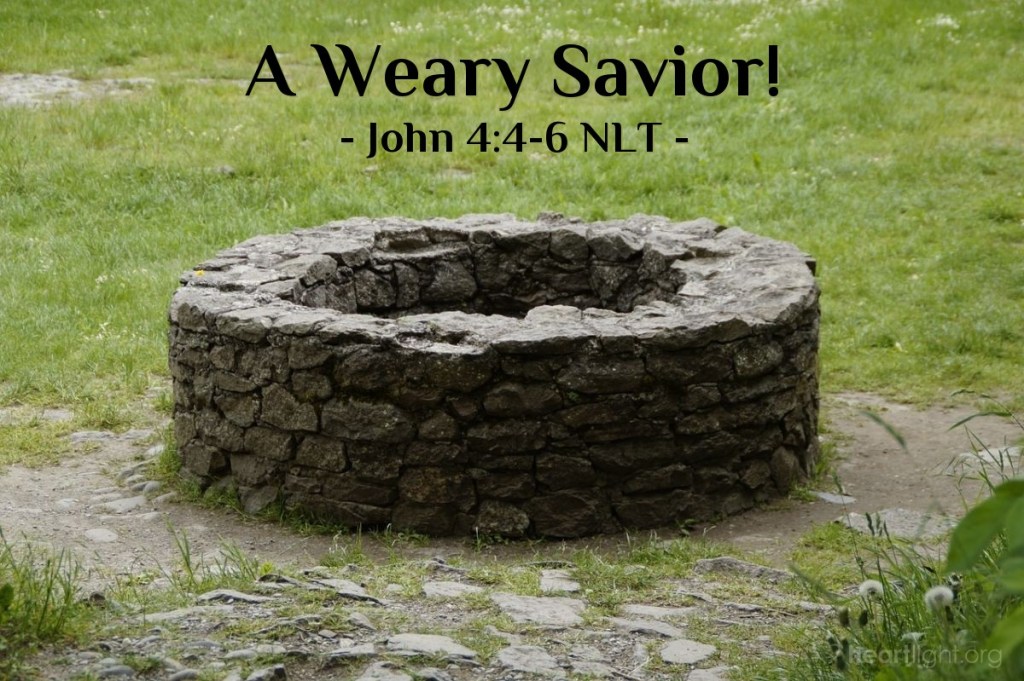

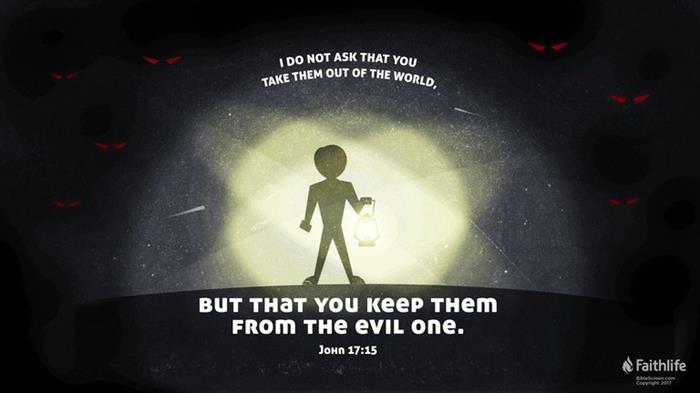
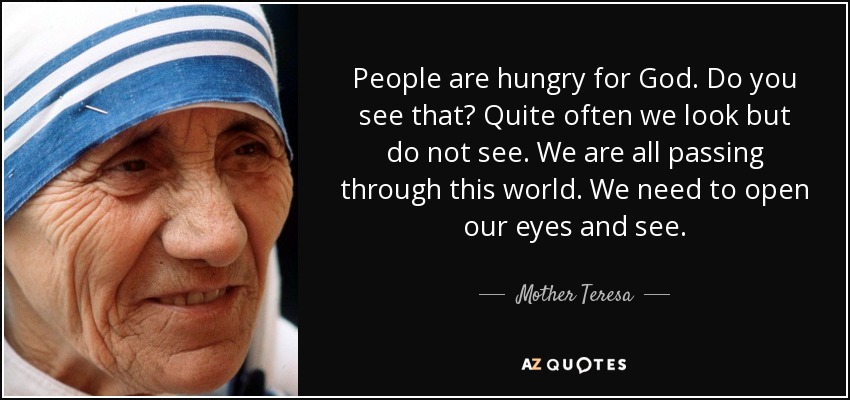
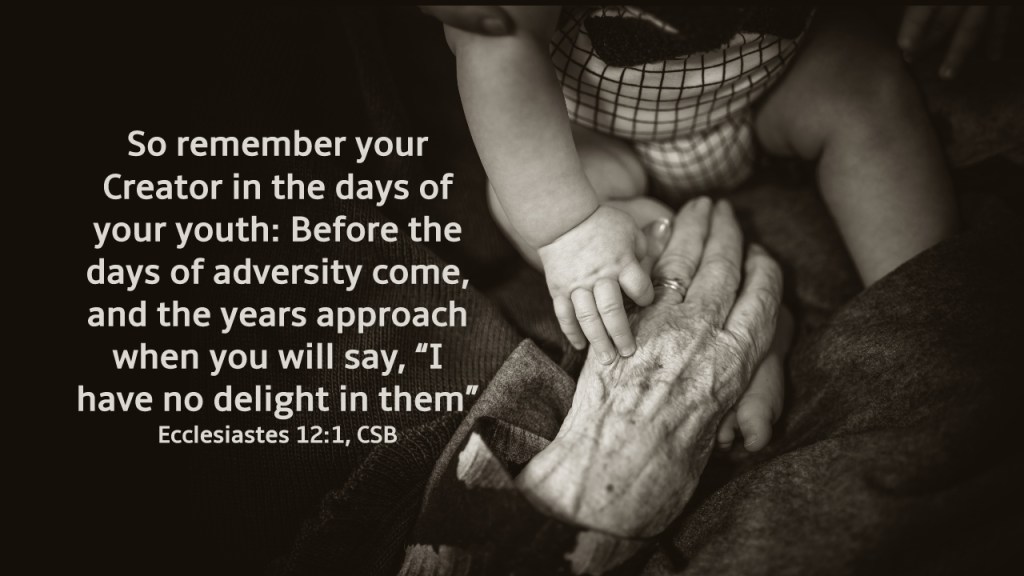

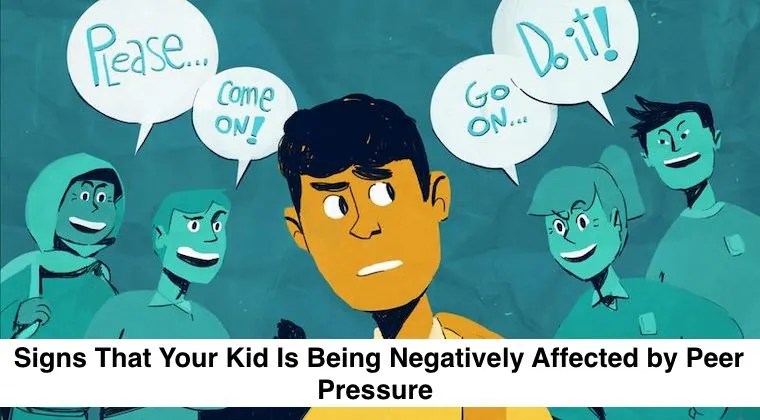






 Loving God, Living God, Loving Hope, Living Hope, Loving Living Life His Way! "Many things are possible for the person who has hope. Even more is possible for the person who has faith. And still more is possible for the person who knows how to love. But everything is possible for the person who practices all three virtues." - Brother Lawrence (1605-1691), Practicing the Presence of God (1692).