Ash Wednesday Insights: Truths that remind us it is never too late for us to remember the Passover, then change. Ezra 6:19-22

Ezra 6:19-22 Complete Jewish Bible

19 The people from the exile kept Pesach on the fourteenth day of the first month.  20 For the Cohanim and L’vi’im had purified themselves together; all of them were pure. So they slaughtered the Pesach lambs for all the people from the exile and for their kinsmen the Cohanim and for themselves. 21 The people of Isra’el who had returned from the exile and all those who had renounced the filthy practices of the nations living in the land in order to seek Adonai the God of Isra’el, ate [the Pesach lamb] 22 and joyfully kept the feast of matzah for seven days; for Adonai had filled them with joy by turning the heart of the king of Ashur toward them, so that he assisted them in the work of the house of God, the God of Isra’el.

Word of God for the Children of God

Glory be to the Father,
and to the Son, and to the Holy Ghost;
as it was in the beginning,
is now, and ever shall be,
world without end. Amen, amen.


With the new Temple comes renewed and remembered celebrations.

The timing could not be more perfect as in the time of Moses, there is time to remember, time to recall the ancient instructions, prepare for Passover again.

The Temple is finally finished and dedicated.

“And this house was finished on the third day of the month of Adar, in the sixth year of the reign of Darius the king” (verse 14).

The next month in the calendar is Nissan, which God proclaimed as the first month of the year for the Torah. Passover is to be observed on the 14th of Nisan.

Following the Jewish calendar can be confusing to those of us who do not use it in our daily lives.

There are actually two calendars for the Jews.

The religious calendar and the secular one. In the religious calendar, as stated earlier, Nisan is the first month.

In their secular one Nissan is the seventh or eighth month.

It changes depending on if there is another month added to realign the calendar with the phases of the moon.

The point here is that their Temple was dedicated less than a month ago.

The priests and Levites had just completed their ceremonial cleansing for the dedication so they have little to do to be clean for the upcoming Passover, other than staying ‘clean.’

This year there will be no need to delay Passover as Hezekiah had to.

Israel also invited others who wanted to celebrate the Passover with them.

There would be no exceptions this year for those who were not clean.

Hezekiah, his first year to renew Passover, asked God to pardon all those who attended who had not taken the time to cleanse themselves prior to the event.

They were allowed to eat the Passover with Israel that year.

This year ALL were clean that partook of the meal.

There was also a smaller crowd so the priests and Levites could keep up with the demand.

This would be the first of many Passover celebrations observed in the new Temple.

Gone were pomegranates and ornate chains but here was a new commitment to the Lord.

This temple would serve as a place for the people of Israel to meet with their God up until the time of Jesus.

He Himself would grace its courts.

Check out GotQuestions.org regarding Zerubbabel.

God doesn’t require that His people exhibit the greatest outward decorations and appeal. He only requires that they focus their hearts on Him.

He can use the beggar on the street as easily as He can use the executive in the boardroom.

All He asks for is their willingness to submit to Him, in whatever He calls you to.

Truths That Remind Us It’s Never Too Late to Change

Hebrews 13:5-9 Complete Jewish Bible

Keep your lives free from the love of money; and be satisfied with what you have; for God himself has said, “I will never fail you or abandon you.”[a] Therefore, we say with confidence,

“Adonai is my helper; I will not be afraid —
what can a human being do to me?”[b]

Remember your leaders, those who spoke God’s message to you. Reflect on the results of their way of life, and imitate their trust — Yeshua the Messiah is the same yesterday, today and forever.

Do not be carried away by various strange teachings; for what is good is for the heart to be strengthened by grace, not by foods. People who have made these the focus of their lives have not benefited thereby.

With every botched career move, failed relationship, and deferred hope, we hear that same old familiar, accusatory whisper. “It’s way too late now.”

Did you go through a killer divorce?

Good luck finding someone at 40 with three kids in tow.

Didn’t get that promotion?

Just be happy where you’re at.

Another loan rejection?

Did you really think this time would be different?”

Death to that voice.

It’s never too late to overcome.

To think and act differently.

To see that dream become reality or overturn long years of regret.

There are no time constructs or limits in God’s Kingdom, so we need to stop believing the symphony of lies and focus on His truth.

Beginning with the best one.

#1: God Never Gives Up

God is the giver of second, third, and 1,000 chances.

He never stops believing in us, and time is irrelevant for Him.

He knows our dreams because He’s the one who imparted them within our minds and hearts when He created us.

The most important truth to remember when being tempted to quit going after a dream or goal is that God never quits on us.

He’s always working for our good, always there for strength, and never gets discouraged by our failures, setbacks, or snail-like progress.

Whether you’re attempting to finally get healthy, rebuild your marriage, or to restore a broken part of yourself, He won’t give up on your efforts, so don’t let the enemy convince you otherwise!

Consider asking God to increase your faith that He can and will finish a good work in you.

Psalm 138:7-8 Complete Jewish Bible

You keep me alive when surrounded by danger;
you put out your hand when my enemies rage;
with your right hand you save me.
Adonai will fulfill his purpose for me.
Your grace, Adonai, continues forever.
Don’t abandon the work of your hands!

Whether it’s an entrepreneurial venture you’ve been chipping away at for years or a bad habit you have been half-kicking for decades, it’s simply not too late.

Choose to believe that every morning brings new mercies, pressing in with prayer, trust that God’s timing will always be just exactly right.

Lamentations 3:21-24 Complete Jewish Bible

21 But in my mind I keep returning to something,
something that gives me hope —
22 that the grace of Adonai is not exhausted,
that his compassion has not ended.
23 [On the contrary,] they are new every morning!
How great your faithfulness!
24 “Adonai is all I have,” I say;
“therefore I will put my hope in him.

This truth leads us to the next truth.

#2 Sometimes the Wait Feels Like Eternity

In today’s instantly gratified world, we want quick results.

We’ve prayed every day for a year now, Lord.

What’s the holdup?

But sometimes God’s “slowness” can be a blessing.

He may be allowing us to sit in the pain or growing process (think cocooned caterpillar) until we’re refined, prepared, and positioned for the right time.

Take relationship struggles, for example.

Heart lessons can be learned, and revelations can be had during the long process of working through a difficult marriage.

When it comes to personal ambitions, what if we’re not quite mature enough for the influence/following/success we have been praying for and working towards…just yet?

It’s easy to mistake God’s slower pace for ambivalence or even abandonment.

It can feel utterly defeating when we still haven’t seen a dream or years of toil come to fruition, but God is faithfully working in the meantime.

When struggling to believe God’s ability or even desire to help us change, the enemy would love for us to believe one of three lies:

God’s forgotten about us.

He’s punishing us.

Or he’s just plain ambivalent towards us.

Maybe God’s trying to “test us” to see if we’ll crack, backslide, complain, etc.

All lies.

Consider viewing perceived delays and elongated struggles as His desire for perfectionism instead.

Crow’s feet and laugh lines aside, one of the truest perks to aging is seeing so many “waits,” and unanswered prayers come to fruition in ways I would never expected in a million years.

Hebrews 11:1-2 Complete Jewish Bible

11 Trusting[a] is being confident of what we hope for, convinced about things we do not see. It was for this that Scripture attested the merit of the people of old.

Romans 15:1-6 Complete Jewish Bible

15 So we who are strong have a duty to bear the weaknesses of those who are not strong, rather than please ourselves. Each of us should please his neighbor and act for his good, thus building him up. For even the Messiah did not please himself; rather, as the Tanakh says, ‘The insults of those insulting you fell on me.’[a] For everything written in the past was written to teach us, so that with the encouragement of the Tanakh we might patiently hold on to our hope. And may God, the source of encouragement and patience, give you the same attitude among yourselves as the Messiah Yeshua had, so that with one accord and with one voice you may glorify the God and Father of our Lord Yeshua the Messiah.

When you’re tempted to feel like it’s just too late, try to shift your focus to expectation, thanking God ahead of time for the change you’re believing and striving for. This will increase your faith and convert anxiousness to hope.

#3 Our Mistakes Cannot Hinder God’s Plan

Romans 8:28-30 Complete Jewish Bible

28 Furthermore, we know that God causes everything to work together for the good of those who love God and are called in accordance with his purpose; 29  because those whom he knew in advance, he also determined in advance would be conformed to the pattern of his Son, so that he might be the firstborn among many brothers; 30 and those whom he thus determined in advance, he also called; and those whom he called, he also caused to be considered righteous; and those whom he caused to be considered righteous he also glorified!

Sometimes, it’s tempting (and easier) to give up rather than endlessly hoping and praying for change.

I’m not sure about you, but the cumulative sum of my bad decisions, lack of discernment, and utter life failures could carpet the largest of planets.

Even so.

God causes everything to work together for those who love him, whether we deserve it or not.

If this truth is good enough for heroes of the faith like Paul, who had killed a Christian or two before writing most of the New Testament, it’s good enough for me.

Lamentations 3:22 says, “His mercies are new every morning.”

Translation:

It doesn’t matter if you’ve now accrued two divorces under your belt: You can become relationally whole.

If you’ve crawled back to that vice, God isn’t keeping count of your slip-ups.

Lost your temper with our kids (again) after you swore you’d be more patient?

God can and will give you the spirit of self-control.

Galatians 5:22-23 Complete Jewish Bible

22 But the fruit of the Spirit is love, joy, peace, patience, kindness, goodness, faithfulness, 23 humility, self control. Nothing in the Torah stands against such things.

It just takes your allotment of God’s time.

Yes, there are instances when God instantly delivers us or brings an answer, but most times, it’s one baby step-by-baby step experience with Jesus at our sides.

#4 If We’re Not Dead Yet, It’s Not Too Late

In this youth-obsessed culture, it’s common to feel pressured to achieve, overcome, and accomplish all our life’s goals before age 40 or even 30.

I remember hitting 35 and feeling so disappointed that I hadn’t fulfilled my dream of marriage before 40.

I eventually did, eight years later, but I remember wondering why on Earth I felt so panicked.

I often reflect on Joel 2:28-32,

“In the last days, I will pour out my Spirit on all people; your sons and daughters will prophesy, your young men will see visions, your old men will dream dreams.”

Why would God bless older people with dreams if it’s ever too late for dreams to be realized?

Think of all the people who were legitimately old, let alone past 30, when God had just started his “good work” in them.

Sarah had a baby at 90 after she’d given up hope.

Hannah and Elizabeth’s barren wombs dry as desert sands until God gifted her with a baby, and Ruth is estimated to be 40 years old (very old for the time) when she married Boaz and conceived a son, and we all know about Abraham.

We shouldn’t allow this frenetic, achievement-based culture convince us it’s ever too late to experience change.

Not knowing if we’ll ever become better versions of ourselves can be scary and unsettling.

But God knows the struggle, and he’s faithful.

And from all I observe about Jesus in the Bible, He was never in a rush.

God’s in it for the long haul.

He sees the big picture and understands what it really takes to grow.

He wants the best for us, is 100 percent committed and invested in our growth.

After all, He’s the one who imparted our talents, abilities, and passions in the first place.

Why wouldn’t He see them to fruition?

When we learn to trust God completely, we will be more confident and more peaceful while we allow Him control to work everything for your good.

You are not the exception to Philippians 1:6: “…He who began a good work in you will carry it on to completion until the day of Christ Jesus.” Amen!

In the Name of the Father, Son and Holy Spirit ….

Praying …

Psalm 19 Complete Jewish Bible

19 (0) For the leader. A psalm of David:

2 (1) The heavens declare the glory of God,
the dome of the sky speaks the work of his hands.
3 (2) Every day it utters speech,
every night it reveals knowledge.
4 (3) Without speech, without a word,
without their voices being heard,
5 (4) their line goes out through all the earth
and their words to the end of the world.

In them he places a tent for the sun,
6 (5) which comes out like a bridegroom from the bridal chamber,
with delight like an athlete to run his race.
7 (6) It rises at one side of the sky,
circles around to the other side,
and nothing escapes its heat.

8 (7) The Torah of Adonai is perfect,
restoring the inner person.
The instruction of Adonai is sure,
making wise the thoughtless.
9 (8) The precepts of Adonai are right,
rejoicing the heart.
The mitzvah of Adonai is pure,
enlightening the eyes.
10 (9) The fear of Adonai is clean,
enduring forever.
The rulings of Adonai are true,
they are righteous altogether,
11 (10) more desirable than gold,
than much fine gold,
also sweeter than honey
or drippings from the honeycomb.
12 (11) Through them your servant is warned;
in obeying them there is great reward.

13 (12) Who can discern unintentional sins?
Cleanse me from hidden faults.
14 (13) Also keep your servant from presumptuous sins,
so that they won’t control me.
Then I will be blameless
and free of great offense.

15 (14) May the words of my mouth
and the thoughts of my heart
be acceptable in your presence,
Adonai, my Rock and Redeemer.

Glory be to the Father,
and to the Son, and to the Holy Ghost;
as it was in the beginning,
is now, and ever shall be,
world without end. Amen, amen.
https://translate.google.com/

Well done, good and faithful servant! God’s Kingdom will always have need for more empowered, inspired people with an active, quiet and steady faith. Matthew 25:19-21

Matthew 25:14-21 Christian Standard Bible

The Parable of the Talents

14 “For it is just like a man about to go on a journey. He called his own servants and entrusted his possessions to them. 15 To one he gave five talents,[a] to another two talents, and to another one talent, depending on each one’s ability. Then he went on a journey. Immediately 16 the man who had received five talents went, put them to work, and earned five more. 17 In the same way the man with two earned two more. 18 But the man who had received one talent went off, dug a hole in the ground, and hid his master’s money.

19 “After a long time the master of those servants came and settled accounts with them. 20 The man who had received five talents approached, presented five more talents, and said, ‘Master, you gave me five talents. See, I’ve earned five more talents.’

21 “His master said to him, ‘Well done, good and faithful servant! You were faithful over a few things; I will put you in charge of many things. Share your master’s joy.’

Word of God for the Children of God

Glory be to the Father,
and to the Son, and to the Holy Ghost;
as it was in the beginning,
is now, and ever shall be,
world without end. Amen, amen.
Remember God’s Faithful People?

One morning I gathered with some people from a group of small churches in a fairly rural area for breakfast, bible study and worship, I could not help but be impressed by the faithfulness of God’s people.

The people who came were volunteers, some of them from churches that I know were struggling to keep going.

There was little opportunity for growth because of limited resources, limited congregants – mostly elderly with travel concerns from far remote locations.

But these people did not come for recognition.

They were not looking to be thanked.

They came because they love the Lord and his church.

They came for they are faithful to the God who has always been faithful to them.

And someday these faithful members will hear the words

“Well done, good and faithful servants! You have been faithful with a few things; I will put you in charge of many things.”

Why Our World Needs More People with an Active, Quiet, Steady Faith?

Since the advent of social media and YouTube, our culture has become obsessed with the idea of instant fame.

In our new world, the lottery is just a few clicks away!

We can gain riches and fame as easily as having a post go viral.

The allure is so compelling that it eats away at our ability to focus on what really matters, which is a quiet, simple, and faithful life.

The idea that we need to document all we do, continuously strive to gather influence, and obtain the lifestyle of the rich and famous distracts us from the real-life important stuff God has for us to do.

Unfortunately, many times when believers gain the riches, influence, and fame of this world, moral failings are common.

We must be cautious of the great temptations that so easily lure our souls towards destruction when we have more power than others around us.

Why Faithful Presence Matters More Than Ever

Faithful living happens in the day-to-day, unglamorous showing up.

Our world is in desperate need of people willing to faithfully show up for their families, for their friends, at their jobs, churches and in their communities.

The research shows that our world is struggling to remain faithful to its goals and commitments; fewer of us are remaining steady.

The percentage of U.S. kids growing up in single-parent households nearly tripled between 1960 and 2023.

There are 360,531 kids in foster care in the United States.

About 17% of us are leaving or losing jobs rather than staying put.

The divorce rate remains between 40 and 50% of all first marriages.

About 40% of college students have not completed their degrees within eight years of starting.

As a culture, we have a serious problem sticking with it.

Why Does Faithful Living Matter to Us as Christians?

Much of the Christian faith is centered on being faithful, steady, and present in daily life. The Bible emphasizes how God desires for us to live humbly, given to self sacrifice for the service of others and to the Lord.

Here are a few Scriptures that point us towards a quiet, steady faith:

“Only fear the Lord and serve him faithfully with all your heart. For consider what great things he has done for you” (1 Samuel 12:24).

“One who is faithful in a very little is also faithful in much, and one who is dishonest in a very little is also dishonest in much” (Luke 16:10).

“A faithful man will abound with blessings, but whoever hastens to be rich will not go unpunished” (Proverbs 28:20).

“Because of your little faith,” he told them. “For truly I tell you, if you have faith the size of a mustard seed, you will tell this mountain, ‘Move from here to there,’ and it will move. Nothing will be impossible for you.” (https://biblia.com/bible/nkjv/matthew/17/20)

“His master said to him, ‘Well done, good and faithful servant. You have been faithful over a little; I will set you over much. Enter into the joy of your master’” (Matthew 25:21).

“And to aspire to live quietly, and to mind your own affairs, and to work with your hands, as we instructed you, so that you may walk properly before outsiders and be dependent on no one” (1 Thessalonians 4:11-12).

“First of all, then, I urge that supplications, prayers, intercessions, and thanksgivings be made for all people, for kings and all who are in high positions, that we may lead a peaceful and quiet life, godly and dignified in every way” (1 Timothy 2:1-2).

Why Obedience in the Quiet Moments Matters Most

Matthew 6:5-8 Christian Standard Bible

How to Pray

“Whenever you pray, you must not be like the hypocrites, because they love to pray standing in the synagogues and on the street corners to be seen by people. Truly I tell you, they have their reward. But when you pray, go into your private room, shut your door, and pray to your Father who is in secret. And your Father who sees in secret will reward you.[a] When you pray, don’t babble like the Gentiles, since they imagine they’ll be heard for their many words. Don’t be like them, because your Father knows the things you need before you ask him.

The quiet, simple, private and unseen moments matter to the Lord.

I’d venture to say they even matter the most to Him.

One day, he allows you to speak his word to the crowds, but that opportunity does not come without him seeing you show some grit with the little tasks.

Truly, when we meet God in Heaven, his assessment of who we are and how we have used the life we have been given has almost nothing to do with the actions we might have taken in the limelight; we are almost solely judged on the things we did when no one was looking.

How did we shepherd our children?

Did we continue to forgive our spouse, or did we shut them out?

Were we willing to serve others at work, or were we only looking out for ourselves?

Did we guard our hearts from lust, addiction, pride, and other temptations, or did we let secret sins fester in our lives?

Did we pray loudly for all to see, or were we willing to quietly seek the Lord for the strength required for life?

Are our actions defined by the fruits of the spirit or do we let anger, resentment, wrath, jealousy and selfishness dominate our lives?

These are the questions that matter for a believer.

None of them has anything to do with going viral, owning a mansion, or even having a large ministry.

That’s not to say God never uses those things, but when they happen, they are still things to be faithfully stewarded.

What God cares about most is how you are faithfully engaging those outlets.

They do not define you, and they definitely are not your ticket to Heaven or even to a good life.

The life we are called to seek after is a life willing to daily take up our cross and follow Him (Matthew 16:24).

Suffering and Service

James and John, the sons of Zebedee, approached him and said, “Teacher, we want you to do whatever we ask you.”

“What do you want me to do for you?” he asked them.

They answered him, “Allow us to sit at your right and at your left in your glory.”

Jesus said to them, “You don’t know what you’re asking. Are you able to drink the cup I drink or to be baptized with the baptism I am baptized with?”

“We are able,” they told him.

Jesus said to them, “You will drink the cup I drink, and you will be baptized with the baptism I am baptized with. But to sit at my right or left is not mine to give; instead, it is for those for whom it has been prepared.”

When the ten disciples heard this, they began to be indignant with James and John. Jesus called them over and said to them, “You know that those who are regarded as rulers of the Gentiles lord it over them, and those in high positions act as tyrants over them. But it is not so among you. On the contrary, whoever wants to become great among you will be your servant, and whoever wants to be first among you will be a slave to all. For even the Son of Man did not come to be served, but to serve, and to give his life as a ransom for many.” (https://biblia.com/bible/esv/mark/10/35-45)

A life that encourages others (1 Thessalonians 5:11).

We are to live as lights in the darkness (1 John 1:7).

We are called to serve one another in love (Galatians 5:13).

The people that need to see this from you are the ones that live in your home, work alongside you, attend church with you, and live in your neighborhood.

When we are so distracted from the example we set for the people who know us, the world starts falling apart.

You are where you are on purpose and for a purpose.

Don’t forget that.

Your child, your neighbor, your pastor, and your friend needs you.

When we are faithful to the lives we’ve been given, God wins.

His light shines brightly through us through the love we offer our communities.

Don’t let the world distract you from the true Holy work ahead of you today.

Let me invite you to gather with God’s church this coming Sunday.

Take a good look around at your fellow worshipers, and thank God for the willing people who give of their time, talents, and resources.

You are part of a growing congregation, remember to pray for smaller churches that faithfully continue to serve their Lord wherever he has placed them.

And if sometimes you feel like giving up because no one ever seems to notice, remember God does notice–someday we will hear the words “Well done!”

In the Name of the Father, Son, and Holy Spirit ….

Praying ….

Psalm 100

A psalm of thanksgiving.

Be Thankful

Let the whole earth shout triumphantly to the Lord!
Serve the Lord with gladness;
come before him with joyful songs.
Acknowledge that the Lord is God.
He made us, and we are his[a]
his people, the sheep of his pasture.
Enter his gates with thanksgiving
and his courts with praise.
Give thanks to him and bless his name.
For the Lord is good, and his faithful love endures forever;
his faithfulness, through all generations.

Glory be to the Father,
and to the Son, and to the Holy Ghost;
as it was in the beginning,
is now, and ever shall be,
world without end. Amen, amen.
https://translate.google.com/

Right Turn or Left Turn, or No Turn, Straight and Narrow, Wide, Winding? Charting out the Course on the Road Leading to Success. Joshua 1:6-9

Joshua 1:6-9 Complete Jewish Bible

“Be strong, be bold; for you will cause this people to inherit the land I swore to their fathers I would give them. Only be strong and very bold in taking care to follow all the Torah which Moshe my servant ordered you to follow; do not turn from it either to the right or to the left; then you will succeed wherever you go.  Yes, keep this book of the Torah on your lips, and meditate on it day and night, so that you will take care to act according to everything written in it. Then your undertakings will prosper, and you will succeed. Haven’t I ordered you, ‘Be strong, be bold’? So don’t be afraid or downhearted, because Adonai your God is with you wherever you go.”

Word of God for the Children of God.

Glory be to the Father,
and to the Son, and to the Holy Ghost;
as it was in the beginning,
is now, and ever shall be,
world without end. Amen, amen.

Our hearts stir with the stories of courageous people in the Bible.

We admire Abram for leaving his homeland to follow the Lord.

We applaud Moses for marching in before Pharaoh with God’s demand “Let my people go!” We love to hear of young David going out to meet mighty Goliath.

Look at God’s approach to Joshua, who is about to take over in Moses’ place.

God’s first words to Joshua are about courage.

Three times in his address to Joshua, God repeats the challenge “Be strong and courageous.”

Courage is needed when the task is big–and this task is immense!

God says, in effect, “Call Israel together; cross the Jordan; conquer the cities; overcome the enemies; resist their gods.

Yes, the enemies will be fearsome, but you must be courageous!”

Courage has always been a necessary quality among the people of God.

Moses had led Israel for forty long and sometimes difficult years (Joshua 5:6).

The people had known no other leader.

Now they would be going into their new land without Moses to guide them.

What would the new leadership do?

As God appoints Joshua,

does not say, “It’s time for fresh ideas; it’s time to do things differently than Moses did. Be creative.”

Rather, God says that the words of Moses are still relevant.

They were right for Israel’s life with God in the desert, and they will always be right for the people’s life with God in the promised land.

It was not that Moses had such good ideas, but Moses had spoken the words God had given him to lead and teach Israel.

To listen to Moses in the desert was to hear the Word of God.

And now, though Moses had died, the Word of God would not pass away.

So God said to Joshua:

“Be careful to obey all the law my servant Moses gave you. do not turn from it either to the right or to the left; then you will succeed wherever you go. Yes, keep this book of the Torah on your lips, and meditate on it day and night, so that you will take care to act according to everything written in it. Be strong and courageous. Do not be afraid; nor be discouraged, for the LORD your God will be with you wherever you go.”

The shortest distance between two points is a straight line.

Such a line will not deviate toward any other direction.

But such is really true only in ideal terms; in our reality, there is no such thing as a completely straight line.

It is possible to make a line seem very straight indeed, but we cannot make a perfectly straight line.

This nicely illustrates the human predicament.

God provides a standard for living; in the old covenant, it was the Law of Moses.

Ideally, Israel would hold firm to the Law, observing everything in it, not deviating at all, or, as God encouraged Joshua, and in turn Joshua the people, “to not turn from it to the right hand or to the left” (Joshua 1:7, 23:6).

In the new covenant in Jesus Christ, we are to love and know God and keep His commandments, walking as Jesus walked (1 John 2:1-6).

This remains the ideal today.

And yet none of us can live up to that standard perfectly.

Peter and Paul declared as much in regards to Israel and the Law (Acts 13:38-39, 15:10, Romans 3:20).

John understands Christians do not live up to the ideal either (1 John 1:8-2:6).

If we cannot perfectly go straight, why would God provide such exhortation to Israel and to Christians today?

The ideal is not worthless or irrelevant simply because no one save Jesus has ever lived up to it perfectly.

God always understood our deficiencies as humans; such is why He established the sacrificial system in the Old Testament, and continues to grant grace and mercy through Jesus in the New Testament (cf. Leviticus, Romans 5:6-11, 8:1-39).

And yet we must not become complacent or content by acknowledging our imperfection; it is easy for us to think that since we cannot live up to the ideal perfectly, we should not try!

Therefore, we do well to confess that the ideal is ideal: we should be following what God says perfectly. We should walk in God’s ways without any deviation; we should go “straight” and should not go “to the right hand or to the left.”

When we do deviate from God’s command, we ought to admit as much, change our minds and ways, and return to the good path (1 John 1:9). In all things we must place our trust in God and His ideal way for mankind (Hebrews 11:6)!

The image of going “straight” and not turning “to the right hand or to the left” also underscores the necessity of balance.

It remains true many people have deviated from God’s path and purposes on account of rebellion and a desire to sin, and many others have deviated from God’s path because they overemphasized certain aspects of God’s truth to the detriment of other aspects.

This proves quite easy to do; we humans easily go to extremes. We rightly see a problem with one side; it is tempting to run far to the other side in response. We see certain groups associated with certain practices; it is tempting to want to go from one extreme to the other so that no one would confuse “us” with “them.”

This is why it is important for us to remember that God wants us to not deviate to the right hand or to the left; truth is rarely, if ever, found in the extremes.

Furthermore, there remains many aspects of the faith that are held in a sort of tension: God’s sovereignty and grace with human freedom, for instance, or the imperative to holiness with the imperative to love, mercy, and grace.

The Scriptures are filled with examples of people who have gone to one extreme or another: the Pharisees, Sadducees, the “Judaizers,” the Gnostics, and so on.

God is far greater than ourselves, and His truth remains sublime (Isaiah 55:8-9, Romans 11:33-36).

God has set forth His standard for the creation and all mankind; it is up to us to confess its value and make it our goal in life.

Whenever we deviate from that standard, either by stumbling into some sin, or by overemphasizing certain aspects of truth to the detriment of other aspects of it, we must change our ways and seek to properly re-align our will to God’s.

God’s ways and God’s truth and God’s life remain ideally straight, firm, and balanced; we, in our sin and corruption, have turned to the right or to the left.

Let us turn our away from all deviations, distractions, divisions and all seek to exalt, glorify magnify God in spirit and truth in all we think, say, do, and teach!

Hebrews 4:12Amplified Bible

12 For the word of God is living and active and full of power [making it operative, energizing, and effective]. It is sharper than any two-edged [a]sword, penetrating as far as the division of the [b]soul and spirit [the completeness of a person], and of both joints and marrow [the deepest parts of our nature], exposing and judging the very thoughts and intentions of the heart.

2 Timothy 3:16-17 Amplified Bible

16 All Scripture is God-breathed [given by divine inspiration] and is profitable for instruction, for conviction [of sin], for correction [of error and restoration to obedience], for training in righteousness [learning to live in conformity to God’s will, both publicly and privately—behaving honorably with personal integrity and moral courage]; 17 so that the [a]man of God may be complete and proficient, outfitted and thoroughly equipped for every good work.

2 Timothy 2:14-18 Amplified Bible

An Unashamed Workman

14 Remind the people of these facts, and solemnly charge them in the presence of God to avoid petty controversy over words, which does no good, and [upsets and undermines and] ruins [the faith of] those who listen. 15 Study and do your best to present yourself to God approved, a workman [tested by trial] who has no reason to be ashamed, accurately handling and skillfully teaching the word of truth. 16 But avoid all irreverent babble and godless chatter [with its profane, empty words], for it will lead to further ungodliness, 17 and their teaching will spread like gangrene. So it is with Hymenaeus and Philetus, 18 who have deviated from the truth. They claim that the resurrection has already taken place, and they undermine the faith of some.

God’s Word Will Not Pass Away

Standing for righteousness in a society that accommodates itself to evil takes courage. Faithfully, Steadfastly Spreading the true gospel of Jesus Christ in a culture that wants to say any religion will do, takes courage. Allegiance to Jesus Christ in a world that is too often against the centrality of Christ takes courage.

https://translate.google.com/

The Lord Jesus nudged opened her heart to respond to Paul’s message. What “Jaws of Life” are required to nudge and for pry barring open ours? Acts 16:11-15

Acts 16:11-15 Christian Standard Bible

Lydia’s Conversion

11 From Troas we put out to sea and sailed straight for Samothrace, the next day to Neapolis, 12 and from there to Philippi, a Roman colony and a leading city of the district of Macedonia. We stayed in that city for several days. 13 On the Sabbath day we went outside the city gate by the river, where we expected to find a place of prayer. We sat down and spoke to the women gathered there. 14 A God-fearing woman named Lydia, a dealer in purple cloth from the city of Thyatira, was listening. The Lord opened her heart to respond to what Paul was saying. 15 After she and her household were baptized, she urged us, “If you consider me a believer in the Lord, come and stay at my house.” And she persuaded us.

Word of God for the Children of God

Glory be to the Father,
and to the Son, and to the Holy Ghost;
as it was in the beginning,
is now, and ever shall be,
world without end. Amen, amen.

The book of Acts is a fast-paced book of the Bible.

The church was on the move!

It grew quickly as the early apostles, filled with the Holy Spirit, traveled throughout the urban centers of the Roman Empire.

The main human characters in this book are people like Peter, John, and Paul.

It’s exciting to see how the gospel message transforms thousands of individuals who respond to the gospel while continuing to serve God in their vocations.

Lydia was one such example.

She was a business woman who made a good living working in the fashion industry by buying and selling luxurious cloth.

Lydia gathered with other women from her community to pray, and Paul came to share the good news of Jesus with them.

The Holy Spirit opened her heart, and Lydia believed!

Lydia then used her position and wealth to show hospitality to Paul and his companions.

And we can assume that after they moved on to other cities, Lydia continued in her work and calling as a textile merchant.

The gospel doesn’t usually lead us to abandon our jobs in order to enter full-time ministry.

The pattern in the early church is the gospel transforms ordinary people, with ordinary jobs, into people who use what they have available in service to God.

In the New Testament, stories of transformed lives underscore a powerful truth: genuine faith in Jesus ignites action and motivates believers to express their faith through love and obedience.

As we explore the journeys of various biblical figures, see how encounters with Christ catalyzed not only a change in their internal beliefs but also a profound redefinition of their relationships, priorities, actions within their communities.

These accounts illustrate that true faith is never passive; it compels individuals to embrace transformation in both purpose and behavior, paving the way for a deeper connection with God and others.

Acts 16:11-15, Lydia’s conversion signifies more than personal transformation—it marks the establishment of one of the first Christian communities in Europe.

As a successful merchant dealing in purple cloth, Lydia held a unique position of influence, yet her heart was open to Paul’s message.

Upon hearing the gospel, she and her household were baptized, showing the immediate ripple effect her decision had on those around her.

Lydia’s generosity in offering her home as a base for Paul and his companions underscores how her faith translated into tangible acts of hospitality and support for the mission of the early church.

Her home became a vital gathering place for believers, reflecting how one person’s faith can serve as a cornerstone for broader communal change.

True faith leads us to use our resources for God’s mission.

Reflection Question: How can we use our resources and spaces to support and expand God’s work in our communities?

Reflection Question: What familiar or comfortable areas of our lives might God be calling us to surrender for a greater purpose?

Reflection Question: Are there areas in our lives that need realignment with God’s standards as we commit to a path of integrity and faithfulness?

Reflection Question: How can we take practical steps to make amends or live justly, particularly in areas where we’ve fallen short?

Reflection Question: What parts of our lives might need to be reexamined in light of Paul’s radical transformation?

Reflection Question: How can we overcome our past or current struggles to share the message of hope and transformation with others?

Faith moves us from self-interest to serving others in tangible ways.

Reflection Question: How can we extend care and compassion to those around us, especially in moments of difficulty or uncertainty?

Genuine faith must be accompanied by actions that reflect love, service, and justice.

Reflection Question: In what ways can our actions more fully reflect the faith we profess?

Repentance is not merely a confession but a commitment to changed behavior.

Reflection Question: What fruit does our life produce, and how can we better align our actions with our repentance?

True discipleship is shown through obedience, not just words.

Reflection Question: Are we actively seeking to live out God’s will in our relationships, work, and community?

True transformation begins in the mind and leads to actions that reflect God’s will.

Reflection Question: How can we allow God’s Word to transform our minds and guide our decisions?

Loving Jesus requires obedience to His teachings.

Reflection Question: How can we demonstrate our love for Christ through acts of obedience in our daily lives?

Use these memory verses to pray using the

ACTS method: Adoration, Confession, Thankfulness, Supplication

  • Adoration: Praise God. Do these verses bring any specific characteristics of God to mind?
  • Confession: Tell God that you are sorry for specific sins. Do these verses bring any specific sins to mind?
  • Thankfulness: Show gratitude towards God. Does anything from these verses inspire gratitude?
  • Supplication: Make requests for yourself and for others. Does anything from these verses inspire a prayer?

“The Lord opened her heart to pay attention.”

This simple phrase reveals the beautiful mystery of salvation—God pursues us before we ever seek Him.

Lydia wasn’t searching randomly; God is orchestrating her divine appointment with Paul.

Perhaps you’re reading this today because God is opening your heart.

You didn’t accidentally pick up this devotional.

God is drawing you to Himself, stirring something within you that wasn’t there before.

The sovereignty of God in salvation isn’t a doctrine to fear but a warm blanket of security.

You didn’t find God; He found you.

Rest in this: if God has begun a good work in you, He will complete it.

Reflection: Can you identify a time when God was drawing you before you even knew you were being pursued?

Lydia was a wealthy businesswoman.

She was also a worshiper of God.

Paul met her and some other women gathered for prayer outside Philippi on the day of worship.

When Paul shared the good news of Jesus with them, God opened Lydia’s heart to believe and be baptized, committing her life to Christ.

Lydia was a faithful believer in God, but she had not heard the good news about Jesus, the Son of God who came to pay for our sin so we could be saved and have new life.

When God opens our hearts to believe this amazing message, we are filled with joy, comfort, and new life.

The Lord ­changes us from the inside out, and we want to live joyful lives of gratitude because of that transformation.

It’s not a burden; nor is it done just out of obligation. We delight in obeying and praising God as an expression of the change within.

dynamic coming to faith resulted in her household being baptized as well.

She persuaded Paul and his companions to stay at her home while they were in Philippi.

She extended hospitality as a true expression of her new faith in Jesus.

And by staying in her home—a non-Jewish home—Paul was also showing the grace and love of God.

In the name of the Father, and of the Son, and of the Holy Spirit …

Praying …

Psalm 63

Praise God Who Satisfies
A psalm of David. When he was in the Wilderness of Judah.

God, you are my God; I eagerly seek you.
I thirst for you;
my body faints for you
in a land that is dry, desolate, and without water.
So I gaze on you in the sanctuary
to see your strength and your glory.

My lips will glorify you
because your faithful love is better than life.
So I will bless you as long as I live;
at your name, I will lift up my hands.
You satisfy me as with rich food;[a]
my mouth will praise you with joyful lips.

When I think of you as I lie on my bed,
I meditate on you during the night watches
because you are my helper;
I will rejoice in the shadow of your wings.
I follow close to you;
your right hand holds on to me.

Glory be to the Father,
and to the Son, and to the Holy Ghost;
as it was in the beginning,
is now, and ever shall be,
world without end. Amen, amen.
https://translate.google.com/

Perseverance in Prayer: Evidence of our personal relationship with God is often found not in our public words but in our own private prayer closets. Luke 11:5-13

Luke 11:5-13 New American Standard Bible

And He said to them, “[a]Suppose one of you has a friend, and goes to him at midnight and says to him, ‘Friend, lend me three loaves, because a friend of mine has come to me from a journey and I have nothing to serve him’; and from inside he answers and says, ‘Do not bother me; the door has already been shut and my children [b]and I are in bed; I cannot get up and give you anything.’ I tell you, even if he will not get up and give him anything just because he is his friend, yet because of his [c]shamelessness he will get up and give him as much as he needs.

“So I say to you, [d]ask, and it will be given to you; [e]seek, and you will find; [f]knock, and it will be opened to you. 10 For everyone who asks receives, and the one who seeks finds, and to the one who knocks, it will be opened. 11 Now [g] which one of you fathers will his son ask for a [h]fish, and instead of a fish, he will give him a snake? 12 Or he will even ask for an egg, and his father will give him a scorpion? 13So if you, despite being [i]evil, know how to give good gifts to your children, how much more will [j]your heavenly Father give the Holy Spirit to those who ask Him?”

Word of God for the Children of God

Glory be to the Father,
and to the Son, and to the Holy Ghost;
as it was in the beginning,
is now, and ever shall be,
world without end. Amen, amen.
“What a man is on his knees before God, that he is—and nothing more.”  Robert Murray McCheyne, 1813-1843

What a man is before God that he is and nothing more?

🕊️ “A man is what he is on his knees before God—nothing ...

“A man is what he is on his knees before God—nothing more.” — Robert Murray M’Cheyne 

Our truest identity is not in our title, following, or platform… It’s who we are alone with God.

This phrase “He who kneels before God can stand before anyone” means that having faith and humility before God gives one the strength and courage to face any challenge or person.

It suggests that spiritual strength empowers one to overcome worldly obstacles.

“What a person is before God, that he is and no more,” is perhaps the most powerful thing that Saint Francis of Assisi ever said

It’s tempting to think that talking about God is the principal expression of our relationship with Him.

It’s possible, though, for us to talk about God without any intimate knowledge of who He truly is.

Evidence of our personal relationship with God is often found not in our public words but in our private prayers—not in what we say about Him but in what we say to Him.

Indeed, as Robert Murray M’Cheyne was said to have observed, “What a man is on his knees before God, that he is—and nothing more.”

Therein lies a challenge!

If we’re honest, many of our prayers reflect a static or distant relationship, not the dynamism that should mark a warm friendship.

But if this is true of us, then we can be assured that we are not alone.

Jesus’ disciples also desired to grow in intimacy with their heavenly Father but knew they needed the Lord to teach them how to do so (Luke 11:1)—and by way of answer, Jesus, having outlined what came to be called the “Lord’s Prayer,” told them a parable about a friend’s bold request.

Jesus begins His illustration by establishing the relationship of the two men within His story: they are friends.

He then continues to explain how the one man, wishing to show hospitality to a traveling guest, goes to the other’s home at midnight to borrow bread.

He even risks waking his friend’s entire family just to make his request.

Because of his bold persistence, Jesus says, the second man rises and gives the first what he needs.

What we need to grasp from Jesus’ story is this: if a sincere human friendship produces such a generous response, we can rest assured that God will never refuse us anything we truly need when we come to Him in prayer.

The man’s request is a bold one, but as demanding as it may seem, it is heard by a friend and answered because of his persistence.

How much more, then, can we be absolutely confident that our heavenly Father is prepared to respond when we approach Him with a sincere, humble heart.

Assurance before God is not necessarily presumptuous.

Rather, we can have confidence before His throne because of the friendship He has established with us through Jesus.

Because of Him, we can speak to our Creator with the “impudence” of a close friend.

What a thought!

There is no midnight with God, nor will there ever be a moment when He is inconvenienced by our coming to Him as our Friend. All we must do is knock.

In the name of God the Father, and of the Son, and of the Holy Spirit

praying ….

Psalm 16 The Message

16 1-2 Keep me safe, O God,
    I’ve run for dear life to you.
I say to God, “Be my Lord!”
    Without you, nothing makes sense.

And these God-chosen lives all around—
    what splendid friends they make!

Don’t just go shopping for a god.
    Gods are not for sale.
I swear I’ll never treat god-names
    like brand-names.

5-6 My choice is you, God, first and only.
    And now I find I’m your choice!
You set me up with a house and yard.
    And then you made me your heir!

7-8 The wise counsel God gives when I’m awake
    is confirmed by my sleeping heart.
Day and night I’ll stick with God;
    I’ve got a good thing going and I’m not letting go.

9-10 I’m happy from the inside out,
    and from the outside in, I’m firmly formed.
You canceled my ticket to hell—
    that’s not my destination!

11 Now you’ve got my feet on the life path,
    all radiant from the shining of your face.
Ever since you took my hand,
    I’m on the right way.

Glory be to the Father,
and to the Son, and to the Holy Ghost;
as it was in the beginning,
is now, and ever shall be,
world without end. Amen, amen.
https://translate.google.com/

Here is something new, exciting and different to pray about: Let the Grace of God alone define your whole story! Romans 5:18-21

Romans 5:18-21 New International Version

18 Consequently, just as one trespass resulted in condemnation for all people, so also one righteous act resulted in justification and life for all people. 19 For just as through the disobedience of the one man the many were made sinners, so also through the obedience of the one man the many will be made righteous.

20 The law was brought in so that the trespass might increase. But where our sin has increased, grace increased all the more, 21 so that, just as sin reigned in death, so also grace might reign through righteousness to bring eternal life through Jesus Christ our Lord.

Word of God for the Children of God

Glory be to the Father,
and to the Son, and to the Holy Ghost;
as it was in the beginning,
is now, and ever shall be,
world without end. Amen, amen.

Today, we need to start in the beginning.

Paul is going to talk about Adam so we must remember what happened.

God gave Adam one command in Gen 2:17, “Do not eat of the tree of knowledge of good and evil, for in the day you eat of it you will surely die.”

Then, in Chapter 3, what did he do?

He ate of the tree of knowledge of good and evil and verse 7 says that his eyes were opened and he knew that he was naked.

The knowledge of good and evil made him and his wife aware and ashamed of their current situation.

So they made clothes out of fig leaves.

Then, verse 8 says they hid themselves from the presence of God.

When God comes walking into the garden, he finds them and immediately God knows what they have done so he immediately strikes them dead?

No, that’s not what happened.

God clothes them with animal skins and then he removes them from the garden in verses 22-24.

Cherubim with flaming swords were placed outside, preventing them from entering the garden again.

They did not die physically on that day, but their relationship was severed because of their transgression.

They lost access to the tree of life, eventually leading to physical decay, death.

“Father, I am an athlete. I know I only have a few years; then I will be too old for playing this game. My body is hurt and aging, I can hardly admit it to myself. I come to church once a year at this service. So rub the ashes on. Rub them hard.”

During the coming season of Lent we’ll return to a years long tradition: with futility, confess again and again, sin is in our hearts and death is in our bones.

We make our home in the valley of the shadow of death.

We are decaying and we are dying.

Like the Israelites in exile, we lament: “Our bones are dried up and our hope is gone; we are cut off” (Ezekiel 37:11).

We have no future.

Jesus Christ, the one greater than Adam, enters our “valley of dry bones” to get us out of the mess Adam got us into, undo what Adam did, succeed where Adam failed.

During these coming days of holy week, as our battles grows fierce, and fiercer still, pray we “fix our eyes on Jesus … who for the joy set before him [the joy of bringing us to glory], endured the cross” (Hebrews 12:2). Let us be astonished!

SOMETHING TO PONDER?

When you study the characters of the Bible, especially the people God used in mighty ways, there is one thing most of them had in common.

On their journey, at some point, they failed miserably.

For most, their failures did not come before God called them or used them, but after.

Here are some examples:

-Abraham, the father of the faith, twice lied and called Sarah his sister, lost hope, slept with Hagar to attempt to bring forth a son to fulfill God’s promise.
-Jacob deceived his brother Esau out of his birthright. Lied to his blind father, Isaac and stole Esau’s rightful first born blessing, running away into slavery.
-At Meribah, Moses got angry with the Israelites and struck the rock a second time after God told him to speak to it, was denied his place in the promised land.
-Rahab was a prostitute who betrayed her people and hid the Israelite spies.
-David committed adultery with Bathsheba, conspired, murdered her husband.
-Peter publicly denied Jesus three times before looking directly into His eyes.
-Paul zealously killed Christians.

The names listed above are iconic in the halls of faith. (Hebrews 11)

We often stand amazed at what these people accomplished for God, often in the face of extreme challenges.

Yet, when we study deeper, we see they were simply imperfect people who were used by a perfect God to accomplish, fulfill, what he long desired for them to do.

My friends, that is exactly what grace is.

Grace that works despite…

If I were telling the story of heroes of the faith, I would probably leave the failing parts out.

After all, why do we need to tell that part of the story, anyway?

The reason God tells the story is that it gives generations of “you and me” hope.

God didn’t use these people because of who they were but despite of who they were in their time periods.

The stories of your life and mine are no different.

You have failed and made poor choices, and so have I, more than I can confess.

Yet what we discover is God doesn’t kick us aside because of the mistakes and past failures in our lives. If he did, none of us would be left standing or available for use. Instead, those places of our greatest failures can become the places of our greatest growth because we’ll experience the greatest amount of his grace. 

There is no sin, mistake, or failure that is too great for God’s grace to cover.

If God can take a murderer (Moses) and turn him into the greatest apostle, then there is authentic hope for all of us.

God’s grace specializes in taking sinners and turning them into something they could never become on their own.

That is God’s love on display, his compassion on display, and his grace on display. Remember, it is not because of who you are but despite who you are. 

Grace does not cancel but restores

We live in the age of cancel culture.

At least in baseball, you get three strikes before you are out, but today, you may only get one.

That is the culture of the world and, sadly, of some in the church as well.

That is not God’s character.

Romans tells us, where sin increases, grace increases even more.

This means that God’s grace is not intimidated by our sins or failures, but it is there to help you overcome it. (John 16:31-33, 2 Corinthians 12:7-10)

In fact, God’s grace exists to deal with the failures in our lives.

My friend, if you are wrestling with the things you have done, thinking God is done with you, rest assured, he is not.

His capacity to love is too great and his reservoirs of grace run too deep to leave us where you are.

I encourage all of you today to bring all your sins, failures, and mistakes to him and allow his boundless grace to heal you.

Regardless of what we have done, he is not here to cancel us but to restore us.

When we finally grasp that, then we will understand what His grace is all about.

Your daily Prayer

ABBA, Father,

I come before you, weighed down by the enormous burden of my past mistakes.

As much as I try, I can’t seem to let them go.

I have allowed them to define me for far too long and I cannot get past them.

Today, I pray for a fresh revelation of your grace that lets me know you have not forsaken me and you love me as just much today as you have from conception.

I pray you would allow your grace to heal those past failures and allow me to walk in the freedom that comes from your grace.

I repent and wait to receive your forgiveness and move forward knowing your grace is than sufficient for me, assured of continual service unto your kingdom .
In Jesus’ name, Amen.

THREE THINGS TO MEDITATE UPON

1. You don’t stand in Christ in your own strength, but in the power of his grace.

2. Grace is a reminder that we were never worthy to begin with, so don’t think you have to try to be worthy now. 

3. Rather than focusing on our inefficiencies, focus on His sufficiency of grace.

John 16:31-33 The Message

31-33 Jesus answered, “Do you finally believe? In fact, you’re about to make a run for it—saving your own skins and abandoning me. But I’m not abandoned. The Father is with me. I’ve told you all this so that trusting me, you’ll be unshakable and assured, deeply at peace. In this godless world you’ll continue to experience difficulties. But take heart! I’ve conquered the world.”

23 1-3 God, my shepherd!
    I don’t need a thing.
You have bedded me down in lush meadows,
    you find me quiet pools to drink from.
True to your word,
    you let me catch my breath
    and send me in the right direction.

Even when the way goes through
    Death Valley,
I’m not afraid
    when you walk at my side.
Your trusty shepherd’s crook
    makes me feel secure.

You serve me a six-course dinner
    right in front of my enemies.
You revive my drooping head;
    my cup brims with blessing.

Your beauty and love chase after me
    every day of my life.
I’m back home in the house of God
    for the rest of my life.

Glory be to the Father,
and to the Son, and to the Holy Ghost;
as it was in the beginning,
is now, and ever shall be,
world without end. Amen, amen.

https://translate.google.com/

Is anyone looking for any remnant willing to pray for the experience of childlike awe and wonderment again? Matthew 18:1-6

Matthew 18:1-6 Amplified Bible

Rank in the Kingdom

18 At that time the disciples came to Jesus and asked, “Who is greatest in the kingdom of heaven?” He called a little child and set him before them, and said, “I assure you and most solemnly say to you, unless you repent [that is, change your inner self—your old way of thinking, live changed lives] and become like children [trusting, humble, and forgiving], you will never enter the kingdom of heaven. Therefore, whoever [a]humbles himself like this child is greatest in the kingdom of heaven. Whoever receives and welcomes one [b] child like this in My name receives Me; but whoever causes one of these little ones who believe in Me to stumble and sin [by leading him away from My teaching], it would be better for him to have a heavy millstone [as large as one turned by a donkey] hung around his neck and to be drowned in the depth of the sea.

Word of God for the Children of God

Glory be to the Father,
and to the Son, and to the Holy Ghost;
as it was in the beginning,
is now, and ever shall be,
world without end. Amen, amen.
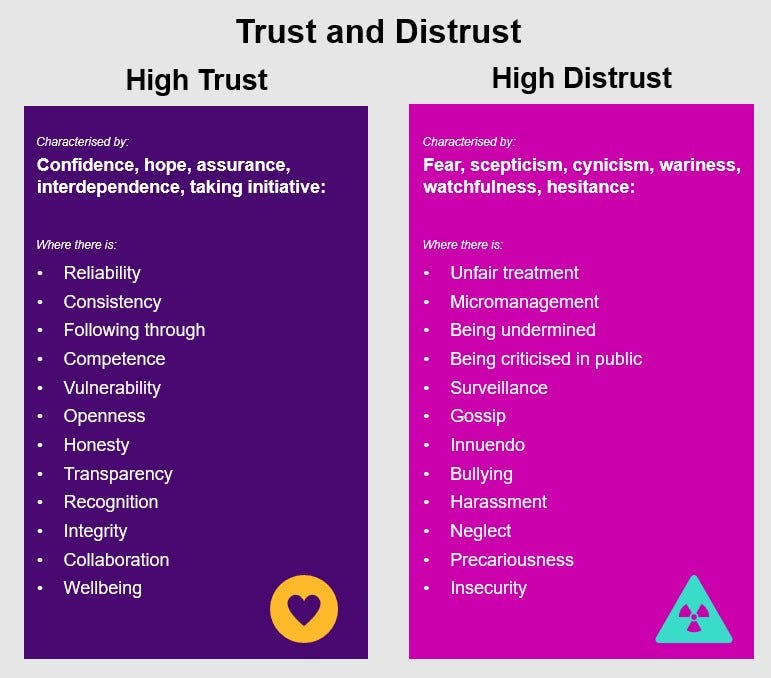
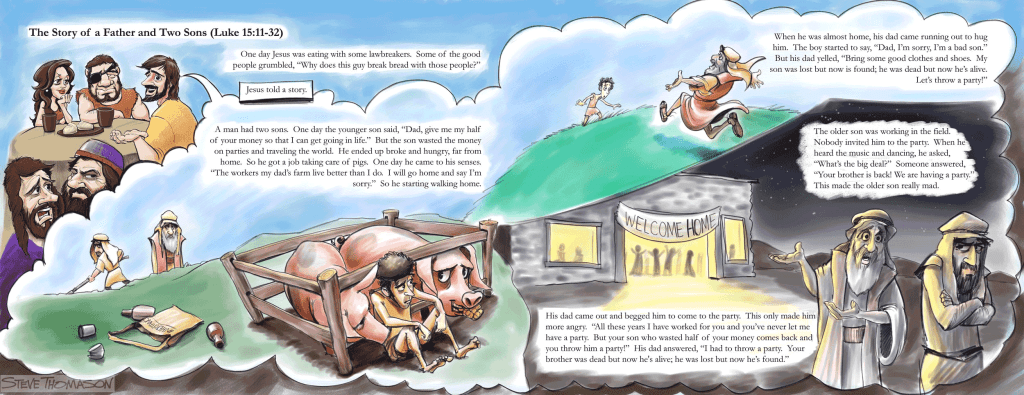
What does Jesus mean by saying we need to “change and become like little children”?

One clue we have here is that Jesus is responding to the question “Who is the greatest in the kingdom of heaven?”

And he replies, “Whoever takes the lowly position of this child is the greatest in the kingdom of heaven.”

In the books about Jesus and his disciples (Matthew, Mark, Luke, and John), we find the disciples often argued over which of them w,as greatest.

They seem to have been a competitive group.

And they were thinking of greatness in terms of leadership, knowledge, ­power, influence, and other things.

So Jesus is telling his disciples they need to repent, stop staring at their image in the mirror, put that mirror away and change their attitudes about greatness and surrender their worldly ambitions become lowly and humble like little children.

Jesus’ followers need to set aside any claims to their selfish ambitions and to realize that, just as little children depend on parents and caregivers, we are all totally dependent on God for all our current needs and all of our future living.

Here’s another thought.

(sermon illustration) A man in his sixties said,

“Last week my four-year-old grandson said he wanted to be a firefighter when he grew up.

I replied, ‘And when I grow up, I want to be a four-year-old boy again.’

My grandson stared at me with wide, wondering eyes.”

Have you looked around at God’s world with “wide, wondering eyes” lately?

That’s something I long for when I hear the word repentance, that summons us to change and become like a little child.

A Prayer to Experience Childlike Wonder …

Matthew 18:1-3 English Standard Version

Who Is the Greatest?

18 At that time the disciples came to Jesus, saying, “Who is the greatest in the kingdom of heaven?” And calling to him a child, he put him in the midst of them and said, “Truly, I say to you, unless you turn and become like children, you will never enter the kingdom of heaven.

Have you ever noticed how often children are excited about something simple?

They can splash in a puddle, sing a song, or laugh at a silly joke over and over without getting bored.

They often feel amazed, as well, by lots of experiences – such as playing with a pet, watching a sunset, and eating their favorite foods.

But somewhere along the way, when those children grow up, they can lose their sense of wonder.

As adults, they often focus too much on responsibilities and routines, missing out on the wonder happening around them. Their lives shrink down to the level of their to-do lists, even though God wants them to enjoy much bigger lives. 

Have you lost your sense of wonder, too?

If so, Jesus’ words in Matthew 18:3 invite you to reclaim a life lived in childlike wonder, the key unlocking the kingdom experience he wants us all to enjoy. 

You can start by choosing to live a life of humility.

Doing so can help you learn much more about God’s wondrous love and power.

When you’re humble, our perspective expands, allowing us to see how God is infinitely big, is also close to you, because you’re one of His beloved children. 

Standing in awe of God expands your ability to trust him, so you can rely more on God’s strength working through your life.

Just like children have faith that what a trusted person tells them is reliable, Jesus wants you to trust and rely on his promises to you.

You don’t need to try to go through any complicated analysis that leads you to doubt or worry about what Jesus tells you.

When you have childlike wonder, you can just look forward to Jesus keeping his promises. You can expect the best from God in any, all, circumstances you face. 

When you stop and wonder at the magnitude of how God has saved your soul for eternity, it becomes far easy to trust him with your life right now.

1 Corinthians 15:55-58 Amplified Bible

55 O death, where is your victory? O death, where is your sting?” 56 The sting of death is sin, and the power of sin [by which it brings death] is the law; 57 but thanks be to God, who gives us the victory [as conquerors] through our Lord Jesus Christ.

58 Therefore, my beloved brothers and sisters, be steadfast, immovable, always excelling in the work of the Lord [always doing your best and doing more than is needed], being continually aware that your labor [even to the point of exhaustion] in the Lord is not futile nor wasted [it is never without purpose].

God conquered death, can’t he conquer any situation where you need his help?

Wonder changes your focus away from your challenges and toward God’s immeasurable power.

It gets you excited about what amazing way God will show up for you next! 

Childlike wonder leads to joy.

Children find joy in the extraordinary wrapped up in the ordinary – and you can do so too, at any age.

Consider the Christmas season.

As an adult, it can be stressful because of pressures with time, money, and family issues.

But remember the pure joy you felt during the Christmas season as a child.

Jesus invites you to focus on the simple yet profound wonder of the Gospel: He loves you so much that he made the ultimate sacrifice to save you!

When you truly wonder at what this good news means, that can give you lasting joy that nothing can take away. 

So, let wonder become part of your worship.

Become like a little child again by letting go of trying to be the adult in charge of everything and putting your trust in your amazing Father, God. 

Let’s Pray:

Dear God, I confess that I’ve let my life shrink down to the level of my to-do list. I’ve focused so much on my routine and responsibilities I’ve lost the simple joy and open-hearted trust that comes from living in wonder of you.

Please change my heart. Reawaken the spirit of the child within me so I can fully enter into your wonderful kingdom here on earth.

I pray that wonder will lead me to humility. Help me to stand in awe of your unlimited love and power, so I can see how much I can really depend on you to help me with whatever I need.

I choose to depend on you completely.

Let me reflect on the miracle of Jesus saving my soul and everything you’ve already done in my life, and let that inspire me to expect the best from what you will do next. Let me stop over-analyzing and simply believe your promises.

I pray that wonder will restore my joy. Please help me strip away distractions and fully appreciate the simple truth of your love.

Let me feel the excitement of being your child, discovering the wonder of your work in my life every day.

I want to live a life full of wonder and gratitude as I experience your amazing presence! Amen

Glory be to the Father,
and to the Son, and to the Holy Ghost;
as it was in the beginning,
is now, and ever shall be,
world without end. Amen, amen.
https://translate.google.com/

Today’s Meditation: About praying to discern, recognize, deception before it leads to destruction. Genesis 3:1-7 

Genesis 3:1-7 Christian Standard Bible

The Temptation and the Fall

Now the serpent was the most cunning of all the wild animals that the Lord God had made. He said to the woman, “Did God really say, ‘You can’t eat from any tree in the garden’?”

The woman said to the serpent, “We may eat the fruit from the trees in the garden. But about the fruit of the tree in the middle of the garden, God said, ‘You must not eat it or touch it, or you will die.’”

“No! You will certainly not die,” the serpent said to the woman. “In fact, God knows that when[a] you eat it your eyes will be opened and you will be like God, knowing good and evil.” The woman saw that the tree was good for food and delightful to look at, and that it was desirable for obtaining wisdom. So she took some of its fruit and ate it; she also gave some to her husband, who was with her, and he ate it. Then the eyes of both of them were opened, and they knew they were naked; so they sewed fig leaves together and made coverings for themselves.

Word of God for the Children of God

Glory be to the Father,
and to the Son, and to the Holy Ghost;
as it was in the beginning,
is now, and ever shall be,
world without end. Amen, amen.
The passage is the well-known narrative of the Fall of Man, which has deep theological and symbolic significance.

It illustrates the entrance of sin into the world and its consequences for humanity.

The passage begins with the introduction of the character of the serpent, described as “more subtil than any beast of the field.”

In Christian theology, the serpent is often identified as Satan or the devil, who seeks to tempt and deceive humanity.

The serpent engages Eve in a conversation, questioning the commandment of God and subtly sowing doubt in her mind.

This sets the stage for the temptation and subsequent fall of Adam and Eve.

The serpent’s tactic of casting doubt on God’s commandment is a theme that has been repeated throughout history.

The passage serves as a warning about the dangers of our succumbing to temptation and the consequences of disobedience to God’s will.

The dialogue between the serpent and Eve highlights the themes of deception and disobedience. The serpent’s cunning words lead Eve to question the commandment of God, and ultimately, to disobey it. This emphasizes the importance of obedience and the consequences of straying from God’s will.

Notice that Eve’s response to the serpent reveals her understanding of God’s commandment, but also her vulnerability to temptation.

Despite knowing they should not eat from the tree, the serpent’s persuasive twisting of God’s words lead her to doubt and ultimately disobey God.

The passage also deals with the theme of the knowledge of good and evil.

The serpent suggests to Eve that by eating the forbidden fruit, she and Adam will become like gods, knowing good and evil.

This is a temptation to attain a level of knowledge and wisdom not meant for them, signifies the desire for autonomy and self-determination apart from God.

The act of eating the forbidden fruit represents the disobedience and rebellion of Adam and Eve against God’s command.

The consequences of their actions are immediate and profound.

Their eyes are opened, they become aware of their nakedness and vulnerability.

This newfound awareness leads them to sew fig leaves together to cover their naked selves, symbolizing awareness of their shame and guilt.

The narrative of the Fall of Man in Genesis 3:1-7 is rich in symbolism and theological implications.

It serves as a cautionary tale about the dangers of disobedience and the consequences of succumbing to temptation.

It also explores themes of deception, disobedience, the desire for autonomy apart from God.

Ultimately, the passage sets the stage for the need for redemption and the hope of restoration through the promised Messiah.

The serpent only asked a provocative question which led both Adam and Eve into temptation:

“Did God really say, ‘You must not eat from any tree in the garden’?”

Eve replied, “He said we could eat from all the trees except for the one in the center, and if we did, we would die!”

Then the serpent contradicted God:

“You will not die! Instead, you will be like God!”

That’s how “that ancient serpent [who is] called the devil, or Satan” led “the whole world astray” (Revelation 12:9).

Eve ate some of the fruit, and she gave some to Adam, and he ate it.

In one way Satan was right: after eating the fruit, they did not choke to death immediately.

But their souls were fatally poisoned.

And we are all caught in the same trap.

Can you relate to Adam and Eve?

Satan still whispers seductively, “Did God really say [your temptation] is bad or wrong?”

This warning still applies: “Your enemy the devil prowls around like a roaring lion looking for someone to devour” (1 Peter 5:8).

If we are not careful, we will find ourselves lost, naked, and ashamed in our personal wilderness, vainly trying to escape God’s all-seeing gaze.

Thankfully, his great love for us in Christ wins the day.

God’s hope-filled question from Eden reaches us today:

“Where are you?”

When Satan whispers, listen not to him but the Father, look to the Savior, and trust the Spirit to overcome.

A prayer to recognize deception before it leads to destruction 

Genesis chapter 3, discussing questions that arise when unpacking the text.

Where was Adam when the Serpent was talking to Eve?

Was the Serpent an actual snake or something like a snake?

How long was the conversation before Eve ate the apple?

Piqued with questions reading and studying the first few chapters of God’s Word, it is natural to ask questions which we can only speculate for answers.

While there has been an onslaught of proposed theories to answer questions we have no answers to, one thing is abundantly clear: how easy it is to slip into sin.

When examining the interaction between the Serpent and Eve (Genesis 3:1-6), here’s what we do know.

The serpent is Satan, who Scripture describes as crafty, which means he was more intelligent, more cunning, trickier than any of the creatures God made.

If you’re like me, when you read texts like this, the questions start coming at you rapidly.

Instead of making a statement, he tactfully posed a question, and then added for effect an additional layer of uncertainty.

“Did God really say?” With that, for the first time in Scripture, we see humanity doubting God’s words, and ultimately, God’s authority He introduced to Eve.

The interaction between the serpent and Eve continues,

“The woman said to the serpent, ‘We may eat fruit from the trees in the garden,  but God did say, ‘You must not eat fruit from the tree that is in the middle of the garden, and you must not touch it, or you will die.”  

“You will not certainly die,” the serpent said to the woman. “For God knows that when you eat from it, your eyes will be opened, and you will be like God, knowing good and evil, (Genesis 3:5).”

Why does Eve respond to a snake in the garden and question God instead of running away?

I don’t know, but it’s the reason why, centuries later, our natural response to temptation is not to flee but to lean in. 

Another thing we see through Eve’s interaction with the serpent is his ability, through the power of suggestion, to alter what God really said, which affects Eve’s remembrance of what God actually said.

Looking back in Scripture, God did not say they couldn’t touch the tree; He just said they couldn’t eat from it.  

With Eve’s inaccurate account of God’s command, the serpent exploits God’s truth by offering a half-truth.

Eve is deceived by the father of lies (John 8:44), and it leads to her (and the rest of humanity’s) destruction. 

Lest we think we too would have been able to resist the devil’s seduction, we are just as prone to deception.

We, too, convince ourselves “it’s okay to look,” then go one step further, “it won’t hurt to touch,” and before we know it, we have eaten the forbidden fruit,

leaving us to experience the consequences of sin.

Genesis 3:16 Revised Standard Version

16 To the woman he said,
“I will greatly multiply your pain in childbearing;
    in pain you shall bring forth children,
yet your desire shall be for your husband,
    and he shall rule over you.”

Genesis 3:17-19 Revised Standard Version

17 And to Adam he said,
“Because you have listened to the voice of your wife,
    and have eaten of the tree
of which I commanded you,
    ‘You shall not eat of it,’
cursed is the ground because of you;
    in toil you shall eat of it all the days of your life;
18 thorns and thistles it shall bring forth to you;
    and you shall eat the plants of the field.
19 In the sweat of your face
    you shall eat bread
till you return to the ground,
    for out of it you were taken;
you are dust,
    and to dust you shall return.”

The Tricks And Deceptions Of The Devil.

Let us not be deceived or distracted or divisive or divided, our enemy wants to confuse, divide, steal, and destroy, and lead God’s Children into destruction.

Perhaps our first parents did not know the history of the fall of Lucifer, the day star in Isaiah 14:12-21 and Ezekiel 28:11-19.

But it did not take long for the cunning serpent to draw them into his pernicious scheme to undermine the LORD who made us.

How susceptible are we to the devil’s suggestions?

The serpent began his enticement of the primeval couple by casting a shadow over the gracious and wonderful provision of God.

The question posed is structured in such a way as to extract a negative answer.

What the LORD had told the man was that he may eat of all except one tree (cf. Genesis 2:16-17).

The tempter turned this into the negative, “Has God said, You shall not eat of every tree of the garden?” (GENESIS 3:1).

A subtle twist, but please be aware that it is part of Satan’s armory to question the Word of God.

When we are enticed by the devil, we suddenly find ourselves leaping to defend the word of God.

But the minute we begin to add to what God has said, we are on dangerous ground. Like Eve, we begin to lose sight of our covenant relationship with the LORD, speaking of Him as a “God” who is always remote from our experience.

The woman refuted the devil’s accusation against God, but added words of her own: “and neither shall you touch it” (GENESIS 3:3).

Then the serpent began to question the certainty of death, and accused God of holding back something necessary for our human existence.

It is not wrong to want to better ourselves, but it is never the case that the end justifies the means!

Adam and Eve desired knowledge.

But rather than steadily growing into it in the God-appointed way they chose rather to listen first to Satan’s lies about there being a far simpler short cut.

Not only this, the tree with which they were being tempted was good for food.

Despite having all the fruit of all the other trees to choose from, why should we not eat the forbidden fruit?

And the tree was, after all, part of the beautiful ‘all very good’ creation of God.

The devil’s lie concerning the certainty or uncertainty of death was taking root in their mind.

Let us beware of ‘the lust of the flesh, the lust of the eyes, and the pride of life’ (cf. 1 John 2:16) –

“when the woman saw the tree was good for food, and that it was pleasant to the eyes, and a tree to be desired to make one wise, she took of the fruit thereof, and did eat, and gave also unto her husband with her; and he did eat” (GENESIS 3:6).

Adam was the representative head of the human race, and when he partook of the forbidden fruit he brought disaster and death upon all of his descendants.

Spiritual death, separation from God, was immediate.

Suddenly man and his wife realized that they were naked!

Physical death became an unavoidable prospect for mankind.

Without the intervention of the LORD, there was nothing between man and hell.

A Sad Song With a Ray of Hope?

Genesis 3:17-19 Complete Jewish Bible

17 To Adam he said, “Because you listened to what your wife said and ate from the tree about which I gave you the order, ‘You are not to eat from it,’ the ground is cursed on your account; you will work hard to eat from it as long as you live. 18 It will produce thorns and thistles for you, and you will eat field plants. 19 You will eat bread by the sweat of your forehead till you return to the ground — for you were taken out of it: you are dust, and you will return to dust.”

How radically the song about creation in Genesis has changed—from “very good” to “cursed.” What has happened?

Genesis 2 retells the creation story with a special emphasis on man and woman as the pinnacle of God’s creation.

But trouble entered Paradise. Satan, who once belonged to the angelic beings who worshiped the Creator, had foolishly, pridefully, tried to take God’s place.

From that moment on the war between good and evil was on, and God ousted Satan from his presence (see Revelation 12).

Satan tempted Adam and Eve to disobey God, and by their disobedience they brought destruction and death to God’s amazing creation.

This sad song of curses sums up the drastic results of human disobedience.

Yet all was not lost—not then and not now.

God’s frightening song shines a ray of hope.

Eve’s offspring would one day crush the head of the serpent.

A day came!

Jesus, conceived of the Holy Spirit, born of the virgin Mary, triumphed over Satan, paid the ultimate price to redeem us from the curse of sin and death.

Through his death on a cross for us and by his resurrection, Jesus brought us final victory over sin, death, and Satan.

Today we can still say, “It is good.”

We can sing a song of redemption, because God is good.

Thank the Lord the story does not end here, that Jesus came to save us. Amen.

In the name of the Father, and of the Son, and of the Holy Spirit ...

Praying ….

Psalm 91 Complete Jewish Bible

91 You who live in the shelter of ‘Elyon,
who spend your nights in the shadow of Shaddai,
who say to Adonai, “My refuge! My fortress!
My God, in whom I trust!” —
he will rescue you from the trap of the hunter
and from the plague of calamities;
he will cover you with his pinions,
and under his wings you will find refuge;
his truth is a shield and protection.

You will not fear the terrors of night
or the arrow that flies by day,
or the plague that roams in the dark,
or the scourge that wreaks havoc at noon.
A thousand may fall at your side,
ten thousand at your right hand;
but it won’t come near you.
Only keep your eyes open,
and you will see how the wicked are punished.

For you have made Adonai, the Most High,
who is my refuge, your dwelling-place.
10 No disaster will happen to you,
no calamity will come near your tent;
11 for he will order his angels to care for you
and guard you wherever you go.
12 They will carry you in their hands,
so that you won’t trip on a stone.
13 You will tread down lions and snakes,
young lions and serpents you will trample underfoot.
14 “Because he loves me, I will rescue him;
because he knows my name, I will protect him.
15 He will call on me, and I will answer him.
I will be with him when he is in trouble.
I will extricate him and bring him honor.
16 I will satisfy him with long lif
e
and show him my salvation.”

Glory be to the Father,
and to the Son, and to the Holy Ghost;
as it was in the beginning,
is now, and ever shall be,
world without end. Amen, amen.

https://translate.google.com/

Jesus was raised from the dead, we’ve been given a brand-new life and have everything to live for, a true future in heaven—and that future starts now! 1 Peter 1:3-7

1 Peter 1:3-7 English Standard Version

Born Again to a Living Hope

Blessed be the God and Father of our Lord Jesus Christ! According to his great mercy, he has caused us to be born again to a living hope through the resurrection of Jesus Christ from the dead, to an inheritance that is imperishable, undefiled, and  unfading, kept in heaven for you, who by God’s power are being guarded through faith for a salvation ready to be revealed in the last time. In this you rejoice, though now for a little while, if necessary, you have been grieved by various trials, so that the tested genuineness of your faith—more precious than gold that perishes though it is tested by fire—may be found to result in praise and glory and honor at the revelation of Jesus Christ.

Word of God for the Children of God

Glory be to the Father,
and to the Son, and to the Holy Ghost;
as it was in the beginning,
is now, and ever shall be,
world without end. Amen, amen.
The person who truly believes on Savior Jesus begins eternal life here on earth. (John 17:1-4)

He leaves the old sinful life of serving self and enters a new life of freedom from the bondage of sin.

He is free to serve the Lord.

As he walks with God and is faithful, he has the promise that this new life will continue right into heaven.

With the spiritual resurrection, there comes a new power, new interests, new joys, and a new and living hope.

God does not intend for this new life to grow old.

It cannot, for it is of Him.

The Christian is to walk (continue) in newness of life by abiding in Christ.

“By whom also we have access by faith into this grace wherein we stand, and rejoice in hope of the glory of God” (Rom. 5:2).

The spiritual birth is marked by a new nature.

This is a divine nature (1 Pet. 1:4).

A few of the characteristics of this new nature are a soft and tender spirit, a humble evaluation of one’s worth, heartfelt knowledge of one’s helplessness and need of the Lord.

Such a humble and contrite spirit is precious in God’s sight (Ps. 51:17).

When Saul was anointed king of Israel, he had this spirit.

Sad to say, Saul later lost that state of being little.

Samuel asked him, “When thou was little in thine own sight, wast thou not made the head of the tribes of Israel…?” (1 Sam. 15:17).

The challenge of every Christian is to maintain the new, fresh spirit that he received at his conversion.

Transformation-empowerment

1 Peter 1:3-4 New Living Translation

The Hope of Eternal Life

All praise to God, the Father of our Lord Jesus Christ. It is by his great mercy that we have been born again, because God raised Jesus Christ from the dead. Now we live with great expectation, and we have a priceless inheritance—an inheritance that is kept in heaven for you, pure and undefiled, beyond the reach of change and decay.

How does transformation occur in our lives?

Any approach to transformation that puts self at the center is doomed to failure.

Self-improvement and self-enlightenment cannot produce any lasting personal transformation.

Divine empowerment is the only sure method to change.

That’s why the apostle Peter begins his letter by stating,

“[God] has given us new birth into a living hope through the resurrection of Jesus Christ from the dead.”

We are empowered from the inside out as God gives us spiritual birth and causes us to grow in stature and grace.

A huge man stepped on the scale, not knowing it was defective.

A tiny boy watched closely to see how much this person weighed.

The needle rose quickly, but to the boy’s astonishment it stopped at 50 pounds, close to what the boy himself weighed.

The boy looked at the man, then at the scale, then at the man again, and said to his mother, “Mom, that guy must be hollow inside.”

A lot of us are hollow inside.

Without the power of Christ’s resurrection, we too are empty.

But if we are empowered by the Holy Spirit, we have received imperishable treasure.

A treasure freely given by grace.

It is our brand new life of Jesus Christ, constantly, continuously, guiding, living, moving, shaping, reshaping, transforming us through His great love, within us.

The Newness of Eternal Life

John 3:16-21 English Standard Version

For God So Loved the World

16 “For God so loved the world,[a] that he gave his only Son, that whoever believes in him should not perish but have eternal life. 17 For God did not send his Son into the world to condemn the world, but in order that the world might be saved through him. 18 Whoever believes in him is not condemned, but whoever does not believe is condemned already, because he has not believed in the name of the only Son of God. 19 And this is the judgment: the light has come into the world, and people loved the darkness rather than the light because their works were evil. 20 For everyone who does wicked things hates the light and does not come to the light, lest his works should be exposed. 21 But whoever does what is true comes to the light, so that it may be clearly seen that his works have been carried out in God.”

The newness we celebrate at the start of each day pales in comparison to the ultimate newness we receive through Christ.

Eternal life isn’t just about a future promise; it’s about a present reality that transforms how we live today.

When we embrace the newness of eternal life, accept we are part of something far far greater than ourselves—an unshakable kingdom that will never fade. 

I remember when I first understood this truth fully.

It wasn’t until a hard season in my life that I truly grasped what it meant to have eternal life through Jesus.

I realized that no matter what happened in the world or in my circumstances, the gift of eternal life could not be taken away.

This profound shift in spiritual perspective gave me the peace that surpasses understanding. I knew I had a forever hope beyond what this world could offer. 

Eternal life changes everything.

It shifts our values, our priorities, and even the way we see hardship.

Each day becomes a step closer to the fulfillment of God’s promises.

So when the trials of life come, we can face them with the assurance, confidence that we are forever secure in the incomparable love of God, which never ends. 

As we contemplate this resurrection journey, let’s remember the newness we experience now is just but a foretaste of the eternal life we have in knowing our Savior Jesus Christ that will never fade, never separated from, but last forever! 

In the name of the Father, and of the Son, and of the Holy Spirit

Praying,

Praise the Name of the Lord

148 Praise the Lord!
Praise the Lord from the heavens;
    praise him in the heights!
Praise him, all his angels;
    praise him, all his hosts!

Praise him, sun and moon,
    praise him, all you shining stars!
Praise him, you highest heavens,
    and you waters above the heavens!

Let them praise the name of the Lord!
    For he commanded and they were created.
And he established them forever and ever;
    he gave a decree, and it shall not pass away.[a]

Praise the Lord from the earth,
    you great sea creatures and all deeps,
fire and hail, snow and mist,
    stormy wind fulfilling his word!

Mountains and all hills,
    fruit trees and all cedars!
10 Beasts and all livestock,
    creeping things and flying birds!

11 Kings of the earth and all peoples,
    princes and all rulers of the earth!
12 Young men and maidens together,
    old men and children!

13 Let them praise the name of the Lord,
    for his name alone is exalted;
    his majesty is above earth and heaven.
14 He has raised up a horn for his people,
    praise for all his saints,
    for the people of Israel who are near to him.
Praise the Lord!

Glory be to the Father,
and to the Son, and to the Holy Ghost;
as it was in the beginning,
is now, and ever shall be,
world without end. Amen, amen.
https://translate.google.com/

Timely words of Encouragement; to Forgive Others as Christ Forgives Me. Matthew 6:14-15

Matthew 6:14-15 Amplified Bible

14 For if you forgive [a]others their trespasses [their reckless and willful sins], your heavenly Father will also forgive you. 15 But if you do not forgive others [nurturing your hurt and anger with the result that it interferes with your relationship with God], then your Father will not forgive your trespasses.

Word of God for the Children of God

Glory be to the Father,
and to the Son, and to the Holy Ghost;
as it was in the beginning,
is now, and ever shall be,
world without end. Amen, amen.
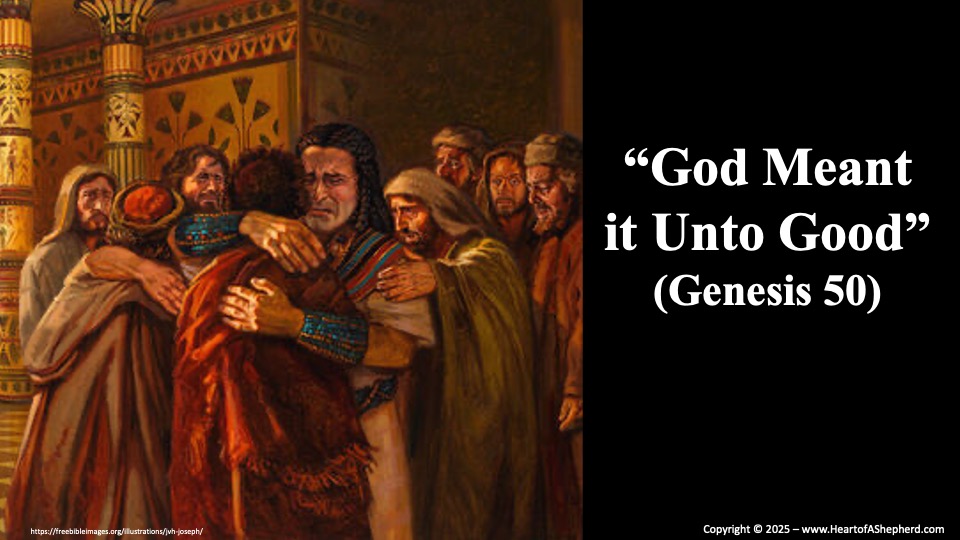
A New Teaching?

Why have I titled this post as a new teaching?  

It’s because back in verse 12, Jesus took the Jewish prayer to a higher level than had been traditional.  

Most devout Jews prayed daily, asking God to forgive them their debts.  

Now, adds Jesus, you need to pray God will forgive you just as you forgive others. The new teaching is that forgiveness from God depends upon our willingness to offer forgiveness to those who sin against us.

We do not forgive easily, especially if the hurt is deep and ongoing.  

To pray daily that God forgives us as we forgive others is to remind ourselves of our need to forgive; it is to acknowledge our fallen, frail human nature.

Jesus makes a promise here. 

If you forgive others, the Father will forgive you.  

Of course, we understand that there must also be repentance, faith, and also renewed obedience.  

When our hearts are soft to forgive others, then God can see that our hearts are soft toward Him as well.

Think about it.  

Hold anger and resentment in your heart, purposely and with malice, and see what it does to your relationship with the offender, and with God.

Jesus also makes a rather threatening statement: 

But if you forgive not. . . .

If we knowingly, purposefully withhold forgiveness, then we do not meet the qualifications to receive forgiveness from God.  

Do you desire mercy and grace from God?  

Then show mercy and grace to those around you, even when they have offended you.

There is no escaping the clear message of these two verses.  

Withhold forgiveness from others, you will not receive forgiveness from God.

 I lift the following words out of Matthew Henry’s Commentary in One Volume: 

Christ came into the world as the great Peace-Maker, not only to reconcile us to God, but one to another. It is great presumption and of dangerous consequence, for any to make a light matter of that which Christ here lays such a stress upon. Men’s passions shall not frustrate God’s Word.

Faith—Forgiving As Forgiven

Jesus taught his followers this prayer, and it is often called “The Lord’s Prayer.”

But it is a prayer that Jesus didn’t need to pray.

He had no debts or sins for which he needed forgiveness. His disciples did, though, so he taught them this prayer.

We also need this prayer, don’t we?

Acknowledging that we need forgiveness is not easy. But look at the last part of this request: “. . . as we also have forgiven our debtors.” I sometimes wonder,

“If God were to forgive us as we forgive others, how forgiven would we be?”

Contagious Forgiveness?

Jesus’ teaching here at the end of the Lord’s Prayer might be confusing.

It almost sounds as if we have to earn God’s forgiveness by forgiving others.

But we also know that through faith in Jesus, we are already forgiven by God (Acts 2:38; Romans 3-8).

So we need a different kind of thinking here.

Think of an old kitchen sponge that hasn’t been used for a long time.

When you put it under the tap, the water runs right over the sponge.

But if you set the sponge in a bucket of ­water for a few minutes, it softens and becomes usable again.

Our hearts can be like that too.

When we hold onto our resentments and bitterness, nursing our anger, we can become as hard as a rock, God’s grace will be like water running over a rock.

It doesn’t soak in.

But when we are open to forgiving others, we become soft like a moistened sponge.

The Lord’s grace soaks in and saturates our hearts, and we become available to share his grace.

Just as a wet sponge moistens other things when it touches them, we can share grace, helping to wipe others’ dirt away as we forgive others.

As Colossians 3:13 puts it, “Forgive as the Lord forgave you.”

Dying to our accumulated resentment, anger, and bitterness softens our hearts to receive God’s indelible truth, amazing grace and share it freely with others.

In the name of the Father, and of the Son, and of the Holy Spirit

Praying,

Psalm 130 Amplified Bible

Hope in the Lord’s Forgiving Love.

A Song of [a]Ascents.

130 Out of the [b]depths [of distress] I have cried to You, O Lord.

Lord, hear my voice!
Let Your ears be attentive
To the voice of my supplications.

If You, Lord, should keep an account of our sins and treat us accordingly,
O Lord, who could stand [before you in judgment and claim innocence]?

But there is forgiveness with You,
That You may be feared and worshiped [with submissive wonder].


I wait [patiently] for the Lord, my soul [expectantly] waits,
And in His word do I hope.

My soul waits for the Lord
More than the watchmen for the morning;
More than the watchmen for the morning.

O Israel, hope in the Lord;
For with the Lord there is lovingkindness,
And with Him is abundant redemption.

And He will redeem Israel
From all his sins.

Glory be to the Father,
and to the Son, and to the Holy Ghost;
as it was in the beginning,
is now, and ever shall be,
world without end. Amen, amen.
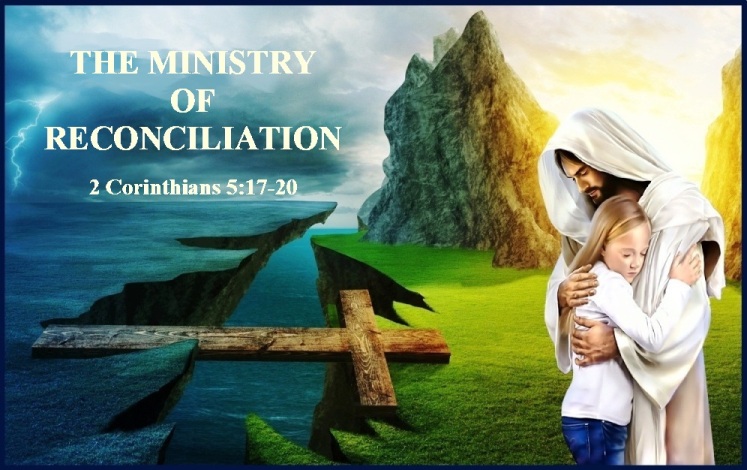
https://translate.google.com/