Blog: “Discovering His Living Hope”

“To be Blinded by His eternal Light” A Prayer to Find Light When You Feel Completely Surrounded by Darkness. John 1:1-5

John 1:1-5 Living Bible

1-2 Before anything else existed,[a] there was Christ, with God. He has always been alive and is himself God. He created everything there is—nothing exists that he didn’t make. Eternal life is in him, and this life gives light to all mankind. His life is the light that shines through the darkness—and the darkness can never extinguish it.

Word of God for the Children of God

Glory be to the Father,
and to the Son, and to the Holy Ghost;
as it was in the beginning,
is now, and ever shall be,
world without end. Amen, amen.
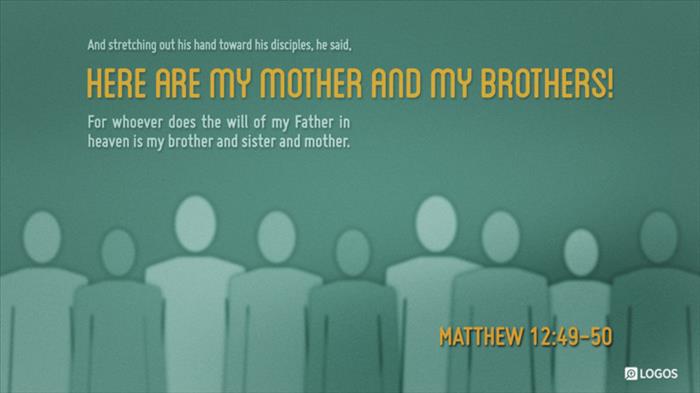

In Him Was Life

The first of these theme-words appears at the beginning of John 1:4, “In him was life.”

The word life appears 36 times in the gospel of John, far more than any other New Testament book. It is one of his most important themes.

The preceding verses say that “the Word was with God” and “was God,” and that “all things were made through him” (John 1:1–3).

The second person of the Godhead, the “Word,” who is the subject of this gospel, is the source of all life in this universe.

Not merely does he possess life, but life itself is found in him and also comes through him. Jesus said, “For as the Father has life in himself, so he has granted the Son also to have life in himself” (John 5:26).

This is what John wants us to see in Christ: “In him was life.”

Are you and I really truly living?

Do you and I feel that our lives matter for something important?

Are you and I excited about things, or just keeping occupied?

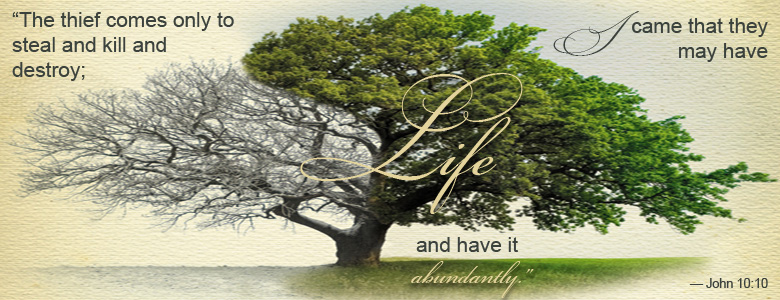
Jesus has life to give to those who trust in him. “I came that they may have life,” he said, “and have it abundantly” (John 10:10).

So, just how much or how little do you and I actually, authentically, trust Him?

The Light Shining

This is the very connection John makes, that the life in Christ comes as a light shining in the darkness.

“In him was life, and the life was the light of men. The light shines in the darkness” (John 1:4–5). 

Light is another of John’s great themes.

The first recorded words of God are, “Let there be light” (Gen. 1:3). Light is an image that everyone understands, and it brings a rich array of meaning.

The first thing light does is reveal. 

When you walk into a dark room, you turn on the light to see.

This is what Isaiah prophesied about the coming of Jesus: “The people who walked in darkness have seen a great light; those who dwelt in a land of deep darkness, on them has light shined” (Isa. 9:2).

Man was living in a spiritual darkness, ignorant about God and living in superstition.

So Jesus came to reveal God. “Whoever has seen me has seen the Father,” he said (John 14:9).

James Boice comments,

https://en.wikipedia.org/wiki/James_Montgomery_Boice

“Jesus is revealed as the One who knows God the Father and who makes him known.… Before Christ came into the world, the world was in darkness. The world did not know God. Christ came. His light shone before men. Then men had light of the knowledge of the glory of God in the face of Jesus Christ.”

Do you and I know God?

Do you and I know what God is like?

Do you or I know Jesus came to reveal God to us.

Do you and I know God by personal acquaintance, by his presence within your spirit?

Do you and I know Jesus came also to bring us into fellowship with God as worshipers in spirit and in truth?

Light not only reveals but it also warms. 

To “walk in the darkness” is to walk in sin and moral depravity, but the light of Christ warms the heart so that it is changed.

This spiritual transformation is what Jesus meant in John 12:46, “I have come into the world as light, so that whoever believes in me may not remain in darkness.”

Thirdly, light not only reveals and warms, but it also guides. 

We think of the glory cloud of light that guided Israel through the desert during the exodus from Egypt. 

Psalm 119:105 says, “Your word is a lamp to my feet and a light to my path.”

Likewise, Jesus said, “I am the light of the world. Whoever follows me will not walk in darkness, but will have the light of life” (John 8:12).

If you come to Jesus Christ in faith and follow as his disciple, he will be a light to guide you “in paths of righteousness for his name’s sake” (Ps. 23:3).

Fourthly, light conveys and stimulates life.

If you want a plant to grow, you place it in the sunshine.

Likewise, you will grow upward as the light of Christ’s Word shines in you.

His light shines with the power of his life through his Word.

“In him was life, and the life was the light of men” (John 1:4).

This great verse summarizes what it means for us to be Christ-like.

Jesus wants you to be a lamp that reflects his light in the world.

He wants you to reveal God to those around you; he wants you to warm others so they will seek after truth and love; he wants you to be a guide to others; and he wants his light shining in and through you to bring others to life.

He said: “Let your light shine before others, so that they may see your good works and give glory to your Father who is in heaven” (Matt. 5:16).

Darkness against the Light

The third image John uses is darkness.

This is the absence of light.

If light stands for the knowledge of God, darkness represents the fullness of all our spiritual ignorance in which the world is perishing.

If light stands for warmth and goodness, then the darkened world is that which is enslaved in sin and evil.

If the light breaks through, leads us in good paths, darkness is the realm of the lost and blind. If light brings true life, then darkness is the true realm of death.

Darkness is opposed to light.

John 1:5 says, “The light shines in the darkness, but the darkness has not overcome it.”

This indicates that the coming of Christ as the light meets the opposition of the darkened world.

Jesus said, “This is the judgment: the light has come into the world, and people loved the darkness rather than the light because their deeds were evil” (John 3:19).

Nothing has ever condemned this world more than its response to the coming of Jesus Christ.

If people tell you the world or the human race is basically good, remind them what it did to Jesus.

He came without any sin, healing and teaching the way to God.

He was a light shining in the darkness.

But for that very reason the world hated him.

The hypocritical Pharisees resented him for exposing their legalism.

The priests and scribes envied his popularity.

The power-hungry Romans thought him a threat to their military domination.

And it wasn’t just the elite, for the ordinary people also called out for Jesus’ blood: “Away with him, away with him, crucify him!” they demanded of Pontius Pilate (John 19:15).

When God’s Son came into the world, the world nailed him to a cross—the cruelest form of execution they could possibly devise—to suffer and die.

For our 21st century People today similarly despise Jesus; for all their supposed “admiration” they refuse, refute, mock and scorn his exclusive claim to be our Savior and Lord and resent his holy example that exposes their sin.

The Light of Christ

“In him was life, and the life was the light of men. The light shines in the darkness and the darkness has not overcome it.”

These are great themes that John unfolds all through his gospel: life, light, and darkness.

But remember that John is really pointing to Jesus.

What matters in life, then, is not what we are and have been, not what others have done, not what challenges or trials the future might hold.

What matters is that Christ has come with life through his light that shines in the world, and the darkness cannot overcome it.

That is the way to life and light: to cease trusting in yourself or in anything else of this world that might commend you to God, and surrender your case into the hands of Jesus.

“I have come into the world as light,” he said, “so that whoever believes in me may not remain in darkness” (John 12:46).

That light is still shining, and through him you can have life everlasting, life abundant, life in Christ.

Jesus Christ, the Word of God, created the world with God in the beginning.

He also came into the world to save it, because it was broken by the curse of sin and death.

When Adam and Eve disobeyed God in Eden, they brought this curse on all of God’s creation (Genesis 3).

The world that God once called “good” has been afflicted with chaos, conflict, isolation, sickness, and grief ever since. And sin has estranged us from the God who created us. Even worse, no matter how hard we try, we cannot make things right. Our sin continually forms a barrier between us and our Creator.

Maybe you are reading this devotion because you are feeling sin’s effects in your life.

Perhaps something has happened which has left you feeling lost or confused.

Maybe you feel you are groping in the dark, looking for light to guide your way.

The Bible promises that the darkness you face—whatever it might be—will never overcome the light of Christ.

Like a lighthouse on a rocky shore, Jesus offers us hope and a clear path to God.

There is no sin or enemy of God big enough, powerful enough to snuff out the light of Christ.

He will always shine brightest, always be victorious, and if we place our fullest measure of authentic faith in him, he invites all of us to share in his victory.

In the name of God, the Father, God the Son and God the Holy Spirit,

Praying, …

Psalm 19 Complete Jewish Bible

19 (0) For the leader. A psalm of David:

2 (1) The heavens declare the glory of God,
the dome of the sky speaks the work of his hands.
3 (2) Every day it utters speech,
every night it reveals knowledge.
4 (3) Without speech, without a word,
without their voices being heard,
5 (4) their line goes out through all the earth
and their words to the end of the world.

In them he places a tent for the sun,
6 (5) which comes out like a bridegroom from the bridal chamber,
with delight like an athlete to run his race.
7 (6) It rises at one side of the sky,
circles around to the other side,
and nothing escapes its heat.

8 (7) The Torah of Adonai is perfect,
restoring the inner person.
The instruction of Adonai is sure,
making wise the thoughtless.
9 (8) The precepts of Adonai are right,
rejoicing the heart.
The mitzvah of Adonai is pure,
enlightening the eyes.
10 (9) The fear of Adonai is clean,
enduring forever.
The rulings of Adonai are true,
they are righteous altogether,
11 (10) more desirable than gold,
than much fine gold,
also sweeter than honey
or drippings from the honeycomb.
12 (11) Through them your servant is warned;
in obeying them there is great reward.

13 (12) Who can discern unintentional sins?
Cleanse me from hidden faults.
14 (13) Also keep your servant from presumptuous sins,
so that they won’t control me.
Then I will be blameless
and free of great offense
.

15 (14) May the words of my mouth
and the thoughts of my heart
be acceptable in your presence,
Adonai, my Rock and Redeemer.

Glory be to the Father,
and to the Son, and to the Holy Ghost;
as it was in the beginning,
is now, and ever shall be,
world without end. Amen, amen.
https://translate.google.com/

Through the Crowds, then Digging through the rooftops. Our Paralyzed and broken selves are being lowered down into the presence of our Healer. Luke 5:17-26

Luke 5:17-26 New American Standard Bible

A Man Lowered through a Roof

17 [a]One day He was teaching, and there were some Pharisees and teachers of the Law sitting there who had come from every village of Galilee and Judea, and  from Jerusalem; and the power of the Lord was present for Him to perform healing.  18 And some men were carrying a man on a stretcher who was paralyzed; and they were trying to bring him in and to set him down in front of Him. 19 But when they did not find any way to bring him in because of the crowd, they went up on the roof and let him down through the tiles with his stretcher, into the middle of the crowd, in front of Jesus. 20 And seeing their faith, He said, “[b]Friend, your sins are forgiven you.” 21 The scribes and the Pharisees began thinking of the implications, saying, “Who is this man who speaks blasphemies? Who can forgive sins, except God alone?” 22 But Jesus, [c]aware of their thoughts, responded and said to them, “Why are you thinking this way in your hearts? 23 Which is easier, to say: ‘Your sins are forgiven you,’ or to say, ‘Get up and walk’? 24 But so that you may know that the Son of Man has authority on earth to forgive sins,” He said to the man who was paralyzed, “I say to you, get up, and pick up your stretcher, and go home.” 25 And immediately he got up before them, and picked up what he had been lying on, and went home glorifying God. 26 And [d]they were all struck with astonishment and  began glorifying God. They were also filled with fear, saying, “We have seen remarkable things today!”

Word of God for the Children of God

Glory be to the Father,
and to the Son, and to the Holy Ghost;
as it was in the beginning,
is now, and ever shall be,
world without end. Amen, amen.
In our text, a paralyzed man was brought to Jesus, who not only healed him physically but also addressed his need for forgiveness.

This teaches us that true freedom starts from within.

Just as the friends who brought, lowered the paralyzed man to Jesus, we all have burdens- Whether they are past mistakes, emotional pain, or unconfessed sins.

It is essential for us to seek help and open our hearts to the life-changing power of Christ.

As we contemplate “Letting Go of What Holds You Down,” let’s think about what keeps us from moving forward spiritually. Are there fears, doubts, or any regrets or secrets that hold us back from experiencing the freedom Jesus offers?

Just as the paralyzed man received healing and forgiveness, we are encouraged to let go of our own burdens.

Today, let’s find the Joshua 1:9 courage to set aside anything that hinders us and allow Jesus to free us, so we can live the abundant life He wants for each of us.

Joshua 1:9 New American Standard Bible 1995

Have I not commanded you? Be strong and courageous! Do not tremble or be dismayed, for the Lord your God is with you wherever you go.”

Luke 5:17-18

Let go of…

1. Past regrets.

We encounter the story of a paralyzed man whose friends lowered him through a roof to reach Jesus. This powerful narrative highlights how we often hold onto myriads of past regrets, which can hinder our spiritual and personal growth.

The key message here is that Jesus came to heal not just physical bodies but also our spirits.

Like the paralyzed man who was freed from his physical limitations, we too are called to let go of our past mistakes and embrace the forgiveness Jesus offers.

The Gospel reminds us that in Christ, our sins are wiped away, and our past does not determine our future.

To practically apply this message, we must actively reflect on and release our regrets. This process involves honest prayer, recognizing what holds us back, and possibly journaling or seeking support from friends and Church leaders.

Letting go is not just a thought; it requires concrete actions, such as forgiving ourselves or others and setting new goals that focus on the future. By building a supportive community and actively engaging in practices that promote spiritual growth, we can remind ourselves of our identity in Christ.

Just as the paralyzed man received healing through the faith of his friends, we can find restoration by surrounding ourselves with those who encourage us to let go and embrace the life Jesus promises.

Luke 5:19-20

Let go of…

2. Fear of judgment.

We see a powerful display of faith as a paralyzed man’s friends go to great lengths to bring him to Jesus, undeterred by the crowd.

This story highlights a crucial truth- God’s grace overcomes our fears, including the fear of being judged.

When we seek Christ and let go of our fear of condemnation, we understand that His healing power is stronger than any judgment we may face.

The paralyzed man’s healing depended on his friends’ boldness, reminding us true faith often requires us to rise above our fears and trust in God’s acceptance and love.

Letting go of the fear of judgment means our being open and genuine in our relationships and communities of faith.

Many people hesitate to approach Jesus or engage fully in their faith because they worry about others’ opinions regarding their past or struggles.

However, this passage encourages us to break free from these fears. This might look like sharing our burdens in a supportive group, asking for prayer without worrying about gossip, or getting involved in ministry despite our doubts.

By creating an atmosphere of grace and acceptance, we help ourselves, others come to Christ as we are, promoting personal healing, community growth.

In doing so, we outwardly reflect the unconditional love of Jesus, which then proclaims, welcomes everyone who seeks Him.

Luke 5:20

Let go of…

3. Self-sufficiency.

We see a powerful moment when the faith of a paralyzed man and his friends leads to both physical and spiritual healing. Lowering the man through the roof represents our need to let go of self-sufficiency and be vulnerable before God.

Self-sufficiency can block us from truly connecting with Jesus, as we often depend on our own strength and plans, thinking we can handle life on our own.

However, the Gospel reminds us that real healing comes through our faith in Christ. By releasing our self-sufficiency, we open ourselves to God’s grace and power, recognizing that our weakness allows His strength to shine through us.

Letting go of our self-sufficiency has practical effects on our daily lives.

It encourages us to seek support from our community, just as the friends of the paralyzed man did.

This can mean joining small groups, finding a mentor, or sharing our struggles with trusted friends.

Additionally, by surrendering our self-sufficiency, we cultivate a deeper reliance on prayer, bringing our needs and fears to God.

This shift helps us experience personal change and allows us to share Christ’s love and support with others, reflecting His grace in a world that needs it.

Luke 5:21

Let go of…

4. Negative influences.

The Pharisees and teachers of the Law questioned Jesus, symbolizing the negative influences that can weaken our faith and hinder our spiritual growth.

Jesus calls us to recognize and let go of these distractions, such as critical voices, toxic relationships, and self-doubt, that deter us from fulfilling God’s purpose for our lives.

To truly experience the freedom that comes with following Christ, we must identify these influences and distance ourselves from anything that blocks us from embracing the truth of God’s Word.

Letting go of negative influences takes effort and courage.

This means setting boundaries with those who bring us down and fostering a supportive environment that promotes spiritual growth.

We should spend time with uplifting, faith-filled individuals, engage in prayer and Bible study, and practice self-care that honors our identity in Christ.

Additionally, we must be mindful of our own words and thoughts, ensuring they are uplifting rather than discouraging. By adopting a positive, faith-filled mindset, we not only transform ourselves but also inspire those around us.

Through this intentional process of letting go, we can experience the abundant life Jesus offers, free from the burdens that weigh us down.

Luke 5:22-26

Let go of…

5. Limiting beliefs.

Jesus addressed the limiting beliefs of the Scribes and Pharisees, who doubted His authority to forgive sins.

They were stuck in their own ideas about who the Messiah was and what forgiveness meant.

Jesus, knowing their thoughts, not only healed the paralyzed man but also offered him forgiveness, showing that limiting beliefs can obstruct our understanding of God’s grace.

Just as the paralyzed man was freed from his ailments, we can find freedom in Christ when we let go of the beliefs that hold us back from experiencing God’s love and purpose.

Letting go of limiting beliefs encourages us to rethink our views about ourselves and God.

Many people struggle with feelings of unworthiness or the belief that they cannot be forgiven or start anew.

The Gospel reminds us that God’s love is limitless.

We can begin to move past these barriers by identifying and confronting our limiting beliefs- Like feelings of inadequacy or past mistakes.

By authentically seeking God’s truth in Scripture and sharing our struggles with fellow believers, we too can find support in recognizing that our identity lies in being cherished children of God.

This process allows Jesus to lift us up, just as He did for the paralytic, and empowers us to live freely and purposefully.

Conclusion:

As we conclude, we see a clear example of letting go of what weighs us down.

The paralyzed man, eager for healing, didn’t let obstacles stop him; instead, he was lifted by the faith of his friends.

This reminds us to examine our own burdens, whether they are fear, guilt, or unhealthy relationships.

Like the paralyzed man, we also must face the things that hold us back from experiencing the fullness God wants for us, remembering that Jesus calls us to let go and move forward.

Now, as we take this message to heart, let’s decide to release our burdens and surround ourselves with those who support us.

God is always ready to heal our brokenness.

When we embrace our freedom, we also open the door for others to encounter Christ’s transformative love.

Together, let’s encourage one another to shed what weighs us down and step into the new life Jesus offers.

By doing this, we not only discover our true potential but also become sources of hope for those who still carry their struggles.

In the name of God, the Father God the Son and God, the Holy Spirit,

Praying …

Psalm 13 New American Standard Bible 1995

Prayer for Help in Trouble.

For the choir director. A Psalm of David.

13 How long, O Lord? Will You forget me forever?
How long will You hide Your face from me?
How long shall I take counsel in my soul,
Having sorrow in my heart all the day?
How long will my enemy be exalted over me?

Consider and answer me, O Lord my God;
Enlighten my eyes, or I will sleep the sleep of death,
And my enemy will say, “I have overcome him,”
And my adversaries will rejoice when I am shaken.

But I have trusted in Your lovingkindness;
My heart shall rejoice in Your salvation.
I will sing to the Lord,
Because He has dealt bountifully with me.

Glory be to the Father,
and to the Son, and to the Holy Ghost;
as it was in the beginning,
is now, and ever shall be,
world without end. Amen, amen.

https://translate.google.com/

For Levi 100% Change is inevitable, For Matthew, Resistance to change was inevitably, virtually nonexistent. Luke 5:27-39

Luke 5:27-39 New American Standard Bible

Call of Levi (Matthew)

27 After that He went out and looked at a tax collector named [a]Levi sitting in the tax office, and He said to him, “Follow Me.” 28 And he left everything behind, and got up and began following Him.

29 And Levi gave a big reception for Him in his house; and there was a large crowd of tax collectors and other people who were reclining at the table with them. 30 The Pharisees and their scribes began grumbling to His disciples, saying, “Why do you eat and drink with the tax collectors and [b]sinners?” 31 And Jesus answered and said to them, “It is not those who are healthy who need a physician, but those who are sick. 32 I have not come to call the righteous to repentance, but sinners.”

33 And they said to Him, “The disciples of John often fast and offer prayers, the disciples of the Pharisees also do [c]the same, but Yours eat and drink.”  34  And Jesus said to them, “You cannot make the [d]attendants of the groom fast while the groom is with them, can you? 35 But the days will come; and when the groom is taken away from them, then they will fast in those days.” 36 And He was also telling them a parable: “No one tears a piece of cloth from a new garment and puts it on an old garment; otherwise he will both tear the new, and the patch from the new  garment will not match the old. 37 And no one pours new wine into old wineskins; otherwise the new wine will burst the skins and it will be spilled out, and the skins will be ruined. 38 But new wine must be put into fresh wineskins. 39 And no one, after drinking old wine wants new; for he says, ‘The old is fine.’”

Word of God for the Children of God

Glory be to the Father,
and to the Son, and to the Holy Ghost;
as it was in the beginning,
is now, and ever shall be,
world without end. Amen, amen.

Today, we are going to look at the challenge of change in our spiritual lives.

We see Levi, a tax collector, who chose to leave his comfortable but corrupt life to follow Jesus.

This decision highlights the significant shifts we might face when we commit to living for Christ.

Change can be difficult, as it often meets resistance both from within ourselves and from the World.

Like Levi, we also have the choice to let go of our past and embrace a new, unknown path of faith.

As we reflect on Levi’s story, we can ask ourselves what holds us back from fully responding to God’s call.

Are we stuck in habits, relationships, or mindsets that prevent our spiritual growth?

Jesus encourages us to let go of the old ways and make space for new faith.

He invites us to rethink what makes us comfortable and to envision what it means to live in His grace.

Today, let us open our hearts and spirits unto the .001% possibility of change, knowing that while it will 100% be mightily challenging, to giving ourselves, to surrendering to change, Jesus can lead us to a life filled with hope and purpose.

Luke 5:27-28

Change your…

1. Association.

The calling of Levi (Matthew) highlights how changing our associations can transform our spiritual lives.

When Jesus asked Levi, a despised tax collector, to follow Him, it not only changed Levi’s job but also placed him in a new community centered on faith and purpose.

This scene illustrates God’s desire for us to leave behind past associations and accept a new identity in Christ.

Just like Levi left his old life, we need to examine the relationships in our lives and see if they bring us closer to God or pull us away.

On a practical level, changing our associations means looking at the influences around us, (our friends, social and professional circles) making solid choices that reflect our faith.

This doesn’t mean we have to cut ties with those who don’t share our beliefs, but rather we should seek out relationships that help us grow spiritually.

By surrounding ourselves with people who encourage us to be better, we can create an environment that fosters change.

Being part of a community of believers provides the support we need to reflect Christ’s love in our lives.

Embracing these changes can lead to much stronger relationships and a clearer understanding of our identity in Christ, showing that even the most hard core, and soul rending challenges of change are both deeply personal and communal.

Luke 5:29-30

Change your…

2. Perspective.

Levi/Matthew invited Jesus and His disciples to a feast at his home, illustrating a significant change in perspective.

As a tax collector, Levi was often viewed as an outcast, but he embraced his new identity in Christ and shared this transformative moment.

In contrast, the Pharisees represent a narrow-minded view that limits God’s grace to the inherently “righteous.”

This story teaches us that changing our perspective allows us to experience God’s love more fully and share it with others. Jesus calls us to shift from exclusion to inclusion and from judgment to compassion, encouraging us to rise above traditional societal norms and personal biases in our faith journey.

On a practical level, altering our perspective means making a conscious effort to understand and empathize with others.

We should challenge our preconceived ideas and approach people with grace, recognizing that everyone has their own unique struggles.

This could involve reaching out to someone we find difficult to connect with or engaging with marginalized individuals in our community.

By doing this, we follow Christ’s example of love and acceptance, creating spaces where others can feel the Gospel’s warmth.

A changed perspective not only transforms our own hearts but also fosters a more inclusive and compassionate community, enabling us to authentically live out our faith and reflect Christ’s love in our everyday actions.

Luke 5:31-32

Change your…

3. Priorities.

Jesus showed how His Ministry changed the priorities of those who follow Him.

He teaches that repentance is not just about stopping sinful behaviors; but about rethinking what is truly important in our lives.

By spending time with tax collectors and sinners, Jesus revealed that God’s grace is for everyone.

This challenges us to reconsider who we prioritize, encouraging us to focus less on status and wealth, more on love, mercy, and compassion for those in need.

Shifting our focus from rituals to relationships can foster spiritual growth and create a genuine community.

To change our priorities in line with Jesus’ teachings, we must intentionally take action that reflects His values.

This means dedicating time to service, building connections with those who struggle, and examining our commitments to ensure they align with our faith.

We can start by identifying areas where we might be prioritizing pursuits that don’t align with Christ’s heart.

Regular reflection through prayer, studying Scripture, engaging with mentors can help us determine where God wants us to invest our time and resources.

By aligning our priorities with Jesus’ mission, we not only respond to His call but also become instruments of His love and grace in a World that needs it.

Luke 5:33-35

Change your…

4. Traditions.

Jesus confronts the problems that arise when long-held traditions clash with the life-changing message of the Gospel.

The Pharisees were fixated on their customs, especially regarding fasting.

This passage teaches us that while traditions can be helpful, they shouldn’t obstruct God’s work in our lives.

The challenge to “change your traditions” encourages believers to examine whether these practices, (although well-meaning) are hindering their spiritual growth or pushing away those wanting to know Christ.

Jesus reminds us that His presence introduces something new, urging us to regularly reassess our rituals and allow the Holy Spirit to guide our choices.

Practically, changing traditions can happen in different ways within our lives and communities.

It might involve rethinking how Church Services are held or how outreach is conducted, focusing on the very heart beat of the Gospel instead of rigid forms.

Additionally, individuals should regularly reflect on their personal worship habits- Are there routines that have become dry and disconnected from God?

Embracing change can foster a welcoming environment for new believers, deepen relationships, and enhance genuine worship experiences.

Ultimately, this change honors the past while ensuring our traditions truly express Christ’s transformative love rather than mere routine.

Luke 5:36-39

Change your…

5. Heart.

Jesus illustrates the need for an inner transformation through the parables of new wine and old wineskins.

He teaches that changing our hearts is essential to embracing new ways of living according to the Gospel, which emphasizes love, grace, and mercy.

A heart stuck in quicksand’s of old traditions cannot fully accept this fresh message, so we must be open to God’s transformative power.

This change isn’t just about altering our behavior; it’s all about realigning our desires with God’s will. With the help of the Holy Spirit, we can break free from outdated ways of thinking and living, evangelizing, praying and worshiping.

Practically, changing our hearts means committing to activities that promote spiritual growth.

This could involve regular prayer, reading, studying Scripture, worshiping with community, and serving others in love.

When our hearts are aligned with God’s, we are driven by hope rather than fear, allowing us to welcome positive changes in our lives.

Additionally, being in a supportive community encourages, inspires our growth and helps us navigate struggles together.

As we release those past hurts and hardened fears, we inevitably make room for God’s new teachings, empowering, enriching our faith journey and deepening our relationships with Him and with one another.

Conclusion:

The challenge of change is a wide open invitation from Christ to transform our hearts and minds, not just our circumstances.

Almost immediately Levi, the tax collector, left his old life behind to follow Jesus, and we too are called to almost immediately step out of our own comfort zones and embrace the uncertainty that comes with faith.

While change can be intimidating, it is in these moments we experience God’s grace, who walks with us, encourages us, to trust Him as we move forward.

Additionally, we recognize that change is not something we face alone; it involves our community of believers supporting one another.

Just as Jesus reached out to Levi and the outcasts, we are called to extend grace to those around us.

In embracing change, we become sources of hope and transformation in our families and communities.

Let us authentically accept this challenge with the love of Christ empowering us to live authentically, trusting that through Him, we can turn fears into faith.

May we move forward with courage, ready to embrace the new life He offers us.

In the name of God, the Father and God the Son and God the Holy Spirit,

Praying …

Psalm 8 Complete Jewish Bible

(0) For the leader. On the gittit. A psalm of David:

2 (1) Adonai! Our Lord! How glorious
is your name throughout the earth!
The fame of your majesty
spreads even above the heavens!

3 (2) From the mouths of babies and infants at the breast
you established strength because of your foes,
in order that you might silence
the enemy and the avenger.

4 (3) When I look at your heavens, the work of your fingers,
the moon and stars that you set in place —
5 (4) what are mere mortals, that you concern yourself with them;
humans, that you watch over them with such care?

6 (5) You made him but little lower than the angels,
you crowned him with glory and honor,
7 (6) you had him rule what your hands made,
you put everything under his feet —
8 (7) sheep and oxen, all of them,
also the animals in the wilds,
9 (8) the birds in the air, the fish in the sea,
whatever passes through the paths of the seas.

10 (9) Adonai! Our Lord! How glorious
is your name throughout the earth!

Glory be to the Father,
and to the Son, and to the Holy Ghost;
as it was in the beginning,
is now, and ever shall be,
world without end. Amen, amen.

https://translate.google.com/

For that person must never suppose that they will receive anything from the Lord; he is a double-minded man, doubting all, unstable, in all his ways. James 1:5-8

James 1:2-8 J.B. Phillips New Testament

The Christian can even welcome trouble

2-8 When all kinds of trials and temptations crowd into your lives my brothers, don’t resent them as intruders, but welcome them as friends! Realise that they come to test your faith and to produce in you the quality of endurance. But let the process go on until that endurance is fully developed, and you will find you have become men of mature character with the right sort of independence. And if, in the process, any of you does not know how to meet any particular problem he has only to ask God—who gives generously to all men without making them feel foolish or guilty—and he may be quite sure that the necessary wisdom will be given him. But he must ask in sincere faith without secret doubts as to whether he really wants God’s help or not. The man who trusts God, but with inward reservations, is like a wave of the sea, carried forward by the wind one moment and driven back the next. That sort of man cannot hope to receive anything from God, and the life of a man of divided loyalty will reveal instability at every turn.

Word of God for the Children of God

Glory be to the Father,
and to the Son, and to the Holy Ghost;
as it was in the beginning,
is now, and ever shall be,
world without end. Amen, amen.

Truth or False: There is a kind of prayer that receives nothing from God?

It is the prayer of the doubter, the one who does not “ask in faith.”

When James says we are to make our requests to God “with no doubting,” he’s not saying we must never have any uncertainty or confusion in our minds, ever.

To doubt in the sense that James uses the term here is more than simply saying, “I am struggling, wavering to be certain about this” or “I guess almost know this to be maybe 1% true but, ugh however, maybe sometimes I wonder it is not even less”; refusing to firmly ground themselves, entrust ourselves to our Father’s care.

It is to make a back-up plan that relies on our efforts even as we ask God for His intervention, or to ask for something that deep down we do not really want.

https://www.blueletterbible.org/lexicon/g1252/nasb95/mgnt/0-1/

J.B. Phillips paraphrases this verse in a helpful way: “He must ask in sincere faith without secret doubts as to whether he really wants God’s help or not.”

James is addressing the issue of divided loyalty, describing the doubter as one whose prayers and desires are clearly at hard core odds with each other.

This person comes before God and asks for things that he or she has no intention of doing, much as the great 5th-century theologian Augustine famously prayed prior to his conversion: “Lord, make me pure, but not yet.”[1]

1 Confessions, 8.7.17.

God knows exactly when we are simply playing the game, using the language, singing the song without any truth or desire to match up our lives to our words.

He knows whether we really want His help, are secretly reserving the right to do only exactly what we feel like doing if His wisdom does not lead, move, us in the only direction we naturally desire.

Faith says no to this kind of deliberate insincere hypocrisy, which prays for wisdom but acts only in complete foolishness. The faith James describes is therefore more than comprehension; it is an expression of trust and devotion.

Honesty lies at the heart of any genuine appeal, whether to an earthly father or our heavenly Father.

When you come before God, you must “draw near with a true heart in full assurance of faith” (Hebrews 10:22).

With this kind of sincerity, you will make it clear in your own soul and to God that you are fully trusting Him to be faithful to His promises and that you are serious about acting on whatever wisdom He provides.

In what area of your life are you particularly aware that you absolutely need God’s wisdom?

Entrust yourself to your heavenly Father and be ready to follow His guidance, so you will walk steady in your faith and joy, and not be tossed about by the wind.

When You Not so Simply Don’t Know What to Do

James 1:5-8 Amplified Bible

If any of you lacks wisdom [to guide him through a decision or circumstance], he is to ask of [our benevolent] God, who gives to everyone generously and without rebuke or blame, and it will be given to him. But he must ask [for wisdom] in faith, without doubting [God’s willingness to help], for the one who doubts is like a billowing surge of the sea that is blown about and tossed by the wind. For such a person ought not to think or expect that he will receive anything [at all] from the Lord, being a double-minded man, unstable and  restless in all his ways [in everything he thinks, feels, or decides].

Throughout my ministry I’ve had people come to me and say, “I just don’t know what to do. I want to do God’s will, but I don’t know what he wants for me.”

And, really, how do you know for sure what school to go to, or what job to take? How do you know when to move, or not to move, what cars, homes to buy?

How do you know what person you should marry, when to start a family, or whether you should adopt?

More than once when we had to make an important decision, I found myself wishing that God would send a clear message to guide us.

So how do we know God’s will?

James 1:5 gives the answer, at least in part: “If any of you lacks wisdom, you should ask God …” By ourselves we don’t have the wisdom to know what God plan has in mind for us. And that’s the reason we need to ask God, “who gives generously.” If you don’t know what to do, ask God for wisdom.

God gives us his wisdom through the Bible.

“Your Word is a lamp to my feet and a light for my path” (Psalm 119:105).

God gives us wisdom through the people in our lives. Don’t be afraid to ask other people for their insight. God gives us wisdom through open and closed doors and through doors closing, doors slamming, changing life circumstances.

We have to ask, and then we need to observe closely as God provides answers.

Truth or Nonsense?

When praying …

12 I assure you and most solemnly say to you, anyone who believes in Me [as Savior] will also do the things that I do; and he will do even greater things than these [in extent and outreach], because I am going to the Father. 13 And I will do whatever you ask in My name [[b]as My representative], this I will do, so that the Father may be glorified and celebrated in the Son. 14 If you ask Me anything in My name [as My representative], I will do it.

Authenticity (Psalm 51) of our hearts 100% does not, will not, matter to God?

In the name of God, the Father and God the Son and God the Holy Spirit,

Praying …

Psalm 137 Complete Jewish Bible

137 By the rivers of Bavel we sat down and wept
as we remembered Tziyon.
We had hung up our lyres
on the willows that were there,
when those who had taken us captive
asked us to sing them a song;
our tormentors demanded joy from us —
“Sing us one of the songs from Tziyon!”

How can we sing a song about Adonai
here on foreign soil?
If I forget you, Yerushalayim,
may my right hand wither away!
May my tongue stick to the roof of my mouth
if I fail to remember you,
if I fail to count Yerushalayim
the greatest of all my joys.

Remember, Adonai, against the people of Edom
the day of Yerushalayim’s fall,
how they cried, “Tear it down! Tear it down!
Raze it to the ground!”

Daughter of Bavel, you will be destroyed!
A blessing on anyone who pays you back
for the way you treated us!
A blessing on anyone who seizes your babies
and smashes them against a rock!

Glory be to the Father,
and to the Son, and to the Holy Ghost;
as it was in the beginning,
is now, and ever shall be,
world without end. Amen, amen.

https://translate.google.com/

God is gracious—it is He who makes things right, our most merciful and compassionate God. God takes the side of the helpless; when at the end of my rope, Yes! He saved even me! Psalm 116

Psalm 116 Complete Jewish Bible

116 I love that Adonai heard
my voice when I prayed;
because he turned his ear to me,
I will call on him as long as I live.

The cords of death were all around me,
Sh’ol’s constrictions held me fast;
I was finding only distress and anguish.
But I called on the name of Adonai:
“Please, Adonai! Save me!”

Adonai is merciful and righteous;
yes, our God is compassionate.
Adonai preserves the thoughtless;
when I was brought low, he saved me.
My soul, return to your rest!
For Adonai has been generous toward you.
Yes, you have rescued me from death,
my eyes from tears and my feet from falling.
I will go on walking in the presence of Adonai
in the lands of the living.
10 I will keep on trusting even when I say,
“I am utterly miserable,”
11 even when, in my panic, I declare,
“Everything human is deceptive.”

12 How can I repay Adonai
for all his generous dealings with me?
13 I will raise the cup of salvation
and call on the name of Adonai.
14 I will pay my vows to Adonai
in the presence of all his people.

15 From Adonai’s point of view,
the death of those faithful to him is costly.
16 Oh, Adonai! I am your slave;
I am your slave, the son of your slave-girl;
you have removed my fetters.
17 I will offer a sacrifice of thanks to you
    and will call on the name of Adonai.
18 I will pay my vows to Adonai
in the presence of all his people,
19 in the courtyards of Adonai’s house,
there in your very heart, Yerushalayim.

Halleluyah!

Word of God for the Children of God

Glory be to the Father,
and to the Son, and to the Holy Ghost;
as it was in the beginning,
is now, and ever shall be,
world without end. Amen, amen.

Believing, Even When We Are Afflicted

Psalm 116:5-11 New American Standard Bible

Gracious is the Lord, and righteous;
Yes, our God is compassionate.
The Lord watches over the simple;
I was brought low, and He saved me.
Return to your rest, my soul,
For the Lord has dealt generously with you.
For You have rescued my soul from death,
My eyes from tears,
And my feet from stumbling.
I shall walk before the Lord
In the [a]land of the living.
10 I believed when I said,
“I am greatly afflicted.”
11 I said in my alarm,
“All people are liars.”

We long for tranquil lives. We often pray for health, prosperity, and success.

And yet it is often times of physical or spiritual affliction, struggle and difficulty are those which quiet us, push us, bring us, plant us, root us, that much closer to God, along with a significantly greater desire to connect with Him, to humble ourselves to serve Him. That’s a lesson the psalmist brings out in this section.

Afflictions can all too easily result in bitterness, robbing us of joy. As we have already read in Psalm 116, the psalmist has experienced far more than his fair share hardcore trials at the hands of his enemies. Instead of tumbling into the black hole of bitterness, however, the writer gives thanks to God for two things.

First, he has developed a trusting dependence on God. Despite his trials, the psalmist confesses to God: “You are good, and what you do is gracious; I trust you to always be there to watch over me during my times of weaknesses.”

Second, the experience of affliction has driven the psalmist closer to God and more deeply into God’s Word. I long to be obedient, he says. And his search for knowledge and good judgment leads him to affirm the priceless value of God’s Word, saying it is more precious “than thousands of pieces of silver and gold.”

How well do we handle our hardest afflictions? We all experience them, and no, they are not easy. In difficult situations—whatever they may be—we can grow closer to God when we search his Word for the comfort and guidance we need.

God’s ear is turned toward us.

Just as my ears heard right away the screams arising from inside my soul, I too knew the sound of my own cries and almost immediately went towards God.

You and I will certainly face devastating trials and afflictions year after year.

Maybe you are in a season right now where it is all about one affliction after another which always seem to be piling up. It would be easy to avoid God during these times or even be angry with God. What if we, instead, we ran to God? 

Over the last twenty five years I have learned that running to God is actually the best thing I can do. Why? Because I know, I will trust that God’s ear is always turned toward us. Just as my ears heard right away the scream from my insides , I knew the sound of my cries and prayed they immediately went towards him.

The next verses in Psalm 116 details how much the psalmist suffered in body, mind, and spirit, even facing imminent death, but trusted God was his helper.

I love verse ten because it seems to be the pinnacle of the psalm. He says, “I believed, even when I said, ‘I am severely afflicted.’”

What the psalmist is saying is that he did not shy away from telling God all about his afflictions. The worst pain did not keep him from crying out to God.

And the heartache didn’t keep him from believing in God either. There are many critical truths here, that the psalmist hung onto, even when he was afflicted. 

The truths here are things like God’s grace, righteousness, and compassion. (Psalm 116:5)

Where do we those characteristics of God come out in our lives today? Jesus!

Jesus was afflicted, He suffered far more than is imaginable or describable!

Jesus was God’s righteousness for us.

He lived a perfect sinless life because we could not. He allowed His life to take our place so that when God sees you and me, He sees Jesus’ righteousness. 

Jesus is also God’s grace to us. 

Ephesians 2:8-9 say, “For you are saved by grace through faith, and this is not from yourselves; it is God’s gift— not from works, so that no one can boast.”

Jesus brought grace because He died on the cross, taking all of our places and punishment for us.

Now, we are saved and brought into God’s family through grace once we accept Him as Savior. 

God’s compassion is also evident in Jesus’ life.  

Jesus healed the sick, cured the lame, and even rose people from the dead.

It says in Matthew 20:34, “Moved with compassion, Jesus touched their eyes. Immediately they could see, and they followed Him.” 

Even today, Jesus sits on the throne beside God interceding for us. 

Romans 8:34 says, “Who is the one who condemns? Christ Jesus is the One who died, but even more, has been raised; He also is at the right hand of God and intercedes for us.”

What unknowable, unsearchable depths’ of compassion for us to think that Christ is always praying and speaking to God the Father about you and me!? 

The troubles and hardships we all face, can sometimes cause us to doubt these truths about God.

Does He love me?

Does He care?

Is He really in control?

Those questions can lead us to look to the Bible. 

This psalm is a great comfort to us because it does not deny that hard things happen.

Psalm 116 points us to the truth that God is loving, righteous, compassionate, and full of grace. In prayer, we can all come to God and remember these things. 

Intersecting Faith & Life:

Romans 15:1-13New American Standard Bible

Self-denial in behalf of Others

15 Now we who are strong ought to bear the weaknesses of those without strength, and not just please ourselves. Each of us is to please his neighbor [a]for his good, to his edification. For even Christ did not please Himself, but as it is written: “The taunts of those who taunt You have fallen on Me.” For whatever was written in earlier times was written for our instruction, so that through perseverance and the encouragement of the Scriptures we might have hope. Now may the God [b]who gives perseverance and encouragement grant you to be of the same mind with one another, according to Christ Jesus, so that with one purpose and one [c]voice you may glorify the God and Father of our Lord Jesus Christ.

Therefore, [d]accept one another, just as Christ also accepted [e]us, for the glory of God. For I say that Christ has become a servant to the circumcision in behalf of the truth of God, to confirm the promises given to the fathers, and for the Gentiles to  glorify God for His mercy; as it is written:

“Therefore I will [f]give praise to You among the Gentiles,
And I will sing praises to Your name.”

10 Again he says,

“Rejoice, you Gentiles, with His people.”

11 And again,

“Praise the Lord all you Gentiles,
And let all the peoples praise Him.”

12 Again Isaiah says,

“There shall come the root of Jesse,
And He who arises to rule over the Gentiles,
In Him will the Gentiles hope.”

13 Now may the God of hope fill you with all joy and peace in believing, so that you will abound in hope by the power of the Holy Spirit.

After reading Psalm 116, and some verses about Jesus, and from Romans 15 how does this give you any hardcore confidence, go to God with your cries for help?

Knowing God listens to you and hears your prayers, does this cause you to pray more or less? trust more or less? Hope more or less? more fervently or timidly?

In the name of God, the Father and God the Son and God, the Holy Spirit,

Praying …

Thirsting for God in Trouble and Exile.

For the music director. A [a]Maskil of the sons of Korah.

42 As the deer [b]pants for the water brooks,
So my soul [c]pants for You, God.
My soul thirsts for God, for the living God;
When shall I come and [d]appear before God?
My tears have been my food day and night,
While they say to me all day long, “Where is your God?”
I remember these things and pour out my soul within me.
For I used to go over with the multitude and walk them to the house of God,
With a voice of joy and thanksgiving, a multitude celebrating a festival.

Why are you [e]in despair, my soul?
And why are you restless within me?
Wait for God, for I will [f]again praise [g]Him
For the [h]help of His [i]presence, my God.
My soul is [j]in despair within me;
Therefore I remember You from the land of the Jordan
And the [k]peaks of Hermon, from Mount Mizar.
Deep calls to deep at the sound of Your waterfalls;
All Your breakers and Your waves have passed over me.
The Lord will send His goodness in the daytime;
And His song will be with me in the night,
A prayer to the God of my life.

I will say to God my rock, “Why have You forgotten me?
Why do I go about mourning [l]because of the oppression of the enemy?”
10 As a shattering of my bones, my adversaries taunt me,
While they say to me all day long, “Where is your God?”
11 Why are you [m]in despair, my soul?
And why are you restless within me?
Wait for God, for I will again praise [n]Him
For the [o]help of His presence, my God.

Glory be to the Father,
and to the Son, and to the Holy Ghost;
as it was in the beginning,
is now, and ever shall be,
world without end. Amen, amen.
https://translate.google.com/

Any Significance to even minimally keeping God’s Covenant of Sabbath Rest? Does Sabbath mean anything? exodus 20:8-10

Exodus 20:8-10 Amplified Bible

“Remember the Sabbath (seventh) day to keep it holy (set apart, dedicated to God). Six days you shall labor and do all your work, 10 but the seventh day is a Sabbath [a day of rest dedicated] to the Lord your God; on that day you shall not do any work, you or your son, or your daughter, or your male servant, or your female servant, or your livestock or the temporary resident (foreigner) who stays within your [city] gates.

Word of God for the Children of God

Glory be to the Father,
and to the Son, and to the Holy Ghost;
as it was in the beginning,
is now, and ever shall be,
world without end. Amen, amen.

I recall a few time when I purposely neglected God’s day of rest and found myself overwhelmed by busyness and stress. A friend (my wife) read Exodus 20:8-10 with me and encouraged me (as I had previously encouraged her) to set aside time each week for rest and reflection, trusting that God’s commandment to rest is not just for physical rejuvenation but also for spiritual renewal.

This Sabbath is a sacred covenant from God, a time set apart for rest, worship, and reflection. It reminds us of God’s creative power and his desire for us to take a day, removed from our chaos to experience his peace. In a culture that exclusively values 110% productivity and constant activity, observing Sabbath requires intentional commitment, sacred discipline, trust in God’s provision.

When we authentically honor the Sabbath, we accept our dependence on God and his faithfulness. We genuinely cease from our usual work day to delight in God’s presence and to exclusively prioritize relationships with him and others.

Sabbath rest allows us to recharge physically, emotionally, and spiritually to serve God and others throughout the week. Each Sabbath day is an invitation to enjoy God’s rest and to align our hearts and souls with his rhythms of grace.

If you long for spiritual refreshment and deeper intimacy with God, consider embracing the gift of Sabbath rest.

Observe the Sabbath day, to keep it holy. Work six days and do everything you need to do. But the seventh day is a Sabbath to God, your God. Don’t do any work—not you, nor your son, nor your daughter, nor your servant, nor your maid, nor your animals, not even the foreign guest visiting in your town. For in six days God made Heaven, Earth, and sea, and everything in them; he rested on the seventh day. Therefore God blessed the Sabbath day; he set it apart as a holy day.

Set aside time to worship, pray, and reflect on God’s goodness. May each day of authentic Sabbath remind you of God’s love and his desire for us to rest in him.

In the name of God, the Father and God the Son and God the Holy Spirit,

Praying …

23 1-3 God, my shepherd!
    I don’t need a thing.
You have bedded me down in lush meadows,
    you find me quiet pools to drink from.
True to your word,
    you let me catch my breath
    and send me in the right direction.

Even when the way goes through
    Death Valley,
I’m not afraid
    when you walk at my side.
Your trusty shepherd’s crook
    makes me feel secure.

You serve me a six-course dinner
    right in front of my enemies.
You revive my drooping head;
    my cup brims with blessing.

Your beauty and love chase after me
    every day of my life.
I’m back home in the house of God
    for the rest of my life.

Glory be to the Father,
and to the Son, and to the Holy Ghost;
as it was in the beginning,
is now, and ever shall be,
world without end. Amen, amen.

https://translate.google.com/

A New Kind of Peace is now standing in our Midst: Jesus came and stood in their midst, and said to them, “let My Peace be with you.” John 20:19-21

John 20:19-21 Amplified Bible

Jesus among His Disciples

19 So when it was evening on that same day, the first day of the week, though the disciples were [meeting] behind barred doors for fear of the Jews, Jesus came and stood among them, and said, “[a]Peace to you.” 20 After He said this, He showed them His hands and His side. When the disciples saw the Lord, they were filled with great joy. 21 Then Jesus said to them again, “Peace to you; as the Father has sent Me, I also send you [as My representatives].”

Word of God for the Children of God

Glory be to the Father,
and to the Son, and to the Holy Ghost;
as it was in the beginning,
is now, and ever shall be,
world without end. Amen, amen.

Many of us who have lost someone, suddenly or in an expected way; can recall evenings in the aftermath of loss when it felt difficult even to breathe. We sat there with others, grieving in a silence punctuated every so often by reflection.

On the Sunday evening following Jesus’ death, we can imagine His disciples going through a similar experience.

Maybe one casually said, Do you remember how excited and hopeful we were when He walked on water? Perhaps another sullenly added, I remember Him weeping at the tomb of Lazarus. I won’t ever forget it. 

In all their reminiscence, they doubtless felt a stabbing awareness that they would never again on earth see Jesus’ face.

Of that they were convinced.

They were fearful of the future.

They had just witnessed Christ’s brutal execution, and they had locked the door behind them (John 20:19), mightily worried that they would be the next targets.

Jesus knew this.

Therefore, when He appeared quietly among them that night, the first word to come out of His mouth was “Peace,” or Shalom.

This was a customary Semitic greeting that came with warmth and without rebuke, blame, or disappointment.

Then He showed them His hands and His side. It was Him. The Jesus whom they were convinced they would never see again was actually standing among them!

“Peace be with you” gave the disciples an indication not simply that their gladness should be prompted by the awareness that He was no longer dead but of something far greater: that by His visible resurrection, Jesus had now come to bestow a new kind of peace as a result of His blood shed upon the cross.

And the peace with which He greeted them is the same peace that He gives to every pardoned sinner.

Shalom takes on a whole new meaning for those who discover this peace.

In our weary world, bowing under the weight of all that is difficult and broken, tainted by indifference toward or denial of Almighty God in all His majesty, we know that He still seeks us out.

Just as He came up behind Mary Magdalene at the open tomb (John 20:11-18) and the two disciples on the road to Emmaus (Luke 24:13-35), so He pursues you and me in love, bidding us find peace in Him, the one at whose birth the angels sang, “Peace on earth, good will towards men” (Luke 2:14, CSB).

In the face of our fear, our world aches for any semblance of peace.

But longing for it and singing about it will not create it. Peace can only be found in Jesus’ words: “In me you may have peace” (John 16:33; emphasis added).

The resurrection doesn’t simply mean there is a Christ. It means that Christ is alive forever and that He gives us peace with the Father and peace in ourselves, today and forever. Whatever storms are raging around you or inside you, make sure you hear the voice of your risen Savior today, saying, “Peace be with you.”

Stuck in Fear, Sent Out With Peace

On Easter Sunday Jesus’ disciples gathered in a room and locked the door. They were so afraid that the people who had killed Jesus would want to get them too.

But Someone came in anyway, as if the door weren’t even there! And the one who came in was Jesus! He said, “Peace be with you!” And he might well have meant, “Peace be with you, you cowering scared, door-locking disciples.”

Then he showed them his hands and side.

For on them were the scars of battle between life and death, between God and the enemy. Jesus had taken everything the enemy could throw in his way and overcame brutality And there he was, alive! “The disciples were overjoyed.”

Then Jesus said again, “Peace be with you!”

And he gave his followers a mission:

“As the Father has sent me, I am sending you.”

Where was Jesus sending them?

Into the world, where people live and die.

Into the world, where men and women are easily overwhelmed and defeated.

Into the world, where it’s hard to experience true peace amidst total chaos.

Jesus doesn’t want his disciples hiding in locked rooms; he wants us out in the world with the message of life on our lips and acts of life in our hands.

And as we tentatively go forth into the chaos, he says, “Peace be with you!”

In the name of God, the Father God the Son and God, the Holy Spirit,

Praying …

Psalm 27 New American Standard Bible

A Psalm of Fearless Trust in God.

A Psalm of David.

27 The Lord is my light and my salvation;
Whom should I fear?
The Lord is the [a]defense of my life;
Whom should I dread?
When evildoers came upon me to devour my flesh,
My adversaries and my enemies, they stumbled and fell.
If an army encamps against me,
My heart will not fear;
If war arises against me,
In spite of this I am confident.

One thing I have asked from the Lord, that I shall seek:
That I may dwell in the house of the Lord all the days of my life,
To behold the [b]beauty of the Lord
And to [c]meditate in His temple.
For on the day of trouble He will conceal me in His [d]tabernacle;
He will hide me in the secret place of His tent;
He will lift me up on a rock.
And now my head will be lifted up above my enemies around me,
And I will offer sacrifices in His tent [e]with shouts of joy;
I will sing, yes, I will sing praises to the Lord.

Hear, Lord, when I cry with my voice,
And be gracious to me and answer me.
When You said, “Seek My face,” my heart said to You,
“I shall seek Your face, Lord.”
Do not hide Your face from me,
Do not turn Your servant away in anger;
You have been my help;
Do not abandon me nor forsake me,
God of my salvation!
10 [f]For my father and my mother have forsaken me,
But the Lord will take me up.

11 Teach me Your way, Lord,
And lead me on a level path
Because of my enemies.
12 Do not turn me over to the [g]desire of my enemies,
For false witnesses have risen against me,
And the violent witness.
13 I certainly believed that I would see the goodness of the Lord
In the land of the living.
14 Wait for the Lord;
Be strong and let your heart take courage;
Yes, wait for the Lord.

Glory be to the Father,
and to the Son, and to the Holy Ghost;
as it was in the beginning,
is now, and ever shall be,
world without end. Amen, amen.

https://translate.google.com/

A Temple With Surest Foundations: God hasn’t moved, hidden Himself from us into the mountains; His holy address has never changed. Psalm 11

Psalm 11 New Living Translation

Psalm 11

For the choir director: A psalm of David.

I trust in the Lord for protection.
So why do you say to me,
    “Fly like a bird to the mountains for safety!
The wicked are stringing their bows
    and fitting their arrows on the bowstrings.
They shoot from the shadows
    at those whose hearts are right.
The foundations of law and order have collapsed.
    What can the righteous do?”

But the Lord is in his holy Temple;
    the Lord still rules from heaven.
He watches everyone closely,
    examining every person on earth.
The Lord examines both the righteous and the wicked.
    He hates those who love violence.
He will rain down blazing coals and burning sulfur on the wicked,
    punishing them with scorching winds.
For the righteous Lord loves justice.
    The virtuous will see his face.

Word of God for the Children of God

Glory be to the Father,
and to the Son, and to the Holy Ghost;
as it was in the beginning,
is now, and ever shall be,
world without end. Amen, amen.

It’s possible for all of us to read certain passages or verses of Scripture many times yet miss goldmines of truth. Sometimes we pass by and or skim over because we think we’re overly familiar with what we’ve read, and other times it’s because we don’t take the time to meditate and savor the wealth before us.

So let’s take this glorious opportunity God has just gifted to us to dwell on the truth that “the LORD is in his holy temple.” This simple truth offers both comfort and chastening. Its reality is 100% affirmed in many places in the Old Testament (for example Habakkuk 2:20; Psalm 18:6; Micah 1:2), but David provides some additional angles from which to consider it here in Psalm 11.

The first is that “the LORD’s throne is in heaven,” absolutely making Him the exalted Lord. He reigns not as a mortal with limited perspective and control but as the all-powerful, immortal, all-knowing God, Creator of heaven and earth.

He always and forever outlasts all rulers, all nations are as nothing before Him.

Second, God is the observing Lord: “His eyes see.”

From the exalted position of His heavenly throne, nothing is hidden from God’s sight. No good thing done in His name goes unobserved, and no impure motive or thought is secret to Him. (Psalm 139)

What a comfort to know every day of our lives, going back to when we were merely “unformed substance,” is visible to God (Psalm 139:15-16)!

And what a sobering reality to realize every word, thought, and deed is laid bare before Him!

Third, God is the examining Lord: “The LORD tests the righteous.”

His tests are not always or often easy, but they are always precisely what we need. None of us will ever reach heaven without tests and trials along the way.

This may be our all time most unpleasant reality to consider, but it should be most precious to us, for it means we will not panic when God, in His sometimes inscrutable wisdom, narrowly routes a path thru a valley shadowed by death.

God’s tests are never sent without a glorious purpose; they are always for the sake of preparing us for the day when we too shall see Him in His holy temple.

Keep the truth of this verse in mind the next time you feel as though “the foundations are destroyed” (Psalm 11:3).

The instability we sometimes feel is meant to remind us that worldly stability is only an illusion and that true security is found in God alone. He alone is exalted, He alone sees all, and He alone directs our lives and tests us for our good.

When our foundations tremble, crumble, we can remember that this world is not our home and that our sovereign God is leading us to one day inhabit a city with foundations that will not shake (Hebrews 11:10; 12:28). You can know that He is in His holy temple—and He has promised to bring you to that very place.

In the name of God, the Father and God the Son and God the Holy Spirit,

Praying …

Psalm 46 Authorized (King James) Version

Psalm 46

To the chief Musician for the sons of Korah, A Song upon Alamoth.

God is our refuge and strength,
a very present help in trouble.
Therefore will not we fear, though the earth be removed,
and though the mountains be carried into the midst of the sea;
though the waters thereof roar and be troubled,
though the mountains shake with the swelling thereof. Selah.
There is a river, the streams whereof shall make glad the city of God,
the holy place of the tabernacles of the most High.
God is in the midst of her; she shall not be moved:
God shall help her, and that right early.
The heathen raged, the kingdoms were moved:
he uttered his voice, the earth melted.
The Lord of hosts is with us;
the God of Jacob is our refuge. Selah.
Come, behold the works of the Lord,
what desolations he hath made in the earth.
He maketh wars to cease unto the end of the earth;
he breaketh the bow, and cutteth the spear in sunder;
he burneth the chariot in the fire.

10 Be still, and know that I am God:
I will be exalted among the heathen,
I will be exalted in the earth.
11 The Lord of hosts is with us;
the God of Jacob is our refuge. Selah.

Glory be to the Father,
and to the Son, and to the Holy Ghost;
as it was in the beginning,
is now, and ever shall be,
world without end. Amen, amen.

https://translate.google.com/?

Death Is but a Doorway? It is better to go to the house of mourning, than to go to the house of feasting: for that is the end of all men; and the living will lay it to his heart. Ecclesiastes 7:2

Ecclesiastes 7:1-4 New King James Version

The Value of Practical Wisdom

A good name is better than precious ointment,
And the day of death than the day of one’s birth;
Better to go to the house of mourning
Than to go to the house of feasting,
For that is the end of all men;
And the living will take it to heart.
3 [a]Sorrow is better than laughter,
For by a sad countenance the heart is made [b]better.
The heart of the wise is in the house of mourning,
But the heart of fools is in the house of mirth.

Word of God for the Children of God

Glory be to the Father,
and to the Son, and to the Holy Ghost;
as it was in the beginning,
is now, and ever shall be,
world without end. Amen, amen.

“For this is the end of all mankind, and the living will lay it to heart.” – Ecclesiastes 7:2

This is one of those verses in the Bible that serves as a sober reminder to all of us that we will, one day, die, and that day could be any moment of any day.

It could be today for any one of us.

Now think about James 4, which just reminds us that our life is a mist, it’s a small gust of wind, barely visible vapor. It’s here one second and gone the next.

That’s part of the picture in Ecclesiastes 7, “This is the end of all mankind,” and listen to this phrase, “The living will lay it to heart.” Those who live who are wise, remember Ecclesiastes, this is a big part of wisdom literature in the Bible.

Reminded of God’s Wisdom

Ecclesiastes 7:1-4 The Message

Don’t Take Anything for Granted

7 A good reputation is better than a fat bank account.
Your death date tells more than your birth date.

You learn more at a funeral than at a feast—
After all, that’s where we’ll end up. We might discover
    something from it.

Crying is better than laughing.
It blotches the face but it scours the heart.

Sages invest themselves in hurt and grieving.
Fools waste their lives in fun and games.

There is wisdom that’s found in living daily, with the reality that none of us is going to be guaranteed any more tomorrows, and so we make the most of today.

Doesn’t this just lead us like, “Oh, just think about how this leads us to pray and then to live”?

What if you knew today was your last day, how would that change the way you love the people around you, the way you then speak to those people around you, the way you prioritize, rationalize, reprioritize any number of different things?

Now, obviously, there’s a sense in which that kind of thinking falters a bit. I mean if you knew today was the last day, you might not go to work, or do email, or this or that in the same way that… Well, we need to do sometimes on a daily basis in our jobs as we faithfully follow the Triune God and provide for families.

Ecclesiastes 7:2 Helps Us Honor God

Psalm 23 The Message

23 1-3 God, my shepherd!
    I don’t need a thing.
You have bedded me down in lush meadows,
    you find me quiet pools to drink from.
True to your word,
    you let me catch my breath
    and send me in the right direction.

Even when the way goes through
    Death Valley,
I’m not afraid
    when you walk at my side.
Your trusty shepherd’s crook
    makes me feel secure.

You serve me a six-course dinner
    right in front of my enemies.
You revive my drooping head;
    my cup brims with blessing.

Your beauty and love chase after me
    every day of my life.
I’m back home in the house of God
    for the rest of my life.

We go to school, raise our families, whatever it might be, but it is good to think, “Okay, how can I live, love, work today in a way I’m ready to see Jesus’ face?

How can I relate to others today in a way that I’m ready to see Jesus’ face, and they are ready to see Jesus’ face?”

It changes the way you live when you lay it to heart, your life is a vapor, a mist.

So we pray, God, help us today to make the most of the day we have.

And if we’re listening to this prayer tonight, tomorrow, to make the most of each moment, each day with you.

Before you God, we want to be found faithful before you, when we want to stand before you on that day.

And if it’s today, hear you say, “Well done, good, and faithful servant.”

Ecclesiastes 7:2 Leads Us to Pray for God’s Grace

Isaiah 40:8 The Message

6-8 A voice says, “Shout!”
    I said, “What shall I shout?”

“These people are nothing but grass,
    their love fragile as wildflowers.
The grass withers, the wildflowers fade,
    if God so much as puffs on them.
    Aren’t these people just so much grass?
True, the grass withers and the wildflowers fade,
    but our God’s Word stands firm and forever.”

God, we pray for your grace to live before you, that could happen today, and to live before others like this.

Triune God makes echelons more sense, not that it didn’t before, but your great commandment. Still covenanted to love you with all our heart, soul, mind, and strength, and I love others as ourselves.

Triune God, help us to do that today, help us to love you wholeheartedly and love others selflessly, and seems like the wisest way to live today if we knew it was going to be our last. So, God helps us to do this, help us to love you, love others, care for others, speak to others in a way that points them to you, walk in holiness before you, share the gospel, to share the good news that has all of the power to transform people’s lives around us for all of eternity.

Called to Share the Gospel with Urgency

Acts 2:14-21 The Message

Peter Speaks Up

14-21 That’s when Peter stood up and, backed by the other eleven, spoke out with bold urgency: “Fellow Jews, all of you who are visiting Jerusalem, listen carefully and get this story straight. These people aren’t drunk as some of you suspect. They haven’t had time to get drunk—it’s only nine o’clock in the morning. This is what the prophet Joel announced would happen:

“In the Last Days,” God says,
“I will pour out my Spirit
    on every kind of people:
Your sons will prophesy,
    also your daughters;
Your young men will see visions,
    your old men dream dreams.
When the time comes,
    I’ll pour out my Spirit
On those who serve me, men and women both,
    and they’ll prophesy.
I’ll set wonders in the sky above
    and signs on the earth below,
Blood and fire and billowing smoke,
    the sun turning black and the moon blood-red,
Before the Day of the Lord arrives,
    the Day tremendous and marvelous;
And whoever calls out for help
    to me, God, will be saved.”

God, we pray that you would help us to live like that, knowing that the people around us are not guaranteed tomorrow either, that they could be gone tomorrow.

And so help us to share the gospel with urgency today as we pray for unreached people all the time.

God, we pray for the spread of the gospel to billions, three billion-plus people who have little to no knowledge of the gospel right now, many who will not make it to tomorrow, without ever hearing the good news of your grace.

Help us in our lives and our families and churches to make this gospel known among all the nations in the little bit of time you’ve given us on this earth. God, we pray you’d help us to live with the end in mind and to lay all of this to heart today. In Jesus’ name, we pray. Amen.

Why is it better to go to a funeral than a party?

Why is a funeral better than a party? Because it reminds us that everyone dies, and the living need to take this to heart.

Seeing someone ready to be buried makes us think about life’s brevity. We realize death is coming for all, and this should affect how we live.

What does it mean sorrow is better than laughter?

The New Living Translation says that the reason why sorrow is better than laughter is because “sadness has a refining influence on us.”

As unenjoyable as sorrow might be, it actually has the power to affect me in a profound, life-changing way that laughter has never been capable of doing.

Book of Ecclesiastes in the Old Testament written by King Solomon, the wisest man that ever lived.  He wrote much of the Book of Proverbs as well. 

He had experimented in his youth with living life to the fullest. 

Chasing after all kinds of pleasure: food, drink, women; trying to find the meaning of life in his riches or in his great accomplishments.

But he always came back to the same theme – You have heard what he wrote: “Vanity of Vanities, all is vanity.”  It is all Chasing after the Wind.

He knew life was empty and meaningless and futile when viewed “under the sun” = without a personal relationship with God who alone can give meaning to our lives. 

So in this short verse he gives us God’s perspective on dealing with our mortality.

Laughing and feasting provide a escape from the pressures of life but they do not prepare us for death.

Something about contemplating death turns our thoughts towards the eternal rather than the temporal and makes us ask the tough questions.

What are some of those tough questions?

Remember Solomon tells us it is better to go to a house of mourning than to go to a house of feasting. 

1)  Tough Question #1: What’s so valuable about coming face to face with death?

Somehow what we are experiencing together today, despite the mourning, the grief, the sorrow, is more valuable than times of feasting and happiness.  

How can that be?  There’s an illustration in the Bible that I think provides the answer. 

Apostle Peter writes in his second epistle people in our day will end up mocking the promise of Jesus coming back to earth, will hold men accountable.  

Where is the promise of His coming? People scoff.   

We are just eating and drinking and having a grand old time.  We don’t have to answer to God

But Peter points back to the days of Noah – just before God brought judgment via a worldwide flood – people were ignoring God in similar fashion.  Forcing us to face the reality of death in a service like this helps prevent God’s judgment from taking us by surprise.

2)  Tough Question #2: Why are we all headed for death anyway?

Death entered into this world back when sin entered into this world.  

Death physically is the separation of the body from the spirit. 

But even more importantly, death spiritually involves our separation from the God who created us who is perfectly holy. 

We are all sinners.  That should be no surprise to anyone here.  I have been blessed already with 1 grandkid.  I love them to death.  But I’m not surprised to find that they all can be selfish and disobey their parents.  You have to teach kids to behave and share their toys; you don’t have to teach them how to sin.

So it’s no surprise that as adults we wrestle with selfishness, with pride, with various appetites of the flesh. 

No matter how hard we try, we are not going to escape sin.

The wages of sin is death

Wages are what you get for what you do.  [I’m retired now, so I don’t get any more financial wages. I hope that doesn’t mean I’m not doing anything.]  

After death comes the judgment where we stand accountable before God.  

There is no escaping that accountability.

We can deny that reality. 

We can hide behind a life of pleasure – of escapism – of trying to avoid the unpleasantness of death. 

We can even try to stay young by watching our diet and exercising.  

But we won’t escape death.

3)  Tough Question #3: How can we be prepared to face God?  How can we who are sinners end up spending eternity with a God who is holy?

Here’s where people have invented all types of humanistic and religious systems to attempt to erase their sins and wipe the slate clean. 

They all center around some type of works approach to do enough good so that we can earn God’s favor.  But the truth is we can never be good enough.

It’s not about going to church.  It’s not about being baptized or confirmed. 

It’s not about reading your Bible and praying. 

Don’t get me wrong; those are good activities.  But they can’t save you. 

What you need is to enter into a personal relationship with Jesus Christ.

In the name of God, the father and God the Son and God, the Holy Spirit,

Praying …

Psalm 84 The Message

84 1-2 What a beautiful home, God-of-the-Angel-Armies!
    I’ve always longed to live in a place like this,
Always dreamed of a room in your house,
    where I could sing for joy to God-alive!

3-4 Birds find nooks and crannies in your house,
    sparrows and swallows make nests there.
They lay their eggs and raise their young,
    singing their songs in the place where we worship.
God-of-the-Angel-Armies! King! God!
    How blessed they are to live and sing there!

5-7 And how blessed all those in whom you live,
    whose lives become roads you travel;
They wind through lonesome valleys, come upon brooks,
    discover cool springs and pools brimming with rain!
God-traveled, these roads curve up the mountain, and
    at the last turn—Zion! God in full view!

8-9 God-of-the-Angel-Armies, listen:
    O God of Jacob, open your ears—I’m praying!
Look at our shields, glistening in the sun,
    our faces, shining with your gracious anointing.

10-12 One day spent in your house, this beautiful place of worship,
    beats thousands spent on Greek island beaches.
I’d rather scrub floors in the house of my God
    than be honored as a guest in the palace of sin.
All sunshine and sovereign is God,
    generous in gifts and glory.
He doesn’t scrimp with his traveling companions.
    It’s smooth sailing all the way with God-of-the-Angel-Armies.

Glory be to the Father,
and to the Son, and to the Holy Ghost;
as it was in the beginning,
is now, and ever shall be,
world without end. Amen, amen.

https://translate.google.com/?

May God who gives us each patience, steadiness, and encouragement help us to live in complete harmony with each other—each with the attitude of Christ toward the other. Romans 15:6

Romans 15:5-7 Authorized (King James) Version

Now the God of patience and consolation grant you to be likeminded one toward another according to Christ Jesus: that ye may with one mind and one mouth glorify God, even the Father of our Lord Jesus Christ. Wherefore receive ye one another, as Christ also received us to the glory of God.

Word of God for the Children of God.

Glory be to the Father,
and to the Son, and to the Holy Ghost;
as it was in the beginning,
is now, and ever shall be,
world without end. Amen, amen.

One of the greatest obstacles to the spread of the gospel today is divisiveness in the church. This problem is not new, but that doesn’t make it any less serious. Paul indicates that the division between Jew and Gentile followers of Jesus was problematic in the early church.

Though we need not agree or know about everything, the Bible emphasizes that all followers of Jesus Christ should demonstrate unity. We can achieve this by following the example of Jesus as we serve one another. We should pray that God will give us “the same attitude of mind toward each other that Jesus Christ had.” We should also praise God for the privilege of Christian relationships.

This will bring glory to God.

Paul instructs his readers to praise, rejoice, and sing hymns to express their unity and to glorify God for his mercies.

Shouldn’t we who have received God’s great salvation in the one Savior, Jesus Christ, lift up our voices to praise him in unity?

One of my great privileges has been to listen to that worship of God with sisters and brother from many different lands, but also to participate. Though often I cannot understand the words being sung nor the culture and traditions from which it is being inspired from, I know we are one in the Spirit and in the Lord.

It thrills my heart to no end to not just sing praises to God, but also to preach the Gospel with these believers because I was invited to. I know the fiery power of the Holy Spirit is 100% there with us as we worship Savior, Jesus, together.

What is the meaning of Romans 15 5?

All Christians must please each other and not themselves.

After all, Christ didn’t come to please Himself.

With God’s help and encouragement, everyone in the church can live together in harmony and glorify God with one, unified voice, as they all serve each other ahead of themselves.

What is the meaning of Romans 15 6?

Romans 15:6, “that with one accord you may with one mouth glorify the God and Father of our Lord Jesus Christ,” emphasizes the importance of unity, harmony among believers, calling them to praise God with a unified voice and heart. 

Unity of Mind and Voice: The verse highlights the need for Christians to be united in their thinking and expression, both in their hearts and in their words. 

  • Glorifying God: The ultimate purpose of this unity is to glorify God, the Father of our Lord Jesus Christ. 
  • Harmony and Agreement: The verse suggests that Christians should strive for harmony and agreement in their worship and actions, reflecting the unity they share in Christ. 
  • Transcendence of Differences: This unity should transcend cultural, ethnic, and other differences, allowing believers to come together in praise and service to God. 
  • A Prayer for Unity: Some interpret this verse as a prayer from Paul, seeking that the church in Rome would be united in their faith and worship. 
  • Importance of Worship: The verse emphasizes the importance of public worship and the need for believers to come together to praise God with one voice. 
  • Serving God Together: The idea of unity in worship and service is also linked to the concept of serving one another, as Christians are called to live in harmony and support each other. 
  • Reflecting Christ’s Love: The unity called for in this verse is a reflection of the love and unity Christians share in Christ, and its intended to bring glory to God. 

In what ways do you and I strive for unity and community with other believers?

In the name of God, the Father and God the Son and God the Holy Spirit,

Praying …

Psalm 133 Authorized (King James) Version

Psalm 133

A Song of degrees of David.

Behold, how good and how pleasant it is
for brethren to dwell together in unity!
It is like the precious ointment upon the head,
that ran down upon the beard, even Aaron’s beard:
that went down to the skirts of his garments;
as the dew of Hermon, and as the dew that descended upon the mountains of Zion:
for there the Lord commanded the blessing,
even life for evermore.

Glory be to the Father,
and to the Son, and to the Holy Ghost;
as it was in the beginning,
is now, and ever shall be,
world without end. Amen, amen.

https://translate.google.com/