Romans 15:4 "For whatever was written in earlier times was written for our instruction, so that through perseverance and the encouragement of the Scriptures we might have hope."
If the heavens declare GOD’S GLORY, today, what do your eyes behold?
If the Earth declares GOD’S GLORY, today, what do your eyes behold?
Psalm 19:1-6 Complete Jewish Bible
19 (0) For the leader. A psalm of David:
2 (1) The heavens declare the glory of God, the dome of the sky speaks the work of his hands. 3 (2) Every day it utters speech, every night it reveals knowledge. 4 (3) Without speech, without a word, without their voices being heard, 5 (4) their line goes out through all the earth and their words to the end of the world.
In them he places a tent for the sun, 6 (5) which comes out like a bridegroom from the bridal chamber, with delight like an athlete to run his race.
The Word of God for the Children of God. Gloria! In Excelsis Deo! Alleluia! Amen.
If the heavens and the earth declare HIS GLORY, today, what do our eyes behold? What do we see with our eyes? What do we hear with our two ears? What gets our hearts and our souls pumping and thumping deep within us?
I pondered this thought as I was outdoors enjoying the new colors of Spring and began thinking and praying about the bigger picture of the whole cycle of the tree from death to life to bud, blossom and bloom, to leaf then fruit and the colorful changes of the Autumn season, then of the inevitable course, the falling leaves for the food and nourishment for the next generation or season of life.
For everyone who has ever lived, this is a grand design of the Great CREATOR, HIS Masterpiece spread out all over the earth for the world to see HIS GLORY.
Too many times in life we only look at the season we are facing and miss out on the bigger picture. We narrow our vision of God, the breadth of His handiwork.
I love the verse(s) so often repeated throughout scripture that says, “and it came to pass” repeated 463 times throughout the bible’s pages in the AKJV.
We need remember to envision this: whether facing mountain top (full color) experiences or the shadows of the deepest darkest depths of winter. HE is there shaping our lives to HIS purpose in History. And all these things will soon pass.
But it’s what we do with our vision of that moment, whether we learn or turn, whether we remain steadfast and faithful or deny HIS presence. HE said in HIS WORD, I will never leave nor forsake you, then God gifted to us all of complete length and breadth and height and depths of all Creation as His LIVING proof!
Thus, saith the Lord our God, this is MY Handiwork, and This is MY Promise….
God is 100% TRUE! HE will continue to do the work HE has started in us.
We can trust our God given; God gifted senses. We can live the 100% full life HE offers if we would only surrender to HIS will, power and presence in our lives.
So today as I look at the brilliant colors of Spring, I see HIS GLORY. As I think and pray through each season in the life of a tree, as I slowly ponder my own existence… as I go through these seasons in my life, I so thoroughly believe I still see HIS GLORY in my very own life. I very much believe HE is molding me with HIS personal touch as the Potter with the Clay, Sharpening me with the two Edges of HIS WORD.
Leading me by the still small voice of HIS HOLY SPIRIT.
Showing me HIS GRACE AND MERCY and LOVE by HIS own blood on the cross.
I so thoroughly believe MY GOD in whom I utterly trust has everything I need.
In the beginning God spoke into the chaos and chaos gave way to new creation. Chaos could not resist the voice of GOD, could not resist GOD’s creative hands.
Whether it is our springtime, our summer, our autumn or our winter season, living life with all our mistakes, the sins we bare, we must fully rely on Jesus as HE commands us to put our burdens upon HIM and take HIS yoke, HIS leading.
Some people say, “all I need is Jesus”,
but when it comes to HIS forgiveness and HIS presence in my life, MY abilities, MY capabilities, and HIS promise of HIS Eternal life to all who believe in HIM.
I return to the Words of the Psalmist David; I humble myself by what I see:
Psalm 19:1-6 Amplified Bible
The Works and the Word of God.
To the Chief Musician. A Psalm of David.
19 The heavens are telling of the glory of God; And the expanse [of heaven] is declaring the work of His hands. 2 Day after day pours forth speech, And night after night reveals knowledge. 3 There is no speech, nor are there [spoken] words [from the stars]; Their voice is not heard. 4 Yet their voice [in quiet evidence] has gone out through all the earth, Their words to the end of the world. In them and in the heavens He has made a tent for the sun, 5 Which is as a bridegroom coming out of his chamber; It rejoices as a strong man to run his course. 6 The sun’s rising is from one end of the heavens, And its circuit to the other end of them; And there is nothing hidden from its heat.
Reading, pondering and praying these words what I’ve come to realize is this…
All I ‘have’…
is this vision of God my Father and Jesus His Son and the Holy Spirit!
Without Trinity, I ‘have’ no vision of any future thing I want any part of.
No forgiveness, no mercy, no grace, no hope, no life, no love and no future.
NO FAITH AND FINALLY NOTHING WHATSOEVER TO 100% BELIEVE IN!
So, therefore, if I have nothing, I ‘am’ therefore, nothing.
Yet, I believe I realize with Father, Son and Holy Spirit, I ‘have’ everything.
I ‘have’ it all and more than what I could ever imagine.
My life is completed by HIM. Therefore to ‘have’ Christ, is to ‘have’ everything.
If I have everything, then my life is important here.
AND I AM SOMEBODY!
John 1:9-13 The Message
9-13 The Life-Light was the real thing: Every person entering Life he brings into Light. He was in the world, the world was there through him, and yet the world didn’t even notice. He came to his own people, but they didn’t want him. But whoever did want him, who believed he was who he claimed and would do what he said, He made to be their true selves, their child-of-God selves. These are the God-begotten, not blood-begotten, not flesh-begotten, not sex-begotten.
And in CHRIST JESUS, I have and am to Declare HIS GLORY.
HIS GLORY IS ALL I HAVE NEED OF IN MY LIFE.
And in that day when I enter into HIS Presence in ETERNITY, I will know and experience the fullness of HIS GLORY.
Today,
I am encouraged and I am motivated ….
I strive to ‘see’ HIS GLORY revealed by HIS GRAND DESIGN all around me.
Today, HIS BLESSINGS AND GLORY encompass and surround you…run, walk, stand, sit, lie down and rest in it.
Today, I pray you too will be likewise encouraged and motivated ….
Be Blessed in your spirit today…
In the name of God, the Father and God the Son and God the Holy Spirit,
Let us Pray,
GOD, author of all Creation ….
The Heavens declare your Glory,
The Earth we walk on declares your Glory,
The warmth of the sun’s embrace the gentle breeze swept in by incoming tide the rhythm of seasons of new birth death and recreation All these speak so clearly of your love your power and your beauty All are expressions of your creativity and more importantly of yourself As an artist might share his personality within each brushstroke so within the myriad colours of a butterfly’s wing you share the exuberance of your love
That we can glimpse you within creation is a beautiful thought but also tells us that you desire to be seen to be found and known Open our eyes, Lord as we walk through this world feel the wind and sunshine see the majesty of creation unfolding before our eyes Help us to see you.
Gloria! In Excelsis Deo! Alleluia! Alleluia! Alleluia! Amen.
Father, thank you so much for Your Word, that we have the record of what You have to say to us as permanently recorded. And as we now open these pages of Scripture, we ask that Your Holy Spirit would be the Instructor, the Teacher.
I pray that You would bless these readers, that You would build them up in their faith as we look into Your Word. I pray for those who are going to come to the moment when they read these words of devotion, that You alone would meet with them right where they are. So, put Your hand upon me strongly for good, use me now to teach Your Word. I pray this in my Savior Christ’s name, Amen.
Romans 10:14-15 Disciples’ Literal New Testament
This Is Why God Sent Forth His Messengers With The Report About Christ
14 How then[a] may they[b] call-upon the One in Whom they did not believe? And how may they believe the One Whom[c] they did not hear? And how may they hear without one proclaiming? 15 And how may they proclaim if they are not sent-forth? — just as it has been written[d] [in Isaiah 52:7]: “How beautiful are the feet of the ones announcing-good-news–of good things!”
The Word of God for the Children of God. Gloria! In Excelsis Deo! Alleluia! Amen.
All right my brothers and sisters, we are still in Romans chapter 10. So, I hope your Bible just automatically flops open to the book of Romans right now.
My pages in Romans are about to come out right now as we have proceeded from verse one till right now. I already had them once re-stitched back in, but that is a good problem to have. Romans chapter 10 is critically important to us.
We are in Romans chapter 10, and to put a title on this lesson, it is “Gospel Preaching,” gospel preaching. And we are going to look at verses 14 through 17 this morning as we keep working our way through the book of Romans, and I think you will see why I am calling this devotional effort, “Gospel Preaching.”
Beginning in verse 14,
“How then will they call on Him in whom they have not believed? How will they believe in Him whom they have not heard? And how will they hear without a preacher? How will they preach unless they are sent? Just as it is written, ‘How beautiful are the feet of those who bring good news of good things!’
However,
they did not all heed the good news; for Isaiah says, ‘Lord, who has believed our report?’ So, faith comes from hearing, and hearing by the word of Christ.”
The central idea of these verses is the preaching of the gospel.
And the importance of the preaching of the gospel cannot be overstated.
From cover to cover throughout the entire Bible, God has sent waves and legions of preachers to preach the gospel. It is God’s primary means to get the Word of God out. It is by the preaching of the Word.
The prophets of old were gospel preachers. Moses was a gospel preacher. David was a gospel psalmist. Isaiah was a gospel preacher. Jeremiah, Ezekiel were gospel preachers. And as we come to the New Testament, it is just more the same. John the Baptist was a gospel preacher. Jesus Christ Himself was a gospel preacher. God had only one Son and He made Him a gospel preacher.
Jesus for three years trained gospel preachers, and He sent them out to preach the gospel. Peter was a gospel preacher. On the day of Pentecost, he just picked up where Jesus had left off. Stephen was a gospel preacher. Paul was a gospel preacher. John was a gospel preacher. And when you trace church history, the greatest eras of church history are when God has raised up gospel preachers, and the low valleys of church history is when God has withheld His preachers.
So, the passage that we have before us in some ways is a snapshot of the entire Bible. And in some ways, it is a snapshot of the entirety of church history. So, we are not surprised as we come to these verses to read what Paul states, the chief importance of gospel preaching.
It is what the Puritans used to refer to as the primary ordinary means of grace.
There are many other means of grace.
The means of grace comes through one-on-one witnessing. It comes through parents teaching their children the gospel. It comes through counseling. The gospel comes through singing. The gospel comes through teaching venues.
But those are secondary to what is primary, and what has always been primary from the beginning of the Bible to the end of the Bible and throughout church history has been the preaching of the Word of God.
So, as we look at these verses, and I know most of us reading here today are not preachers, but you are dependent upon preachers, and this is a very important passage in your spiritual life. And there are some readers here today who are even praying about, “Has God called me to preach His Word?”
So, this is a very relevant passage.
So, I want you to note first as we walk through this text, the necessity of gospel preaching, the necessity of gospel preaching, and we see it in verse 14 and the beginning of verse 15.
Now, let me comment on this verse and a half before we begin to look at it.
What we have here is a series of questions.
It is a series of four rhetorical questions. A rhetorical question is really a statement. A rhetorical question raises a question, and the answer is so obvious that the one who raises it does not bother to answer it because the answer is self-evident.
That is what we have here. And in these four questions, they all begin with the word “how.” You will see the word “how” mentioned four consecutive times, and they are all linked together. They are inseparably linked like links in a chain. And what Paul does is Paul starts at the end and works backwards to the front. So, what he is arguing for here is the necessity of gospel preaching.
So, the first question is at the beginning of verse 14 and he says, “How will they call on Him in whom they have not heard?” The answer is obvious. No one can call on the name of the Lord until they have believed in the Lord.
Now, “call.” “How will they call on Him?” That is synonymous with saving faith, and it is mentioned in the previous verse, verse 13,“Whoever will call on the name of the Lord will be saved.” And it is mentioned in the verse previous to that at the end of verse 12 that “He is Lord of all abounding in riches for all who call on Him.” So, that is synonymous with saving faith. That starts at the end, the connecting point when someone calls upon the name of the Lord.
Now, to be distinguished is the word “believed” at the end of that question, because here Paul uses “believe” in a way that is less than saving faith. He uses it here really for just head knowledge. No one can call on the name of the Lord with saving faith until they have the head knowledge about Christ.
Really, it is to believe about Christ. That is how Paul is using the word here. It is to be distinguished from “call on Him.” In order to call upon Christ, you must know about Christ. You must know who He is. You must know why He came into this world. And more than just know it, you must be persuaded of it. You must be convinced of it by really the work of the Holy Spirit inside of your heart.
And so, believing the facts about the gospel precedes calling upon the name of the Lord. Saving faith never takes place within an intellectual vacuum.
There must always be the cognitive facts of the gospel, the absolute truth of the gospel that Christ Jesus came into this world to save sinners, that He is the virgin born, sinless, crucified, sin-bearing Savior who was buried, who was raised on the third day, who ascended back to heaven, who is seated at the right hand of God the Father.
And as verse 13 says, “And whosoever shall call upon the name of the Lord shall be saved.” You must believe that in your heart before you can call upon Him for salvation. That is where Paul begins his series of questions here. “How can you call on Him in whom you have not believed?” And the answer is “You cannot.”
So, now with the second question, he will take another step backwards. And he will then say, “How will they believe in Him whom they have not heard?”
Again, the answer is, “They cannot.” No one can believe the facts of the gospel until they hear the facts of the gospel. And so, preceding believing the facts of the gospel, you must hear the facts of the gospel.
And it is interesting he doesn’t say, “In whom you have not read,” but “whom you have not heard.” And again, the emphasis is it is expected that the gospel would primarily go out preached in order to be heard, not so much written in order to be read, but preached in order to be heard.
Martin Luther, during the Reformation, once said that the church is not to be a “pen house,” but to be a “mouth house.”
In other words, it is not to be a reading club, though obviously we read our Bibles and we read books that help us understand the Bible, but the tip of the spear primarily when you come to church is not to have someone read something to you; it is to have someone preach something to you.
The gospel is designed in the genius of God to be heralded, to be proclaimed, because there is an energy level and a depth of convictions that comes when the Word of God is to be preached.
And so, the highest rung on the ladder for how the gospel is to go out, it is to be preached and it is to be heard. And so that is why Paul continues to make this emphasis: “How will they believe in Him whom they have not heard?” And the answer again is a negative. No one can believe the facts about the gospel until they have heard the facts about the gospel being preached from the pulpits.
Now, I want to show you something here in that question that would easily escape our looking at this, but to be very specific, this does not say that they heard about Christ.
Please note how it reads in your Bible. It actually says that they actually heard Christ. Now, that is an important distinction because in every act of preaching there is really to be two preachers, one who is seen, but One who is unseen.
And when the written Word is preached, it is actually the living Word, Jesus Christ, who is speaking through this Word.
And for someone to call on the name of the Lord, you must actually realize it is Jesus Christ Himself who is speaking through His written Word and that the authority of Christ Himself is coming through the preaching of the Word of God. You are not merely hearing a man; you are hearing Jesus Christ Himself!
Now, you see the man and you hear the man, but behind the man stands Jesus Christ. And in reality, though you are not hearing the audible voice of Christ, you nevertheless in your heart are hearing the authority of Christ Himself and you are hearing the truth of Christ Himself.
You are hearing more than a man. You are hearing Christ Himself. And I trust that even this moment as I am teaching this that God is giving you ears to hear Christ Himself speak through the pages of His Word as I am opening this up.
This isn’t me speaking. This is Christ Himself who is speaking, and that needs to be brought to your attention as we even look at that question. You must hear more than a human preacher. You must hear Christ Himself who is calling out and who is speaking to you. And I would say to you, with all humility, Christ is speaking His Truth right now through me to you by means of His written Word.
But when people stand up with an open Bible and they read our passages and they explain the passages and then they exhort with the passages, Christ is in that, He is speaking through His written Word.
So that is the second question that Paul raises, “How will they call on Him in whom they have not believed?”
And the answer is that they cannot. But if you truly believe and if you truly call on the name of the Lord, you discern the power of Christ in that message.
Now, the third question.
And Paul is working his way backwards to the beginning.
And the third question is, “How will they hear without a preacher?”
And this underscores that God has chosen to work through means. He has chosen to work through human means.
God could have it written in the skies. God could have gospel tracts dropped out of the clouds. God could send legions of angels. But that is not how God has chosen to work.
God has chosen to work by raising up incredibly fallible, undeniably weak human instruments so the power belongs to God and the power does not belong to the frail human instrument. The power is in the message and the power is in the Holy Spirit who is working through the message through a very weak vessel.
So, look at the third question. “How will they hear without a preacher?” And the answer again is a negative. They cannot hear Christ preach through His written Word except there be a preacher who takes the written Word and opens it up and proclaims it.
Now, “preacher” here is really in a verb form, and it really literally is translated “without one preaching.” And it is a Greek word. It is the most prominent Greek word in the New Testament for “preaching.” It is a Greek word kerysso,and it actually means to lift up the voice and to announce and proclaim and to declare.
It would be much like what we would think of a town crier who would be going through the streets of a town and lifting up his voice so that everyone can hear.
The word does not mean “to share.” The word does not mean “to talk.” The word means actually “to announce and proclaim.”
And it is drawn from the culture of the day where Caesar had his heralds in the palace, and Caesar would issue to his heralds his imperial decree. And he would then dispatch and commission his heralds to go throughout the Roman Empire.
It was the only way of communication. And they would go into the towns. They would gather the people around them. They would cup their hands, lift up their voice, and say something like this, “Hear ye, hear ye this day. Rome has won a great victory. Rome has annexed another kingdom into the Empire.”
There was to be no negotiation. They were not allowed to withhold any part of the message. They were not allowed to add any of their own personal opinion or perspective to the message.
Or today, the message would be something like this, “Hear ye, hear ye, this day,” as the people gathered around. “Caesar has a son. There is an heir to the throne of Rome.”
As soon as the message was given, as he represented Caesar in each of these cities, he was then to report back to Rome. He was to go back into the palace, and he would give an account of himself to Caesar, had there been a full disclosure of the message that had been entrusted to him.
And if they were faithless or feckless and tried to tone down the message or withhold any part or add anything to it, it would cost them their life, and they would be immediately executed. That is the very word keryssohere.
Beautiful Are the Feet of Those Who Bring Good News—Romans 10:14-15
The good news is not just good news, it’s great news.
The nuance of the Greek for the word gospel literally means that this news is ‘almost too good to be true’.
In our world when something seems too good to be true, it usually is.
But this is not the case with the gospel of Jesus Christ. This news is true and incredible. And Paul reminds us that beautiful are the feet of those who bring this good news and announce it to the world.
Throughout the book of Romans, Paul refers to the gospel as his gospel. This is because this revelation came directly to him by Jesus.
He said in Galatians, “I want you to know, brothers, that the gospel I preached is not something that man made up. I did not receive it from any man, nor was I taught it; rather, I received it by revelation from Jesus Christ” (Galatians 1:11-12).
Paul wrote so extensively about the gift of God’s grace offered to mankind through the person of Jesus Christ that he claimed this gospel as his own.
He lived and breathed this message because it was the power of God for the salvation of everyone who believes (Romans 1:16).
Paul was set apart, called and ordained to be a minister of the gospel by the will of God. This is an amazing thing when you realize that before his conversion he literally hunted and killed Christians.
He considered himself the chief of sinners but after he experienced God’s incredible grace and mercy, he knew that this good news wasn’t too good to be true, that is why he said,
“Everyone who calls on the name of the Lord will be saved” (Romans 10:13).
In today’s text from verses 14 and 15, Paul is reminding us that this news has to be passed on and received before its power is released.
People cannot look to Jesus for eternal life if they don’t believe in him. They can’t believe in him unless they have heard about him, and they can’t hear about him unless someone tells them.
People need to be sent before anyone can call upon the name of the Lord and find salvation.
This may seem like a quandary but to use a baseball metaphor; the bases are loaded. God has sent messengers of the gospel forth to preach the good news throughout the entire world.
We merely have to step up to the plate and start swinging and hitting the ball.
The first thing to consider is that this gospel message originated with God.
John said, “For God so loved the world that he gave his one and only Son, that whoever believes in him shall not perish but have eternal life. For God did not send his Son into the world to condemn the world, but to save the world through him” (John 3:16-17).
God sent his Son Jesus to save the world. This is the good news for which Paul was in chains. God initiated and provided the means whereby we can be reconciled to him. Sin stood in the way, but God sent Jesus to bridge the gap.
Paul said in Corinthians, “All this is from God, who reconciled us to himself through Christ and gave us the ministry of reconciliation: that God was reconciling the world to himself in Christ, not counting men’s sins against them. And he has committed to us the message of reconciliation” (II Corinthians 5:18-19).
God was the one speaking peace over the world through the blood of Christ.
He sent Jesus to save the world. His feet were beautiful!
Secondly, after Jesus died to pay the penalty for our sins and was raised again to life to secure our justification before God, he then turned around and sent us to spread this message of reconciliation.
We call this the Great Commission.
“Then Jesus came to them and said, “All authority in heaven and on earth has been given to me. Therefore, go and make disciples of all nations, baptizing them in the name of the Father and of the Son and of the Holy Spirit, and teaching them to obey everything I have commanded you. And surely I am with you always, to the very end of the age.” (Matthew 28:18-20, Mark 16:15-18).
He won back all the authority and power that was transferred to Satan in the fall, and look what he did, He gave it back to us. He commissioned us to be the beautiful feet that preached the good news around the world.
What a remarkable thing this is. God has entrusted us with the words of life.
We have the power over death through the blood of Jesus and we have been equipped and assigned to share this wonderful news with the world.
Paul said, this news was
“the power of God for the salvation of everyone who believes” (Romans 1:16).
We are entrusted with a tremendous thing.
God trusts and believes in us to fulfill this great commission.
Isaiah said, “How beautiful on the mountains are the feet of those who bring good news, who proclaim peace, who bring good tidings, who proclaim salvation, who say to Zion, “Your God reigns!” (Isaiah 52:7).
What an incredible thing to share with those around us.
God’s brand of peace towards mankind, his love for us, his gift of grace and his overwhelming mercy.
We have the words that bring life and Jesus has placed His faith in us to share it.
Paul said, “Faith comes from hearing the message, and the message is heard through the word of Christ” (Romans 10:17).
The Messiah of reconciliation came from the very lips of Christ himself.
God was not holding mankind’s sins against them, and He came to bring us peace with God.
It’s almost too good to be true but the fact remains that it is true, and God calls our feet beautiful because he has sent us forward so to proclaim this message!
In the name of God, the Father and God the Son and God the Holy Spirit,
Let us Pray,
As we are gathered here today, we ask you, our living God, to shower onto us your wisdom and knowledge. We pray that as we listen to your word, we may have the ability to clearly see what God has called us to do. We seek to live to fulfill your purpose so that we can see your kingdom. Illuminate our eyes and reveal to us your glory alone. Gloria! In Excelsis Deo! Alleluia! Alleluia! Amen.
Take any empty cola 2L bottle sometime and fill it half full of water. Then, take some vegetable oil and fill it the rest of the way. Then try to shake it with all of your might and strength so it will become all mixed up. What happens? The moment you stop shaking, it begins to separate from one another, doesn’t it? What is the moral? The moral is, by their very nature, oil and water do not mix.
The same is true with Godliness and worldliness. For many ages many people have remarked that there was too much world in the church. I agree. But if that is even minimally true, it’s true because there is too much world in each of us.
You might say “well, we live here, and we need to be in the world.” We might need to be in the world, but does so much of the world have to be within us?
In Ephesians 2:19, we are told that we are each citizen and members of God’s household. We are no longer citizens of this world, and as the song says, “This World is Not My Home, I’m Just a Passing Through.”
Since we belong to God; since we are citizens of heaven working as ambassadors here on earth; we need to focus more on God and less on the world, but to do so, we need to make sure that we really believe in God, and not just “think we do.”
Well, perhaps now is as good a time as any other to ask ourselves;
JUST WHAT DO WE BELIEVE OF GOD’S PROMISE OF SALVATION FOR ALL?
Romans 10:8-13 Disciples’ Literal New Testament
8 But what does it say? “The word is near you, in your mouth and in your heart”, that is, the word of[a] faith which we are proclaiming, 9 that[b] if you confess with your mouth Jesus as Lord and you believe in your heart that God raised Him from the dead, you will be saved. 10 For it is believed with the heart resulting-in righteousness, and it is confessed with the mouth resulting in salvation.
The Scripture Says Faith Leads To Salvation For Both Jew And Greek
11 For the Scripture says [in Isaiah 28:16] “everyone putting-faith upon Him will not be put-to-shame”. 12 For there is no distinction between both Jew and Greek— for the same Lord is Lord of all, being rich toward all of the ones calling – upon Him. 13 For “everyone who calls-upon the name of the Lord will be saved” [Joel 2:32].
The Word of God for the Children of God. Gloria! In Excelsis Deo! Alleluia! Amen.
When I was going to school, I had a physics professor who was teaching us about the law of the pendulum. We all know what a pendulum is, right? It swings from side to side, and it always decreases in the length of its ark with every swing.
I remember vividly the professor had nailed a rope to the wall just above the blackboard. To this rope, he had attached a baseball. He asked how many of us really believed in the law of the pendulum and we all raised our hands.
With that, he pulled the rope to one side and marked where it was on the board.
Then he let go of it and every time it swung back to his side, he put another mark where it stopped. The end result was that he had many marks, all closer to the center than the one before, proving the law was true. He asked again how many of us really believed in the law, and we all raised our hands once again.
Then he took us to the auditorium, where he had hung a thick nylon cord from the rafters just above the stage. Attached to this chord was a 50-pound weight.
He asked for a volunteer. He had a chair sitting on the side of the stage and he had the man who volunteered sit in it. He then took the gym weight, which was hanging in the middle of the stage and carried it over to about an inch from the boy’s face. He asked him again and again and again if he believed in the law of the pendulum, and the boy, starting to get a little worried by now, said he did.
With that, the professor let go of the weight and it swung clear to the other side of the stage, and then began to come back. I do not believe I have never seen anyone move so fast in my life as that young man trying to get out of the way.
Did he believe in the Law of the Pendulum, or did he just think he believed?
This is not a particularly long devotional, rather it is particularly short, but I felt I should talk about the true belief Christians have, at least, should have.
The first thing we need is…
1. A BELIEVING HEART
In JOHN 1:7, we are told that Jesus came so that all men might believe. That is how we come to believe, through Jesus Christ. Without Jesus there is no belief.
That is confirmed in JOHN 20:31, when it says that by believing in Jesus Christ, one may have life in His name.
In order to be a real Christian, and in order to receive eternal life, we must be real believers. We must have a burning in our hearts to be with Jesus; to know more about Him; and to know Him more.
Remember the story about the young man who sat on the chair wondering and waiting for the 50-pound gym weight about to swing back towards his face?
There are many Christians who have the same type of faith in their belief in Jesus. They think they believe, say they believe, but when push comes to shove, and Jesus “swings back their way” they get out of the way as fast as they can.
Remember when Peter told Jesus he would follow him into death if necessary?
A few verses later, we see where Peter denied Jesus three times.
Peter was just like that young man on stage, too. He thought he believed, but when he was pushed, he moved his chair away from the table just as fast as he could physically move it. And we cannot have faith unless we really believe.
Everybody believes in something. Everybody has to believe in at one thing.
What is it that you believe in? And how much do you really believe in it?
It is very easy to think you believe when there is no risk involved. It is more difficult to truly believe when you risk losing something very important.
Just like the student, we need to know the basics of what is offered to us. He needed to know what the law of the pendulum was, and we need to know what the law of salvation is. It is eternal life in heaven, with God who is our Creator.
Once we understand what is offered, we are ready to find out …
For My thoughts are not your thoughts, neither are your ways My ways, declares the Lord.’
Why are we so fully and completely intent on taking God’s Word and trying to change and shape it and transform it to fit our desires instead of just accepting His word as the law we should live by? But by our works is how we live, isn’t it?
We must earn the respect of others and earn promotions at work. We can sing about the best things in life being free, but when it comes to the things of this world, it all has to be earned. And that is how most people come to think about going to heaven; it must be earned by what titanic efforts we put into our life.
The Israelites had a believing heart, but what they believed in wasn’t helping them. They believed they had to follow all the laws of the Old Testament to get into heaven. They were just like the people today; good and earnest people who have an incomplete picture when thinking about their relationship to heaven.
Those who believe in works or some other way of getting to heaven besides believing in Jesus are not bad people. They are wonderful people who have the right heart, but their heart is misdirected. The trouble with works getting you to heaven is that you have to be in 100% compliance – in everything, all the time.
That, in itself, is impossible for us to do. That is the same thing as saying you can never make any mistakes. Not one of us could live up to that expectation.
Mark Twain once said that if doing good was what got us to heaven, you could not get in, but your dog could. Like Paul says, you cannot be good enough to get into heaven any more than you can stand on top of earth and touch the stars.
The Bible is very clear in what we should believe in. It does not mince words and it uses no metaphors to explain it. Pure and simply this, we each need to 100% believe that Jesus Christ is the Son of God, sent to be our ONLY way to heaven. He is our Redeemer and our Savior. He is THE path, not ONE OF THE paths.
So, we need a believing heart, we need to realize just what we really believe in.
Once we have these down pat, (at least believe we do) we are then ready to …
3. STOP RUNNING AWAY
The student restless sat in the chair, and when the weight started swinging back his way, he quickly jumped out of his chair and ran away. He believed, but he believed only until he believed he had to risk losing something, like his head.
Many Christians are the same way, too. They will all go to church and do all the things, and they will continue to do that until a serious challenge comes along.
With our finite minds, we must have certain logical steps to take us into Christian maturity. God knew this, so we find His instructions in the Bible.
In MARK 9, we read Jesus healed a demon-possessed boy and then the boy’s father came up and said, “I do believe, but help me overcome my unbelief.”
We are much like that boy’s father.
We all believe, but we also sometimes … don’t fully believe. In other words, we believe with our intellect, but we do not believe with our whole heart. We need to do like the boy’s father did and ask Jesus to help us have a bit more belief.
We need to do the same thing Jesus told Thomas about the scars in His side. In the last part of JOHN 20:27, Jesus said, “Stop doubting and believe!”
We have a natural tendency to run away before we commit. We see that all the time with people who say they are Christians but will not go to anybody and tell them about Jesus. I believe that being non-committal towards Jesus is a sin. If we do not know Him here, I truly believe He has promised to not know us there.
Let me ask you a question. Picture yourself at your wedding. You are standing there, and the minister asks you if you will take your fiancé for better or worse, etc. What do you think would happen if you just looked around, and walked out?
What do you believe now? Do you believe you might have hurt your fiancé?
If the minister asked you if you took that person to be your spouse, what do you think the response would be if you were to simply remain absolutely silent?
Again, do you think or believe you would hurt your fiancé? Do you think or do you believe you would be helping yourself? No, you would be doing far more damage to that person and to yourself than you could ever possibly calculate.
That is the same with your relationship to Jesus. Many people freeze up when asked to state their relationship to Jesus. Many people would actually rather deny Him than take the risk of having somebody mock them by confessing Jesus. Isn’t that what Peter did on the exact night that they arrested Jesus?
‘… if you confess with your mouth, “Jesus is Lord”, and believe in your heart that God raised Him, you will be saved.
Now, before we go any further, let me say we must believe in Him, and we must confess Him. And, if we confess Jesus as Savior Lord, we have Him in our hearts, doesn’t it make sense we would also be striving to do what He wants us to do?
In ACTS 2:38, we are told to repent and be baptized. It means just that.
Stop running! Get on B.A.S.E. with God.
BELIEVE – ADMIT – SURRENDOR – EXPRESS
Believe that Jesus is Lord.
Admit to yourself that He is your Savior.
Surrender your heart to Him today.
Express Him to others around you.
The young man who sat in the chair on the stage had a decision to make.
He could trust the truth, or he could run when it got uncomfortable.
We have that same choice to make today.
We can choose to actually have a genuinely believing heart; then ponder and study what it is we actually believe; then stop running long enough to cement our relationship with Christ or contemplate Jesus in our path then run away.
The problem with running, is that one day you will have no other place to run to, and you will find yourself in that long line, waiting to be judged one-on-one with the Lord. When you find yourself standing there, what are you going to feel like when He looks directly at you, into your eyes and soul and says, “NEXT”?
I personally believe the only ETERNAL option we have today is to be absolutely sure we are ETERNALLY protected against everyone of tomorrow’s onslaughts.
Do we really believe in the revealed truth contained within the Word of God?
Do we believe we are protected by the Blood of the Lamb of God?
Do we believe we would you like to be protected by the Blood of the Lamb?
Do we think we should better prepare ourselves for the reality of Salvation?
Is it a good a time as any to ask yourself –
“What exactly do I believe – Is there is no other name under heaven …?”
In the name of God, the Father and God the Son and God the Holy Spirit,
Let us Pray,
Father, my Guide, illuminate my mind so I can understand how you want me to live. Your Word tells me people of integrity who follow your instructions are joyful. You have said those who obey your laws and search for you with all their hearts are blessed and happy. I want joy! Holy Spirit, please guard me against allowing evil to influence what I believe and do. Help to me walk only in your paths. May my actions consistently reflect what you have said is right and good. Gloria! In Excelsis Deo! Alleluia! Alleluia! Alleluia! Amen.
Salvation is not difficult, but simple. Salvation is not inaccessible, but readily available. It is as near as your mouth & your heart. If you would believe in Jesus with your whole heart, and confess Him with your mouth, you will be saved.
Your heart has been created with a truly amazing capability. Your heart has been given the capacity to believe, and most wonderfully, to believe in God. It is in the heart that faith springs up, dwells, and works (Acts 15:9).
It is unbelief in the heart that draws men away from God (Hebrews 3:12). It is into the heart that God sends the Spirit of His Son (Galatians 4:6) and it is in the believing heart that Christ Himself dwells (Ephesians 3:17).
You need a heart of faith because the place of faith is the heart. How can you have a believing heart? How can your heart be made true and pure?
In our text we have God’s gracious offer of salvation in Christ and the provision of righteousness by faith in His word. God speaks into your heart because your heart is not only the center of your physical-psychological life, but also the very center of your spiritual life.
God opens your heart to speak faith into your heart by His written Word. God builds and molds and shapes faith within the heart of men and women through our receiving, believing and obeying the word of God.
Let me repeat this again because it is that important – Now God’s Word to us is not distant, but always nearby. Salvation is not difficult, but simple. Salvation is not inaccessible, but readily available.
It is as near as your own mouth and your heart. If you would believe in Jesus with your heart, and confess Him with your mouth, you will be saved. And once the Lord Jesus is in your heart you have His righteousness reigning/abiding in your heart also. Let this sink into your souls.
Romans 10:6-9 Disciples’ Literal New Testament
6 But the righteousness of faith speaks[a] as follows: “Do not say in your heart, “Who will go up into heaven?”, that is, to bring[b] Christ down, 7 or “who will go down into the abyss?”, that is, to bring[c] Christ up from the dead. 8 But what does it say? “The word is near you, in your mouth and in your heart”, that is, the word of[d] faith which we are proclaiming, 9 that[e] if you confess with your mouth Jesus as Lord and you believe in your heart that God raised Him from the dead, you will be saved.
The Word of God for the Children of God. Gloria! In Excelsis Deo! Alleluia! Amen.
What an amazing thing to know in your inner most being that you are saved. Through faith in Jesus, your inner man is 100% sealed, sanctified, redeemed.
This transformation into a new creation in Christ happened in your born-again spirit. There was a change on the inside of you when you put your 100% trust into Jesus as your Savior.
Unlike relying on the Law to bring you into right relationship with God, you trusted in Him to provide for you the righteousness that comes by faith alone. This righteousness changes the way we look at the world. No longer do we have to look to heaven or ascend into the deep to find God, because the word of faith proclaims that He is in our mouths, in our hearts and very near all the time.
In our carnal nature it is impossible to live in fellowship with the Lord. This is why trying to be good enough on our own merit will never work.
We set ourselves up for failure if we try to live this way. God understood this and this is why he never intended for us to work for our salvation.
Sin had destroyed us, and the Law helped us to recognize it.
Isaiah said, “The LORD looked and was displeased that there was no justice. He saw that there was no one, he was appalled that there was no one to intervene; so, his own arm worked salvation for him, and his own righteousness sustained him” (Isaiah 59:15-16).
Even God looked around for one that could represent mankind on his behalf to save the world from themselves but there was no one because sin has destroyed us. So, Isaiah said, his own right arm (Jesus) worked salvation for us, and it was His righteousness that sustained him so he could defeat sin once for all. In the same way He broke the power of sin over us.
Through faith in Jesus, we have been translated from the kingdom of darkness, held under the power of sin and death, into the kingdom of his dear son (Colossians 1:13).
We are free from the bondage that sin held us in and born again with a new spirit inside us. We are a completely different being than we once were (II Corinthians 5:17).
That is why we do not have to look for God, instead we simply know that his presence is always with us, His word in is our mouths, and His righteousness and precepts are written on our hearts.
It makes quite a difference in how we live when we understand this truth.
This becomes a reality when we get a revelation of who we are in the spirit.
When we see ourselves as God sees us, we live like who we are instead of living by what we see. This is why God gave us the Holy Spirit, so he could lead us into all truth (John 14:26, John 16:13).
He didn’t want us to have to rely on the physical aspect of life to interpret these things. Instead, he wanted us to know and experience him in a personal way. Jesus told the women at the well in John 4, that “God is spirit, and his worshipers must worship in spirit and in truth” (John 4:24).
God gave us His Spirit so that we could commune with him spirit to spirit bypassing the natural realm. We do not have to have someone teach us these things because God has made them real inside us.
An amazing thing was what the prophets foretold concerning the New Covenant through Christ Jesus,
Jeremiah said,
“This is the covenant I will make with the house of Israel after that time,” declares the LORD. “I will put my law in their minds and write it on their hearts. I will be their God, and they will be my people. No longer will a man teach his neighbor, or a man his brother, saying, ‘Know the LORD,’ because they will all know me, from the least of them to the greatest,” declares the LORD. “For I will forgive their wickedness and will remember their sins no more.” (Jeremiah 31:33-34, Hebrews 8:10-12).
This is the word of faith. God is written himself on our hearts; we don’t need to look anywhere else for him. He dwells inside us, so close that he is in our minds, our hearts and overflowing from our lips.
Paul was quoting from Deuteronomy 30 in today’s passage. This passage immediately follows the law, but this chapter shows that it is man’s heart that God wants, this was always His intent.
The chapter ends with an amazing call to his children that still applies to us today,
“This day I call heaven and earth as witnesses against you that I have set before you life and death, blessings and curses. Now choose life, so that you and your children may live and that you may love the LORD your God, listen to his voice, and hold fast to him. For the LORD is your life, and he will give you many years in the land he swore to give to your fathers, Abraham, Isaac and Jacob” ( Deuteronomy 30:19-20 ).
God said, choose life and you will live. We know that life only comes through Jesus. He is the way to the Father. Through him, he gives us the capability to love the Lord, listen to his voice and hold fast to him. He is our life, and he incredibly blesses us as we walk with him.
Today, I encourage you to choose life so that you may also live. I am so thankful that God has provided a way for us to remain in fellowship with him at all times.
I am blessed to know that his faithful love and his faithful word flows out of me and that I am never without him. This is the word of faith that I proclaim today, may you be blessed by this revelation of God’s wonderful plan for you, Amen!
In the name of the God, the Father and God the Son and God the Holy Spirit,
Let us Pray,
O God may the faith within us get out, onto our lips, into our feet and hands, through our hearts.
May what we sing and pray here in this place, get past our inhibitions and into our actions this week.
May the passion for your Gospel burn within our hearts, so that we cannot be silent in the face of deception or injustice.
If old-fashioned ways of sharing faith do not ring true to us, then let us persist until we find ways to tell our story that reveal Your presence in our lives.
Help us, God, please help us to just get it out, not arrogantly, but as our humble confession of what we believe. Alleluia! Alleluia! Alleluia! Amen.
Travel back to your days in High School or College English Literature class.
Recall a poem by Robert Frost titled,
“The Road Not Taken” (1951)
Two roads diverged in a yellow wood,
And sorry I could not travel both
And be one traveler, long I stood
And looked down one as far as I could
To where it bent in the undergrowth;
Then took the other, as just as fair,
And having perhaps the better claim,
Because it was grassy and wanted wear;
Though as for that the passing there
Had worn them really about the same,
And both that morning equally lay
In leaves no step had trodden black.
Oh, I kept the first for another day!
Yet knowing how way leads on to way,
I doubted if I should ever come back.
I shall be telling this with a sigh
Somewhere ages and ages hence:
Two roads diverged in a wood, and I–
I took the one less traveled by,
And that has made all the difference.
Robert Frost talks about living life in two different ways.
As the narrator of the poem, he chose to live a different way than most people: one perhaps more challenging, and one perhaps requiring more of a personal investment and commitment than the other.
One way is a legalistic way. It’s the way of rote obedience, of diligently following all the rules, of faithfulness to religious expectations to a fault.
The other way of having a relationship with God involves faith.
It involves believing in the love of God in such a way that can’t be known by the mind but can only be known by the heart.
Now I’m the kind of person that can handle just about anything, as long as I know what’s coming, what to expect.
Car repairs, medical procedures, home improvements – it doesn’t matter. I believe I can deal with almost anything if I know what’s going on and what’s about to happen. I’m a person that likes to do my research and be informed.
But being informed, doesn’t address all of my needs. That the doctors know what medical procedure I need to have done, and can explain it all to me, doesn’t make the physician care for me on a personal, intimate level. The expertise of my personal mechanic doesn’t address my concerns and anxiety.
I can read up on my medical condition, I can take a class in automotive repairs, but it doesn’t change the fact that I still have a problem and doesn’t mean the doctor or mechanic will raise themselves up, be my Savior in my time of need.
Paul talks about two ways of knowing, and only one of those-knowing God by heart rather than by mind, knowing God by faith- is one able to truly know God.
I know exactly how to “live in the world” by “heart.”
I also know its exact “message” of “salvation.” by “heart.”
The Question is – Do I know how-to live-in God’s Kingdom “by heart?”
Do I know God’s message of Salvation “by heart?”
Romans 10:5 Disciples’ Literal New Testament
The Law Requires Performance; True Righteousness Comes By Faith In Christ
5 For Moses writes [in Lev 18:5] as to the righteousness of the Law that “The person having done them will live by them”.
The Word of God for the Children of God. Gloria! In Excelsis Deo! Alleluia! Amen.
There is a difference between the righteousness that the Law offers and the righteousness that comes by faith. Paul started out chapter ten by saying the Israelites were zealous for God, but their zeal wasn’t based upon the truth of Jesus and because of it they sought to establish their own righteousness based upon the law (Romans 10:2, Romans 10:3).
Then in verse 4 made an amazing declaration that Christ was the end (the aim, the goal) of the law so we could be righteous and holy by faith (Romans 10:4).
Thinking about this for a while, this is truly an amazing truth, but difficult to accept unless one’s heart is in alignment with this truth from God’s word.
Our relationship with God has always been based upon a heart change even at the time that the Law was given this was the objective.
Moses warned the Israelites when he gave them the law the man who obeys them will live by them (Leviticus 18:5). It wasn’t based on Ten commandments; it was more extensive and based on over four hundred laws and precepts.
If you religiously followed one law, then you had to follow all laws. Moses warned them about this. However, he also understood that this revelation of God’s decrees was simply intended to get them to practice God’s presence, get ready for the coming of the promised Messiah and not to be a means to an end.
It outlined everything Messiah would be, it showed us how He would be the one true, perfect sacrifice before God in our stead. Moses warned that if anyone was set upon hyper trusting in the law to save them, they would soon discover how completely impossible it was. If you live by the law, then you will die by the law.
James said the same thing,“For whoever keeps the whole law and yet stumbles at just one point is guilty of breaking all of it” (James 2:10).
The Law is an all or nothing thing. So, in that sense it is impossible to live by it because of the sinful nature with which we were born.
Fortunately for us we do not have to live this way because “but the righteous will live by his faith” (Habakkuk 2:4).The Amplified Version of the Bible put it in this way, “but the [rigidly] just and the [uncompromisingly] righteous man shall live by his faith and in his faithfulness” (Habakkuk 2:4 Amplified).
Meaning that our faith in Christ is how and what we must live by, and this faith fulfills the law in our own hearts and souls. Because the law looked forward to Christ and made him its bullseye. Jesus brings us into relationship with God and inevitably our hearts and our souls changes and aligns to His in the process.
What does Jesus say about the Law?
Questioned about it by the Pharisees and Scribes, Jesus quickly responded,
“Love the Lord your God with all your heart and with all your soul and with all your mind.’ This is the first and greatest commandment. And the second is like it: ‘Love your neighbor as yourself.’ All the Law and the Prophets hang on these two commandments” (Matthew 22:37-40).
Fulfilling the first commandment can only be accomplished with true lasting heart change. We cannot hope to love God with all of our hearts when it is only perceived and acted upon as an exercise in being an intellectual ritualistic thing.
To love God takes every ounce of our being we can only do this when our heart is aligned to his heart. This only happens when we experience the love of Christ. John said, “we love because he first loved us” (I John 4:19).
Our love is a natural response to His love towards us. We can all 100% love him with everything we are because through grace alone we are a redeemed and holy people. By loving God in this way, we fulfill the intent of the law because we are looking to become dependent on him for everything, not relying on ourselves.
In the same way, because of His love pouring out of us we can love others where before we couldn’t. TBT, we can love others more by accident than on purpose.
This is because we are living our lives from a real change of heart that focuses on God for everything. It is not a self-centered thing. Love flowed from the cross and overflows into our hearts and we have become like Him through the regenerating power of the Holy Spirit.
Paul encourages us with the same thought elsewhere,
“The entire law is summed up in a single command: “Love your neighbor as yourself.” (Galatians 3:14).
“Let no debt remain outstanding, except the continuing debt to love one another, for he who loves his fellowman has fulfilled the law.” (Romans 13:8).
This love is based upon Christ who is the end of the law (Romans 10:4).
Today, my heart and my soul are indescribably thankful that Moses foresaw the coming Messiah and insightfully challenged the Israelites to look beyond and then forward to Messiah in faith instead of living by the dictates of the Law.
I am unbelievably thankful Christ has come in the flesh to redeem mankind. By trusting in Jesus, you are 100% saved and 100% loved and equipped to love one another. May the truth of this revelation of Jesus Christ bless you today, Amen!
In the name of God, the Father and God the Son and God the Holy Spirit,
let us Pray,
All Praise to You, Lord Jesus Christ, King of endless glory. You have the words of eternal life, and we have believed and have come to know that You are the Holy One of God. Gloria! In Excelsis Deo! Alleluia! Alleluia! Alleluia! Amen.
The most prolific writer of the New Testament was the Apostle Paul as he wrote many letters to the church of his day.
How much he thought of the church that would be around in 2022 I don’t know, but the words he was inspired to write are eternal and they reach out to us right now just as powerfully as they did when he wrote them.
Paul had come a long way, from being one who persecuted the church, to being converted on the road to Damascus and being filled with the Holy Ghost prior to stepping out onto the pages of church history as the Apostle to the Gentiles.
But Paul was a Jew who had been trained in the greatest schools of Israel on the Law of Moses.
At one place he refers to himself as a Pharisee among the Pharisees, meaning that no one could best him at the knowledge of the Law and how to force men to comply to it.
He was a great debater, even at one point taking on the seekers of mysteries among the great thinkers of the Greeks on Mars Hill, where he declared unto them the Lord Jesus Christ as the one, they knew only as “The unknown God”.
One thing Paul had was a heart after God.
When he was converted, he “got the real thing”.
This gospel was no plaything to him.
When he gave his heart and soul to Jesus, he did so without reservation, committing his life to the preaching of the gospel at all costs, and counted everything as loss in this world, so that he might comprehend all that he could about Jesus and have a greater revelation of the power of the Holy Spirit.
One man, fully committed and sold out to God, under the anointing of the Holy Ghost, laid the foundation of the church upon the same foundation that Jesus had laid for there is no other foundation that will stand the test of time and eternity. The words that he spoke revealed the very heart and nature of Jesus to a world that was lost and dying in the sin of darkness.
As I look around today, I still see that same world! It’s a lost and dying world, steeped in idolatry and wandering around without eyes to see, ears to hear, and unable to come to the Truth of the gospel which has the power to see men free.
Romans 10:3-4 J.B. Phillips New Testament
How Israel has missed the way
10 1-4 My brothers, from the bottom of my heart I long and pray to God that Israel may be saved! I know from experience what a passion for God they have, but alas, it is not a passion based on knowledge. They do not know God’s righteousness, and all the time they are going about trying to prove their own righteousness they have the wrong attitude to receive his. For Christ means the end of the struggle for righteousness-by-the-Law for everyone who believes in him.
The Word of God for the Children of God. Gloria! In Excelsis Deo! Alleluia! Amen.
God’s righteousness and our righteousness are polar opposites.
Apart from Christ our right standing with God is impossible.
It was Isaiah who said that our righteous acts are like filthy rags (Isaiah 64:6).
He was talking about self-righteousness (the things we do to try to make us right with God). Self-righteousness looks great on the outside and people do genuinely take the time and the season to notice it and then comment upon it.
Like the Israelites our churches are filled with people who look holy but solely trust in themselves to be good enough for God. They are seeking him based on their righteousness and what they can accomplish for God. However, God does not grade on a curve, our righteousness in no way possible compares to his.
Paul said in today’s passage that the Israelites didn’t know God’s righteousness and so they tried to establish their own.
What is God’s righteousness? His righteousness is the uprightness that He ascribes to. It is who HE is – in thought, word and deed.
I pray you and I can see; this is a polar opposite of who we are as humans. God is so holy, completely just and true, in every sense of the word. It is impossible for us to approach God on the basis of what we’ve done, even though all of it seems good in the natural realm. In our own self sufficiency and sinful state, we would not even be able to stand in His presence because of the ugliest effects of sin.
Paul said in Romans 5, “before the law was given, sin was in the world. But sin is not taken into account when there is no law” (Romans 5:13). So, sin existed, but God was not crediting it to the accounts of mankind before the law was given.
So, they mistook his forbearance with sin to be his acceptance of it. Sin became more and more ugly and prevalent in the world, so in contrast, a life lived holy looked pretty good in contrast and comparison to the corruption that existed.
Therefore, the law was given to the Jews, and it outlined hundreds of rules and guidelines on how to live. God did this to demonstrate his righteousness to them. Compared to the nations around them, they assumed they were good enough but in comparison to God’s righteousness, the law showed them it was impossible to fulfill on their own.
The law came with both blessings and curses (Deuteronomy 28), and they were subjected to those by how they lived. The law was never intended to be a plan of salvation. The law was intended to show us our inability to earn our way to heaven and to reveal our need for a savior.
This is a major truth in the Bible; we cannot earn our way into heaven by our good deeds. If we are relying on what we do for God and our own self-righteousness, then Paul says that we remain under the curse of the law.
“All who rely on observing the law are under a curse, for it is written: “Cursed is everyone who does not continue to do everything written in the Book of the Law.” Clearly no one is justified before God by the law, because “The righteous will live by faith” (Galatians 3:10-11).
God knew it was impossible for us to fulfill the law, so he provided another way to be justified before him through Jesus. This comes about by faith and those who are righteous before God live by faith.
He went on to answer the question on everyone’s mind,
“What, then, was the purpose of the law? It was added because of transgressions until the Seed to whom the promise referred had come” (Galatians 3:19).
Romans says it this way,
“no one will be declared righteous in his sight by observing the law; rather, through the law we become conscious of sin. (Romans 3:20).
And again, Paul said in Galatians,
“the law was put in charge to lead us to Christ that we might be justified by faith (Galatians 3:24).
In other words, the law shows us our need for a Savior so we will fall upon the grace and mercy of God and trust in his plan for salvation instead of our own.
The law was intended to get us ready for Christ and was never proposed to be the way to God.
The amazing thing about falling upon the mercy of God and accepting this grace message is that by doing so, we know and submit to God’s righteousness.
Romans says, “But now a righteousness from God, apart from law, has been made known, to which the Law and the Prophets testify. This righteousness from God comes through faith in Jesus Christ to all who believe” (Romans 3:21, Romans 3:22).
Which means that we obtain God’s righteousness through faith in Jesus and since we are righteous by God’s standards, we can stand before him, completely justified, where before it would have been impossible to be in His presence.
Romans goes on to say, “For we maintain that a man is justified by faith apart from observing the law” (Romans 3:28).
This is good news for us today. We do not have to rely on what we do to please God; he is already pleased with us on the basis of our abiding faith in Jesus.
There is nothing else we can do to add to it, he looks deeply at us and sees us completely whole, righteous and justified before him as if we had never sinned.
What an incredible blessing it is to 100% submit to the righteousness of God.
Today it is my prayer that we recognize how righteous we are in Christ Jesus.
We have God’s righteousness covering us and we can stand in His presence fully justified, forgiven and loved. Sin is not an issue with him because he has paid your debt to it. Through faith in Jesus, we are the righteousness of God, Amen!
In the name of God, the Father and God the Son and God the Holy Spirit,
Let us Pray,
Lord, my teacher, I’m often confused when I need to make important decisions about my work, my relationships, my health, or finances. Show me the way I should go when I don’t know which way to turn. Help me remember to come to you, rather than trying to figure everything out on my own. Guide me along the best pathway for my life. Advise me and watch over me. Help me to listen to your guidance and not resist it. I thank you that your unfailing love surrounds those who trust you. Gloria! In Excelsis Deo! Alleluia! Alleluia! Alleluia! Amen.
Today, we begin a survey of the centrality of Christ from Romans Chapter 10.
The Word of Faith
Romans chapter 10 teaches the word of faith. By confessing with our mouth and the wholeness of our whole heart that Jesus Christ is Lord and by believing this in our hearts, we are saved—nothing more, nothing less. Christ is the end of the law so we can be justified and made righteous by faith in Jesus alone. Faith comes by hearing this gospel message and responding to it. Paul encourages us that “Everyone who calls on the name of the Lord will be saved.”
Romans 10:1-2 New American Standard Bible
The Word of Faith Brings Salvation
10 Brothers and sisters, my heart’s desire and my prayer to God for them is for their salvation. 2 For I testify about them that they have a zeal for God, but not in accordance with knowledge.
The Word of God for the Children of God. Gloria! In Excelsis Deo! Alleluia! Amen.
Like the Israelites many people are passionate for and about God but have no real regard for the truth of Jesus Christ. We use our religions and doctrines to umbrella God into what we want him to be or what we think he is.
But Paul said that there is laid in Zion a stone that causes men to stumble and fall and that stone is Jesus Christ (Romans 9:33).
If we remove Jesus from His deity and worship God without regard to him then our worship is in vain, and it is not based upon any truth or any knowledge.
This is an incredible reality to understand.
Worship is misguided and meaningless unless it is based upon the truth of God’s word.
Jesus said the same thing in John chapter 4 when he was speaking with the women at the well.
She had been questioning him about an age-old argument between the Jews and the Samaritans and Jesus revealed to her an amazing thing. He said,
“You Samaritans worship what you do not know; we worship what we do know, for salvation is from the Jews. Yet a time is coming and has now come when the true worshipers will worship the Father in spirit and truth, for they are the kind of worshipers the Father seeks. God is spirit, and his worshipers must worship in spirit and in truth” (John 4:22-24).
He tells her plainly that they do not know the truth. The truth is that true worshippers have to worship God in spirit and truth. This can only happen through Jesus. God is a spirit and to communicate with him on a spiritual level we must be born again. Born not naturally but supernaturally from above.
The world is okay with religion and okay with talking about God, and the world wants you to think that many roads lead to heaven. It is acceptable to talk about Buddha and teach about Allah but at the mention of the name of Jesus the world gets hostile, because there is power in that name.
Peter said, “Salvation is found in no one else, for there is no other name under heaven given to men by which we must be saved” (Acts 4:12).
So as long as we can be deceived looking outside of Jesus for salvation and meaning in life then we are no threat to the world. Just like Paul said in today’s passage, “I can testify about them that they are zealous for God, but their zeal is not based on knowledge” (Romans 10:2).
Jesus is the vital piece of information that we must have in worshipping God as he desires.
Even as Christians we can be well meaning in what we do, but what good is that?
Hosea said, “my people are destroyed from lack of knowledge” (Hosea 4:6).
Unless we take the necessary time to understand the truth of God and his Living Word, we will destroy ourselves in our well-meaning ignorance. God’s word is full of the person of Jesus Christ, what he has done, what he has provided in his redemption package and what he will do for everyone once we come unto him.
He is the way, the truth and the life and no man comes to God the Father except through him (John 14:6). This is the knowledge that Paul desired the Israelites to have. He knew Jesus was the missing link in their devotion to God.
Jesus said in John, “If you hold to my teaching, you are really my disciples. Then you will know the truth, and the truth will set you free” (John 8:31-32).
The truth is the truth, but to be free, you have to know it.
Socio-Cultural Religion does not want you to be free, that is why it keep you bound up under the power of the law. But it was John who said,“the law was given through Moses; grace and truth came through Jesus Christ” (John 1:17).
Today, it is my ever-fervent prayer that we understand the grace and truth found in Christ Jesus alone and completely trust in him as our personal Savior.
This is the knowledge that Paul desired for the entire world to grasp.
Salvation in the Living Christ ALONE!
Jesus is the rock laid in Zion that many stumble over, however to those who fall upon Him they will never be put to shame (Romans 9:33).
Today, be blessed by this truth in Jesus’ name, amen!
In the name of God, the Father and God the Son and God the Holy Spirit,
Let us Pray,
Father, faithful One, teach me your divine wisdom. Empower me to understand wise teaching. Give thy insight to my simple mind. Help me to live a life that is disciplined and successful, based on the wise teachings of your Living Word.
Give me the knowledge I need to make smart decisions. I know that reverence for you is the beginning of wisdom. Help me listen when you correct me, and not neglect your instruction. I know when I follow your wisdom, I will receive grace and honor. Gloria! In Excelsis Deo! Alleluia! Alleluia! Alleluia! Amen.
28 Now after the Sabbath, as it began to dawn toward the first day of the week, Mary Magdalene and the other Mary came to look at the tomb. 2 And behold, a severe earthquake had occurred, for an angel of the Lord descended from heaven and came and rolled away the stone and sat upon it. 3 And his appearance was like lightning, and his clothing as white as snow. 4 The guards shook from fear of him and became like dead men. 5 And the angel said to the women, “[a]Do not be afraid; for I know that you are looking for Jesus who has been crucified. 6 He is not here, for He has risen, just as He said. Come, see the place where He was lying. 7 And go quickly and tell His disciples that He has risen from the dead; and behold, He is going ahead of you to Galilee. There you will see Him; behold, I have told you.”
The Word of God for the Children of God. Gloria! In Excelsis Deo! Alleluia! Amen.
“He is not here; he has risen, just as he said. Come and see the place where he lay.” – Matthew 28:6
Jesus’ death and resurrection are not only celebrated at Easter. Long before Jesus walked to the cross, Scripture tells of the hope we find in Him. His resurrection story began in the first notes of Scripture, and He is apparent throughout the entirety of the Bible.
“‘He is Risen’ means that Jesus was raised from the dead, and now is with God in heaven,” explains Christianity.com, “It means He has overcome death as those who believe in Him will have eternal life.”
Every day we wake to a new morning carries divine purpose to serve as a channel of Christ’s love. The world is consumed with itself, and therefore crumbling inward as the days go on.
But our hope isn’t in the world!
Our hope is not in the grave!
Rather our living and everlasting hope is in the One who utterly defeated death on our account and one day soon, WILL return to take us home for all eternity.
Now, how about that for Good News to start your day?
Where Is This Verse in the Bible?
“Why do you look for the living among the dead? He is not here; he has risen!” – Luke 24:5b-6a)
The Gospel of Mark also records,
“‘Do not be alarmed,’ he said, ‘You are looking for Jesus the Nazarene, who was crucified. He has risen! He is not here. See the place where they had laid him”(Mark 16:6-7).
All four Synoptic Gospels tell of the empty tomb, Jesus’ resurrection, and Mary Magdalene’s discovery of Jesus’ empty tomb.
The Gospels differ slightly in the details included in their recording of the day’s events.
“Luke includes a second angel,” the NIV Application Commentary explains, “but Matthew and Mark focus only on the one who speaks for both.”
Luke and John both wrote some of the disciples ran to the tomb, Luke has specifically mentioned Peter.
John made a point to mention the disciples still did not understand the full scope of the Scriptures being fulfilled in Jesus’ resurrection.
Take into consideration the way in which John concluded his Gospel:
“Jesus did many other things as well. If every one of them were written down, I suppose that even the whole world would not have room for the books that would be written”(John 21:25). Through the Holy Spirit’s divine revelation through the writings of these apostles, we receive irrefutable confirmation of Jesus’ life, death and resurrection.
What Is the Context of the Phrase “He Is Not Here for He Is Risen”?
“The angel said to the women, ‘Do not be afraid, for I know that you are looking for Jesus, who was crucified. He is not here; he has risen, just as he said. Come and see the place where he lay. Then go quickly and tell his disciples: ‘He has risen from the dead and is going ahead of you into Galilee. There you will see him.’ Now I have told you.” (Matthew 28:5-7)
Mary Magdalene and Mary (Matthew 28:1) discovered Jesus’ tomb was empty the Sunday after He had been crucified and buried in the tomb. Shocked and worried about what may have happened, Jesus’ teaching about this day was not the first thing to cross their minds. An angel provided comfort and clarity to them by telling them what had happened and giving them their next steps.
It’s quite one thing to listen to teachings and believe, but another to experience their unfolding in the moment. Their reaction was pure joy, and in Matthew’s Gospel account they ran to do as the angel said. On their way to tell the disciples what had happened, “Jesus met them” (Matthew 28:9). He greeted them!
Matthew 28:8-10 New American Standard Bible
8 And they left the tomb quickly with fear and great joy and ran to report to His disciples. 9 And behold, Jesus met them [a]and said, “[b]Rejoice!” And they came up and took hold of His feet and worshiped Him. 10 Then Jesus *said to them, “[c]Do not be afraid; go, bring word to My brothers to leave for Galilee, and there they will see Me.”
Imagine their state of awe! Matthew wrote,
“They came to him, clasped his feet and worshiped him” (Matthew 28:9).
The awakened, awakening hope welling up deep inside these women upon their discovery and reunion with their Messiah is linked to the wellspring of hope we too can find in Jesus everyday as we wake as sinners, forgiven and rescued by our salvation in Christ Jesus. “Do not be afraid,” Jesus assured them, “Go and tell my brothers to go to Galilee; there they will see me” (Matthew 28:10).
Matthew wrote of a rumor purposefully spread to blame Jesus’ disappearance from the tomb on His own disciples, claiming they took His body. “And this story has been widely circulated among the Jews to this very day” (Matthew 28:15). Luke specifically mentioned Peter looking in the tomb, even holding the strips of linen, but not understanding what had happened.
When Jesus met his disciples in Galilee, some doubted it was Him.
Often is our hope stands directly right in front of us, but we are too blind to see.
In our search for concrete answers, we sometimes entertain “believable” rumors instead of placing our whole faith in the truth of God’s word. “While other stories will be concocted to try to cover up the truth (Matthew 28:11-15),” the NIV Application Commentary explains, “God’s word of revelation through the angel tells the real story—Jesus has indeed been raised from the dead.”
When Did Jesus Say He Would Rise from Death?
“The Son of Man must suffer many things and be rejected by the elders and the chief priests and the scribes and be killed, and after three days rise again.” –Mark 8:31
Jesus said He would rise from the dead. He spoke it Himself, as recorded by Matthew (Matthew 16:21; 17:23; 20:19), Luke (Luke 9:22) and Mark (Mark 8:31). Jesus also spoke of His death and resurrection indirectly (Matthew 12:39; 16:4; 21:42), and in conversation with others. “Two separate witnesses testify in two very different ways to Jesus’ statement during his lifetime that if his enemies destroyed the temple (of his body), he would build it again in three days (John 2:19; Mark 14:58; Matthew 26:61),”
How Does Matthew 28:6 Solidify the Foundation of Christianity?
“Paul, a servant of Christ Jesus, called to be an apostle and set apart for the gospel of God—the gospel he promised beforehand through his prophets in the Holy Scriptures regarding his Son, who as to his earthly life was a descendant of David,” – Romans 1:1-3 NIV
Through the Holy Spirit’s divine revelation on Paul’s pen, Jesus’ identity is again confirmed. John chose to begin his Gospel account by stating Jesus was with God in the beginning, and through him all things were made (John 1:1-5).
The anonymous author of Hebrews confirmed “Jesus is the same yesterday and today and forever” (Hebrews 13:8).
The empty tomb solidifies the foundation of Christianity.
Jesus did not just appear on the first page of the New Testament. He is present throughout the entirety of Scripture. His life, death, and resurrection not only fulfill the Old Testament prophecies, but irrefutably prove the great love of our ABBA in heaven to rescue each one of us from the penalty of sin, which is death.
“The believers who saw the risen Christ with their own eyes and touched him with their hands spent the rest of their lives taking about the resurrection,” wrote Marshall Segal for DesiringGod.org.
In Christ, we have access to God through prayer and His Word, through the indwelling of the Holy Spirit gifted to us by Christ, Himself. The One, True, Triune God is glorified through the empty tomb. Only He could execute such a miracle. The Author of Life, Defeater of Death, the very Breath of God.
Through Christ Jesus, because of His life, death and resurrection, we find our salvation. Life lived within the love of Christ is full of God’s grace, forgiveness, mercy and compassion. When we live, walk out our lives in obedience to His will, as Jesus did all the way to the cross, we are promised joy and fulfillment.
What Hope Can Christians Find in This Biblical Truth Today?
“All authority in heaven and on earth has been given to me. Therefore go and make disciples of all nations, baptizing them in the name of the Father and of the Son and of the Holy Spirit, and teaching them to obey everything I have commanded you. And surely I am with you always, to the end of every age.” – Matthew 28:18-20
In the beginning, God created us in His image, with dignity and a purpose our enemy is constantly trying to distract us from.
When sin succeeds, destruction abounds. We form idols, mistakenly believing we can find true and lasting satisfaction in achievements, people, and material things. Jesus’ sacrifice on the cross ultimately defeated death. We can each now choose to embrace salvation in a living Christ, come to ABBA for forgiveness of our sins, daily, embracing a new hope, a life in which we find true satisfaction.
Christ’s resurrection gives us a new and ever living and everlasting hope for today, for our future. Jesus will return again. He will right all wrongs and mend all hurts. Death will cease to exist, and we will go home to heaven with Him.
“We can enjoy the stability of resurrection hope,” writes Mitch Chase for TGC, “because the promises of the world to come will never waver or fail.”
When our daily circumstances are too hard to bear, when we can only see the darkness, taste our tears, we can submit them to God through Christ, knowing He hears and sees us, and that the pain and struggle of this world is temporary.
The Will of God is that we should all see the SUN rise!
The Will of God is that we should all see the SON rise!
The Will of God through Christ Jesus is we should all have life in abundance!
By His Resurrection, we can truthfully say: God’s Will can never be thwarted!
A PROMISE IS A PROMISE …… OUR GOD IS FOREVER A FAITHFUL GOD!
Happy Easter to everyone – FOR THE MORNING HAS COME!
Happy Easter to everyone – FOR THE SON IS RISEN INDEED!
In the name of God, the Father and God the Son and God the Holy Spirit,
Let us Pray,
Abba, Father! Jesus, Savior! Spirit, Breath of God! One, True, Triune God! Glory up! Praise You for this day, which we walk out because of Your creative hand. Praise for the purposes You have for us today, and each day we wake to breathe on this earth. Jesus, in Your resurrection, we find hope for each day. In You we are given a supernatural strength, perspective, and joy that cannot be shaken or stolen. May our daily lives reflect our love for You and serve as a channel of that love to everyone You have placed in our lives. Thank You for resurrection hope.
In Jesus’ Powerful and Ever-Living Name We Pray, Gloria! In Excelsis Deo! Alleluia! Alleluia! Alleluia! Amen.
Our Countdown to Calvary has one more day to account for. The day of silence when the disciples have all been scattered – they have gone their own ways for fear of being hauled away from the homes, livelihoods, arrested, found guilty of being a follower of Jesus and crucified. Who knows where they are hiding now?
While they are in their very best hiding places, what we do have is the location of the Chief Priests and the Pharisees as they walk into Pilates Palace. They too are in fear of their future – What if Jesus actually rises from the tomb? What will become of them? Will the people arise against them, demand their crucifixions? What will happen to the Temple, its community, its role and its religious order?
Yes! They are afraid for the future of what they have worked hard to out into its place and the life of the people who have relied on them for being taught about God, facilitating their God-covenanted commitments, righteous community according to all the Laws of Moses and to the teachings of the great Prophets. There has been much invested by them here. They have too much to protect not the least of which is their positions of power and prestige and great influence.
But, instead of hiding away, they’re acting decisively, with great determination. We cannot find any of the disciples so we will now walk with the Chief Priests and the Pharisees to see what their intentions are in this very critical moment. We will walk alongside of them to learn just how the establishment responds.
Matthew 27:62-66 New Revised Standard Version
The Guard at the Tomb
62 The next day, that is, after the day of Preparation, the chief priests and the Pharisees gathered before Pilate 63 and said, “Sir, we remember what that impostor said while he was still alive, ‘After three days I will rise again.’ 64 Therefore command the tomb to be made secure until the third day; otherwise his disciples may go and steal him away, and tell the people, ‘He has been raised from the dead,’ and the last deception would be worse than the first.” 65 Pilate said to them, “You have a guard[a] of soldiers; go, make it as secure as you can.” [b]66 So they went with the guard and made the tomb secure by sealing the stone.
The Word of God for the Children of God. Gloria! In Excelsis Deo! Alleluia! Amen.
It’s the Sabbath, the day of rest for the Jewish people. Jesus’s followers, hiding, devastated by his death, are resting: “On the Sabbath day they rested according to the commandment” (Lk 23:56).
But “the Chief Priests and the Pharisees” are busily at work. They have insisted on having an appointment with Pilate. They demand that he set people to work securing Jesus’s tomb. When Pilate tells them to use their very own “guard of soldiers” for the task, they don’t hesitate. They supervise the Jewish soldiers’ labor in “sealing the stone and setting a guard.”
These are the same religious leaders who got so mad at Jesus if he so much as healed anyone or even plucked heads of grain on the Sabbath. What’s got into them that they’re now so ready to work and to put other people to work on this obligatory day of rest?
The reason they give is inadequate: “Lest his disciples go and steal him away and tell the people, ‘He has risen from the dead.’” Well, yes, but a fraud like that would be exposed fairly quickly by the discovery of the stolen body, or it would just fade away when the risen Jesus himself remained an embarrassing absence, failing to appear in person.
So, what do the religious leaders really fear?
Let’s look at some of what’s happened in the last twenty-four hours or so.
For three hours, while Jesus was on the cross, “there was darkness over the whole land …, while the sun’s light failed” (Luke 23:44-45).
Whether or not this was a solar eclipse or divine intervention of another sort, it would have been deeply unnerving. Solar eclipses were read as threatening omens back then and for many centuries afterward.
There was also an earthquake, apparently with a specific target.
At the moment of Jesus’s death, “the curtain of the temple was torn in two, from top to bottom” (Mark 15:37-38).
This was the curtain that blocked entrance to the Holy of Holies at the heart of the temple to anyone but the high priest on the Day of Atonement.
With Jesus’s death, the barrier was removed. Tombs were opened, as well, and “many bodies of the saints who had fallen asleep were raised.” Although the risen saints did not “appear to many” in Jerusalem until after Jesus’s own resurrection, rumors of resurrection must have been heavily in the air.
All this was enough to persuade at least one centurion that Jesus was both “innocent” (Lk. 23:47) and truly “the Son of God” (Matt. 27:54), but it must have given “the chief priests and the Pharisees” the exalted heebie-jeebies.
Is it possible they are afraid of more than the theft of a body? They don’t admit this to Pilate. They probably haven’t voiced the fear to one another or even, perhaps, allowed themselves to be conscious of the true reason for their fear.
But is it possible that they were terrified that they’d made a dreadful mistake and that Jesus really would rise from the dead and prove himself to be the Christ, the Son of God? Given all that had happened, it wouldn’t be an irrational fear. And only an unspoken fear of such magnitude would plausibly explain their demand, on the Sabbath day, that soldiers work to seal the tomb and guard it against not just body snatchers but—God forbid! —a resurrection.
If that’s what’s making their stomachs churn, they do not have many options.
Do they really think that sealing the tomb will keep a risen Christ inside?
Or that a guard of armed soldiers might arrest and conceal the risen Christ?
These are desperate and inadequate measures. The portents of imminent supernatural intervention are staring them in the face, and they are flailing helplessly. Even Pilate has no confidence in their efforts. He says, “Go, make [the tomb] as secure as you can.” He’s being more than just a little bit ironic. He knows they can never make it secure. Not against what’s about to happen.
The fears of these religious leaders may be profoundly characteristic of fallen human beings in general. Even in our times, those who minimize or deny the resurrection of Christ may, at some level, be afraid that it might just be true.
They would readily deny their doubt, of course, certainly to us and probably to themselves. But if, as we believe, Jesus really did rise from the dead on that first Easter Sunday, then his resurrection threatens a spiritual earthquake in the life of anyone who prefers not to answer to (or even to be loved by) a risen Christ. It must seem easier to guard against perceived threats to their established faith.
Many today are still incredibly uncertain of what to make of the resurrection. Many today still prefer to remain “restful” and in hiding from the reality of the moment. They prefer to acknowledge more truth to the fact the tomb is now heavily guarded “by the guards of the temple establishment” and see no viable reason to raise themselves up challenge it or to question it or protest against it.
With the humility we have been taught by the man, Rabbi Jesus, we’ll go ahead, gracefully acknowledge they have their questions and legitimate concerns. We meet with them as Jesus met Levi/Matthew as the Tax Collector. We will “walk” across their paths in the prayerful hope they will freely engage us as Levi did. In the prayerful, faith-filled, living hope that we will be invited into their ‘homes.’
God invites all of us to have an abiding relationship with Him. He extends His invitation in His time and in His own way. This “day of our silence” is His way. This day of silence is His time for us to walk across that “Levi/ Matthews path.”
It is an enormously powerful moment to receive the skeptic and their questions.
While they may only see the “heavily guarded tomb,” God is busy working His miracle of resurrection beyond the guards, beyond the rock, inside the tomb. We just need to be ready to invite the skeptics to come back with us tomorrow.
We who, by God’s grace, have been allowed to believe that Christ not only died for our sins but was also “raised for our justification” (Rom. 4:25) are blessed to await Easter Sunday morning not with fear but with sure hope and great joy.
May we each take time today to “accidently” cross paths with, pray for those who minimize, question, deny the resurrection. May we pray that their fear, too, might be replaced with a joyous living faith in the love of God in Christ.
For tomorrow, COMES THE SON RISE ….
In the name of God, the Father and God the Son and God the Holy Spirit,
Let us Pray,
ABBA Father, today we pray we would have a refreshed perspective of all that has Jesus endured for us. He humbly served those He loved, even His betrayer. We pray that if we have become too callused or familiar with His suffering that our hearts would be softened again. We pray that His resurrection would give us a renewed, empowered and inspired and inspiring confidence all things are still possible, and that greater things are surely yet to come. Alleluia! Alleluia! Amen.
The question beckons us today as we continue our countdown to Easter,
Was Jesus’ coming crucifixion the most agonizing moment of his life?
Surely it must be ranked among the very highest we read of in the bible. Death on a Roman cross was excruciating pain, and none of that was spared to Jesus.
Perhaps considering the magnitude of this moment, for Jesus, what happened in the Garden of Gethsemane was suffering just as great as crucifixion.
When the Passover meal was eaten Jesus left with his disciples, except Judas, who had already gone to fetch soldiers to arrest Jesus.
Jesus and the other disciples went to Gethsemane, an area filled with olive trees. The man, Rabbi Jesus needed his time and space to pray, to pour out his heart to His Father God, and he took along three of the disciples to stay close to him.
In the hour or two that follows, we read from our incoming text, Jesus bares the unbelievable weight of his grief in his soul, and we see pain beyond imagining.
Matthew 26:36-46 New American Standard Bible
The Garden of Gethsemane
36 Then Jesus *came with them to a place called [a]Gethsemane, and *told His disciples, “Sit here while I go over there and pray.” 37 And He took Peter and the two sons of Zebedee with Him, and began to be grieved and distressed. 38 Then He *said to them, “My soul is deeply grieved, to the point of death; remain here and keep watch with Me.”
39 And He went a little beyond them, and fell on His face and prayed, saying, “My Father, if it is possible, let this cup pass from Me; yet not as I will, but as You will.” 40 And He *came to the disciples and *found them sleeping, and He *said to Peter, “So, you men could not keep watch with Me for one hour? 41 Keep watching and praying, so that you do not come into temptation; the spirit is [b] willing, but the flesh is weak.”
42 He went away again a second time and prayed, saying, “My Father, if this cup cannot pass away unless I drink from it, Your will be done.” 43 Again He came and found them sleeping, for their eyes were heavy. 44 And He left them again, and went away and prayed a third time, saying the same thing once more. 45 Then He *came to the disciples and *said to them, “[c]Are you still sleeping and resting? Behold, the hour [d]is at hand and the Son of Man is being betrayed into the hands of sinners. 46 Get up, let’s go; behold, the one who is betraying Me is near!”
The Word of God for the Children of God. Gloria! In Excelsis Deo! Alleluia! Amen.
Three things mark out the time in Gethsemane.
1. It is a time of deep agony.
Several of the words in verses 37 and 38 are filled with appalling pain and anguish for Jesus. He was “sorrowful” and “troubled.” He told the disciples: “My soul is overwhelmed with sorrow to the point of death.”
The gospels don’t often describe any emotion of Jesus other than compassion.
So, the gospel narrators saw this time and this experience in Gethsemane as something almost unique and certainly important to record.
There are martyrs who have gone silent or with brave words to their death, as if it is nothing to them that they will be burned at the stake or torn by wild dogs or executed with a sword.
Not Jesus. Inside him is a sorrow and an agony so strong, so all-consuming that he feels he might die there and then, and he pours out that sorrow to God.
Why such pain?
Above all, perhaps two reasons.
For one thing, Jesus knew that crucifixion lay ahead.
Death on a cross was death by prolonged torture.
The piercing of hands and feet with nails, the exposure to burning sun or bitter cold, the humiliation by mocking crowds, the near-impossible strain of lifting the collapsed body to breathe, the physical frame becoming weaker, the mind becoming delirious… all excruciating pain.
And it lasted a very long time, maybe hours, maybe days. Crucifixion was an intentional slow death, so the condemned person experienced maximum agony and so those who watched learned the lesson – never to rebel against the state.
Crucifixion was so cruel that the Romans usually crucified only slaves, pirates, or their enemies and not their own citizens.
Jesus knew crucifixion lay just ahead. Who would not be in an agony of soul?
For another thing, Jesus’ death would be no ordinary death.
Yes, he would suffer and die like any man. But he would be the man whose suffering included bearing the sins of the whole world in his own body.
No one can know all that meant for him – perhaps more intensified pain, perhaps separation from his perfect communion with his Father.
Whatever exactly was before Jesus, it was a ‘cup’ he dreaded drinking. Bishop N.T. Wright says: “He had looked into the darkness and seen the grinning faces of all the demons in the world looking back at him. And he begged and begged his father not to bring him to the point of going through with it.”
Whatever the trials or suffering of our lives, whatever the reality is, however great our darkness or our pain, Jesus understands. He knows deep agony, he knows what it is to dread what lies ahead, he knows the need to get down on the ground and cry out to God to be released. He knows what we all need to know!
2. It is a time of wrestling and resolution.
Jesus’ prayer in the Garden is remarkable for its straightforward honesty.
“My Father, if it is possible, may this cup be taken from me. Yet not as I will, but as you will” (v. 39).
We have all known people who prayed for a dreadful future to go away:
The person diagnosed with an incurable neurodegenerative disease, or with an inoperable cancer or severe cardiac disease which will lead inevitably to death.
The mother who was just told by their doctor that the baby in her womb was anencephalic, and without full development of the child’s brain and skull the baby could not and in fact would not live for more than a few hours after birth.
The parents of any beautiful seven-year-old boy or girl diagnosed with a brain tumor, or in a severe auto accident, life supported only by medical equipment, waiting for the inevitable day the child’s time in this world would certainly end.
The Husbands or Wives who were just told that their spouses had Alzheimer’s.
Ask any Ukranian Citizen who just had their lives upended by bullets flying in and through their kitchens or living rooms or bedrooms where they were just going to sleep, watching TV, listening to music with the children close at hand.
For these people and so many others like them, their deepest longing was that somehow that unimaginably dreadful future would not exist. If only somehow – by a miracle of miracles – what they know will happen will not happen. If only the impossible could become possible. How can we or they not pray for any of that?
So, the man, Rabbi Jesus went off to be alone and he prayed, “My Father, if it is possible, may this cup be taken from me.” Is Jesus simply voicing his agony and his longing? Or did Jesus truly think the cup of suffering could be taken away?
When Jesus prays the prayer the second time, he seems to know the answer.
The words are slightly different. “My Father, if it is not possible for this cup to be taken away unless I drink it, may your will be done” (v. 42).
Had Jesus sensed the answer to his prayer was ‘no’?
Perhaps that is reading too much into the slight change of words, because Matthew records that Jesus prayed the same prayer a third time (v. 44).
But it sure makes sense that Jesus would ask if he could be released from the appalling suffering of death on the cross. There is a deep inner wrestling here.
But Jesus was not rejecting God’s will.
He was not trying to avoid the will of His Father God; he was ensuring this cup of suffering was the will of God. Certainly, his flesh recoiled from the prospect of dying in agony, and certainly it was an unimaginable burden to absorb the pain and sin of the world in his body, but the heart of his prayer was always “may your will be done.” He wanted nothing other than what His own Father wanted for him. He had no alternate agenda other than to do the Father’s will.
And as he rose from prayer and returned to his disciples, the matter was settled.
There was no more time for questioning. It was resolved, and Jesus would go forward into the hands of those who would betray, arrest, beat and crucify him.
3. It is a time of weakness and failure.
The disciples persistently let Jesus down. At the start he told them to keep watch with him (v. 38).
After his first time of prayer, Jesus returned to them, found them sleeping and urged them again to watch and pray (v. 41).
A short time later he came back to them again, and again found them sleeping (v. 43). And when his prayer was then finished and he rejoined them, it was no different. “Are you still sleeping and resting?” he asked them (v. 45).
It was the night and therefore no surprise they were tired and fell asleep.
But Jesus needed them.
One of the greatest struggles of all human history was happening only a few paces away, but these men curled up and went to sleep. Even though they were asked several times to stay awake, still they slept. What Jesus wanted was not very difficult to understand and not impossible to do. But they let him down.
We are no different. We don’t sin out of ignorance. We sin because of weakness, unwillingness, selfishness, or carelessness. At times when the deep spiritual battles are at stake, we’re not on the alert, not at our posts, not playing our part.
Thankfully Jesus did not give up on these disciples, just got them to their feet since the force coming to arrest him was in sight (v. 46).
Jesus does not give up on us either.
That does not mean our failures don’t matter, only that Jesus won’t let us wallow in past mistakes for there are new challenges to face just ahead.
What then shall we say of this walk through the Garden called Gethsemane:
A time of deep agony.
A time of wrestling and resolution.
A time of weakness and failure.
There are three short but important lessons.
1) Prayer is not always answered as we might wish.
Jesus, the perfect Son of God, poured out his heart.
There is no doubt he longed to escape the cross. But God said ‘No.’
There was no fault in the person praying.
There was nothing wrong with the prayer. It would have made no difference if the prayer time had lasted all night, or if the prayer had been repeated a million times by a million people. The answer from God would still have been ‘No.’
The lessons?
We can and should pour out our hearts to God, but with humility and meekness let us recognize that the will of God we find may find on the door stops of our hearts may not be the same as the will we agonizingly brought to the prayer.
The deepest of inner agonies can be shared with God.
Jesus was troubled, and he tells his disciples his soul is overwhelmed with sorrow to the point of death.
Some Christians believe any form of depression as weakness of faith.
If that were true, then many of the Bible’s greatest saints were weak. And Jesus was weak in the Garden of Gethsemane. He was, but it was no sin.
Weakness is common to human experience, and, at times, it is the very thing that drives us to God.
There is no sin in being real about our feelings, and no sin in coming to God confessing our struggles. God copes very well with honest people. Cures are rarely instant but being open before God is always the right start.
3. God’s will does get done.
Jesus prayed for that: “…not as I will, but as you will” (v. 39). And God’s will was done.
We may never face death on a cross, but we may see some other appalling future that sends dread through our whole being. At times like that we are tempted to say: ‘How can God be so absent or impotent?
Where is God at a time like this?’
The answer is God is right there. Just as he was in Gethsemane, as he was at the cross, and as he was at the tomb raising Jesus back to life.
Through all of it, God was there.
Our challenges and our agonies overwhelm us, and we feel so alone.
But God is there, always there. He is not hiding, not gone astray, not become unwilling. And God is at work, and his work is always good.
When Jesus left Gethsemane, the challenge of the future was still there.
The agony of the cross was still ahead. Easter was about to come.
But Jesus came through Gethsemane strengthened in knowing God’s will more certain and surer and he could face anything God allowed in his life. Because of what happened in his Gethsemane, he was now prepared even for the cross.
As we walk around and through the Garden, observing the events of that day,
May God also make us all more ready for his perfect will, whatever it may be!
In the name of God, the Father and God the Son and God the Holy Spirit,
Let us Pray,
Eternal God, your power is unlimited, and your strength has no end. You have said that faith, hope and love as small as a mustard seed can move mountains. Fill me with the measures of faith, hope and love for a breakthrough in my own circumstances. I believe You are able to do far more than all that I ask or can even dare imagine, according to the power at work within me. To you be glory throughout all generations, forever and ever. Through Jesus Christ, our Lord, Gloria! In Excelsis Deo! Alleluia! Alleluia! Alleluia! Amen.



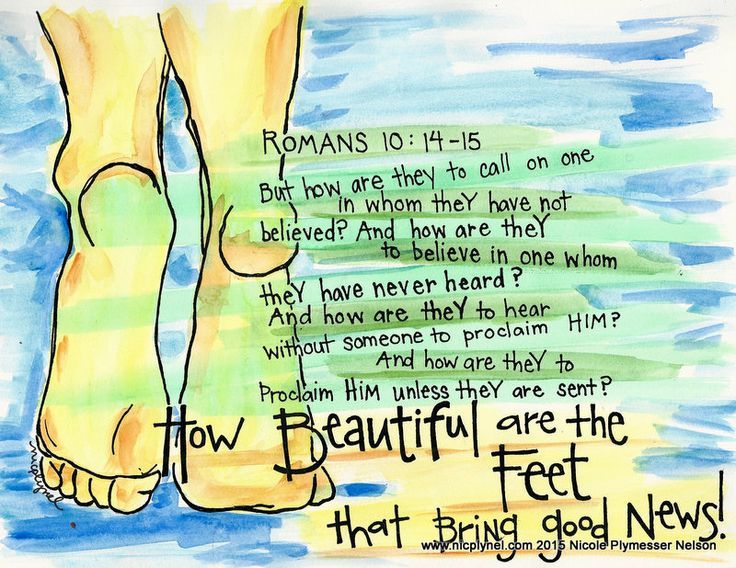


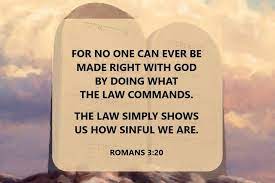


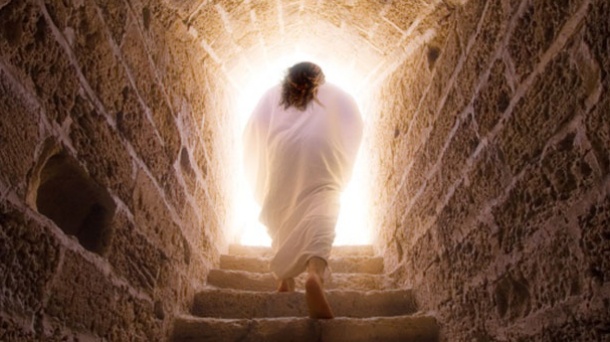

 Loving God, Living God, Loving Hope, Living Hope, Loving Living Life His Way! "Many things are possible for the person who has hope. Even more is possible for the person who has faith. And still more is possible for the person who knows how to love. But everything is possible for the person who practices all three virtues." - Brother Lawrence (1605-1691), Practicing the Presence of God (1692).