Romans 15:4 "For whatever was written in earlier times was written for our instruction, so that through perseverance and the encouragement of the Scriptures we might have hope."
Author: Thomas E Meyer Jr
Formerly Homeless Sinner
Now, Child of God, Saved by Grace.
The real question behind this promise is very simple: How do I define success for my plans? The answer is very simple as well: bringing glory to God for his grace (see Eph. 1:6, 12, 14). Committing our works and plans unto God means surrendering them into to God’s will (James 4:13-15), trusting that God will be 100% glorified in them (Col. 3:17), and recognizing that it is not in our power to properly guide our own steps (Prov. 16:9). God longs to bless us and empower us — not for our own selfish ambition (James 3:16), but for our eternal good (Rom. 8:28) and God’s glory. Like Jesus, when we commit our plans and works unto, into, to the Lord, we are saying, “Not my will, Father, but yours be done!”
Proverbs 16:3 NRSV
3 Commit your work to the Lord, and your plans will be established.
The Word of God for the Children of God. Gloria! In Excelsis Deo! Alleluia! Amen.
This verse tells us we should rely on God in all things. Whether the matters are great or small, we should entrust them to God and look up to Him, because God holds sovereignty over everything and there is nothing difficult if we rely on God. However, in reality, when we encounter difficulties, we don’t first come before God to pray or search, rather, we plan this or that for our selfish desires.
As a result, we take detours, always fail, and cannot see God’s blessings. When we pray to God sincerely, commit our real difficulties to Him, and put aside our selfish desires and intentions, God will always open a way out for us, allowing us the opportunity to observe, see His great power and authority in experience.
The length and breadth of God’s Word reveals to us a rather simple message:
God says,
“It’s very simple now: Look upon Me with your heart and your spirit will immediately become strong, you will have a path to practice, and I will guide your every step. My word shall be revealed to you at all times and in all places. No matter where or when, or how adverse the environment is, I will show you clearly and My heart shall be revealed to you if you look to Me with your heart; this way you will run down the road ahead and never lose your way.”
Relevant Words of God:
In that blessed moment, when you take that first baby step, look to God with your whole self, it is possible that He does not give you any feeling or any clear ideas, much less any clear directions, but He allows you some understanding.
Or maybe it is this time you have not understood anything, yet it is right that you first look to God. People practicing in this way is not done to follow rules, but rather it is the need of their hearts and is how man should first practice.
It is not that you can obtain enlightenment and guidance every time you look to God and call on God; this spiritual state in man’s life is normal and natural, and looking foremost to God is the normal interaction with God in people’s hearts.
Sometimes, looking to God does not mean asking God to do something using specific words, or asking Him for specific guidance or protection. Rather, it is that when people encounter some issue, they are able to call on Him sincerely.
So, what is God doing there when people call on Him?
When someone’s heart stirs and they realize they have this thought: “Oh God, I can’t do this myself, I don’t know how to do it, and I feel weak and negative…,”
When these thoughts arise in them, does God not know about it?
When these thoughts arise in people, are their hearts sincere?
When they call on God sincerely in this way, does God assent to help them?
Despite the fact that they may not have spoken a word, they show sincerity, and so God assents to help them.
When someone encounters an especially thorny difficulty, when they have no one to turn to, and when they feel particularly helpless, they put their only hope in God. What are their prayers like? What is their state of mind? Are they trying to be genuinely sincere? Is there any adulteration within them at that time?
It is only when you trust God as though He were the very last straw that you clutch onto to save your life, hoping that He will help you, that your heart is sincere. Though you may not have said much, your heart has already stirred.
That is, you give your sincere heart to God, and God listens. When God listens, He sees your difficulties, and He will enlighten you, guide you, and help you.
Lots of times, we lean far too much on ourselves for things. We might not have had the best parents, or upbringing, or teaching, or mentors, or best of friends and it can cause us to mightily doubt God’s love and ability to help in our lives. When people have let us down, it can be easy to not want to trust God for things.
Today’s Bible verse from Proverbs 16:3 really comes down to our trust. It’s a challenge to put your trust in God. Rather than relying solely on yourself for everything, it asks you to trust God. Trust doesn’t always come easily, however.
It can be really hard to trust something as big as your future and plans to God.
YET! That’s what this verse is commanding us to figure out how to do. It is saying the only path to abundant life is to trust God with your plans, trust Him with your efforts. Can you 100% trust God with these things because He’s good?
Faith …..
Hope …..
Love …..
But the greatest of these is ……
I just noticed, The Apostle Paul never mentioned TRUST in 1 Corinthians 13:13!
Deliberate and Intentional or Unplanned and Unintentional?
What do you think about that oversight?
What do you believe about that oversight?
What does your very own intimately personal experience tell you?
Is there a similar place for TRUST in that verse from 1 Corinthians 13:13?
Trust in our fellow man is a dangerous proposition (Psalm 118:8-9) Arriving at that exact conclusion is a time-honored process of trial and error and hurting.
Trusting in God is a dangerous proposition too but for different and much safer reasons (Psalm 4:8, Psalm 12:5 18:1-3, Psalm 23, Psalm 91, Psalm 107 et. al).
Give God a chance. Give Jesus a chance! Give the Holy Spirit a chance! He isn’t going to let you down like people may have in your life. He’s going to always be there to walk you through the challenges life brings. So, PRAY! Decide today to grow trust in God for your future. Trust in Him and watch your plans succeed!
Come and Find the Quiet Center … Shirley Erena Murray, Hope Publishing, 1992
Come and find the quiet center
     in the crowded life we lead,
          find the room for hope to enter,
               find the frame where we are freed:
clear the chaos and the clutter,
     clear our eyes, that we can see
          all the things that really matter,
               be at peace, and simply be.

Silence is a friend who claims us,
     cools the heat and slows the pace,
          God it is who speaks and names us,
               knows our being, touches base,
making space within our thinking,
     lifting shades to show the sun,
          raising courage when we're shrinking,
               finding scope for faith begun.

In the Spirit let us travel,
     open to each other's pain,
          let our loves and fears unravel,
               celebrate the space we gain:
there's a place for deepest dreaming,
     there's a time for heart to care,
          in the Spirit's lively scheming
               there is always room to spare!
In the name of God, the Father and God the Son and God the Holy Spirit,
Let us Pray,
Father, I want your will to be my plans. I want your glory to be my goal. I have things that I want to do. However, if these plans are not for your glory, if these plans are not a blessing to my family or those over whom I have influence, then please defeat me in those plans. Please guide me into other areas of blessing. I want you to be above all else glorified in what I do. I only want to go where your grace leads me. I commit my ways, my plans, and my works to you and to your glory. In Jesus’ name I pray. Alleluia! Alleluia! Alleluia! Amen.
Trust. It can’t be half-hearted. Either it is a full trust, or it is ‘trust’ clouded with suspicion and doubt. So, as we face the everyday challenges of life, or as we look for answers to deep and difficult problems, let’s put our full trust in the LORD.
Pray! Let’s ask for his wisdom and guidance as we make our choices. Let’s give him praise for the good in our life and seek his blessing for the long days ahead. Why? Because he longs to bless us with a wise life, both now, and forevermore.
Proverbs 3:5-8 New Revised Standard Version
5 Trust in the Lord with all your heart, and do not rely on your own insight. 6 In all your ways acknowledge him, and he will make straight your paths. 7 Do not be wise in your own eyes; fear the Lord, and turn away from evil. 8 It will be a healing for your flesh and a refreshment for your body.
The Word of God for the Children of God. Gloria! In Excelsis Deo! Alleluia! Amen.
Faith ….
Hope ….
Love ….
And the Greatest of these is …..
Resigning yourself into God’s care is an act of faith. It’s easy for Christians to say in a hopeful general way, “The Lord’s will be done,” but it’s another matter entirely for us to resign ourselves into the Lord’s loving hands about a specific circumstance which we have no answer. In the Bible when someone approached this walk of self-resignation, it was done with great seriousness of thought.
And the Greatest of these is …… TRUST?
Can there be faith, hope and love absent a maximum measure of genuine trust?
Merely saying the words, “I trust the Lord completely,” isn’t sufficient to prove that we possess a total 100% ‘genuine’ trust in him. It must be a free and willing surrender. Consider Egypt’s Pharaoh: Only when he could not hold out against God’s plagues any longer did, finally resigns to let Israel take their wilderness journey toward the Promised Land (see Exodus 12:29-32).
Likewise, many people living in these higher than high -risk contemporary of times has said, “I give in, I commit, I trust,” only after they have seen no other way out of their situations. But true resignation, the kind that pleases God, is done willingly to His Standard, prior to our coming to our wit’s end. We are to act in covenant with the Lord, giving him a blank check and letting him fill it in.
God cannot and will not accept no less than our all. If we resign our lives to him only half-heartedly, with any kind of reservation, we are as guilty as Ananias and Sapphira. They pretended to give their all to the Lord, but in reality, they held back a part and they paid with their lives (see Acts 5:1-11). There can be no deals or restrictions placed on our Lord. Contrast Acts 2:43-47 with 5:1-11!
“Trust in the Lord with all your heart, and lean not on your own understanding; in all your ways acknowledge Him, and He shall direct your paths” (Proverbs 3:5-6).
“Trust in Him at all times, you people; pour out your heart before Him” (Psalm 62:8).
Although the psalmists say we’re to trust in God at all times, our pride always makes us want to keep control of our lives. It is surprising how stubborn and fleeting and woefully willful each one of us can be. Our surrender to him — in our thoughts, our actions, our desires — is by nature a daily, ongoing work.
We are repeatedly reminded, (gently, not so gently) “The just shall live by his faith” (Habakkuk 2:4). How reassuring to know that as we reach to him in faith, our Master will carry us through all hardships and natural impossibilities. How reassuring to know, to experience, as we stretch our finite hopes heavenward, it is our resurrected Savior Jesus who rose from the grave – turned our dying hope unto an ever-lasting and ever-living hope for a prosperous and blessed future.
We often get too easily wrapped up in the pursuit of happiness. It’s easy to think that if we could just do or be better that we would have it made. So, we work, and we work, trying to get more friends, or improve our grades to get into a better college. We do things like getting a job after school so we can get a car. We believe if we can do enough, be enough or have enough, we will be happy.
The problem with our doing more, with our being more, or our having more is that these things are empty. There’s no number of good grades that will truly make us happy in the long run. No number of friends, or money will complete us. We can try and work to fill our life with stuff, still feel impossibly empty.
Today’s Bible verse addresses these issues.
The last part of this verse from Proverbs 3 talks about not depending on our own understanding. What that means is do not depend too heavily on what we think seems good. Don’t depend on what we see on TV or what we hear in the halls at school from our friends to tell us what will make us all 1000% happy.
True happiness comes from a relationship of maturing trust with Jesus Christ.
When you let 100% of Jesus into your life, He will show you how He sees you.
It’s when you get to know and trust Jesus, you will find true happiness. If you want to be happy and live your life to the fullest, you need to choose to do what this verse says. You need to trust the Lord with all your heart. This isn’t always easy, it is not always supposed to be easy, but if you’ll spend some time getting to know God, you will see trusting in Him brings you true maturing happiness.
So, choose today to trust in the Lord. Don’t get caught up in all the things of life and let them steal your happiness. Trust in God and look to Him for answers.
Psalm 27
Triumphant Song of Confidence
Of David.
1 The Lord is my light and my salvation; whom shall I fear? The Lord is the stronghold[a] of my life; of whom shall I be afraid?
2 When evildoers assail me to devour my flesh— my adversaries and foes— they shall stumble and fall.
3 Though an army encamp against me, my heart shall not fear; though war rise up against me, yet I will be confident.
4 One thing I asked of the Lord, that will I seek after: to live in the house of the Lord all the days of my life, to behold the beauty of the Lord, and to inquire in his temple.
5 For he will hide me in his shelter in the day of trouble; he will conceal me under the cover of his tent; he will set me high on a rock.
6 Now my head is lifted up above my enemies all around me, and I will offer in his tent sacrifices with shouts of joy; I will sing and make melody to the Lord.
7 Hear, O Lord, when I cry aloud, be gracious to me and answer me! 8 “Come,” my heart says, “seek his face!” Your face, Lord, do I seek. (Psalm 27:1-8 NRSV)
In the name of God, the Father and God the Son and God the Holy Spirit,
Let us Pray,
O Lord my God, my eternal Father, thank you that you are my ever-present help in times of trouble. Help me to trust in what is unseen. Remind me of the truth of your power, that you surround me, and that you are fighting for me. Give me favor and breakthrough in my life. You are the King of ages, immortal, invisible, the only wise God, my Savior. To you be all measures of honor and glory forever and ever. Through Jesus Christ, our Lord, Alleluia! Alleluia! Alleluia! Amen.
Faith, Hope and Love. These three things will last forever. Love as described in 1 Corinthians 13 is best understood as being a way of life, lived in imitation of Jesus Christ, as focused not on oneself but on the “other” and his or her good.
Love is about action, how a person lives for the Lord and obeys him and how a person lives for others and serves them.
Yet it is also about being. This is because its foundation is in God who is love, and in Christ who shows that love and the Holy Spirit. The sense that this is about more than simply how people behave is seen in passages like Paul’s prayer of Ephesians 3:14–19, particularly as he prays that Christians will be “rooted and grounded in love.” To “know the love of Christ” is to experience his presence “through faith” in their “hearts.” God’s people are to look and become more and more like Christ, and it is this for which Paul prays here.
It is becausebeing and actionsare so closely tied together in God and in Christ, first, but then also in his people, that Paul calls love a “more excellent way” (12:31b). It is the way of the new kingdom which has been ushered in with the appearance of the Messiah, who has shown it in his life, passion, and death, but who has also exhibited it in his coming, in his being, His death and resurrection.
Love is the way of existence in the heavenlies. As this break into the present in Christ, his people, filled with the Spirit of Christ, are to take on this way of existence and develop a life where love guides their approach to all things. Of course, this will immediately be seen in how they live and speak and think. Even so, when all that is mentioned here is done, the meaning of love for the believer is by no means diminished, minimized, defeated, exhausted in its importance!
1 Corinthians 13:13 AKJV
13 And now abideth faith, hope, charity, these three; but the greatest of these is charity.
The Word of God for the Children of God. Gloria! In Excelsis Deo! Alleluia! Amen.
In 1 Corinthians, the Apostle Paul describes various spiritual gifts and ways we can demonstrate Godly living in the world. He touches on the gift of tongues, prophecy with understanding, and faith that could move mountains.
Yet somehow, he passes all of these things for just one thing: Love.
In 1 Corinthians 13:13 he says, “Three things will last forever: faith, hope, and love-and the greatest of these is love.”
I have found myself skipping over this verse with a thought of “Yep, got that one down.” I have heard it and read it so often that I forget the application and power of it. What is this for? Why are these the things – faith, hope, love – that last forever? The greatest power of our lives is contained in this verse. We just have the high task of unfolding the purpose behind it in order to connect to it.
The Purpose of Faith
Faith is one of the first things we learn about as Christians.
It often starts with the quote from Jesus in Luke 17:6 where He says, “If you had faith even as small as a mustard seed, you could say to this mulberry tree, ‘May you be uprooted and thrown into the sea,’ and it would obey you!” Hebrews 11:1 gives this clear definition of faith: “Faith is the confidence that what we hope for will actually happen; it gives us assurance about things we cannot see.”
In my maturing years of my Christianity, I genuinely believed these Scriptures to be that I had the power and authority to believe something “as hard as I could” and it would be done, even if it meant defying the physical realm. I did this patiently for months before I started to lose hope and I began weeping to God. “Why! I truly believe you could deny this from me! Why won’t you do it!?”
The purpose of faith is not to influence my own comfort. The purpose of faith is to lead forward to know the heart of God and then trust His ways to guide us. It is practical exercise reminding us of our place on the vine. We are the branches, and we can do nothing apart from the vine (John 15:5).
Hebrews 11:1 is a great definition of faith, but I believe Hebrews 11:6 gives us the life application of it. It states, “For we come to God in faith knowing that He is real and thatHe rewards the faith of those who passionately seek Him.” (TPT)
The Purpose of Hope
Hope is defined by Google as “a feeling of expectation and desire for a certain thing to happen.” It can also be defined as “a feeling of trust.” So, faith is the belief that there is something significantly better to seek and to discover, while hope is the expectation, or the certainty, that it is absolutely there. Hope is the 100-octane fuel that keeps our faith alive in our quest to seek and find love.
The way that faith, which is the seeking of the Lord, connects with hope, which is the expectation of finding Him, is through wisdom.
Proverbs 24:14 says, “In the same way, wisdom is sweet to your soul. If you find it, you will have a bright future, and your hopes will not be cut short.”
Jesus is our model of constantly seeking after wisdom. Often in our spiritual development, we hit a place of complacency where we are good with what we have. It is a great thing to be grateful, but there is more for your life when you continually seek wisdom. At each level we should be graduating, moving, and growing, constantly adding to what we understand.
This is what keeps hope alive. As we seek more, we learn more, and we store up confidence in who we are on the vine. In Luke 2:52 we get a subtle, yet powerful, picture of Jesus’ character that reveals the deep foundation of his influence and confidence. It says, “Jesus kept increasing in wisdom and stature, and in favor with God and men.” Jesus is our only true King! Jesus is our Savior! We should follow his authority, lead by constantly seeking wisdom and relationship with others.
The Purpose of Love
Paul makes it very clear in 1 Corinthians 13:13 that the greatest of all spiritual gifts is love. Based on this, we know that love is the MAX result that we see of our faith and our hope. Love is the pen-ultimate goal. How wonderful is it to understand the goal! When you start a new game, the biggest hurdle is often obtaining an understanding more than physical limitations. If you understand the goal, you can use what gifts and graces you have been gifted to get there.
The purpose of love is evident in 1 John 4:7-8 that it is the clearest picture of God that we have. It states, “Dear friends, let us love one another, for love comes from God. Everyone who loves has been born of God and knows God. Whoever does not love does not know God, because God is love.” It goes on to say in verse 19 that “we love because God first loved us.” So, the purpose of love is twofold. First, it is revelation of identity. It tells us who God is and who we are in God, God alone.
Second, it is the very power that allows us to do the work of Jesus and even unto greater works as Jesus described in John 14:12. He says, “Whoever believes in me will also do the works I have done, and even greater works, because I am going to be with the Father.” Love has the power to help us believe again and restore hope in others. It is the ultimate momentum engine that drives all of our spiritual lives.
Faith, Hope, and Love: The Perpetual Cycle of Life
If faith, hope, and love are the things that last forever, it becomes clear these are the things we should pursue with our lives. Some may feel concerned at the thought of knowing what the end goal is, that perhaps there is no point to life if there is nothing left to discover. But there is life in these things that will never be diminished, defeated, minimized, exhausted or drowned or burned out!
In the beginning, we are born with no other understanding besides faith.
As newborn babies, we instinctively, naturally, reach out to our parents, seek care and to be nurtured. We confidently look for someone to give us the care that we need. As we earn the badges of life, we become scarred by experiences which can strip our faith and our hope away, and in turn, we forget our natural instinct to love as we become too consumed with finding a new starting point.
Finding faith, hope, and love for ourselves does not mark the end of anything.
It can, however, mark the exact beginning for someone else. If you have ever been in a broken place, you have spent time trying to find “bottom” then you know the power of someone else showing you kindness or believing in you.
It is a true progression of divinely orchestrated events. When you are shown love, you ignite a new belief of what you could be. Then you become hopeful that there is still good in this world. Then you love yourself. Then you share love with others and spark this cycle over and over again. This is our beginning, our new beginnings, and our forever and ever amen, both for us and fellow man.
Imitating Christ’s love
A further explanation why love comes to function as the marker par excellence of the true believer lies in the imitation of Christ. Christ stands as the supreme example of love through the whole of his life, but specially in his death.
In 1 Corinthians 1 the death of Christ was at the center of Paul’s understanding of God’s wisdom (his plan) to save his people. It was the “word of the cross” that was the power of God to those “being saved” (1:18). Supremely in Christ’s death the love of God and of Christ was shown. The link is explicit in Romans 5:8: “God shows his love for us in that while we were still sinners, Christ died for us” (ESV). It is also clear in Ephesians 5:2: “Walk in love, as Christ loved us and gave himself up for us, a fragrant offering and sacrifice to God” (ESV).
Finally, perhaps the great surprise of chapter 13 is the MAX depth of intimacy of the love relationship Paul described. It is surely infinitely more than could have been imagined, especially as Paul looks forward to seeing “face to face” and writes, “Then I shall know fully even as I have been fully known” (v. 12).
Through a disciplined devotion to prayer, reading, studying Scripture, we shall know God, not in the sense of having the same omniscience as God has, but “even as” he has known us personally with such extraordinary depths of love.
But this life is the first step into an eternity of love with God; the love of God and our love for God, and these three graces of faith, hope and love must of necessity all continue beyond this mortal sphere, for the attributes of God are incomparable in their beauty, His perfections are unlimited in their number, His excellence is everlasting in its duration, splendour is absolute in its span.
In the name of God, the Father and God the Son and God the Holy Spirit,
A Prayer for Faith, Hope, and Love
We can start with this prayer from 2 Corinthians 1:3-4: “All praise to God, the Father of our Lord Jesus Christ. God is our merciful Father and the source of all comfort. He comforts us in all our troubles so that we can comfort others. When they are troubled, we will be able to give them the same comfort God has given us.”
God, thank you for loving me. Thank you for starting my cycle of life and giving me the wisdom needed to walk with you. I pray I will continually be interested in wisdom so that my faith and my hope cannot be cut off. I pray that as I stay full, I will look for ways to carry out your work to help someone else in need. Gloria! In Excelsis Deo! Alleluia! Alleluia! Alleluia! Amen.
We live in a time when we have trouble seeing the forest through the trees. We live in a time where the best-selling Christian books seem to be the ones that tell you how to be optimistic, to prosper, succeed and live the good life. And you know what, it’s easy to put your faith in God when you are prospering, when life is going well and everything according to your plans. But when reality intrudes?
But the book of Habakkuk challenges us to put your faith in God even during the worst times when we can hardly even see the trees. When Habakkuk reached the end of his journey, he had been moved from a place of doubting God to a place of trusting God no matter what. And that “no matter what” was a serious issue for Habakkuk, far more serious than most of the issues we deal with each day.
Do you have hopes and dreams for the future, but no visible signs that they will ever come to fruition? YET do you ever feel like saying, “God, please just give me a sign, some type of hope that things are going to change, something to hold on to?” Then you know how Habakkuk felt. And Habakkuk would tell you, when you have nothing to hold on to for the future, hold on to God, and that will be enough. “YET, though I have no visible sign of hope for the future, nothing tangible that I can see or touch or grasp, yet I will rejoice in the Lord. I will be joyful in God my Savior.” Habakkuk says, “YET, Trust God no matter what.”
Habakkuk 3:17-19 New Revised Standard Version
Trust and Joy in the Midst of Trouble
17 Though the fig tree does not blossom, and no fruit is on the vines; though the produce of the olive fails, and the fields yield no food; though the flock is cut off from the fold, and there is no herd in the stalls, 18 yet I will rejoice in the Lord; I will exult in the God of my salvation. 19 God, the Lord, is my strength; he makes my feet like the feet of a deer, and makes me tread upon the heights.[a]
The Word of God for the Children of God. Gloria! In Excelsis Deo! Alleluia! Amen.
Have you experienced times in your life where you can’t feel God’s presence?
When the worst happens in our lives, while we do our best to cling to our faith, when we try our hardest to remain hopeful and upbeat and optimistic, it is still incredible easy to roll our eyes, question God. Where is He when a loved one dies far too young? Where is God in catastrophe and threats of catastrophe? Where is He when both the forests and the trees, standing tall directly in front of us, are invisible, in the moments when the storms of life rage in every which direction?
Where is God in the midst of countless people suffering because of the storms which do not quit? Why can I not feel the trees? Why can I not feel the winds blowing through the forests on my face? Why can I not feel the heat of the sun? I know they are there – I have felt them many times before and they were good! I have always enjoyed their presence, I have always found great joy, much fun! I have always felt abundantly blessed God always gives me one more new day.
Except, in this moment, there are those individuals whose testimony and witness are “I am not sure whether or not I am abounding in the abundance of God’s blessings or abounding in the abundant absence of God’s blessings.”
We can select any corner of the globe, put our fingers on any point on any map anywhere in the world, and we are confronted by these same age-old times and age-old questions humans have struggled with for centuries, and questions we can easily ask today. It seems as if the world is forever on the brink of disaster, so we are left searching for God through all of it. YET! YET! YET! YET! ……!
Habakkuk wrote his prophecy at time when he and God’s people were asking the same questions. The Babylonians were preparing to invade Judah where the remnant of God’s people remained. This was a direct judgment from the Lord, for they had experienced a time of continuous and rapid moral and spiritually decline. Habakkuk complains against God, not understanding how he could use a downright wicked nation in Babylon to judge a less wicked one in Judah. But YET we know (praise Him) that God’s ways are not our ways (Isaiah 55:8-13).
The Lord answers Habakkuk and reminds him that He is a God of justice and mercy and that the righteous have to live by faith (2:4) and YET trust Him.
Habakkuk’s ultimate summary is no matter what comes, he will choose joy and trust God. Though the world seems to crumble, YET he will rejoice in the Lord.
I can’t read this passage and not think about the classic hymn “It is Well With My Soul.”YET How many people know the sadly dramatic story behind it.
Horatio Spafford wrote the lyrics after a series of traumatic events: his two sons died in the Chicago fire of 1871 and the rest of his family perished two years later when their ship crossing the Atlantic sank. YET, even after all of those things, he was able to overcome, to turn his eyes, soul heavenward and write:
“When peace like a river, attendeth my way, When sorrows like sea billows roll; Whatever my lot, Thou hast taught me to say, It is well, it is well, with my soul.”
What are you going through today? Does is seem like your world is falling apart?
To put it in contemporary terms: You get laid off after years of faithful service to the company. You lose your job and have no current source of income. You invest all your money in what looks like an iron-clad, “can’t miss” portfolio and the market goes bust. You put years into a relationship with another person and now that relationship falls apart. You are healthy, then suddenly – NOT!
What do you do when all that you are and have been counting on in the present suddenly comes crumbling down around you?
What do you do when you suffer bitter disappointments in life?
Habakkuk says, “YET! Trust God no matter what.”
“YET, Though the olive crop fails, and the fields produce no food, YET I will rejoice in the Lord. YET I will be joyful in God my Savior.”
Habakkuk began his journey in the valley of doubt, and he ended his journey scaling the heights with God with feet like a deer. It is a beautiful journey and one that is open to everyone who will come honestly to God with their questions and seek him with all of their heart.
As God promises in Jeremiah 29:13: “[YET!] You will seek me and find me when you seek me with all your heart.” (Jeremiah 29:13)
And so, wherever you may be in your own personal journey from bouts with doubt to faith, let me encourage you, keep seeking God. Keep coming to him with your doubts and with your questions. Come to God through Jesus his Son, knowing [YET] that God loves you so much he sent his Son to die for your sins.
And I pray that God will also lead you to that place where you will learn to trust him no matter what, where you may run along the heights in God’s presence with feet like a deer. May God help us to [YET] learn the beautiful lessons that he has recorded for us in the book of His Prophet Habakkuk.
Know this: you don’t choose what you go through, but YET you can choose how you go through it and who you go through it with. Choose God! Choose joy, and know that God is YET good, just and merciful. No matter what you face, you can choose to shout, sing, “YET, I will rejoice in the Lord…the God of my salvation.”
In the name of God, the Father and God the Son and God the Holy Spirit,
Let us Pray,
1 When the storms of life are raging, stand by me; (stand by me) when the storms of life are raging, stand by me. (stand by me) When the world is tossing me like a ship upon the sea, thou who rulest wind and water, stand by me. (stand by me)
2 In the midst of tribulation, stand by me; (stand by me) in the midst of tribulation, stand by me. (stand by me) When the hosts of hell assail, and my strength begins to fail, thou who never lost a battle, stand by me. (stand by me)
3 In the midst of faults and failures, stand by me; (stand by me) in the midst of faults and failures, stand by me. (stand by me) When I’ve done the best I can, and my friends misunderstand, thou who knowest all about me, stand by me. (stand by me)
4 In the midst of persecution, stand by me; (stand by me) in the midst of persecution, stand by me. (stand by me) When my foes in war array undertake to stop my way, thou who rescued Paul and Silas, stand by me. (stand by me)
5 When I’m growing old and feeble, stand by me; (stand by me) when I’m growing old and feeble, stand by me. (stand by me) When my life becomes a burden, and I’m nearing chilly Jordan, O thou Lily of the Valley, stand by me. (stand by me) Charles Albert Tindley (1905)
In this devotional for today I am seeking to bless your life, shake up, and stir up your affections for God, today we’re going to look at the blessedness of God’s faithfulness and how we ourselves can express our gratitude to God, revealing it, returning it and sharing it. You and I can have faith, because God is faithful. His faithfulness lays the foundation for our faithfulness. We need to love him, follow him, walk with him. May God draw us closer to him and give us a greater measure of His faith today as we focus on his steadfast love and his faithfulness.
Proverbs 28:18-22Amplified Bible
18 He who walks blamelessly and uprightly will be kept safe, But he who is crooked (perverse) will suddenly fall. 19 He who cultivates his land will have plenty of bread, But he who follows worthless people and frivolous pursuits will have plenty of poverty. 20 A faithful (right-minded) man will abound with blessings, But he who hurries to be rich will not go unpunished. 21 To have regard for one person over another and to show favoritism is not good, Because for a piece of bread a man will transgress. 22 He who has an evil and envious eye hurries to be rich And does not know that poverty will come upon him.
The Word of God for the Children of God. Gloria! In Excelsis Deo! Alleluia! Amen.
In today’s devotional, we are going to look at six areas of life which too many people are being the most unfaithful and what does the Bible say about it. Be faithful to God in these areas, you surely, certainly will unlock his blessings.
1. Being Faithful to God and His Word
A. In such times as these, all of us are forced to wait at certain times of life and waiting is a time when our faithfulness is put into test. If we are faithful, we will wait upon the Lord for sustenance, not anything or anyone else, (Psalm 62:5). B. We need to be faithful to God’s word also. We are to devote ourselves to it on a daily basis. We are to live it in our heart so that we will not sin, (Psalms 119:11). C. God will surely, certainly bless when we delve into, when we abide, and we abound deeply into his word. Above all we will have his perfect peace, even while living in a world of tranquility, (John 15:7; Isaiah 26:3, 1 Timothy 2:15).
2. Being Faithful to the Local Church
A. The local church is every Christian’s spiritual family. God has called us to be a family of One God, One Spirit, and One Baptism. Be fed only by the Word of God (Psalm 19, Psalm 34:8 -10, Psalm 119, Proverbs 1, 8, 16:24, Proverbs 22:6) B. Faithfulness to one’s local church is best expressed by his obedience to his precepts and teachings. Love God, Neighbor and self. Respect their ideologies and the nuances of their various and diverse theologies, biases and prejudices are irrelevant and immaterial and unnecessary (Acts 2, Galatians 3:25-29) C. Always support each other in ministry, as we all labor for the Kingdom of God, in our tears and in sweat, (1 Thessalonians 5:12-13; 1 Timothy 5:17-18).
3. Being Faithful to Your Family
A. Husbands are commanded to love their wives like Christ loved the Church and gave his life for her and wives are told to be subject to their husbands, (Ephesians 5:22-25). B. Husbands should be faithful to their wives and wives should be faithful to their husbands, (Hebrews 13:4). C. Children are told to obey their parents in the Lord. It’s a conditional promise. Parents are told not to provoke their children to anger. but bring them up in the discipline and instruction of the Lord, (Ephesians 6:1-4).
4. Be Faithful to Your Finances
A. Plan your budget, expenses with great care, (Luke 14:28-30). Constantly give attention to your financial health, (Proverbs 27:23). B. Pay your tithe on time. Everything you have belongs to God. But he is asking you to give one-tenth of it back, for the welfare of his servant. He has promised to bless your tithe and told you to test him on it, (Malachi 3:10). C. Give regularly, in addition to the tithe. Not because God wants your money. Giving is a form of worship. To worship means to surrender your whole self and surrendering your finances is a good place to begin with, (Proverbs 3:9).
5. Being Faithful to One’s Country
A. The Bible commands us to submit to the government because it’s the established will of God, (Romans 13:1). Its authority comes from God alone. B. The Bible forbids rebelling against the governing authorities. Rebellion against the government is the same as rebellion against God, (Romans 13:2). C. God is in control of all. The Bible also urges us to pray for those who govern, (1 Timothy 2:1-4).
6. Being Faithful at the Work Place
A. We are to obey our employers in the Lord. Means we should obey them, as long as their wishes don’t contradict God’s word, (Ephesians 6:5). B. Don’t steal from your employer or deceive him. We should work for our employers as if we are working for God, (Ephesians 6:8). C. Employers should treat their employees with respect. God will judge the employer that that oppresses his employees, (Ephesians 6:9).
Conclusion
You and I were never meant to live life apart from the knowledge of God’s faithfulness. You and I aren’t meant to live with the weight of doing life on our own. Man may fail you, but your God will not. Family and friends may not be there when you need them the most, but your God will always be there for you.
Where do you feel on your own?
In what ways do you need a fresh revelation of God’s faithfulness?
He promises to be true to you.
He promises to see you through any situation you find yourself in.
Isaiah 54:10 says, “‘For the mountains may depart and the hills be removed, but my steadfast love shall not depart from you, and my covenant of peace shall not be removed,’ says the Lord, who has compassion on you.”
Faithfulness is foundational to the very character of God. God’s steadfast love for you is surer than the very ground you walk on.
So, respond to God’s faithfulness today. Let his promises steady the parts of your life that feel unsure. As you step outside today, take time to look at the world around you. Think about the things you’ve put your trust in.
And remember, God promises that his faithfulness will outlast anything your eyes can see. May your affections for him be mightily shaken and stirred today.
May you all come to respond to his faithfulness with your own. And may you experience the love and joy of a Father who loves you perfectly and completely.
I want to urge you to search for yourself and know whether you have been unfaithful in any of these areas. Remember, that the one who conceals his sin shall not prosper. But God will restore us if we confess and renounce them, (Proverbs 28:13).
In the name of God, the Father and God the Son and God the Holy Spirit,
Let us Pray,
Help me Lord to follow you with my whole heart. Help me Lord to be faithful to my calling. Help me Lord to fulfil promises I make to people. Let me abound with all covenant blessings in Jesus’ name. Alleluia! Alleluia! Alleluia! Amen.
“Count your Blessings!” “Hug your Blessings!” “Be a Blessing unto Others!”
Each an expression most of us know well. It was made famous by a great old hymn you may not be familiar with if you’re younger. This inspiring hymn of thankfulness to God makes for a truly wonderful meditation for your private devotions or to share in a time of quiet prayer, reflection with a small group,
Do you want God to bless you today? Are you in the mood to be blessed? Do you want to be blessed? Do you genuinely “feel like” being blessed today? Christians obtain blessings by living like Christ. But who wants to live their life like Jesus? “Blessed to be a Blessing?” What is that supposed to mean when all is not well?
I mean, I would never turn away the opportunity to experience feel the comfort of another human being who wants to turn all of my frowns into widest smiles. But, to sort out abundant uncountable blessings from the uncountable curses, to count, to give any number, unto the uncountable blessings promised of God?
I simply do not know, perhaps I do not want to know, how high that number truly is.
Proverbs 28:18-22 NASB
18 One who walks blamelessly will receive help, But one who is [a]crooked will fall all at once. 19 One who works his land will have plenty of food, But one who follows empty pursuits will have plenty of poverty. 20 A faithful person will abound with blessings, But one who hurries to be rich will not go unpunished. 21 To [b]show partiality is not good, Because for a piece of bread a man will do wrong. 22 A person with an evil eye hurries after wealth And does not know that poverty will come upon him.
The Word of God for the Children of God. Gloria! In Excelsis Deo! Alleluia! Amen.
Although quite precious, abounding faithfulness to God is a rare virtue today.
The Bible has many references to it. But Proverbs 28:20, in particular, says that faithfulness is the key to our abounding in our God’s uncountable blessings.
First, there are two types of blessings in general.
The first kind is known as the common blessings such as rain, sunlight, etc. One does not have to be a faithful child of God to the abundance of receive these.
The second kind is known as the unique blessings which include both spiritual and material riches but available only to God’s children.
In today’s devotional, we are going to look at the story behind the writing of the famous Hymn – “Count Your Blessings” written by Johnson Oatman, Jr. (1897)
The Story Behind Count Your Blessings
Johnson Oatman, Jr. grew up in New Jersey in the middle of the 19th Century singing hymns with his father. His life is a testimony to the legacy left by a loving Father who sings praise to God with his children!
Johnson grew up to become a bi-vocational Methodist minister and he wrote over 5,000 hymns, including Count Your Blessingsin 1897. Count Your Blessings is considered his finest hymn and for over one century it has been one of our most loved hymns. It’s a song of thankfulness to God that is sung by English speaking people around the world on Thanksgiving Day and all year long.
One writer said about Count Your Blessings, “It is like a beam of sunlight that has brightened up the dark places of the earth.” Early on it was especially popular in Great Britain, where it was said, “The men sing it, the boys whistle it, and the women rock their babies to sleep on this hymn.” During the revival in Wales, it was one of the most favored of hymns sung at every service.
The Meaning Behind Count Your Blessings
The wonderful encouragement to “Count your blessings” is often misused.
It does not mean to deny that you’re having problems.
It does not mean to ignore your troubling emotions. It does not mean, “Cheer up and act like everything is fine.” That does not work and never will work!
It certainly does not lead to lasting joy and peace. The hymn is actually encouraging us to acknowledge openly that we are “tempest-tossed” or “burdened with a load of care” and bring our concerns unto God in prayer.
When we go to God with our troubles, we can begin to see that we do not need to be discouraged because “God is over all.”
In other words, we bring ourselves and our circumstances to Christ in the Kingdom of the Heavens, which he said is right “at hand” (Matthew 4:17). In the spiritual reality of God’s Kingdom is “wealth untold,” a “reward in heaven” and a “home on high,” “Help and comfort” now and “to [our] journey’s end.”
To count all of our blessings is to appreciate, one-by-one, that we have “every spiritual blessing in Christ” (Ephesians 1:3). And genuine thanks and praise to God goes with openly unburdening ourselves before the listening ears of the “Father of compassion” and “God of all comfort,” (2 Corinthians 1:3-4).
Meditate on Count Your Blessings
In the name of God, the Father, Son and Holy Spirit, I invite each of you readers to join me by prayerfully reading the lyrics to this great hymn, letting God use it to work within, help you count your blessings today. Ask God to make this sweet song become a beam of sunlight to brighten up any dark places in your life and inspire you to shine the light of Christ more brightly in your circle of influence.
Count Your Blessings
When upon life’s billows you are tempest-tossed, When you are discouraged, thinking all is lost, Count your many blessings, name them one by one, And it will surprise you what the Lord hath done.
Refrain: Count your blessings, name them one by one, Count your blessings, see what God hath done! Count your blessings, name them one by one, Count your many blessings, see what God hath done.
Are you ever burdened with a load of care? Does the cross seem heavy you are called to bear? Count your many blessings, every doubt will fly, And you will keep singing as the days go by.
When you look at others with their lands and gold, Think that Christ has promised you His wealth untold; Count your many blessings—money cannot buy Your reward in heaven, nor your home on high.
So, amid the conflict whether great or small, Do not be discouraged, God is over all; Count your many blessings, angels will attend, Help and comfort give you to your journey’s end.
Quiet Prayer and Reflection
How has God blessed you?
What has he done in your life?
As the hymn teaches, do not just look to God’s physical blessings, but also to his spiritual blessings, which are eternal and are in the heavenly realms for us to drawn on today and ever more so into eternity.
As you quiet yourself in the presence of the Lord (Psalm 46:10-11) “count your blessings” one by one. You will find that “it will surprise you what the Lord has done.” (Indeed, experiencing a sense of surprise is one of the distinguishing marks that God has spoken to your heart or acted in your life in a special way.)
You may want to then write a prayer of thanks and praise to God. Then it’d be read, wonderful to share with your group or a friend how God has blessed you.
In the name of God, the Father and God the Son and God the Holy Spirit,
Let us Pray,
Savior Jesus Christ, I thank you that, on the basis of your merit, I have inherited a full, abundant and eternal life. Awaken confidence in me that I may receive all the blessings that you have prepared for me. In union with you, I ask for special favor today. If it be your will, grant my request and fix my eyes upon you that I may honor and glorify your name. In your blessed and glorious name, Amen.
The story goes: A wealthy man took a journey carrying a great treasure. A thief joined him to steal the treasure. But the rich man was wise enough to be careful of newfound friends. At night, they stopped at an inn. The rich man let the thief bathe first. Then he hid the treasure under the thief’s pillow. As the rich man bathed, the thief searched for that treasure in vain. He finally gave up. As he departed, the rich man told him, “The treasure was closer than you thought.”
This is a sad parable of how many Christians seek to obtain a blessing. In far too many instances, our own search for treasure and blessings is no different than walking the face of the planet, to search the world for one proverbial needle in a field of a thousand, thousand-mile-high haystacks when we only need to look directly in front of our eyes and trust without question that which we first see without making any effort at all. God is always in front of us and around us too.
1 Peter 3:8-12 NKJV
Called to Blessing
8 Finally, all of you be of one mind, having compassion for one another; love as brothers, be tenderhearted, be[a]courteous; 9 not returning evil for evil or reviling for reviling, but on the contrary blessing, knowing that you were called to this, that you may inherit a blessing. 10 For
“He who would love life And see good days, Let him [b]refrain his tongue from evil, And his lips from speaking deceit. 11 Let him turn away from evil and do good; Let him seek peace and pursue it. 12 For the eyes of the Lord are on the righteous, And His ears are open to their prayers; But the face of the Lord is against those who do evil.”
The Word of God for the Children of God. Gloria! In Excelsis Deo! Alleluia! Amen.
1 Peter 3:8-12 is a needed reminder that the blessed life is closer than you think if you are a Christian. These verses are transitional. They link what Peter has said about Christian submission and what he will say about Christian suffering.
The themes of submission and suffering acknowledge that following Jesus does not ever guarantee an easy life. But that narrow gate and hard way lead to life.
The process of a Christian “growing up” (maturity) can be painful. There are ups and downs, twists and turns, “forks in the road” along the way, and from time to time, we trip and skin a knee or bloody a nose from falling on our faces.
We are summoned! We are exhorted! We are covenanted, as children of God who are born-again in Christ, towards purity of heart, the pursuit of peace, compassion, mercy, and godly living… and yet this epistle is written during a time of severe suffering and increasingly intense Christian persecution.
Peter cautioned the Church that in the midst of this heightened hatred for God and escalating animosity towards those that are His, we are to maintain a clear conscience in thought, word, and deed, and to endure the inevitable suffering, with a dignified and nurturing and mature and maturing, Christ-like courage.
Peter reached back into the book of Psalms to endorse his directive, and to demonstrate that repaying evil with good comes from the very heart of God – for we read that, “The eyes of the LORD are toward the righteous, and His ears are open to their cry.” However, are the “righteous eyes” turned towards God?
“Growing up” is the objective of the Christian life as well (Hebrews 5:12—6:1). Over time, the believers addressed in Hebrews had grown older in the faith, but they had still not grown up! Few things are more concerning to God than the life of any believer who is either unable or is unwilling to develop themselves from a steady and daily exposure to God’s Word and the host of His promises therein.
First Peter 3:8-12 God gifts to us a nine-point profile for Christian maturity.
[1] A Unity of Purpose (v. 8 “harmonious”; cf. John 17:21-23). Unity does not mean uniformity. It means cooperation in the midst of differences. We won’t always agree on how things should be done, but we should agree on what needs to be done and why we go forth for the sake of God’s glory and kingdom. Unity through worship and obedience overcomes our petty, peripheral differences.
[2] A Sympathetic Nature (v. 8; cf. Galatians 6:2; Romans 12:15; 1 Corinthians 12:26). Sympathy depends on our willingness to forget self and to identify with the pains and sorrows of others. It often involves personal sacrifice. Sympathy and selfishness cannot co-exist. Jesus said, “pray, bless those who curse you!”
[3] A Brotherly Affection (v. 8; cf. John 13:34-35; 1 John 3:14). Look around any community or neighborhood street corner. Go ahead. These are your brothers and sisters in Christ, at least some of them. By virtue of our family connection, we have the obligation to love one another without regard to any differences.
[4] A Tender Heart (v. 8 “kindhearted”). Jesus consistently demonstrated tender-heartedness. Jesus was moved by compassion (Matthew 9:36).
[5] A Humble Spirit (v. 8). Biblical humility is not the same as false modesty, but a deep-seated dependence upon God. It manifests itself in a desire to serve, rather than to be served, and a refusal to demand personal rights (entrusting themselves to God) Matthew 20:20-28, Mark 10:35-45.
[6] A Forgiving Heart (v. 9). Jesus calls us to go beyond the mere refusal to retaliate; he calls us to love those who wrong us, blessing them in word and deed. When your “go to response” is to give a blessing rather than an insult, it’s a sure-fire sign that you are growing in Christian maturity (Matthew 18:21-35)
[7] A Controlled Tongue (v. 10; cf. Proverbs 16:28; James 3:8-10). People who have learned to refrain from gossip and from passing on unverified comments are not only maturing people, but they are also the kind of people that we all want in our lives. They can be trusted. They believe the best in people. They choose trust over suspicion. (Matthew 15:16-20)
[8] A Life of Purity (v. 11). Once we have pulled in the reins of our tongue, we are then to spur ourselves onward to a life of moral purity. We are his image bearers so our words and our actions should reflect the grace and love of the Lord Jesus. We are to turn away from evil, do good! (Mark 4:26-29, 30-34, Luke 19:1-10)
[9] A Peacemaker (v. 11). Someone has hurt you, ridiculed you, or talked about you behind your back. Question: Are you actively pursuing peace with them?
If you are not, you are sinning against them and against God, and you are now actively, aggressively, stunting your own spiritual growth (Matthew 5:9).
Jesus came to bring peace among men and between God and man—so when we act as peacemakers, we are his sons and daughters. We imitate him. So please, in the coming days and weeks ahead, seek peace with those with whom there is presently tension. Do what you can (Jeremiah 29:1-7) (Romans 12:18).
Why is it important that we seek to cultivate these nine-character traits?
“Because the eyes of the Lord are toward the righteous, and His ears attend to their prayer, but the face of the Lord is against those who do evil.” (v. 12). God is opposed to the proud but gives grace to the humble (1 Peter 5:5)—and we want God’s grace, not his opposition! So how are you and I doing in these areas?
“Are ye able,” said the Master, “to be crucified with me?” “Yea,” the sturdy dreamers answered, “to the death we follow thee.” Refrain: Lord, we are able. Our spirits are thine. Remold them, make us, like thee, divine. Thy guiding radiance above us shall be a beacon to God, to love, and loyalty.” (Earl Marlatt, 1926)
In the name of God, the Father and God the Son and God the Holy Spirit,
Let us Pray,
Heavenly Father, thank You that Your eyes are over those that are cleansed by the blood of the Lamb and that Your ears are ever open to our prayers. Have mercy on those who have not accepted Your gracious offer of salvation and use me as a witness to Your goodness and grace. In Jesus’ name I pray, AMEN.
“Your will be done on earth as it is in heaven.” The man, Rabbi Jesus taught us all to pray for the day that the LORD would be THE recognized King over all the earth. We very much look forward to that, because our faith will be shown true and the LORD himself will be glorified as he should be. In a world of profanity, a world where God’s name is blasphemed, every knee will bow and every tongue confess that he is not only LORD Yahweh, but he is also incomparable without rival, that his name is the only name worthy of reverence, honor, and praise!!!
Zechariah 14:1-9 New King James Version
The Day of the Lord
14 Behold, the day of the Lord is coming, And your [a]spoil will be divided in your midst. 2 For I will gather all the nations to battle against Jerusalem; The city shall be taken, The houses [b]rifled, And the women ravished. Half of the city shall go into captivity, But the remnant of the people shall not be cut off from the city.
3 Then the Lord will go forth And fight against those nations, As He fights in the day of battle. 4 And in that day His feet will stand on the Mount of Olives, Which faces Jerusalem on the east. And the Mount of Olives shall be split in two, From east to west, Making a very large valley; Half of the mountain shall move toward the north And half of it toward the south.
5 Then you shall flee through My mountain valley, For the mountain valley shall reach to Azal. Yes, you shall flee As you fled from the earthquake In the days of Uzziah king of Judah.
Thus the Lord my God will come, And all the saints with [c]You.
6 It shall come to pass in that day That there will be no light; The [d]lights will diminish. 7 It shall be one day Which is known to the Lord— Neither day nor night. But at evening time it shall happen That it will be light.
8 And in that day it shall be That living waters shall flow from Jerusalem, Half of them toward [e]the eastern sea And half of them toward [f]the western sea; In both summer and winter it shall occur. 9 And the Lord shall be King over all the earth. In that day it shall be— “The Lord is one,” And His name one.
The Word of God for the Children of God. Gloria! In Excelsis Deo! Alleluia! Amen.
We’re now drawing to the end of the book of Zechariah here in this last chapter.
And this chapter intends to steer our eyes towards the future and towards God.
When you read this chapter, you can sense that we have an interesting day is up ahead of us, a “Unique Day” that the bible calls the day of the Lord.
There are many Old Testament prophetic books like Daniel and Ezekiel that discuss this subject along with the book of Revelation. And what most of the church acknowledges is that there is a time coming upon the earth that the Bible calls the Great Tribulation.
And it’s hard to say this is the exact interpretation of this passage since some of the events described in this passage seem like events that already happened.
But today, we’ll make an open and honest attempt to see how this passage of text applies to the end times with the Great Tribulation in mind. So, today’s message, as it might surprise you, will be eschatological in nature.
As we read this passage, we get a good sense of some difficult times that are waiting for all of us up ahead. In fact, they are so challenging that our Lord Jesus says they will be unequal to any other times. Evil and hardship will be rampant throughout the world at an unrivaled level. (Matthew 24:21)
If you thought listening to the news depresses and angers you today, well get ready, because I’m sorry to say it’s only going to get worse before it gets better.
And though nations will have such a hard time headed towards them, we must remember who it is that is allowing it. It is the Lord Almighty, who always has a plan and purpose for our sufferings— in yours and in mine. And that is always for repentance, healing and restoration between the Lord God and his people.
Let’s read verses 1-3.“A day of the Lord is coming, Jerusalem, when your possessions will be plundered and divided up within your very walls. I will gather all the nations to Jerusalem to fight against it; the city will be captured, the houses ransacked, and the women raped. Half of the city will go into exile, but the rest of the people will not be taken from the city. Then the Lord will go out and fight against those nations, as he fights on a day of battle.”
Ever since the Lord God created the first day, Heaven and Earth have both seen many of them. In the beginning, when the world was young and fully under God’s holy and beautiful order, we’re told in the book of Genesis that those were some good days. You might have woken up this morning with a smile because you’ve been blessed in your life to have seen many good days— days that were under God’s heavenly guidance and mercy. Or, you could have woken up thinking “Oh Lord, I sure could use another good day right about now.”
Regardless of our experiences, we must always remember that the best days of our lives are the ones where we each humbly submit to the Lord’s loving will.
But the day in this passage doesn’t seem so good.
There are not a lot of pleasant things happening on that day! King David once had the indescribable joy of confessing to God, “You prepare a table before me in the presence of my enemies…”(Psalms 23:5) But what’s happening here is quite the opposite. The Lord himself will allow all the nations to march against Jerusalem and do undeniably horrible things within its own walls.
The book of Revelation painted this a little clearer— the Lord allowing Satan to deceive the whole world motivating them to march against Jerusalem.
Something to keep in mind here is that the enemy comes to steal, to kill and to sow discord and spread chaos every which direction; the enemy comes among us to distract, to utterly destroy our “joy of the Lord for the Day of the Lord”!
And if the Lord didn’t command Him to stay his hand, he would exercise the freedom to completely destroy everything, including our lives— your life and mine. His plan is to disrupt and destroy everything belonging to you and me.
But the Lord’s plan is different!
The Lord’s plan is that you “May have life and have it to the full”(John 10:10).
And if we recall the previous chapter, the Lord allowed this suffering for a good reason— it was for the refinement of Israel! It was to refine and purify, restore their lives of faith and choose repentance until they sparkle and shine like gold.
In verse 3 we see that after the terrible things’ enemies bring upon Jerusalem and, after half of the city had been ravaged, and the other half taken into exile, that is when our Lord Jesus returns.
Let’s read verse 4.
“On that day his feet will stand on the Mount of Olives, east of Jerusalem, and the Mount of Olives will be split in two from east to west, forming a great valley, with half of the mountain moving north and half moving south.”
Many like to believe that the church, the bride, is already with the Lord. Paul mentions to the Thessalonians that we actually meet with the Lord in the air when it is our time (1Thessalonians 4:17).
But in this passage, the Lord comes and sets his feet on the earth, on a specific day, and at a specific place. Verse 4 states that it’s the Mount of Olives.
Why this place? I’m not so sure what this place represents.
We do know that our Lord submitted to the will of God at this place.
The garden of Gethsemane is just at the foot of the mountain. It was where our Lord sweat drops of blood in anguish because of what our filthy and rebellious sins were about to crucify Him.
You might also recall that when our Lord ascends to heaven, and the disciples are looking up in the sky in wonder, two angels visit them. And they say: “Men of Galilee… why do you stand here looking into the sky? This same Jesus, who has been taken from you into heaven, will come back in the same way you have seen him go into heaven.” (Acts 1:11)
The following verse mentions that they were on the hill called the Mount of Olives. We’re not sure why, but we know that it’s consistent with scripture. The place where the Lord submitted to a horrid death on the cross, like a lamb for the slaughter, will be the same place he returns for battle.
This might seem a little different than the Jesus you know. Right? I mean we know and like the gentle Jesus. Gentle Jesus meek and mild, gentle Jesus holds my child. Our Lord is gentle, and he is longsuffering, but as you read the gospels, you will notice that he also says there will be days when things get a bit edgy.
Things will prompt us to make real decisions to repent and turn to Him in faith.
Now in verse 4, after our Lord descends down from heaven, while this great battle against Jerusalem takes place, and we’re told that the Mount of Olives literally splits, making a way for Israel out of this battle, possibly a way to Jesus.
There seem to be many interpretations about this, but I’d like to settle on the literal one, where this incident actually happens.
I would like to also note that although this great tribulation is going on, and although God has begun to judge Israel and the world, it does not mean that people cannot still repent and turn to Him during this time.
In fact, the very reason for this time of tribulation is so that many more souls call on the name of the Lord so that he would answer them. Both from Israel as well as from the Gentile nations. And in case you forgot, that is how our Lord, from Day 1 has always worked. The Lord sends hardships our way to refine us.
In the last chapter Zechariah spoke about refining of the remnant of Israel with fire. Some think it’s so strange we are going through so many hardships here. For some reason we tend to think life’s default settings are ease and comfort.
Peter the Apostle said,
“Dear friends, do not be surprised at the fiery ordeal that has come on you to test you, as though something strange were happening to you.” (1Peter 4:12)
That is normal Christianity. Our Lord Jesus rescues us from the flames of hell and puts us into the refining flames. Why does this happen? What’s this all about? Is it because our Lord Jesus is having fun?
Of course not, as there is no one more mindful and understanding of each of our suffering than our Lord. But as we glance back to chapter 13 verse 9, all of this refining has one purpose. It is so that we might “Call on His name.”
It is so that the people of the world might wake up and realizes their sin and say, “Oh Lord, have mercy on me a sinful man. Please save me!”
But what’s truly unfortunate is that sometimes the hardship, the fire, or the tribulation that we’re in causes so many of us to turn even further away from God, seeking comfort elsewhere.
But take it from me, wondering further away from the Lord our God when we’re suffering only leads to more destruction. It leads to more and more mess. Look at the fiery ordeal that the Lord is allowing the world to go through so that they will call on His name!
Though many will turn to Him out of this, the unfortunate truth is many will use their suffering as an excuse to turn away from Him.
I Pray! Let us not, this very moment of this very day, be numbered among them.
Let’s read verses 5 -7.
“You will flee by my mountain valley, for it will extend to Azel. You will flee as you fled from the earthquake in the days of Uzziah king of Judah. Then the Lord my God will come, and all the holy ones with him. On that day there will be neither sunlight nor cold, frosty darkness. It will be a unique day—a day known only to the Lord—with no distinction between day and night. When evening comes, there will be light.”
Though we are taking this section somewhat literal, I do believe this section has a deeply spiritual component. The fleeing of Israel for safety is more than just to physical safety.
I believe the fleeing is in fact to the Christ whom they’ve acknowledged who’s come to their rescue. Just as when the Israelites fled from Egypt to God through the parted Red Sea, so will they flee once again the destruction of their enemies through the parted Mount of Olives to meet the Lord. And after this incident, it appears we have the end of endings here. And Zechariah says, “Then the Lord my God will come, and all the holy ones with him.”
“See, the Lord is coming with thousands upon thousands of his holy ones to judge everyone, and to convict all of them of all the ungodly acts they have committed in their ungodliness, and of all the defiant words ungodly sinners have spoken against him.” (Jude 1:14,15)
All the holy onesmean all the holy ones. It means all those who are with the Lord, perhaps you and me. If you are in Jesus Christ, then you are holy, and you will be appointed and anointed as judges to judge the world with Him.
The Apostle Paul said that we would not only come with Christ to judge the people, but even the angels and demons— especially those that have uttered false gospels and acted in an ungodly way. (1 Corinthians 6:2,3)
It will be a day when the Lord and his people are held in high and holy glory, only because they were washed only in the blood of the Lamb, while the rest will have to give an account for what they’ve said and done.
This is the revealing of the children of God that all creation has been groaning for. It will be a unique day indeed. For some it will be the most beautiful day while for others it will be the most dreadful.
This goes without saying, but knowing this truth, is not a means for us as the church of God to gloat in others’ sufferings. We don’t rejoice when others fall, even if they have rejoiced at your failings. We should always forgive and become peacemakers helping the world become reconciled to God.
The apostle Paul reminded the Corinthian church of their privilege as future judges as a means for them to get their own act together.
And we should all discipline and prepare ourselves as well. Living spiritually as self-controlled and as a devoted minister, missioner, harvest worker of God, living in a living hope, from a living hope, having not one thing to be ashamed of- living as one who correctly handles the word of God. (2Timothy 2:15)
Let’s conclude with verses 8 & 9.
“On that day living water will flow out from Jerusalem, half of it east to the Dead Sea and half of it west to the Mediterranean Sea, in summer and in winter. The Lord will be king over the whole earth. On that day there will be one Lord, and his name the only name.”
It’s amazing how Jerusalem has been the center of so much throughout the age of this world. Remember Melchizedek, he was the first kingly priest of God to be recorded in the bible, and he was actually from Jerusalem. And one in the same order would reign as Priest as and King forever still, from the city of Jerusalem.
And he will reign over the whole earth by providing living water.
What is this living water? Jesus said, “If we really knew the gift of God, we’d be asking our Him of this living water every day”
It’s many things, it’s His presence, it’s His love, it’s the Holy Spirit, it’s His peace. It’s everything that we were meant to have to from the beginning.
While everything in this world will leave us dry and thirsty, the Lord is always willing to give his living water when we ask Him for this gift of God.
And yes, this will flow out freely on that day, but the good news is that you don’t have to wait for then to ask him. You can ask him right now.
This living water is the piece (peace too) of God that we need in our hearts to satisfy our thirsty souls.
Yes, we look forward to the day that the Lord will reign over the whole earth, but the good news is that we can invite him to reign in our hearts, here and now.
We do not have to wait.
I pray that we all do this as we wait on the Second coming of our Lord Jesus.
Let’s read our key verse 9 again. “The Lord will be king over the whole earth. On that day there will be one Lord, and his name the only name.”
O’ What a glorious day of rejoicing that will be!
Jesus, Jesus, Jesus …… Sweetest name I know ……
In the name of God, the Father and God the Son and God the Holy Spirit,
Let us Pray,
Worthy is the Lamb that was slain to receive power, and riches, and wisdom, and strength, and honor, and glory, and blessing. How we praise You Lord for loving us so much You became man, so that by death You would destroy death and give unto all who believe in You life, eternal life – and life more abundantly. Draw many we pray into and nigh unto Your kingdom today, for You alone are worthy of our praise and worship, for ever and ever.. Alleluia! Alleluia! AMEN.
God wants us to seek him with our whole heart and the whole of our soul and with every last ounce of strength we have within. In fact, he made us to seek him! Sadly, however, we too often seek God along with the other things which draw our eyes away for a moment. We must never let anything detract from God having the first command of our heart. Only God is worthy of our full devotion.
Jeremiah 29:13-14 New American Standard Bible
13 And you will seek Me and find Me when you search for Me with all of your heart. 14 I will let Myself be found by you,’ declares the Lord, ‘and I will restore your fortunes and gather you from all the nations and all the places where I have driven you,’ declares the Lord, ‘and I will bring you back to the place from where I sent you into exile.’
The Word of God for the Children of God. Gloria! In Excelsis Deo! Alleluia! Amen.
The vast promises of God pepper the pages of scripture like crystal droplets of sparkling rain, sprinkling life into a dry and dusty desert and scattering hope into the sin hardened hearts of all God’s people. The promises of God tumble and glimmer through the Word of God like a myriad of twinkling stars, peeping through the glowering skies of doubt and sorrow – refreshing the soul, giving a song of hope to the faint-hearted, and providing encouragement to the weary.
Though the true context of this verse is Israel’s Babylonian captivity and their eventual restoration and redemption, this precious verse sings o us an eternal principle and timeless promise – that the Lord God is ever near to all who seek Him, and those that search for Him aright, are certain of finding Him. This is a verse that promises all those who seek the Lord with their whole heart and soul, in spirit and in truth, will be sure to find Him, for the Lord God has promised, “you shall seek Me, and find Me, when you shall search for Me with all your heart.”
Israel had been carried into captivity as a consequence of their sin and apostasy, and the people are being strongly encouraged by Jeremiah to prepare for quite a prolonged and painful sojourn into the ancient lands of their enemy Babylon.
Even with this stunning turn of events in the lives of the Israelites, they were also being exhorted to look beyond the coming exile unto a new, brighter hope and to build houses, grow crops, get married, and have children, because God had ordained that the punishment, they justly deserved would last for 70 years. With his whole heart and with his whole soul, Jeremiah was asking the people to look to God’s promised time of restoration, write a new song: of a living hope.
No small encouragement to be sure since what was before them was a long and hard journey to a faraway land of a conquering enemy. It was a hard sell for God’s Prophet to make considering the impossible to describe deepest anguish that rested and burned within their hearts and within their souls (Psalm 137).
This anguish and this burning were, by any undefinable measure, not feelings which would soon go away or find any quick and lasting resolution. These are memories which will never be forgotten and quite possibly never be forgiven. It would take generations to find one reason to write any new chapters or verses.
Truth be told, some would die in the land of their captivity, many would never see their homeland again, but God had plans for His people. He had plans for their good and not their harm, peace and good will. He had plans to prosper and to care for them and to give them a new song, a secure future and a great hope. He had plans for His Children to gain a fresh perspective of God’s love for them. In the end, after those seventy years, God’s process of restoration would begin.
But during their exile, when they were separated from their promised land, the people were not to forget the Lord. They were to continue to trust Him and to teach all of their children to do the same. And they were given a very special and encouraging promise, “You will seek Me and you will find Me… when you search for Me with all your heart.” God would not be lost to His people forever, but they must set, reset, their hearts to search diligently for the Lord – to search for Him with ALL their hearts, ALL their souls, ALL their minds, and ALL their strength.
The song of promise given to Israel by Jeremiah 29:10-14 was that those who earnestly sought the Lord would find Him. They would discover Him to be the godly Way, the singular Truth, and the Path of Life to perfect peace with God.
They were given the assurance those who diligently and conscientiously look for Him, WILL find Him. They will find Him to be the only Way, the singular Truth, and Life eternal. Those that sincerely search for the Lord will gain the abundant Life He promises – a life which only comes through faith in Christ.
The majority of Israel have yet to discover that the One for Whom they are to diligently seek is the Lord Jesus Christ. He is their Messiah, Who came to rescue them at God’s appointed time as foretold by His Scripture. He is their Kinsman-Redeemer and their Dayspring from on High. He is the prophet of the Most High God and a light to lighten the Gentiles. He is the glory of His people Israel and the One Who will 100% heal their soul and guide their feet into the way of peace.
He is the Logos! The Word made flesh Who came to dwell among His people, to shine light into their darkened hearts (John 1:1-5). He came to His own people at God’s appointed time – but they did not recognise Him as the only Way, the singular Truth, and One Life eternal and He was rejected and cruelly crucified.
As Christians, we already know Him as Jesus our Savior, for Jesus Christ died to bridge the unbridgeable gap between a holy God and the imperfect race of man.
We are promised a much deeper knowledge and closer communion with Him, if, with our whole hearts, our whole souls, and our whole minds we’ll 100% plough into the searchable depths of His Word, reach into the heights of His Truth, look steadily into the Light of His Countenance – the face of our Lord Jesus Christ.
We have been promised when we seek Him and search for Him with ALL our heart will find Him. Let us, therefore, with wholeness of heart, fervency of our spirit, sincerity of soul, diligence of mind, freely abandon the good to search for the very best, knowing that ALL who seek the Lord, will find Him to be rest for their soul, healing for their heart, hope for the future, and His life everlasting.
Holy! Holy! Holy! Lord God Almighty! In the morning, in the afternoon, in the evening, ALL day long My Song of life Raises unto Thee! Praise God that ALL who seek Him and search for Him have been promised, in His WORD, that He will be everything they need, when they search for Him with their whole heart.
1. There’s within my heart a melody Jesus whispers sweet and low: Fear not, I am with thee, peace, be still, in all of life’s ebb and flow. Refrain: Jesus, Jesus, Jesus, sweetest name I know, fills my every longing, keeps me singing as I go. – Luther B. Bridgers, 1910
In the name of God, the Father and God the Son and God the Holy Spirit,
Let us pray,
Righteous God and Holy Father, please bless me with an undivided heart, one that seeks you as the first and ordering priority of my life. Forgive me, my dear Lord, for letting other things distract my focus from you and interfere with my service to your Kingdom. Fill me with a holy passion for Kingdom matters above all other concerns and interests. In Jesus’ name I pray. Alleluia! Alleluia! Amen.
No matter how hard we try to perceive the awesomeness of God, he is still God, and we are not. We must forever remember that the original, and still primary, sin was seeking to become equal to God. We are to know God, and we should daily seek to know all we can about God, but we can never fully know everything about him or become equal to him. Trying too hard to become equal to God and losing our sense of reverence and awe for God, are at the very heart of all sin.
While we should continuously seek and try to put on God’s righteous character, gracious compassion, and faithful lovingkindness, in humility we recognize too that we approach his majesty, righteousness, wisdom, or holiness on our own.
This is both exciting and frustrating because there is simply too much. But the promise remains true that one day we will be like him and see him as he is (1 John 3:1-3) and know fully even as we are fully known (1 Corinthians 13:11-12).
Isaiah 55:6-9 English Standard Version
6 “Seek the Lord while he may be found; call upon him while he is near; 7 let the wicked forsake his way, and the unrighteous man his thoughts; let him return to the Lord, that he may have compassion on him, and to our God, for he will abundantly pardon. 8 For my thoughts are not your thoughts, neither are your ways my ways, declares the Lord. 9 For as the heavens are higher than the earth, so are my ways higher than your ways and my thoughts than your thoughts.
The Word of God for the Children of God. Gloria! In Excelsis Deo! Alleluia! Amen.
Jesus walked among us but for a short time. Along the way, the Gospels tell us, he calmly walked into the lives of twelve men while they were going about their everyday lives. He did not advertise he was coming among ordinary men. There were no billboards or television commercials or social media advertisements or any job search web pages. No one was ever even asked to submit any resumes. It is true there were no e-mail addresses or phone numbers to arrange interviews, to examine resumes to ask probing questions or to even verify any references.
Jesus, the Itinerant Rabbi just quietly and calmly walked among men. He called twelve men to be his students. He told twelve men he was going to be teacher. These twelve men, without asking questions, left their occupations, left their understanding of how things of this earth and things of their God were and in ways we cannot comprehend today, they became students of God’s own ways.
They would gladly follow close behind, “eat the dust of their Rabbi!” to learn more about the incomprehensible ways of their God. They would long to feast upon every word, every thought, every utterance, every action of this Rabbi. he taught them with an authority no one had ever experienced before, and no one would ever experience again. They would see the miraculous, be mightily tested and challenged to think outside the Temple box and believe great and mighty and unknowable things their finite minds could never hope to comprehend.
God wanted to be known among men for who He REALLY was, not some bizarre contrivance from the over rationalized thoughts, over regulated, and unspoken rules and traditions which other learned men had long since placed before them and blindly expected them to follow. God was looking for some minds, thoughts of men which He could take hold of, which He could transform into His image. He sent His Son to be Rabbi and Teacher. Give them the incomprehensible God.
Rabbi Jesus was teaching them the unknowable, unreachable, and unsearchable things of His Father in Heaven. Jesus now had these twelve under his tutelage. These twelve struggled mightily for the three years they were with them. It was an impossible task to undertake a PhD +++ in God, in such a short span of time.
The truth is that any task in life – is easy if you know the answers, procedures, and skills necessary. Not knowing the correct answer is what makes a test hard. Not knowing any of the necessary procedures and skills required is what makes a complex task hard. Not knowing what to do is, so often, what makes life hard.
The problem is not the test, task, or life at hand; the problem is in simply not knowing. Ignorance – not an insult, but the simple absence of knowledge which is important to us – is not always bliss. It is both a daunting, terrifying thing. Is there an answer to knowing the unknowable, the unsearchable things of God?
The Answer: Found in Context
A few verses before, in Isaiah 55:6, the Lord through Isaiah instructed His people to, “seek the LORD while he may be found” (ESV) – reminding us that the gift of salvation is not extended to us, as individuals, forever. We must accept God’s invitation to seek, to look for grace prior to the end of our lives – and the coming day of judgment. God’s gracious nature is eternal, but our lives on earth are not. God lovingly but clearly declares this reality in this remarkable verse.
Then, in Isaiah 55:7-8, immediately before our passage for this devotion, God calls His people to repentance and trust in Him – the key to salvation. “Let the wicked forsake his way, and the unrighteous man his thoughts; let him return to the LORD, that he may have compassion on him, and to our God, for he will abundantly pardon.” God’s plan of salvation is neither locked away, secret or hidden; it has been boldly, triumphantly, and resoundingly declared throughout all the ages.
Salvation comes by turning from sin – rebellion and opposition to God, His plan, and His purposes – and turning to Him in faith and trust. In a hard world seemingly full of things so unknowable, unsearchable, complicated, complex, and difficult to understand, God, in His infinite wisdom and grace, has made attainable, the way of salvation joyously simple – to repent, and to trust Him.
The Relationship Between Trust and Knowledge
Trust. What a remarkably simple thing, and yet something with which so many people struggle. In a very real way, trust is founded in knowledge. And, like so many of the problems we encounter in life, the problem with trust is the lack of knowledge concerning it. We often think of trusting as the opposite of knowing – that is, trusting somebody requires commitment without knowledge.
For example, I trust somebody to keep something in confidence, regardless of whether or not I know that they’ll actually keep a secret. I trust somebody to show up to an event or perform a task, regardless of whether or not I know that they’ll actually show up or do what they’ve committed to do.
However, to think of trust in this way is actually to miss the whole point of trust. The very concept of trust is built on knowledge. We trust in someone because, based on our knowledge of that person, we believe that they are worthy of our trust.
While trust is an action unto itself, it is an action founded in knowledge.
More specifically, trust requires the knowledge of mutual commitment.
Trust requires the knowledge of mutual understanding. Trust, ultimately, requires the knowledge of a mutual expression of love. All of these things are what God desires in His relationship with each of us.
The problem most people have with trust is the fear that their commitment, understanding, and love will not be returned – the absence of knowledge that the other individual will hold up their end of the “bargain.”
God has taken that fear out of the equation by reminding us that He has already expressed each of these things in an ultimate and complete fashion.
Commitment
The ultimate expression of God’s commitment was the giving of His only begotten Son. As John 3:16 so powerfully declares, “For God so loved the world, that he gave his only Son, that whoever believes in him should not perish but have eternal life” (ESV).
Further, Psalm 55:2 reminds us, “Cast your burden on the Lord, and he will sustain you; he will never permit the righteous to be moved.” (ESV).
Jesus told us in Matthew 6:26, “Consider the birds of the sky: They don’t sow or reap or gather into barns, yet your heavenly Father feeds them. Aren’t you worth more than they?” (CSB).
All throughout the Bible, we are reminded of God’s care and commitment for us as His children. God has already given His commitment. He calls on us to freely choose to commit 100% of our thoughts and actions unto Him alone in return.
Understanding
The ultimate expression of God’s understanding can be seen in how well He knows and understands His creation and, above all, His people.
As the LORD declared to the prophet Jeremiah, “Before I formed you in the womb I knew you, and before you were born, I consecrated you; I appointed you a prophet to the nations.” (Jeremiah 1:5 ESV).
While this verse is directed toward Jeremiah specifically, the principles behind it are echoed in numerous other passages, accounts, and teachings throughout Scripture. God knows and understands us more deeply than any other human being possibly can.
In truth, God knows us better than we know ourselves! Psalm 139 conveys this truth in breath-taking terms. For example, the Psalmist declares:
“O Lord, you have searched me and known me!
You know when I sit down and when I rise up;
you discern my thoughts from afar.
You search out my path and my lying down
and are acquainted with all my ways.” -Psalm 139:1-3 (ESV)
Love
God has shown His love for His people countless times all throughout the Bible and human history, but in no event was God’s love for His people shown more clearly than in what happened at the cross of Calvary.
As Romans 5:8 declares, “But God proves his own love for us in that while we were still sinners, Christ died for us.” (CSB). Further, Scripture reminds us that God’s love was not a one-time deal; it continues throughout the ages.
As the Psalmist declared, “Give thanks to the God of heaven, for his steadfast love endures forever.” (Psalm 136:26 ESV).
Conclusion: The God Who Knows and Loves
1 Corinthians 2:6-12 English Standard Version
Wisdom from the Spirit
6 Yet among the mature we do impart wisdom, although it is not a wisdom of this age or of the rulers of this age, who are doomed to pass away. 7 But we impart a secret and hidden wisdom of God, which God decreed before the ages for our glory. 8 None of the rulers of this age understood this, for if they had, they would not have crucified the Lord of glory. 9 But, as it is written,
“What no eye has seen, nor ear heard, nor the heart of man imagined, what God has prepared for those who love him”—
10 these things God has revealed to us through the Spirit. For the Spirit searches everything, even the depths of God. 11 For who knows a person’s thoughts except the spirit of that person, which is in him? So also no one comprehends the thoughts of God except the Spirit of God. 12 Now we have received not the spirit of the world, but the Spirit who is from God, that we might understand the things freely given us by God.
Why did God send His Son into the affairs of mankind? Why did God choose to make the way of salvation so simple? Why did God choose to call us to simply trust in Him? Why did God prove his commitment, understanding, and love for us up front, rather than requiring us to “go first”? He desired to be known.
Because He is both the God who knows and deeply desires to be known and made known among us and the God who loves. The call to trust Him brings us inescapably face-to-face with the reality of knowing and loving Him in return.
“For as the heavens are higher than the earth,
so are my ways higher than your ways
and my thoughts than your thoughts.” (Isaiah 55:9 ESV)
In a 21st century sense, being Christian with an Isaiah 55:6-9 mindset is not unlike, solely for the sake of God’s glory, edifying God’s Kingdom, inserting ourselves and our thought processes squarely into this historical quote.
“We, who are the unwilling, led by the unknowing, who are doing the impossible for the ungrateful. We have done so much, for so long, with so very little, we are now qualified to do anything with nothing.”
― Konstantin Josef Jireček
Is that really what we want to pray for in these most unsearchable of times?
In the name of God, the Father and God the Son and God the Holy Spirit,
Let us pray, (if we dare ….)
Tender Shepherd, thank you for being so patient with me when I cannot fully understand and appreciate your holy and transcendent character. Thank you for sending Jesus so I can know you better and trust you to know me better than I know myself. I look forward to seeing you face to face when Jesus comes to bring me home. Until that day, please know I love you. In the name of Jesus, I offer all of my thoughts, thanks and praise. Alleluia! Alleluia! Alleluia! Amen.



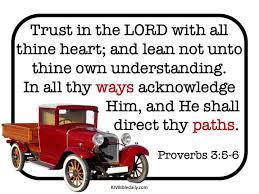



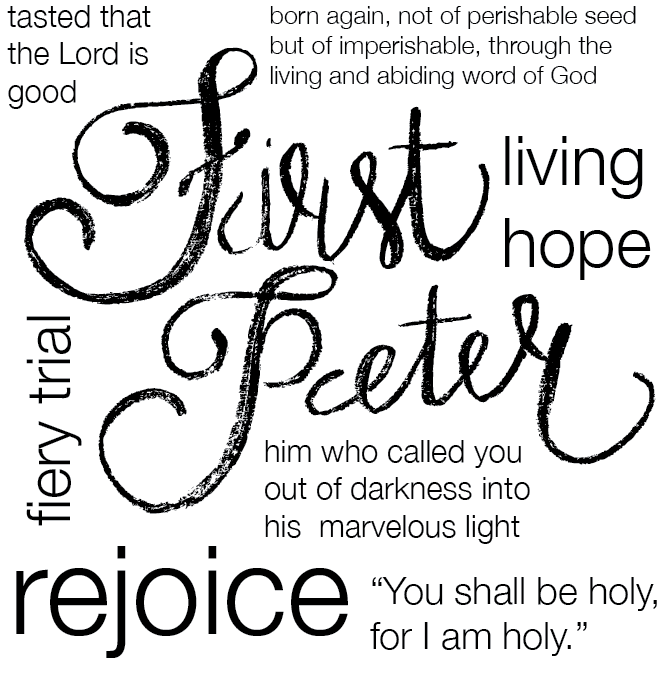


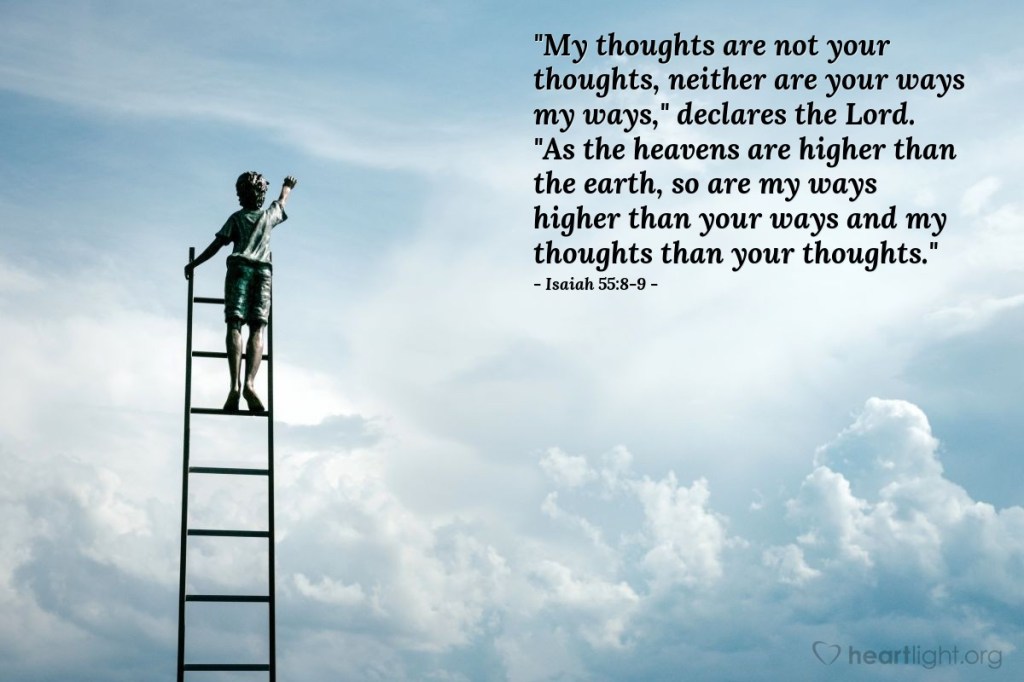
 Loving God, Living God, Loving Hope, Living Hope, Loving Living Life His Way! "Many things are possible for the person who has hope. Even more is possible for the person who has faith. And still more is possible for the person who knows how to love. But everything is possible for the person who practices all three virtues." - Brother Lawrence (1605-1691), Practicing the Presence of God (1692).