Romans 15:4 "For whatever was written in earlier times was written for our instruction, so that through perseverance and the encouragement of the Scriptures we might have hope."
Hosea 6:1-3 shares of Israel’s desire to return from their misery and repent from their sin.
The Israelites didn’t realize the impact and consequences of their sin, but recognized no matter how far they strayed God was the one who would heal and restore them.
Hosea 6:3 says, “Oh, that we might know the LORD! Let us press on to know him. He will respond to us as surely as the arrival of dawn or the coming of rains in early spring.”
In verse 3 the Israelites pressed into acknowledging the Lord.
They had the same assurance that you and I can have; just as the sun appears every morning,
God always does too.
Despite how far and wide you or I have strayed, God will authentically respond to you as you seek Him.
Hosea 6:1-3 New King James Version
A Call to Repentance
6 Come, and let us return to the Lord; For He has torn, but He will heal us; He has stricken, but He will [a]bind us up. 2 After two days He will revive us; On the third day He will raise us up, That we may live in His sight. 3 Let us know, Let us pursue the knowledge of the Lord. His going forth is established as the morning; He will come to us like the rain, Like the latter and former rain to the earth.
Gloria! In Excelsis Deo! Alleluia, Alleluia, Alleluia, Amen.
What A Long-Suffering And Gracious God We Have
God rebuked the people of Israel for their apostasy and idolatry, pronouncing a severe judgement upon them and causing Amos the prophet to mourn that His people were destroyed for lack of knowledge of the God of Israel, while He also is bewailing their marked and severe disinterest in the God of their salvation.
And yet the stark and serious warning broke into a comforting song of hope, that one day God would return, revive and restore His erring nation and pour out His blessings upon them like dew onto a parched desert, or as the spring showers falling over a hot and dry and dusty and thirsty land. (Psalm 63:1-2)
God knows that the disobedient Israel will one day return to His open arms of love, for they are all like a flock of straying sheep without a shepherd and the wounds and pain that have been inflicted due to the centuries of idolatry and apostasy will be over, when they come to acknowledge Jesus as Lord, Savior.
And He will bind up their wounds, mend the broken-hearted, with His soothing ointment and He will anoint their nation with the oil of gladness, when they call on the name of the Lord and recognize their God and Savior – for then they will look upon Him Whom they have pierced – whom they have crucified and buried.
His dealings with Israel is a great comfort to all of God’s children, for we know that despite the times when we also wander away from the Lord; getting swept into worldly ways or adopting a careless attitude, His initial response may well be discipline or chastisement, but He is also long-suffering towards us, even when we stray from His path of righteousness and follow our own foolish ways.
What a long-suffering and gracious God we have – for as He has dealt wisely with us, will continue in that wisdom, in grace, truth toward His erring nation.
So will Deal deal with Christians who have wandered far from His outstretched arms of love and truth or when faith wears thin and life seems too much to bear.
No matter how far any of us have strayed, His long standing promises to the church are as sure and praise-worthy, His promises to Israel. His chastening rod may hurt or wound us, but His promise of grace will truly help and heal.
Prayer for Restoration – Our Daily Prayer Unto God
6 1-3 “Come on, let’s go back to God. He hurt us, but he’ll heal us. He hit us hard, but he’ll put us right again. In a couple of days we’ll feel better. By the third day he’ll have made us brand-new, Alive and on our feet, fit to face him. We’re ready to study God, eager for God-knowledge. As sure as dawn breaks, so sure is his daily arrival. He comes as rain comes, as spring rain refreshing the ground.”(Hosea 6, The Message)
The exact moment sin reared its impossibly hideous, ugly head, in the form of a snake, in the garden of Eden in Genesis 3, brokenness likewise entered the scene.
Undoubtedly, we live in a broken world filled to overflowing of broken systems, overwhelmingly stressful situations, and people who could care less about God.
Sin leaves a vast ripple effect that continues year after year, generation after generation. It affects every individual. You cannot walk through life unscathed.
This is no different for Christians as it is for non-Christians.
Matthew 5:45 says, “…He causes his sun to rise on the evil and the good, and sends rain on the righteous and the unrighteous.”
Just because we are Christians does not and never will mean we are exempt from trials of all degrees and heartaches of every measure known but to God.
Sometimes with and without awareness, we have chosen a destructive path.
Other times, God makes us dwell in darkness (Lamentations 3:4-6 The Message).
4-6 He turned me into a skeleton of skin and bones, then broke the bones. He hemmed me in, ganged up on me, poured on the trouble and hard times. He locked me up in deep darkness, like a corpse nailed inside a coffin.
It’s not uncommon to forget God can still restore us when we are in the muck and the mire of a trial – our situations sometimes cloud our view of all God is.
I don’t know what you, the reader of this devotion may be facing today, but I want to remind you the truth is God is still in the business of restoring!
He can still restore a broken relationship, shattered marriage, limp bodies, prodigal child, special needs children, tattered hearts, and scrambled minds.
With frustrated man, frustrated women, frustrated humanity, it is impossible to restore such as those, but with God, all things are possible (Matthew 19:26).
Truth is God does not always restore the things we have in mind the way we have that restoration all acceptably socially, culturally, politically defined.
Instead, God, through Jesus and the Holy Spirit restores our peace, joy, hope, and contentment, despite our uncertain situations – regardless of what ways and means our God chooses, He still redeems, repairs, restores, resurrects!
In addition to this, let us please never forget God always has the very final say.
By His Sovereign Will,
By God’s own Authority,
By God’s own Power,
Let it now be our declaration that no matter what threatens our souls,
We have the faith that according to the truths revealed in the Word of God,
When God speaks, Pharaoh relents, the chariots disappear beneath the waves and the storm is compelled to be silent, the seas will part for His Children, the lame are healed, the crippled will walk, the deaf will hear, and the will blind see.
He has the authority over everything because He is the creator of all things.
If we are going through a tough season, keep pouring your heart out to God.
He is not weary of your tears.
He will not grow weary of your tears.
In fact God will collect your tears and reveal them to you at the suitable time.
Psalm 56:8 The Message
8 You’ve kept track of my every toss and turn through the sleepless nights, Each tear entered in your ledger, each ache written in your book.
He knows the words you cannot seem to utter.
He sees the pain no one else can see.
But also please remember to remind yourself God can still do exceedingly and abundantly more than you can ever ask, do, or ever imagine (Ephesians 3:20).
In the name of God, the Father and God the Son and God the Holy Spirit,
Psalm 56 The Message
56 1-4 Take my side, God—I’m getting kicked around, stomped on every day. Not a day goes by but somebody beats me up; They make it their duty to beat me up. When I get really afraid I come to you in trust. I’m proud to praise God; fearless now, I trust in God. What can mere mortals do?
5-6 They don’t let up— they smear my reputation and huddle to plot my collapse. They gang up, sneak together through the alleys To take me by surprise, wait their chance to get me.
7 Pay them back in evil! Get angry, God! Down with these people!
8 You’ve kept track of my every toss and turn through the sleepless nights, Each tear entered in your ledger, each ache written in your book.
9 If my enemies run away, turn tail when I yell at them, Then I’ll know that God is on my side.
10-11 I’m proud to praise God, proud to praise God. Fearless now, I trust in God; what can mere mortals do to me?
12-13 God, you did everything you promised, and I’m thanking you with all my heart. You pulled me from the brink of death, my feet from the cliff-edge of doom. Now I stroll at leisure with God in the sunlit fields of life.
Creator, Father, I ask You for a fresh vision for what breakthrough will look like in my life. Help me to pursue healing while I wait for my miracle. Show me how to rest right in the middle of the storm. Help me to enjoy the feast You prepare for me, right in the middle of the raging battlefield. I want my whole life to testify that there’s a God in heaven who knows my name and who will get me safely home. Fill me afresh with the wonder of Your long-suffering love and indomitable power. I am so very determined to win this battle with fear and anxiety. Help me to discern when to rest, when to feast, and how to actively engage my faith as I wait for You to breakthrough. May my life display Your power. Do the impossible in and through me, I pray. Amen.
1. Come, thou Fount of every blessing,
tune my heart to sing thy grace;
streams of mercy, never ceasing,
call for songs of loudest praise.
Teach me some melodious sonnet,
sung by flaming tongues above.
Praise the mount! I’m fixed upon it,
mount of thy redeeming love.
2. Here I raise mine Ebenezer;
hither by thy help I’m come;
and I hope, by thy good pleasure,
safely to arrive at home.
Jesus sought me when a stranger,
wandering from the fold of God;
he, to rescue me from danger,
interposed his precious blood.
3. O to grace how great a debtor
daily I’m constrained to be!
Let thy goodness, like a fetter,
bind my wandering heart to thee.
Prone to wander, Lord, I feel it,
prone to leave the God I love;
here’s my heart, O take and seal it,
seal it for thy courts above.
Romans 7:13-25 Authorized (King James) Version
13 Was then that which is good made death unto me? God forbid. But sin, that it might appear sin, working death in me by that which is good; that sin by the commandment might become exceeding sinful. 14 For we know that the law is spiritual: but I am carnal, sold under sin. 15 For that which I do I allow not: for what I would, that do I not; but what I hate, that do I. 16 If then I do that which I would not, I consent unto the law that it is good. 17 Now then it is no more I that do it, but sin that dwelleth in me. 18 For I know that in me (that is, in my flesh,) dwelleth no good thing: for to will is present with me; but how to perform that which is good I find not. 19 For the good that I would I do not: but the evil which I would not, that I do. 20 Now if I do that I would not, it is no more I that do it, but sin that dwelleth in me.
21 I find then a law, that, when I would do good, evil is present with me. 22 For I delight in the law of God after the inward man: 23 but I see another law in my members, warring against the law of my mind, and bringing me into captivity to the law of sin which is in my members. 24 O wretched man that I am! who shall deliver me from the body of this death? 25 I thank God through Jesus Christ our Lord. So then with the mind I myself serve the law of God; but with the flesh the law of sin.
Gloria! In Excelsis Deo! Alleluia! Alleluia, Alleluia, Amen.
Every once in a while, you come to a verse or a passage of Scripture that grabs you by the lapels and pushes you back against some wall and will not let you go.
Recently, Romans 7:14 has been that verse for me.
Virtually every commentary and study tool I have used as a reference for the study of this verse has stated that this is the most difficult and controversial passage in Paul’s letter to the Romans to write about and try to interpret.
For this reason, I will devote this entire devotional study exclusively on verse 14.
Hopefully, with some effort I can bring clarity to this text that has mightily challenged myself and students of Scripture down through the centuries.
I have titled this devotional “The ‘I’ Problem,” because as we read this passage, you will note how many times Paul uses the word “I.”
I do not believe there is another passage in the entire Bible with the word “I” used so many times.
In verses 14-25, “I” is used twenty-four times, and when you add in the times Paul uses “me,” “my,” or “myself,” it is another thirteen times.
That comes to a total of thirty-seven times in these short twelve verses that the Apostle Paul refers to himself in this one passage.
That is an awful lot of deliberate attention Paul places upon himself as opposed to his deliberately placing our attention of Christ Jesus and Christ Jesus alone.
We need to try to begin by determining exactly to whom Paul is referring when he uses the first person term “I.”
Is Paul actually speaking of himself as a believer?
Or is he actually referring to his past when he was an unbeliever, prior to his timely, sudden encounter with the Resurrected Lord on the Damascus Road?
In Romans 7:1-13, Paul was describing his life as an unbeliever.
Is Paul still speaking in this manner?
Or is he now speaking of his current state as a believer?
And if he is speaking of himself as a believer, is this referring to himself as a mature believer?
Or to an immature believer?
We need to begin by identifying who Paul is referring to when he says “I” in Romans 7:14.
The answer to this question carries great implications for our own Christian lives.
The Person Identified
14 We know that the Law is spiritual, but I am a creature of the flesh [worldly, self-reliant—carnal and unspiritual], sold into slavery to sin [and serving under its control]. {Amplified}
Paul begins, “For we know that the Law is spiritual” (verse 14).
Paul states that this principle is common knowledge.
It is a truth that is well understood by the believers in Rome.
This is not a new teaching or something they do not yet know.
When Paul refers to the “Law,” he is referring to the moral law of God.
The ceremonial law was fulfilled in the death of Christ.
The civil law was used by the Jews to govern their society in the Promised Land.
The book of Romans was written to the believers in Rome, where Caesar and the Roman Senate were governing the Roman Empire.
Therefore, the civil law was not applicable to the Jews in Rome in Paul’s day.
He is referring to the moral law, he says they already know that it is “spiritual.”
This is to say, the moral law remains useful today for spiritual purposes.
Paul continues, “But I am of flesh, sold into bondage to sin” (verse 14).
I believe this is Paul referring to himself as a mature believer.
This is the majority position, not an obscure minority position.
I believe that this designation is important, because you and I as believers should be able to identify with Paul in this statement.
We will examine six reasons why we come to the conclusion Paul is referring to himself as he currently writes this as a mature believer in Jesus Christ.
These reasons are as follows:
1. Notice the Change in Verb Tenses.
First, we must give our attention to the change in verb tenses from the first half of the chapter to the second half.
In verses 1-13, Paul was discussing his pre-conversion state.
All the verbs that Paul used were in the aorist past tense.
This represented his past life before Christ.
In verse 14, there is a noticeable change in verb tense as Paul begins using the present tense “I am.”
In verses 14-25, there are thirty-six verbs that are translated as being Paul’s current experience.
The first of these is in verse 14 in which Paul states, “I am” in the present tense.
In verse 15, he writes in the present tense, “For what I am doing.”
He continues to write in the present tense through the end of chapter seven.
Paul is describing in some detail what he believes is the stark reality of his own current personal experience as he is sitting at table writing the book of Romans.
What Paul tells us about his present deeply personal struggle with sin is the very same personal struggle that you and I face as believers on a daily basis.
This struggle with sin does not mean that we are lost.
Rather, it indicates that the struggle is a confirmation that we are saved.
Before we were converted to Christ, received the Holy Spirit into our heart, we were not struggling so much with sin in our lives, certainly not like we do now.
Prior to knowing Christ, there was only our sin nature taking us down the broad path of a lifestyle of sin.
But now that we Christ Jesus as our Savior, have a new heart and a new nature, we are still constantly and continuously experiencing this internal conflict.
So, the first reason that I believe Paul is writing this as a believer in Christ Jesus is his persistent use of present tense verbs.
2. Love for Scripture and Hatred of Personal Sin
Second, only a believer has a deep love for Scripture and a deep hatred of personal sin.
Paul writes, “I am doing the very thing I hate” (verse 15).
That is not the way that an unbeliever talks, but how a believer does.
Paul affirms that “the Law is good” (verse 16), and he writes, “I practice the very thing I do not want” (verse 19).
Paul has had a change of heart desires.
This change of affections is the result of the new birth.
He now finds himself doing the very things that he does not want to do.
This is the result of being a new man in Christ.
You and I can relate to that.
Then Paul goes on to state, “For I joyfully concur with the law of God in the inner man” (verse 22).
That is the way an authentic and genuine believer speaks.
Only a spiritual believer has a deep love for Scripture along with a deep hatred for personal sin.
This will be true in the heart of every believer.
Deep down inside his regenerated soul, the believer is a new person in Christ.
They love the Law and hate the sin that violates the Law.
For the one born of God, His commandments are not burdensome (1 John 5:3).
3. Giving Thanks to God for Deliverance
Third, Paul gives highest thanks to God for deliverance from his body of death.
After lamenting over his struggle with sin and crying out, “who will set me free from the body of this death” (verse 24), Paul declares, “Thanks be to God through Jesus Christ our Lord” (verse 25).
Paul thanks God for providing deliverance through Jesus Christ.
That is clearly the talk of an authentic believer, not the exuberant confession of an unbeliever.
4. An Increasing Awareness of Personal Sin
Paul as a mature believer was growing in an increasing awareness of his sin.
As he grew closer to the Lord, he was drawing closer to the sin-exposing light of God’s holiness.
“God is Light, and in Him there is no darkness at all” (1 John 1:5).
As he drew closer to the Light, the Light revealed more imperfections in him.
As he matured as a Christian, he became increasingly sensitive to sin in his own life.
There was an increasing awareness of sin issues in his life of which he was not previously aware – the searchlight of the Law reveals his sin and impurities.
We see this truth in the life of Paul as we try to trace the progression of his own spiritual growth through Scripture.
In 55 A.D., Paul wrote the book of 1 Corinthians and confided, “I am the least of the apostles” (1 Corinthians 15:9).
As time moved on, Paul continued to grow and mature in the Lord, as he moved further down the path of sanctification.
Five years later, in 61 A.D., while in his first Roman imprisonment, Paul wrote the book of Ephesians.
At this time, he stated, “I am the least of all saints” (Ephesians 3:8).
This reflects a further heightening personal awareness of the depths of his sin.
First, he was the least of all the apostles.
But then, as he grows and matures in the Lord, he declares that he is the least of all the saints.
Sometime between the years 63-66 A.D., towards the end of his life, Paul writes 1 Timothy.
He says, “Jesus Christ came into the world to save sinners, among whom I am foremost of all” (1 Timothy 1:15).
He now says that he is the greatest among all the sinners.
From this declension, we might be tempted to think or believe that Paul is going backwards, “backsliding” in his Christian life, going from bad to very worse.
But in reality, Paul is actually progressing in the right direction.
He is becoming more and more humble.
He is becoming increasingly more aware of the depravity of sin in his life, his need to be in continual repentance, in a continual relationship with His Savior.
By such an intensive process, He does not become sinless, he cannot become sinless but he does grow in spiritual awareness to prayerfully sin much less.
There is a heightened sense of an awareness to his own sin as he is growing in his Christian life.
It does not take him as long to be convicted of his sin as he once did.
He is more ready to confess and repent of it and try harder to avoid sin, and then try , much harder to preach it and teach it to others down the line because he is growing closer to the Lord – and others need to grow closer to the Lord.
We find in Paul is a mature believer who has a heightened awareness of his sin.
We find in Paul a mature believer who is determined, passionate, aware, about the need to teach others who will become those future generations of believers.
5. An Inner War Between His Flesh and The Spirit
There is a fierce war that rages within believers between his flesh and the Spirit.
When we were converted, our war with sin had only just begun.
In Galatians, Paul gave the command for believers, “walk by the Spirit, and you will not carry out the desires of the flesh” (Galatians 5:16).
“Walk” is a metaphor for our daily conduct as we live our lives.
As we walk through this world, which are landmines of temptations and lures.
This is why Paul instructs believers to “walk by the Spirit.”
The Holy Spirit gives believers spiritual direction, power in pursuing holiness.
The Spirit enables believers to resist temptation, to keep their eyes on the Lord.
The Spirit gives believers the power needed to buffet and discipline their body in order to make it their slave.
It is the ministry of the Spirit to bring to the believer’s mind the right Scripture needed in order to walk in holiness before the Lord.
I believe it is clear in Galatians 5:16 that believers still have “the desire of the flesh” within them.
The “flesh” refers to our fallen nature, which we inherited from Adam.
This is the sinful desires within us.
The word “desire” (epithymia) is a strong Greek word which means ‘to long for’ something – to desperately long for something which is forbidden or taboo.
It can be used in a positive way, as in 1 Timothy 3:1 when Paul writes that it is a good thing for an overseer or elder to “desire” the ministry.
Or this word can be used in a negative way, such as a forbidden longing after sinful things.
When used in this manner, it means to be desperately lusting after that which is forbidden by God.
The flesh within believers of all maturity levels and degrees still sets its deep cravings on those things that are enticing and alluring and deeply tempting.
This results in a war between the flesh and the Spirit within each believer.
The new heart that God has put within the believer in regeneration loves the Lord and His Word.
He wants his life to count for Christ and to be used to expand His kingdom.
But as he lives his life, his flesh still wants attention, holds him back at times.
This is true in each one of us as believers.
Consequently, we ourselves must be and become more aware that our major problem is not outside of us, but securely locked deep inside each one of us.
There are the outside forces of the evil world system and the evil one, Satan.
But even without them, there is still an inward conflict taking place between our flesh and the Spirit, who indwells us.
If we do not walk by the Holy Spirit, we will surely and certainly carry out the sinful desires of our fallen flesh.
“In Opposition to One Another”
Further, we read, “For the flesh sets its desire against the Spirit, and the Spirit against the flesh; for these are in opposition to one another” (Galatians 5:17).
The “flesh” is that part within us that is still part of our fallen nature.
It is no longer the dominant power it once was within us, but it is still present and has a constant and continuous influence in our lives.
Flesh remains self-centered, self-focused, self-preoccupied, self-flattering, and self-absorbed.
It sets its desire against what the Holy Spirit desires to do in our lives in His work of progressive sanctification.
The good news is that the Spirit is far more powerful than the flesh.
This internal, civil war will be fought throughout the duration of our Christian lives, it will not be without much internal opposition.
There exists an ongoing collision within us between the desires of the flesh and the desires of the Spirit.
No Christian is exempt from this battle.
Paul says, the flesh and the Spirit are “in opposition to one another, so that you may not do the things that you please” (verse 17).
“Opposition” (antikeimai) means ‘to oppose, to be adverse to, to withstand.’
In this verse 17, “you” refers to believers, and “things” refers to the desires of the flesh.
There is within our flesh the desire to be pleased by sin.
As a result, no believer is simply coasting into glory without any internal conflict with sin.
There is an ongoing fight for holiness, purity, and godliness that we must undertake every single day of our life.
The lusts of the flesh never takes a day off.
It never goes on vacation.
It is always with us as long as we live on this earth.
Although we have been delivered from the dominating power of sin, does not mean we have been delivered from the indwelling presence of sin in our lives.
“Lay Aside the Old Self”
Paul writes in Ephesians, “You lay aside the old self, which is being corrupted in accordance with the lusts of deceit” (Ephesians 4:22).
To “lay aside” is the idea of taking off dirty clothes.
Just as every day we take off the dirty clothes we slept in and put on clean clothes, the believer must do the same in his spiritual life.
The “old self” is your fallen nature, your sinful flesh.
Paul uses a present tense verb when he says your old self “is being corrupted.”
There is still a defiling effect that is taking place inside the believer.
We have to take off the old self and disrobe the sin by confessing it, repenting of it, and resisting its temptation.
The pithy saying, “Let go and let God” is a lie that is not taught in the Bible.
It is a passivist’s approach to the internal warfare that we experience.
“Lusts of deceit” means that our flesh is lying to us.
It says we can sin without any consequences or ramifications.
That is a clear and obvious contradiction of reality.
The desires of our flesh will cause us to choose sin versus pursuing holiness.
We should never choose sin, because it is harmful for our spiritual life.
Yet we are continually being enticed by our flesh and its lustful deceit.
Tragically, there are times that we cave in to such temptations.
All of this is to say, there is a fierce war going on inside every Christian.
If there is not a war going on within you between your flesh and the Spirit, you are not a Christian.
Inside the one born of God, the flesh is lusting against the Spirit, and the Spirit is continually, unavoidably setting its desires against the flesh.
They are in fierce opposition to one another.
When we see Paul refer to the war between the flesh and the Spirit in Romans 7, we can better understand in the much broader scope of the length and breadth of Scripture, this war absolutely does take place within every Christian’s soul.
6. True Believers Still Sin, Can Commit Gross Sins
The final reason why I believe this refers to Paul as a believer is that it must be acknowledged and clearly and firmly recognized that true believers still sin.
In fact, they can even commit gross sins.
There are no lack of examples in the Scripture of this truth.
Abraham lied about his own wife, saying she was his sister, so that he could protect himself.
Moses killed someone and tried to bury the evidence.
Samson was an adulterer.
David was an adulterer and actually conspired murder to hide his sin.
Solomon was a polygamist and serial adulterer.
Jonah was filled with racial prejudice.
He wildly pouted when Nineveh repented because he did not want them in the kingdom of God.
Peter denied the Lord three times.
Ananias and Sapphira lied in church.
The Corinthians pushed the limits of how carnal a believer could possibly be and still be a Christian.
What Paul struggled with as a believer in Romans 7 clearly matches up with these examples in Scripture.
In Psalms 32 and 51, David confessed his sin of adultery with Bathsheba and the subsequent murder of her husband that he arranged.
In his overwhelming lust, in his royal covetousness, in that sin, David gazed down, in his power, on Bathsheba from his palace roof as she was bathing.
He then had her brought to him in his palace and committed adultery with her.
Once it was discovered that she was pregnant, David in his panic, he had her husband deliberately moved to the front lines of the war to be killed, so that he could then bring her into his palace without any questions about the baby.
This is as disturbing and shocking as sin can be.
With all this considered, I believe that Paul is describing himself as a mature believer, who is wrestling with sin and fighting for purity.
Paul is not casually giving in to sin in his life.
Rather, he is resisting temptation as he finds himself doing the things he does not want to do.
All of the reasons previously mentioned point to the fact that when Paul writes Romans 7:14, he is describing his current state as a mature believer in Christ.
The internal, intensely personal struggles that Paul had with sin as a believer are the very same struggles that you and I face as we seek to walk in the Spirit.
Praise God we all have a Savior who is intensely familiar with such a struggle.
In the name of God, the Father and God the Son and God the Holy Spirit,
Let us Pray,
Psalm 51 The Message
51 1-3 Generous in love—God, give grace! Huge in mercy—wipe out my bad record. Scrub away my guilt, soak out my sins in your laundry. I know how bad I’ve been; my sins are staring me down.
4-6 You’re the One I’ve violated, and you’ve seen it all, seen the full extent of my evil. You have all the facts before you; whatever you decide about me is fair. I’ve been out of step with you for a long time, in the wrong since before I was born. What you’re after is truth from the inside out. Enter me, then; conceive a new, true life.
7-15 Soak me in your laundry and I’ll come out clean, scrub me and I’ll have a snow-white life. Tune me in to foot-tapping songs, set these once-broken bones to dancing. Don’t look too close for blemishes, give me a clean bill of health. God, make a fresh start in me, shape a Genesis week from the chaos of my life. Don’t throw me out with the trash, or fail to breathe holiness in me. Bring me back from gray exile, put a fresh wind in my sails! Give me a job teaching rebels your ways so the lost can find their way home. Commute my death sentence, God, my salvation God, and I’ll sing anthems to your life-giving ways. Unbutton my lips, dear God; I’ll let loose with your praise.
16-17 Going through the motions doesn’t please you, a flawless performance is nothing to you. I learned God-worship when my pride was shattered. Heart-shattered lives ready for love don’t for a moment escape God’s notice.
18-19 Make Zion the place you delight in, repair Jerusalem’s broken-down walls. Then you’ll get real worship from us, acts of worship small and large, Including all the bulls they can heave onto your altar!
1. Come, thou Fount of every blessing,
tune my heart to sing thy grace;
streams of mercy, never ceasing,
call for songs of loudest praise.
Teach me some melodious sonnet,
sung by flaming tongues above.
Praise the mount! I’m fixed upon it,
mount of thy redeeming love.
2. Here I raise mine Ebenezer;
hither by thy help I’m come;
and I hope, by thy good pleasure,
safely to arrive at home.
Jesus sought me when a stranger,
wandering from the fold of God;
he, to rescue me from danger,
interposed his precious blood.
3. O to grace how great a debtor
daily I’m constrained to be!
Let thy goodness, like a fetter,
bind my wandering heart to thee.
Prone to wander, Lord, I feel it,
prone to leave the God I love;
here’s my heart, O take and seal it,
seal it for thy courts above.
Romans 7:14-16 The Message
14-16 I can anticipate the response that is coming: “I know that all God’s commands are spiritual, but I’m not. Isn’t this also your experience?” Yes. I’m full of myself—after all, I’ve spent a long time in sin’s prison. What I don’t understand about myself is that I decide one way, but then I act another, doing things I absolutely despise. So if I cannot be trusted to figure out what is best for myself and then do it, it becomes all too obvious that God’s command is necessary.
Gloria! In Excelsis Deo! Alleluia, Alleluia, Alleluia, Amen.
Okay … We Never Like To Admit We Are Sinners
OK…so we don’t like to admit it.
Still, we must.
We are all born sinners.
We’re sons of Adam and daughters of Eve (CS Lewis, Narnia Chronicles).
No one needs to teach any single one of us how to be selfish, to put what we want ahead of what others (and even God) may want – we all have our PhD’s.
Born from our mother’s womb with an immediate need to independently insist on satisfying what we want (our first milk) apart from the word and will of God.
We do not know better, we have no awareness of anything outside of ourselves.
It’s what our first parents Adam and Eve did in Genesis 3; it’s what every human being, save Only One – Jesus, has done in his/her walking days on planet earth.
When we do, inevitably tough stuff happens.
Self-inflicted tough stuff.
Self-inflicted impossibly tough stuff.
All kinds of rough and tough stuff which diminishes us and often hurts others.
Self-centered lust conceives sin, and sin birthed ends in death (James 1:13-15).
13-15 Don’t let anyone under pressure to give in to evil say, “God is trying to trip me up.” God is impervious to evil, and puts evil in no one’s way. The temptation to give in to evil comes from us and only us. We have no one to blame but the leering, seducing flare-up of our own lust. Lust gets pregnant, and has a baby: sin! Sin grows up to adulthood, and becomes a real killer.(The Message)
The good God intended in our lives inevitably fails to happen; and the bad God knows it is best to avoid, inevitably, uncontrollably, raises and takes its place.
Without Jesus’ propitiation for it, His redemption of us from it, His resurrection power to defeat it, His Spirit’s power to replace it with righteousness, we simply automatically default back into it.
Dr. Tony Evans describes older automobiles that required power-steering fluid to enable steering a car virtually effortlessly.
[But] “when your power steering fluid got low, you’d have to force the wheel to turn…to pull and tug. The pull of the wheel back to center was so strong that without power steering, when you’d take your hands off the wheel, it would snap back to neutral position”
Paul calls it sin centered, or which “dwells” in, my flesh.
Without redemption and the Holy Spirit’s power, our flesh steers us back into our sinful living, into doing what we hate.
Too much tough stuff, impossibly rough stuff, for which we all need God’s help.
Now, Our Challenges Dealing With Indwelling Sin
Colossians 3:3-8 The Message
3-4 Your old life is dead. Your new life, which is your real life—even though invisible to spectators—is with Christ in God. He is your life. When Christ (your real life, remember) shows up again on this earth, you’ll show up, too—the real you, the glorious you. Meanwhile, be content with obscurity, like Christ.
5-8 And that means killing off everything connected with that way of death: sexual promiscuity, impurity, lust, doing whatever you feel like whenever you feel like it, and grabbing whatever attracts your fancy. That’s a life shaped by things and feelings instead of by God. It’s because of this kind of thing that God is about to explode in anger. It wasn’t long ago that you were doing all that stuff and not knowing any better. But you know better now, so make sure it’s all gone for good: bad temper, irritability, meanness, profanity, dirty talk.
If becoming a Christian meant we no longer sinned, Paul would have been wasting ink when he wrote, “Put to death therefore what is earthly in you.”
It is more than a little possible to embrace a form of externalism that makes us look really good to people on the outside when really we know that what the Bible says is true: that while we are saved children of God, we are also sinners.
How is it, then, that sin continues to wreak havoc?
It is because while we are indeed in Christ, who liberates us from the bondage of sin, we are still very much, unavoidably so) locked deep into, within, our flesh.
That’s the problem:
we each still experience “the desires of the flesh” that “are against the Spirit … for these are opposed to each other, to keep you from doing the things you want to do” (Galatians 5:17).
We are justified in Christ; all of the guilt that attaches to our lives is dealt with in our Savior Jesus.
We have died to sin in Christ so that it no longer has a tyrannical rule in our lives.
But although sin no longer reigns, it still remains and rages.
It no longer defines us, but it still clings to us like our skin does.
We therefore need to learn how to admit to ourselves, to learn to not to ever underestimate the presence and the catastrophically nature, the seriousness of sin; instead, we must be disciplined to watch out for its subtleties, insinuations.
To fight the good fight against sin, we must come, through our reading, studies, praying through the Word of God, to understand its addictive, enslaving power.
As the saying goes,
“Sow a thought, reap an action. Sow an action, reap a habit. Sow a habit, reap a character. Sow a character, reap a destiny.”
Sin, then, must be attacked at the point of entry before it takes root within our hearts.
The only way to tackle sin is recognize we need to kill it, without compromise, so as to prevent all future damage, seen or unseen.
We will only be able to overcome sin when we are authentically motivated to “turn our eyes to Jesus, look into His face” and take strong measures against it.
Yet we will still sin, we will still make a serious mistake if we think we are the ones who can overcome sin’s indwelling power.
Since Christ “is our life,” our battle against sin is not to be faced in our own strength but in God’s mighty power; and since Christ “is your life,” your battle against sin is not a battle for salvation, for He has already secured that for you.
So now we need to commit to putting our sin to death, and we need to ask the Holy Spirit to overwhelm us with His wonderful love and fullness so as to create within us the deeper desire to do that which God’s word calls us to do: to seek out, find, and kill off all that “is earthly in you.”
Rethinking Sin
Romans 7:21-25 The Message
21-23 It happens so regularly that it’s predictable. The moment I decide to do good, sin is there to trip me up. I truly delight in God’s commands, but it’s pretty obvious that not all of me joins in that delight. Parts of me covertly rebel, and just when I least expect it, they take charge.
24 I’ve tried everything and nothing helps. I’m at the end of my rope. Is there no one who can do anything for me? Isn’t that the real question?
25 The answer, thank God, is that Jesus Christ can and does. He acted to set things right in this life of contradictions where I want to serve God with all my heart and mind, but am pulled by the influence of sin to do something totally different.
Many, if not actually all of us will still tend to think of sin in all -or- nothing terms: we either are sinners, or we are not.
Our problem is that while God does change us, we still carry that lifelong tug toward temptation around our waists and our ankles like a prison ball, chain.
Even the most experienced Christians are still tempted every single day to covet and lust and dishonor God and others—and lots more – which is kept private.
So what’s missing?
The 12 step recovery movement helps us in looking at this struggle.
Alcoholics Anonymous and other 12 step recovery groups have helped millions of people come to terms with addictions that won’t go away.
The idea is simple: while addicts won’t ever be completely done with their addictions in this life, they can still choose to work to become free from it.
From a Christian perspective, addicts learn to let God lead them into a new life so they are no longer at the mercy of their addiction.
A recovering alcoholic will say that while they are still an alcoholic, they have not had a drink in a decade, they still introduce themselves, admit to being an alcoholic, but a much healthier one – a “more aware alcoholic,” one might say.
What if we decidedly looked at the stories of sinners in the Bible that way?
What if the sins of David and other believers were somehow part of a process of God allowing us to hit bottom, finally turn to his almighty power to be set free?
What if we reframed our thinking, viewed the Christian community as, say a network of small to medium sized fellowship “sinners anonymous” groups?
How would such “bible study, prayer meeting fellowships” change our thinking and our daily approach to our dealing with the scourge called “indwelling sin?”
In the name of God the Father and God the Son and God the Holy Spirit,
Let us Pray,
Lord, though we often pretend we can master our sin struggles, we really need to be mastered by you. Surprise us into a deeper mercy than we might expect. My Heavenly Father, keep me ever mindful of the truth that there is an internal war with sin that is seeking to wound me, draw me back into my former fleshly ways. Thanks be to God, Who delivers me from this inner conflict, through Jesus Christ my Lord, my Savior.
When in our music God is glorified,
And adoration leaves no room for pride,
It is as though the whole creation cried:
Alleluia!
How often, making music, we have found
A new dimension in the world of sound,
As worship moved us to a more profound
Alleluia!
So has the Church, in liturgy and song,
In faith and love, through centuries of wrong,
Borne witness to the truth in every tongue:
Alleluia!
And did not Jesus sing a Psalm that night
When utmost evil strove against the light?
Then let us sing, for whom he won the fight:
Alleluia!
Psalm 116:12-19 The Message
12-19 What can I give back to God for the blessings he’s poured out on me? I’ll lift high the cup of salvation—a toast to God! I’ll pray in the name of God; I’ll complete what I promised God I’d do, and I’ll do it together with his people. When they arrive at the gates of death, God welcomes those who love him. Oh, God, here I am, your servant, your faithful servant: set me free for your service! I’m ready to offer the thanksgiving sacrifice and pray in the name of God. I’ll complete what I promised God I’d do, and I’ll do it in company with his people, In the place of worship, in God’s house, in Jerusalem, God’s city. Hallelujah!
Gloria! In Excelsis Deo! Alleluia, Alleluia, Alleluia, Amen.
What Shall I Render Unto the Lord?
The Psalmist expresses the depths of his love for the Lord because God hears and God answers unto His children when they call to Him.
In this Psalm, his song of deepest praise, the Psalmist recalls the many troubles and sorrows he has already encountered, then unleashes upon all his readership exactly how gracious and exactly how compassionate the Lord has been to him.
The Lord heard his cry for help, the Lord rescued him from death and despair.
And as the Psalmist remembers the merciful kindness and patient grace of the Lord towards him, he cries out,
“How can I repay the LORD for all the good He has done for me?
What can I give to the LORD for all he has done for me?
What shall I render to the LORD For all His benefits toward me?”
The Psalmist knows there is so much he wants to do to say “Thank You, God!”
Yet also within this psalm, the Psalmist knew, as we do, that there is nothing that we can do to exactly repay the Lord for all His grace and love towards us.
There is no amount of payment or reward that we can offer to God that could possibly pay Him back for the miraculous, wonderful things He has done for us.
There is nothing we can do, but we can surely offer Him our sacrifice of praise.
We can pour out our whole heart of gratitude to Him for our great salvation.
We can tell others, we can shout and sing to others of the wonders of His grace and mercy, and we can render unto God our hearts, to seek to do His will with a willing and obedient heart that is overflowing with love for our gracious Savior.
Oh! I wish I could influence God, but God is never influenced by man’s foolish attempts to repay Him for what He has freely given as an eternal gift of grace.
There is nothing we can do to repay the Lord for all His goodness and loving-kindness He has shown towards us, but we can live a life that is pleasing to Him by trusting His Word and seeking in all that we say and do to live a godly life.
We can render unto God our gifts and our talents, to walk in spirit and truth, submitted to the guidance and the leading of the Holy Spirit, and letting the love of Christ shine through us in thought and deed, to the glory of the Father.
We Can Use All Our Creative Talents to Glorify God
Psalm 138:4-6 The Message
4-6 When they hear what you have to say, God, all earth’s kings will say “Thank you.” They’ll sing of what you’ve done: “How great the glory of God!” And here’s why: God, high above, sees far below; no matter the distance, he knows everything about us.
It is written in the very first line of the Bible: “In the beginning God created…” (Genesis 1:1, emphasis added).
Creativity begins with God.
He had a plan and had a good design for the cosmos and spoke it into being.
We have a written account of how creation came to be, and how the very first people were made by God. God spoke, made, and revealed it all through the written word – He was behind the entire creative order that we see around us.
When we look at the intricacy of a snowflake or a leaf or a spider web, the symmetry of a butterfly, or the perfect location of the earth’s position in the rest of the solar system, we witness to all the handiwork of our Creator God.
He also planned that we would be made in His image (Genesis 1:26), so it is no surprise that we get to experience the wonder and joy of creativity ourselves.
With all of the wonders and miracles of this creative potential surrounding us every single day we live, how can we use our creative talents to glorify God?
Give All the Glory to God Alone
Whatever we do, we are to do it to the glory of God (1 Corinthians 10:31).
That includes our creative endeavors.
As the apostle Paul shared,
“Whatever you do, work at it with all your heart, as working for the Lord, not for human masters, since you know that you will receive an inheritance from the Lord as a reward. It is the Lord Christ you are serving” (Colossians 3:23-24).
In Colossians 1:16 it says: “For in him all things were created: things in heaven and on earth, visible and invisible, whether thrones or powers or rulers or authorities; all things have been created through him and for him.”
It is through Jesus that everything has been made and it is all for Him (John 1:3).
God made the universe through His Son (Hebrews 1:2) and it is by faith that “we understand the universe was formed at God’s own spoken command, so what is seen was not made out of what was visible” (Hebrews 11:3).
It’s right, it’s good, it is an abundantly authentically joyful thing, to always give all of the glory to the only One who made it all, for whom it is all for.
It also fulfills the command to “love the Lord your God with all your heart, and with all your soul, and with all your mind, and with all your strength” (Luke 10:27).
What we create should not ever be worshiped, nor should we glorify ourselves or others in ours or theirs creative pursuits.
That does not mean that we do not enjoy or appreciate what we create, what they create but we remember to keep our love, affections in their rightful place.
Participate in God’s Masterpiece
We have the immense privilege of joining with God in His creative purposes for the world.
It was God’s wonderful idea to create people and to get the first man to name the livestock, the birds and the wild animals (Genesis 2:20).
God “brought them to the man to see what he would name them; and whatever the man called each living creature, that was its name” (Genesis 2:19).
This was God’s idea to involve us, not an idea of our own making.
God made the first woman as a helper, creating her from the rib of the man, and he named her too (Genesis 2:21-23).
They would work together in the world.
God invites us to participate in His grand design on earth, and invites us into actively participating in mission and ministry for His own kingdom purposes.
We are made in His image and formed by Him, God has a plan and a purpose, establishing our steps (Proverbs 16:9).
We can use our creative talents for good or for ill, but as we look to Jesus, our desires will become more and more like His.
Using our gifts of creativity enables each of us to singularly, uniquely, express a critically important part of who God has designed us all to be (Psalm 139:13-16).
That will definitely look different for each person, as we are all individuals with unique gifts, talents and abilities, yet we are, each and every single one of us, all “fearfully and wonderfully made” shaped, by Him in His Image (Psalm 139:14).
Love Others with Our Creativity
It is important to remember the first two commandments as we create: love the Lord your God and love your neighbor as yourself.
Loving the Lord always comes first.
We need to spend time with Him regularly; it is vital to build and nurture a relationship with our Heavenly Father.
As we do this, it will transform our longings, desires to love and serve others.
God loves the people whom He created, and He designed us to be in community together.
As we create to the glory of God and out of love for Him, it will spill over into how we use our gifts, talents, time and creative resources for edifying others.
This might look like caring for those in need, volunteering our skills, designing something to the best of our ability with utmost integrity, photographing or painting beautiful landscapes to show God’s work on display, so much more.
There are endless opportunities to be creative.
The people in our homes, communities and the wider world can be unbelievably and miraculously blessed, truly uplifted, inspired by our God-given creativity.
Manage Our Creative Talents Well
We are to steward what God has given us and remember that all good gifts come from Him (James 1:17).
Even as we are diligent and disciplined with our time, resources and creative talents, we can continue to learn and develop and mature in our creativity.
As we look to Him who is the giver and provider of all we need, we worship Him alone, rather than anything that we create.
Throughout the Bible, there are examples of humans using their gifts and abilities to create things to worship other than God.
We saw it when the Israelites created a golden calf to worship (Exodus 32) and in the construction of the Tower of Babel (Genesis 11:1-4).
In both cases, they made a god or a name for themselves, demonstrating the skill, but also the deep-rooted malignant pride too characteristic of mankind.
Even idolizing people made in the image of God lends itself to the worship of the creation rather than the Creator (Romans 1:25).
There is risk and temptation to pursue and follow created things and step into idolatry, rather than to the single minded single directed worship of our God.
Therefore, we must bring our creativity before the Lord, knowing it is Him that we are serving, and we should use our gifts and talents respectfully and wisely.
Embrace the Skills Given to Us
God gives skills to different people.
We are all given certain abilities, even if it may take us a little while to discover or develop what they are.
In the building of the Tabernacle, there were many who had different skills given to them by God which would be used to complete it:
“All who are skilled among you are to come and make everything the Lord has commanded” (Exodus 35:10).
It is a beautiful picture of some of God’s people who were “willing and whose heart moved them” and brought materials and offerings to God for this work (Exodus 35:21-22).
Men and women all participated together, and there was a fervent willingness, highly developed skill involved to make what God had commanded come to be.
Are we also willing to offer our skills in whatever way is needed for God’s glory and purpose?
God Equips Those Who He Calls
God also equips those whom He calls to a specific task.
In the building of the Tabernacle, the Lord chose Bezalel of the tribe of Judah, and filled him with the Spirit of God, with wisdom, understanding, knowledge and all kinds of skills, to make artistic designs (Exodus:35:30-34).
He also equipped him and Oholiab of the tribe of Dan to be able to teach others. God is the one who fills us with the skills for the tasks that He has called us to.
The creative process means walking through trials and frustrations at times, but can also develop our perseverance and character.
God can use our creativity to shape and transform us into the likeness of Jesus as we seek to use our creative talents for His glory.
He is interested in our hearts.
As we create, we can ask Jesus to help us honor Him in our pursuits.
We can use our gifts and talents and our creativity to build up believers, spread the good news to those who do not know Jesus, support those in need, and use it as a way to provide an income for our families and programs of our churches.
As we surrender, yield to God, continually thinking “not my will but yours be done,” He takes our creative offering, transform it for His glory and purposes.
God saw the two loaves and five fish, and He was the One who filled the crowd.
Give Him your imagination, your creative talents, your need to express your gratitude, no matter how big or small, let Him deeply satisfy your every need.
As pastor and theologian Reverend Dr. John Piper said:
“God is most glorified in you when you are most satisfied in him.”
In the name of God, the Father and God the Son and God the Holy Spirit,
Let us Pray,
My dear loving Heavenly Father, I just want to thank You for loving me so much that You sent Your Son to die for me so that I might live with You forever. Thank You, Father, for the innumerable ways that You demonstrate Your love, protection, and provision toward me. I pray that I may have an attitude of gratitude toward You in all I say and do so that You are praised and glorified in my life. Remember all those artists, inspire their diverse creative gifts, those whom you have placed among us, for are they not, O Lord, the fellows of your inspiration? Do they not, Lord God, bring to your people great proof of your divinity and our part in it? In Jesus’ name, AMEN.
1. Standing on the promises of Christ my King,
through eternal ages let his praises ring;
glory in the highest, I will shout and sing,
standing on the promises of God.
Refrain:
Standing, standing,
standing on the promises of Christ my Savior;
standing, standing,
I’m standing on the promises of God.
2. Standing on the promises that cannot fail,
when the howling storms of doubt and fear assail,
by the living Word of God I shall prevail,
standing on the promises of God.
(Refrain)
3. Standing on the promises of Christ the Lord,
bound to him eternally by love’s strong cord,
overcoming daily with the Spirit’s sword,
standing on the promises of God.
(Refrain)
4. Standing on the promises I cannot fall,
listening every moment to the Spirit’s call,
resting in my Savior as my all in all,
standing on the promises of God.
(Refrain)
John 6:60-69 The Message
Too Tough to Swallow
60 Many among his disciples heard this and said, “This is tough teaching, too tough to swallow.”
61-65 Jesus sensed that his disciples were having a hard time with this and said, “Does this rattle you completely? What would happen if you saw the Son of Man ascending to where he came from? The Spirit can make life. Sheer muscle and willpower don’t make anything happen. Every word I’ve spoken to you is a Spirit-word, and so it is life-making. But some of you are resisting, refusing to have any part in this.” (Jesus knew from the start that some weren’t going to risk themselves with him. He knew also who would betray him.) He went on to say, “This is why I told you earlier that no one is capable of coming to me on his own. You get to me only as a gift from the Father.”
66-67 After this, many of his disciples left. They no longer wanted to be associated with him. Then Jesus gave the Twelve their chance: “Do you also want to leave?”
68-69 Peter replied, “Master, to whom would we go? You have the words of real life, eternal life. We’ve already committed ourselves, confident that you are the Holy One of God.”
Gloria! In Excelsis Deo! Alleluia, Alleluia, Alleluia, Amen
What If We See A Vision of the Ascended Savior?
John 6:60-65 Amplified Bible
60 When many of His disciples heard this, they said, “This is a difficult and harsh and offensive statement. Who can [be expected to] listen to it?” 61 But Jesus, aware that His disciples were complaining about it, asked them, “Does this cause you to stumble and take offense? 62 What then [will you think] if you see the Son of Man ascending to [the realm] where He was before? 63 It is the Spirit who gives life; the flesh conveys no benefit [it is of no account]. The words I have spoken to you are spirit and life [providing eternal life]. 64 But [still] there are some of you who do not believe and have faith.” For Jesus knew from the beginning who did not believe, and who would betray Him. 65 And He was saying, “This is the reason why I have told you that no one can come to Me unless it has been granted him [that is, unless he is enabled to do so] by the Father.”
“Jesus Saves! Jesus Saves! Jesus Saves!
It may seem easy, at first, to line up, follow Jesus when we hear His promise of forgiveness, mercy and grace and salvation, and the promise of new life for us.
We naturally latch onto Jesus’ words of encouragement and reassurance.
The words are a source of great comfort, a source of Shalom Shalom we have been searching for, been reaching far into the depths of the vast universe for.
They are strange words at first because no one has taken the time to teach us, no one has taken the time to converse with us, nor even introduce them to us.
They are the “gotcha” words meant to immediately draw our attention away from all of the unholy hullabaloo which surrounds and swirls like a whirlwind.
Yes! Undoubtedly, these words will gain our attention at there spoken sound.
We will look at each other in wonder – “did we actually hear them?” gravitate towards the speaker of such unheard of words – highly curious – not really are we focused on anything of consequence beyond just the hearing and the talker.
What are they supposed to mean to us?
What are they meant to inspire us to do?
Are we just supposed to stand there and listen to someone give a short speech and then when they are done – then what – walk away for whatever reason?
We have heard these “motivational speeches” before – “Take them or Leave?”
Walk away, inspired or uninspired or disappointed, discouraged because we have no idea what was said or its implications means we have to commit to something we are sure we are no where near convinced of its true necessity?
And besides, the speaker is only going to go their own way and make the same speech somewhere else down the road – like any politician we have ever known.
“Get Out the Vote!” “Get Out and Vote for Me” “Because “Promises, Promises!”
Except, in our text, Jesus is not trying to be some sort of short term, mouthy political figure, another self absorbed, egotistical Temple Leader or any divine cheerleader waving those first century pom poms in all, every which direction.
He is the Savior who gave his life for our sake.
In our Bible reading for today, Jesus has pointed out the victory he would win, explaining to them that salvation comes only through his “flesh and blood.”
But that is not a message that sits easily with us.
In any age, it is a message anyone would scratch heads, mightily struggle with.
Because we have this innate, natural desire to try to save ourselves rather than to rely, try to understand, on the daily bread of life that Jesus gives “for the life of the world”—by laying down his own life, his own flesh his own life blood.
Jesus comes right out with these assembled disciples, demands total surrender to his authority and unto the gift of the salvation we cannot earn for ourselves.
The ascension makes clear that Jesus has this authority.
It reveals to the unspiritual and spiritual mindset that he is truly God, and it is from that place of undeniable authority He sends the Spirit to all who believe.
As followers of Jesus, we listen not only to His words that are easy to hear; we listen also to his words that call for our harsh, difficult, challenging obedience.
We are summoned to put our whole trust for salvation not in ourselves but in Jesus’ flesh and blood, given willingly by our heavenly Lord at a severe cost.
Jesus calls us to give of ourselves willingly for his sake. Can we accept that?
Can we take the not too difficult teachings and be inspired, and empowered?
Can we take the all too difficult teachings and be inspired and empowered?
To remain faithful, faith-filled, steadfast, immovable disciples for Jesus Christ?
Or do we shy away?
Quietly, indiscreetly, return to the peaceful non threatening confines of home?
To Whom Then Shall We Go to “hear” Words of Life?
John 6:66-69 Amplified Bible
Peter’s Confession of Faith
66 As a result of this [a]many of His disciples abandoned Him, and no longer walked with Him. 67 So Jesus said to the twelve [disciples], “You do not want to leave too, do you?” 68 Simon Peter answered, “Lord, to whom shall we go? You [alone] have the words of eternal life [you are our only hope]. 69 We have believed and confidently trusted, and [even more] we have come to know [by personal observation and experience] that You are the Holy One of God [the Christ, the Son of the living God].”
Here is the mark of the true believer: Peter Cannot and Will Not Quit on Jesus!
When Jesus looked at them, when Jesus said to them, Will you go away also?
It is clear that Jesus would have let them go their own way if they had wanted to.
He does not hold anybody against their will.
Responding to his Rabbi’s words, Peter says three wonderful things:
First,
Peter says, in effect, Rabbi, Teacher, Messiah, we have been thinking about it.
Rabbi, Teacher, Messiah, we have investigated the alternatives.
You are not easy to live with.
You embarrass us.
You frighten us.
We don’t understand you at times.
We see and hear you do things that simply blow our minds.
You offend people who we think are important.
You burn bridges best left intact for those of us who remain with you.
We have looked at some alternatives, but I want to tell you this,
Rabbi, Teacher, Messiah: We never found anyone who can do what you can do, who can dare to say what you can say with the same or with an equal authority.
“Rabbi, Teacher, Messiah, to where shall we go, to whom shall we go?”
“You have two things that hold us together, two things no one can dare deny, and the first is your words.”
“What you say to us has met our deepest need, has delivered us from our sins and freed us from our fears.”
“Your words, Lord, are the most remarkable words we have ever heard. You teach what no one else does, they explain us, they explain life to us. They satisfy us. Nobody speaks like you do, nobody understands life like you do. That holds us!”
Secondly, Lord, we have seen your character.
Notice how Peter puts it: We have believed, and have come to know.
That statement implies a process which has perhaps gone on over the course of months and years.
Peter is saying,
We have carefully watched you, and we have come to see that there is nothing wrong in you. You are the Holy One of God, you are the Sinless One. You fit the prophecies; you fulfill the predictions. You speak with authority. You have drawn us, compelled us. You are the incomparable Christ, thus there is no place else to go.
I have found this to be, authentic, genuine, faithful and true of real Christians.
Those who steadfastly continue on always feel this way about Jesus.
They know their own failures, their own weaknesses.
They know that despite the many times they cannot nor do not understand what is happening to them, yet they cannot leave, they are compelled to stay.
This is the testimony of those who walk faithfully with him and follow him.
I have often said the best definition of a Christian is someone who cannot quit.
Do we find being a Christian just too hard sometimes?
Are we ready to throw in the towel and walk away from your faith?
I had a phone call once from a young man, a relatively new Christian who said,
“I cannot make it. I cannot understand it. I cannot apply it to my life. I cannot continue to be a Christian. It’s too hard. It’s too complicated. Everyone hates me now. No one wants to be a friend. I blow it all the time. I’m going to hang it up.”
I had heard that kind of thing before, so I said to him,
“That’s a good idea. Why don’t you do that? I think you’re right. Hang it up.”
“There was a pause on the line, then he said to me, You know I can’t do that.”
I said, “I know it. Of course you can’t. You can’t quit. You wont quit. Who can you go to? Where can you find answers, resources such as you have drawn on?”
This is what Peter is saying to Jesus.
This is what Peter is saying to us as believers today
This is what Peter is saying to the Body of Christ, the Church, today!
Standing on the promises of Christ my King, through eternal ages let his praises ring; glory in the highest, I will shout and sing, standing on the promises of God. Refrain: Standing, standing, standing on the promises of Christ my Savior; standing, standing, I’m standing on the promises of God.
In the name of God, the Father and God the Son and God the Holy Spirit,
Let us Pray,
Psalm 139:1-12 The Message
139 1-6 God, investigate my life; get all the facts firsthand. I’m an open book to you; even from a distance, you know what I’m thinking. You know when I leave and when I get back; I’m never out of your sight. You know everything I’m going to say before I start the first sentence. I look behind me and you’re there, then up ahead and you’re there, too— your reassuring presence, coming and going. This is too much, too wonderful— I can’t take it all in!
7-12 Is there anyplace I can go to avoid your Spirit? to be out of your sight? If I climb to the sky, you’re there! If I go underground, you’re there! If I flew on morning’s wings to the far western horizon, You’d find me in a minute— you’re already there waiting! Then I said to myself, “Oh, he even sees me in the dark! At night I’m immersed in the light!” It’s a fact: darkness isn’t dark to you; night and day, darkness and light, they’re all the same to you.
Father, hallowed be thy name! Help us to believe! Holy Spirit, strengthen us for obedient living! Lord Jesus, speak your words of authority to us, that we may accept and follow you. Lord, there is nowhere else to go because only you have the words of eternal life. Help me to cling to your words, to search them out and understand them and obey them and believe that they alone are the words that give life. Amen.
1. Take my life, and let it be
consecrated, Lord, to thee.
Take my moments and my days;
let them flow in ceaseless praise.
Take my hands, and let them move
at the impulse of thy love.
Take my feet, and let them be
swift and beautiful for thee.
2. Take my voice, and let me sing
always, only, for my King.
Take my lips, and let them be
filled with messages from thee.
Take my silver and my gold;
not a mite would I withhold.
Take my intellect, and use
every power as thou shalt choose.
3. Take my will, and make it thine;
it shall be no longer mine.
Take my heart, it is thine own;
it shall be thy royal throne.
Take my love, my Lord, I pour
at thy feet its treasure-store.
Take myself, and I will be
ever, only, all for thee.
John 7:16-19 The Message
16-19 Jesus said, “I didn’t make this up. What I teach comes from the One who sent me. Anyone who wants to do his will can test this teaching and know whether it’s from God or whether I’m making it up. A person making things up tries to make himself look good. But someone trying to honor the one who sent him sticks to the facts and doesn’t tamper with reality. It was Moses, wasn’t it, who gave you God’s Law? But none of you are living it. So why are you trying to kill me?”
Gloria! In Excelsis Deo! Alleluia, Alleluia, Alleluia, Amen.
Is Jesus For Real?
Do you ever wonder if Jesus actually was what he claimed to be?
Do we have trouble at times struggling with understanding what he is saying in these tremendous passages, especially in the Gospel narrative of John?
Well, if that is the case, Jesus tells you what to do: Practice what he says.
Obey his words.
Repent of your sins.
Come to Him.
Cast yourself upon his mercy.
Believe in his forgiveness, and go out in obedience and treat people the way he says to.
Then we will know from an inside knowledge that no one can take away that what He says is true, because His authority, teaching, is in line with the reality we are seeing of God at work through us.
This is a sacred principle that runs all through our life: We all learn by doing.
A doctor may learn all that the medical books can teach them, but until they get their hands into their clinical specialty, area of expertise, surgery or dispenses medicines to people who are in critical need of their service, never really learns.
The same is true in any field: We all learn by Our Doing.
When we do what Jesus says, we practice obedience and discipline ourselves, we begin to understand with a deep conviction that He knows what life is all about.
This explains the phenomenon of certain people who become Christians—some of them early, some late in life—and who immediately practice what they have learned through study of God’s Word, and then grow with astonishing rapidity.
They subtly become “more” grown up, capable, well-adjusted whole persons, seemingly almost overnight, while others who sit under the teaching of the Scripture for years hardly seem ever to grow at all; they are still childlike in their behavior, emotionally upset, anxious, timid, stagnant and fear-ridden.
This is because they are not doing what they hear.
They are only maintaining themselves in a “milk and cookies” Christianity.
Those who put into practice the truth they hear begin to grow immediately.
Now, it is graduating into whole hearted “meat and potatoes” evangelism.
They have entered the place called the tried, true, “Will of God For Their Lives.”
Ways to Know God’s Will for Your Life
When I was a young (in the faith) Christian, I seemed to continually wrestle with knowing to know what God’s will was for my life.
I wanted more than anything to follow His plan.
Interestingly, now that I’m “older” (currently 62 years old), I still wrestle with knowing and doing God’s will in my life.
Over the years of “near continual discernment” I have come to learn that this is not just something that many young persons does early in life; it is that lifelong pursuit, through study, prayer, in order to stay in the exact center of His plan.
So, then, how can we authentically, faithfully know God’s plan for our lives?
Over the past twenty-some years that I have been in both lay and lay pastoral ministry, I have discovered several vital keys to genuinely knowing God’s will.
Here they are:
1. Walk with God.
Proverbs 3:5-12 The Message
5-12 Trust God from the bottom of your heart; don’t try to figure out everything on your own. Listen for God’s voice in everything you do, everywhere you go; he’s the one who will keep you on track. Don’t assume that you know it all. Run to God! Run from evil! Your body will glow with health, your very bones will vibrate with life! Honor God with everything you own; give him the first and the best. Your barns will burst, your wine vats will brim over. But don’t, dear friend, resent God’s discipline; don’t sulk under his loving correction. It’s the child he loves that God corrects; a father’s delight is behind all this.
For starters, if you are authentically interested in knowing God’s plan for your life, then you must genuinely learn to walk faithfully, faith-filled, with God.
You need to engage, work literally all of the soils of your life cultivate, develop and sow, plant the seeds of a harvest, then bear fruit – a relationship with Him.
Matthew 13:10-17 The Message
Why Tell Stories?
10 The disciples came up and asked, “Why do you tell stories?”
11-15 He replied, “You’ve been given insight into God’s kingdom. You know how it works. Not everybody has this gift, this insight; it hasn’t been given to them. Whenever someone has a ready heart for this, the insights and understandings flow freely. But if there is no readiness, any trace of receptivity soon disappears. That’s why I tell stories: to create readiness, to nudge the people toward a welcome awakening. In their present state they can stare till doomsday and not see it, listen till they’re blue in the face and not get it. I don’t want Isaiah’s forecast repeated all over again:
Your ears are open but you don’t hear a thing. Your eyes are awake but you don’t see a thing. The people are stupid! They stick their fingers in their ears so they won’t have to listen; They screw their eyes shut so they won’t have to look, so they won’t have to deal with me face-to-face and let me heal them.
16-17 “But you have God-blessed eyes—eyes that see! And God-blessed ears—ears that hear! A lot of people, prophets and humble believers among them, would have given anything to see what you are seeing, to hear what you are hearing, but never had the chance.
Christianity is all about working the soils, relationship rather than just religion.
And so you must cultivate your relationship with God.
We must seek to know Him through our labor, not just seek to know about Him.
We will cultivate that relationship best by spending time in His Word, taking time for prayer, and taking every opportunity you can to be involved in church and fellowship gatherings small group Bible study and prayer, opportunities.
When we seek “work these soils” cultivate these disciplines in, within our life, God will begin the first steps, plant the first seeds, to revealing His plan to you.
2. Surrender your will to God’s.
Romans 12:1-2 The Message
Place Your Life Before God
12 1-2 So here’s what I want you to do, God helping you: Take your everyday, ordinary life—your sleeping, eating, going-to-work, and walking-around life—and place it before God as an offering. Embracing what God does for you is the best thing you can do for him. Don’t become so well-adjusted to your culture that you fit into it without even thinking. Instead, fix your attention on God. You’ll be changed from the inside out. Readily recognize what he wants from you, and quickly respond to it. Unlike the culture around you, always dragging you down to its level of immaturity, God brings the best out of you, develops well-formed maturity in you.
Far too many times when we say we are seeking God’s will, what we are really wanting to say to God is this: “OK, God, here’s what I’m planning to do.” “Now I need you authentically, faithfully [automatically] to rubber stamp this, all right?”
I must break into your Theology to tell you that this is not really going to be an effective thought or planning, process in discovering and finding His true will.
Before God will begin to allow the seed to germinate, reveal His will to you, you must be committed, faithful, to doing whatever it is He desires for you to do.
God will likely be slow, not as we understand slow, but God understands slow, to show you His true plan if He knows you will likely not do that plan anyway.
Jesus was willing come to die for us, so shouldn’t we be willing to live for Him?
When we surrender to Him, that is when He really begins to direct our steps.
3. Obey what you already know to be God’s will.
1 Thessalonians 5:12-18 The Message
The Way He Wants You to Live
12-13 And now, friends, we ask you to honor those leaders who work so hard for you, who have been given the responsibility of urging and guiding you along in your obedience. Overwhelm them with appreciation and love!
13-15 Get along among yourselves, each of you doing your part. Our counsel is that you warn the freeloaders to get a move on. Gently encourage the stragglers, and reach out for the exhausted, pulling them to their feet. Be patient with each person, attentive to individual needs. And be careful that when you get on each other’s nerves you don’t snap at each other. Look for the best in each other, and always do your best to bring it out.
16-18 Be cheerful no matter what; pray all the time; thank God no matter what happens. This is the way God wants you who belong to Christ Jesus to live.
Many people seem to want to know what God’s plan is for their lives, but they overlook the fact that 98% of His will is already delineated carefully through His Word – God is very authentic, clear about many, many aspects of His will.
Honor, respect those leaders and authority figures who work so hard for you, who have been given by God, the true responsibility of urging and guiding you along in your faith journey, in your wisdom and understanding and practice of obedience.
Get along among yourselves, each of you doing your partto get along with others.
Warn the “freeloaders” to “get with the plan for the community” and start earning their keep, “get along with God’s plan for His Kingdom” and to laboring for God.
Gently encourage and inspire and empower the stragglers, and reach out for the exhausted, pulling them to their feet, showing them places where they may rest.
Be patient with each person, attentive to their individual needs.
Be careful that when we get on each others nerves, we do not snap at each other.
Look for the best in each other and always do your best to bring out their best.
Be Cheerful – no matter what!
Pray all of the time.
Thank God – no matter what happens!
If we do not practice His Presence, obey the things God has shown us clearly to be His will, why then would we think He would reveal any further information regarding His plan for our lives?
Practice Obedience and Practice His Wisdom are critically important first steps.
4. Seek godly input.
Proverbs 11:14 The Message
14 Without good direction, people lose their way; the more wise counsel you follow, the better your chances.
One key component to finding God’s will is to seek the input of godly advisors in your life.
If you don’t currently have 3-4 godly mentors, then I would highly recommend that you seek them out right away.
Think of it this way: you should understand that you are basically a composite of the five people you spend the most time with.
So, then, it is vital that you choose those five people well.
If you choose to surround yourself with godly advisors, they’ll be instrumental in helping you discern God’s plan for your life.
But if you surround yourself with people who are far from God, your hope of finding His best for your life will be greatly diminished.
The church is designed to help you greatly with this.
I would encourage you to be in church every single time the doors are opened.
The more you involve yourself with a community of believers, the greater your chances will be of finally finding authentic godly men and women who can help you discern God’s will.
5. Pay attention to how God has wired you.
1 Peter 4:7-11The Message
7-11 Everything in the world is about to be wrapped up, so take nothing for granted. Stay wide-awake in prayer. Most of all, love each other as if your life depended on it. Love makes up for practically anything. Be quick to give a meal to the hungry, a bed to the homeless—cheerfully. Be generous with the different things God gave you, passing them around so all get in on it: if words, let it be God’s words; if help, let it be God’s hearty help. That way, God’s bright presence will be evident in everything through Jesus, and he’ll get all the credit as the One mighty in everything—encores to the end of time. Oh, yes!
God has created you and me to fulfill a specific role in this world.
There is no one else who can achieve completely what God has purposely created us to do.
God has gifted every one of us to perform a special mission for which we alone were created.
How amazing is that?
Wow!
So, when you seek to discover God’s will for your life, pay attention to how He has gifted you.
His plan for you will always be directly related to the gifts that He has bestowed upon you.
The great news is that you will automatically be good at whatever it is that He has called you to do!
6. Listen to God’s spirit.
John 16:12-15The Message
12-15 “I still have many things to tell you, but you can’t handle them now. But when the Friend comes, the Spirit of the Truth, he will take you by the hand and guide you into all the truth there is. He won’t draw attention to himself, but will make sense out of what is about to happen and, indeed, out of all that I have done and said. He will honor me; he will take from me and deliver it to you. Everything the Father has is also mine. That is why I’ve said, ‘He takes from me and delivers to you.’
I experienced a major turning point in my own prayer life when I learned simply to shut up while I was praying.
That may sound odd to you, and it seemed odd to me at first.
You see, I used to do all the talking when I prayed to God.
But then, several years ago, I read Bill Hybel’s book, Too Busy Not to Pray.
That book completely changed the way I approached God through prayer.
Since reading that book, I have added a significant component to my prayer life: listening.
I take time to “very carefully” listen to what God might have to say to me.
Practically, the way I go about this is to bring a notepad with me when I sit down to pray.
Then I contemplate at the top of several thoughts things like the following:
“What is the next step in my career?”
“What is the next step in my ministry?”
“What is the next step for my family?”
“What is the next step for my marriage?”
“What is the next step in my education?”
“What is the next step in my finances?”
During my prayer time, I meditate on questions such as the above.
Often, God will start flooding my heart with ideas and information regarding one or more of those questions.
Sometimes, not all of the time I write as fast as I can as He speaks to my heart.
What a glorious experience to sense His Spirit on me, guiding my thoughts and words, guiding my personal studies of the bible, writing of these devotionals.
Through experiences like this, He has shown me many times with great clarity what His will is for my life.
I long for those experiences when He speaks to me like that.
Those times are truly, authentically, life changing.
7. Listen to your heart.
Psalm 37:3-6 The Message
3-4 Get insurance with God and do a good deed, settle down and stick to your last. Keep company with God, get in on the best.
5-6 Open up before God, keep nothing back; he’ll do whatever needs to be done: He’ll validate your life in the clear light of day and stamp you with approval at high noon.
In addition to listening to the Spirit, I also recommend listening to your heart.
I love this passage, because it shows me that, when I am walking with the Lord, He will actually let me do many really cool things that I actually love to do!
When you are close to Him, He actually begins to shape your desires so that you desire the things that He has already called you to do.
So then, His plan actually becomes a super-exciting adventure.
I always have the most fun in life when I am doing God’s will.
And that is because He shapes and transforms every single one of my “wants” to always wanting to do all those things for which He has actually created me.
8. Take a look at your circumstances.
Acts 16:6-10 The Message
6-8 They went to Phrygia, and then on through the region of Galatia. Their plan was to turn west into Asia province, but the Holy Spirit blocked that route. So they went to Mysia and tried to go north to Bithynia, but the Spirit of Jesus wouldn’t let them go there either. Proceeding on through Mysia, they went down to the seaport Troas.
9-10 That night Paul had a dream: A Macedonian stood on the far shore and called across the sea, “Come over to Macedonia and help us!” The dream gave Paul his map. We went to work at once getting things ready to cross over to Macedonia. All the pieces had come together. We knew now for sure that God had called us to preach the good news to the Europeans.
God often clearly demonstrates His desired plan for our lives by His lining up circumstances in obvious ways.
And He also shows us what His will is NOT for us to do in that same way.
It is not His will for you to take the job that is not offered to you.
If you are of short stature it is not likely that God has created you to play 60 plus minutes of professional American NFL football.
But then again, there is the opportunity to play sports like professional soccer and be successful at a host of other amateur, professional sports opportunities
Over the years, I’ve discovered God is pretty good at opening and closing doors.
He even did that for the Apostle Paul and his entourage in the Book of Acts.
So, even Paul had to face closed doors in his ministry.
God often uses closed doors to show us clearly what He does NOT want us to do.
And He also uses open doors at times to show us what He DOES want us to do.
Of course, this does not mean that every single open door is definitely God’s plan, but it surely and certainly does help to give you some basic direction.
A Closing Thought:
Psalm 27:7-10 The Message
7-9 Listen, God, I’m calling at the top of my lungs: “Be good to me! Answer me!” When my heart whispered, “Seek God,” my whole being replied, “I’m seeking him!” Don’t hide from me now!
9-10 You’ve always been right there for me; don’t turn your back on me now. Don’t throw me out, don’t abandon me; you’ve always kept the door open. My father and mother walked out and left me, but God took me in.
The next time you begin to ponder God’s plan for your life, I would encourage you to study and pray over the Word of God and mull over the above eight keys.
In fellowship with your brother and sisters in Christ, use these principles to help you to hone in on His plan.
And when you earnestly and fervently seek His will alone, you will 100% find it!
In the name of God, the Father and God the Son and God the Holy Spirit,
Let us Pray,
Psalm 84 The Message
84 1-2 What a beautiful home, God-of-the-Angel-Armies! I’ve always longed to live in a place like this, Always dreamed of a room in your house, where I could sing for joy to God-alive!
3-4 Birds find nooks and crannies in your house, sparrows and swallows make nests there. They lay their eggs and raise their young, singing their songs in the place where we worship. God-of-the-Angel-Armies! King! God! How blessed they are to live and sing there!
5-7 And how blessed all those in whom you live, whose lives become roads you travel; They wind through lonesome valleys, come upon brooks, discover cool springs and pools brimming with rain! God-traveled, these roads curve up the mountain, and at the last turn—Zion! God in full view!
8-9 God-of-the-Angel-Armies, listen: O God of Jacob, open your ears—I’m praying! Look at our shields, glistening in the sun, our faces, shining with your gracious anointing.
10-12 One day spent in your house, this beautiful place of worship, beats thousands spent on Greek island beaches. I’d rather scrub floors in the house of my God than be honored as a guest in the palace of sin. All sunshine and sovereign is God, generous in gifts and glory. He doesn’t scrimp with his traveling companions. It’s smooth sailing all the way with God-of-the-Angel-Armies.
It is a time for celebrating God and celebrating families, celebrating what we have learned and the prospect of living into our life’s dreams and aspirations for our soon to future.
Every true follower of Jesus Christ says he wants to do the will of God, yet most Christians think of God’s will as something that is imposed on them — something distasteful and difficult that they are forced to do.
They picture God demanding that they give in to a hard set of rules and conditions: “Do it my way or you’re on your own!”
How very wrong they are.
When a believer knows the glory of doing the Lord’s perfect will, he embraces it with joy and hope. To embrace means “to clasp, as in your arms” as an expression of love and affection.
God’s will is not just for ministers or deeply spiritual saints, but for all his children.
The New Testament exhorts us, “[God makes] you complete in every good work to do His will, working in you what is well pleasing in His sight” (Hebrews 13:21).
God desires that you enter into his plan and will today.
The early apostles had one desire for all the churches — that every single member know God’s perfect will and embrace it.
Paul wrote of a brother named Epaphras “who is one of you, a bondservant of Christ … always laboring fervently for you in prayers, that you may stand perfect and complete in all the will of God” (Colossians 4:12).
Epaphras knew God had a perfect will for everyone in the congregation and that if they entered into it, they would find joy and have their needs met.
Christ told his disciples, “I do not seek My own will but the will of the Father who sent Me” (John 5:30).
“For I have come down from heaven, not to do My own will, but the will of Him who sent Me” (6:38).
There was never a moment in Jesus’ life when he wasn’t aware that his purpose on earth was to do the will of the Father. And this ought to be true of you and me as well.
Once you and I explore, discover, then embrace the will of God, something incredible happens—Jesus manifests himself to you and me in new ways!
Proverbs 19:20-21 The Message
20 Take good counsel and accept correction— that’s the way to live wisely and well.
21 We humans keep brainstorming options and plans, but God’s purpose prevails.
Gloria! In Excelsis Deo! Alleluia, Alleluia, Alleluia, Amen.
Life Is No Different than Building a Mansion of Cards
Proverbs 19:20-21 Amplified Bible
20 Listen to counsel, receive instruction, and accept correction, That you may be wise in the time to come. 21 Many plans are in a man’s mind, But it is the Lord’s purpose for him that will stand (be carried out).
We all have dreams and high aspirations for our lives.
Now that Graduation season is upon us in full force, dreams and aspirations are practically all that is being talked about, dreamt about, extensively planned out.
Some may dream of being a ballerina, a singer, an actress, a teacher, a doctor or a lawyer, successful business person, an accountant, a nurse or a social worker.
As many jobs and opportunities as there are, possibilities are literally endless.
As many careers and career paths there are we are only too limited by ourselves.
If you can think of it, they say, you can quite literally do anything when you put your heart, body, soul, mind and strength and resources to do that something.
High School and College students are often encouraged to have a 5-year or 10-year plan for their life, a backup plan if their first career goal doesn’t happen.
No matter what our age group, we all have dreams and aspirations we have high hopes of accomplishing – being successful, going into business for ourselves.
We do not want to be stagnant nor stagnated in our career paths – we deeply desire to prosper at what we set out to do in life and we will work very hard.
Sometimes we get the itch to try dream higher, aspire higher, to something completely different, something more exciting and challenging and fun too.
We will then plan our resources to go back into school for new career paths.
New vocational opportunities are always presenting themselves at various points in our life – we consider them – then decide on if it is the right time.
Ultimately, we are encouraged to go for our dreams and not to be distracted.
But what happens when we struggle, when our dreams are slow or slower to develop to bear our desired fruits, or slowed or in the end, do not come true?
Is all hope lost?
Should we just give up on our dreams and aspirations and throw in the towel?
Should we necessarily settle for a life dream far less than what we imagined?
I believe that depends on your perspective – worldly view or heavenly view.
There is a transition going on here which we may not be fully appreciating.
Aside from high school or university guidance and career counselors, are we “faithfully” making our own plans without consulting our faithful God first?
Are we faithfully praying to the Lord, asking Him to align our will with His?
As parents or step parents or grandparents of these new graduates, are any of us faithfully counselling the graduate to pray or are we praying with, for them?
The Bible says, “But seek first his kingdom and his righteousness, and all these things will be given to you as well”(Matthew 6:33 NIV).
Are we teaching our children from the Word of God about making wise choices?
Are we teaching our children from the Word of God about making hard choices?
Are we teaching our children from the Word of God the meaning, the wisdom of and behind the admonition of Jesus: “let your YES be YES and your NO be NO?”
Are we teaching children from the Word of God about God’s wisdom over ours?
Over-all, are parents teaching their children about life from the Word of God?
I believe those things include teaching children about the dreams of our hearts.
Then again, are we teaching and admonishing each other from the Word of God as adults to adults from and within whatever age groups these biblical truths?
How to raise children (of whatever their ages are) in the “way they should go?”
Teenagers are still somebody’s children and have to navigate an extraordinary level of life’s complexities – as do the young adults in their college age years.
Even more mature adults well into their careers and family’s require parental guidance from time to time as they make their own major life path decisions.
However, as much as our own life lessons taught us about pursuing our dreams, for graduates, it can be a great adventure that will only work if we put God first.
A few days ago, I remembered I heard a sermon from Pastor Steven Furtick.
In it, he said something that still resonates with me today.
When I heard it a few years ago, I recall in so many words, he explained,
“The Bible doesn’t tell us to follow our dreams. It tells us to follow God!”
After many fruitless efforts of trying it on my own, I found that to be true.
Raised in the USA, I have always heard phrases like, “Follow your heart” and “No pain – No Gain” “Take your passion and by all means, make it happen!”
But the older I got, the more I remembered my life’s “best efforts” then recalled how the Bible says that “the heart is deceitful above all things”(Jeremiah 17:9).
So, why are we so focused on what our heart desires?
The circumstances of life can change in less time than it takes for one heartbeat.
In the time it takes for us to take one short or long breath, our world, our own dreams, our own aspirations are undone, thoroughly being turned upside down.
Just ask the Patriarch Abram when He was commanded to leave his home and his family behind for some far off place which he had not one single clue where.
Just ask the Patriarch Job whose entire life was upended.
Just ask the Patriarch Noah when all of a sudden God told him to build an ark of immense proportions and do it alone- Did Noah possess those carpentry skills?
Just ask the Prophet Jonah when God commanded him to travel to Nineveh and to become everyone’s evangelist – demanding repentance and transformation?
And with Jonah, what if those desires of God were not even minimally believed to be any part of our own destinies – do we flat out reject God and all His ideas?
Whether we are teaching our children the way they should go (Proverbs 22:6) or as we are growing older and more mature we are planning for our retirements, we can easily be led astray by self if we let our hearts lead us instead of Jesus.
However, the Bible also advises all of His beloved Children to delight ourselves in the Lord (not self), and He will give us the desires of our hearts. (Psalm 37:4)
So there is hope – in the Lord much more so than hope in ourselves, right?
God cares about everything that affects us, including our 5-to-10-year plan.
He wants you and me to dream, not by following your heart but by following His heart first and foremost.
The Bible does not say we need to have everything single thing figured out.
But it does say we need to trust God in everything, more than we do ourselves and He’ll make our paths straight, it will be health to thy navel refreshment for our bones (Proverbs 3:5-8 KJV).
It gives me comfort and hopes to know God cares about my children’s dreams and my own and my wife’s and that He’s willing to give all of us the desires of our hearts according to His will – not one centimeter according to our own.
If my dreams and plans are outside God’s will for my life, they will not happen.
I am more than okay with that because the Bible says in Proverbs 14:12,“What you think is the right road may lead to death.” (GNT)
What a powerful point!
It helps me remember God knows best.
That the will of God is more faithful, more genuine, more authentic than mine!
The Genuine Article, The Authenticity of God’s Will
Sometimes the dream we desperately want to come true could end our lives.
We cannot see that from our limited human perspective.
However, we serve a God who can see the end from the beginning (Isaiah 46:10), so counselling each other toward asking Him for His plans for our lives is vital.
You and I can rest assured God knows you better than you know yourself.
He knows what path will bring you the most joy and peace.
He knows the gifts and talents He’s given us and the best way those blessings can be discovered and explored, developed and encouraged, and be shared too.
Remember, God’s dreams for you and me are not just to help you and me to be an individual success story but also help the world by edifying God’s Kingdom.
If we encourage each other, ask Him to align our will with His, we will want to align, then realign our Kingdom dreams the same Kingdom dreams He wants.
Often, you and I may actually discover the dream God has for you and me is far greater than you or I could ever possibly imagine and will make us the happiest.
Our Authentic, Genuine, Faithful Alignment With God
1 Peter 1:6-7 The Message
6-7 I know how great this makes you feel, even though you have to put up with every kind of aggravation in the meantime. Pure gold put in the fire comes out of it proved pure; genuine faith put through this suffering comes out proved genuine. When Jesus wraps this all up, it’s your faith, not your gold, that God will have on display as evidence of his victory.
Some things can only be tested by time.
If you have ever attempted to buy a new car, a house, or a dresser or cabinet at a reasonable price, perhaps you’ve considered whether to buy a used vehicle first, a secondhand piece for nearly the same price, a new piece from a discount store.
The problems associated with a new vehicle are obvious – you do not know how it was driven, how well it was maintained, traded in because of a nuisance issue.
The drawback is that such pieces of furniture may prove, when they’re opened and closed, have doors and drawers that are warped, won’t go back into place.
The vehicle may be clean and wonderful on the outside – but when driven off the lot for a couple of hundred miles – may quickly become a mechanical WOW!
We may find ourselves paying our favorite mechanic more than we first paid.
The item of furniture quickly becomes a real mess.
It may look good on the outside on first inspection, but the real issue is with its day-by-day use and what the test of time will show, which will prove whether you and I have the genuine article or an authentic unsellable, unusable, mess.
On the same note, how do we know whether or not our faith is the real thing?
The answer, at least in part, is that authentic, genuine faith is to be discovered in our day-by-day “opening and closing” “success and failure responses—in facing up to the subtle, not so subtle challenges and trials that come our way.
Some suggest, even teach and worse preach that victorious Christian living means the absence of trials—that if we are really men and women of authentic, genuine faith, then trials will be an uncommon experience because of “grace.”
Peter says the exact opposite is true: the experience of trials and difficulties is not uncommon, unusual, or unproductive in a Christian’s life, but is purposeful and an authentic and essential, absolutely genuine component, of God’s plan.
We must rigorously, vigorously teach this as preparation for Kingdom living.
We prove to ourselves and those who may be watching that our faith is genuine when we face challenges and refuse to run away, instead holding on to our trust in Christ’s goodness no matter how difficult the path He is leading us all along.
By such preparation, when (not if,) trials come and everything goes askew, we find out whether our testimonies and the professions we’ve made about God’s grace, peace, and securing providence are authentic, genuine, faithful to God.
Reverend Charles Haddon Spurgeon wrote in Morning and Evening,
“The one who would glorify his God must be prepared to meet with many trials. No one can be illustrious before the Lord unless his conflicts are many. If, then, yours is a much-tried path”—that is, a path of many trials—“rejoice in it, because you will be better able to display the all-sufficient grace of God. As for His failing you, never dream of it—hate the thought. The God who has been sufficient until now should be trusted to the end.“
Will your faith, will my own faith, will your graduates faith in God over self prove authentic, genuine through life’s current, coming greatest challenges?
By learning from success and learning from our failures, it is not only possible to hold on by God’s grace, but it is also profitable on account of God’s grace.
As we learn from success and failure, as we fall, but then learn how to raise again, as we trust in His grace, we will discover we can rejoice, because our happiness ultimately is not tied to circumstances but found in persevering in your faith—in knowing the sufficiency of Christ in circumstances would never would have chosen, in looking forward to the day when your Savior is revealed.
When I Survey the Wondrous Cross with my Children
What dreams and aspirations has God placed on your heart?
What dreams and aspirations has God placed on your graduates heart?
How does it bring you hope to know following God’s plan for your life is best?
How does it bring the promise of hope to your graduate to know God’s will?
What hopes and aspirations and dreams does it raise up inside my own heart?
What about all the opportunities, possibilities, the Holy Spirit just revealed?
“Come Holy Ghost My Heart is Now Inspired – Come, Let us Build a Mansion.”
In the name of God, the Father and God the Son and God the Holy Spirit,
Let us Pray,
Father God, We pray for graduates in their walks with You. Give them a hunger to know You more deeply, more intimately, and more personally than they ever have before. We know that You are the Living Water that can quench their spirits, and Lord we pray that You would pour out Your Spirit upon them. We pray that they would see their lives in the present and in retrospect with the full comprehension that You are working and weaving things together for their good. We pray for them to have a strong relationship with You that will withstand any storms life throws at them.
1. Reflect: How does wealth tempt us to trust in it rather than God? What does it mean that God redeems his people from Sheol?
2. Remember: In this life, we often find ourselves struggling and suffering. We may look on the wealthy and envy them, hoping that we too could be wealthy and live an easier life. The temptation is great. But Psalm 49 reminds us that wealth is fleeting. Treasures on earth do not last, and they can never redeem a person from the grave (Sheol); even the wealthy go to the grave. On the other hand, it is God alone who has the power to ransom a person from death and to grant eternal life. Jesus Christ, in his life, death, and resurrection has ransomed his people from the power of the grave (Mark 10:45).
3. Rejoice: Trust in Christ alone for salvation. Faithfully trust in the fact that he died for you so that you may have eternal joy with him in the new creation. Rejoice that Jesus did what no mere person can—he has ransomed you from death itself so that you may live for him in gratitude with love.
Psalm 49 The Message
49 1-2 Listen, everyone, listen— earth-dwellers, don’t miss this. All you haves and have-nots, All together now: listen.
3-4 I set plainspoken wisdom before you, my heart-seasoned understandings of life. I fine-tuned my ear to the sayings of the wise, I solve life’s riddle with the help of a harp.
5-6 So why should I fear in bad times, hemmed in by enemy malice, Shoved around by bullies, demeaned by the arrogant rich?
7-9 Really! There’s no such thing as self-rescue, pulling yourself up by your bootstraps. The cost of rescue is beyond our means, and even then it doesn’t guarantee Life forever, or insurance against the Black Hole.
10-11 Anyone can see that the brightest and best die, wiped out right along with fools and idiots. They leave all their prowess behind, move into their new home, The Coffin, The cemetery their permanent address. And to think they named counties after themselves!
12 We aren’t immortal. We don’t last long. Like our dogs, we age and weaken. And die.
13-15 This is what happens to those who live for the moment, who only look out for themselves: Death herds them like sheep straight to hell; they disappear down the gullet of the grave; They waste away to nothing— nothing left but a marker in a cemetery. But me? God snatches me from the clutch of death, he reaches down and grabs me.
16-19 So don’t be impressed with those who get rich and pile up fame and fortune. They can’t take it with them; fame and fortune all get left behind. Just when they think they’ve arrived and folks praise them because they’ve made good, They enter the family burial plot where they’ll never see sunshine again.
20 We aren’t immortal. We don’t last long. Like our dogs, we age and weaken. And die.
Gloria! In Excelsis Deo! Alleluia, Alleluia, Alleluia, Amen.
I believe in God, the Father almighty, Creator of heaven and earth, and in Jesus Christ, his only Son, our Lord, who was conceived by the Holy Spirit, born of the Virgin Mary, suffered under Pontius Pilate, was crucified, died and was buried; he descended into hell; on the third day he rose again from the dead; he ascended into heaven, and is seated at the right hand of God the Father almighty; from there he will come to judge the living and the dead.
I believe in the Holy Spirit, the holy catholic Church, the communion of saints, the forgiveness of sins, the resurrection of the body, and life everlasting.
Amen.
With or Without God in the World?
For centuries, Western society has benefited from the widespread influence of the Christian faith.
While the history of our World is filled with too many soul chilling examples of human depravity, where there has been a consistent Christian presence it has, in many ways and at many times, with great struggles, stayed the hand of evil.
Most, but not all of us, have not had to experience the full weight of what a society looks like, when it completely and utterly rejects and forgets God.
The Scriptures, however, do give us a decidedly grim picture of what happens when people have convinced themselves and many others that there is no God.
It is a picture of a rejection of humility, where “the wicked boasts of the desires of his soul” and rejects God in pride (Psalm 10:3-4).
Humility is the first place where the knowledge and the wisdom of God begins; therefore, those who reject God in their life reject humility’s place in their life.
Psalm 10:3-4 The Message
3-4 The wicked are windbags, the swindlers have foul breath. The wicked snub God, their noses stuck high in the air. Their graffiti are scrawled on the walls: “Catch us if you can!” “God is dead.”
Not only do people reject God; they also revile Him, cursing, renouncing Him declaring God to be dead, buried in an unknown paupers grave (Psalm 10:3-4).
It is often prosperity that leads people to curse God and bury God in the woods.
Their lives are going so well, so perfectly, so perfectly hidden, that they believe nothing can, ever will touch them and they will give no account to their Maker.
Their prosperity gives them a false sense of security.
Psalm 10:10-11 The Message
10-11 The hapless fool is kicked to the ground, the unlucky victim is brutally axed. He thinks God has dumped him, he’s sure that God is indifferent to his plight.
They think they can live as they like, “God has forgotten, he has hidden his face, He will never see it” (v 11), that there will be no repercussions for their behavior.
Psalm 10:7-9 The Message
7-8 They carry a mouthful of spells, their tongues spit venom like adders. They hide behind ordinary people, then pounce on their victims.
9 They mark the luckless, then wait like a hunter in a blind; When the poor wretch wanders too close, they stab him in the back.
With no accountability for how people live, there is no need for the powerful to serve or the strong to be gentle: we can treat others however we please, so the godless person can behave as if there’s no restraints placed upon their actions.
“tongues that spit venom like adders,” “hide behind ordinary people” “sits in ambush, he murders the innocent, he lurks that he may seize the poor” (v 7-9).
It is with good reason, then, that the psalmist says, “Man in his pomp yet without understanding is like the beasts that perish.” Psalm 49:20
When we act and behave, reject and revile God, we foolishly think we are secure, which convinces us that it’s acceptable for us to freely mistreat, reject others.
It is tempting to think that passages like this one only describes other people.
But we should not be too quick to look away from ourselves.
Are there ways we have rejected humility, believing ourselves to be sufficient without God?
Have we let our alleged prosperity numb us to our neediness and accountability before God?
Has our “humble” treatment of those around us been marked by self-interest and arrogance instead of love and service?
We may confess to have faith in God, but perhaps there are areas of our lives that require an intensely rigorous and vigorous Psalm 51 brand of repentance.
The picture of man “in the fullness of his pomp yet without understanding” is indeed a grievously and tragically bleak one—both in this life and at its end.
So perhaps it is the perfect time to praise God that this is not the whole picture.
Psalm 49:13-15 The Message
13-15 This is what happens to those who live for the moment, who only look out for themselves: Death herds them like sheep straight to hell; they disappear down the gullet of the grave; They waste away to nothing— nothing left but a marker in a cemetery. But me? God snatches me from the clutch of death, he reaches down and grabs me.
If you and I can reach a place of understanding that we have a Creator to whom we are valuable and accountable, and that that Creator has ransomed your soul and will receive you into eternal life (Psalm 49:15), then the pomp of this world will assume its proper place, and in Jesus Christ you and I will arrive at a place where we can enjoy a purpose, hope, forgiveness, and pleasures forevermore.
Depending on our own personal relationship with God, today’s Psalm 49 will either be the aroma of life, or the stench of death to you (2 Corinthians 2:14-16).
With or Without the Christ in the World?
Psalm 49:5-9 English Standard Version
5 Why should I fear in times of trouble, when the iniquity of those who cheat me surrounds me, 6 those who trust in their wealth and boast of the abundance of their riches? 7 Truly no man can ransom another, or give to God the price of his life, 8 for the ransom of their life is costly and can never suffice, 9 that he should live on forever and never see the pit.
We will either read Psalm 49 and have our soul refreshed, comforted, and filled with joy and hope; or we will read this Psalm 49 and it will fully expose our pride our delusions and our illusions of self-sufficiency, which will cause our soul to become embittered, angry, and insulted – in which case we wont read Psalm 49.
For those of us who respond to God’s summons to repent of our sins and fully trust in Jesus for this life and the next, this Psalm 49 is another beautiful and comforting reminder of God’s love and faithfulness to us because of His Son.
Mark 10:35-45 English Standard Version
The Request of James and John
35 And James and John, the sons of Zebedee, came up to him and said to him, “Teacher, we want you to do for us whatever we ask of you.” 36 And he said to them, “What do you want me to do for you?” 37 And they said to him, “Grant us to sit, one at your right hand and one at your left, in your glory.” 38 Jesus said to them, “You do not know what you are asking. Are you able to drink the cup that I drink, or to be baptized with the baptism with which I am baptized?” 39 And they said to him, “We are able.” And Jesus said to them, “The cup that I drink you will drink, and with the baptism with which I am baptized, you will be baptized, 40 but to sit at my right hand or at my left is not mine to grant, but it is for those for whom it has been prepared.” 41 And when the ten heard it, they began to be indignant at James and John. 42 And Jesus called them to him and said to them, “You know that those who are considered rulers of the Gentiles lord it over them, and their great ones exercise authority over them. 43 But it shall not be so among you. But whoever would be great among you must be your servant,[a]44 and whoever would be first among you must be slave[b] of all. 45 For even the Son of Man came not to be served but to serve, and to give his life as a ransom for many.”
Philippians 2:5-11 English Standard Version
5 Have this mind among yourselves, which is yours in Christ Jesus,[a]6 who, though he was in the form of God, did not count equality with God a thing to be grasped,[b]7 but emptied himself, by taking the form of a servant,[c] being born in the likeness of men. 8 And being found in human form, he humbled himself by becoming obedient to the point of death, even death on a cross. 9 Therefore God has highly exalted him and bestowed on him the name that is above every name, 10 so that at the name of Jesus every knee should bow, in heaven and on earth and under the earth, 11 and every tongue confess that Jesus Christ is Lord, to the glory of God the Father.
Because I believe Jesus Christ is the Son of God who willingly disrobed Himself of His glory in Heaven where He was perfectly worshiped, honored, and obeyed;
That because Jesus came to earth in sackcloth and ashes (skin and bones);
to pay the high cost of the ransom for my soul drenched in sin, which I could not pay, nor hope to pray, by suffering the punishment I justly deserve from God Almighty, and dying the second death (spiritual) that my sins earned me,
yet because He alone is God, had the power to raise Himself from the dead,
so I would only die the first death (bodily), and in Him, would never die the second death, but have been freed, raised to live the resurrected life now and forevermore,
the entirety of this Psalm 49 becomes nothing but the truest and purest salve for my Christ upon the Cross, fully ransomed soul and a joy to my innermost being!
I pray it is the same for all who read this.
With or Without The Leading of the Holy Spirit
Romans 8:12-14 The Message
12-14 So don’t you see that we don’t owe this old do-it-yourself life one red cent. There’s nothing in it for us, nothing at all. The best thing to do is give it a decent burial and get on with your new life. God’s Spirit beckons. There are things to do and places to go!
Where do you and I need leadership in our lives?
What challenge, decision, or circumstance is weighing on you and me?
Where do you and I need a timely word from God today?
We have available to us the most perfect guide to lead us throughout the twists, turns, and challenges of this adventurous life.
The Apostle Paul writes these words of wisdom to the followers in Romans 8:14, “For all who are led by the Spirit of God are sons of God.”
As beloved children of the Most High God, we are each granted full access to the leadership of the Holy Spirit who richly makes His home in us, dwells within us.
No child of God is exempt from the leadership of the Holy Spirit.
We do not earn access by our own merit.
We do not gain more favor to receive more leadership.
God gave us all the gift of the Holy Spirit because God loves us (John 3:16-17).
God has filled us with His Holy Spirit because God longs to lead us into the abundant life He alone has planned for us from the beginning of time.
So, let’s start learning today how we might better explore, discover and follow this gift of leadership we’ve all been granted through Christ in the Holy Spirit.
Galatians 5:16-18 The Message
16-18 My counsel is this: Live freely, animated and motivated by God’s Spirit. Then you won’t feed the compulsions of selfishness. For there is a root of sinful self-interest in us that is at odds with a free spirit, just as the free spirit is incompatible with selfishness. These two ways of life are contrary to each other, so that you cannot live at times one way and at times another way according to how you feel on any given day. Why don’t you choose to be led by the Spirit and so escape the erratic compulsions of a law-dominated existence?
First, it’s crucial to acknowledge that the Holy Spirit and the word work perfectly together.
One does not contradict the other.
Both the Holy Spirit, the word He inspired are vital in living the Christian life.
And God’s Word says in Galatians 5:16-18,
“But I say, walk by the Spirit, and you will not gratify the desires of the flesh. For the desires of the flesh are against the Spirit, and the desires of the Spirit are against the flesh, for these are opposed to each other, to keep you from doing the things you want to do. But if you are led by the Spirit, you are not under the law.”
The leadership of the Spirit is in direct opposition to the lifestyle of the world.
His desire is always to lead us away from the weight of sin that entangles us in the perspectives and pressures of the world toward a lifestyle of peace, joy, and intimate relationship with our heavenly Father.
All of His leadership is directed, purposed, toward one and singular the goal of abundant life in God, of the fullness of satisfaction in God rather than the weak, fleeting, prideful, ultimately self defeating pleasures in the things of the world.
With or Without God the Father, Son, Holy Spirit
John 16:12-15 The Message
12-15 “I still have many things to tell you, but you can’t handle them now. But when the Friend comes, the Spirit of the Truth, he will take you by the hand and guide you into all the truth there is. He won’t draw attention to himself, but will make sense out of what is about to happen and, indeed, out of all that I have done and said. He will honor me; he will take from me and deliver it to you. Everything the Father has is also mine. That is why I’ve said, ‘He takes from me and delivers to you.’
John 16:13 says, “When the Spirit of truth comes, he will guide you into all the truth, for he will not speak on his own authority, but whatever he hears he will speak, and he will declare to you the things that are to come.”
The Holy Spirit is indescribably excited to speak to you and me what He hears from the heavenly Father.
He longs to declare to you and me God’s plans to love you and me, provide for you and me, heal you and me, transform you and me, and deliver you and me.
He longs to lead you and me to the fullness of life available to you and me here.
Spend time getting to know the Holy Spirit in the secret place today.
As you and I pray today, let us ask God to reveal himself to you and me.
Spend time in prayer resting in the maximum presence of the God who dwells within you and me, who is nearer to us than the very ground beneath our feet.
In the name of God, the Father and God the Son and God the Holy Spirit,
Guided Prayer:
1. Meditate on God’s desire to lead you into abundant life.
“For all who are led by the Spirit of God are sons of God.” > Romans 8:14
“The thief comes only to steal and kill and destroy. I came that they may have life and have it abundantly.” > John 10:10
2. Ask the Holy Spirit to reveal himself to you.
Spend time learning about who Holy Spirit is.
Ask Him to speak to you and to reveal the way His leadership feels.
“The Spirit himself bears witness with our spirit that we are children of God.” Romans 8:16
“When the Spirit of truth comes, he will guide you into all the truth, for he will not speak on his own authority, but whatever he hears he will speak, and he will declare to you the things that are to come.” > John 16:13
“While they were worshiping the Lord and fasting, the Holy Spirit said, ‘Set apart for me Barnabas and Saul for the work to which I have called them.’” Acts 13:2
“For it has seemed good to the Holy Spirit and to us to lay on you no greater burden than these requirements.” Acts 15:28
3. Open up your life to the Holy Spirit.
Ask Him to reveal to you things He wants to lead you away from.
Ask Him to show you the life He wants to lead you to.
And commit to following His leadership today.
“But I say, walk by the Spirit, and you will not gratify the desires of the flesh. For the desires of the flesh are against the Spirit, and the desires of the Spirit are against the flesh, for these are opposed to each other, to keep you from doing the things you want to do. But if you are led by the Spirit, you are not under the law.” > Galatians 5:16-18
When you and I have opportunities to indulge in the flesh, choose life in the Spirit instead.
When you and I feel a desire to avenge ourselves, promote ourselves, slander ourselves or someone else, or engage in an obviously sinful activity, please do choose life in God, the Father, in God the Son and in God the Holy Spirit instead.
Choose to love God and others.
Live in step with the Spirit!
Explore and discover the amazing life He longs to guide us all into today.
Dear ABBA, my true Father, I come to you today asking for guidance. I feel lost and overwhelmed, and I need your help in finding my way. Please open my eyes and heart to the direction you want me to take. Help me to make wise decisions that will lead me closer to your path for my life. Give me the strength and courage to persevere when times are difficult. Lead me with your truth and love, so that I may live a life that brings glory to your name. Thank you for your guidance and protection. Amen.
We have perfectly powerful guidance in Scripture and the Holy Spirit.
The pairing of God’s written word and the very God who authored the word have the power to lead us into a life of all wisdom, understanding, and revelation.
But we must choose to live this life in light of eternity.
We must choose success in heaven over success in the world’s eyes.
Scripture and the teaching of the Holy Spirit only have power in our lives if we follow their leadership and principles.
Choose today to be a doer of the word instead of a hearer only and discover freeing and empowering wisdom that has the power to transform your life.
1 John 2:20-21 Amplified Bible
20 But you have an anointing from the Holy One [you have been set apart, specially gifted and prepared by the Holy Spirit], and all of you know [the truth because He teaches us, illuminates our minds, and guards us from error]. 21 I have not written to you because you do not know the truth, but because you do know it, and because no lie [nothing false, no deception] is of the truth.
Gloria! In Excelsis Deo! Alleluia, Alleluia, Alleluia, Amen.
As believers in God and our Savior Jesus, we have been given the Holy Spirit as an Advocate, Helper, Intercessor, Teacher, Friend, and Seal for the promised inheritance of eternal life with God.
His living presence, guidance, and wisdom ministering, working in and within our lives, are our greatest gifts while here on earth.
Through Holy Spirit, we have access, we have a direct line, and an unbreakable connection with our heavenly Father.
Through him we receive spiritual gifts to empower us.
And through him we are able to bear the incredible fruit of abundant life.
In our response to these gifts of presence, and purpose, open your heart and mind to all the Holy Spirit would give you, show you, and lead you to this week.
God’s Holy Fire: ‘The Promised Coming’
John 14:26-27 The Message
25-27 “I’m telling you these things while I’m still living with you. The Friend, the Holy Spirit whom the Father will send at my request, will make everything plain to you. He will remind you of all the things I have told you. I’m leaving you well and whole. That’s my parting gift to you. Peace. I don’t leave you the way you’re used to being left—feeling abandoned, bereft. So don’t be upset. Don’t be distraught.
We have in the Holy Spirit the same Teacher who faithfully breathed the perfect and practical words of Scripture to imperfect men across thousands of years.
And Jesus said in John 14:26,“But the Helper, the Holy Spirit, whom the Father will send in my name, he will teach you all things and bring to your remembrance all that I have said to you.”
Not only did the Holy Spirit teach the disciples, but he also longs to teach us.
He longs to reveal to us the depths of God so that we might learn what it is to be a true follower of our Lord, Jesus Christ.
Holy Spirit longs to show us the wisdom of God, reveal His Ways, His Truths, His Life, so that we might live and minister to and into the Kingdom of God as men and women empowered and inspired by God rather than nearly complete fools who only seek and find their knowledge only in the matters of the world.
Let us take a few steps back into His Humility, let’s open our minds and hearts to receive the wisdom that can only come from God himself in the Holy Spirit.
Paul writes in 1 Corinthians 2:10, “These things God has revealed to us through the Spirit. For the Spirit searches everything, even the depths of God.”
The Holy Spirit who dwells within us searches the depths of God and longs to reveal to us the ways of our heavenly Father.
He longs to teach us what it is to be a lover of God in a world set in opposition to the ways of God.
He longs to reveal to us the greater wisdom of God’s plans above our own and show us the folly, Psalm 14:1 foolishness, that comes from living for the world.
Being Taught by the Holy Spirit
1 John 2:20-21 The Message
20-21 But you belong. The Holy One anointed you, and you all know it. I haven’t been writing this to tell you something you don’t know, but to confirm the truth you do know, and to remind you that the truth doesn’t breed lies.
The Holy Spirit desires to be your Teacher today.
The questions before you and me today are:
Are you and I willing to be his diligent and disciplined student?
Are you and I willing to submit our submit and surrender our understanding to the Holy Spirit, to live and move and minister and build in light of his teaching?
Are you and I willing to appear foolish for God at times when the world doesn’t understand the wisdom of God, to speak, teach above that misunderstanding?
Are you and I willing to live wholeheartedly and steadfastly unashamed for the gospel, the pleasure of our heavenly Father over the fleeting opinions of man?
If we will surrender ourselves to the humility of Jesus, open our heart and mind today to being taught only by the Spirit, will we discover, explore a wealth of truth having the power to set us free from the bonds and burdens of this world?
The undefinable measure of truth coming from diligently studying Scripture will begin to change your life as the Holy Spirit reveals to us how these words written thousands of years ago are entirely 100% applicable to your life today.
Receiving the teaching of the Holy Spirit is as simple as submitting our lives to Him one day at a time, making time to listen to Him, study the word with Him.
As important, helpful, as gifted and inspired as they are, we don’t all have to be pastors, ministers, theologians, or scholars to understand what the Bible says, to speak, to teach, to live, what the Word of God for His Children means .
The Holy Spirit will be our teacher the way he was for the disciples.
He will teach us how Scripture applies to our life, guide us into the way of truth.
It’s incredibly important that we make time to study Scripture, but it’s equally important we all read the Bible along with the Spirit instead of apart from him.
The Bible is an immensely comprehensive, thoroughly practical message meant to greatly impact the lives of those who read it under the influence of the Spirit.
It’s a manual for living life in the abundance of relationship with God, not a book to be read apart from the reality of God’s nearness.
Scripture is meant to guide us into direct connection, direct communication with our heavenly Father, not substitute real, direct relationship with him.
Proverbs 3:5-6 says, “Trust in the Lord with all your heart, and do not lean on your own understanding. In all your ways acknowledge him, and he will make straight your paths.”
Trust in the leading, ministering and teaching of the Holy Spirit today.
Lean into and upon His wisdom instead of your own.
Acknowledge the reality of his nearness in your life.
And discover knowledge that has the power to fill you with abundant life.
In the name of God, the Father and God the Son and God the Holy Spirit,
Let us Pray,
Guided Prayer:
1. Meditate on the Holy Spirit’s desire to be your teacher.
“But the Helper, the Holy Spirit, whom the Father will send in my name, he will teach you all things and bring to your remembrance all that I have said to you.” John 14:26
“But you have been anointed by the Holy One, and you all have knowledge.”1 John 2:20
2. Choose to be a student of the Holy Spirit.
Choose to follow what He reveals to you to be wisdom over the ways of the world.
Choose His opinion over man’s.
“Trust in the Lord with all your heart, and do not lean on your own understanding. In all your ways acknowledge him, and he will make straight your paths.” Proverbs 3:5-6
“But the anointing that you received from him abides in you, and you have no need that anyone should teach you. But as his anointing teaches you about everything, and is true, and is no lie—just as it has taught you, abide in him.”1 John 2:27
3. Spend time studying Scripture with the Holy Spirit.
Pray and ask the Spirit to reveal to you what wisdom He wants to show you.
Ask Him to show you the meaning of the words you are reading.
Allow Him to apply Scripture directly to your life.
“These things God has revealed to us through the Spirit. For the Spirit searches everything, even the depths of God.” 1 Corinthians 2:10
“If any of you lacks wisdom, let him ask God, who gives generously to all without reproach, and it will be given him.” James 1:5
We have perfectly powerful guidance in Scripture and the Holy Spirit.
The pairing of God’s written and living word and the very God who authored the word have the ultimate power to lead, guide and direct and move each of us into a life of all wisdom, understanding, and revelation.
But we must choose to live this life in light of eternity.
We must choose success in heaven over success in the world’s eyes.
Scripture and the teaching of the Holy Spirit only have power in our lives if we follow their leadership and principles.
Choose today to be a doer of the word instead of a hearer only and discover freeing and empowering wisdom that has the power to transform your life.
O Father, I join my heart with the words of your servant David, who said: “Search me, God, and know my heart; test me and know my anxious thoughts. See if there is any offensive way in me, and lead me in the way everlasting.” Please transform my thinking and my living by your Holy Spirit. In Jesus’ name, I pray. Amen.
In fact, everyone who believed in him and accepted him was given an incredible gift: They were made children of God!
The same is still true for us who believe and accept Jesus.
This special gift is something that God alone can give.
It is also something about which both Jesus and our author John will have more to say.
Today, however, think about what it means to be God’s child!
Our Father paints the sunrise and displays his artistry again at sunset. He set the boundaries of the universe, which we cannot begin to see.
He is the greatest Father anyone could ever have, and he chose us to be his children!
Our adoption into the Father’s family is something God did for us to include us as his children.
We couldn’t make ourselves part of God’s family any more than children can accomplish their own birth or their adoption.
We are God’s children because of his love and grace and Jesus’ sacrifice.
In fact, Jesus came as the Father’s Word of grace and truth and life so we can be children of God, born from above!
John 1:9-13 The Message
9-13 The Life-Light was the real thing: Every person entering Life he brings into Light. He was in the world, the world was there through him, and yet the world didn’t even notice. He came to his own people, but they didn’t want him. But whoever did want him, who believed he was who he claimed and would do what he said, He made to be their true selves, their child-of-God selves. These are the God-begotten, not blood-begotten, not flesh-begotten, not sex-begotten.
Gloria! In Excelsis Deo! Alleluia, Alleluia, Alleluia, Amen.
In the Beginning
In the prologue to his Gospel, John presents the Lord Jesus Christ as “the Light” that shines in darkness, it was John the Baptist who bore witness of His Light.
The Light of Christ is offered to everyone, yet not all wanted the Light of Christ to shine upon them, and they rejected Him.
Those who embraced Christ, those who believed Christ, were given the blessing of peace with God, and freedom from the bondage of sin, and eternity with the Father in heaven by the work of the Son (John 1:5-9, 14:6).
The inescapable truth is that this self same mindset is with us and among us even in in these last days before His promised return to make all things new.
Why do people choose, decide to not receive the offer of forgiveness and rest offered freely by the Lord Jesus Christ (Matthew 11:28-30; John 10:28-30)?
There are several reasons given in the Scripture, and none of them are valid excuses or explanations in terms of where we stand before our Sovereign LORD.
From the Beginning
Genesis 3:8-13 English Standard Version
8 And they heard the sound of the Lord God walking in the garden in the cool [a] of the day, and the man and his wife hid themselves from the presence of the Lord God among the trees of the garden. 9 But the Lord God called to the man and said to him, “Where are you?”[b]10 And he said, “I heard the sound of you in the garden, and I was afraid, because I was naked, and I hid myself.” 11 He said, “Who told you that you were naked? Have you eaten of the tree of which I commanded you not to eat?” 12 The man said, “The woman whom you gave to be with me, she gave me fruit of the tree, and I ate.” 13 Then the Lord God said to the woman, “What is this that you have done?” The woman said, “The serpent deceived me, and I ate.”
From the beginning, the world in general did not and still does not want to receive the Light, even though it is a free gift from God to HIs fallen creation (John 1:4, 9-10, 8:12, 12:46) Whom He made in His image (Genesis 1:26, John 1:3).
He came into HIs own land and among His chosen people Israel (Deuteronomy 7:6, 18:15-18; Jeremiah 2:7).
Both John, Luke and the Apostle Paul writes Jesus’ own family did not believe Him until after HIs resurrection (John 7:5; Acts 1:14; 1 Corinthians 15:1-8).
John also lists other reasons why Jesus’ teachings and claims were rejected, and again, not one of them are the least bit excusable.
He tells us that there were some who deliberately loved darkness more than light, which is in line with what the Apostle Paul says about the condition of sinful humanity and their rejection of God’s glory, existence, and direction (John 3:19-20, 5:42-43; Romans 1:18-32, 3:10-18, 23).
Some were just plain fearful of what others would think of them, or what might happen to them, how they would be punished, how they would be disciplined, how their families would just flat reject them if they followed Jesus, preferring their approval over the welfare of their souls (Mark 8:38; John 7:13, 9:22, 12:42-43).
Some were badly taught by their teachers, or deliberately misinformed about the facts concerning Jesus, but there is no account of any of them taking the effort to check out the truth about Him, save for Nicodemus (John 3:1-21, 7:40-43).
Many of HIs disciples could not nor would not understand the depths of His teachings and simply quit following Him (John 6:6) instead of thinking about them and consciously expanding their knowledge of the deeper things of God.
In the context of our 21st century attitudes of Christ, things haven’t changed.
We want easy belief and shallow teaching that sooth our emotions and tickle our ears, preferring to remain deaf to His call to salvation (2 Timothy 4:3-4).
This goes hand-in-hand with another lame reason why people chose to reject Jesus, and that was they loved their traditions and history (John 9:13-16 Amp).
Controversy over the Man
13 Then they brought the man who was formerly blind to the Pharisees. 14 Now it was on a Sabbath day that Jesus made the mud and opened the man’s eyes. 15 So the Pharisees asked him again how he received his sight. And he said to them, “He smeared mud on my eyes, and I washed, and now I see.” 16 Then some of the Pharisees said, “This Man [Jesus] is not from God, because He does not keep the Sabbath.” But others said, “How can a man who is a sinner (a non-observant Jew) do such signs and miracles?” So there was a difference of opinion among them.
People, as a whole, will rush to flat out reject, flat out resist, do not like any kind of change, accept any truths, but their own alternative methods of doing things.
They have long been comfortable and complacent with things as they are and anyone who suggests any kind of change usually does not end very well for the people who dare to rock the boat or shake the system in order to make it better.
Jesus came along, vigorously casting out the money changers in the Temple, declaring the religious work and manner of the Pharisees and other officials was no better than rotting corpses in tombs and were hypocrites headed to hell (Matthew 21:12, Matthew 23:27, 33, John 2:14-16).
He cursed cities that saw His miracles, yet rejected Him (Matthew 11:21-23), chastised His apostles for their unbelief and dullness of mind (Mark 8:14-21), and sharply, publicly, rebuked officials who tried to discredit Him by asking about taxes to Caesar and the issue of the Resurrection (Luke 20:19-40).
People who tend to dwell on “gentle Jesus, meek and mild”, need to re-read the Gospels and see that He was not nice and sweet all the time, but laid it on the line in terms of waking up all people to the fact of accountability before God, the reality of sin its consequences, that He is the ONLY way, truth, life, to salvation (John 14:6).
What if “our God worshipping church” today was “our God worshipping church” in the 1st Century?
I would even dare to say that if the Rabbi Jesus showed up at the average house of worship today and did the exact things He did in the Gospels, the cry for His betrayal, his arrest, his death, would be as loud as those who lived in His day.
However, God’s plan for our salvation would remain God’s plan, and Jesus’ resurrection would still take place to the world’s regret and the devil’s fears.
What about those who receive the Light of Christ?
John tells us that by giving our lives over to Jesus, we have the authority to be called sons and daughters of God, heirs and joint heirs with Him, a wonderful manifestation of the love of Almighty God (John 1:12; Romans 8:14-17; 1 John 3:1).
The privilege of being born of God is not by physical descent, or the work of our flesh, or virtue of power by our will, but is a spiritual rebirth made possible by the Sovereign, merciful, and benevolent act of the Spirit of God alone (John 1:13, 3:5; Titus 3:5).
We receive this free gift by repenting of our sins (Psalm 51:1-17) and asking the Lord Jesus to forgive us and save us (Acts 16:31; Romans 10:9-13), and that we each choose to come to God, give our lives fully over to Him as Lord and Savior.
We belong to Him from that time onward into eternity.
We are to serve Him by sharing what He has done for us with others (Matthew 28:18-20; Acts 4:12, 19-20).
We are to reading and studying HIs Word to grow spiritually (John 17:17; Acts 17:11; 2 Timothy 2:15, 3:16-17; 2 Peter 1:19-21).
We are to find and support a body of like-minded believers who teach the Scriptures faithfully and who confess Christ as Lord (Hebrews 10:24-25).
We are to follow the Lord’s example by a public confession of faith in Christ and be baptized as a sign of obedience and affirmation to follow Him. (Acts 2:43-47)
Believing and Living as Children of God
John 1:12-13Amplified Bible
12 But to as many as did receive and welcome Him, He gave the right [the authority, the privilege] to become children of God, that is, to those who believe in (adhere to, trust in, and rely on) His name— 13 who were born, not of blood [natural conception], nor of the will of the flesh [physical impulse], nor of the will of man [that of a natural father], but of God [that is, a divine and supernatural birth—they are born of God—spiritually transformed, renewed, sanctified].
John’s gospel tells us that to receive Jesus is to believe in his name.
To believe in Jesus’ name is to acknowledge that Jesus is the Word become flesh.
Others may pass him by, others will pass him by, think him a stranger, or, even worse, call him an impostor and blasphemer–but believers will see his glory.
Psalm 27:8 Amplified Bible
8 When You said, “Seek My face [in prayer, require My presence as your greatest need],” my heart said to You, “Your face, O Lord, I will seek [on the authority of Your word].”
The Psalmist David, recognized the need to seek after God’s face everyday in prayer and in the reading and the diligent personal study of The Word of God.
John wants us to look on the face of Jesus until the conviction becomes so rooted in our hearts that we are looking into the human face of the living God.
Perhaps for us, in this day, age, this face of God comes most into focus when we see it “eye to eye” (Luke 22:60-62), “face to face” wearing the crown of thorns.
It is said of God no one can behold his face and live. I always thought this meant no one can see his splendor and live. But perhaps, even far deeper, it meant that no one could look upon his true sorrow and live. Or perhaps his sorrow is his splendor.
Believing is more than seeing.
It also involves following and even carrying on a sort of love affair.
Believing is a verb, and in our Scripture reading it is followed by the preposition “in,” suggesting that it unites us to the one in whom we believe.
It is through this union that we His Children are ushered into the family of God.
I pray that if we are seeking the Light of Truth and we have come across this devotion, I invite and implore us read and study and pray the Word of God, to repent of our sins, believe in the Lord Jesus Christ for salvation and eternal life.
Consider please, quit stumbling around in the darkness and turn to Him today.
In the name of God, the Father and God the Son and God the Holy Spirit,
Let us pray,
Psalm 84 The Message
84 1-2 What a beautiful home, God-of-the-Angel-Armies! I’ve always longed to live in a place like this, Always dreamed of a room in your house, where I could sing for joy to God-alive!
3-4 Birds find nooks and crannies in your house, sparrows and swallows make nests there. They lay their eggs and raise their young, singing their songs in the place where we worship. God-of-the-Angel-Armies! King! God! How blessed they are to live and sing there!
5-7 And how blessed all those in whom you live, whose lives become roads you travel; They wind through lonesome valleys, come upon brooks, discover cool springs and pools brimming with rain! God-traveled, these roads curve up the mountain, and at the last turn—Zion! God in full view!
8-9 God-of-the-Angel-Armies, listen: O God of Jacob, open your ears—I’m praying! Look at our shields, glistening in the sun, our faces, shining with your gracious anointing.
10-12 One day spent in your house, this beautiful place of worship, beats thousands spent on Greek island beaches. I’d rather scrub floors in the house of my God than be honored as a guest in the palace of sin. All sunshine and sovereign is God, generous in gifts and glory. He doesn’t scrimp with his traveling companions. It’s smooth sailing all the way with God-of-the-Angel-Armies.


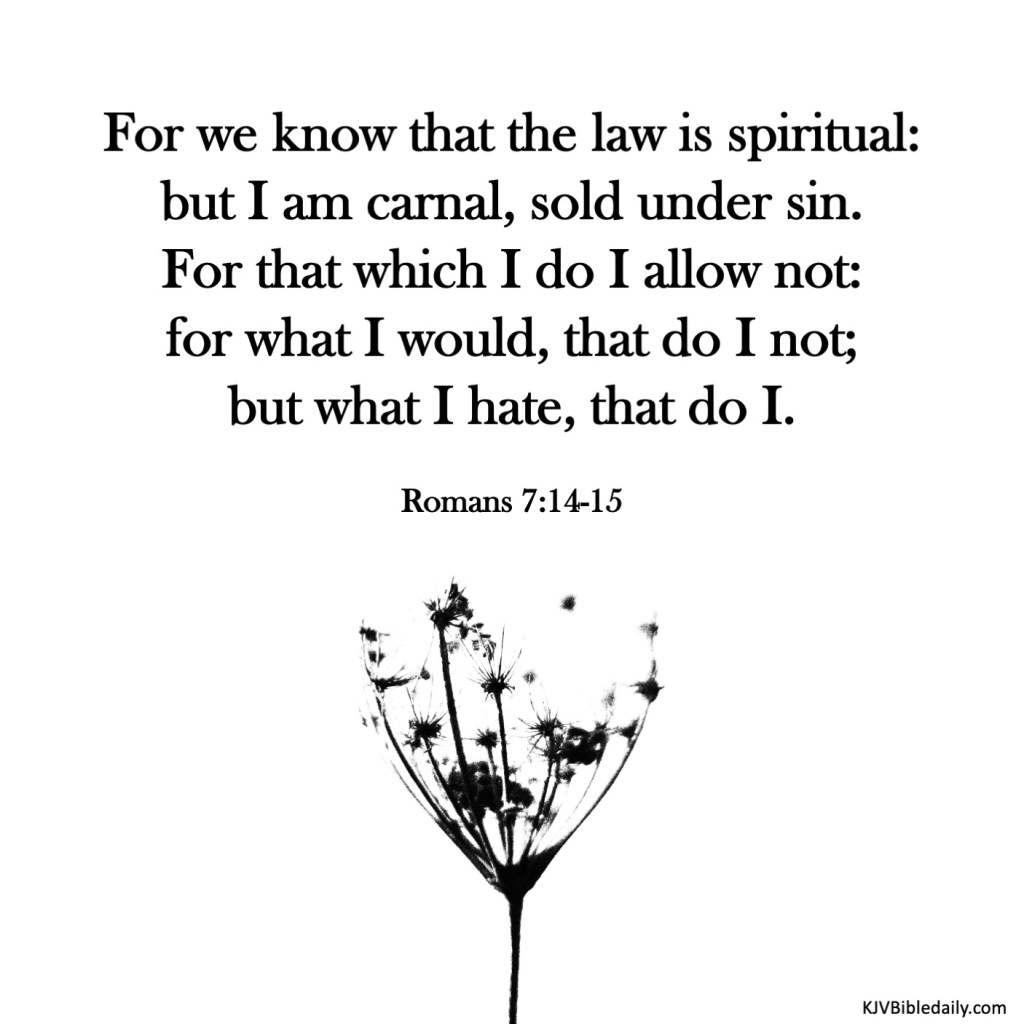







 Loving God, Living God, Loving Hope, Living Hope, Loving Living Life His Way! "Many things are possible for the person who has hope. Even more is possible for the person who has faith. And still more is possible for the person who knows how to love. But everything is possible for the person who practices all three virtues." - Brother Lawrence (1605-1691), Practicing the Presence of God (1692).